
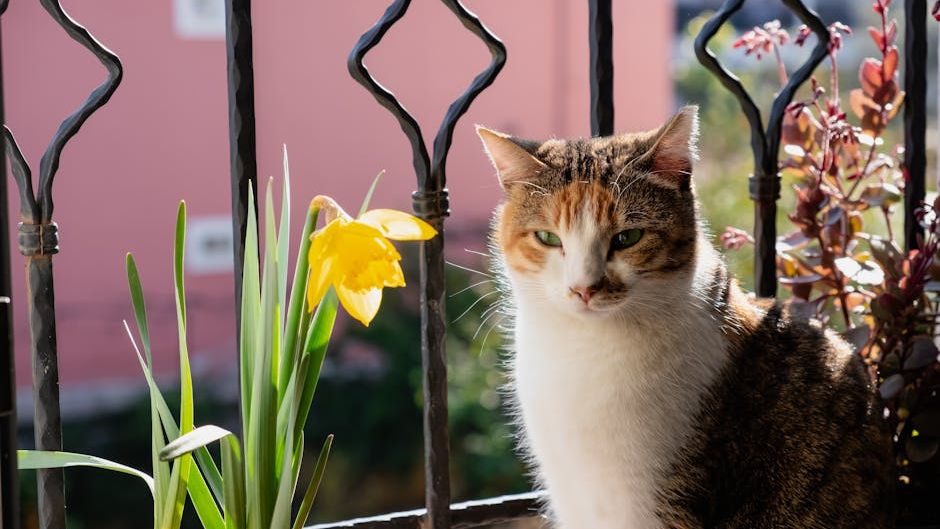
You love your home. You love your plants. You probably also love your cat more than almost anything in the world. So here’s the unsettling reality that most cat owners never think about until it’s too late: that gorgeous bouquet on your kitchen table, or that lush trailing vine on your windowsill, could be slowly – or rapidly – killing your furry best friend.
The toxicity of various plants and flowers can range from mild to severe depending on their poisonous components, and the ASPCA Animal Poison Control Center reported that in 2023, more than eight percent of all calls were related to pets ingesting plants toxic to them. That’s not a small number. Cats have unique metabolisms and grooming behaviors that make them especially vulnerable to certain plant compounds. They’re not just chewing plants on purpose either. Sometimes all it takes is a brush against a flower, a lick of pollen from a paw, and suddenly you’re rushing to the emergency vet. Let’s dive in.
1. Lilies: The Most Dangerous Plant in Your Home
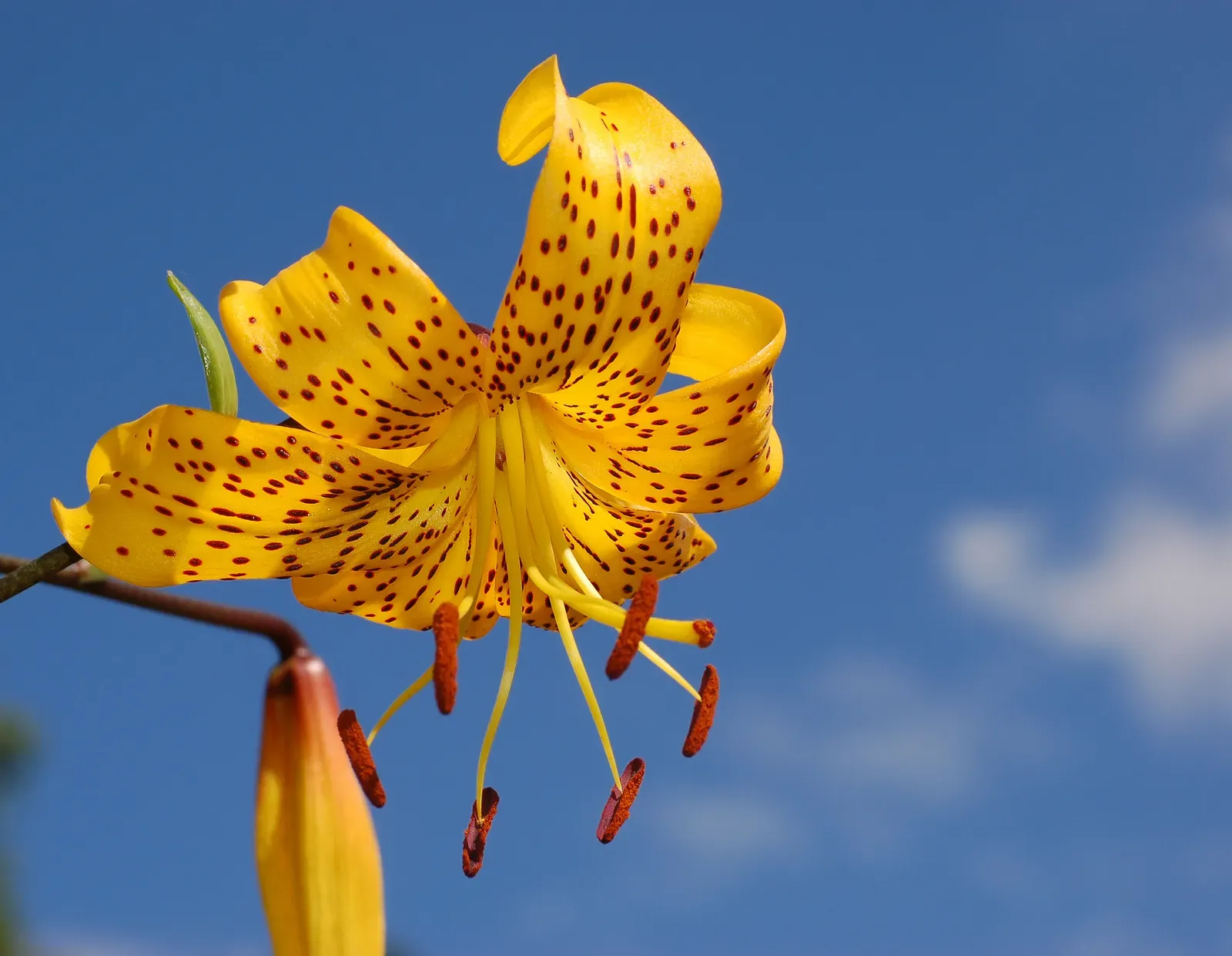
Let’s be real, no other plant on this list comes close to the sheer danger of the lily. Lilies are lethally toxic to cats. In fact, they are so poisonous that a cat can suffer fatal kidney failure just from biting into a lily leaf or petal, licking lily pollen from its paws, or drinking water from a vase containing cut lilies.
Although many plants contain the word “lily” in their name, the most dangerous species to cats include Asiatic lilies, Easter lilies, Japanese show lilies, rubrum lilies, stargazer lilies, red lilies, tiger lilies, Western lilies, wood lilies, and daylilies.
Early signs of lily toxicity in cats include decreased activity level, drooling, vomiting, and loss of appetite. These symptoms start zero to twelve hours after ingestion. Signs of kidney damage start about twelve to twenty-four hours after ingestion and include increased urination and dehydration. Kidney failure then occurs within twenty-four to seventy-two hours, leading to death if the cat isn’t treated.
According to one study, nearly three quarters of owners whose cats were exposed to a lily didn’t even realize the plant was toxic to their pets. That statistic is genuinely alarming. If treatment is delayed by even eighteen hours, the cat will generally have irreversible kidney failure. The simple answer here? Don’t bring lilies into your home at all.
2. Sago Palm: A Beautiful Killer Hiding in Plain Sight
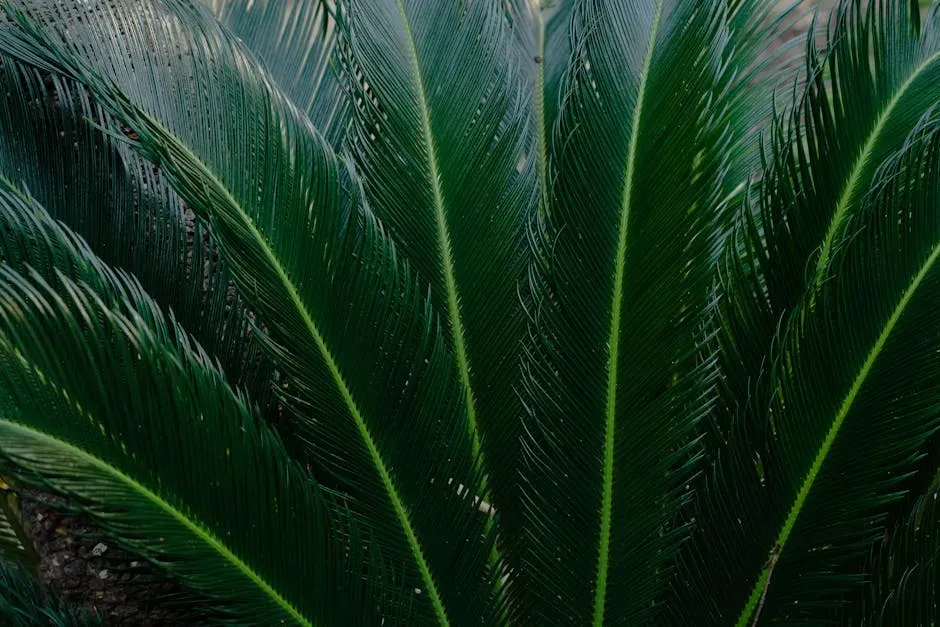
The sago palm looks like something straight out of a tropical resort. Elegant, dramatic, easy to care for. Honestly, I understand why so many people want one in their living room. The problem is deeply serious. Sago palm plants may look beautiful in your home or garden, but they hide a deadly secret for feline friends. These common ornamental plants are extremely poisonous to cats, with every part containing toxins that can cause severe liver damage within hours of ingestion.
All parts of the sago palm, from the seeds to the fronds, contain cycasin toxin, which quickly leads to serious symptoms, including liver failure. This isn’t a plant where a nibble means a tummy ache. This is a plant where a nibble can mean death.
Early signs of sago palm poisoning include vomiting, diarrhea, drooling, and decreased appetite. Your cat might seem tired or uninterested in normal activities. These symptoms can appear mild at first but may quickly worsen within hours.
In more advanced cases, watch for yellowing of the gums, skin, or eyes, which signals liver damage. Tremors, seizures, difficulty walking, or unusual behavior point to neurological effects. Bleeding from the nose, mouth, or in stool, excessive thirst, or inability to urinate are also serious warning signs.
Even with intensive vet care, the survival rate is only about fifty percent. Think about that. It’s essentially a coin flip. This is not a plant worth keeping around any cat.
3. Pothos (Devil’s Ivy): The Trailing Vine You Need to Rethink
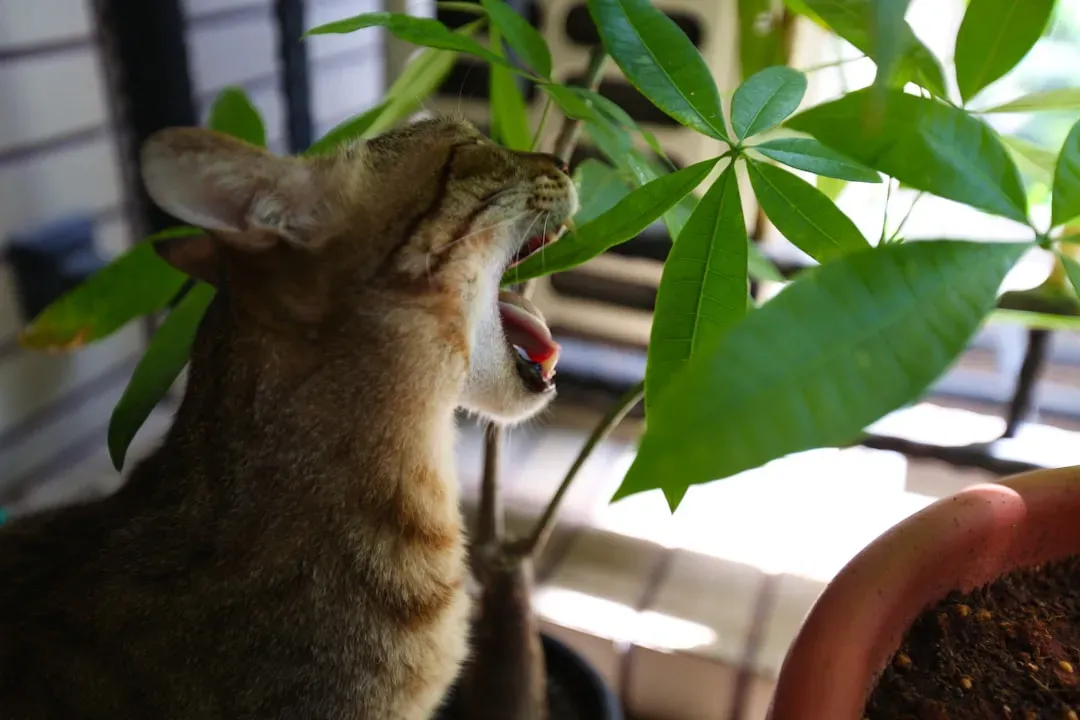
Pothos is probably the most common houseplant in the world right now. It’s everywhere – hanging in offices, draped from shelves, growing in bathrooms with no natural light. It’s practically indestructible. Unfortunately, it’s also a real problem if you have a cat.
Pothos, like monstera, can be found in many households because it is easy to care for and creates a stunning visual appeal. This plant has long stems that sometimes drape over and out of its container, making it appealing to cats who like to chew on plants. Ingestion of pothos can cause mouth irritation, intense burning and swelling in cats leading to excessive drooling. It may also cause vomiting and diarrhea.
Insoluble calcium oxalates, found in plants like pothos, cause intense mouth and throat irritation. Think of it like chewing on microscopic shards of glass. The cat feels immediate pain and distress, which is actually what causes most of them to stop eating after just a bite.
The calcium oxalates in the plant cause intense burning and irritation in the mouths of cats, which can lead to vomiting and throat swelling. In rare cases, that swelling can become severe enough to affect breathing. Most cats will survive eating some of a pothos plant, but they may become very ill in the process and will need to go to the vet for treatment of the symptoms. Hanging it high up is not always enough, especially when you have an athletic, determined cat.
4. Philodendron: The Lush Leaf That Hides Sharp Secrets
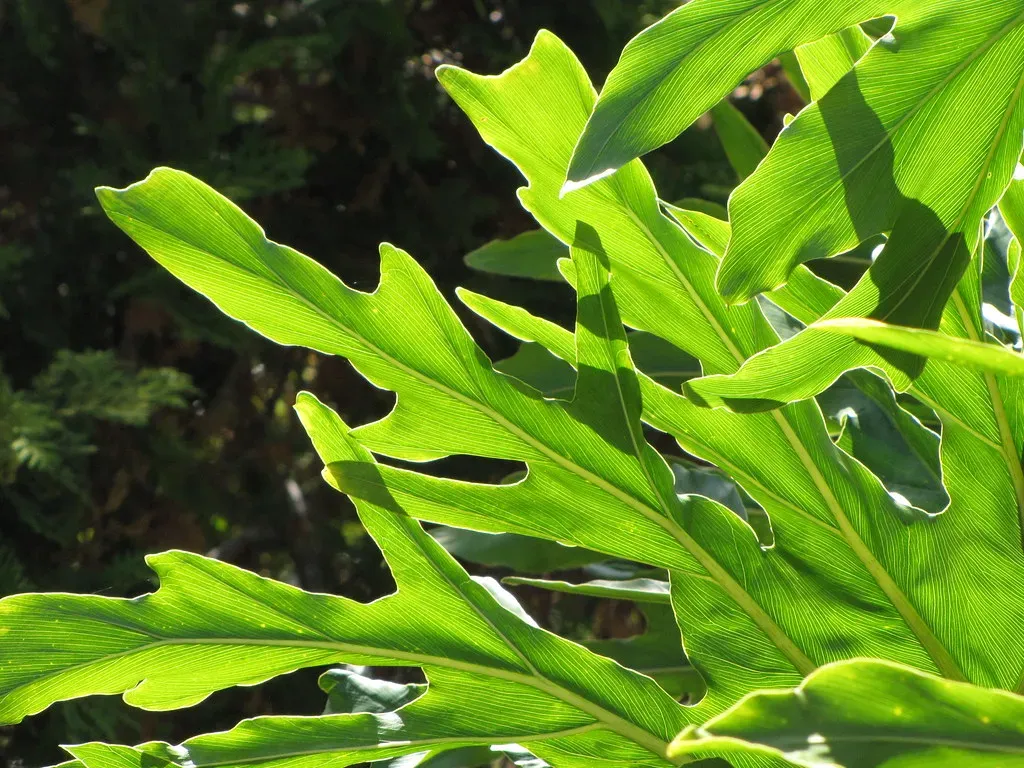
It sounds almost unfair. Philodendrons are gorgeous, low-maintenance, and beloved by plant enthusiasts everywhere. They come in hundreds of varieties, including the heartleaf philodendron, the monstera, and the fiddle-leaf. Unfortunately, while many look beautiful, philodendrons are toxic to cats. The philodendron family contains several varieties, such as heartleaf philodendrons and fiddle-leaf philodendrons.
Philodendrons are toxic to cats because they contain insoluble calcium oxalates. They are small sharp crystals that are released inside the cat’s stomach, intestines, and mouth if the plant is eaten. It’s a bit like the pothos situation, but philodendrons are often larger, with broader leaves that are even more tempting to a curious cat.
Philodendron leaves contain calcium oxalate crystals which, if ingested, irritate the gastrointestinal tract all the way through. Cats that have been affected will have oral irritation, swelling of the mouth, drool excessively and show signs of abdominal pain.
In rare cases, the cat’s throat could swell up, making breathing difficult. The tricky part is that so many people don’t realize their stunning tropical-looking plant falls under the philodendron family umbrella. When in doubt, look it up before bringing it home.
5. Tulips: Spring’s Most Beautiful Threat
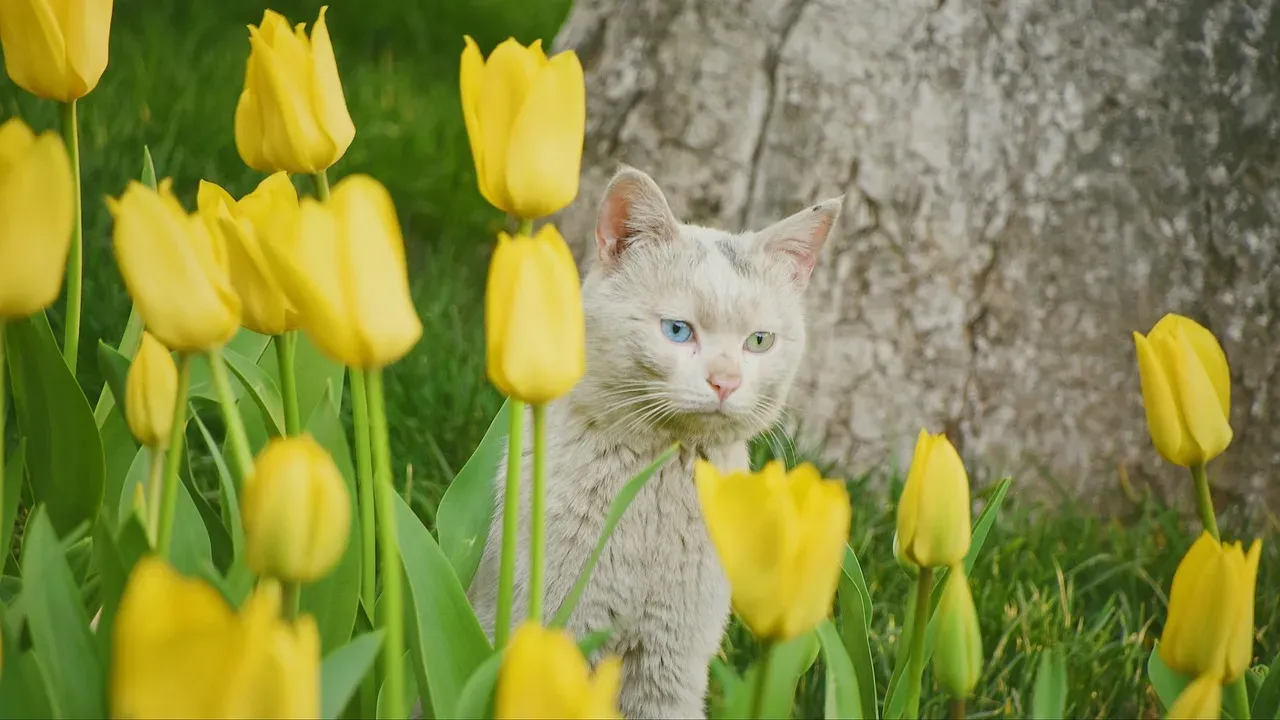
Every spring, flower shops fill with gorgeous, vibrant tulips. They feel cheerful and harmless. They’re absolutely not harmless to cats. Tulips contain toxic compounds known as tulipalin A and tulipalin B. These substances are found throughout the plant but are most concentrated in the bulbs. When ingested by cats, these compounds can cause a range of harmful effects.
The whole of the tulip plant is poisonous to cats, from the petals to the stem and leaves. However, the bulb is especially harmful as it has a higher density of the toxins. Most severe cases of toxicity arise from eating tulip bulbs, but if your cat has ingested any part of a tulip, you should contact your vet as soon as you’re aware of the situation.
Tulips contain tulipalin A and B, toxic compounds that can cause mild symptoms such as vomiting, diarrhea, and drooling if ingested. The toxins are found in the highest concentrations in tulip bulbs, and if your cat ingests a large amount, more serious symptoms such as an increased heart rate and breathing difficulties can result.
Here’s something worth knowing. Most tulip ingestions by cats involve eating just a leaf or two, possibly due to curiosity. Cats should find eating this plant irritating to their mouth and stomach, so most stop after just a bite. Still, even mild exposure warrants a call to your vet. Don’t wait to see how things develop.
6. Daffodils: The Cheerful Spring Flower With a Dark Side
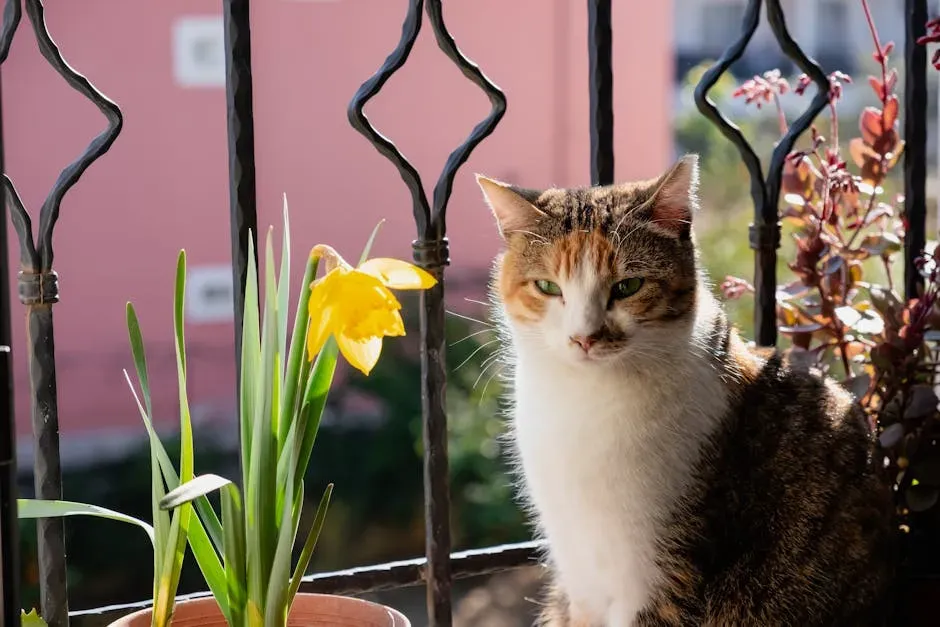
Daffodils are practically synonymous with spring. They’re everywhere from gardens to grocery store bouquets. Cheerful, yellow, iconic. Also toxic to your cat in ways that might genuinely surprise you. While daffodils are a beautiful sign of spring, they are unfortunately dangerous for feline friends. Daffodil bulbs contain crystals that are extremely toxic to cats if eaten.
Many plants are synonymous with spring, including daffodils, but the yellow flowers contain a poisonous alkaloid that can trigger vomiting. At the same time, crystals in the bulbs are severely toxic and can cause serious conditions such as cardiac arrhythmias or respiratory depression. That escalates fast, doesn’t it?
Minor ingestion of the leaves, stem, or flower can cause stomach upset due to the strong emetic properties of these alkaloids. Large ingestions of plant material or ingestion of the bulb can result in more severe clinical signs, including rapid heart rate, cardiac arrhythmias, low blood pressure, difficulty breathing, incoordination, tremors, and seizures.
The whole plant is toxic, especially the bulb. As a part of the Amaryllidaceae family, daffodils are harmful to cats, though rarely fatal. Still, “rarely fatal” is not the reassurance anyone wants when their beloved pet is involved. If your cat has consumed any part of a daffodil, it’s important to call your vet immediately even before symptoms start to show.
What to Do If You Suspect Your Cat Has Been Poisoned
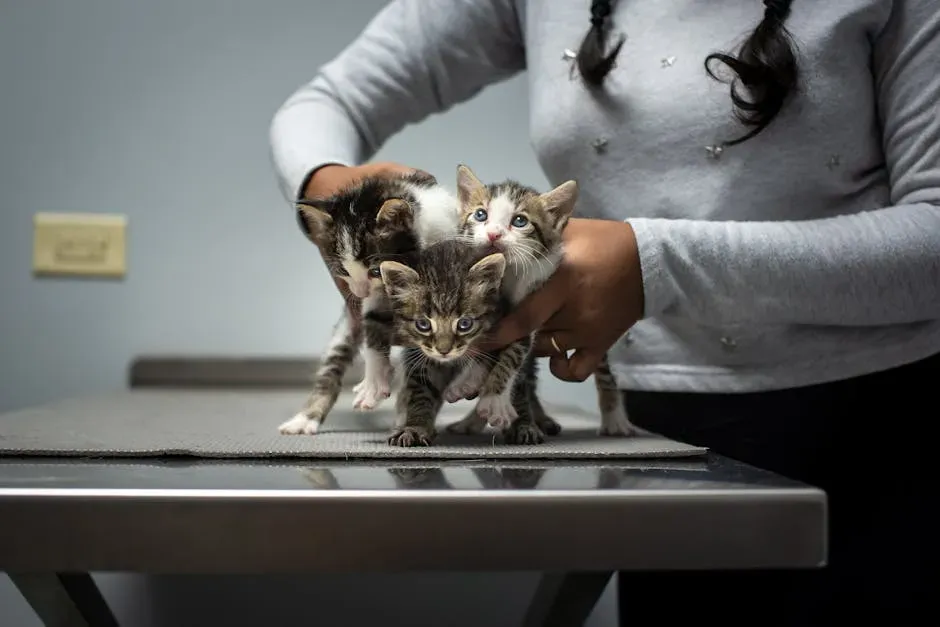
Knowing the risks is only half the battle. Acting fast is what actually saves lives. If your cat has been chewing on plants or you’re unsure what they’ve ingested, watch for gastrointestinal signs such as vomiting, diarrhea, drooling, and loss of appetite, as well as neurological signs including tremors, seizures, disorientation, and collapse.
If you see your cat eating a plant and you are uncertain if it is poisonous, or if you even suspect that your cat ate a toxic plant, remove any plant material from your cat’s hair, skin and mouth if you can do so safely.
Your veterinarian may give your cat medications to encourage vomiting and activated charcoal to absorb any of the toxin that may be in the gut. Your vet may also administer medication like sucralfate, which protects the damaged areas of the stomach. Supportive care, such as intravenous fluids, anti-nausea drugs, pain medicine, and anti-inflammatory medication will be used as needed.
If you believe your cat ate something poisonous, call the Pet Poison Helpline at 1-855-764-7661 or the ASPCA Animal Poison Control Center at 1-888-426-4435 for guidance. Keep these numbers saved in your phone right now, before you ever need them.
Conclusion
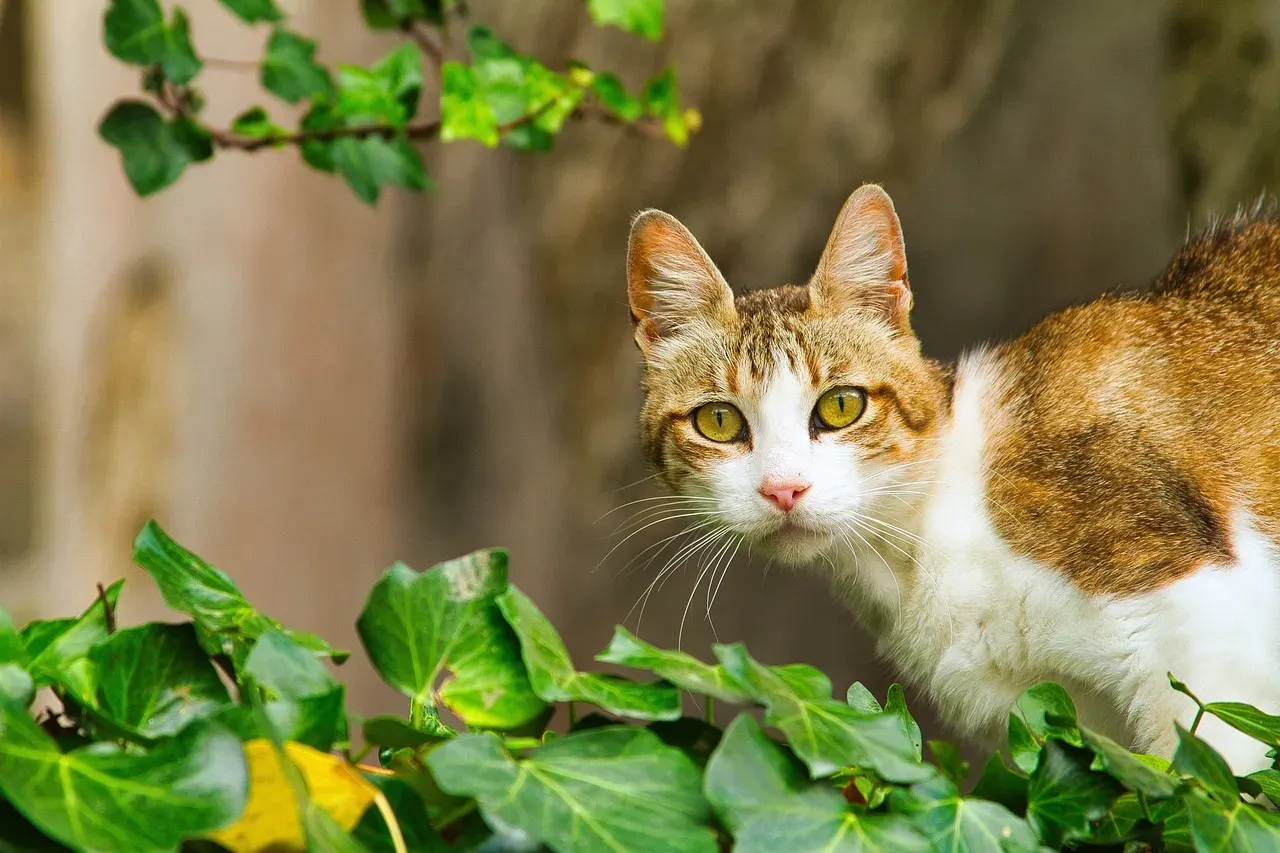
There’s something quietly unsettling about the fact that our homes can harbor real dangers to the creatures we love most. A bouquet from a friend, a trendy trailing houseplant, a spring garden full of color – none of these feel threatening. Yet for cats, they genuinely can be.
Knowing which plants in your home and garden are toxic to cats could help to safeguard your feline friend’s health if they suffer from poisoning due to ingesting toxic plants. The good news is that knowledge really does translate directly into action. Remove the risky plants, replace them with cat-safe alternatives like spider plants, roses, or orchids, and keep those poison control numbers within reach.
Your cat trusts you completely. They explore the world with curiosity and zero sense of botanical danger – which is honestly one of the things we love about them. So the question worth sitting with is this: do you know exactly which plants are currently within reach of your cat at home?

- These Endangered Species Are Making Remarkable Comebacks Thanks to Dedicated Efforts - July 17, 2026
- 10 Fascinating Facts About the Badlands: America’s Ancient Fossil Kingdom - July 17, 2026
- 10 Fascinating Facts About Monument Valley: The Ancient Landscape That Shaped the American West - July 17, 2026