
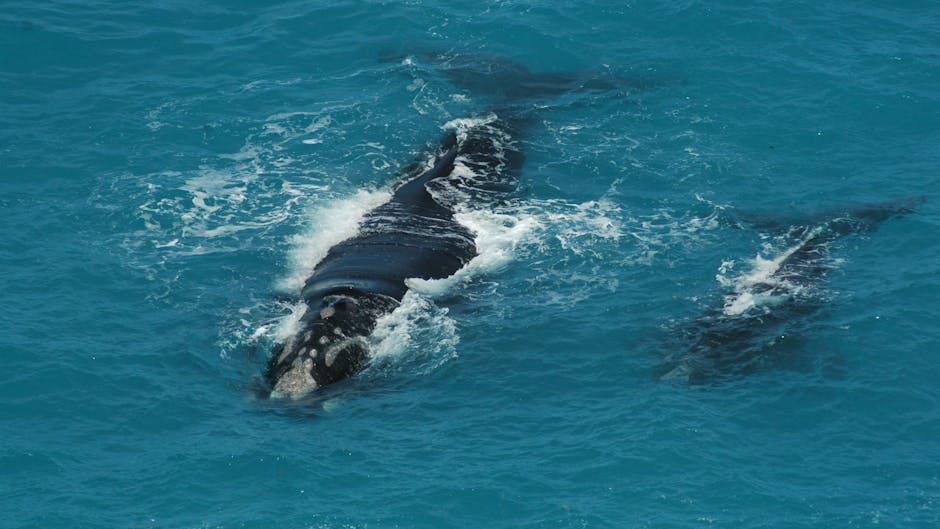
There are stories from the ocean that make you stop and just breathe for a moment. This is one of them. Somewhere off the sunlit coast of Florida, a fifty-year-old whale named Ghost slipped quietly into the warm Atlantic waters with a brand new calf swimming by her side. Her ninth. At fifty years old.
In a world where the North Atlantic right whale teeters on the very edge of existence, a birth like this is not just heartwarming. It is extraordinary. It is the kind of news that makes conservation scientists cheer, and the rest of us remember just how fragile and precious life in the ocean really is. Let’s dive in.
Meet Ghost: The Whale Behind the Name
The whale that has caught the world’s attention is Ghost (#1515), who has a callosity pattern that looks like a cartoon ghost with two dark areas for eyes. Honestly, you couldn’t make up a better name. She appears when she wants, vanishes without a trace, and leaves researchers both baffled and amazed.
Much like a ghost, her sighting history is mysterious and spotty. Researchers first saw Ghost in 1985, fully grown and with a calf. Nearly all of her sightings since then have been in the Southeast with a calf. Researchers simply do not know where else she spends her time. For a species so critically monitored, that level of mystery is almost unbelievable.
Ghost (#1515), first identified in 1985 with a calf, is now estimated to be at least 50 years old, possibly older, making her one of the oldest known right whales actively calving. Think about that for a second. Still giving birth at fifty. Still showing up. Still surviving against all odds.
The Sighting That Stopped Everyone in Their Tracks
On January 30, 2026, volunteers from the Marineland Right Whale Project saw right whale #1515 “Ghost” and her new calf approximately a half mile off Flagler Beach, Florida. It was a quiet January morning that suddenly became anything but quiet.
The sighting was also recorded by the research vessel team from the Florida Fish and Wildlife Conservation Commission. Having multiple teams on the water to confirm this moment speaks volumes about how closely scientists watch this fragile population. Every sighting matters. Every new calf matters even more.
Ghost is close to 50 years old and this is her ninth known calf. To put that into perspective, imagine running a marathon at seventy. The biological endurance involved here is truly staggering.
Ghost’s Family: A History Wrapped in Mystery
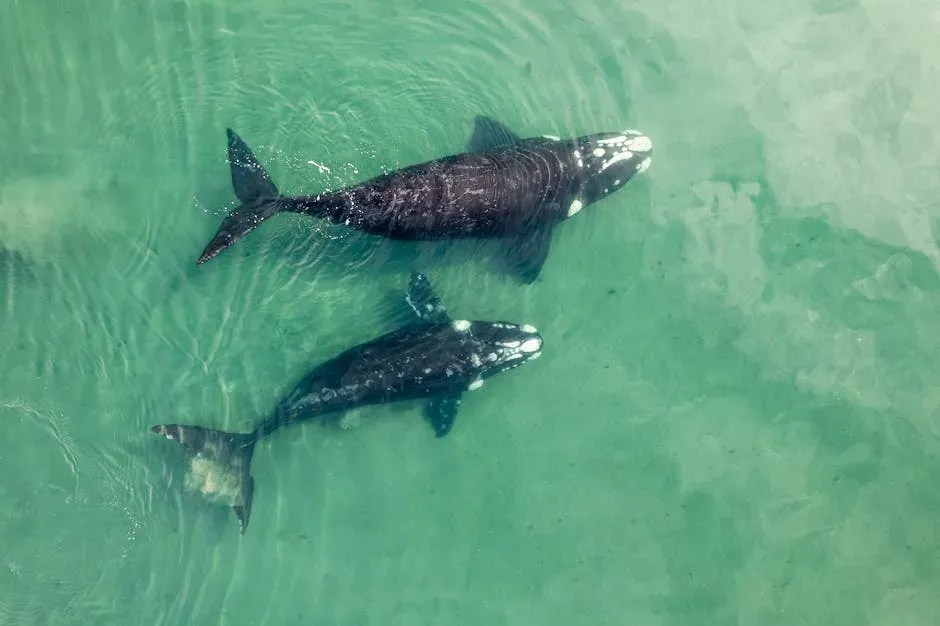
Ghost’s first five calves were not cataloged or are presumed dead. Her three most recent calves were all seen in 2025. Two are females and the other’s gender is unknown. Her story is equal parts triumph and heartbreak, much like the story of the entire species itself.
The calf of unknown gender, #4715, is nearly as mysterious as its mother. #4715 was first seen as a calf with Ghost in 2017 outside the Southeast, which is rare. The NOAA Fisheries Northeast Fisheries Science Center aerial survey team spotted the mother-calf pair in the waters of the Great South Channel, east of Nantucket, Massachusetts.
The following year, #4715 journeyed into the Gulf of America. At the time, it was only the third known occurrence of right whales in the Gulf since 2000. #4715 was not seen again until 2021 and has a limited sighting history overall, just like its mother. The apple, it seems, does not fall far from the ghostly tree.
A Species on the Brink: The Bigger Picture
Here’s the thing. Ghost’s birth is beautiful news, but it exists against a backdrop that is genuinely alarming. The North Atlantic right whale is one of the most endangered large whale species on Earth. They have been listed as endangered since 1970, and there are only around 380 of them left, according to the latest estimates from 2026.
Every calf born to this population, with just 70 reproductively active females, is precious. Seventy breeding females. That is fewer people than you might have at a family reunion. The weight of an entire species rests on that very small number.
Since 2017, more than one in five of the North Atlantic right whale population has become sick, injured, or killed. Entanglement in fishing gear is a persistent and deadly danger for these whales. It is a crisis that continues to unfold in slow motion, often beyond the public eye.
The Calving Crisis: Numbers That Tell a Disturbing Story
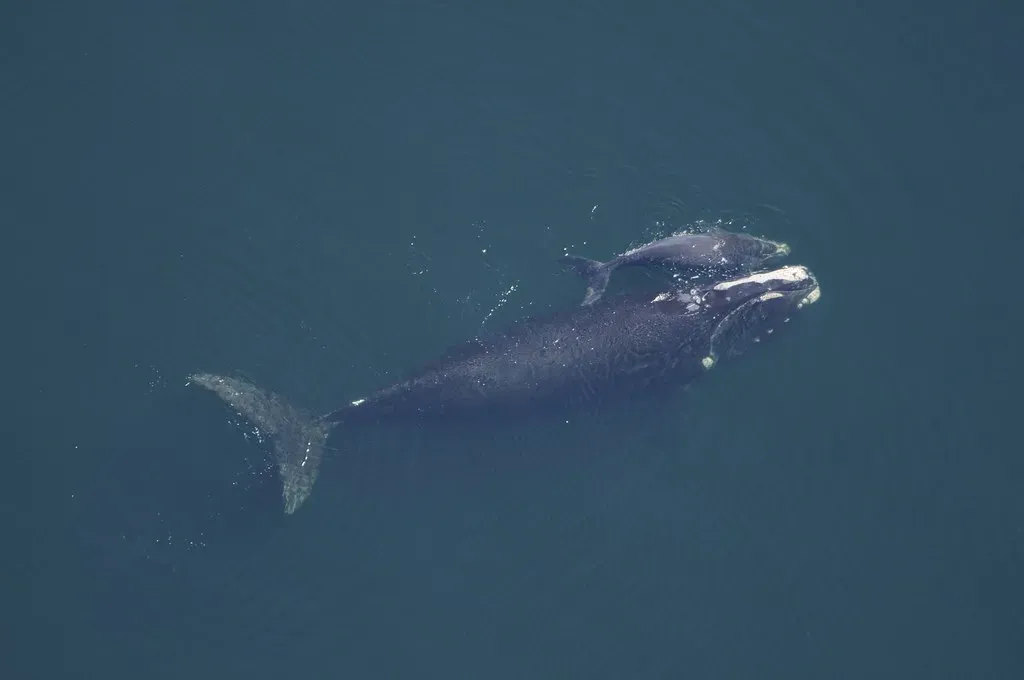
Normally, each female has a single calf every three to four years. Now, however, the females are only producing a calf every seven to ten years. That collapse in reproductive rate is not a small statistical shift. It is a warning alarm going off at full volume.
This may be due to a combination of stress from vessel strikes and noise, entanglements, and reduced prey availability as a result of climate change. It is rarely one thing that pushes a species to the edge. It is the relentless accumulation of many pressures at once.
Around 50 new calves are needed each year to halt the species’ decline, but this goal is not currently being met. In 2023, there were just 12 births during the entire breeding season, which runs from November to April. The 2024 season was a little better with 20 calves recorded. In 2025, just 11 calves were recorded, but the 2026 season is looking more hopeful. So far, there have been 22 calves identified, making it one of the more successful seasons.
What Ghost’s Ninth Calf Means for Hope and Conservation
I think it’s important not to romanticize a single birth into a full conservation victory. But Ghost’s ninth calf does something powerful. It proves what is possible when a right whale survives long enough, stays healthy enough, and gets just enough space to live her life.
Just roughly one in ten right whales are expected to live past the age of 47 due to dangers from vessel strikes and entanglements, so Ghost’s survival is genuinely exceptional. She is, in every sense, a living symbol of what this species could be if given a fighting chance.
The only way to secure the long-term success of this species is to reduce the mortality rates from vessel strikes and entanglements. Ghost has done her part. The question is whether the rest of us will do ours.
Conclusion: One Whale, One Calf, One Chance
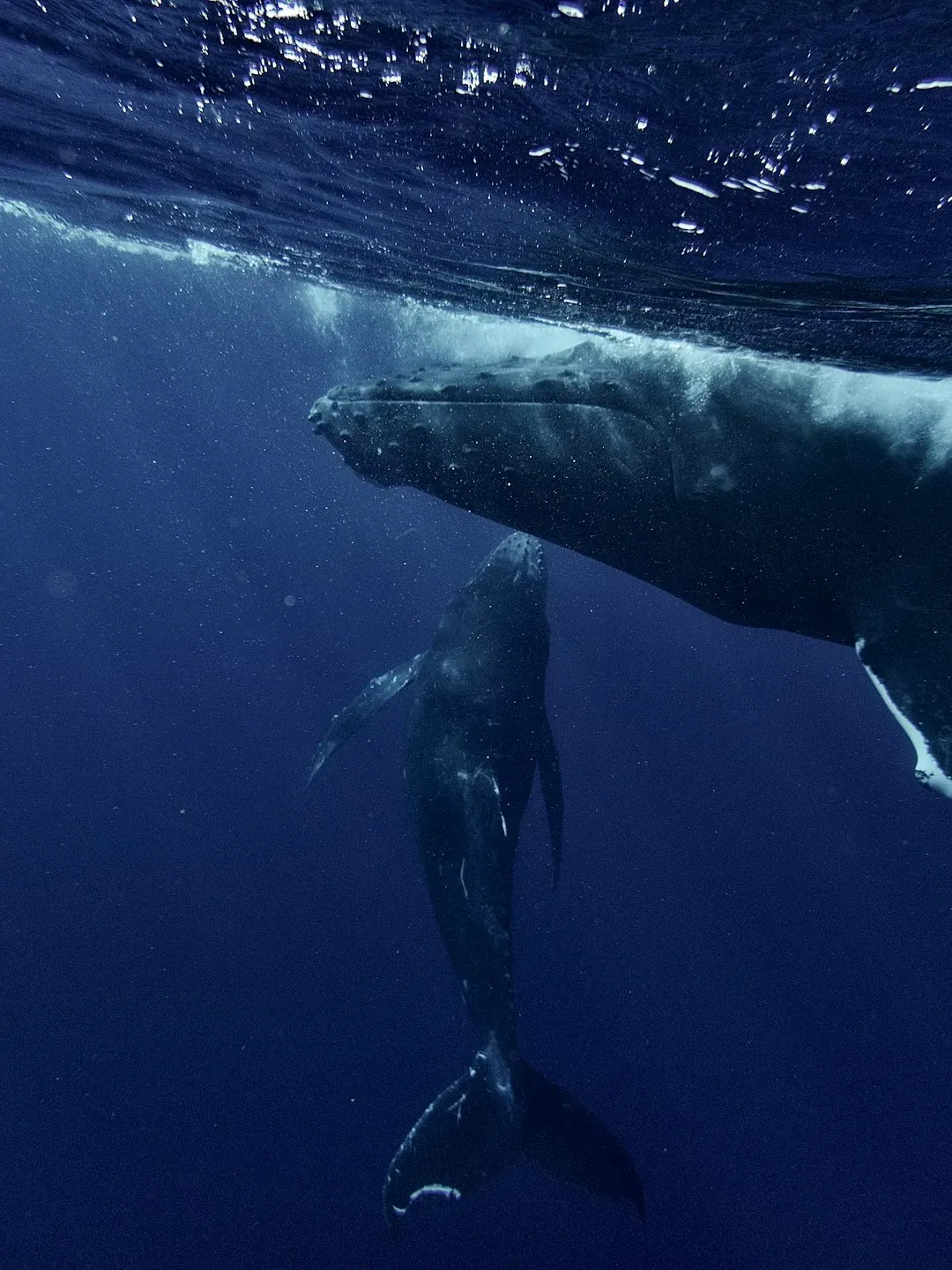
Ghost has been swimming these waters since before many of us were born. She has given life nine times over, navigated invisible threats, disappeared for years at a stretch, and come back. That is not just survival. That is defiance.
Her ninth calf is a moment of genuine joy in a story that too often carries grief. It is a reminder that the ocean still holds wonders worth protecting, and that species on the edge of extinction are not yet lost causes. They just need us to stop being the reason they disappear.
The right whale does not ask for much. Safer shipping lanes, fewer deadly entanglements, cleaner and warmer oceans managed with care. What do you think? Is enough being done to protect what is left of these magnificent animals?

- 14 Quiet Signs Your Dog Knows Its Time Is Near and Wants You Close - July 22, 2026
- 5 Incredible Migratory Journeys Animals Make Every Year - July 22, 2026
- Why Do Coyotes and Badgers Hunt Together - July 22, 2026