

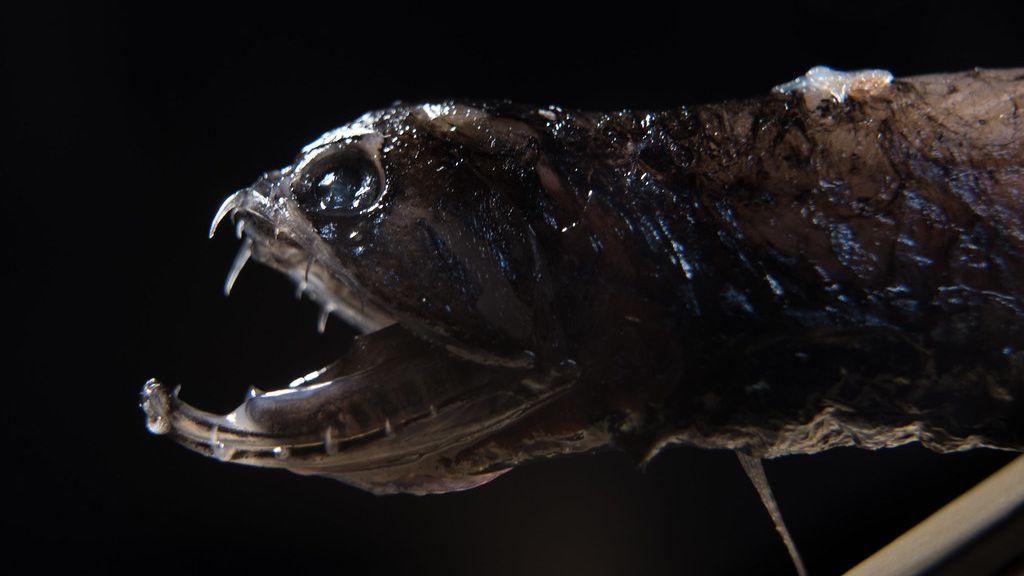
Imagine a world with no sunlight, temperatures barely above freezing, and pressure so immense it would crush a human being in an instant. This is not science fiction. The deep sea encompasses the largest habitat on Earth and presents a set of extreme and unique environmental conditions, including high hydrostatic pressure, near-freezing temperatures, and perpetual darkness. Yet life not only exists down there, it absolutely thrives.
What lives in those crushing, lightless depths is honestly more bizarre and awe-inspiring than anything dreamed up in Hollywood. These are not fragile curiosities. They are battle-hardened survivors shaped by millions of years of evolution into something almost otherworldly. Get ready to be surprised by what you find below.
1. The Mariana Snailfish: King of the Deep
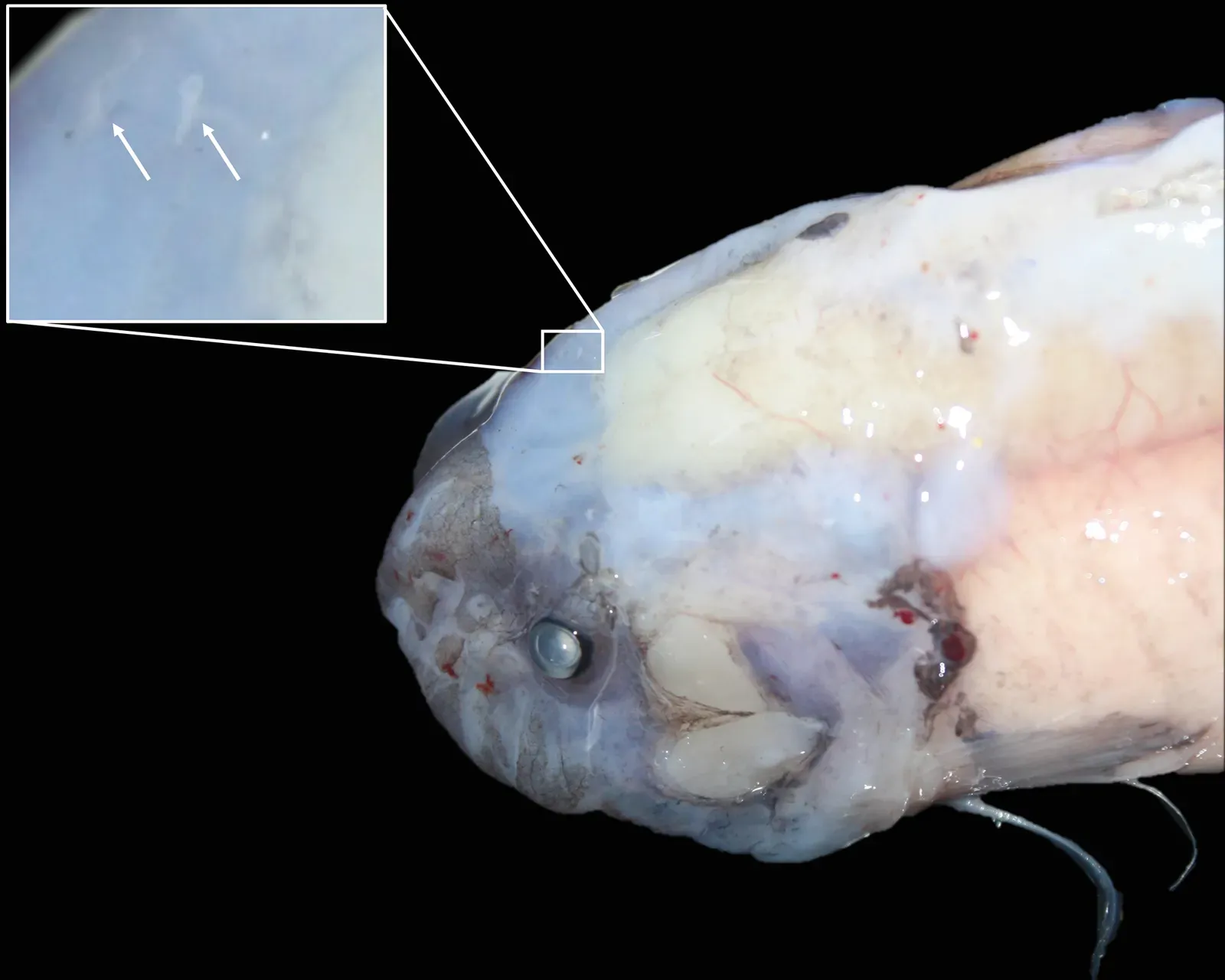
Here’s a creature that sounds almost too absurd to be real. These translucent pink wonders hold the record as the ocean’s deepest-living vertebrates, spotted swarming at over 8,000 meters in the Mariana Trench. That depth, to put it plainly, is deeper than Mount Everest is tall.
Compared to shallow-water snailfish, the Mariana snailfish has several unusual adaptations for its dark and high-pressure habitat, including transparent skin that lacks pigment, certain enlarged organs and eggs, thinner muscles, and incomplete ossification of its bones, with mechanisms that allow proteins in its body to still function under crushing pressure. Honestly, the fact that something this delicate-looking dominates one of the most hostile places on Earth is nothing short of extraordinary.
2. The Hadal Amphipod: Scavenger Built for the Abyss
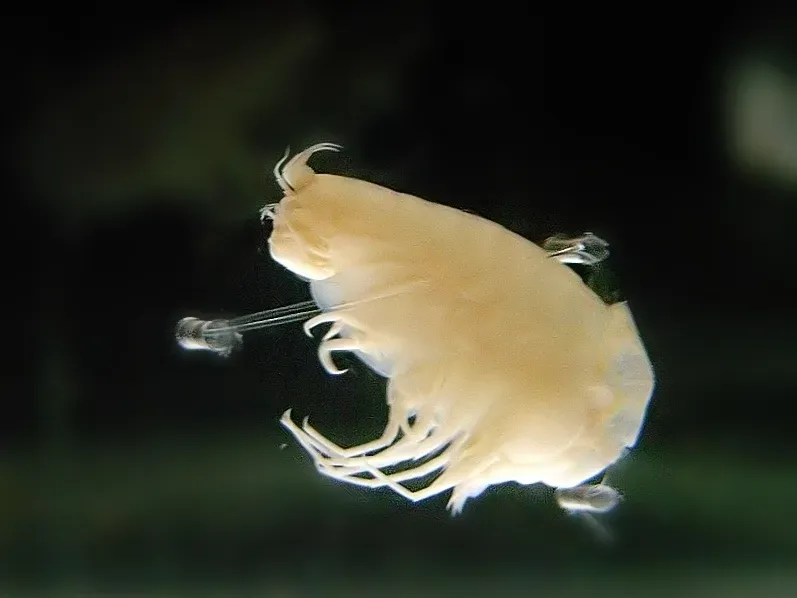
The amphipod Hirondellea gigas is a dominant species inhabiting the deepest part of the ocean, from roughly 6,800 to 11,000 meters. Think of them as the deep ocean’s ultimate cleanup crew. Nothing much goes to waste down there when these creatures are around.
Species of amphipods are among the most successful colonizers in hadal trenches. They are widely distributed in all trenches sampled to date and normally occur in large numbers. These scavengers play essential roles in the hadal food web by consuming and dispersing carrion falls and by providing a food source for predators such as snailfishes. Found around 6,000 meters and deeper in trenches like the Mariana, they pack pressure-resistant molecules like TMAO.
3. The Giant Tube Worm: Feeding on Poison
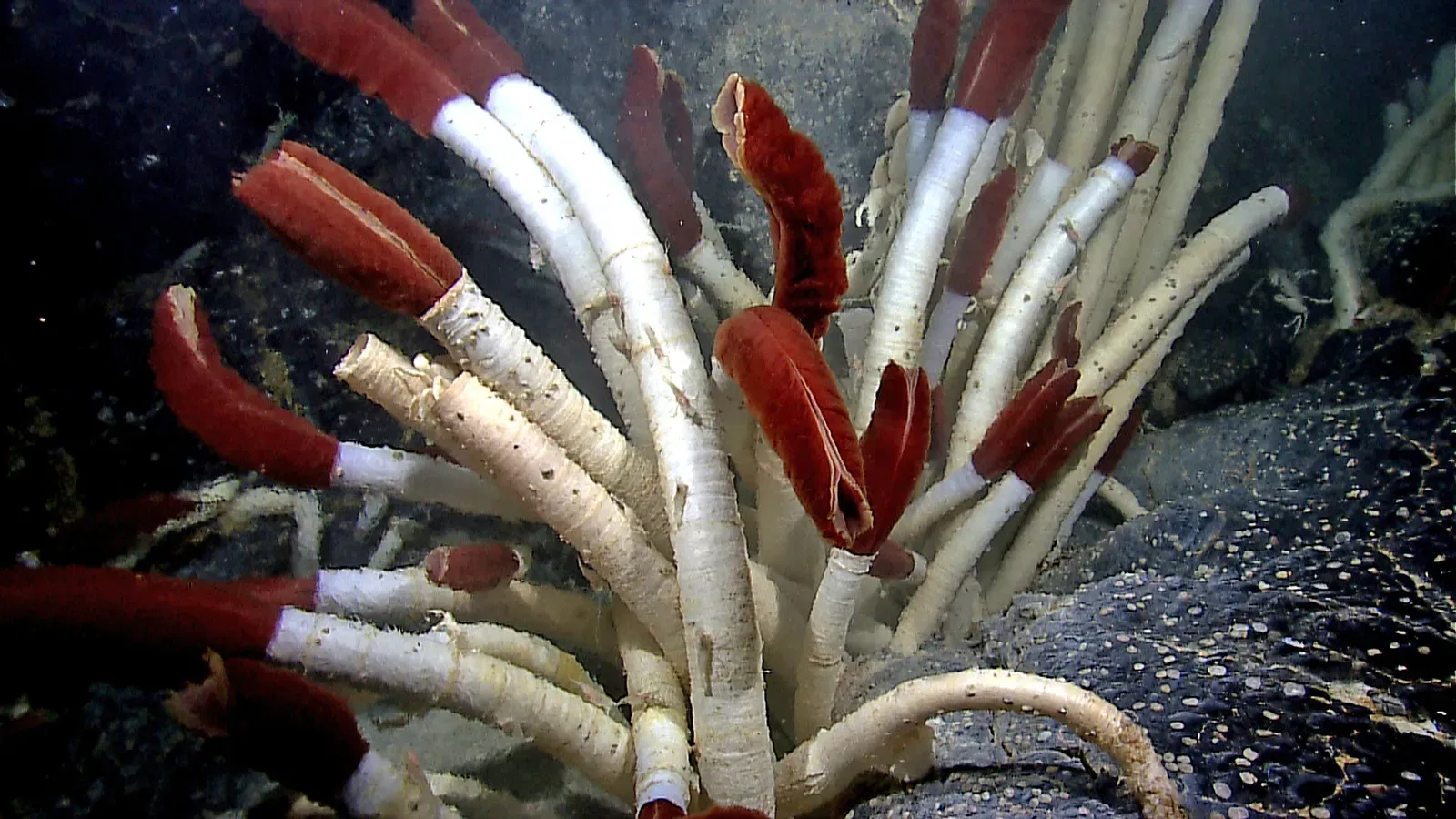
Let’s be real, most of us learned that life depends on sunlight. Giant tube worms exist specifically to prove that idea wrong. A 2025 Chinese dive uncovered 30 centimeter tubeworms carpeting Mariana seafloor cracks at nearly 10,000 meters, harnessing methane via chemosynthesis with no sunlight needed. Swarms form the deepest such ecosystems known, clustering with microbial mats and thriving in toxic seeps.
Some animals have found a way to survive through chemosynthesis, a process that occurs when bacteria and other organisms use chemical energy from sulfides, methane, and other inorganic compounds to produce food. Some of these bacteria form symbiotic relationships with larger animals, living directly in the tissues of these animals. Giant tube worms have mastered this partnership to perfection.
4. The Tardigrade: The Indestructible Microscopic Giant
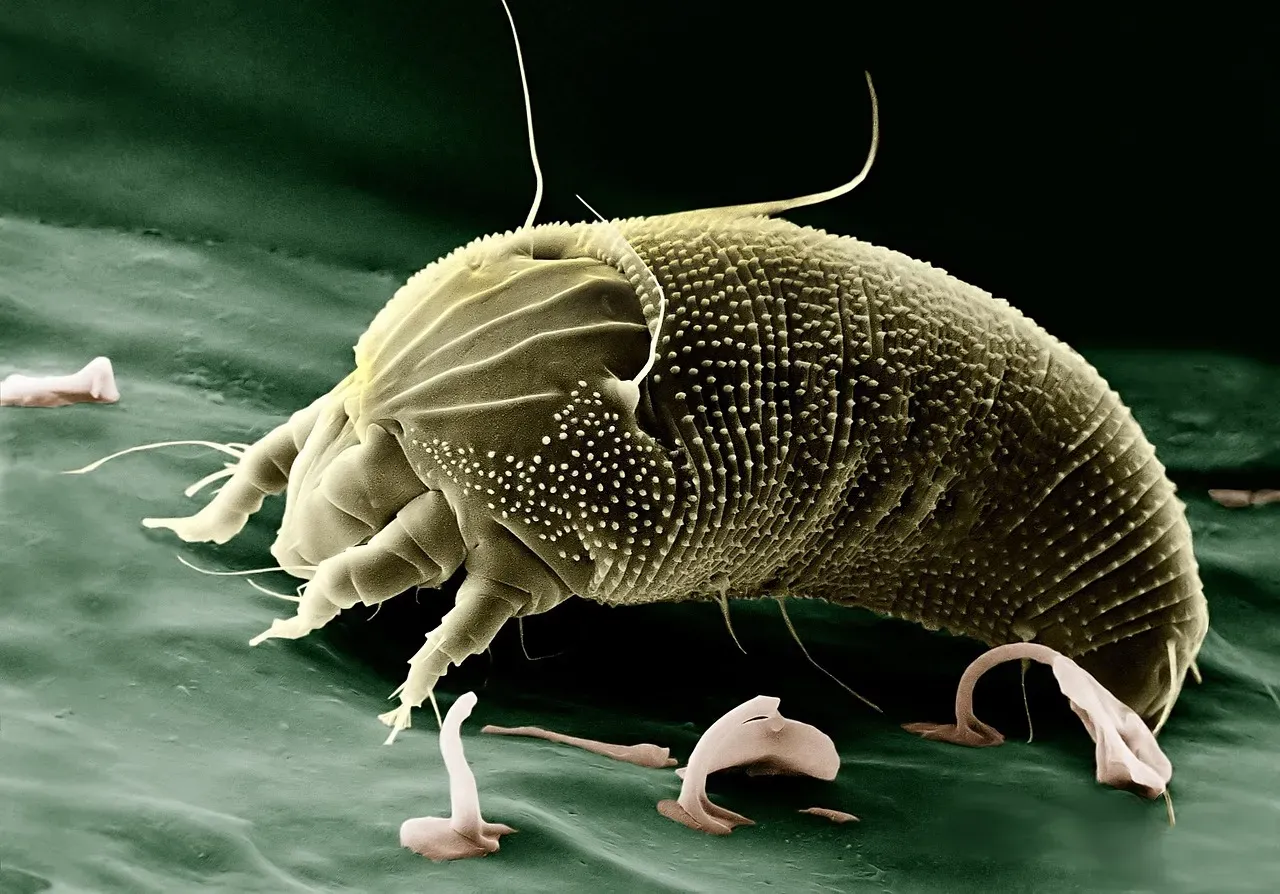
I know it sounds crazy, but there exists a creature so resilient it has survived the vacuum of outer space. Tardigrades are among the most resilient animals known, with individual species able to survive severe conditions such as exposure to extreme temperatures, extreme pressures both high and low, air deprivation, radiation, dehydration, and starvation, conditions that would quickly kill most other forms of life.
Tardigrades live in diverse regions of Earth’s biosphere, including mountaintops, the deep sea, tropical rainforests, and the Antarctic. They are microscopic, barely visible to the naked eye, yet their survival toolkit puts nearly every other organism on the planet to shame. The earliest known tardigrade fossil is from the Cambrian, some 500 million years ago. That kind of evolutionary staying power speaks for itself.
5. The Dumbo Octopus: Graceful Ghost of the Deep
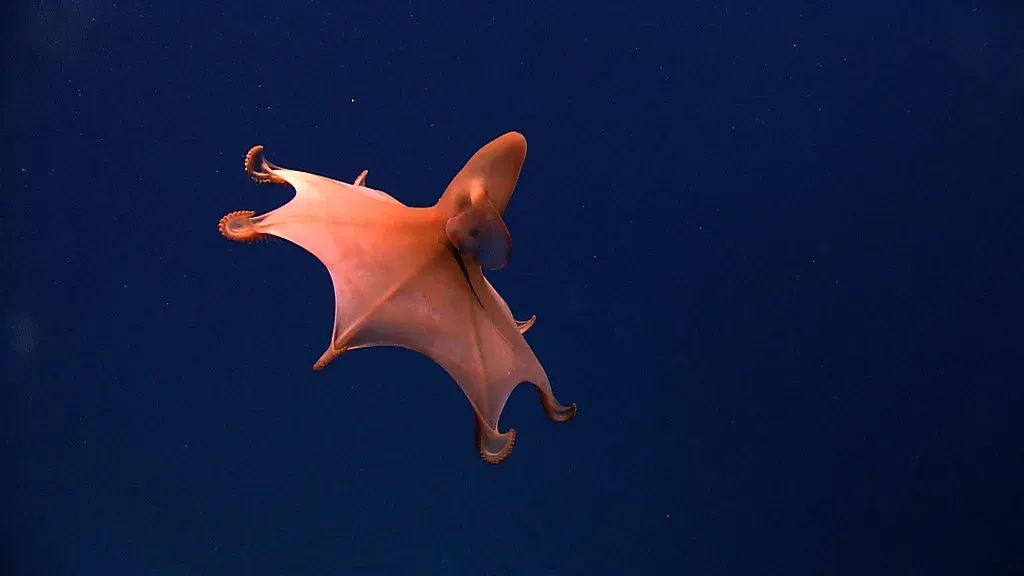
The dumbo octopus is one of those creatures that somehow manages to be utterly adorable and deeply strange at the same time. Unlike shallow-water relatives, the cirrate octopods have fins off their bodies. The resemblance to a certain flying elephant has led to some members of this group being known as dumbo octopuses, and they even flap these ear-like fins while they swim.
Deep sea octopuses demonstrate exceptional maternal dedication, with females guarding their eggs for years without feeding, sometimes sacrificing their lives for their offspring’s survival. That kind of fierce parental devotion, in an environment with almost no food, is remarkable. It makes you wonder what else is lurking in those darkened waters with a story this compelling.
6. The Anglerfish: Hunter in Total Darkness
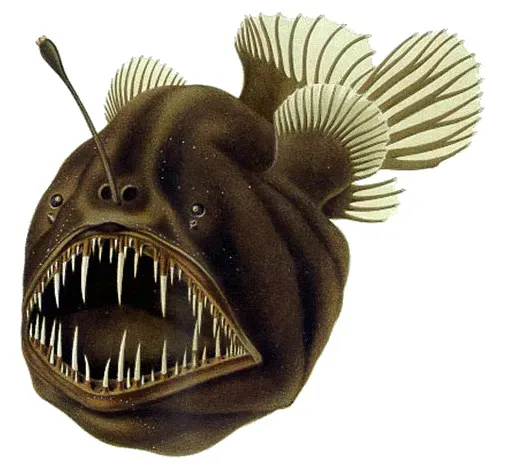
In the absence of sunlight, many deep-sea creatures have evolved a mesmerizing adaptation known as bioluminescence. From the otherworldly glow of the anglerfish’s lure to the sparkling displays of comb jellies, bioluminescence serves multiple purposes, including attracting prey, confusing predators, and facilitating communication in the pitch-black depths.
Male anglerfish permanently fuse with females, becoming lifelong parasitic mates that ensure successful fertilization in the vast darkness. Think about that for a moment. The male essentially dissolves into the female’s body, surrendering everything for one single biological purpose. It is one of the most extreme reproductive strategies in all of nature, and yet, evolution decided it was the perfect solution for surviving in the abyss.
7. The Xenophyophore: A Single Cell the Size of Your Hand
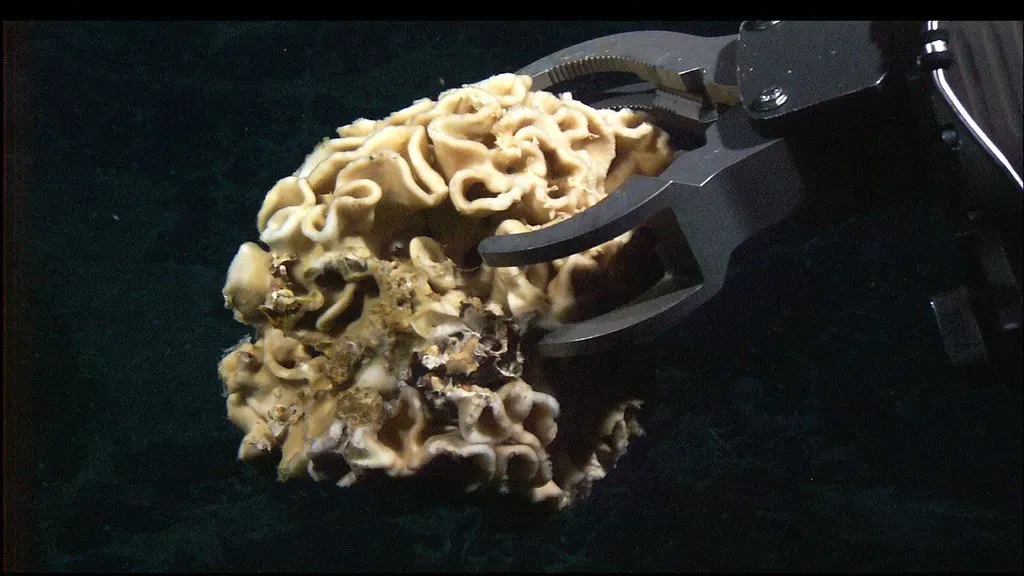
Most single-celled organisms are invisible to the naked eye. Then there is the xenophyophore, which throws that rule completely out the window. Imagine a single cell bigger than your hand, building ornate sediment homes at 8,000 to 11,000 meters in the Mariana Trench. These foraminifera giants filter feed in the deepest hadal voids.
They carpet the seafloor, stabilizing the oozy bottoms in a way no other organism at those depths can. They are not just survivors. They are engineers. Much of the ocean remains unexplored, with only around ten percent of marine species having been documented thus far. Discoveries like the xenophyophore remind us how much of the story is still unwritten.
8. The Sea Cucumber: The Ocean’s Unlikely Vacuum Cleaner
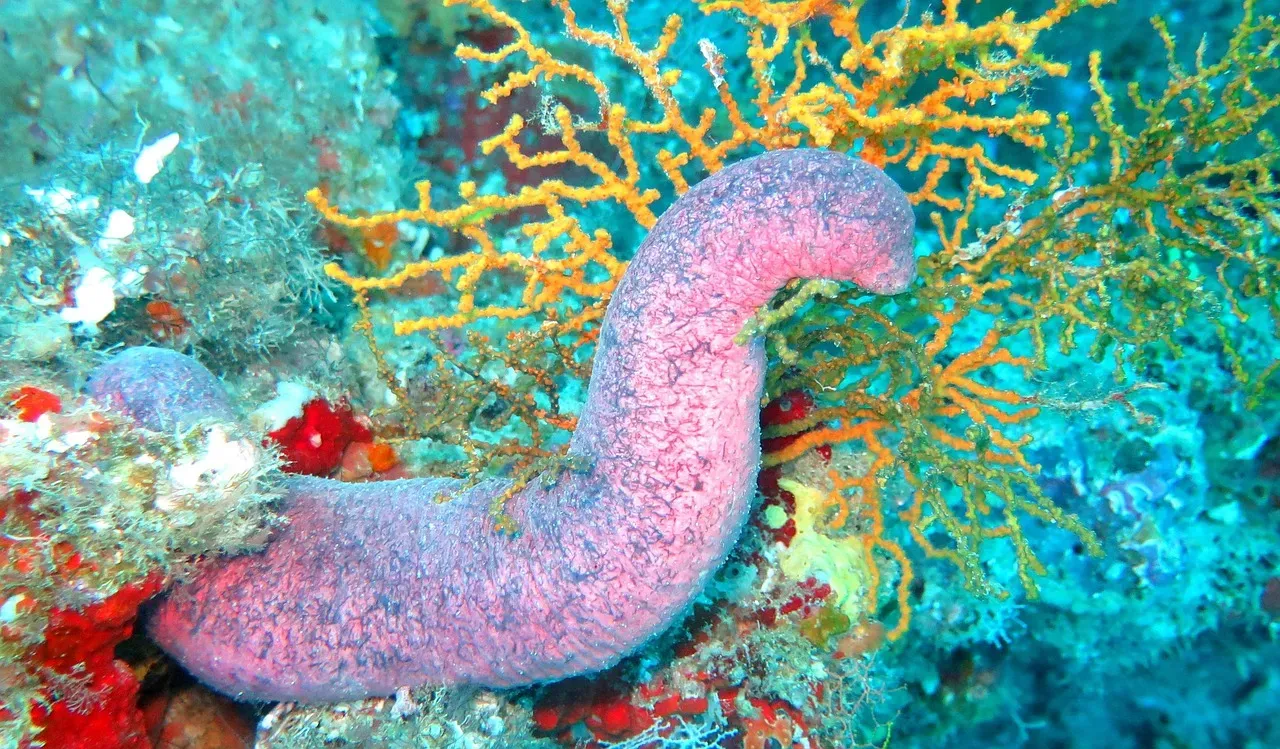
Sea cucumbers are particularly plentiful in the deep ocean and have developed some interesting adaptations to survive conditions at depth. They lack lungs or gas-filled spaces that would make them more susceptible to the intense pressures of the deep ocean. Instead, sea cucumbers breathe as water is pumped through two respiratory trees located on each side of their digestive tracts.
As food is scarce in the deep ocean, sea cucumbers feed on nutrients attached to sediments on the seafloor. They use their tube feet to eat seafloor mud, extracting what little nutrition may have persisted after slowly sinking from the productive upper ocean, and then expelling undigested mud. For this reason, sea cucumbers are sometimes called the vacuum cleaners of the sea. Unglamorous? Perhaps. Essential? Completely.
9. The Greenland Shark: An Ancient Wanderer of the Deep
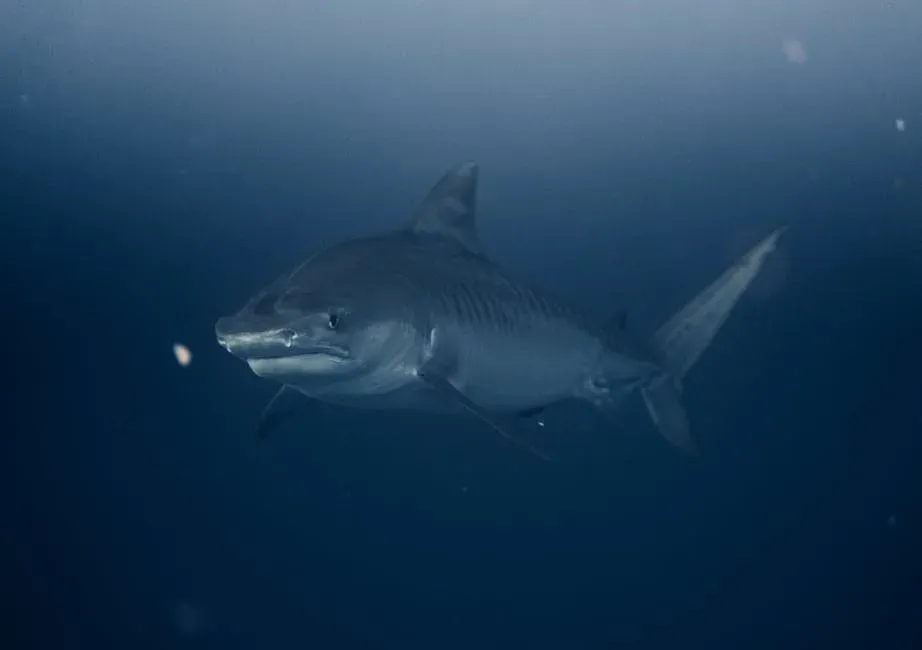
There are old animals, and then there is the Greenland shark. Some Greenland sharks are estimated to be over 400 years old, making them some of the oldest vertebrates on the planet. These ancient creatures move leisurely through the deep Arctic waters. Greenland sharks are predators with a mysterious diet, often eating fish but also scavenging on larger animals.
In the cold and nutrient-poor depths, metabolic rates slow down to conserve energy. Some deep-sea animals, such as the Greenland shark, exhibit an exceptionally slow pace of life. These animals can live for centuries, and their longevity is a testament to their ability to adapt to the challenges of their environment, where resources are scarce and survival requires patience. Patience, it turns out, is the ultimate deep-sea survival strategy.
10. The Deep-Sea Dragonfish: Armored and Bioluminescent
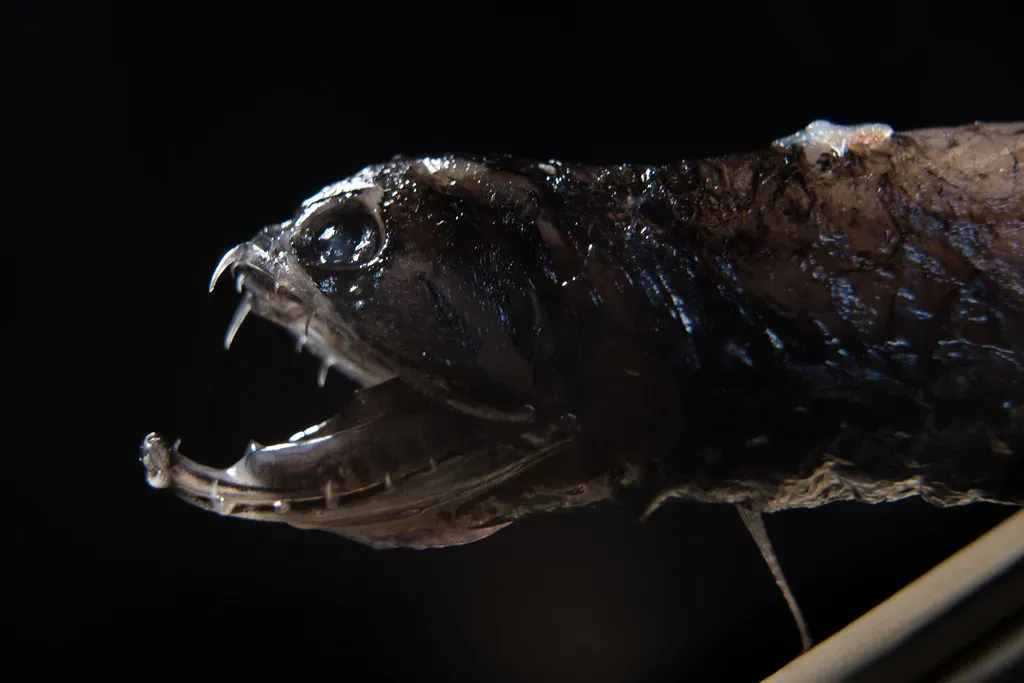
If the deep ocean had its own version of a supervillain, the dragonfish would be the top candidate. Braving depths of 5,000 feet, the deep-sea dragonfish is a formidable predator. This species is equipped with bioluminescent organs that lure prey and communicate with potential mates. Its build includes an extensile jaw filled with sharp teeth, allowing for efficient capturing of prey, which is crucial for survival in the nutrient-sparse depths.
The deep ocean’s extreme conditions have driven the development of fascinating specializations including transparent bodies that offer perfect camouflage, pressure-resistant cellular structures that prevent crushing at extreme depths, and highly sensitive organs that detect the faintest movements or electrical signals in complete darkness. The dragonfish possesses many of these traits, making it one of the most complete predators the deep has ever produced.
11. The Tripod Fish: Work Smarter, Not Harder
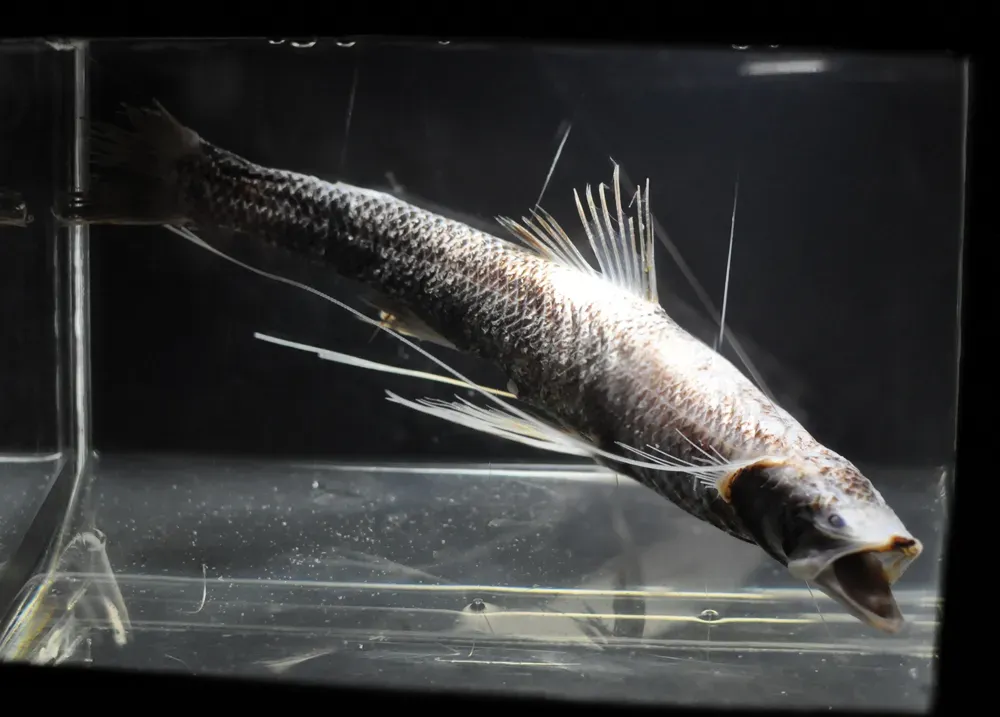
You must credit this : Citron / CC-BY-SA-3.0, CC BY-SA 3.0)
Forget everything you think you know about how a fish should behave. The tripod fish has figured out something the rest of nature hasn’t quite caught up to yet. Animals like the tripod fish have all but done away with eyes, but make up for their poor vision by using extended pectoral fins that reach outwards to detect vibrations of approaching danger. It also takes a lot of energy to swim, so tripod fish prop themselves up on their pelvic and tail fins and point into the current, allowing it to bring food to their open mouths.
Deep sea organisms incorporate more unsaturated fatty acids into their membranes, maintaining flexibility and functionality under high pressure and cold temperatures. This adaptation is particularly evident in deep sea fish, whose cell membranes remain fluid even in near-freezing conditions. The tripod fish, sitting motionless on the seafloor and letting the ocean deliver its dinner, may be the most quietly efficient creature on this entire list.
Conclusion: Life Always Finds a Way
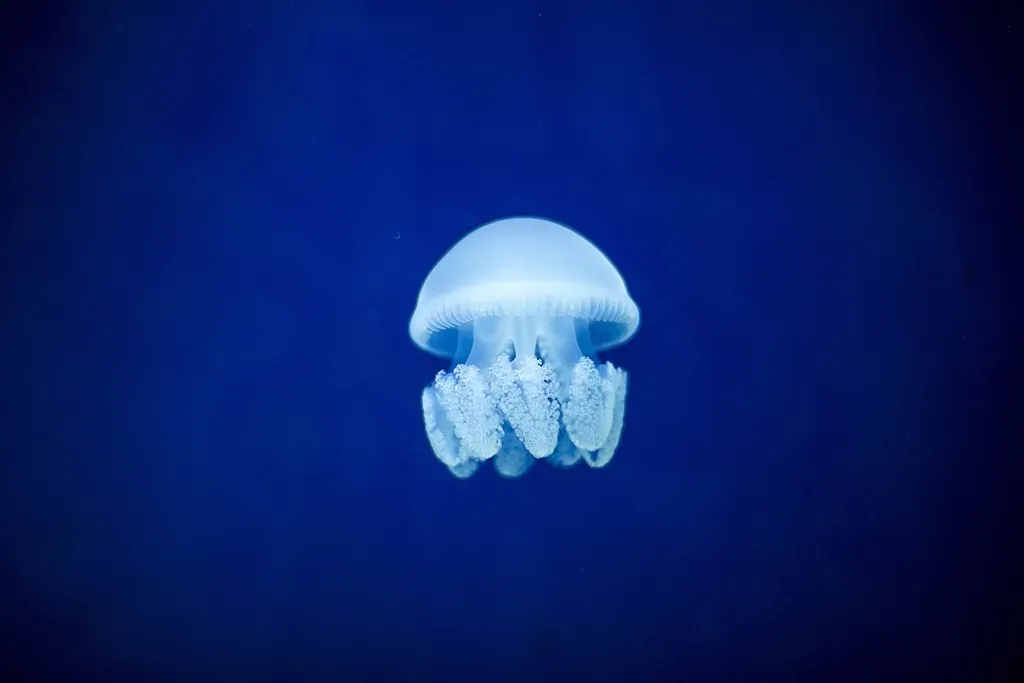
What unites every creature on this list is something almost philosophical. As we unravel the mysteries of life in the extremes of the deep sea, we gain not only a deeper appreciation for the diversity of Earth’s biosphere but also valuable insights into the resilience and adaptability of living organisms. The remarkable adaptations of deep-sea creatures underscore nature’s ability to carve out niches in the most challenging environments, showcasing the tenacity of life in the face of seemingly insurmountable odds.
The deep sea is one of the least explored places on Earth; we know more about the surface of Mars than the ocean floor, and scientists estimate that they still have thousands of species down there to discover. Every new expedition rewrites what we think is possible. The ocean floor is not a barren wasteland. It is a living, thriving, wildly creative experiment in survival that has been running for hundreds of millions of years without us even noticing.
The next time life feels difficult, think about a snailfish calmly hunting in total darkness under eight tons of pressure per square inch, or a tardigrade casually shrugging off the vacuum of outer space. Resilience, it turns out, has no limits. What would you have guessed was living down there?

Tara enjoys writing about marine animals like whales, sharks, dolphins and nudibranchs.
Please send any feedback to feedback@animalsaroundtheglobe.com
- Did You Know That Alligators Can Survive Being Frozen? - July 20, 2026
- 45 Incredible Migrations of North American Wildlife - July 20, 2026
- Nocturnal Animals of America - July 19, 2026