
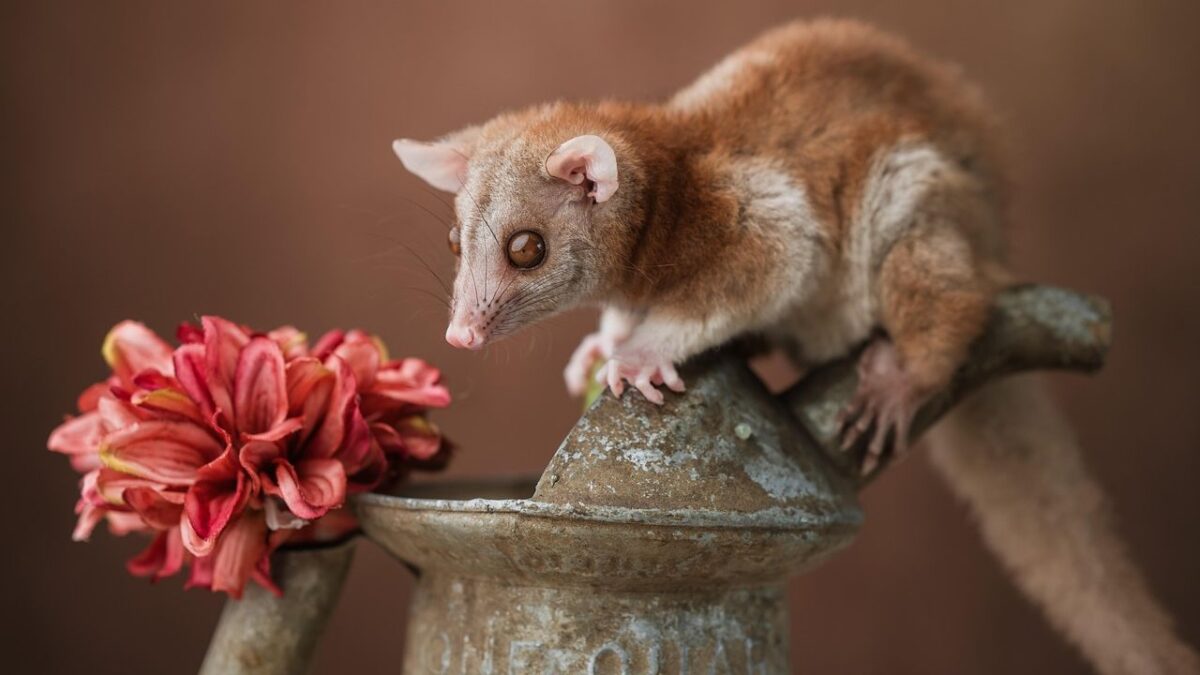
Nature is full of celebrities. Lions, elephants, dolphins – they get the documentaries, the viral videos, the conservation campaigns with their faces on them. They are, in a sense, the Hollywood A-listers of the wild. Yet lurking in the shadows of rainforests, deep ocean trenches, and urban back alleys are animals so quietly extraordinary, so jaw-droppingly capable, that they put many of their famous counterparts to shame.
Many creatures in the animal kingdom fly under the radar, overlooked and underappreciated by the masses. While some animals gain fame for their cuteness or grandeur, others are quietly going about their business, often helping maintain ecosystems and balancing nature in unseen ways. These underrated creatures may not always have the same level of recognition, but they play pivotal roles in the world. Think of them like the backup singers who hold the whole song together while the lead vocalist gets all the applause. Let’s dive in.
1. The Tardigrade: Nature’s Indestructible Micro-Hero
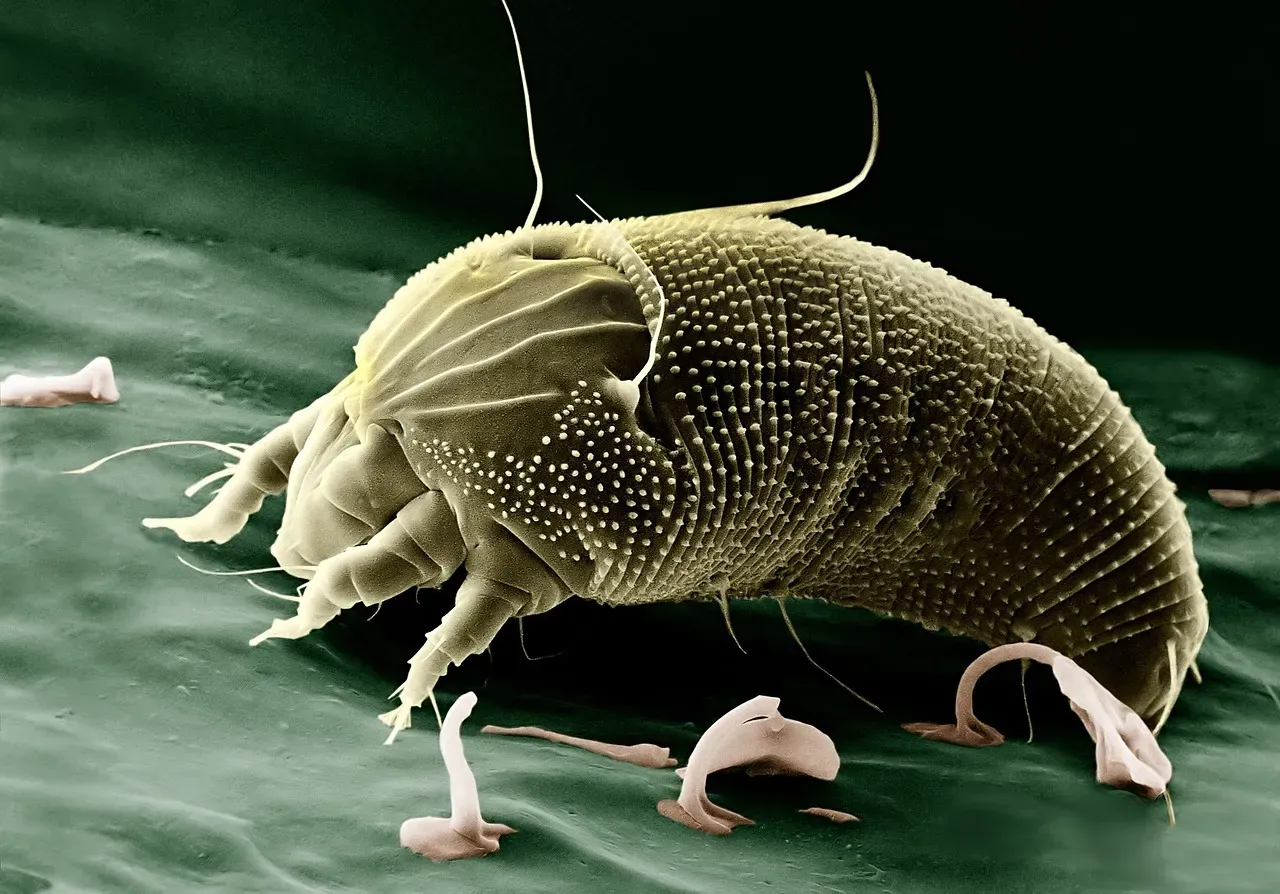
Let’s be real – if you haven’t heard of the tardigrade, you’ve been missing out on one of the most shocking survival stories in all of biology. These microscopic creatures are sometimes called “water bears,” and honestly, that nickname does not even begin to cover it.
Tardigrades, also known as water bears, are microscopic marvels. These eight-legged wonders can survive extreme temperatures, including boiling or freezing, the vacuum of space, and even radiation thousands of times higher than what would kill a human. Read that again. The vacuum of space. Unaided.
Tardigrades can withstand temperatures ranging from near absolute zero to well above boiling point, endure crushing pressures, and even survive the vacuum of space. Scientists believe that these seemingly indestructible creatures could offer valuable insights into the mechanisms of survival and adaptation in extreme environments. Imagine being the size of a speck of dust and possessing the resilience of something engineered in a sci-fi lab. That’s the tardigrade’s everyday reality.
2. The Axolotl: The Salamander That Refuses to Grow Up (or Die)
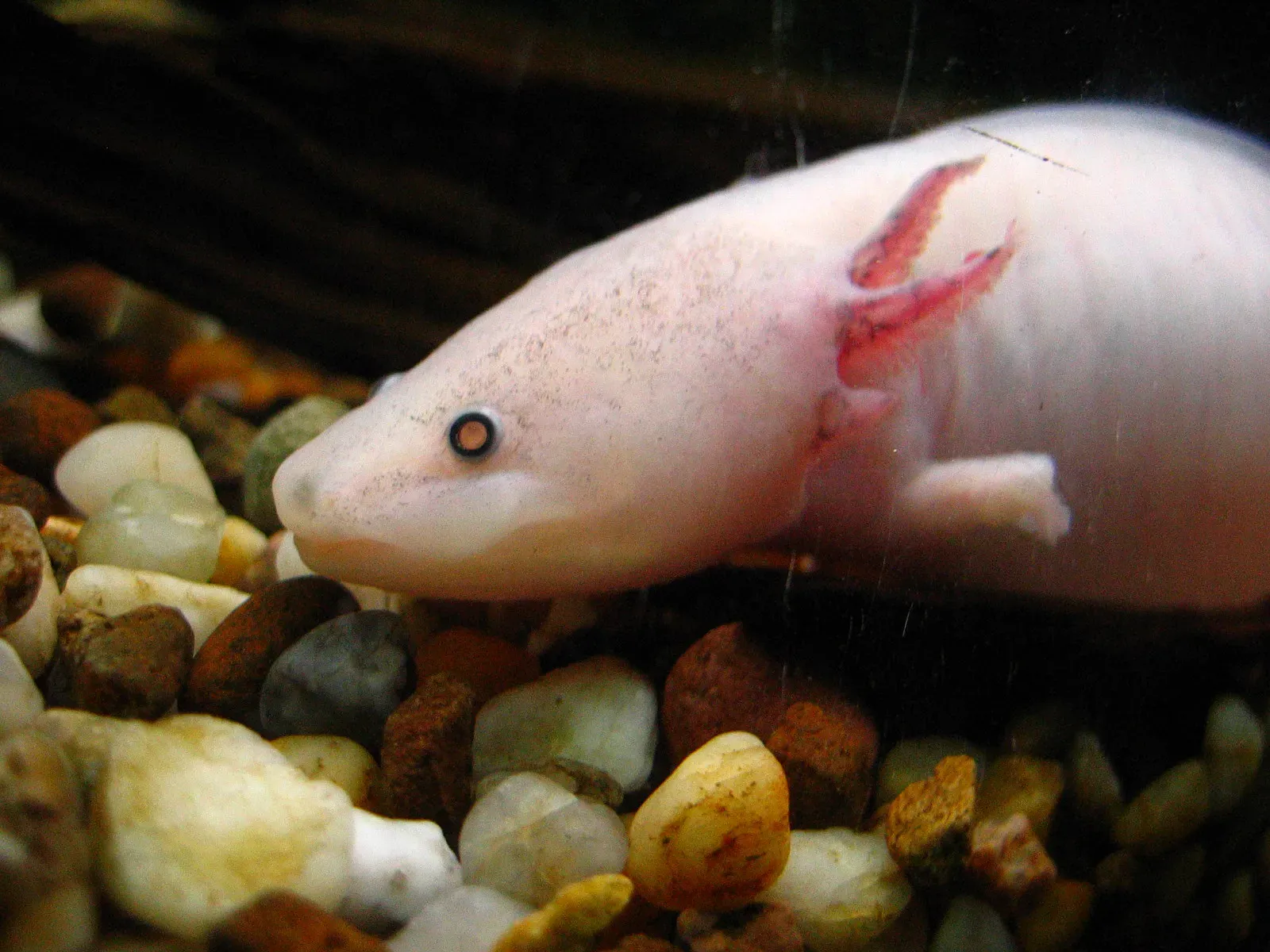
If science fiction ever needed a real-world mascot, the axolotl would be it. I think most people stumble across this creature and assume it’s some kind of cartoon invention, with its feathery external gills and permanently goofy grin. It is, however, very real – and its abilities are borderline miraculous.
The axolotl, a salamander native to lakes near Mexico City, possesses regenerative abilities that make it the envy of medical researchers worldwide. Unlike most amphibians, axolotls remain in their aquatic larval form throughout their lives, a phenomenon called neoteny. Their most extraordinary power is their ability to regenerate entire complex body parts, including limbs, portions of vital organs like the heart and brain, spinal cord sections, and even parts of their eyes, all without forming scar tissue.
Perhaps most remarkably, they can regenerate the same body part multiple times with no decrease in functionality. Axolotls accomplish this feat through a process that involves reverting mature cells near the injury site back to a stem-cell-like state, then regrowing the missing part according to the body’s blueprint. Researchers are studying axolotl regeneration mechanisms in hopes of developing new treatments for human injuries, amputations, and degenerative diseases. This little salamander might just hold the keys to medical breakthroughs that could change human lives.
3. The Opossum: The Misunderstood Disease-Stopper of Your Backyard
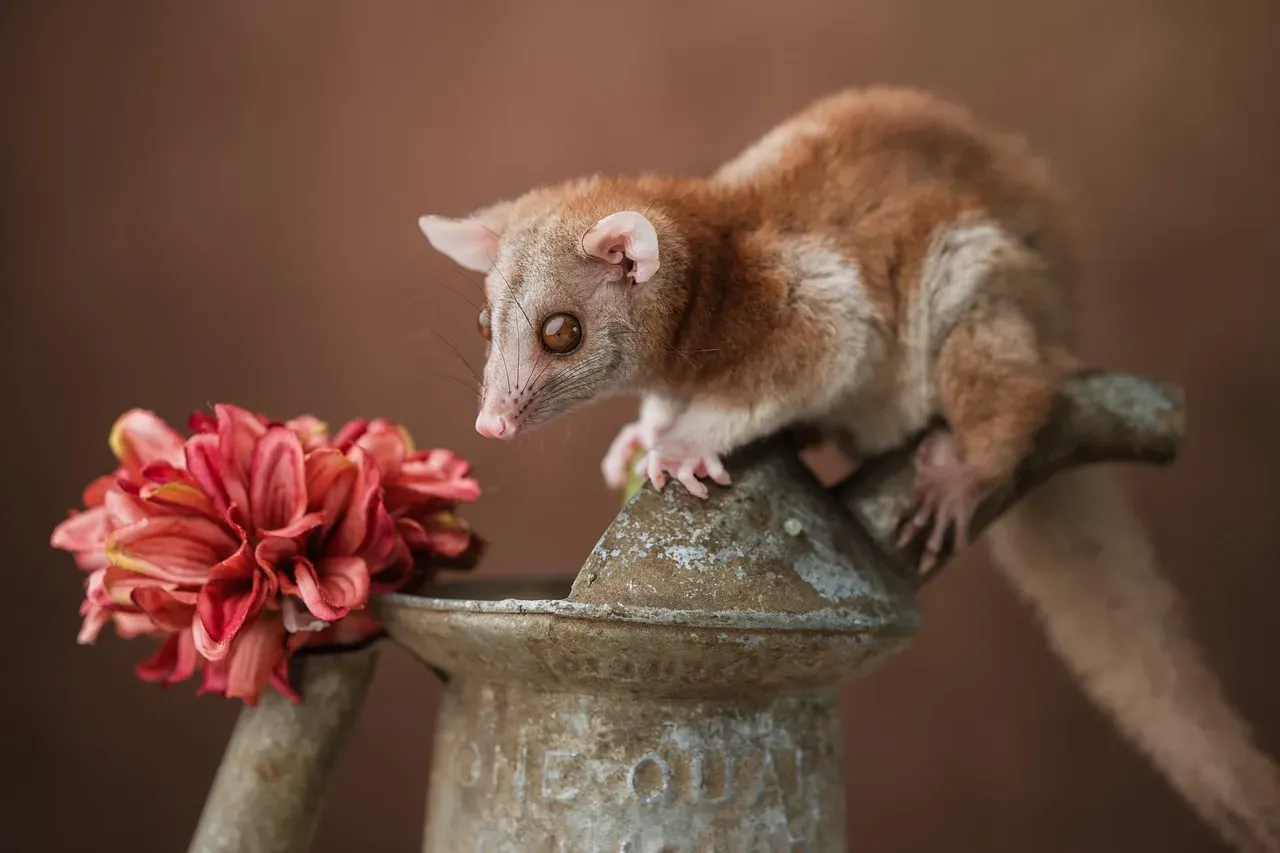
Opossums are probably the most underestimated animals in North America. People shoo them away, consider them pests, and frankly, their tendency to bare all 50 of their teeth does not exactly help their public image. Here’s the thing, though – these creatures are doing humanity a serious favor, completely for free.
When opossums clean themselves, they eat ticks. They are one of the few mammals that does not get rabies. That combination alone makes them an ecological superstar. Think about it: they are essentially walking, breathing tick vacuums, hoovering up thousands of the disease-carrying parasites every season.
As scavengers, opossums are actually cleaning up the environment. If there is something out there that died of rabies and then a possum eats it, that basically stops the rabies virus from moving onto the next animal like a coyote, a fox, or a raccoon. Quietly, without any fanfare, the humble opossum is breaking disease chains that could otherwise devastate wildlife populations and even threaten humans. Now that’s a hero.
4. The Mantis Shrimp: A Tiny Fighter With a Punch Hotter Than the Sun
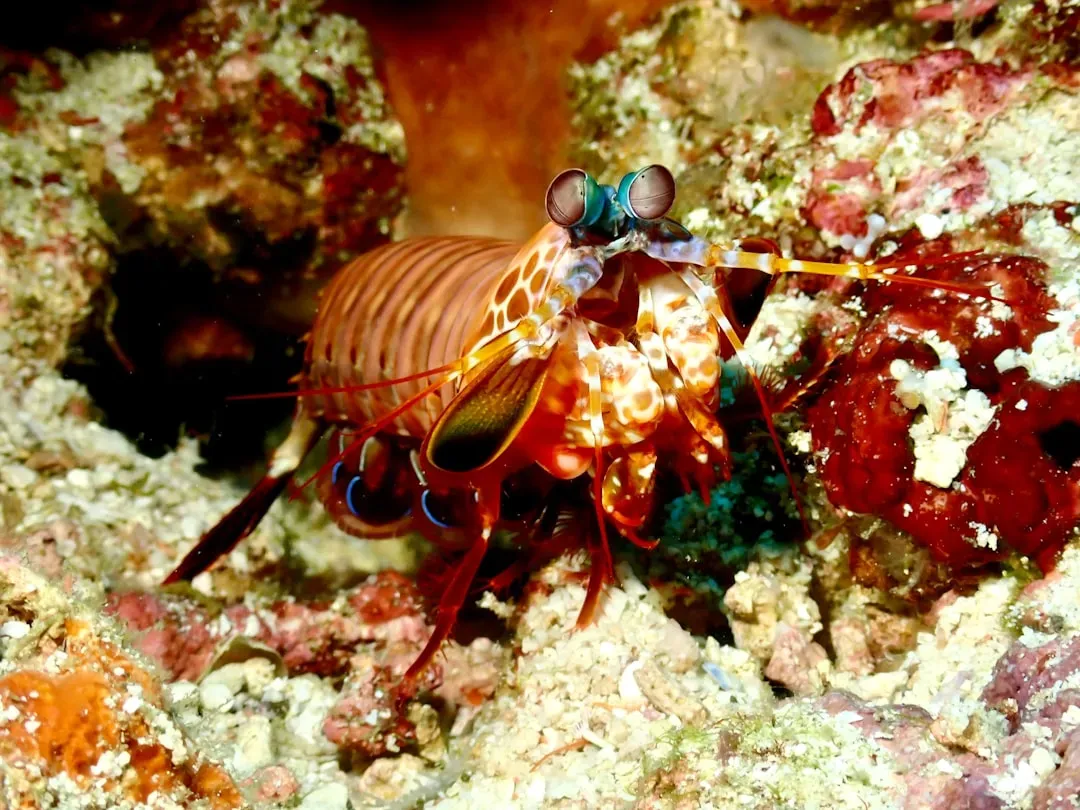
Do not let the word “shrimp” fool you. The mantis shrimp is one of the most violently capable, visually spectacular creatures in the ocean – and almost nobody outside of marine biology circles gives it the credit it deserves. It looks like something designed by a committee that was told to make a crustacean as beautiful and as terrifying as possible simultaneously.
The mantis shrimp, a marine crustacean, delivers a punch faster than a .22 caliber bullet. Its two club-like appendages accelerate with the same velocity as a car traveling at 50 miles per hour, creating cavitation bubbles that can stun, dismember, or even kill its prey. A cavitation bubble, by the way, is a temporary void in the water – and when it collapses, it releases a shockwave of heat and force that is genuinely staggering.
Humans see three primary colors; mantis shrimp see twelve, including ultraviolet and polarized light. Its world is one of dazzling color and motion invisible to us, and it uses this vision to hunt and communicate in ways we are only beginning to comprehend. Twelve color channels. Twelve. We humans walk around thinking we see the world clearly, while the mantis shrimp experiences something we cannot even imagine.
5. The Barn Owl: The Silent Assassin of the Night Sky
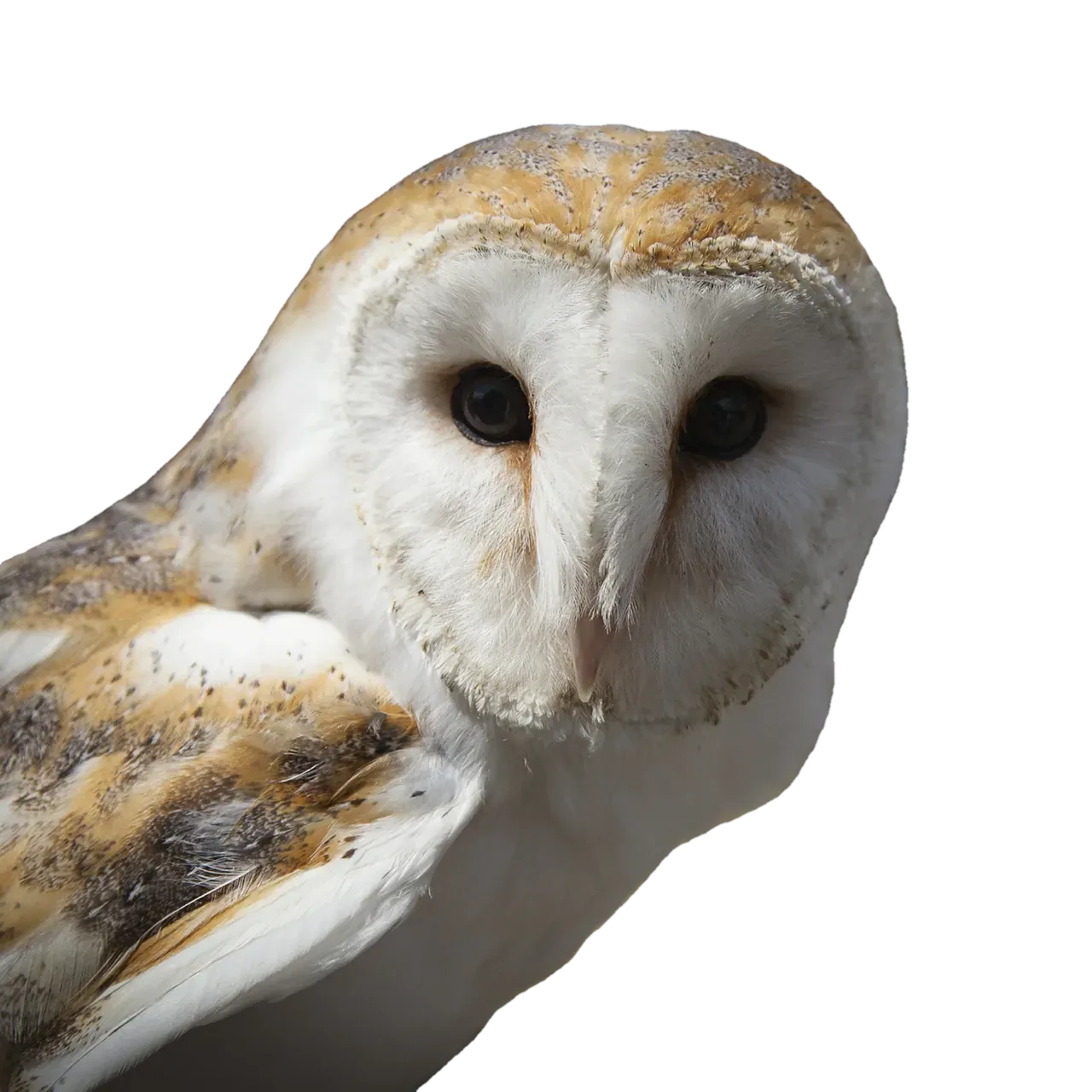
Owls get some recognition, sure. But the barn owl in particular deserves a louder spotlight, not that it would ever make any noise to ask for one. This ghostly, heart-faced hunter operates in near-total silence, and its sensory capabilities are, honestly, nothing short of astonishing.
The American barn owl is a ghostly figure in the night sky, gliding silently over grasslands, farmlands and even suburban neighborhoods. Strictly nocturnal, it roosts in quiet, hidden spots such as barns, tree cavities or abandoned buildings, emerging at dusk to hunt. It is the kind of animal that is always around but almost never seen. Like a ghost with a day job.
Barn owls can detect prey by sound alone, even in total darkness or beneath snow. Their heart-shaped facial disc funnels sound to asymmetrical ears – one higher than the other – allowing pinpoint accuracy in locating prey. In fact, their ability to locate prey by sound is one of the best of any animal ever tested. And then, once locked on, the owl strikes in silence. Its broad wings are lined with soft, velvety feathers and comb-like edges that break up air turbulence, muffling wingbeats and allowing it to swoop down unheard. Absolute perfection.
6. The Sea Cucumber: The Ocean’s Gross (But Brilliant) Cleanup Crew
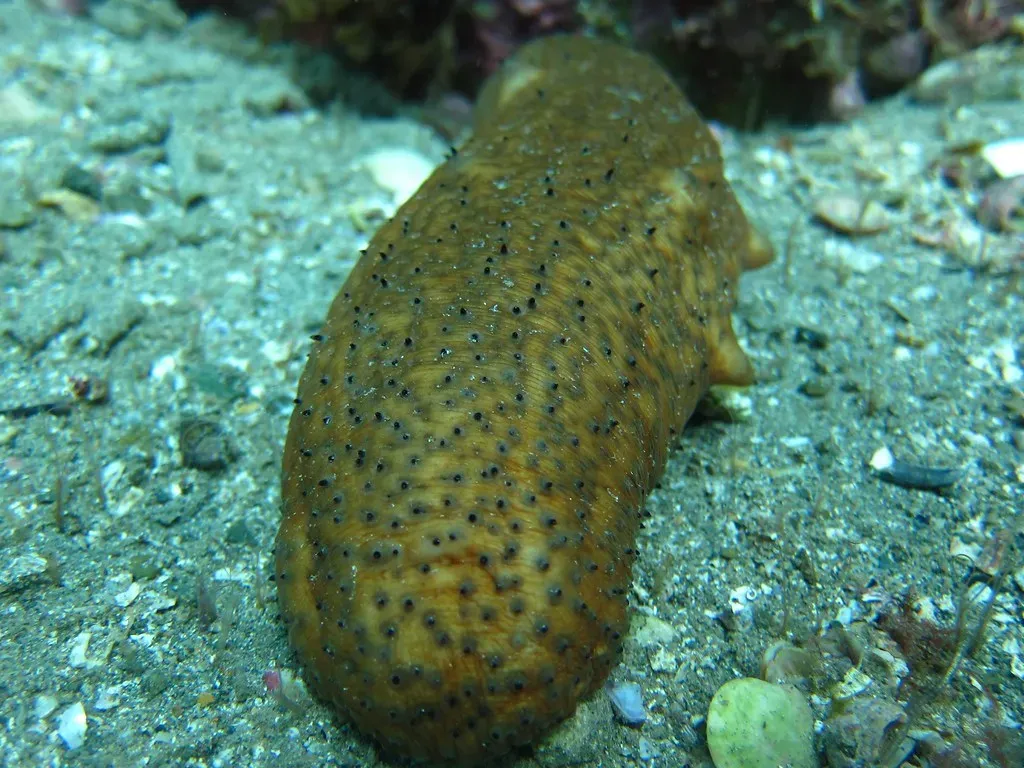
Okay, I’ll be upfront – the sea cucumber is not going to win any beauty contests. It looks like a lumpy sock that washed up on the ocean floor. Yet this creature has one of the most jaw-dropping defense strategies in the entire animal kingdom, and plays a role in ocean health that most people have no idea about.
Sea cucumbers, those seemingly passive tube-shaped echinoderms, possess multiple extraordinary defensive capabilities that sound like superhero powers. When threatened, some species can liquefy their body tissue within seconds, transforming from a solid creature to a fluid-like state that can pour through small cracks or crevices before re-solidifying in a safer location. This remarkable ability comes from their unique connective tissue, which can rapidly change from solid to liquid states under neural control.
Even more dramatically, certain species practice a defensive technique called evisceration – expelling their internal organs through their anus or body wall to distract predators while they escape. The expelled organs contain toxic compounds called holothurins that can immobilize or kill small predators. And then, remarkably, within weeks, the sea cucumber regenerates its lost organs completely. If that is not a superpower, I genuinely do not know what is.
7. The Pigeon: The Overlooked Genius of Your City Streets
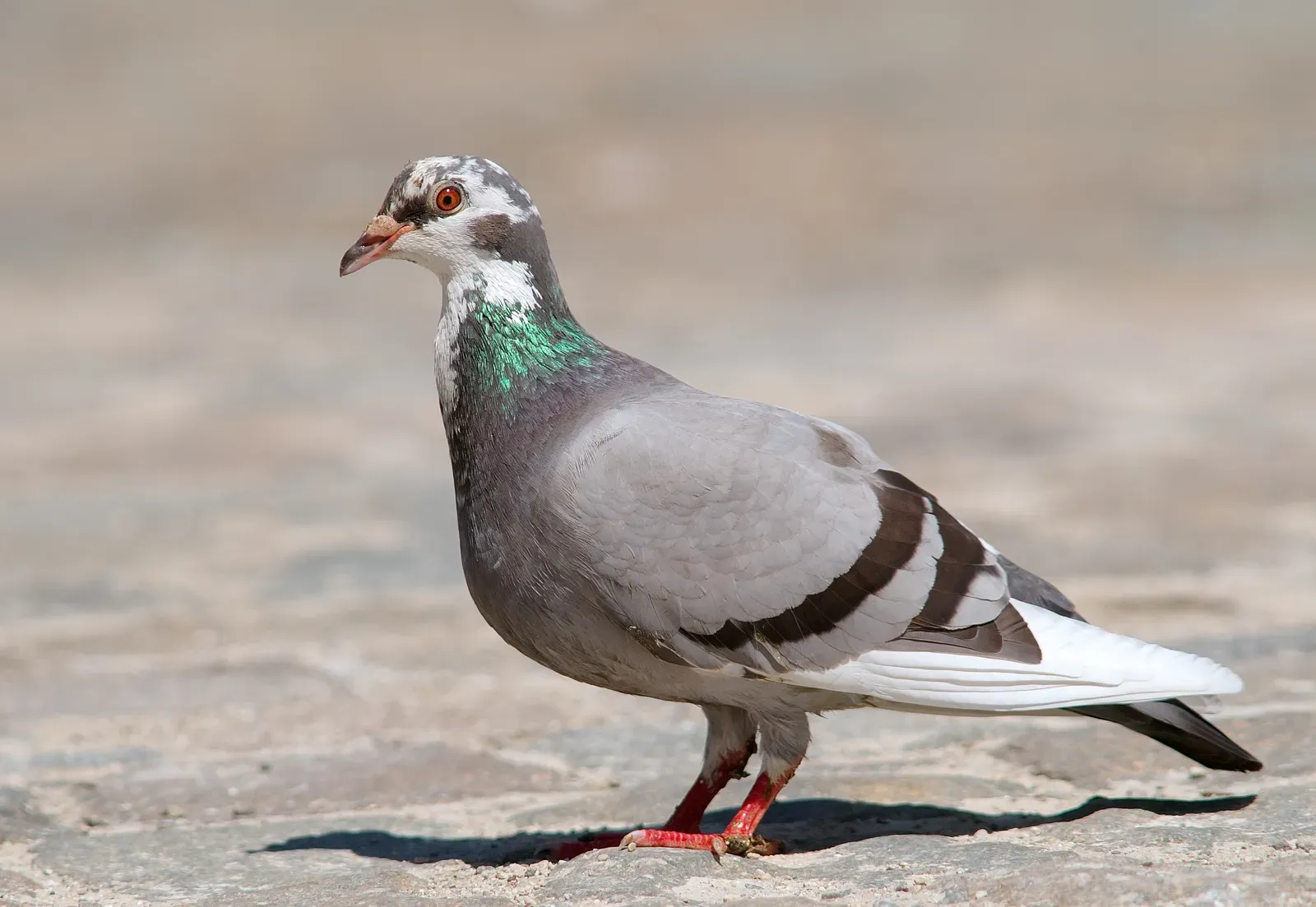
Nikon case D300 optical Sigma 300mm F2,8 +Converter X1,4 Sigma, CC BY-SA 3.0)
Pigeons are arguably the most dismissed animal on earth. City dwellers swat at them, tourists shoo them, and nearly everyone has uttered some variation of “dirty bird” in their direction. This is, frankly, a spectacular injustice. The common pigeon is one of the most cognitively gifted animals we share our urban spaces with.
Pigeons are often dismissed as dirty, city-dwelling birds, but they are incredibly intelligent and resourceful creatures. Pigeons have been used by humans for communication for thousands of years, thanks to their homing abilities that allow them to return to their homes from long distances. They have remarkable cognitive abilities, including recognizing themselves in mirrors and learning complex tasks.
Pigeons are also important in urban ecosystems, helping to control insect populations and contributing to the balance of their environment. Mirror self-recognition, by the way, is a benchmark test for higher-order consciousness – a test that many primates fail. The bird you kicked crumbs at this morning may be smarter than you gave it credit for. Worth sitting with that thought for a moment.
8. The Naked Mole Rat: The Cancer-Proof Underground Superhero
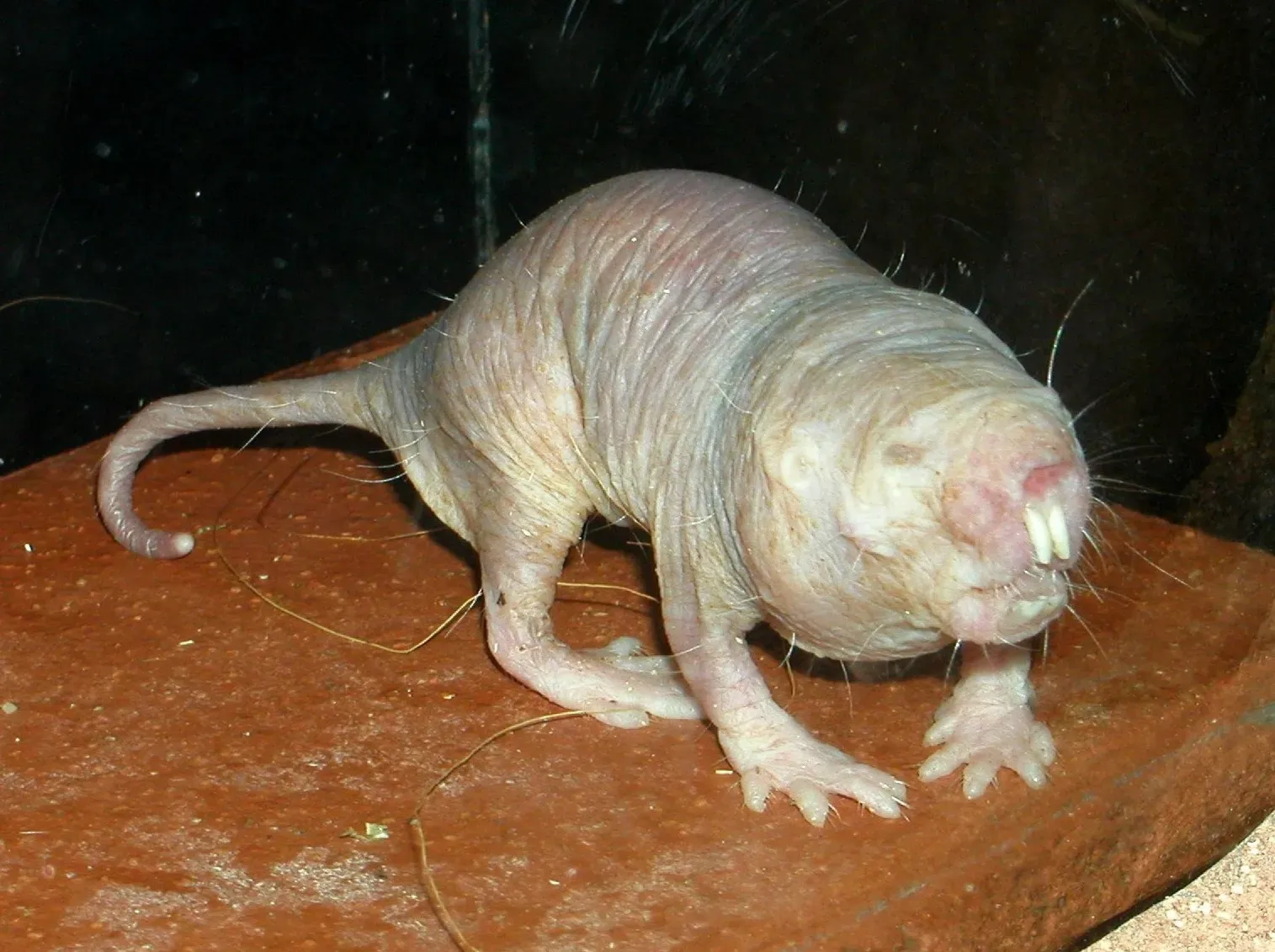
Look, nobody is claiming the naked mole rat is cute. It looks like a tiny, wrinkled thumb with teeth. But appearances, as they say, are deeply deceiving, and this bizarre little rodent might be one of the most medically significant animals on the planet. Scientists are genuinely fascinated by it – and for very good reason.
The naked mole rat was named Vertebrate of the Year in 2013 by Science magazine. That is no small honor from one of the world’s most respected scientific publications. The reason? Instead of immunity to radiation or injury, the naked mole rat seems to be immune to cancer, and their superpower makes them a boon to scientists desperate to know more about the disease and how it affects humans.
Scientists have discovered that mole rats have a peculiarly heavy form of the substance hyaluronan between tissues that seems to impede the creation of tumors. It’s hard to say for sure exactly how this translates into future cancer treatments, but the research directions it has opened up are nothing short of thrilling. An ugly little underground rodent, potentially holding one of medicine’s biggest secrets. Nature really does love a plot twist.
Conclusion: The Heroes We Never Applaud
There is something quietly humbling about this list. We spend so much energy marveling at lions and whales, and yet right beneath our feet, inside our walls, at the bottom of the ocean, and under microscopes are creatures performing feats that dwarf anything the famous animals can do.
While some animals gain fame for their cuteness or grandeur, others are quietly going about their business, often helping maintain ecosystems and balancing nature in unseen ways. The tardigrade survives space. The axolotl regrows its own brain. The opossum fights disease transmission. The barn owl hunts in total darkness without making a sound. None of them asked for recognition. None of them needed it.
Perhaps the real lesson here is not just about animal biology – it is about where we choose to direct our wonder. The animal kingdom rewards curiosity. The more you look, the more extraordinary things you find. So next time you dismiss a pigeon, swat at something unfamiliar, or overlook the small and the strange – think twice. The unsung heroes are always the most interesting ones. Which of these eight surprised you the most?
