
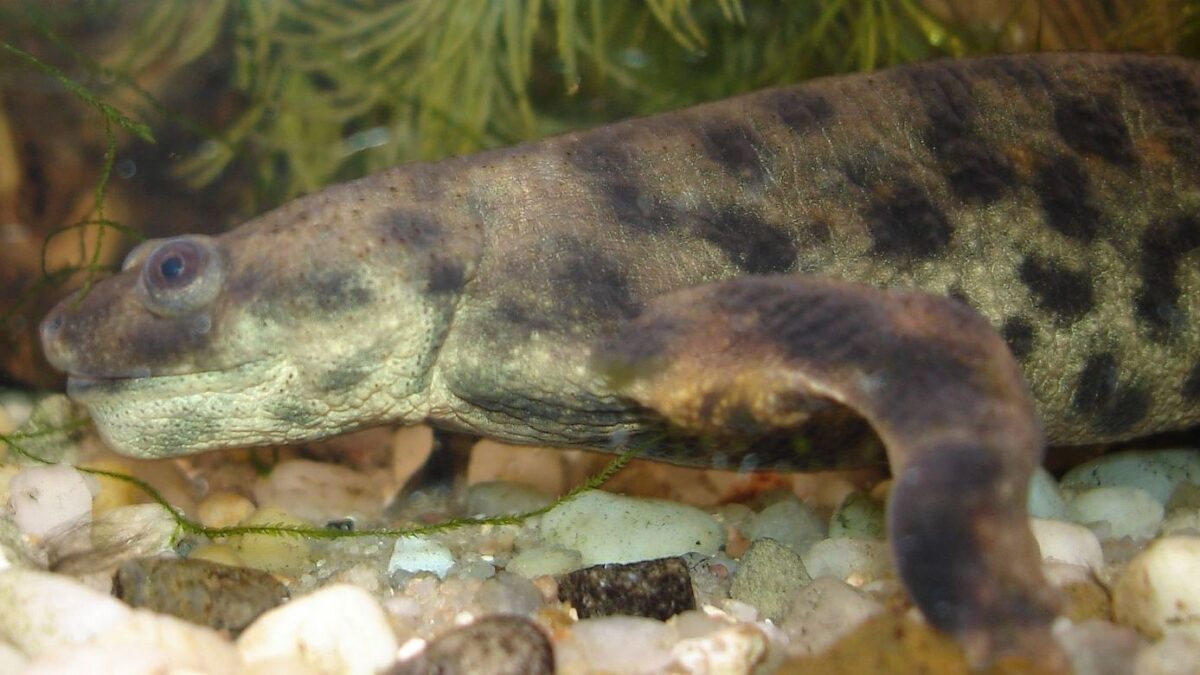
There is a small, unassuming creature living in the ponds and ancient village wells of Spain, Portugal, and northern Morocco that looks, at first glance, like absolutely nothing special. It is dark gray, a little rough-skinned, and modest in size. Nothing about it screams danger. That is exactly the point.
The Iberian ribbed newt carries one of the most bizarrely extreme survival strategies in all of the animal kingdom, one that involves using its own bones as weapons. The closer scientists look at this creature, the stranger and more remarkable it becomes. Prepare to be surprised by what you find.
It Is the Largest Newt in All of Europe
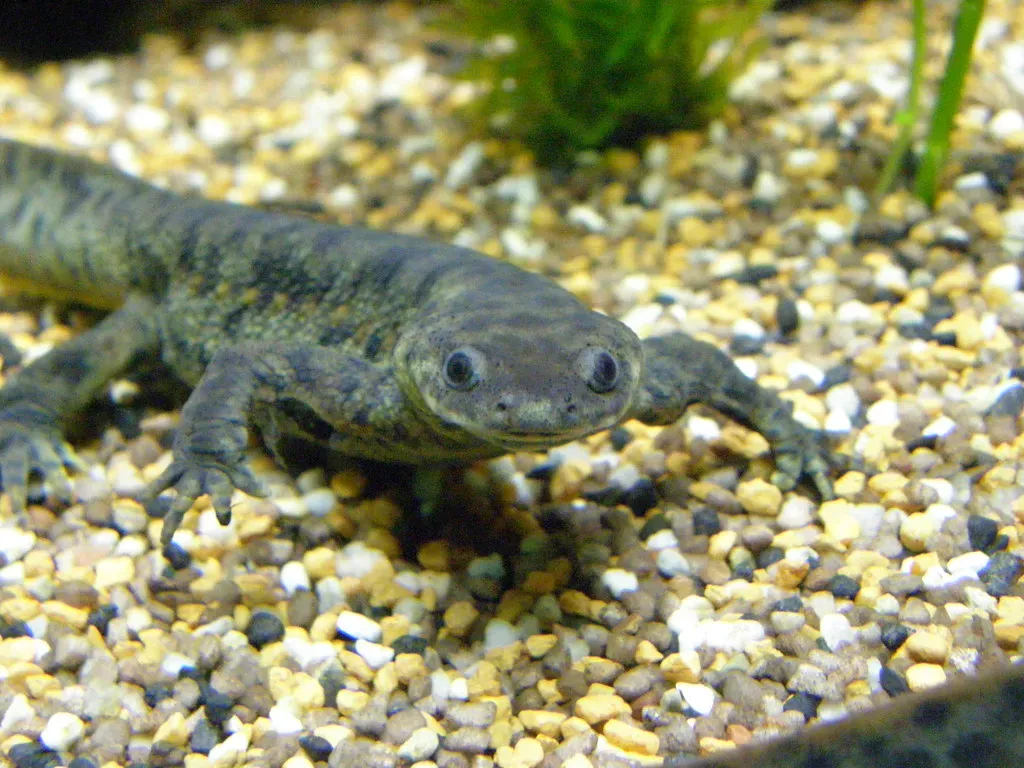
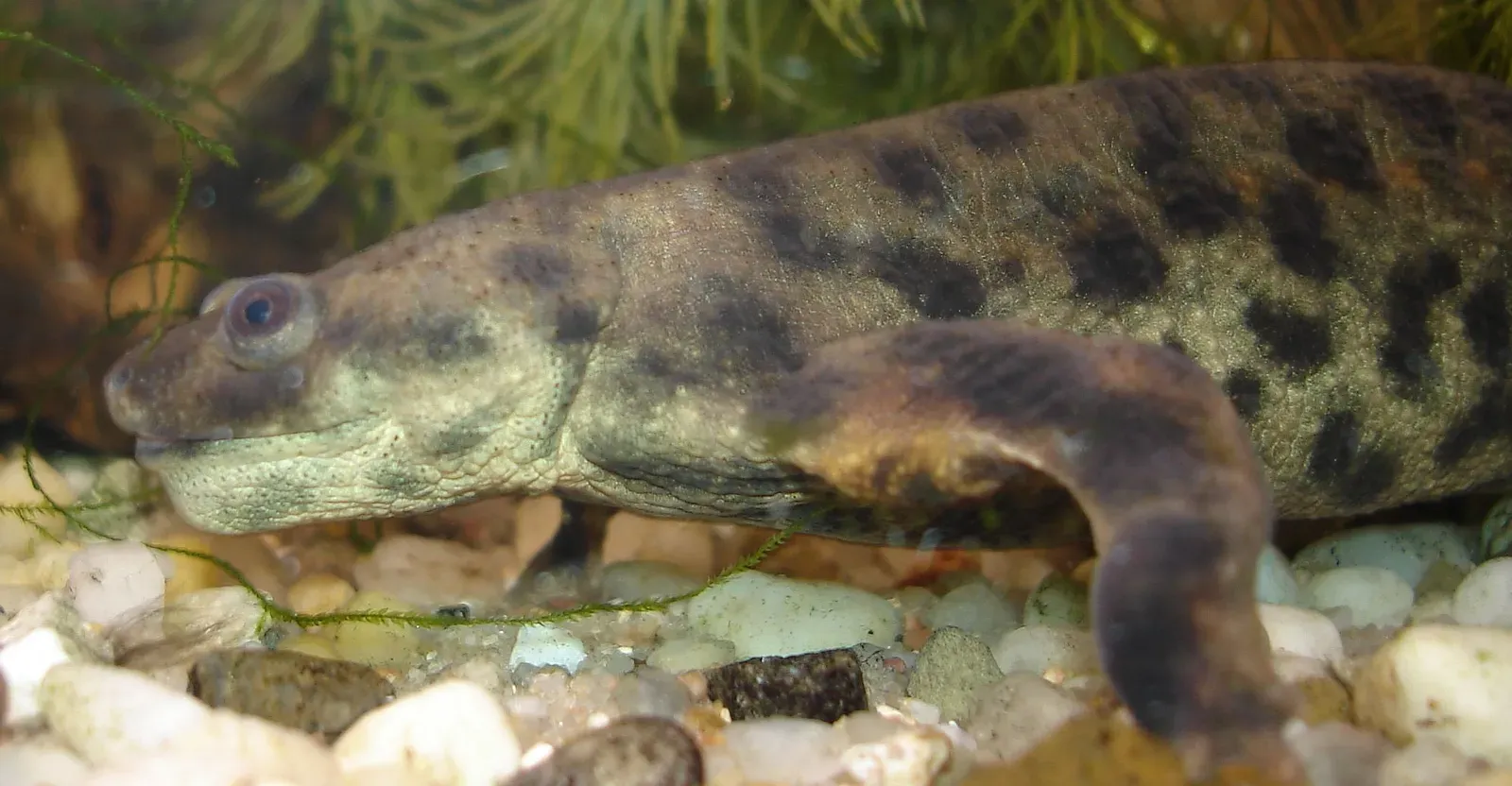
Let’s start with the basics, because they matter. The Iberian ribbed newt, scientifically known as Pleurodeles waltl, is native to the central and southern Iberian Peninsula and northern Morocco, and it holds the title of the largest European newt species. That alone makes it worth paying attention to.
In the wild, this amphibian grows to a total length, tail included, of up to 30 centimeters, though it rarely exceeds 20 centimeters in captivity. Think of it roughly like a large banana in length. Impressive for a creature most people have never heard of.
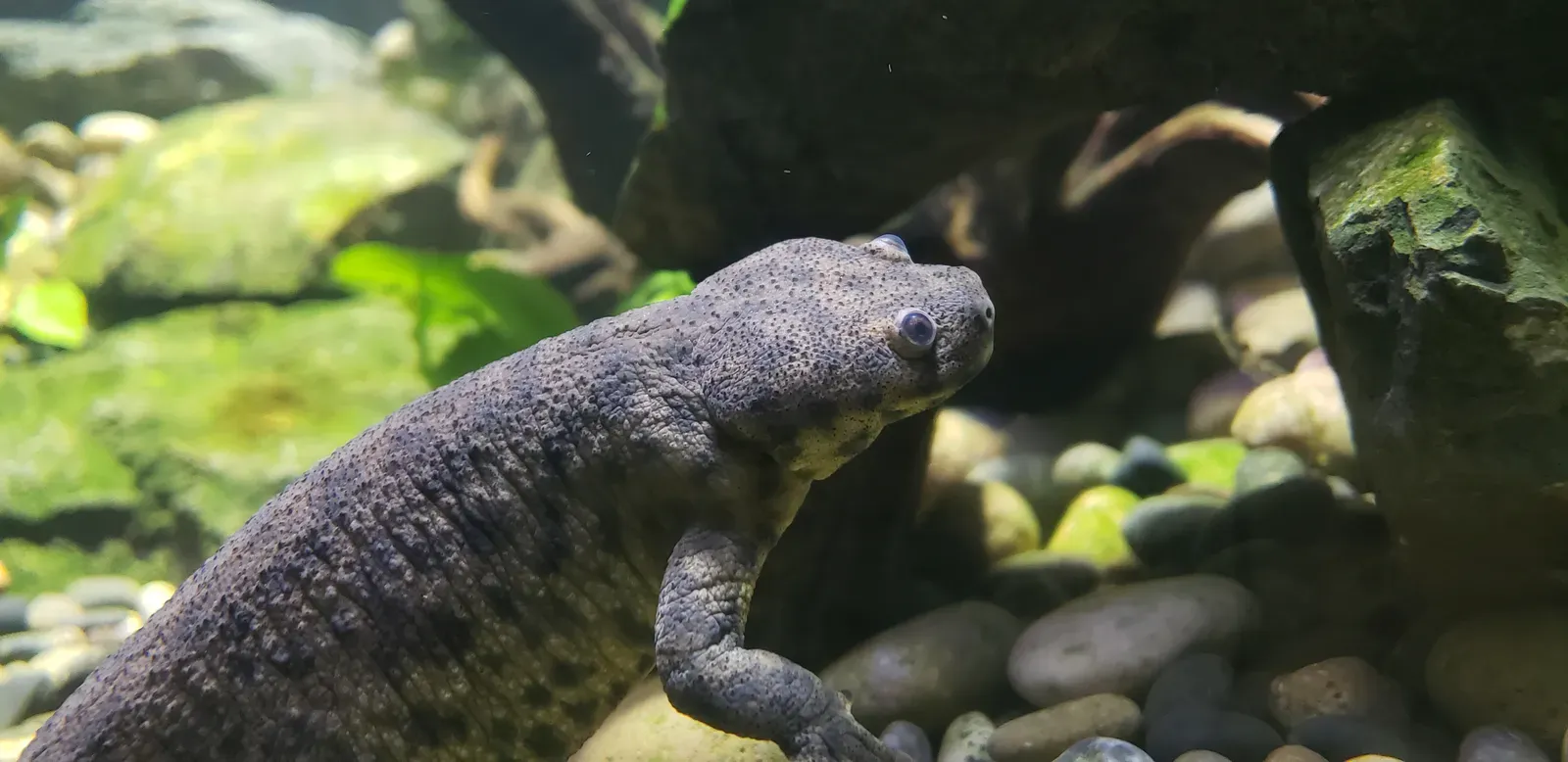
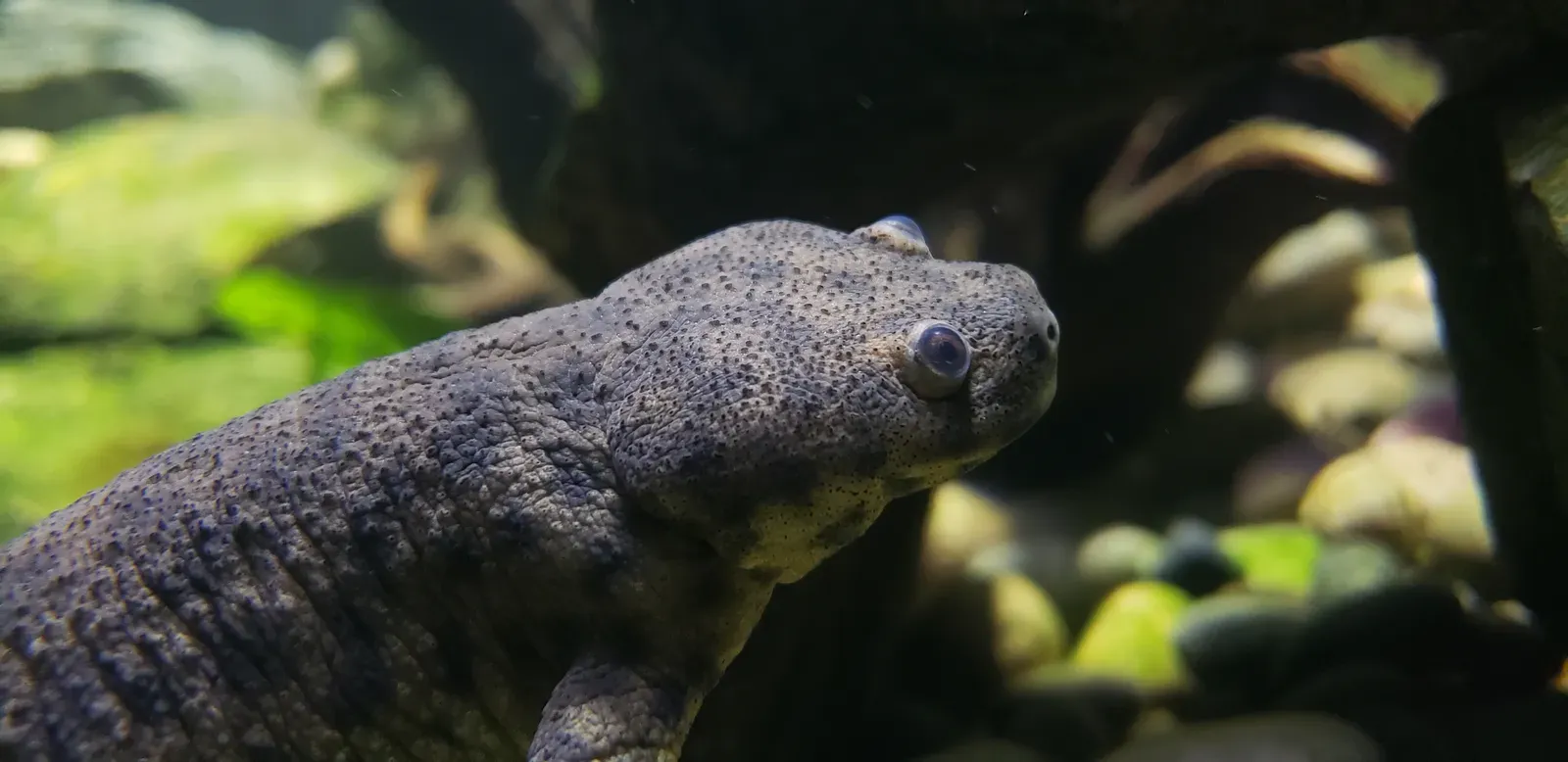
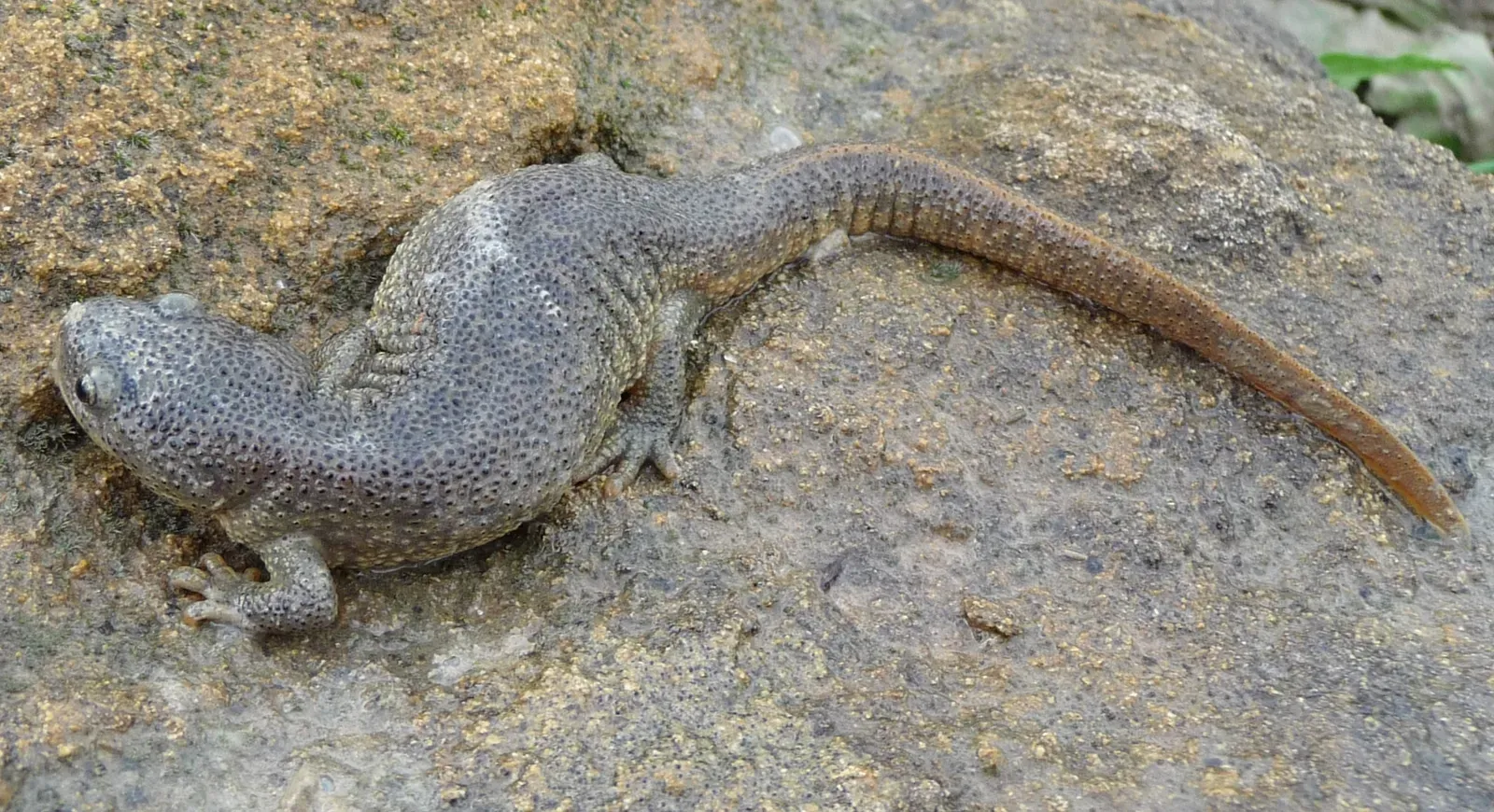
This newt has a flat, spade-shaped head and a long tail, which is about half its body length, and males are typically more slender and smaller than females. Honestly, if you spotted one on the forest floor, you might just walk past it without a second glance.
Its Orange Warts Are Not Just for Show
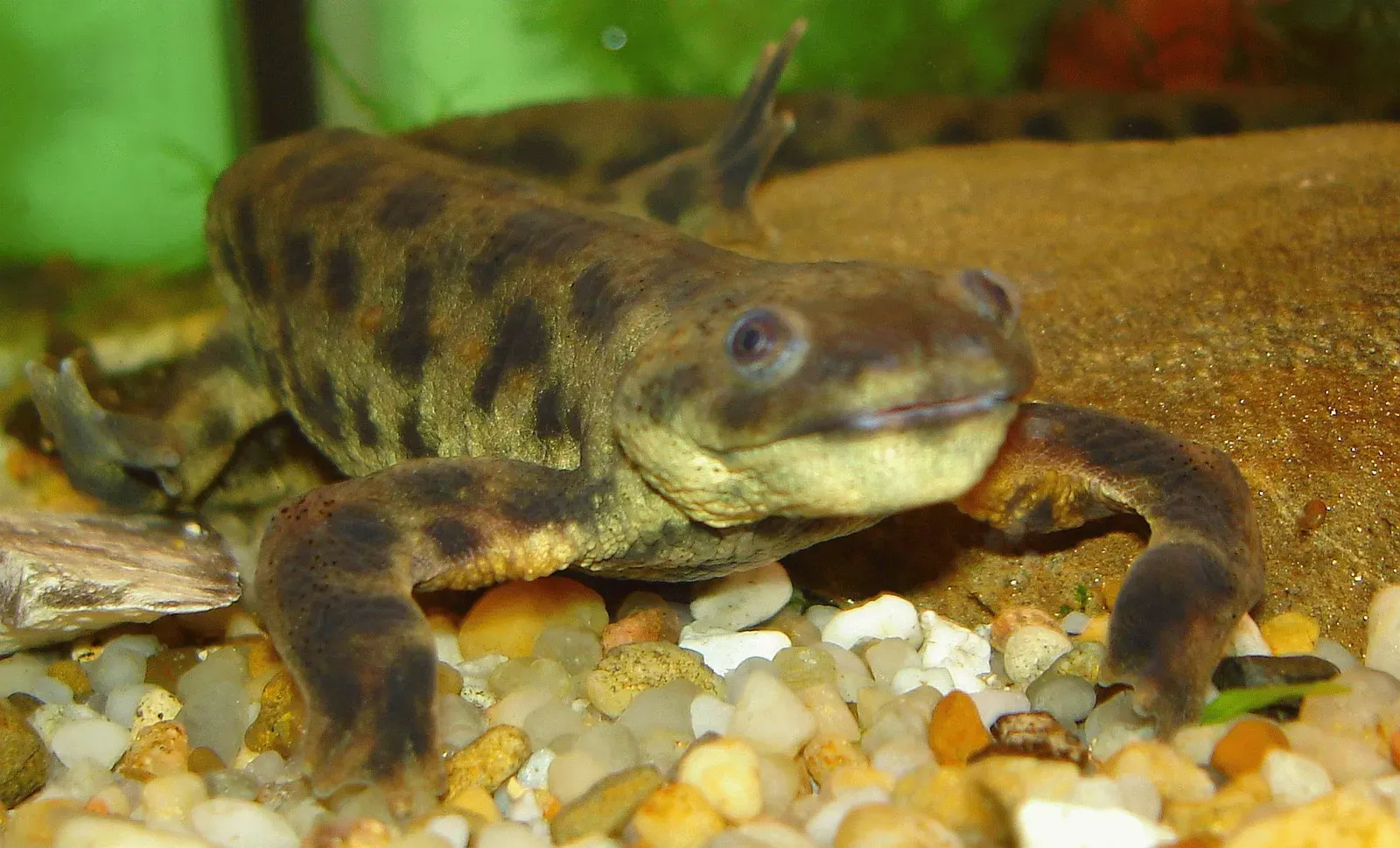
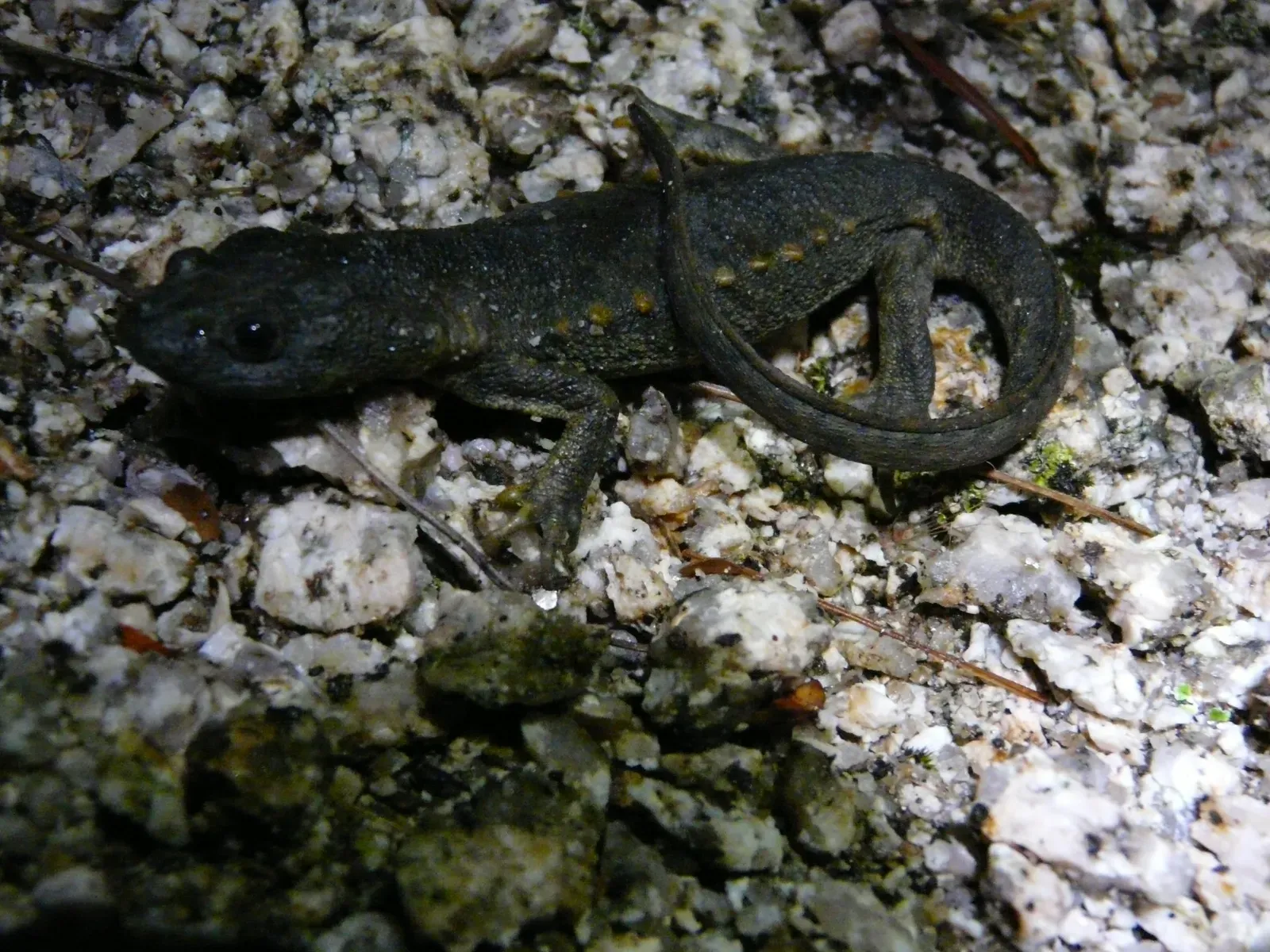
Here is the thing about those odd little orange bumps running along the newt’s sides. Most people would assume they are just texture, a quirk of the skin. They are not. The Iberian ribbed newt typically has 8 to 10 tubercles that look like orange warts running down each side, and through these, its sharp ribs can puncture through the stretched skin.
The places where the ribs poke out through the skin are marked by those bright orange bumps, and these are probably an aposematic signal, one that tells a predator that trying to eat the newt is simply not going to be worth the trouble, much like the vivid colors of poison dart frogs or the yellow-and-black stripes of a wasp.
These dark gray or brown newts camouflage seamlessly with forest floors but have one noticeable feature: small orange circles that run the length of their sides. These marks are wart-like in appearance, and most would mistake them for normal skin texture. Predators that make this mistake are usually in for an unpleasant surprise. Nature’s warning labels, in other words.
It Actually Pushes Its Own Ribs Through Its Skin
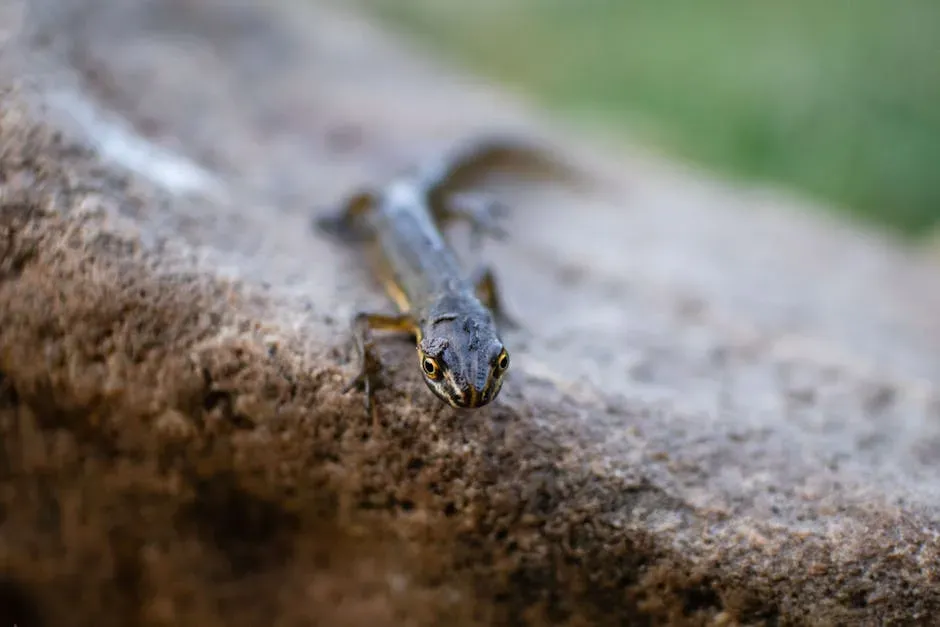
This is the part that makes people stop mid-sentence when they hear it. When threatened, the Iberian ribbed newt does not just puff up or play dead. When the ribbed newt becomes agitated or perceives a threat, it swings its ribs forward, increasing their angle to the spine by up to 50 degrees, keeping the rest of its body still so that the tips of its ribs penetrate through the skin wall and stick outside its body.
By flattening its body and arching its back, the newt swings its ribs forward so that they are perpendicular to its spine, stretching the skin to the point that they burst right through it, producing a row of barbs down each flank. It is, frankly, the stuff of nightmares if you are a predator.
Iberian ribbed newts generally try to run away from predators, but if they cannot escape they resort to this mechanism. I think what makes this so extraordinary is that it is not instinctive panic, it is a calculated last resort. The newt tries diplomacy first, then it brings out the skeleton.
The Ribs Come Pre-Coated in Poison
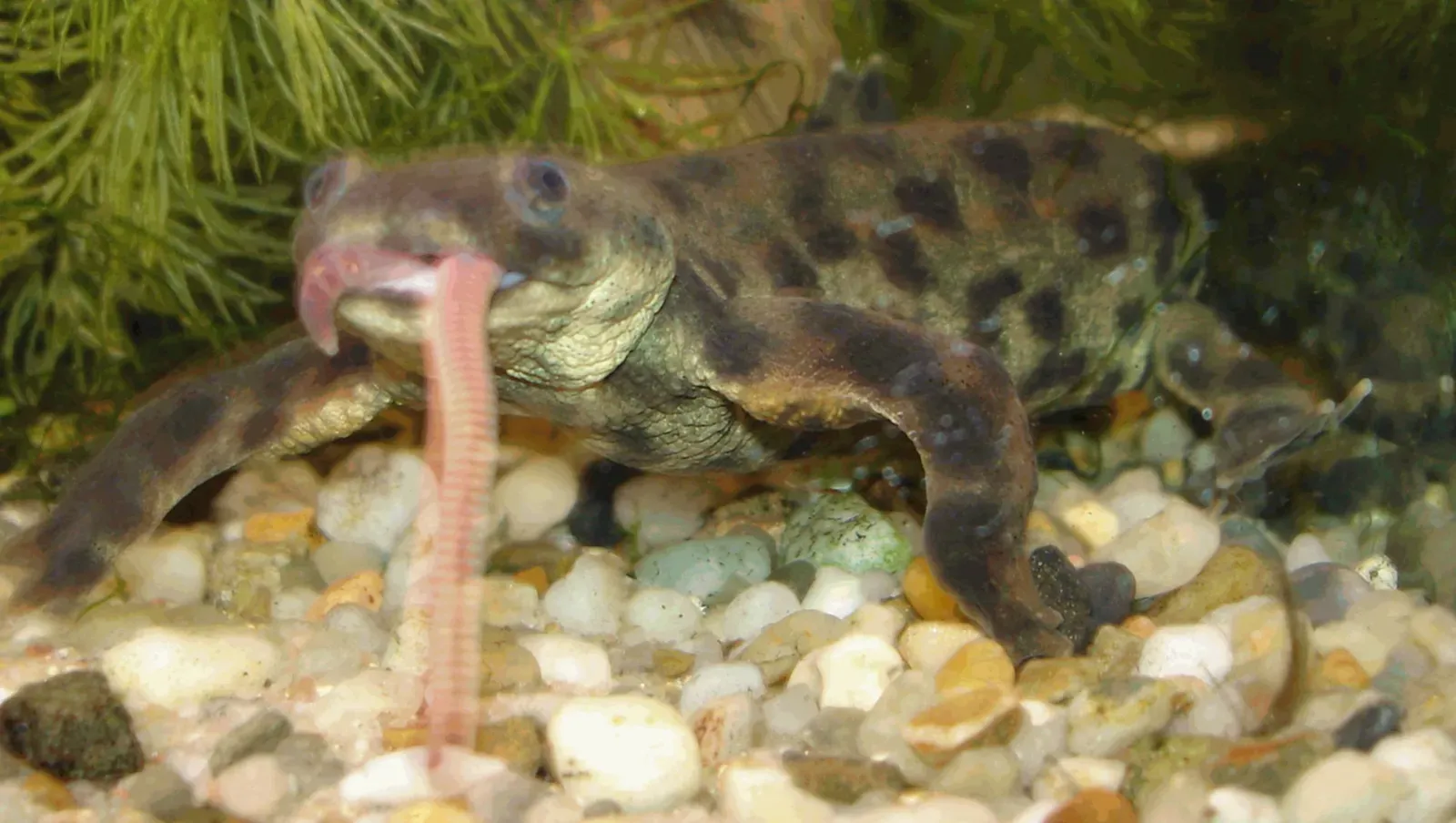
If puncturing through your own flesh was not enough of a defense, the Iberian ribbed newt adds a toxic twist. At the same time as pushing its ribs out, the newt begins to secrete a milky and viscous poison from special glands on its body, appearing primarily on the neck, the dorsal and lateral trunk, and on the tail. The poison-coated ribs then create a highly effective stinging mechanism, injecting toxins through the thin skin in a predator’s mouth.
Because the secretion contains irritating toxins, it causes severe pain or possibly death to the predator, allowing the newt to go free. Think of it like a poisoned arrow, except the arrow is also a rib bone, and the bow is the animal’s own body. The engineering here is absurdly elegant.
It could be considered a primitive and rudimentary system of envenomation, but is completely harmless to humans. So no need to panic if you ever encounter one in the wild. It is not interested in you specifically.
It Heals Itself With Astonishing Speed
Here is where the story pivots from terrifying to genuinely awe-inspiring. You might be wondering: how does any animal survive repeatedly stabbing itself with its own bones without dying of infection? The newt’s immune system, collagen-coated ribs, and secretion of antimicrobial peptides released from specialized cutaneous glands mean the pierced skin quickly regrows without infection.
On average, an Iberian ribbed newt can fully regrow tendons and tissue within 12 weeks. This is faster than the average healing time for a human bone, prompting scientists to study the newt to see whether its cells could prove useful in treating human injuries.
Similar to other salamanders, Pleurodeles waltl can regenerate lost limbs, injured heart tissue, and lesioned brain cells, in addition to other body parts such as the eye lens and the spinal cord. Let that sink in for a moment. Heart tissue. Brain cells. Spinal cord. It sounds like science fiction, yet here we are.
Scientists Sent It to Space to Study Its Regeneration
I know it sounds crazy, but this newt is, technically, an astronaut. Its extraordinary healing abilities were so compelling to researchers that the Iberian ribbed newt was launched into orbit specifically to understand how regeneration behaves in microgravity. Pleurodeles waltl has been studied in space on at least six missions.
The Iberian ribbed newt was chosen because it is a good model organism for the study of microgravity, partly due to the female’s ability to retain live sperm in her cloaca for up to five months, allowing her to be inseminated on Earth and later, in space, have fertilization induced through hormonal stimulation. Adaptable does not even begin to cover it.
Studies looked at the Iberian ribbed newt’s ability to regenerate, which was faster in space overall, and up to two times as fast in early stages, as well as the stages of development and reproduction in space. Faster healing in zero gravity. This is the kind of discovery that makes biologists genuinely lose sleep with excitement.
Its Sex Can Be Changed by Temperature
Here is something that most people do not expect: the Iberian ribbed newt’s gender is not entirely set in stone. Sex determination in Pleurodeles waltl is regulated by sex chromosomes, but can be overridden by temperature. Females have both sex chromosomes (Z and W), while males have two copies of the Z chromosome.
When ZW larvae are reared at 32 degrees Celsius during particular stages of development, they differentiate into functional neomales. Hormones also play an important role during the sex determination process, and the newts can be manipulated to change sex by adding hormones or hormone-inhibitors to the water in which they are reared.
It is hard to say for sure what the broader ecological implications of this are, especially in a warming world, but it raises fascinating and slightly unsettling questions about how climate change may affect amphibian populations far more deeply than we currently understand. This is a creature with layers upon layers of biological complexity hiding beneath that dull gray skin.
It Faces Real Threats in the Wild
For all its extraordinary defenses, the Iberian ribbed newt is still vulnerable to the one predator no amount of weaponized ribs can stop: human activity. As of an assessment in October 2020, the IUCN listed the Iberian ribbed newt as a species of Least Concern, though it is abundant in Morocco and southern Spain while its population is still decreasing in other areas such as northern and central Portugal and eastern Spain.
The species is generally threatened through loss of aquatic habitats through drainage, agrochemical pollution, eutrophication, domestic and industrial contamination, golf courses, and infrastructure development. It has largely disappeared from coastal areas in Iberia and Morocco close to concentrations of tourism and highly populated areas.
Introduced species such as the largemouth bass and crayfish are known to prey on the eggs and larvae of this species and are implicated in its decline. Mortality on roads has also been reported as a serious threat to some populations. Surviving millions of years of evolution, only to be undone by road traffic and golf courses. It’s a sobering thought.
Conclusion
The Iberian ribbed newt is, without question, one of the most astonishing animals on the planet. It pushes its own bones through its skin, coats them in poison, heals itself in weeks, regenerates organs that humans cannot, and has quite literally been to space. All of this wrapped up in a creature so modest-looking that you might accidentally step over it on a woodland path in Portugal.
What it teaches us, perhaps more than anything else, is that nature’s most extraordinary inventions often come in the quietest packages. The most dramatic survival strategies do not always belong to the biggest, loudest, or most colorful animals. Sometimes they belong to a small, gray newt sitting patiently at the bottom of an ancient village well.
The next time someone tells you salamanders are boring, tell them about this one. What other animal do you know that weaponizes its own skeleton, and then just heals and goes about its day?

- Why Wolves Were Reintroduced to Yellowstone - July 15, 2026
- The Resurgence of America’s Wild Horses: A Symbol of Freedom and Hope - July 15, 2026
- 10 Cat Breeds That Tolerate Dogs Surprisingly Well - July 15, 2026