
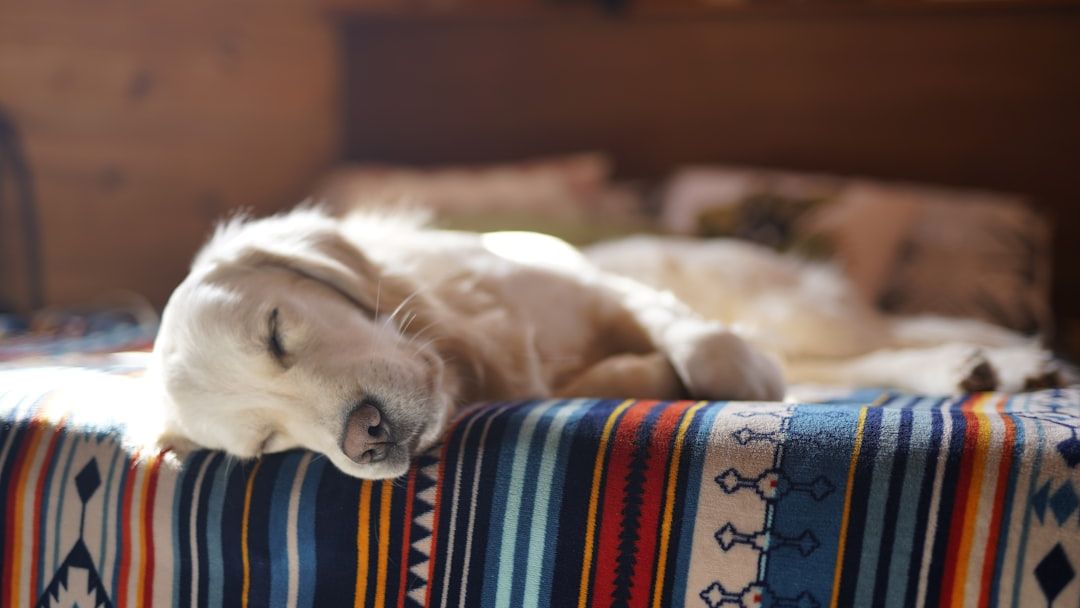
Have you ever watched your dog’s paws twitch and quiver while they sleep, their nose wriggling as if they’re chasing something invisible? It’s one of those heartwarming, slightly mysterious moments that every dog owner has experienced at least once. There’s something quietly magical about a sleeping dog – and honestly, it makes you wonder what on earth is going on inside that fuzzy head.
Science has been slowly, fascinatingly, pulling back the curtain on canine sleep. What researchers have found might surprise you. Let’s dive in.
The Science of Dog Sleep: More Like Us Than You Think
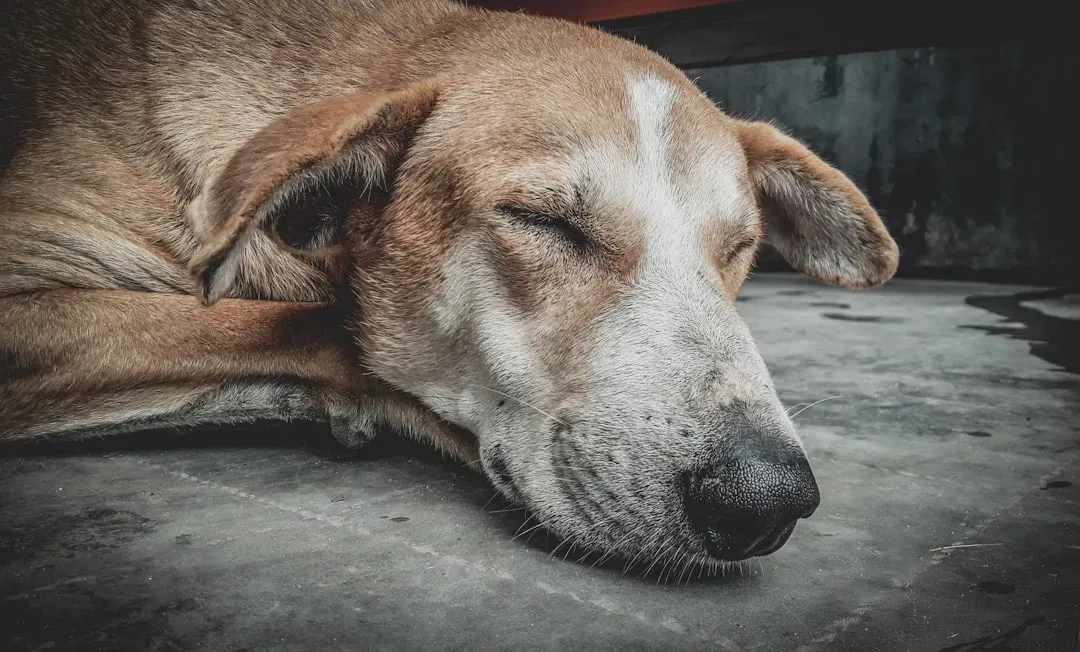
Here’s the thing – your dog’s brain during sleep looks remarkably similar to yours. The sleep cycles of dogs and people are remarkably similar: both move through periods of wakefulness, drowsiness, slow-wave sleep (also called NREM sleep), and REM, or rapid eye movement, sleep.
According to researcher Dr. Stanley Coren, known for his work into canine behavior and psychology, dogs and people share about 95% of the same genetic makeup, meaning the biological processes that enable both sleep and dreams are virtually the same. That’s honestly a bit mind-blowing if you think about it.
The scientific evidence supporting the idea that dogs dream is compelling – studies using electroencephalography, or EEG, have shown that dogs’ brain waves during REM sleep closely resemble those of humans.
One study measuring electrical activity in dogs’ brains concluded that canines spend roughly 44 percent of their time alert, about 23 percent in non-REM or slow-wave sleep, about 21 percent drowsy, and 12 percent in REM sleep. So yes, a solid chunk of your dog’s day is spent in the kind of deep sleep where dreams are most likely to happen.
What Actually Happens During REM Sleep in Dogs
Think of REM sleep as the brain’s own private cinema. During REM sleep, a dog’s brain activity increases dramatically – and that’s when the dog’s most intense period of dreaming occurs. It is the biological equivalent of switching from a quiet library to a full cinema experience inside the skull.
A single sleep cycle usually lasts around 20 minutes in dogs, most of which is spent in the drowsy and slow-wave stages. For about six of those 20 minutes, your dog will be in REM sleep, when most dreaming occurs.
Interestingly, despite the high level of brain activity, the dog’s body remains paralyzed during REM sleep. This temporary muscle paralysis, known as REM atonia, is believed to be a protective mechanism that prevents the dog from physically acting out their dreams. Without it, your sleeping Labrador might actually bolt across the living room mid-snore.
Non-REM sleep is the lighter stage, during which a dog’s body relaxes, its breathing slows, and its heart rate decreases. During this phase, dogs are not yet dreaming. Non-REM sleep is critical for physical recovery, as it allows the body to repair tissues, strengthen the immune system, and store energy.
Do Dogs Really Dream – And What Do They Dream About?
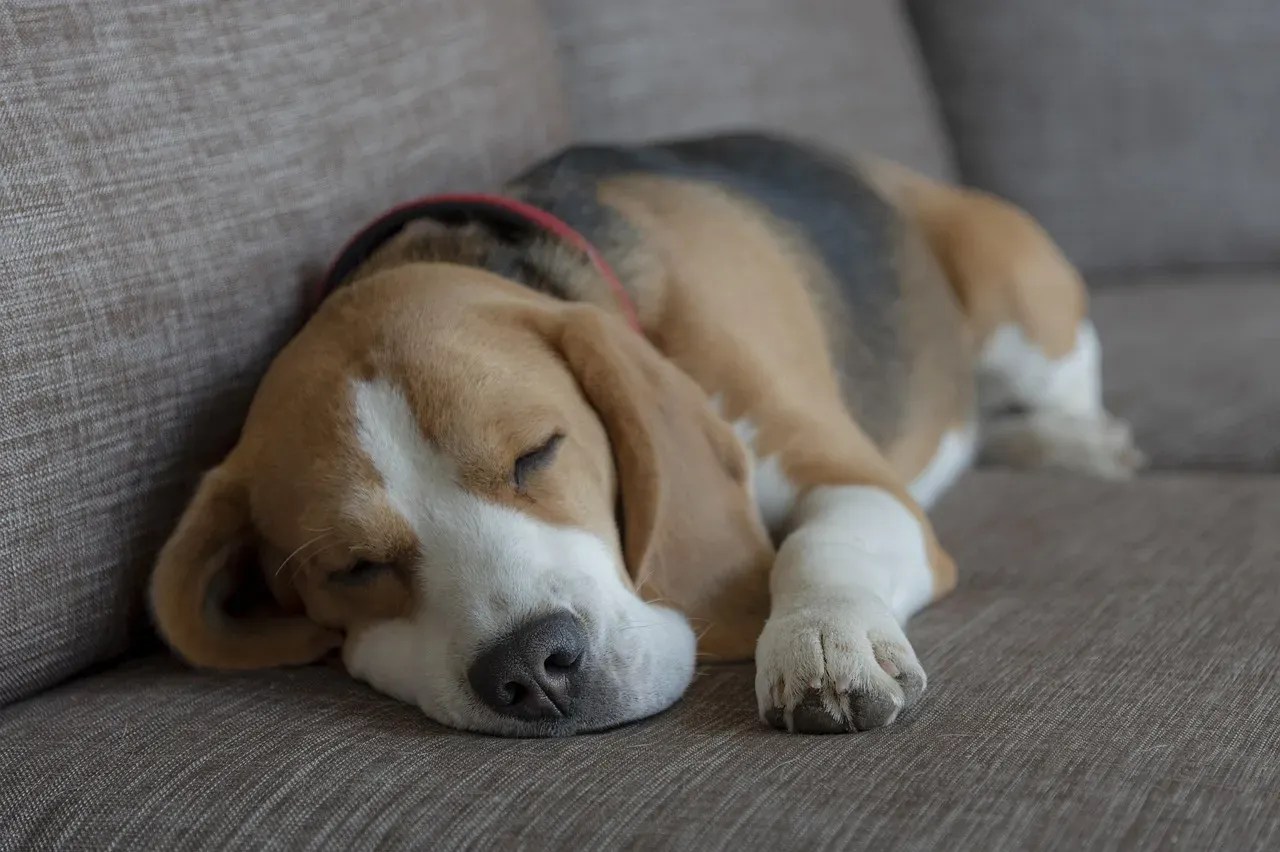
Let’s be real – this is the question everyone actually wants answered. One popular theory of dreaming is the continuity hypothesis, which holds that dreams are built from the stuff of waking life. We dream about what we pay attention to while awake – and for dogs, that includes food, toys, running, chasing squirrels, and of course, us humans.
Scientists speculate that, like humans, dogs frequently dream about their daytime experiences. If your dog had fun at the dog park that day, they may dream about playing with their friends or chasing squirrels, and may even move during sleep in a way that correlates with those dreams. It’s like watching a highlight reel play out in real time.
Because of the strong emotional bonds dogs form with humans, their dreams may actually include you – your face, your smell, and your affection – reflecting just how important you are to them. I think that’s one of the most genuinely touching things science has told us in a while.
Researchers figured out that one way to discover what dogs might dream about was to temporarily disable the pons during REM sleep. This allowed them, under carefully controlled conditions, to let the dogs actually act out their dreams. What they found was that dogs dream doggy things – Pointers would point at dream birds and Dobermans would display guard behaviors. Breed-specific instincts, apparently, follow dogs right into their sleep.
Puppies Dream More, Big Dogs Dream Longer
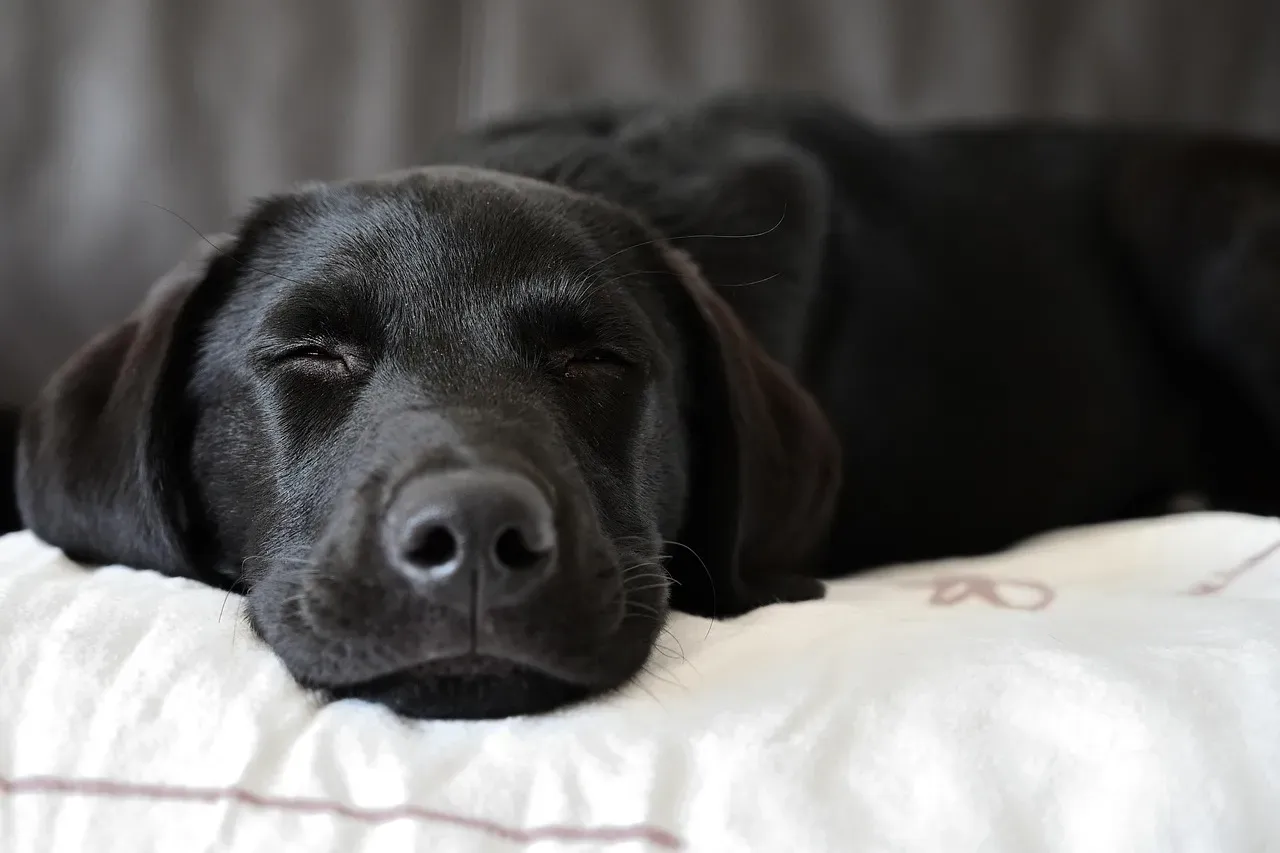
Not every dog dreams the same way. Size, age, and breed all play a surprisingly large role in how often and how intensely your dog visits the dream world. Smaller dogs seem to have more dreams than their bigger counterparts. Research suggests that dream length and frequency may be related to the animal’s size – a toy poodle may dream every 10 minutes, while a Labrador Retriever may only dream once every 60 to 90 minutes. However, the poodle’s dreams may last only a minute, while the Labrador’s dreams may be 5 to 10 minutes long.
Puppies spend up to half of their sleep time in REM, reflecting how much their brains are learning and growing. Young dogs dream frequently as they absorb new experiences every day. It’s like their sleeping brain is working overtime to process the sheer volume of new information being thrown at it.
Senior dogs may dream less often, but their dreams tend to be deeper and longer. This change is linked to slower brain activity and reduced physical movement with age.
Active breeds, like Border Collies or Labrador Retrievers, may dream more vividly than less energetic breeds because their waking hours are filled with physical and mental activity. Meanwhile, lap dogs might experience more restful, shorter dreams. It makes sense, honestly – the more eventful the day, the more material there is to dream about.
Should You Wake a Dreaming Dog? The Nightmare Question
Here is where things get a little tricky. If your dog is whimpering or twitching, every instinct tells you to comfort them. But science says: hold back. You may be tempted to wake your dog from a dream, especially if it looks like a nightmare. However, dogs cannot control their actions in REM sleep and if they are woken abruptly, they may bite.
Roughly about 6 percent of dog bites occur while a dog is sleeping or when woken abruptly. It’s best to let the dream play out and allow your dog to wake up on their own to avoid an accidental incident. That statistic surprised me. A dog that loves you completely can still snap in confusion when jolted from deep sleep.
If dogs dream, then they most likely have nightmares too. Your canine companion may be having a scary dream if they kick, growl, or whine in their sleep. Like humans, dogs may have nightmares about stressful situations they encountered recently, something they are afraid of, or a traumatic event.
Scientists believe that sleep plays a big role in memory consolidation, helping all animals retain information about what’s significant in their lives and storing that as long-term memories. A quiet dog crate or comfortable dog bed can certainly help with sleep, but routinely waking your sleeping dog could hinder their ability to learn. So when in doubt, let them sleep it out. The old saying really does hold up.
Dogs who feel safe and emotionally balanced tend to sleep better. Providing affection, mental stimulation, and social interaction during the day can help reduce stress and support peaceful sleep at night. A happy day, in other words, is the best recipe for a happy dream.
Conclusion: A Window Into Your Dog’s Inner World
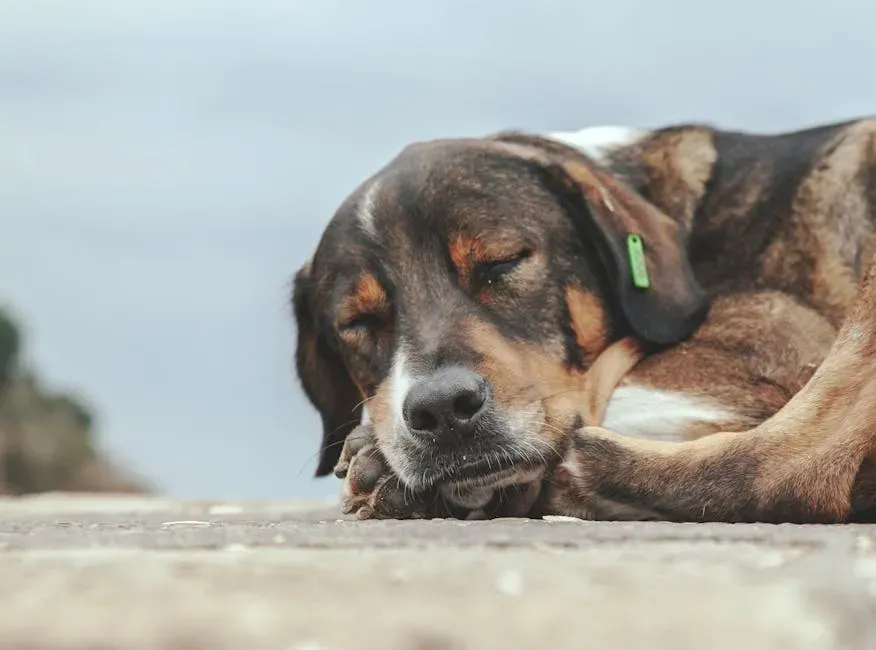
What happens when your dog sleeps is far more than just rest. It is memory, emotion, instinct, and connection – all quietly replaying in a brain that is more like ours than most people realize. The twitching paws, the muffled barks, the tail that wags for no apparent reason: these are tiny windows into a rich, vivid inner life that science is only beginning to fully understand.
Next time your dog curls up for a nap and starts running in their sleep, resist the urge to wake them. They might just be chasing you through a sunny park, or sniffing out that squirrel they never quite caught.
Isn’t it something to think about – that your dog might be dreaming of you right now? What do you think they’d say if they could tell you about it? Drop your thoughts in the comments.
