
Most of us, if we’re honest, would absolutely refuse to step outside in minus 40-degree temperatures. We’d wrap ourselves in blankets, demand hot soup, and not move for a week. Nature, however, didn’t give every animal that luxury. Some creatures face the most brutal cold on the planet and simply… keep going.
No winter nap. No sneaking off to warmer climates. Just raw, jaw-dropping biological engineering that makes what we call “cold” look laughably mild. The adaptations these animals have developed are genuinely astonishing, and some of them are so bizarre they almost don’t seem real. Let’s dive in.
1. The Arctic Fox: Cold Is Just a Number
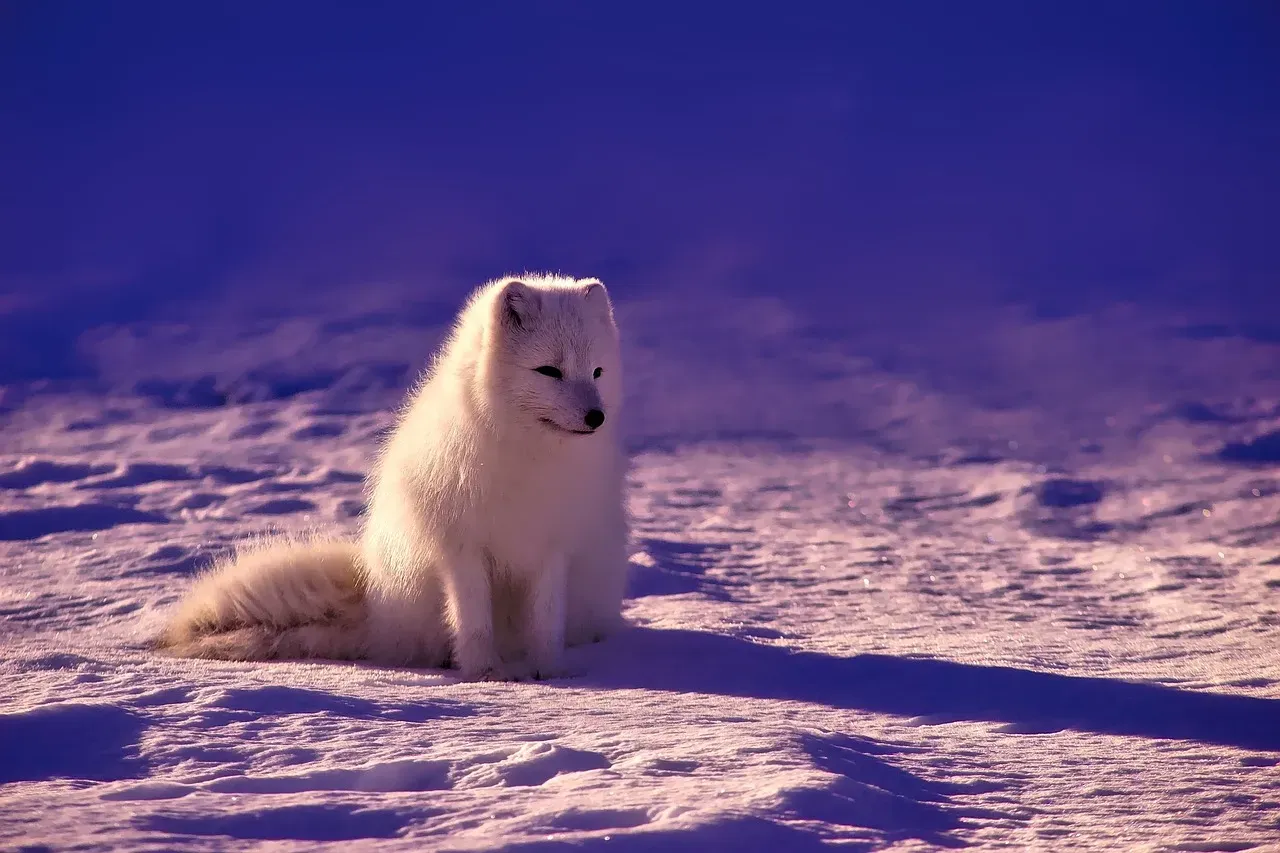
Here’s a fact that should stop you in your tracks. Arctic foxes are sub-zero specialists, able to withstand temperatures as low as minus 50 degrees Celsius. That’s not a typo. Minus fifty. While most living things would simply give up at that point, the Arctic fox is barely even flustered.
Their compact body, stubby little legs and small ears reduce exposure and conserve heat. Think of it like a well-designed thermos. Less surface area means less heat escaping. Every physical trait on this animal has been sculpted by millions of years of brutal cold.
Their wide, furry paws are filled with polyunsaturated fats that don’t harden at extremely low temperatures, and unique membranes also help prevent tissue damage, two adaptations that work together to prevent frostbite. I think that’s one of the most quietly remarkable biological details in the entire animal kingdom.
They even turn more white in the winter months to blend into their snowy environment in the Arctic or Canadian or Eurasian tundra, and they are the only canines to change coat color from summer to winter. Camouflage, warmth, and frostbite prevention all in one package. No hibernation required.
2. The Emperor Penguin: Togetherness as a Survival Strategy
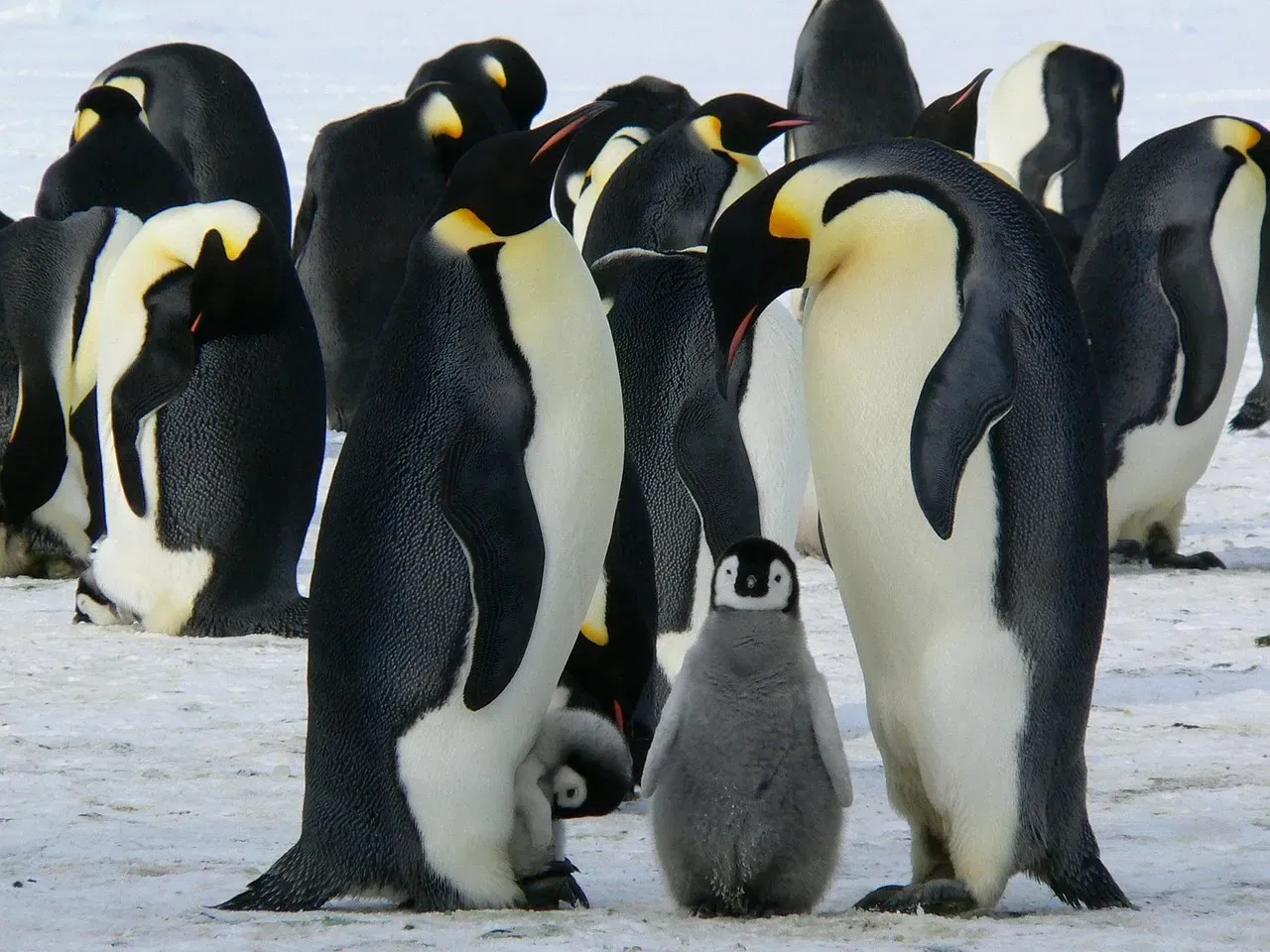
Emperor penguins have mastered the art of surviving in Earth’s most extreme cold environment, enduring Antarctica’s winter temperatures that plummet to minus 76 degrees Fahrenheit and winds exceeding 100 miles per hour. These remarkable birds, the largest of all penguin species at up to 4 feet tall and 99 pounds, brave these conditions during their unique winter breeding cycle. Let that sink in. They choose to breed during the worst season of the year.
Their dense, overlapping feathers create an impenetrable barrier against cold, while a thick layer of blubber provides additional insulation. The feather coverage is so effective that the emperors’ skin temperature can be 70 degrees Fahrenheit higher than the surrounding air. That is the biological equivalent of wearing a heated suit inside a walk-in freezer.
Males, who incubate eggs while females return to sea to feed, form tight huddles of thousands of birds. In these remarkable formations, penguins rotate positions continuously, taking turns moving from the wind-protected center to the exposed perimeter, effectively sharing the thermal burden.
The biggest huddler of them all is the emperor penguin. As many as 5,000 individuals may crowd together at once to ensure their collective survival. There is something genuinely moving about that. Pure, organized communal survival.
3. The Wood Frog: Frozen Solid, Technically Dead, Then Fine
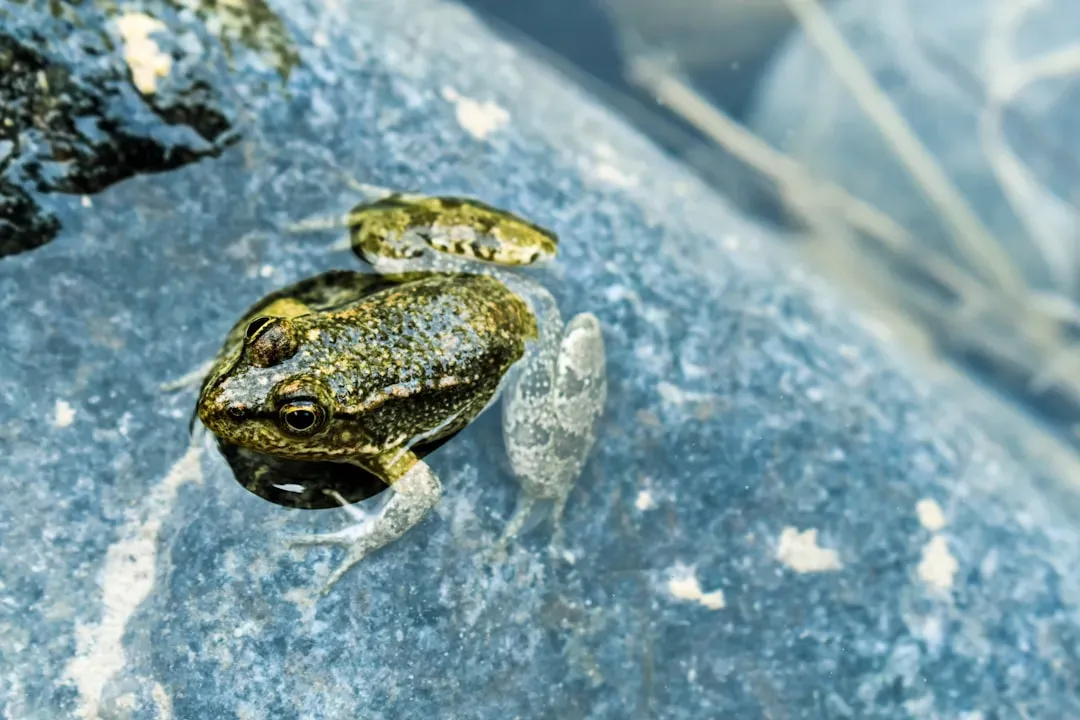
Honestly, the wood frog might be the most mind-bending creature on this entire list. As temperatures drop, the wood frog enters a state of suspended animation deeper even than hibernation. Its heart stops beating, its blood stops flowing, and it ceases to breathe. To every practical measure, the animal is dead. It isn’t.
Ice crystals form in the body cavity, beneath the skin, and in the fluid spaces around its cells. Even the lenses of their eyes freeze. That image should be in every biology textbook. Frozen eyeballs. Still alive. Just waiting.
This frog can survive up to 60 to 70 percent of its body water freezing. As temperatures drop, its liver produces large amounts of glucose, a cryoprotectant that prevents ice crystals from forming inside cells and protects vital organs. It essentially brews its own antifreeze.
Once the environment warms, the frog’s body slowly thaws. Its heart starts beating again, and within a few hours to days, it returns to normal activity as if awakening from a deep sleep. This strategy allows the wood frog to inhabit regions further north than any other North American amphibian, even within the Arctic Circle. Remarkable doesn’t quite cover it.
4. The Musk Ox: Living Armor From the Ice Age
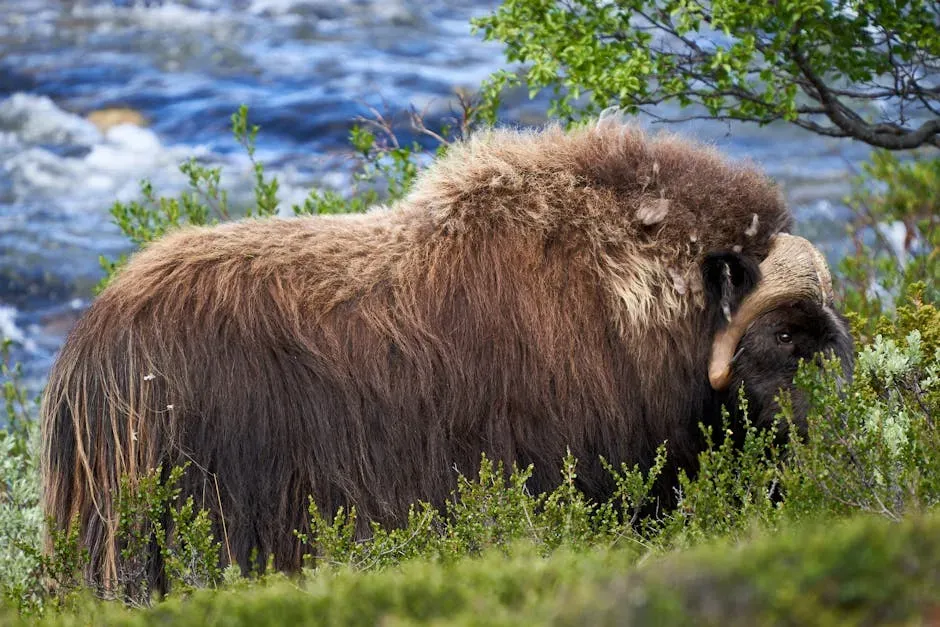
Musk oxen represent living connections to the Ice Age, having shared the tundra with now-extinct woolly mammoths. There is something almost mythological about that. These animals have been walking through blizzards since before humans were painting cave walls.
The musk ox has a dense undercoat called qiviut, providing warmth even below minus 40 degrees Celsius. Qiviut is considered one of the softest and warmest natural fibers on Earth. It’s also extraordinarily rare, which is why products made from it cost a small fortune.
Their fur is so good at retaining heat that even the area of ground directly underneath the musk ox is kept warmer as a result. Huddling together is another method that musk oxen have developed during the coldest parts of the year. This also serves another important function because their combined body mass deters predators such as wolves.
Musk oxen are known to forage on lichens, roots, and mosses on the tundra all year round in the Arctic. No hibernation, no migration. They simply dig through snow with their hooves and keep eating. Tough doesn’t begin to describe it.
5. The Polar Bear: Built Like a Living Furnace
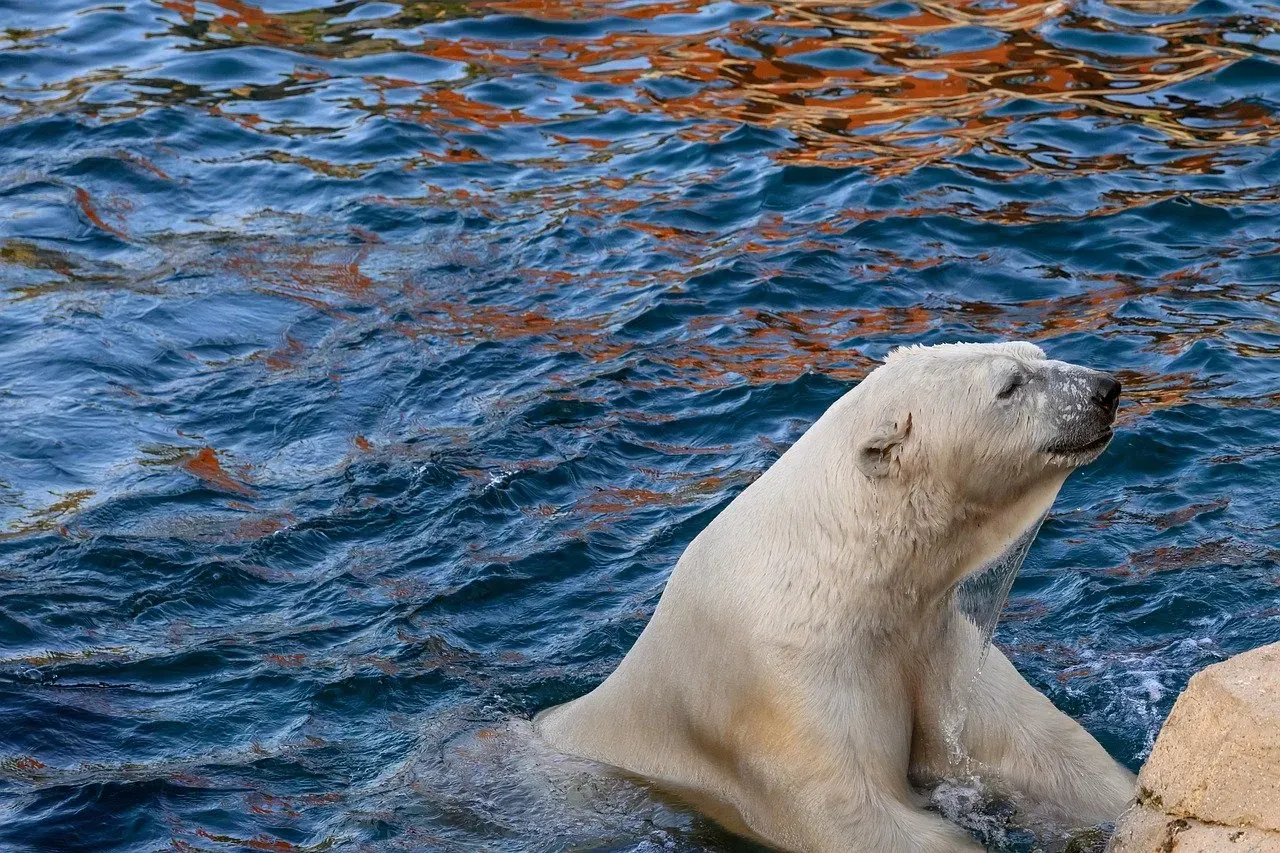
It’s impossible to talk about cold-weather survival without bringing up the polar bear. Polar bears are at the top of the land-dwelling Arctic food chain, and this basically makes them the king of this entire region. Although their size definitely helps them take such a dominant position, it is not the key component in their ability to withstand the cold. Instead, this comes down to three main features: their oily coat, their insulating fur and their blubber layer.
A recent study found that polar bear fur contains grease that prevents it from freezing after they dive into the water to hunt. Scientists believe this grease could potentially be used to develop anti-ice surface coatings. Nature solves problems that human engineers are still working on.
Their massive paws, measuring up to 12 inches in diameter, distribute their weight when walking on thin ice and function as powerful paddles for swimming. Small bumps called papillae on their footpads create friction against the ice, preventing slips. Essentially, they come factory-equipped with grip soles.
Polar bears thrive in icy habitats year-round, but climate change is impacting their environment. Melting sea ice is forcing them to travel longer distances to find food, highlighting the challenges many animals face in changing ecosystems. One of nature’s most perfectly engineered survivors, now facing a threat no amount of blubber can insulate against.
6. The Snowy Owl: Hunting Through the Arctic Night
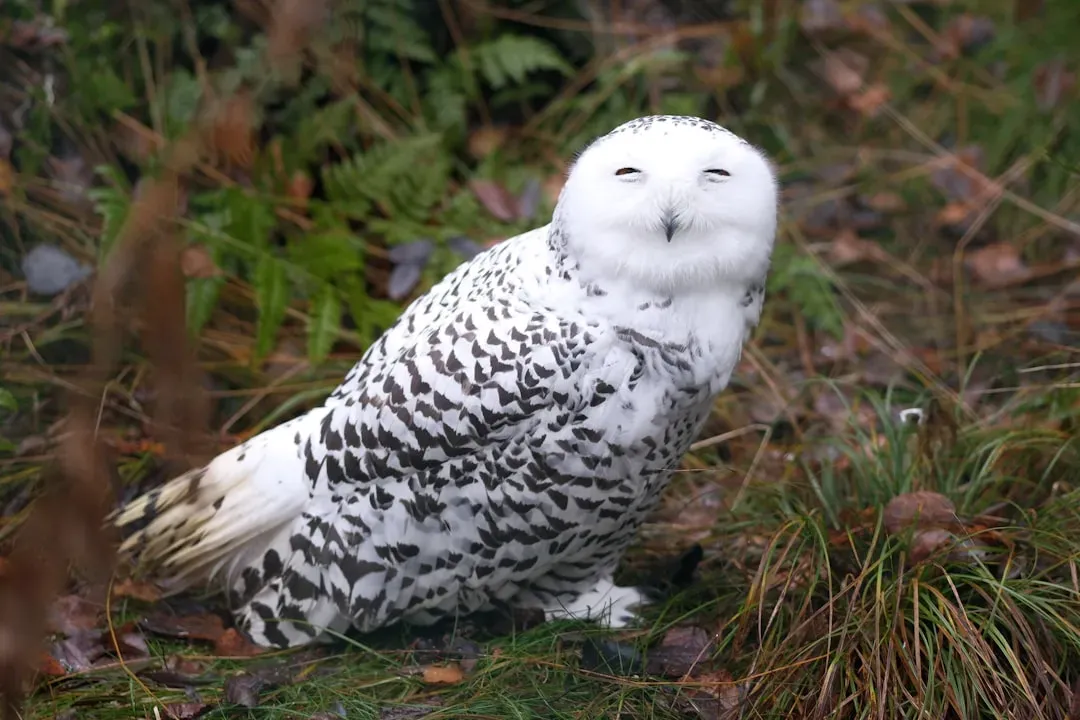
The snowy owl is one of the few birds that remains in the Arctic year-round, equipped with remarkable adaptations for surviving temperatures that regularly plunge below minus 40 degrees Fahrenheit. Most sensible birds would head south. The snowy owl looks at the howling tundra and simply… stays.
Snowy owls remain active year-round, adapting to food scarcity by migrating short distances to areas with more abundant prey. Their ability to thrive in harsh climates makes them a favorite among bird enthusiasts. Short-distance adjustments, not full-blown retreats. There is a big difference.
Many snow animals, like polar bears and snowy owls, have dense fur or feathers that trap heat close to their bodies. The thick layers of fur help insulate them, keeping their body temperatures high even in sub-zero weather. For the snowy owl, its entire body is cloaked in feathers so thick and dense that it looks almost comically round in winter. Think of it as nature’s puffer jacket, permanently attached.
7. The Arctic Hare: Sprinting Through Blizzards
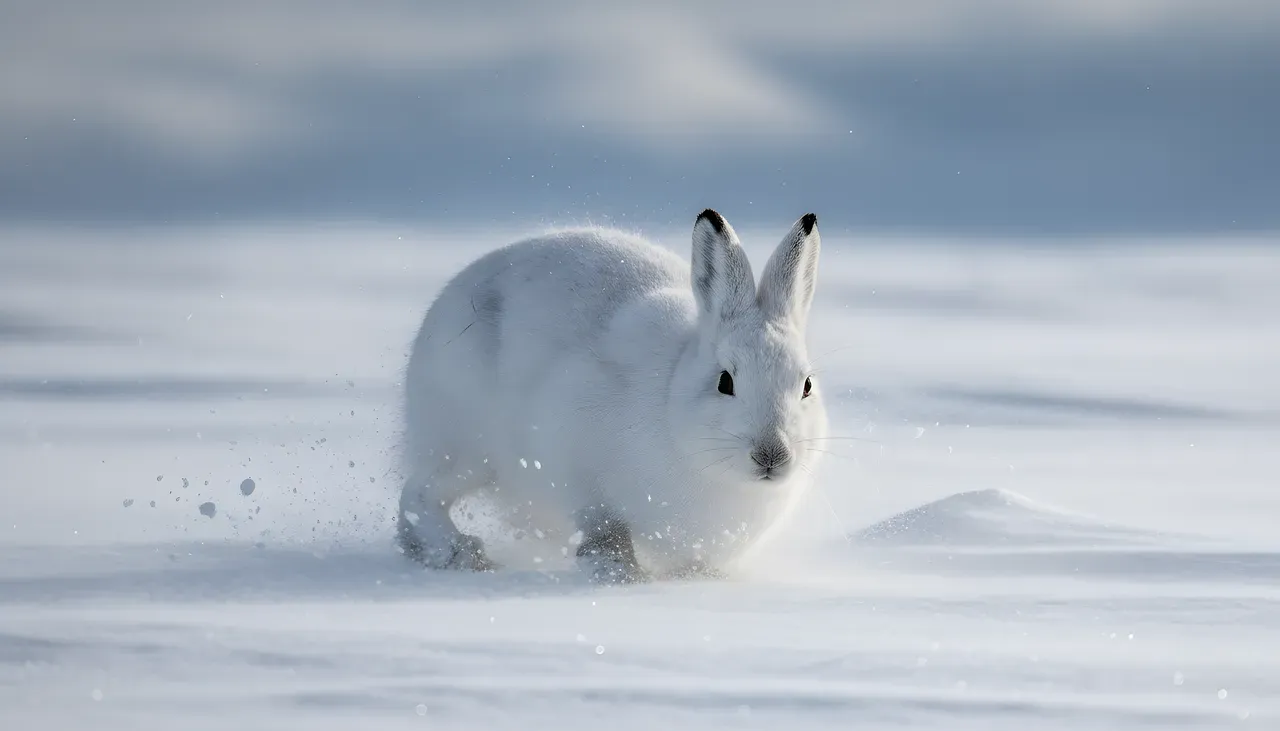
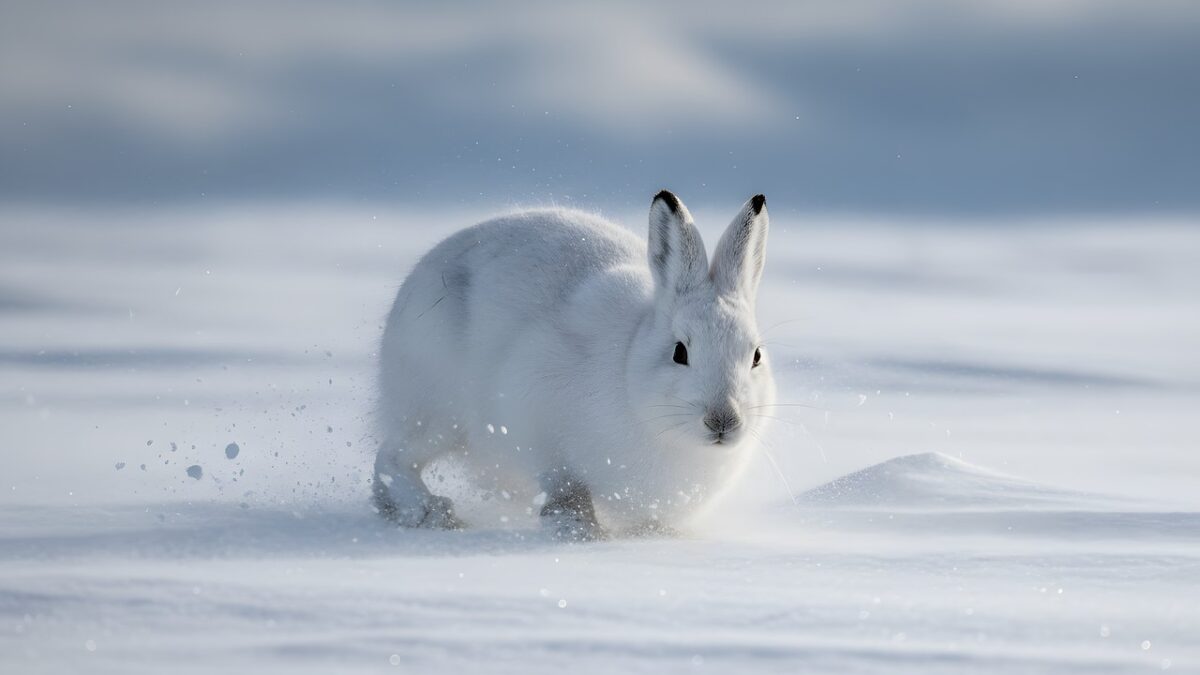
The Arctic hare is without a doubt one of the most adorable cold-weather animals around. Unlike other rabbit breeds, Arctic hares do not hibernate during the winter. Instead, they have adapted to the tundra with their thick fur and shortened ears. During the winter, their fur remains a brilliant white to match the snow.
Many cold-weather creatures, such as Arctic hares and snow leopards, have compact, stocky bodies that reduce the amount of heat lost through their surface area. Their short, thick limbs and rounded bodies help conserve warmth by limiting exposure to the cold air. It’s the same principle behind why a sphere retains heat better than a flat sheet. Less surface, less loss.
The Arctic hare can reach speeds of nearly 40 miles per hour, which makes it a genuinely difficult catch for predators even in open, snow-covered tundra. Active, fast, and built for the cold. There is something almost cheerful about an animal that thrives in a blizzard without needing to sleep through it. I find that strangely inspiring.
8. The Black-Capped Chickadee: The Tiny Winter Warrior
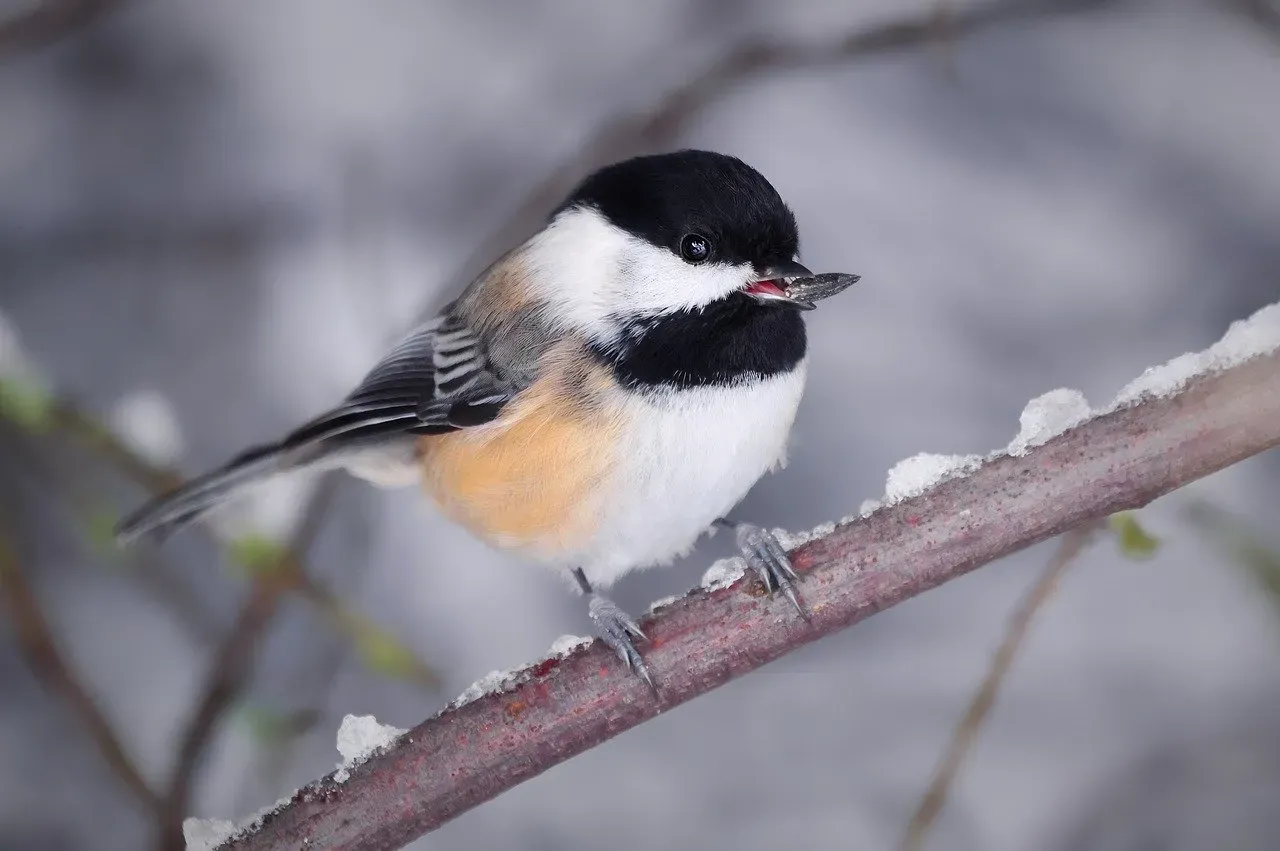
Let’s be real, the last creature you’d expect on a list about extreme cold survival is a tiny songbird barely bigger than your thumb. Yet the black-capped chickadee is genuinely one of the most cold-adapted small animals on the planet. These birds are tiny, usually weighing no more than half an ounce, but they are able to withstand everything winter throws at them because of two important biological adaptations.
First, they enter a state of hypothermia at night, which means they are able to lower their body temperature as a means to store energy. They also can regulate their metabolism, so the chickadees will increase their heat production when winter weather requires it. That’s a self-regulating internal thermostat, essentially. The kind of biological precision that makes engineers envious.
Even their plumage helps them stay warm. Chickadees have a full coat of feathers, about half an inch thick, that provides good insulation from cold winter weather. Half an inch of feathers on a bird that weighs half an ounce. The ratio is almost absurd.
In the fall, they begin to store food for winter. They also change their diet, eating more berries, seeds and even suet compared to their warm-weather diet of caterpillars and insects. Seasonal menu planning, nightly temperature regulation, and a feather coat thicker than most people’s winter scarves. All packaged into something that fits in the palm of your hand.
Conclusion: Nature’s Coldest Champions
There is a pattern running through every single creature on this list. Wildlife have lived through extreme weather conditions for hundreds of thousands of years, evolving behavioral and physical adaptations to survive. Every trick, every fiber of special fur, every molecule of biological antifreeze is the result of relentless pressure over deep time.
What strikes me most is the sheer variety of solutions. A penguin huddling in a crowd of thousands. A frog chemically freezing itself solid. A fox with antifreeze in its paw pads. A tiny bird lowering its own body temperature each night and warming back up before dawn. These are not minor tweaks. They are radical biological inventions.
We tend to think of survival as something dramatic. But for these eight animals, surviving minus 50 degrees is just a Tuesday. In animals that have evolved to tough it out, resilience to the cold can take many different shapes. That resilience is humbling, and more than a little awe-inspiring. Which of these cold-weather survivors surprised you the most? Drop your thoughts in the comments below.

- 8 Reasons Cedar Waxwings Pass Berries From Beak to Beak - July 26, 2026
- 8 Backyard Trees That Owls Prefer After Sunset - July 26, 2026
- 9 Things Chickadees Remember About Reliable Backyard Feeders - July 26, 2026