

Nature has been playing hide and seek for millions of years, and it is exceptionally good at it. Somewhere out there, right now, a creature is sitting in plain sight and you would never, ever notice it. Not because it moved away. Not because it hid behind something. It just… disappeared into its surroundings so completely that your brain refuses to register it as alive.
Animals master disguise by blending into their surroundings using camouflage, mimicry, and adaptive colors. They shape-shift, change hues, or imitate objects to avoid predators and catch prey effectively. The result is some of the most jaw-dropping biological engineering our planet has ever produced. Honestly, the more you learn about it, the more it feels less like science and more like actual magic. So if you think you have sharp eyes, prepare to be humbled. Let’s dive in.
1. The Octopus: Nature’s Shape-Shifting Genius
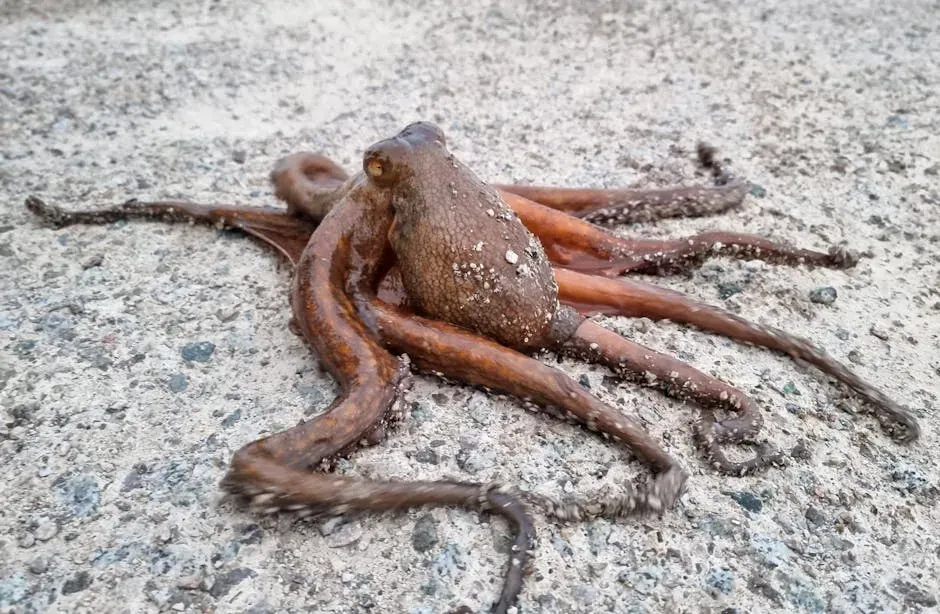
If there were an Oscar for camouflage, the octopus would win it every time. Using a combination of color, texture, and shape-shifting, it can transform its appearance in the blink of an eye. Think about that for a moment. A soft-bodied animal, with no shell and no armor, has evolved to make itself completely invisible in real time.
Just beneath their skin, octopuses have thousands of cells called chromatophores. Each of these cells has a tiny sac filled with either a red, orange, brown, yellow or black pigment, and by stretching or squeezing these sacs, they can rapidly change the brightness of each of these colours.
Apart from all those reflectors and pigments, octopus skin also has the ability to rapidly change its texture using small muscle bundles called papillae. Muscles in these bundles form a network, with some running radially and others in circles, allowing areas of skin to be quickly smoothed out or raised as needed.
Here is the part that genuinely blows my mind. What if we told you that octopuses are actually colourblind? It’s true. Octopuses only have one type of receptor in their eyes, which means they are completely colourblind, only seeing the world in shades of grey. Yet somehow they perfectly match their colors. The entire system is still not fully understood by scientists, which makes it all the more remarkable.
2. The Leaf-Tailed Gecko: A Living Leaf That Breathes
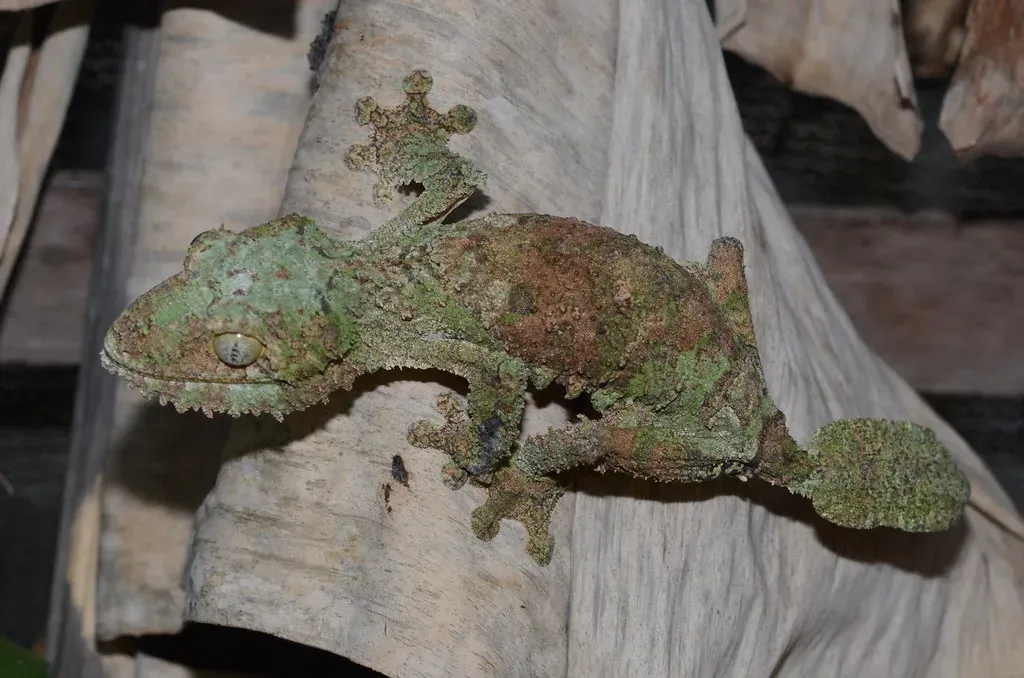
Also called the satanic leaf-tailed gecko, this master of camouflage is native to Madagascar. It is notable for pointed head scales which resemble horns and its remarkably leaf-like appearance. It’s one of several leaf-tailed gecko species found only in Madagascar.
This reptile’s camouflage is so perfect that it even mimics leaf veins, bite marks, and decay spots. When danger approaches, it doesn’t flee, it freezes, merging completely with its surroundings.
They have some of the most perfect camouflage of all reptile species, and can mimic lichen, moss, bark, and leaves. Mossy leaf-tailed geckos have incredible night vision. They can see about 350 times better than humans in total darkness and can see colors at night.
The leaf-tailed gecko is somewhat of an expert at avoiding predators, not only through their incredible mimicry but through a number of behaviours. They can flatten their body against the substrate to reduce the body’s shadow, open their jaws wide to show a frightening, bright red mouth, and voluntarily shed their tail in order to trick a predator. A creature this small with this many tricks? Incredible.
3. The Snow Leopard: Ghost of the Mountains
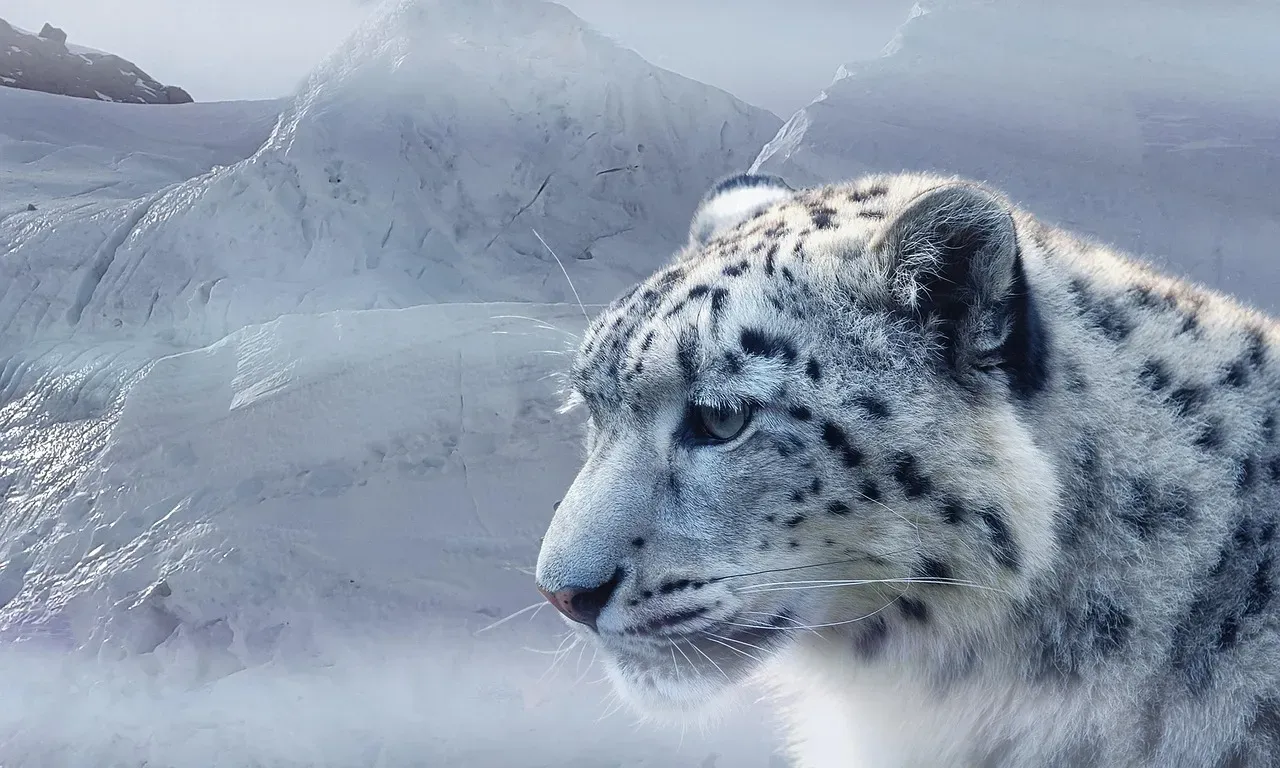
Because of their incredible natural camouflage, rendering them almost invisible in their surroundings, snow leopards are often referred to as the “ghost of the mountains.” I think that nickname is perfectly earned, because even trained researchers with modern equipment have enormous trouble spotting them.
It’s the cat’s thick, grey-white fur with its dark spots and rosettes that provides the snow leopard with a natural camouflage and gives it its outstanding ability to blend in with its surroundings. This skill has earned the snow leopard its nickname, “Ghost of the Mountain.”
The snow leopard prefers altitudes ranging from 9,800 to 18,000 feet above sea level, though it may descend to lower valleys in winter in search of food. Its habitat includes steep rocky slopes, deep gorges, and alpine zones where few species can survive.
Snow leopards live in craggy, mountainous areas, and they usually have to ambush their prey at short distances. Along with their superb camouflage, the ability to leap, bound and pounce have become this cat’s adaptations for hunting. The camouflage is not just decorative. For this predator, invisibility is the entire strategy.
4. The Stick Insect: Walking Wood
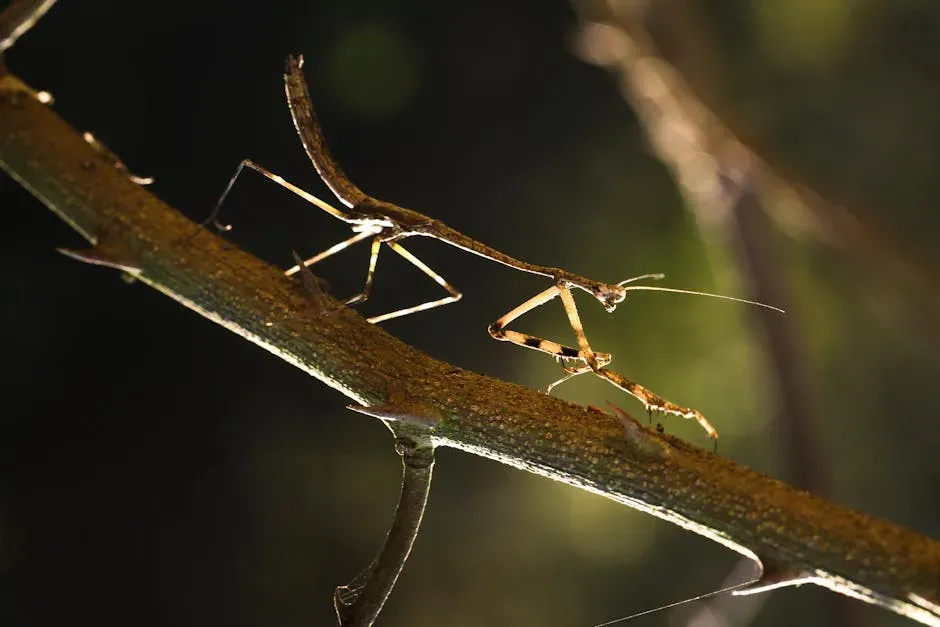
Let’s be real, stick insects might be the most unsettling camouflage specialists on this list. Not because they are dangerous, but because they look so completely and utterly like a twig that your brain keeps insisting there is nothing there.
Almost every aspect of these insects’ lives is concealed. They look like sticks, they sway with the breeze like sticks through cryptic mimicry, and they can even change their color to fit with the foliage.
When a breeze stirs the trees, stick insects gently sway, perfectly mimicking the movement of surrounding twigs. This behavioral mimicry makes them almost impossible to detect, even by sharp-eyed birds. Their camouflage is a masterpiece of minimalism.
Some can emit a bad-smelling substance to keep predators away. Others flash their wings as a warning to predators, and still others can use their wings to help them quickly drop to the ground to escape danger. So even when the disguise fails, they have a backup plan. Smart little things.
5. The Chameleon: The Celebrity of Camouflage
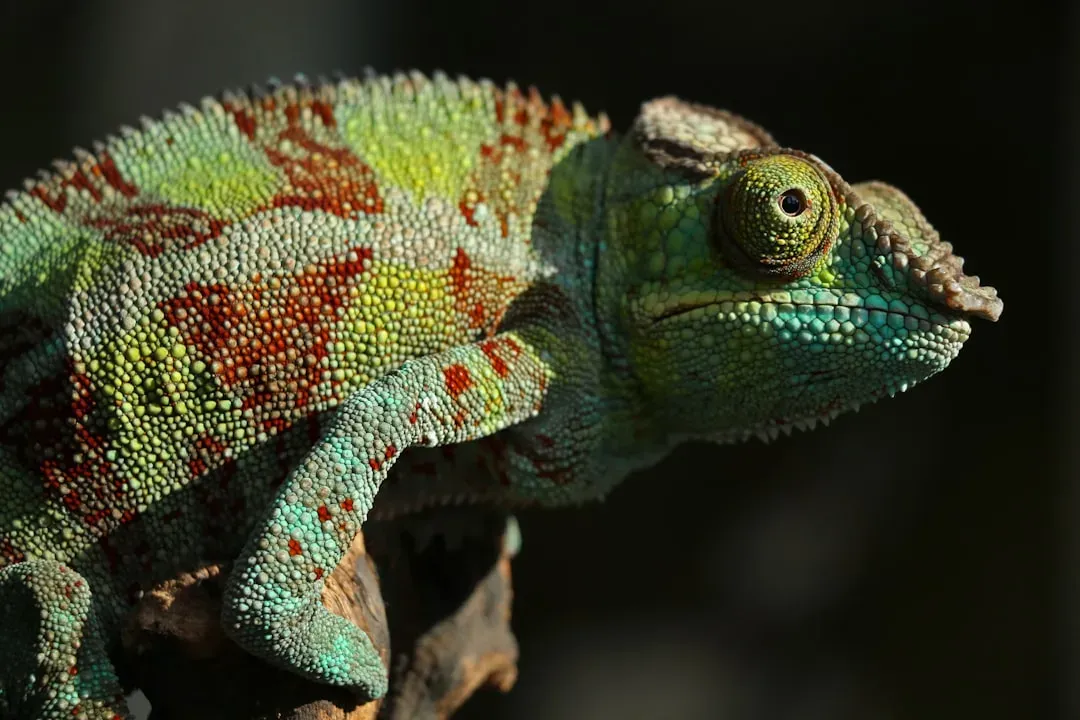
Everyone knows the chameleon. It is practically the mascot for disguise. Still, most people do not fully understand how remarkable, and how frequently misunderstood, this animal actually is.
These remarkable reptiles can change color rapidly, primarily for communication and temperature regulation. However, their base coloration helps them blend into leafy environments. So the whole “they change color purely to hide” narrative is actually a bit of a myth. Color change serves multiple purposes for them.
Their independently rotating eyes give near-360° vision, allowing them to stay perfectly still while scanning for danger or prey. Combined with their slow movements and gripping feet, chameleons are among nature’s most effective visual illusionists.
Scientists think that this species not only developed this ability to adapt better to the environment, but to communicate. Did you know that some chameleon’s skin tones define its mood? These patterns change when the animal is feeling aggressive or when it wants to fight. Camouflage and emotion, all wrapped up in one spectacular reptile.
6. The Stonefish: The Most Dangerous Rock You Will Ever Step On
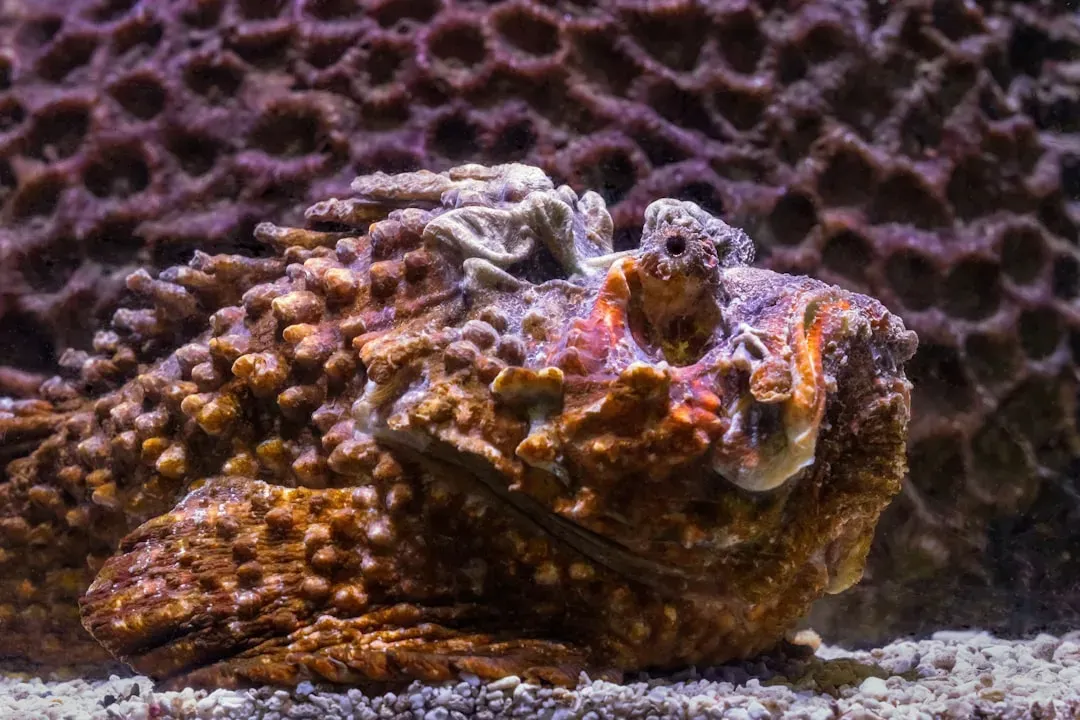
Here is where camouflage crosses a line from fascinating into genuinely terrifying. The stonefish is not just invisible. It is invisible, venomous, and sitting on the seafloor just waiting for something to get too close.
Beneath the coral reefs of the Indo-Pacific lies one of the ocean’s most dangerous creatures: the stonefish. It looks exactly like a piece of rock or coral, until you step too close. Covered in mottled brown, gray, and orange skin, the stonefish’s rough texture and sedentary habits make it indistinguishable from the seafloor.
When prey swims by, it strikes in less than 0.015 seconds. Its venom is among the most potent in the animal kingdom, delivered through needle-like spines on its back. For perspective, that reaction speed is faster than the human eye can process.
Equipped with highly venomous dorsal spines, they are dangerous to predators and humans alike. Their camouflage is so effective that accidental encounters often occur. By blending seamlessly into reefs, stonefish demonstrate how invisibility can also serve as a powerful defense. This one keeps me out of unknown shallow waters, honestly.
7. The Arctic Fox: Dressed for Every Season
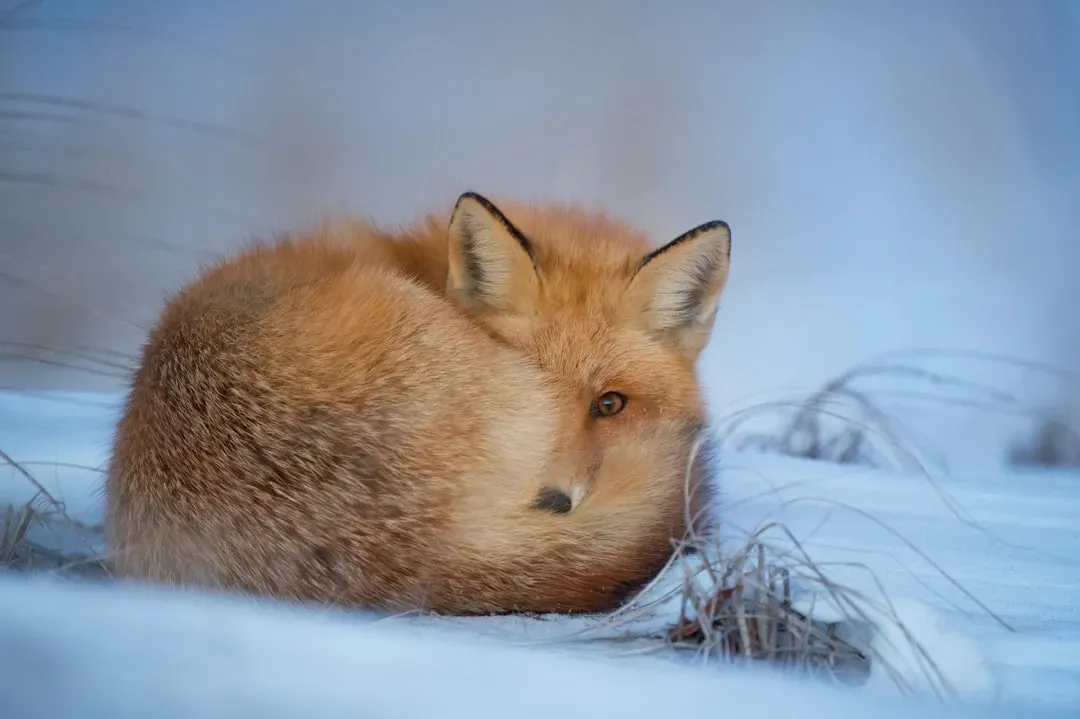
Most animals are stuck with whatever colors evolution gave them. The Arctic fox decided that was not good enough and evolved the ability to completely change its wardrobe with the seasons.
The Arctic fox demonstrates seasonal camouflage. Its coat turns pure white in winter to blend with snow, and brown or gray in summer to match the tundra landscape. It is like having two entirely different animals depending on the time of year.
These clever foxes use their camouflage to hunt and avoid predators. Their thick fur not only changes color but also keeps them warm in frigid temps. Arctic foxes have furry paws that act like built-in snowshoes.
This is a beautiful example of how camouflage and survival are deeply intertwined. It is not just about avoiding being eaten. For the Arctic fox, its disguise is also the mechanism that lets it get close enough to hunt. Evolution favors individuals that can better blend into their environments. Animals with effective camouflage are more likely to survive, reproduce, and pass on their genes. Over generations, natural selection enhances these traits, leading to more sophisticated and diverse camouflage strategies.
8. The Cuttlefish: The Living Pixel Screen
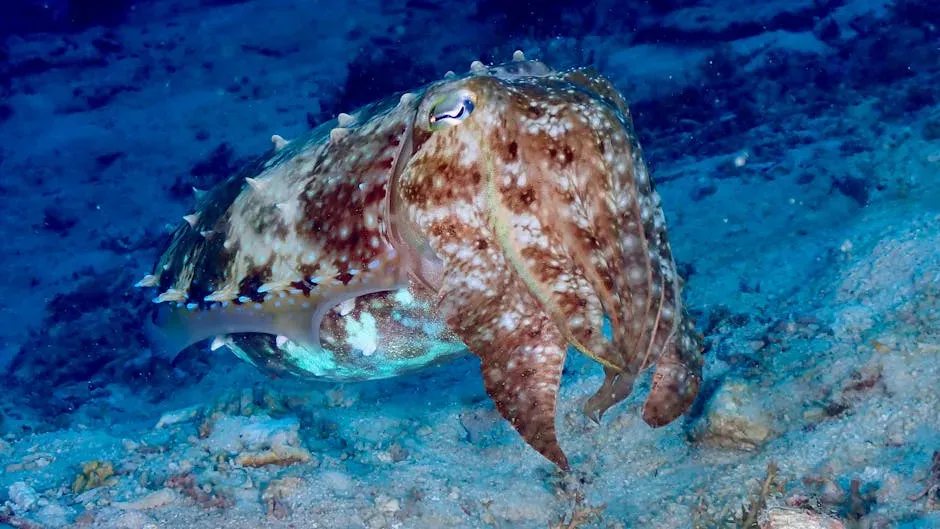
If the octopus is the Oscar winner, the cuttlefish is the entire special effects department. Cuttlefish are masters of dynamic camouflage. Their abilities go beyond simple color matching into something that resembles a high-resolution display running in real time.
They can change both color and texture within milliseconds, thanks to specialized skin cells called chromatophores and papillae that control pigmentation and texture. Color shift happens in a matter of seconds, as stripes become spots or solid colors. Texture morphing allows skin to turn rough to match coral or sand.
Just like the chameleon, they have several layers of skin cells, including chromatophores which allow them to change colors and patterns. They use their brain to control each chromatophore individually, expertly camouflaging themselves against the diversity of colors and textures on the ocean floor.
It is hard to say for sure which cephalopod takes the top prize, but cuttlefish have a unique trick. Some species of cuttlefish can literally split their mantle in half and show both patterns at once: a courtship pattern for the female, and a deceptive pattern for their rival. Two different disguises running on opposite sides of the same body, at the same time. Wild.
9. The Pygmy Seahorse: The One Scientists Almost Missed Entirely
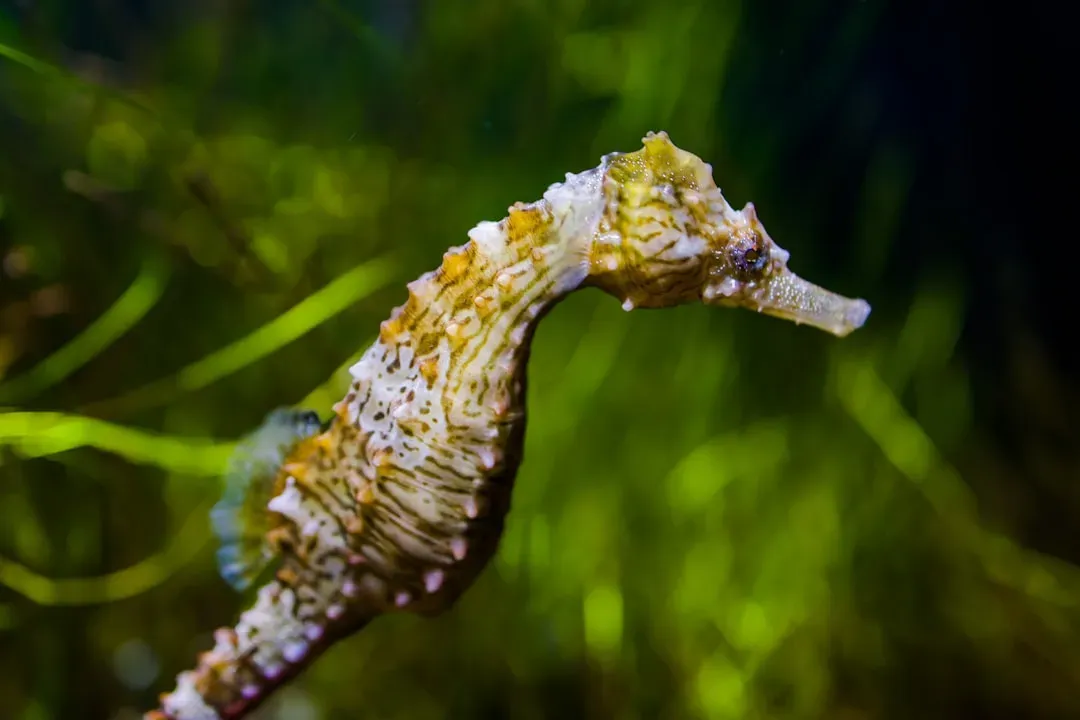
The pygmy seahorse might be the most extreme example of camouflage on this list, not because it actively changes, but because it is born permanently perfect for one specific environment and never needs to change at all.
Pygmy seahorses take this disguise to another level. Living exclusively on specific types of coral, they match their host’s color and texture so precisely that scientists only discovered them when examining coral samples under magnification. Think about that. They were invisible to science itself.
The seahorse uses its shape and colors to blend seamlessly with the surrounding marine flora and fauna. The pygmy variety takes this to a level that is almost philosophical. It does not blend in with its environment. It quite literally becomes its environment.
Seahorses sway with the currents, imitating the motion of seagrass. Their prehensile tails anchor them to coral, keeping them still even in turbulent waters. Motion, texture, color, and structure, all perfectly synchronized with a single type of coral, making the pygmy seahorse essentially a living, breathing part of the reef.
The Invisible World Hidden in Plain Sight
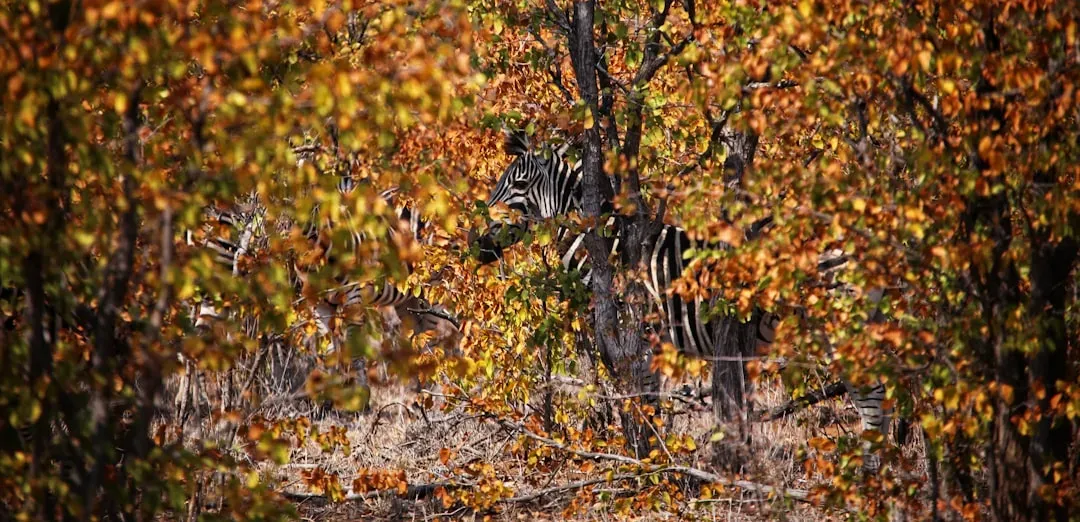
There is something deeply humbling about this list. These nine animals remind us that the natural world is far more complex, far more clever, and far more layered than anything we see at first glance. The natural world is an endless stage of survival, where beauty often wears the mask of invisibility. To the casual observer, a patch of moss is just moss, a pile of leaves is just debris, but to a predator or prey, every color, pattern, and shadow carries meaning.
Camouflage is not just a trick. It is millions of years of relentless evolutionary pressure, sculpting creatures into something that defies easy observation. From the satanic leaf-tailed gecko swaying gently in a Madagascan forest to the deadly stillness of a stonefish on a reef, these animals have turned invisibility into a survival strategy so refined it borders on art.
Evolution has further refined these strategies through natural selection, ensuring that only the best disguises persist. Every time you walk through a forest, wade in a tide pool, or gaze across a rocky mountain, chances are something is watching you and you will never know it was there.
Next time you step outside, look a little harder. The most extraordinary animal you will ever encounter might be hiding in the one place you would never think to look: right in front of you. What do you think, could you spot any of these masters before they spotted you? Let us know in the comments.

- 12 Architectural Wonders From The Ancient World That Inspire Us Today - July 18, 2026
- 6 Beautiful Ancient Cities That Time Forgot (But Shouldn’t) - July 18, 2026
- 6 Common Animal Behaviors That Are Often Misunderstood by Humans - July 18, 2026