
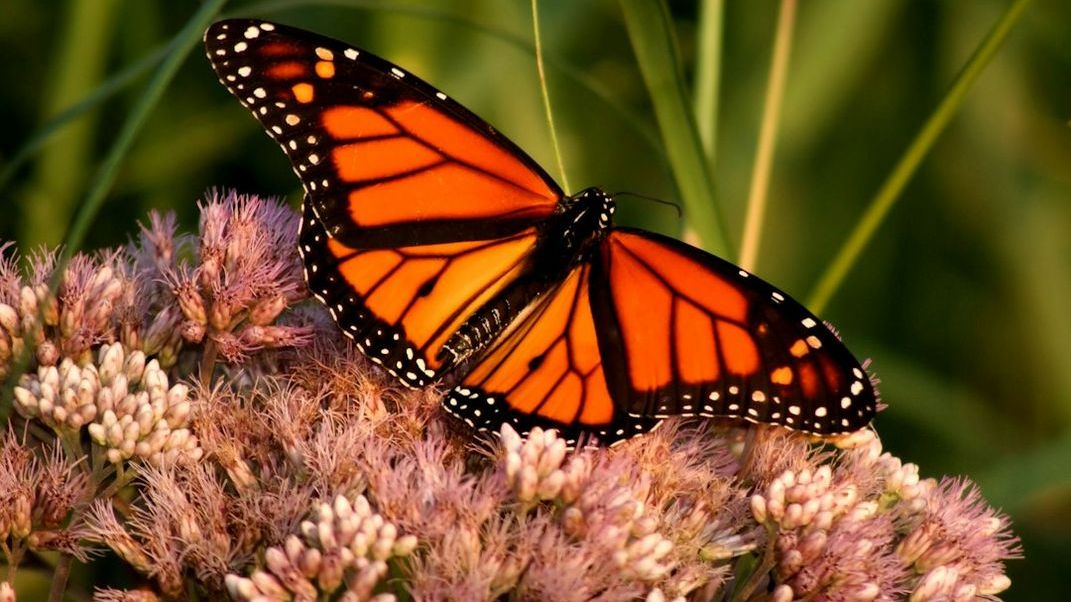
There is something almost unbelievable about a creature that weighs less than a paperclip navigating thousands of miles across a continent it has never seen before. No map. No GPS. No older generation showing the way. Just wings, instinct, and some kind of biological compass that scientists still haven’t fully cracked. Honestly, the more you learn about monarch butterflies, the more your jaw just drops.
This massive movement of butterflies has been recognized as one of the most spectacular natural phenomena in the world. Yet right now, in 2026, this wonder is teetering on a knife’s edge. There’s cautious hope, dramatic urgency, and a story unfolding in real time across North America. Let’s dive in.
A Journey That Defies Logic: The Migration Route
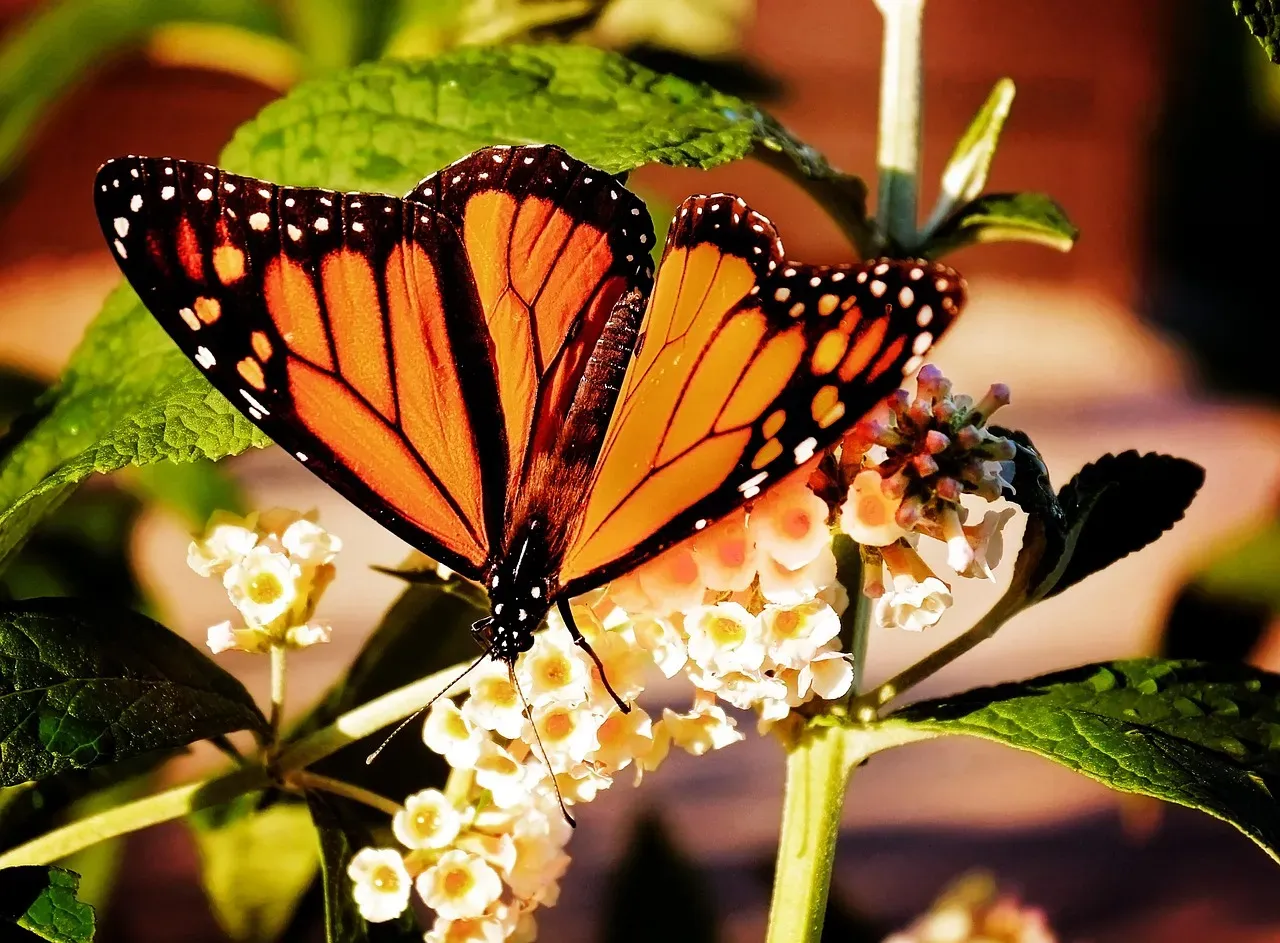
Picture driving from Toronto to Mexico City. Now imagine doing it on wings the size of a playing card, navigating using the position of the sun and the magnetic pull of the earth. That is essentially what monarch butterflies do every single autumn, and it never gets less mind-blowing.
Each year, a “super generation” of monarchs flies up to nearly 3,000 miles from the northern United States and southern Canada, where they breed, all the way down to the Monarch Butterfly Biosphere Reserve in central Mexico, where they overwinter. The sheer scale of this is staggering.
The North American monarchs begin their southern migration in September and October. Migratory monarchs originate in southern Canada and the northern United States, then travel thousands of kilometers to overwintering sites in central Mexico, arriving at their roosting sites in November.
Monarchs can travel between 50 and 100 miles a day, and it can take up to two months to complete their journey. The farthest ranging monarch butterfly ever recorded traveled 265 miles in a single day. That last fact, honestly, sounds like something someone made up.
Monarchs use a combination of air currents and thermals to travel long distances, with some flying as far as 3,000 miles to reach their winter home. Think of them as elite ultra-athletes, except they weigh almost nothing and live for just a few months.
The Winter Sanctuary: Where Magic Meets Mountain
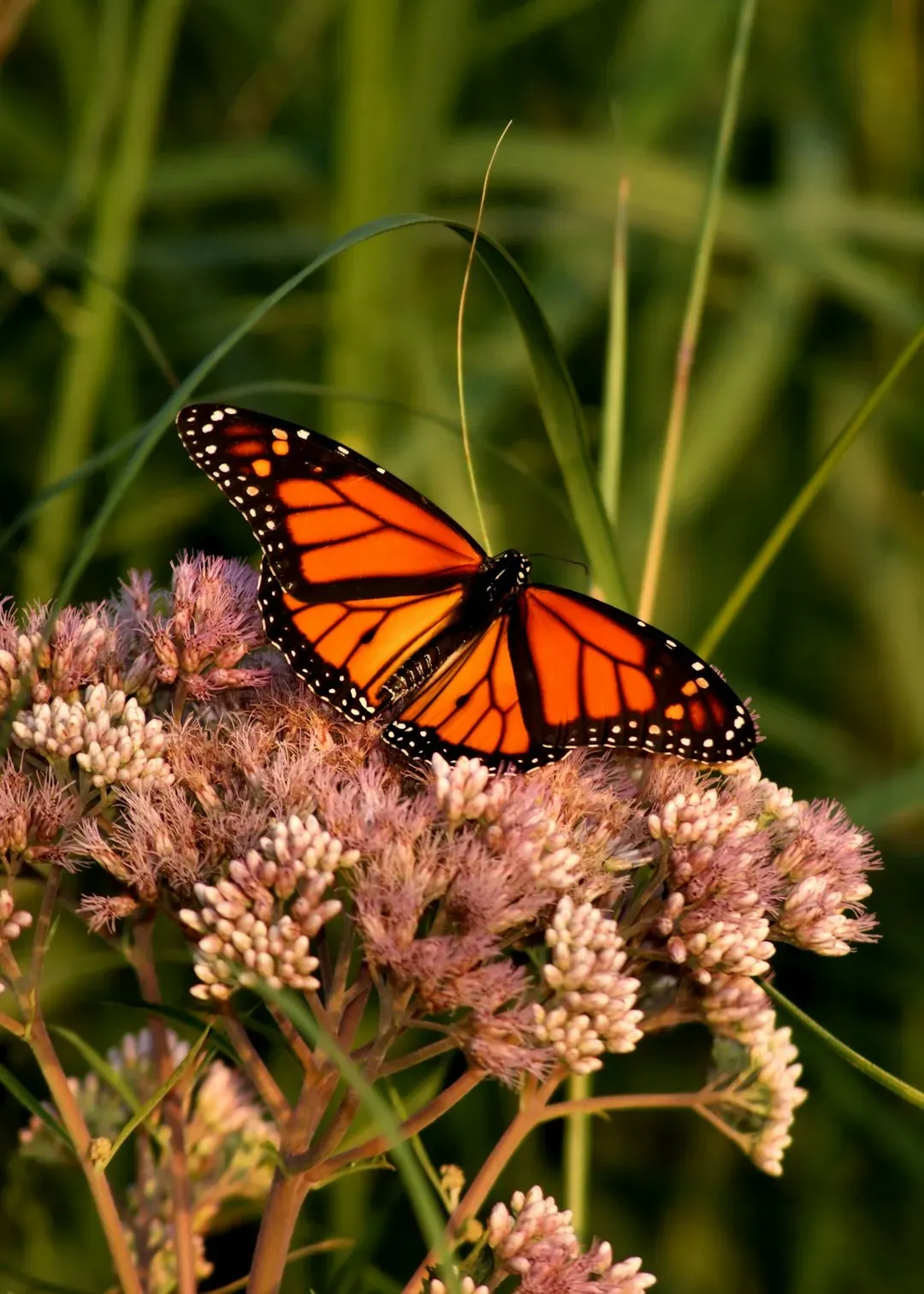
When you imagine millions of butterflies draping an entire forest like a living, breathing orange tapestry, it sounds like something from a fantasy novel. Yet every winter, it actually happens high in the mountains of central Mexico. It is one of those things you have to see to truly believe.
Monarchs roost for the winter in oyamel fir forests at an elevation of 2,400 to 3,600 meters, nearly two miles above sea level. The mountain hillsides of oyamel forest provide an ideal microclimate for the butterflies, where temperatures range from 0 to 15 degrees Celsius.
Monarchs cluster together to stay warm. Tens of thousands of monarchs can cluster on a single tree. Although monarchs alone weigh less than a gram, tens of thousands of them together weigh a lot. The trees literally bend under their collective weight.
For the current 2025 to 2026 season, monarchs began arriving at key sites like the El Rosario and Sierra Chincua sanctuaries in the Monarch Butterfly Biosphere Reserve as early as November 2025, with public access opening on November 22.
The Mexican government recognized the importance of oyamel forests to monarch butterflies and created the Monarch Butterfly Biosphere Reserve in 1986. It remains one of the most critical pieces of habitat on the planet for any migrating species.
The Super Generation: Nature’s Most Extraordinary Life Cycle
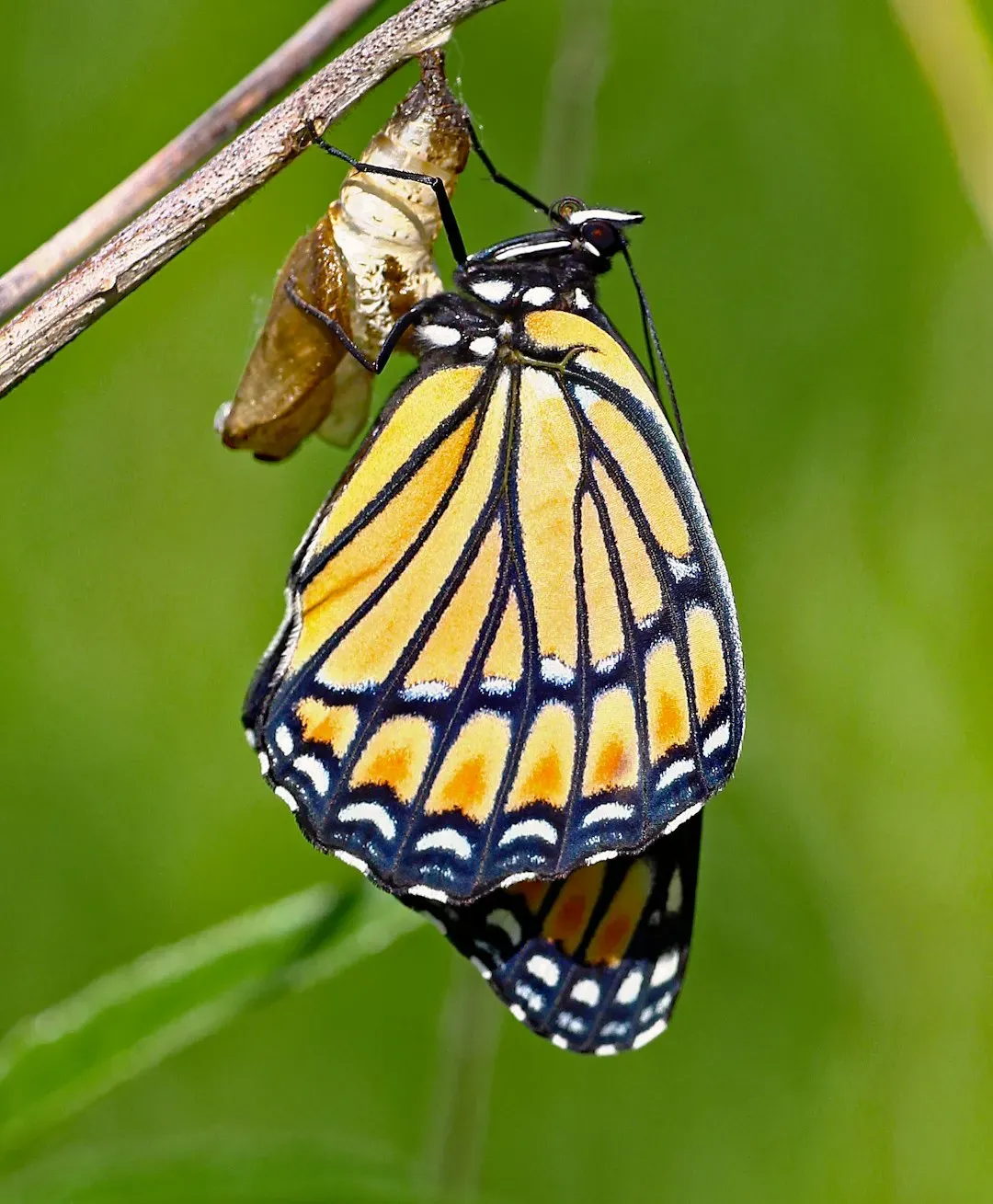
Here’s the thing that trips most people up when they first learn about monarchs. The butterfly that departs Mexico in spring is NOT the same one that arrives there in autumn. Not even close. The migration is completed across multiple generations, like a relay race stretched across an entire continent and an entire year.
At winter’s end, the same butterflies fly an additional 600 miles north to the United States, where they lay eggs on milkweed plants. This marks the end of this generation’s unique eight-month life cycle. From there, successive generations, each living only three to five weeks, continue northward. The annual migration cycle concludes when the butterflies reach breeding sites in the northern United States and southern Canada.
Eastern migratory monarchs that emerge as adults around mid-August or later will be in reproductive diapause and will spend their first few months of adulthood flying to their overwintering sites in Mexico. Instead of being ready to mate and lay eggs three to five days after emerging, these individuals delay reproductive maturity until spring. This change is triggered by hormonal changes resulting from exposure to decreasing daylength, cooler nights, and senescing host plants during development.
The “migratory generation,” sometimes called the Methuselah generation, can live several months rather than the usual few weeks. It is as if nature flips a biological switch, turning a short-lived insect into a long-distance endurance machine just when it’s needed most.
It is truly amazing that these monarchs know the way to the overwintering sites even though this migrating generation has never before been to Mexico. No one fully understands how. I know it sounds crazy, but that’s the honest truth, and it remains one of nature’s most tantalizing mysteries.
A Species Under Siege: The Threats Mounting Against Monarchs
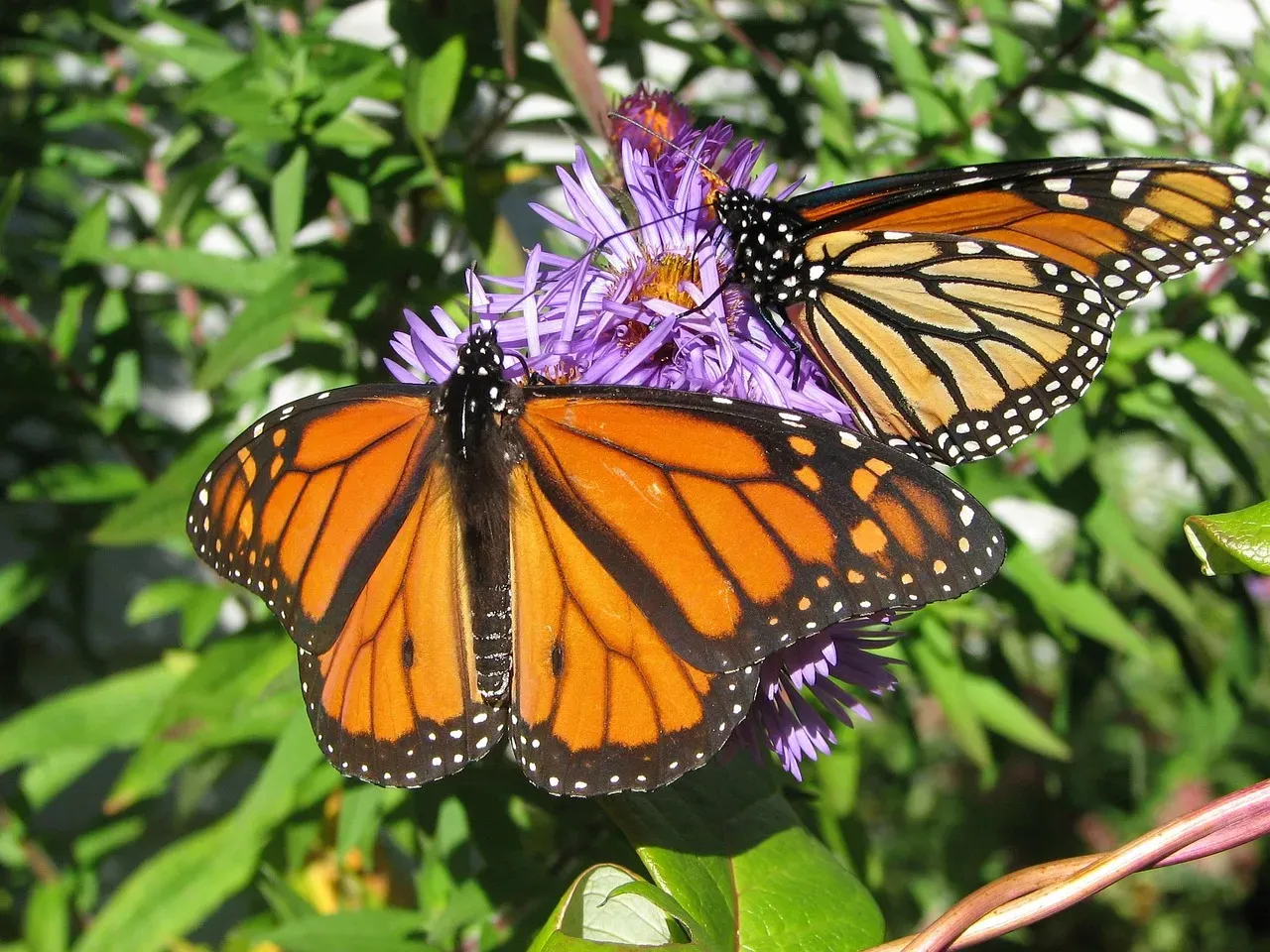
Let’s be real. The wonder of the monarch migration comes paired with a gut-punch of a reality check. This species is in serious trouble, and the numbers being reported in 2025 and 2026 paint a picture that nobody can afford to look away from.
Today, the eastern migratory population is estimated to have declined by approximately 80 percent. The western migratory population has declined by more than 95 percent since the 1980s, putting the western populations at greater than 99 percent chance of extinction by 2080.
The latest count of western monarch butterfly populations is a clear sign of a species in trouble. The Xerces Society’s annual Western Migratory monarch butterfly count recorded only 9,119 butterflies, the second worst year in the organization’s count. To put that in some kind of scale, the largest population of monarchs occurred in 1996 to 1997 when the colonies covered over 18 hectares and contained an estimated 380 million butterflies.
Milkweed is the only plant on which monarchs will lay their eggs and the only source of food for baby caterpillars. Urban planning and agricultural expansion in the United States and Canada have paved and plowed over millions of acres of milkweed. The development of genetically modified Roundup Ready crops has played a major role in the loss of milkweed in agricultural areas.
Climate change is projected to reduce and shift suitable habitat for migrating monarch butterflies southward by up to 40 percent by 2070, concentrating resources in southern Mexico and fragmenting migration routes. These changes may increase the likelihood of resident populations forming in Mexico, potentially disrupting the species’ traditional long-distance migration. That last point is perhaps the most alarming of all.
Signs of Hope: Conservation Efforts Lighting the Way Forward
With all that darkness hovering over the monarch story, it would be easy to lose hope. But here’s where the story genuinely turns. There are real, measurable signs that human effort is making a difference, and the monarch is proving, once again, that it has extraordinary resilience when given even half a chance.
In encouraging news, the eastern monarch butterfly population nearly doubled in 2025, according to a report announced in Mexico. The population wintering in central Mexico’s forests occupied 4.42 acres, up from 2.22 acres during the previous winter. That is not a small jump. That is a genuine leap.
A key takeaway is that monarchs demonstrate resilience over and over again. Weather knocks them down, but spectacular recoveries are the rule if negative conditions during one year are followed by favorable conditions for population growth.
In 2025, Project Monarch deployed over 400 solar-powered ultralight transmitters on the thoraxes of that year’s southward-migrating monarchs, tracking butterflies from locations throughout North America and the Caribbean to their overwintering sites in Mexico. Technology is finally catching up to help us understand what these creatures are actually doing out there.
On December 12, 2024, the United States Fish and Wildlife Service published in the Federal Register a proposed rule that would list the monarch butterfly as a threatened species and would designate the butterfly’s critical habitat in accordance with the provisions of the Endangered Species Act of 1973. It’s a significant step, and one that could change the legal landscape for monarch protection across North America.
The good news is that many of us can take action to help milkweed and the monarch. By planting milkweed or simply letting it grow, you support monarch breeding and migration. Sometimes the most powerful conservation tools are the ones growing quietly in your own backyard.
Conclusion
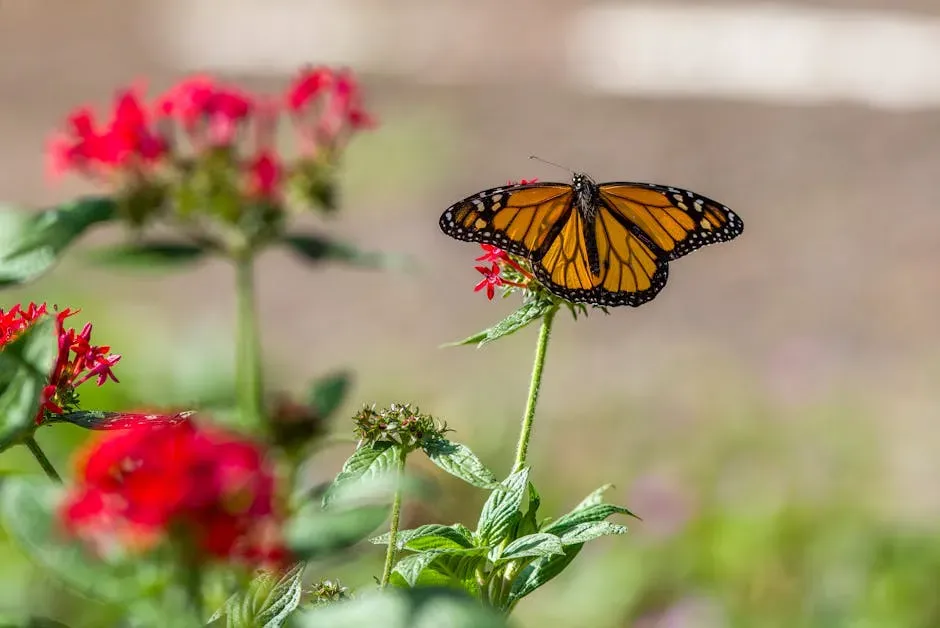
The monarch butterfly’s journey is, at its heart, a story about persistence. It is about a creature half the weight of a paper clip crossing an entire continent guided by sun angles and magnetic fields, generation after generation, for thousands of years. There is something humbling about that.
The numbers tell us we are at a crossroads. The eastern population is recovering, but it is still far below where it needs to be. The western population is in a genuinely precarious state. Climate change is reshaping the very landscape these butterflies depend upon. Yet the monarch keeps flying. And the people working to protect it keep showing up.
Honestly, the monarch butterfly may be the single clearest mirror nature holds up to show us how we are living on this planet. Every pesticide-soaked field, every paved-over meadow, every degree of warming leaves its mark on those wings. The good news? Every garden planted with milkweed, every policy passed, and every tag attached by a volunteer scientist also leaves its mark.
The question isn’t whether we can save the monarch. The question is whether we will choose to. What would you be willing to do to make sure future generations can still watch a million orange wings drift south against an autumn sky?
