
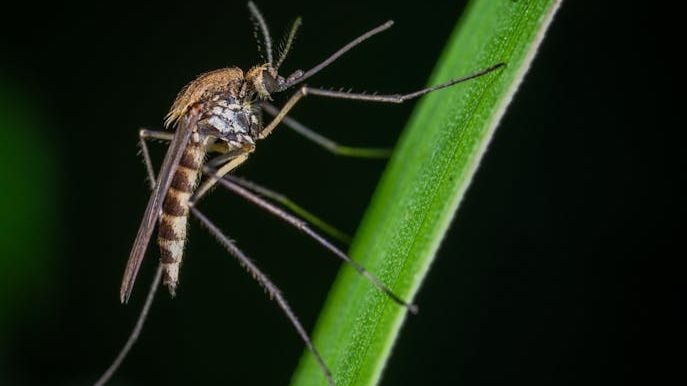
Picture this: you’ve spent hours setting up the perfect backyard party. The fairy lights are strung up, the food is ready, the drinks are cold. Then, just as the sun dips below the horizon, the uninvited guests arrive. Not the awkward neighbor or your cousin’s new partner. Mosquitoes.
These pesky creatures have an uncanny ability to turn a beautiful summer evening into a nightmare, and their buzzing and itchy bites are genuinely enough to ruin any outdoor gathering. The good news? You don’t need to douse yourself in harsh chemicals or surrender your patio to the bugs. Nature, it turns out, has already done most of the work for you. Let’s dive in.
Why Mosquitoes Are Slaves to Their Noses
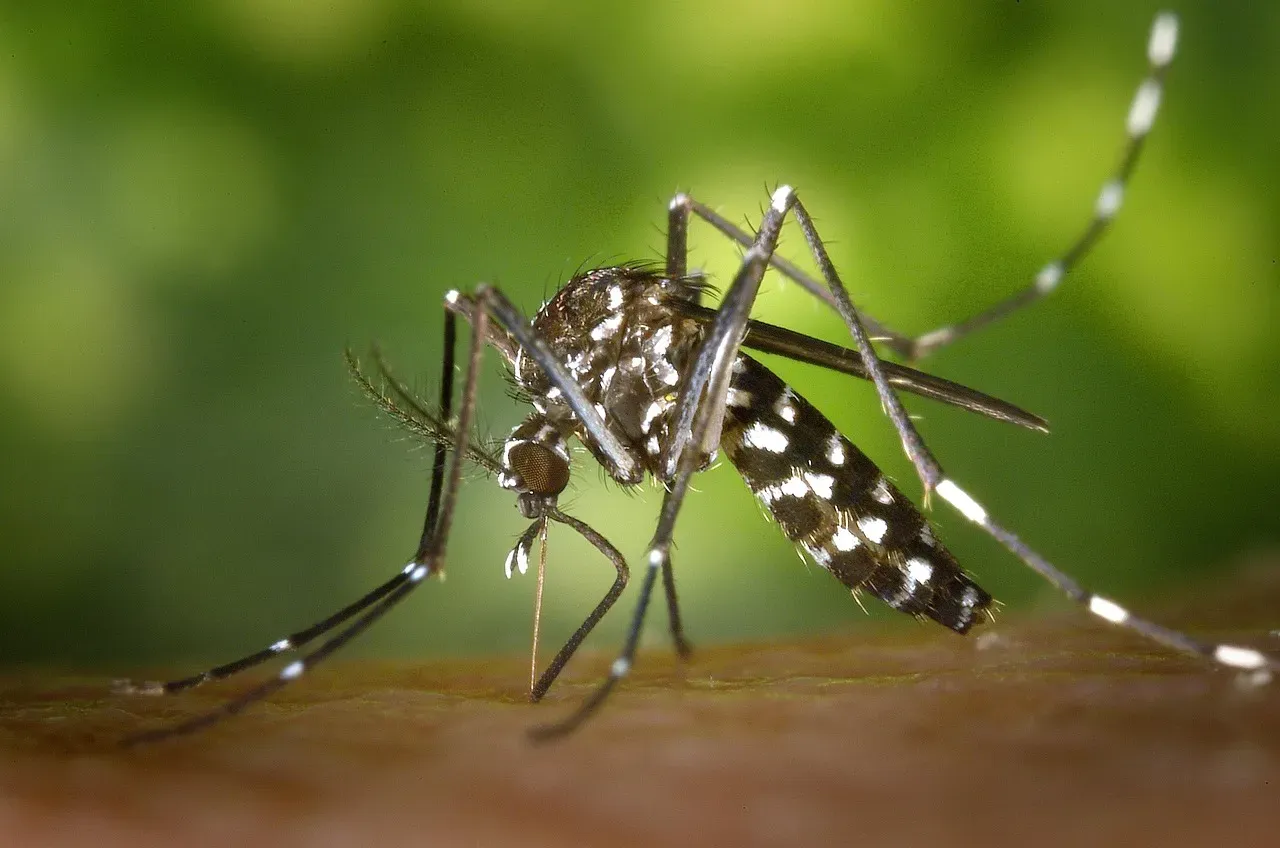
Before we talk solutions, it helps to understand what we’re dealing with. Mosquitoes locate hosts primarily through their sense of smell, making scent disruption a powerful control method. Think of it like jamming a radar signal. If you can overwhelm or confuse that radar, you become invisible to them.
Mosquitoes are attracted to certain scents and substances that they use to find their hosts, particularly carbon dioxide, which we exhale when we breathe, as well as lactate, uric acid, and other substances found in sweat. Basically, just being alive and breathing makes you a target. Charming, right?
Essential oils are concentrated plant extracts with strong odors that mosquitoes find unpleasant, and while the exact mechanism still needs to be fully understood, these oils may confuse mosquitoes or interfere with their ability to locate hosts. That confusion is exactly what we want to create at our next gathering.
Trick #1: Deploy Citronella Like a Pro

Citronella oil, which comes from the lemongrass plant, is commonly used in commercial bug sprays and candles. It features a lemon-like citrusy scent that is irritating to mosquitoes, but wonderfully pleasant to people. Honestly, it’s one of the rare win-wins in the pest control world.
Use citronella candles, torches, or citronella oil diffusers around the party area, as the scent of citronella repels mosquitoes and can create a protective barrier. However, don’t just light one candle and call it a day. Placement matters enormously.
To maximize effectiveness, it’s essential to strategically place repellents, focusing on areas prone to mosquito activity and ensuring a consistent release of the scent. Think of it like building a scent fence around your guests, not just a single checkpoint. Space those candles out, cluster them near seating, and keep them burning consistently throughout the evening.
Trick #2: Lavender That Does Double Duty

I have to say, lavender might be one of the most underrated tools in the outdoor entertaining kit. Lavender is a favorite scent for humans but not for mosquitoes, as the sweet and floral aroma repels them effectively. You can grow lavender plants in your garden, use lavender essential oil, or even make lavender sachets to place around your outdoor seating areas.
Lavender has analgesic, antifungal, and antiseptic qualities, meaning that in addition to preventing mosquito bites, it can calm and soothe the skin. So if someone does get bitten before you set up your defenses, a little lavender oil works overtime on the itch too. That’s a two-for-one you can’t argue with.
Try planting lavender in terracotta pots and placing them at the corners of your outdoor dining area. Lavender has a pleasant aroma for humans but is disliked by mosquitoes, and planting it in your garden or using lavender essential oil can help repel them. The visual effect alone makes your space look like a Provence countryside cafe. Bonus points all around.
Trick #3: Burn Rosemary on the Grill

Here’s a trick that sounds almost too simple to be true, but trust me on this one. When barbecuing, place a few sprigs of rosemary on the grill to keep mosquitoes away as the scent wafts through the yard. The smoke carries the aroma across a wide area, turning your cookout into a no-fly zone.
Rosemary contains compounds like camphor and eucalyptol, which have mosquito-repelling properties, and burning rosemary leaves or using rosemary essential oil can help repel mosquitoes. It also smells incredible. Your guests will think you’re a culinary genius even before the food hits the table.
Rosemary’s woody scent is exactly what keeps mosquitoes as well as cabbage moths and carrot flies away. Rosemary can also be infused into lotions or sprays to create simple repellents for your body. So you can cover yourself, your food prep area, and your garden all with one incredibly versatile herb.
Trick #4: Unleash the Surprising Power of Catnip

Let’s be real, most people associate catnip with a very excited cat rolling around on the floor. But this humble little plant has a secret weapon that goes way beyond feline entertainment. While catnip may attract your furry friends, it has the opposite effect on mosquitoes, and the essential oil found in catnip, called nepetalactone, is highly effective at repelling mosquitoes.
Here’s the part that should really grab your attention. A study in Science Daily suggests that nepetalactone, the plant’s essential oil, is approximately ten times more effective than DEET at repelling mosquitoes, and much less of this oil is needed to be effective. Ten times more effective. Let that sink in for a moment.
Plant catnip in your garden as a backyard defense, or crush the leaves and rub them directly on your skin. It’s easy to grow, requires almost no maintenance, and it’s completely safe for children. The only downside? Every cat in the neighborhood might start treating your garden like a day spa.
Trick #5: The Eucalyptus Solution With Science Behind It

Lemon eucalyptus oil extracted from the leaves of lemon eucalyptus trees contains a compound called PMD (para-menthane-3,8-diol), which is effective in repelling mosquitoes. This isn’t just folk wisdom. It has genuine scientific credibility backing it up.
The Centers for Disease Control and Prevention (CDC) have approved eucalyptus oil as an effective ingredient in mosquito repellent. That’s about as solid an endorsement as you can get. A 2014 study showed that a mixture of roughly one third lemon eucalyptus oil provided more than 95 percent protection against mosquitoes for three hours. You can create your own mixture with 1 part lemon eucalyptus oil to 10 parts sunflower oil or witch hazel.
Similar to citronella, eucalyptus has a powerful smell that interferes with mosquitoes’ delicate senses and can make it difficult for them to locate their food sources, and the oil from these trees also repels other insects such as ticks, midges, and sandflies. Place a diffuser with eucalyptus oil near the gathering area, or simply dot some diluted oil along the edges of your patio furniture. The coverage is surprisingly wide-reaching.
Trick #6: Peppermint as a Personal Force Field
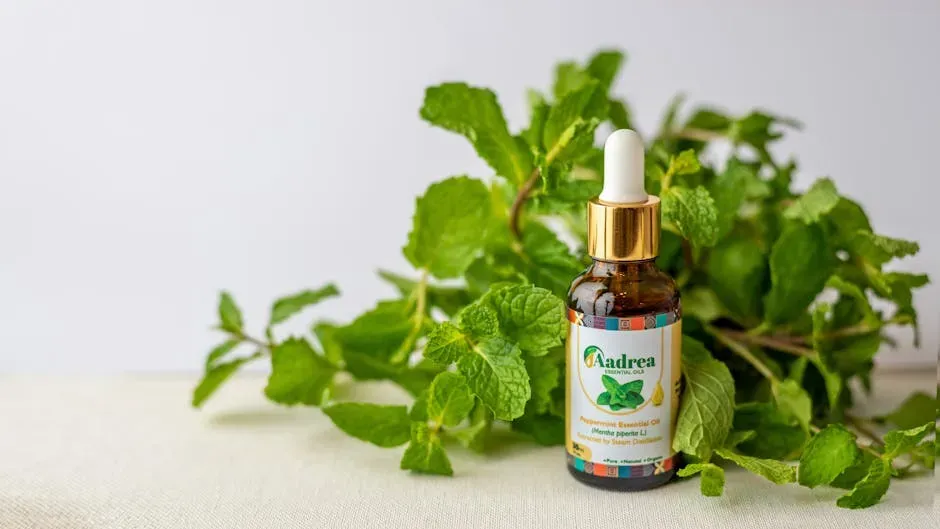
There’s something almost poetic about the fact that one of the world’s most cheerful, invigorating scents is completely intolerable to mosquitoes. Like catnip and citrus scents, mosquitoes detest peppermint as it hinders their ability to smell. Essentially, it’s sensory overload for them.
Peppermint is a natural insecticide that kills and repels mosquitoes. You can turn peppermint into a personal repellent by crushing the leaves and rubbing them on your skin. It’s a beautifully low-tech solution. Grab a few sprigs from the garden, crush them between your palms, and apply the oil to your arms, ankles, and neck before heading outside.
Peppermint oil has a strong scent that mosquitoes find unpleasant, and diluted peppermint oil can be applied to the skin or used in diffusers to deter mosquitoes. If you do get a bug bite, peppermint oil is also effective at relieving itches. It even cools the bite on contact, providing instant relief. Consider it both your shield and your first-aid kit rolled into one little bottle.
Trick #7: Use Garlic Strategically Around the Space

Okay, garlic might raise a few eyebrows at first. Rubbing garlic on yourself before a dinner party sounds counterproductive at best. It’s hard to say for sure where to draw the line, but there are clever ways to use garlic’s repellent power without turning yourself into a walking pasta sauce.
When consumed, garlic’s active ingredient, allicin, interferes with our natural scent and masks us from mosquitoes. However, garlic can be used to deter mosquitoes even without eating it. Cut garlic cloves into slivers and scatter them around your outdoor living areas, or combine with oils and other liquid ingredients to make a repellent spray for your yard.
Pungent garlic’s sulfur compounds are powerfully protective against mosquito activity. Think of scattering sliced cloves like planting little aromatic landmines around the perimeter of your patio. The strong odor of garlic masks the scents that attract mosquitoes, making it difficult for them to find you. You can crush garlic cloves and mix them with water to create a natural mosquito spray for surfaces, plant pots, or even the edges of your tablecloths. Subtle, effective, and totally natural.
Combining Scents for Maximum Effect
Here’s where things get genuinely exciting. Using just one scent is good. Combining several is better, and there’s a reason for that. Combining certain scents can lead to a more potent mosquito-repellent effect than regular bug repellents, because mosquitoes use their keen sense of smell to locate humans, and complex fragrances confuse their olfactory navigation.
Peppermint and citronella, when combined, produce intense fragrances that can be applied as a body spray, diminishing the accessibility to human scents. Clove and geranium form a potent mix that can be used in oil diffusers, providing a dual-action of pleasing aromas and insect repellence.
Strategically placing plants that emit fragrances that are undesirable to mosquitoes, and planting them in pots near outdoor seating areas and water features, can ward off these sneaky critters. Think of it as layering your defenses. A citronella torch here, a pot of lavender there, a rosemary sprig on the grill, and a peppermint diffuser near the drinks table. The whole outdoor space becomes a scent fortress.
Conclusion: Smell Your Way to a Bite-Free Evening

The beautiful thing about scent-based mosquito control is that it works with nature rather than against it. People have relied on plants for centuries to deter mosquitoes, often hanging or burning branches of strongly scented herbs or greenery, and by leveraging natural or synthetic fragrances, it’s possible to be mosquito-free with fewer chemical interventions.
None of these seven tricks require expensive equipment or a pest control degree. A few potted plants, some essential oils, a citronella candle or two, and a handful of garlic can genuinely transform your outdoor space into a place mosquitoes simply don’t want to be. That’s powerful, affordable, and kind to the environment all at once.
So before your next gathering, spend fifteen minutes setting up your scent defenses. Your guests will be comfortable, the atmosphere will smell wonderful, and you’ll be the host who somehow managed to keep the mosquitoes away. Who knew the secret weapon was sitting in your herb garden all along? What would you have guessed?

- What It Means When Your Cat Stares at the Same Empty Corner at the Same Time Every Night – and the Three Explanations Competing for It - July 19, 2026
- What It Means When a Snake Crosses Your Path From Left to Right According to Every Southern Appalachian Tradition That Recorded It - July 19, 2026
- What It Means When Deer Stop Coming to an Area They Have Visited for Years – and What Wildlife Biologists Say They Are Detecting - July 19, 2026