
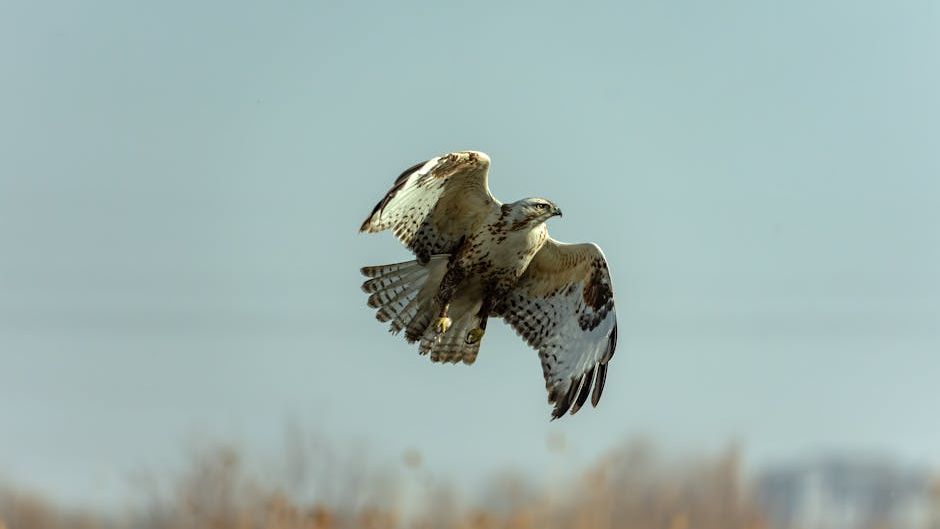
Somewhere up in the frozen silence of the High Arctic, a ghost moves. It sweeps low across the tundra with barely a whisper, ghost-white against an endless canvas of ice and sky. Most people will never see it. Yet this phantom has haunted the imaginations of kings, warriors, and explorers for centuries – and with very good reason.
Meet the gyrfalcon. Pronounced “JER-falcon,” this bird is no ordinary predator. It is, quite simply, the undisputed king of the skies at the top of the world. If you think you know what a falcon can do, let’s just say the gyrfalcon is about to completely redefine your expectations. Let’s dive in.
The Ghost of the Arctic: Size, Power, and Raw Presence
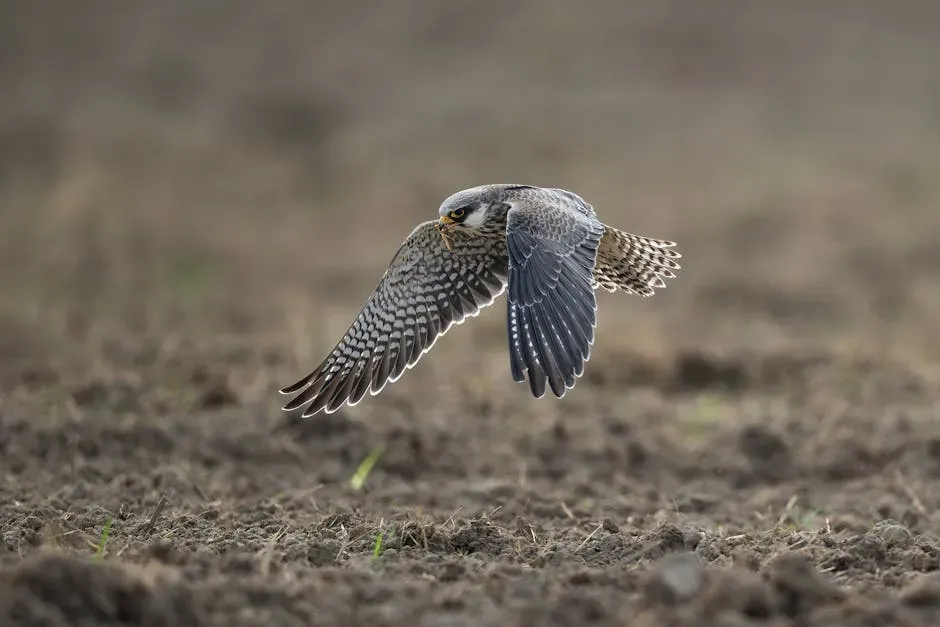
The largest falcon in the world, the ghostly gyrfalcon is a fierce predator in the High Arctic, where it chases down ptarmigans in flight or plummets from the sky at breathtaking speeds to strike prey to the ground. Honestly, just reading that should give you chills. This is not a bird you’d want to be on the wrong side of.
The gyrfalcon is one of the fastest birds in sustained level flight, capable of surpassing speeds of 80 miles per hour. Weighing more than three pounds, with a wingspan of four feet or more, it can take down prey twice its size. Think about that for a second. Twice its own size. That’s like a golden retriever chasing down a horse.
Female gyrfalcons can tip the scales beyond four pounds, making them as big or even bigger than the largest buteos – the raptor genus that includes such familiar hawks as the North American redtail and the Old World common buzzard. In the falcon world, that’s extraordinary bulk. It makes the gyrfalcon less of a dagger and more of a broadsword.
Built for the Brutal Arctic: Physical Adaptations That Defy Logic
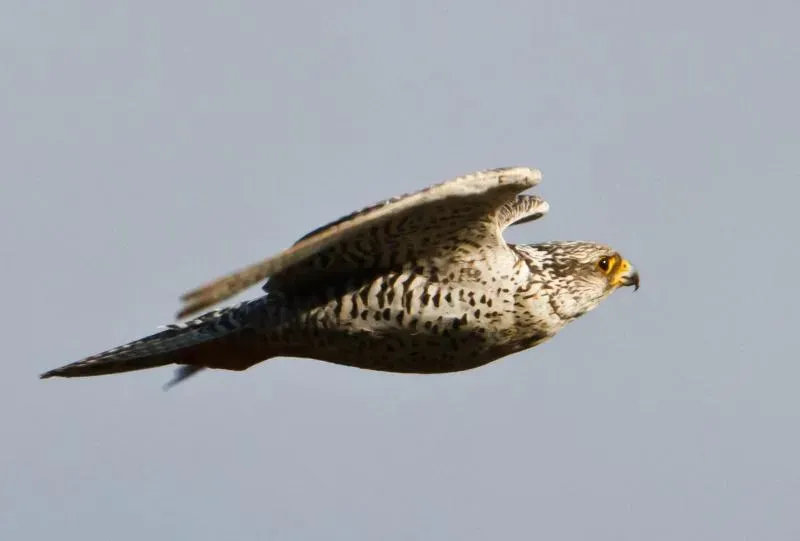
Their broader wings give them the power needed for sustained pursuit flights, while their longer tails provide great maneuverability during high-speed chases. These birds have adapted well to their Arctic environment, with heavily feathered feet that protect them from extreme cold, and a sturdy build that allows them to take down much larger prey. Nature, it seems, spent extra time perfecting this one.
The gyrfalcon is adapted to live in the extremely harsh environment of the High Arctic. This powerful raptor can stay alive in temperatures of minus 50 degrees Celsius, even during strong winter storms and almost complete darkness. That level of resilience is almost incomprehensible. It’s the avian equivalent of a soldier trained to survive in conditions that would end most creatures in hours.
The Ghost’s Many Faces: Color Morphs and Camouflage
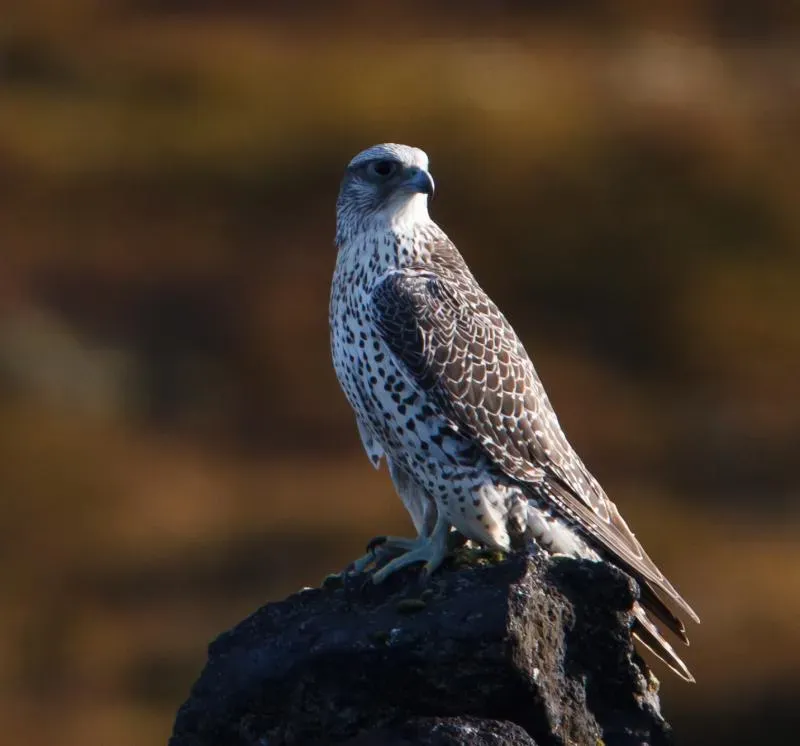
Fast and direct-flying, garbed in ghostlike plumage that’s sometimes close to pure white, the gyrfalcon is indeed about as phantasmal and mythic as birds come. This eerie quality is part of why people call it the ghost of the Arctic. You may sense it before you see it – and by the time you do, it’s already too late for whatever it’s hunting.
Three main color morphs of gyrfalcon are known: white-phase, gray-phase, and dark-phase birds, with much gradation between. Gray-phase gyrs are most prevalent, with white-phase birds most commonly recorded in Greenland and dark-phase ones often seen in Labrador and other parts of northern Canada. This color variation is a result of genetics, with the broad geographical correlation from historic isolation, as opposed to seasonal changes or age. It’s as if evolution gave this bird its own wardrobe, perfectly curated for every shade of Arctic landscape.
A Nightmare for Prey: Hunting Tactics That Are Pure Genius
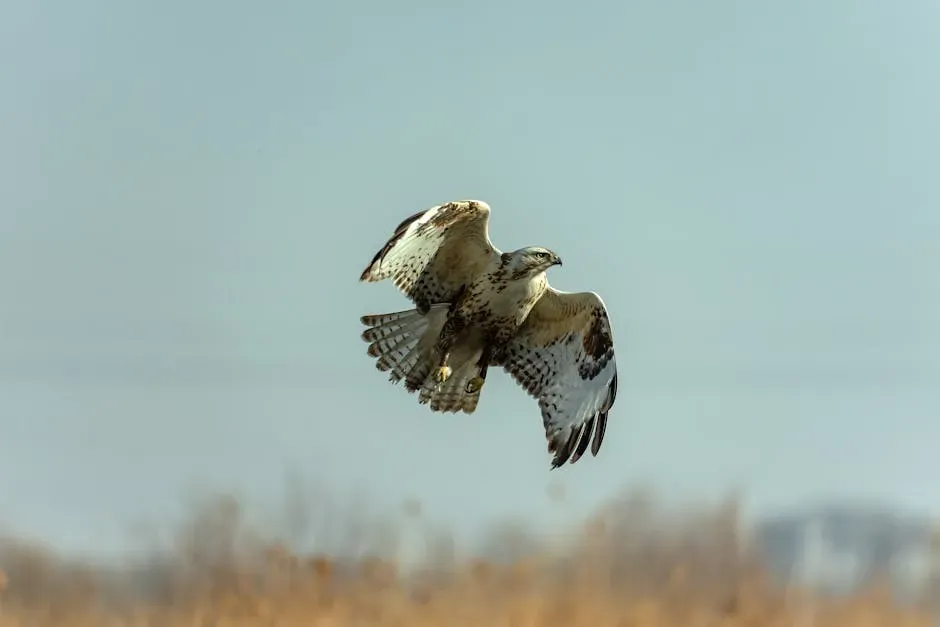
Gyrfalcons often hunt using a fast, low flight to chase their prey. Just before catching the prey, these falcons typically fly up and then dive straight down onto their prey. Prey can be taken in the air, on the ground, or occasionally even from water. The flexibility of this approach is what makes the gyrfalcon genuinely terrifying as a predator. It doesn’t have just one trick. It has many.
The gyrfalcon makes most of its captures by striking prey and driving it to the ground rather than grasping it in the air, and the prey usually ends up with a broken breastbone. The gyrfalcon may fly low and sneak up on its victims, chase prey over a long distance to tire it out, or hover and dive. I think this is what separates the gyr from almost every other raptor. It adapts on the fly, literally. Strategy, speed, and raw force, all in one package.
An Astonishing Menu: What the Gyrfalcon Actually Eats
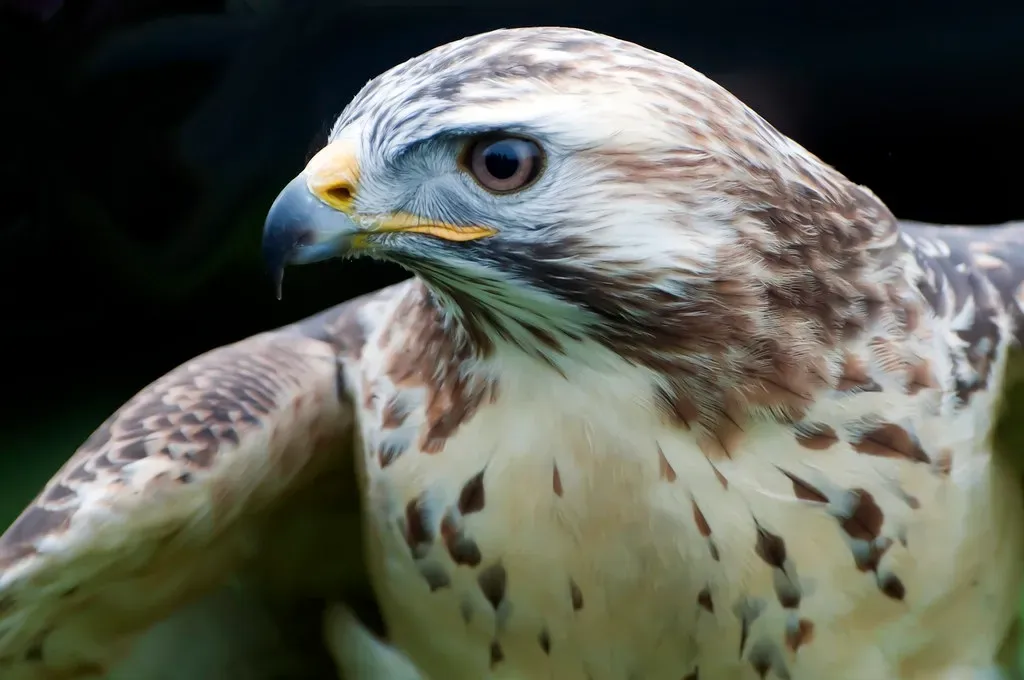
The gyrfalcon hunts mostly ptarmigan, and its breeding distribution is strikingly similar to that of the Rock Ptarmigan. It also preys on many other bird species, including sage-grouse, jaegers, gulls, terns, fulmars, auks, pheasants, hawks, owls, ravens, and songbirds. It can also hunt mammals as big as hares. Yes, you read that correctly. This falcon hunts other hawks and owls. The predator hunts other predators.
During the breeding season, a family of gyrfalcons needs an estimated two to three pounds of food per day. That’s about two to three ptarmigans per day, which adds up to roughly 150 to 200 ptarmigan consumed between courtship and fledging. That’s a staggering appetite. When a gyrfalcon family moves into the neighborhood, the local wildlife population notices immediately.
Raising the Next Generation: Nesting and Family Life on the Cliffs
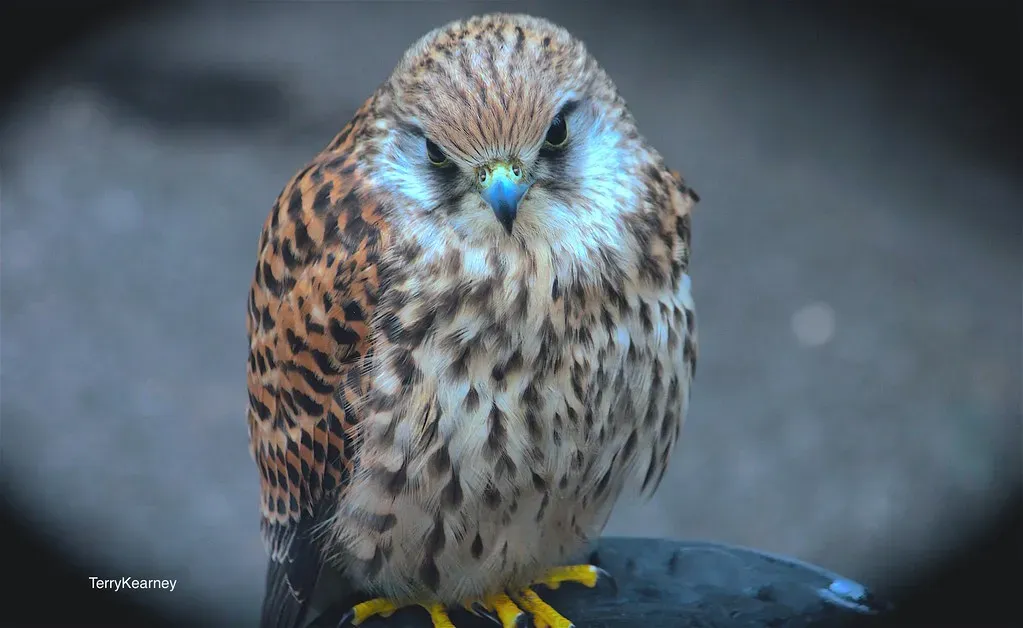
The breeding cycle of gyrfalcons follows a precise timeline adapted to the short Arctic summer, with reproductive success depending heavily on timing and resource availability. As winter’s grip begins to loosen, gyrfalcons enter their breeding season, starting in March and April when pairs establish or reclaim their territories. Life moves fast when you only have a few months of workable Arctic summer to raise a family.
Incubation is shared by both parents, though the female does more. For the first one to three weeks, young are brooded most of the time, mostly by the female, while the male does all or most of the hunting during this time, bringing food which the female feeds to the nestlings. After two to three weeks, the female hunts also, with young taking their first flight at about 45 to 50 days old. There’s something almost touching about that parental division of labor, brutal Arctic predators quietly raising their chicks on windswept cliffs.
The Bird of Kings: An Epic History With Humanity
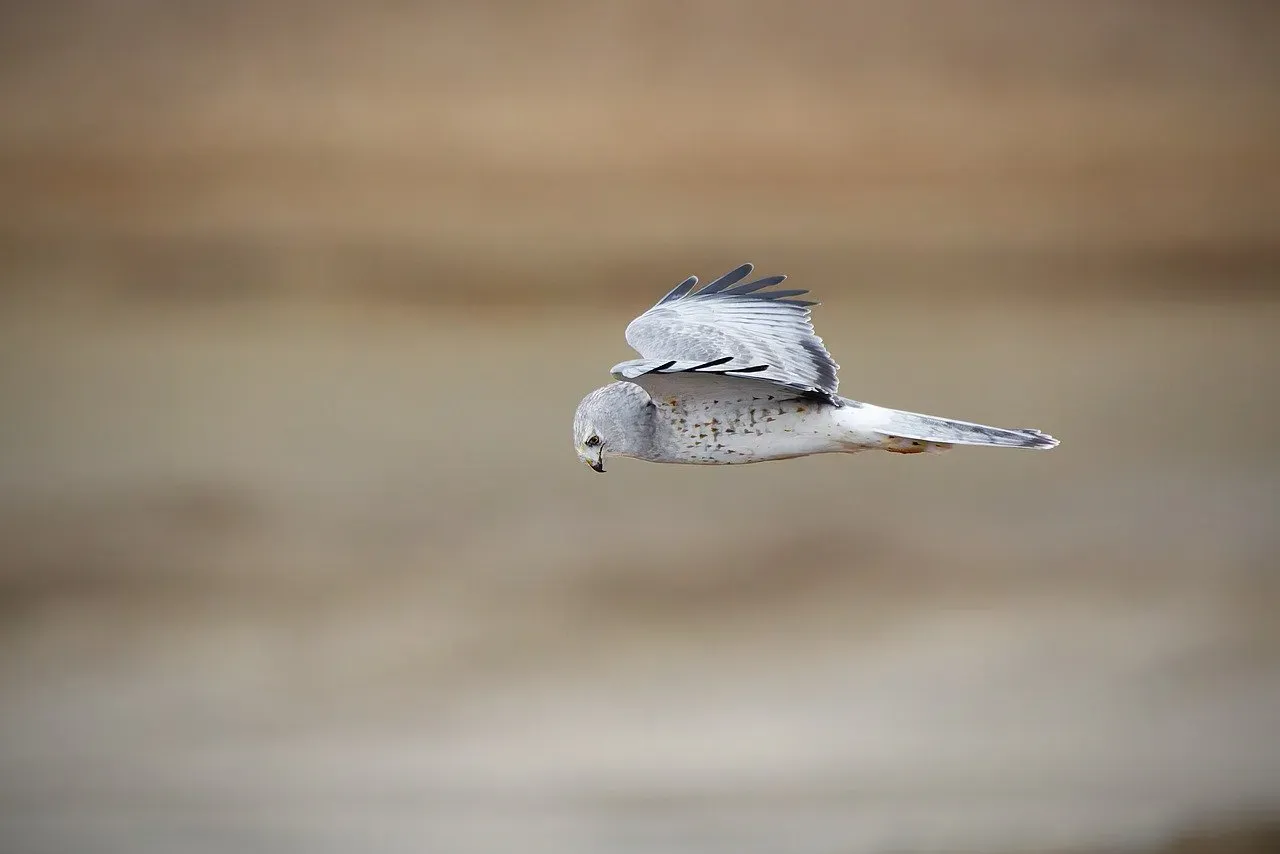
Throughout history, the gyrfalcon has been the most prized bird in falconry. In medieval Europe, white gyrfalcons were worth more than their weight in gold, literally. They were given as diplomatic gifts between monarchs, and their possession was restricted to royalty by law. Let that sink in. A bird so rare and powerful that owning one without permission could get you in serious legal trouble with the crown.
Around the year 1225, the King of Norway, Haakon IV, sent hunters to Iceland to catch gyrfalcons for the King of England, Henry III. The expedition took two years and brought back three white and ten grey gyrfalcons, which were sent to England. Two years. For birds. That tells you everything about how desperately these creatures were valued. The bird’s association with royal power was so strong that stealing a gyrfalcon could carry the death penalty in some medieval legal codes.
A Predator Under Pressure: Climate Change and the Future of the Ghost
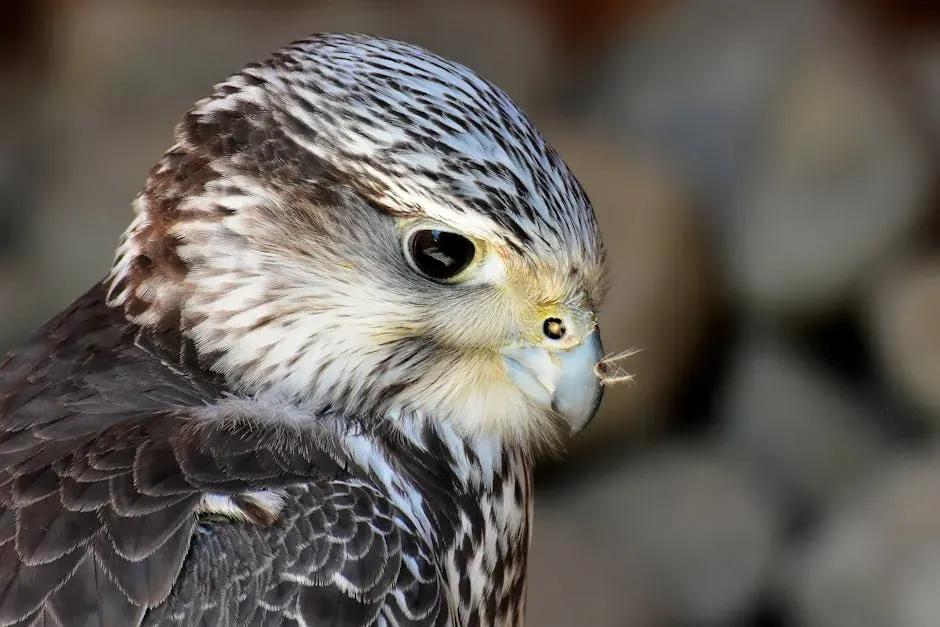
The birds are especially vulnerable to climate change because many stay year-round in the Arctic, the fastest-warming region on Earth. Here’s the sobering twist in this story. The very environment that made the gyrfalcon the supreme predator it is, the frozen, forbidding Arctic, is now the thing most threatening to undo it.
Scientists believe that warming temperatures have likely allowed the Peregrine Falcon to expand its breeding range further north than ever before documented. Gyrfalcons that nest in Arctic regions frequently begin breeding and laying eggs when the temperature is still below freezing. Although specially adapted for high-Arctic life, and larger than the peregrine, the gyrfalcon is less aggressive and more conflict-averse, and so is less able to compete with peregrines, which can attack and overwhelm the gyrs. It’s a cruel irony – the ghost of the Arctic potentially being displaced by warming temperatures and a smaller rival moving in from the south.
Conclusion: The Ghost That Still Haunts the Sky
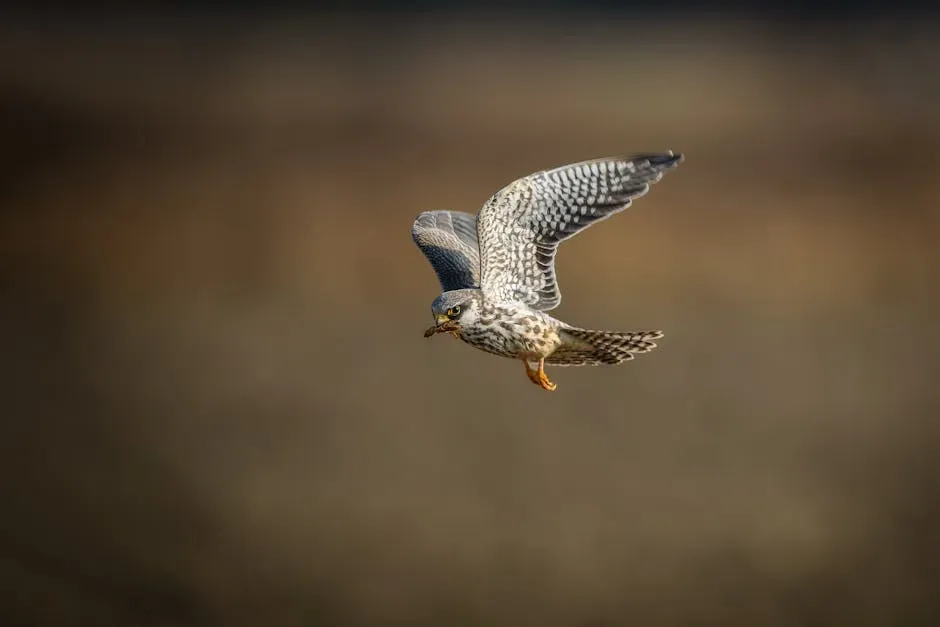
The gyrfalcon is more than just a bird. It is a living symbol of raw, untamed nature at its most magnificent. From its ghostly white plumage gliding silently over frozen tundra to its breathtaking aerial strikes and centuries-long relationship with human history, this creature is extraordinary in every sense of the word.
It survived ice ages, outlasted empires, and earned the admiration of kings who literally sent expeditions lasting years just to possess one. Yet in 2026, the ghost of the Arctic faces perhaps its greatest challenge yet, not from a rival predator or a determined hunter, but from a warming world slowly eroding the frozen kingdom it has dominated for millennia.
Perhaps the most important question we can ask ourselves is this: are we willing to let the world’s greatest falcon become just a ghost in name alone? What do you think? Share your thoughts in the comments below.
