
Picture this: a towering haystack perched in the branches of a desert tree, home to hundreds of birds. Or a delicate pouch swaying like a pendulum from the thinnest twig. Nature’s architects pull off feats that rival human engineering, all without a single tool.
These feathered builders use whatever’s at hand – mud, saliva, spider silk – to craft homes that stun and protect. Let’s dive into ten that will make you rethink what’s possible in the wild.[1][2]
1. Sociable Weaver’s Massive Communal Fortress
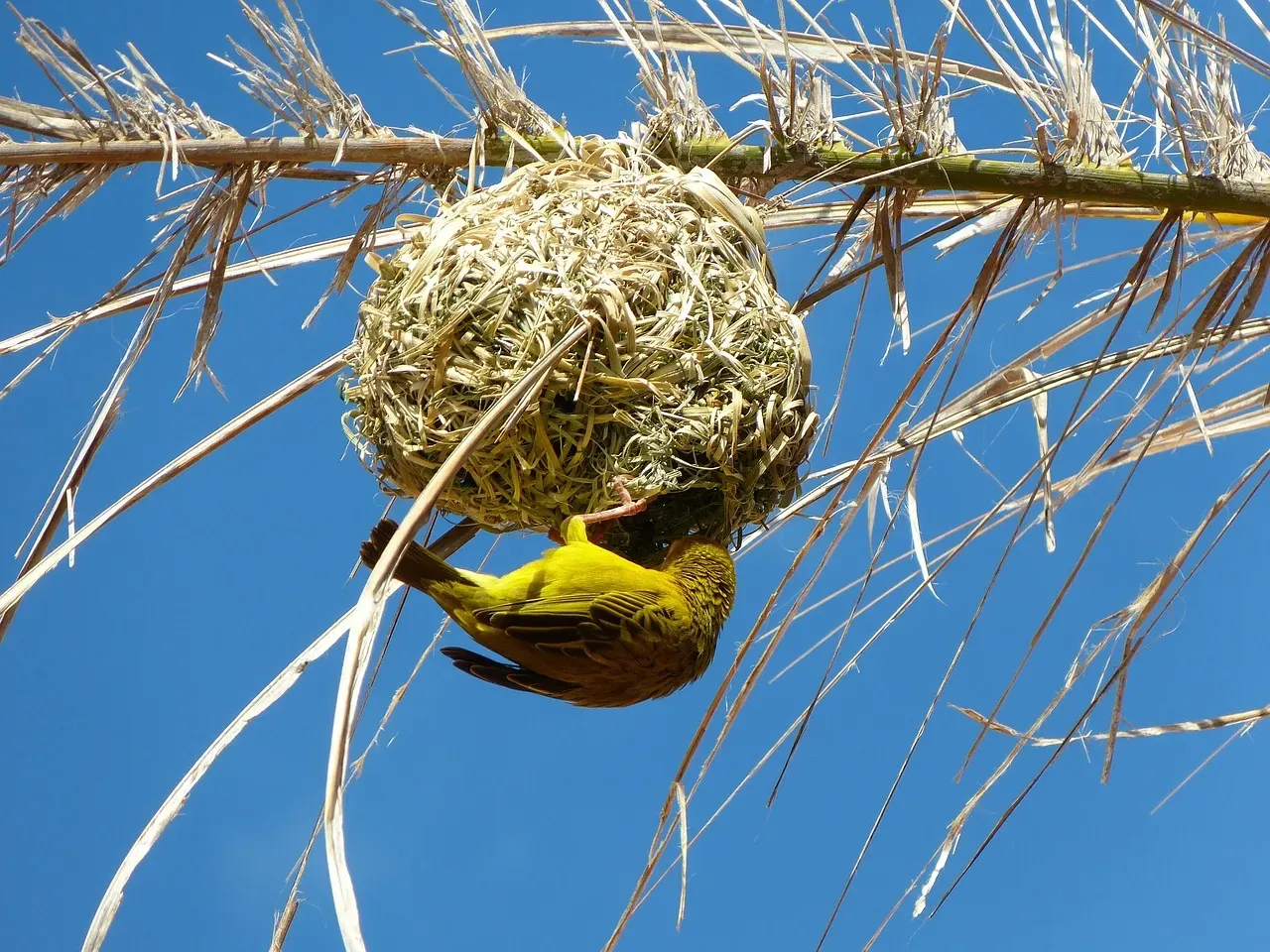
Sociable weavers in southern Africa construct enormous nests that look like giant thatched haystacks balanced in acacia trees. These structures can house over 100 breeding pairs, complete with chambers, ventilation tunnels, and insulation against scorching days and chilly nights. Here’s the thing: they last for decades, sheltering not just weavers but also finches and even falcons.[1]
Families collaborate year after year, adding layers to this living apartment complex. Predators like snakes still snag eggs, proving even bird skyscrapers aren’t invincible. I can’t help but admire their teamwork – it’s like a bird version of a co-op building.[3]
2. Malleefowl’s Giant Compost Incubator
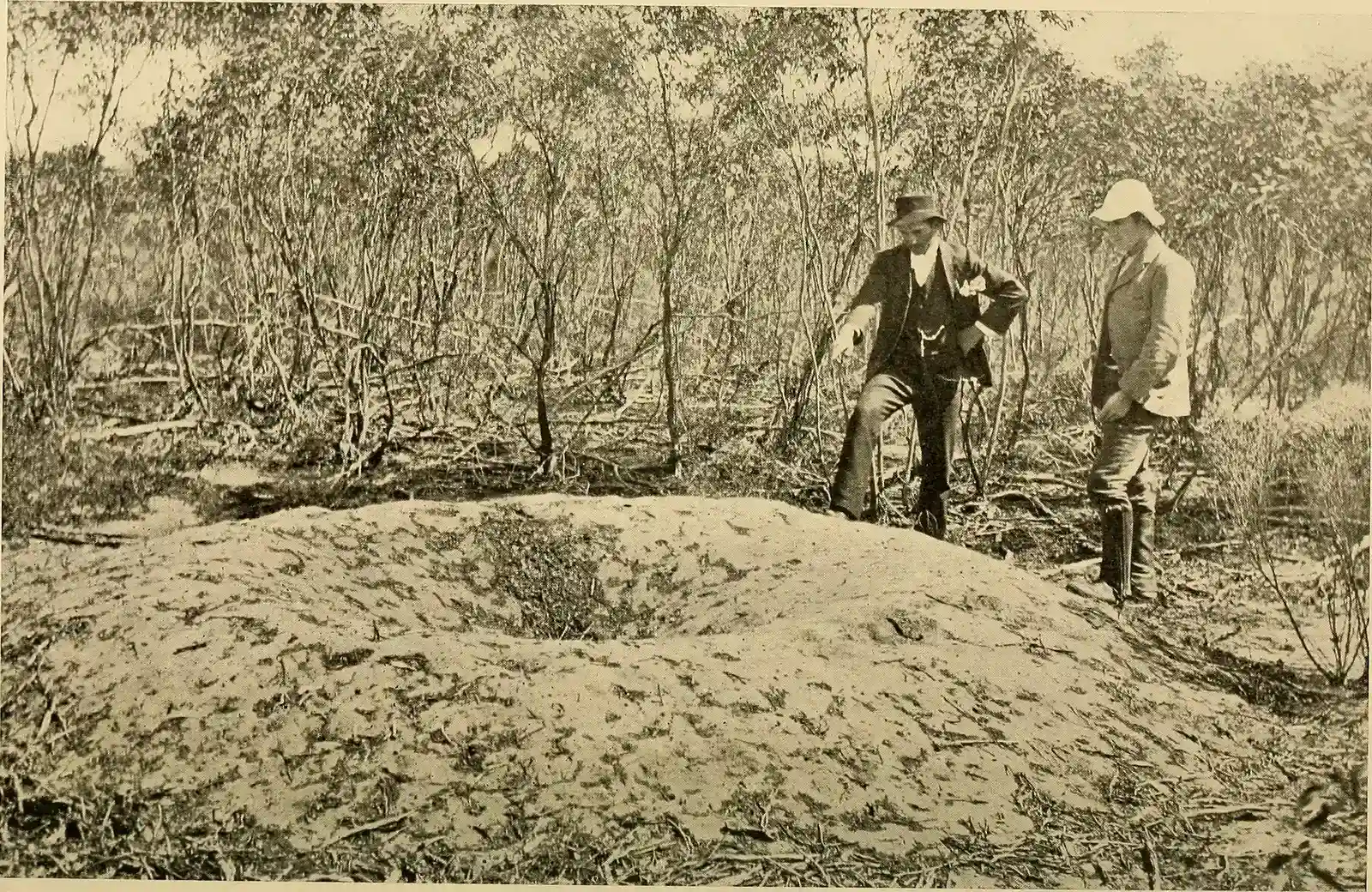
Australian malleefowl males pile up leaves, sticks, and bark into mounds up to 15 feet high and 35 feet wide. The decaying organic matter generates heat, turning the nest into a natural incubator that keeps eggs at the perfect temperature without parental brooding. Males meticulously tend it, using their beaks like thermometers to adjust the layers of sand on top.
Hatchlings burst out fully feathered after weeks underground, ready to fend for themselves. No wonder this mound-building ritual feels like prehistoric ingenuity. It’s wild how they farm their own warmth.[1][3]
3. Montezuma Oropendola’s Pendulous Sack Colonies
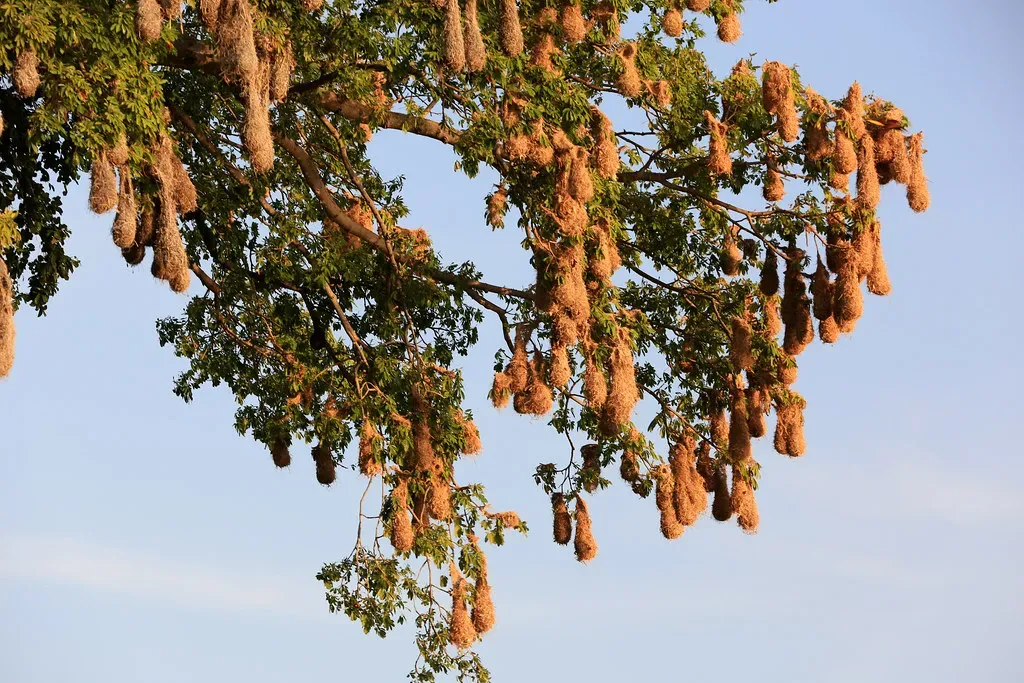
In Caribbean coastal trees, Montezuma oropendolas weave long, flask-shaped nests from vines and banana fibers, dangling like fruit clusters – sometimes over 100 per tree. Females solo-build each one in about ten days, creating a woven sack up to six feet long with a narrow entrance to thwart invaders. Colonies buzz with activity as one male courts multiple females.
These hanging homes sway in the breeze, blending into foliage for camouflage. Honestly, they resemble avant-garde art installations more than nests. Nature outdoes itself here.[1]
4. Edible-Nest Swiftlet’s Saliva Masterpiece
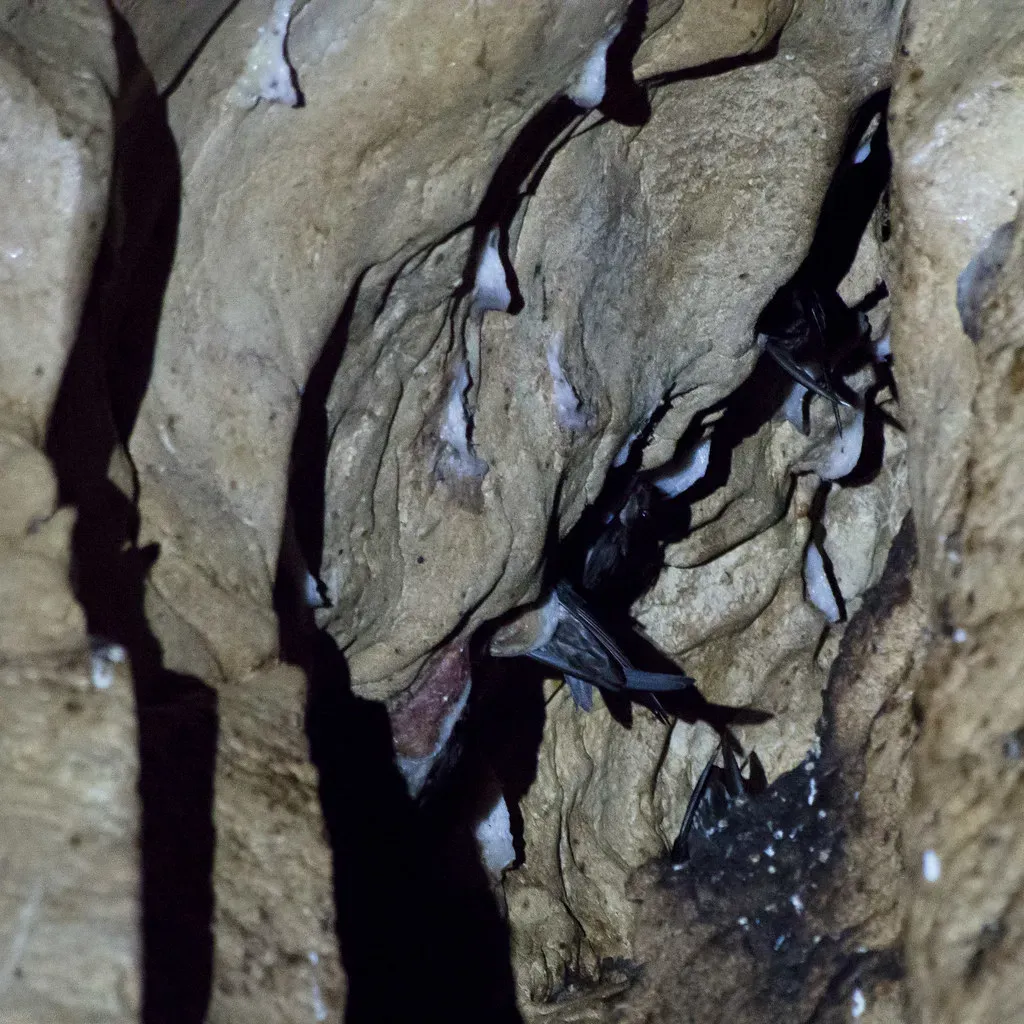
Southeast Asian swiftlets layer their own hardened saliva into bracket-shaped nests clinging to cave walls or artificial houses. These pure-protein cups, just a few inches wide, serve as both cradle and human delicacy for bird’s nest soup. Birds chirp echolocation to navigate the dark, depositing saliva strands with pinpoint precision.
Harvest is big business, with multi-story swiftlet hotels mimicking caves. It’s bizarre that something so simple in materials packs such cultural punch. Talk about a sticky situation.[1][3]
5. Rufous Hornero’s Baked Clay Oven
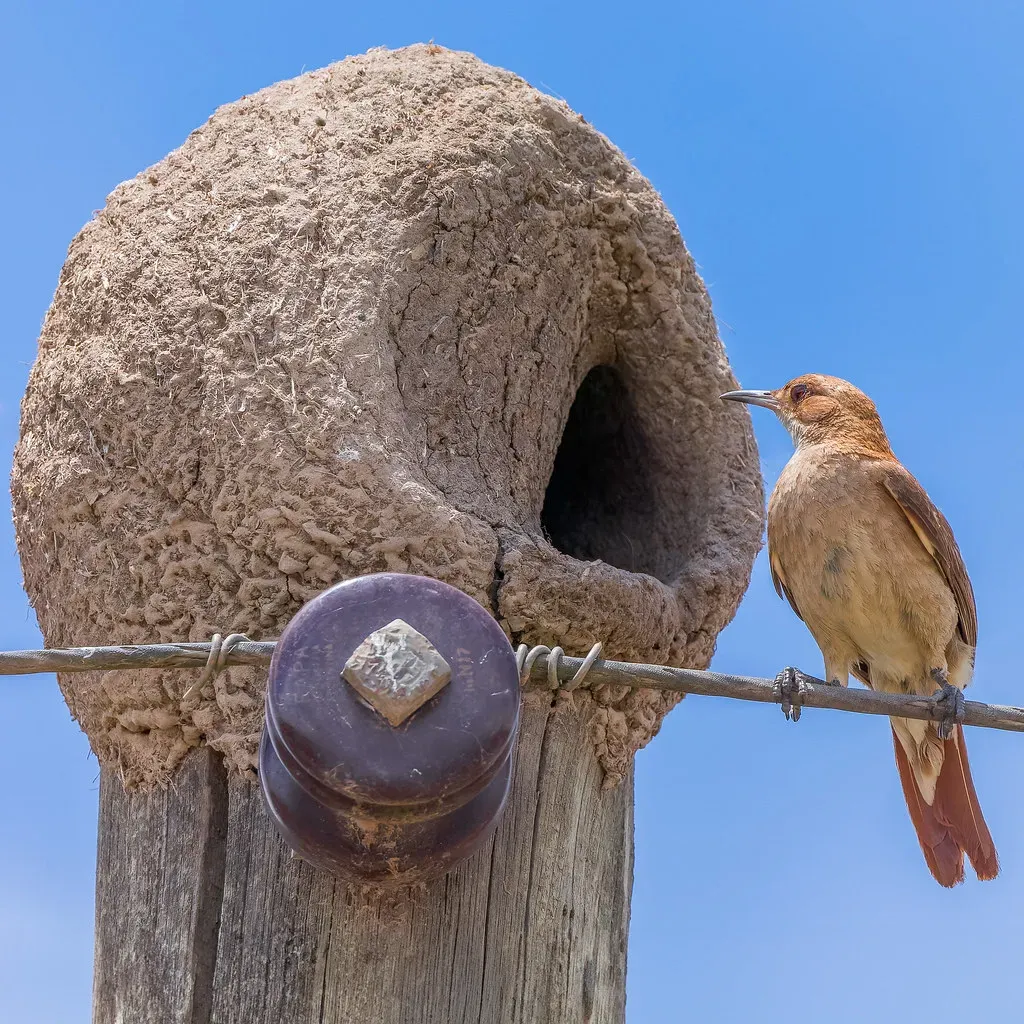
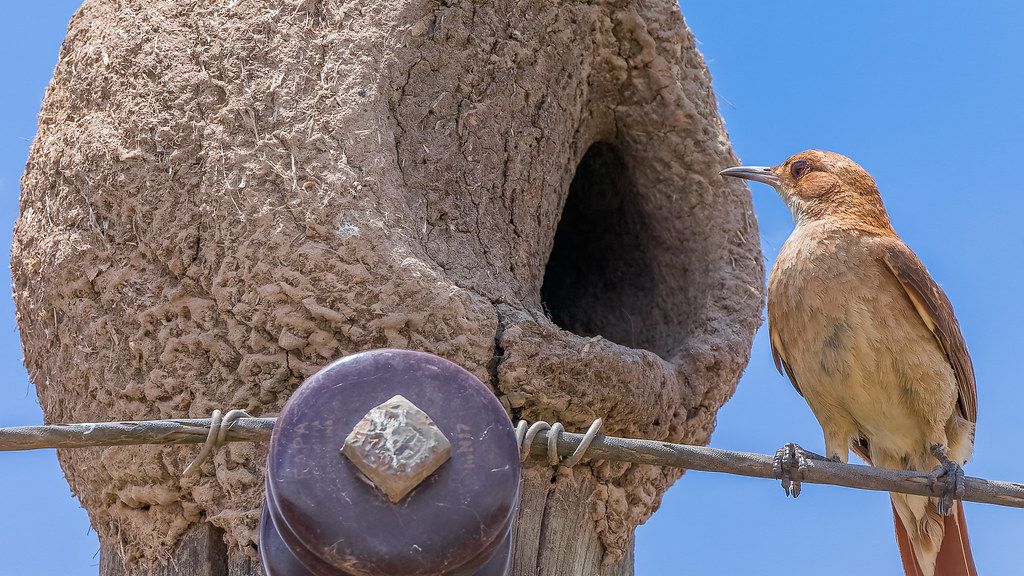
South America’s rufous hornero molds mud, clay, and straw into dome-shaped ovens perched on posts or branches, baking them hard in the sun. Inside, a cozy grass-lined chamber holds eggs safe from floods and foes. Pairs take weeks to craft this sturdy pot, often reusing sites for new broods.
These nests dot urban landscapes too, adapting to human sprawl. They remind me of ancient kilns – proof birds were potters before us. Resilient little bakers.
6. Baltimore Oriole’s Woven Hanging Basket
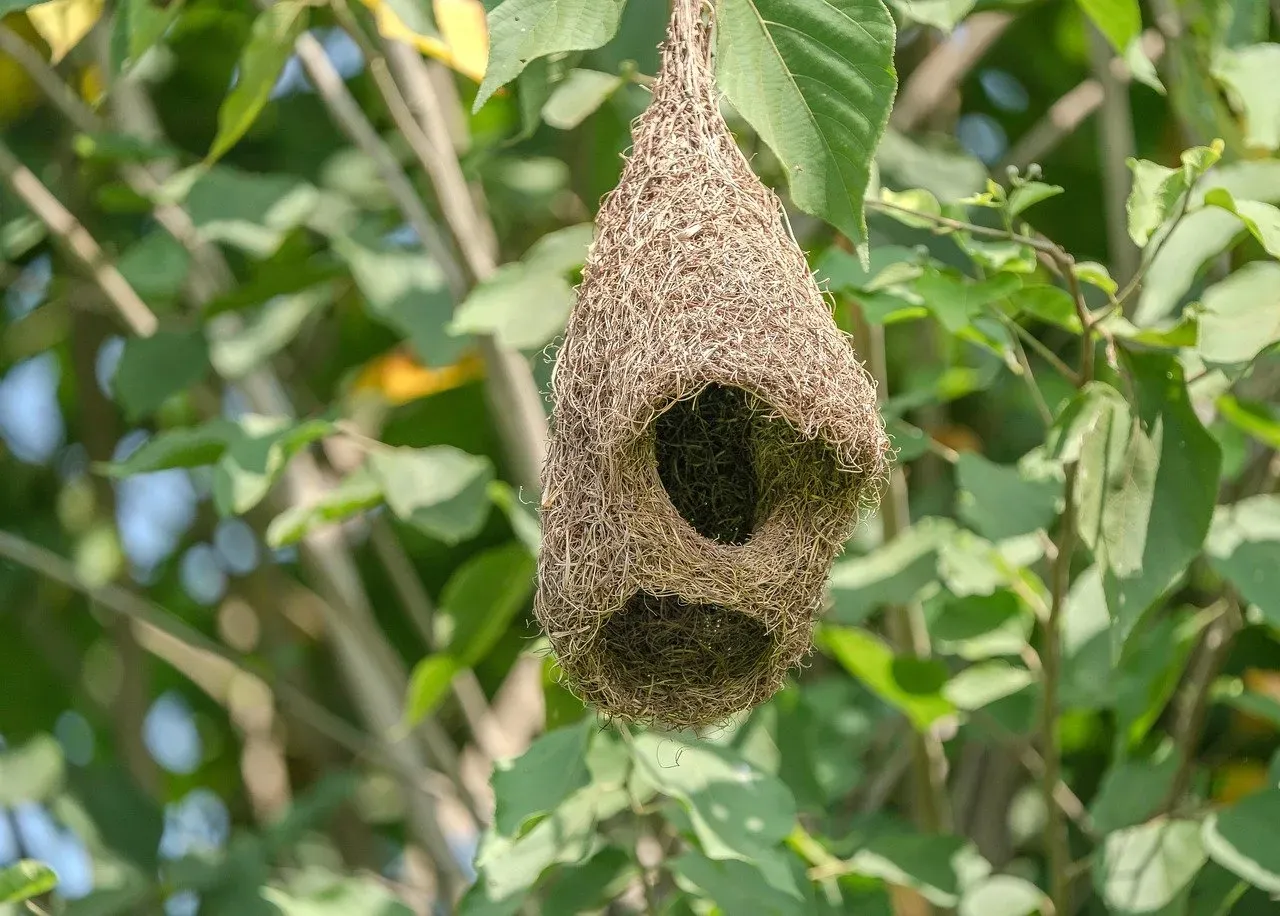
Females weave grasses, horsehair, yarn, and Spanish moss into deep pouches slung from slender twigs, like avian hammocks. The intricate basket sways gently, deterring climbing predators while blending with leaves. Lined with soft feathers, it cradles up to seven eggs.
Building takes a week of tireless shuttling. I think it’s pure poetry in fibers. Spot one in summer, and you’ll gawk all day.[2]
7. Anna’s Hummingbird’s Tiny Camouflaged Cup
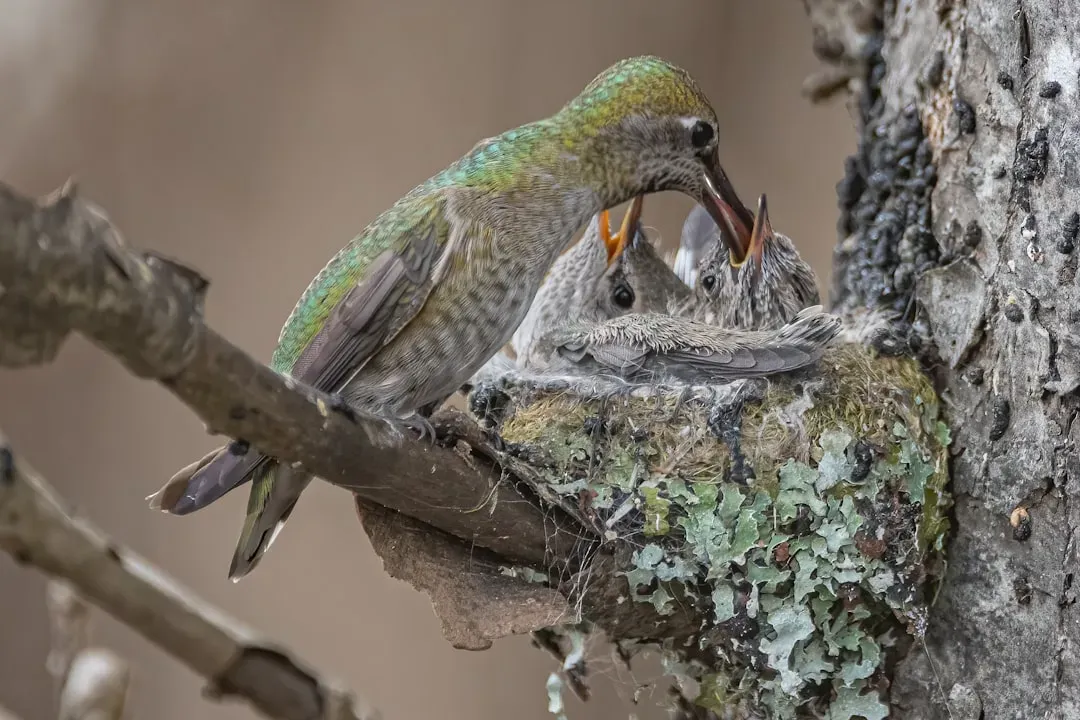
This minuscule marvel, barely 1.5 inches wide, gets bound with spider silk and disguised in lichen to mimic a tree bump. Females layer plant down, feathers, and web for stretchy walls that expand with growing chicks. It holds pea-sized eggs in treetops.
Camouflage fools even sharp eyes. Let’s be real: how does something so small engineer such deception? Hummingbirds humble us.[2]
8. Cactus Wren’s Thorny Domed Hideout
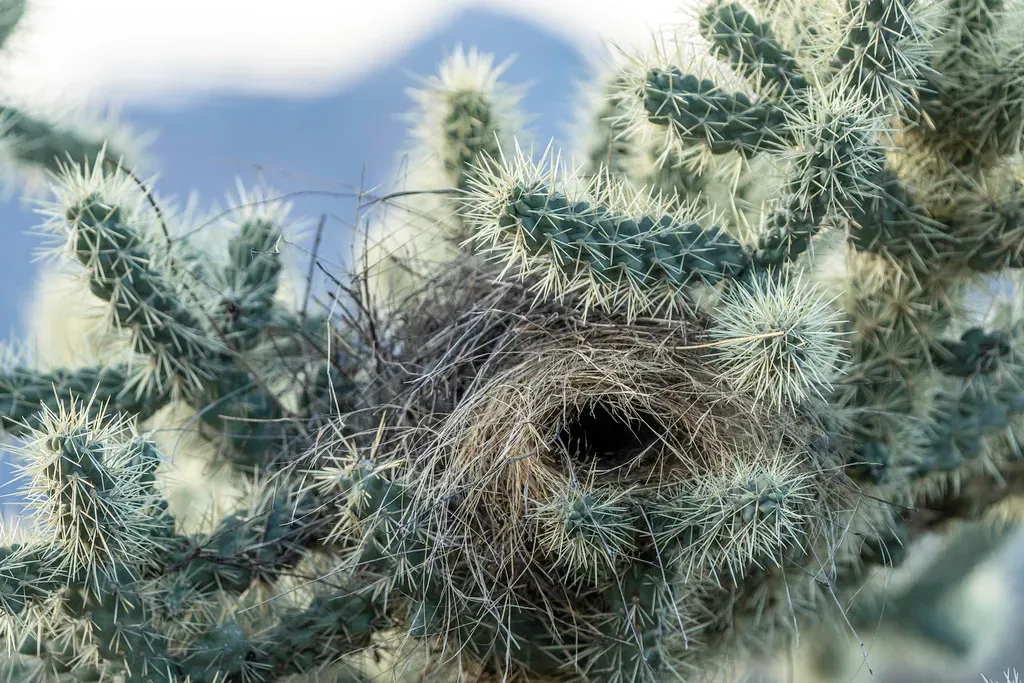
Desert cactus wrens erect globular domes of twigs and grass within thorny cholla cactus arms, complete with a roof and entry tunnel. Feathers line the inner chamber, shading chicks from brutal sun. The spines form a natural fortress against coyotes and snakes.
It’s a prickly paradise tailored for survival. Hot climates demand bold designs like this. Impressive adaptation at work.
9. African Jacana’s Floating Lily Pad Platform
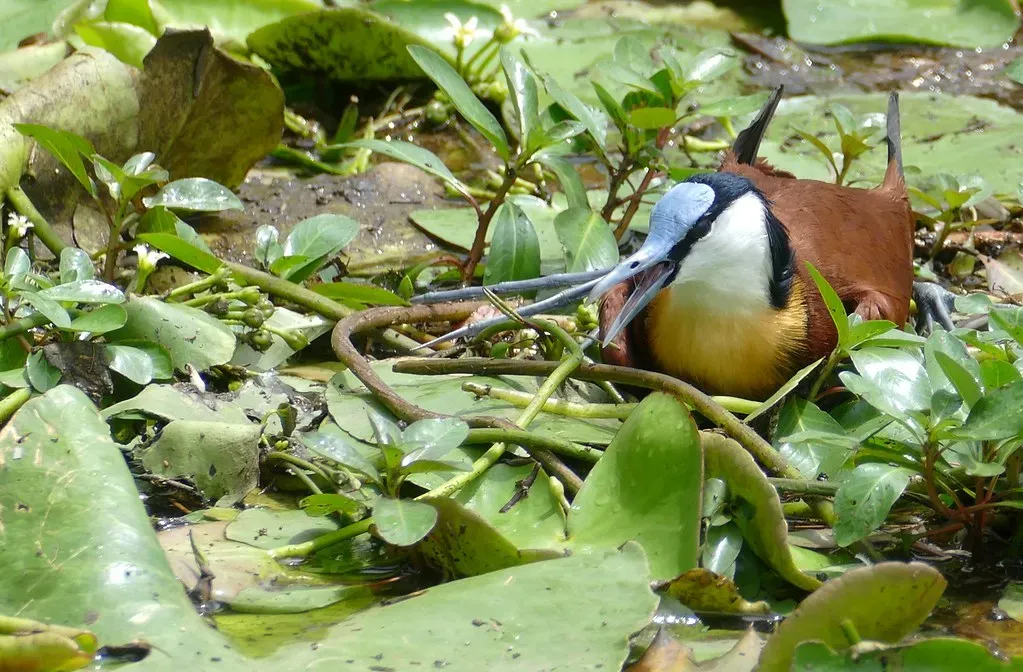
Males craft flimsy rafts of aquatic vegetation in wetlands, barely rising above water – perfect for quick escapes during floods. Females lay four eggs on one while males incubate and guard. These nomadic nests drift or rebuild as needed.
Polygamous females oversee multiple males’ platforms. Water worlds breed watery homes. Clever, if precarious.[1]
10. Penduline Tit’s Elaborate Woven Pouch
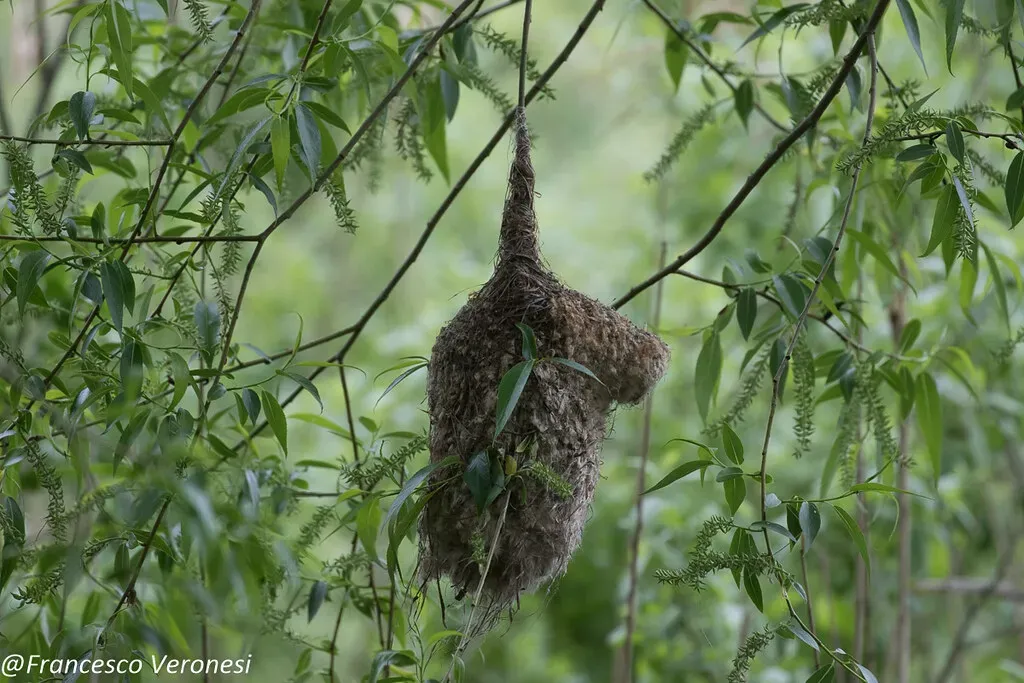
These tiny Europeans knot hair, wool, plants, and spider webs into pear-shaped hanging nests with a false entrance and sticky flap to snag intruders. So tough, humans once repurposed them as purses or slippers. Perched on reeds, they defy elements.
Intricate sewing rivals tailors. I know it sounds crazy, but birds beat us at textiles. Final proof of avian artistry.[1]
What These Nests Teach Us
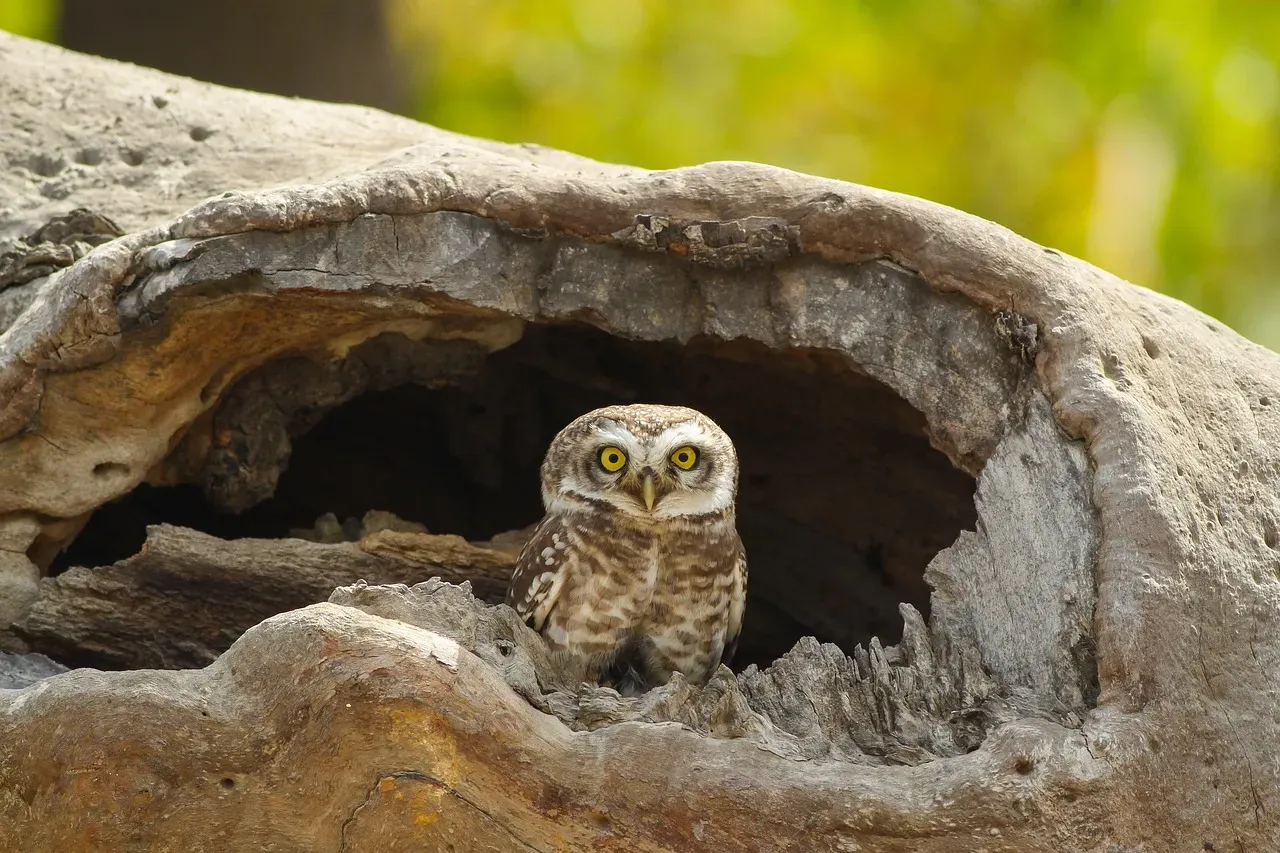
Birds prove ingenuity thrives without blueprints or machines, turning scraps into sanctuaries. From saliva spires to compost castles, each nest shouts survival smarts. Next time you spot one nearby, pause and ponder the quiet genius.
What wild nest have you encountered? Share in the comments – nature’s still surprising us all.
