
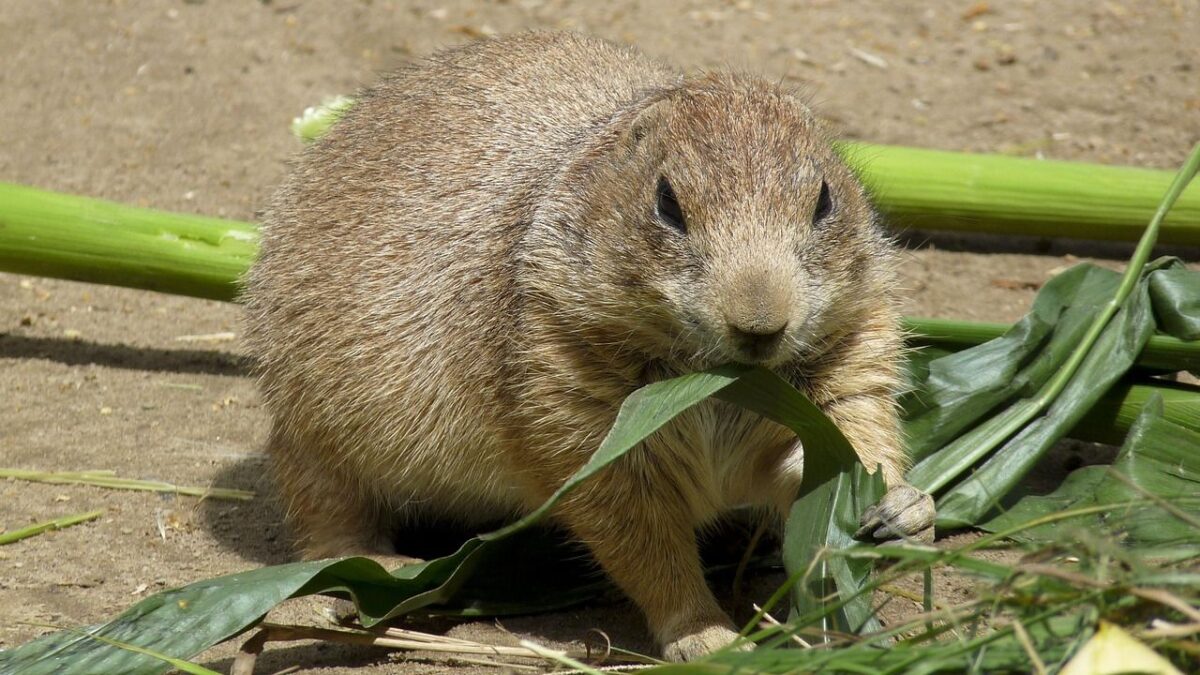
Picture this: you’re strolling through a vast grassland, and suddenly a chorus of sharp, yippy barks erupts from burrows dotting the earth. These aren’t stray chihuahuas gone wild. No, they’re prairie dogs, pint-sized rodents whose calls mimic tiny canines in the most uncanny way.[1]
Here’s the thing. These barks aren’t random noise. They pack a punch in the animal kingdom, revealing a surprisingly sophisticated communication system. Let’s dive into the wild world of prairie dog chatter and uncover why they sound so dog-like.[2]
Not Dogs, But Rodent Rascals
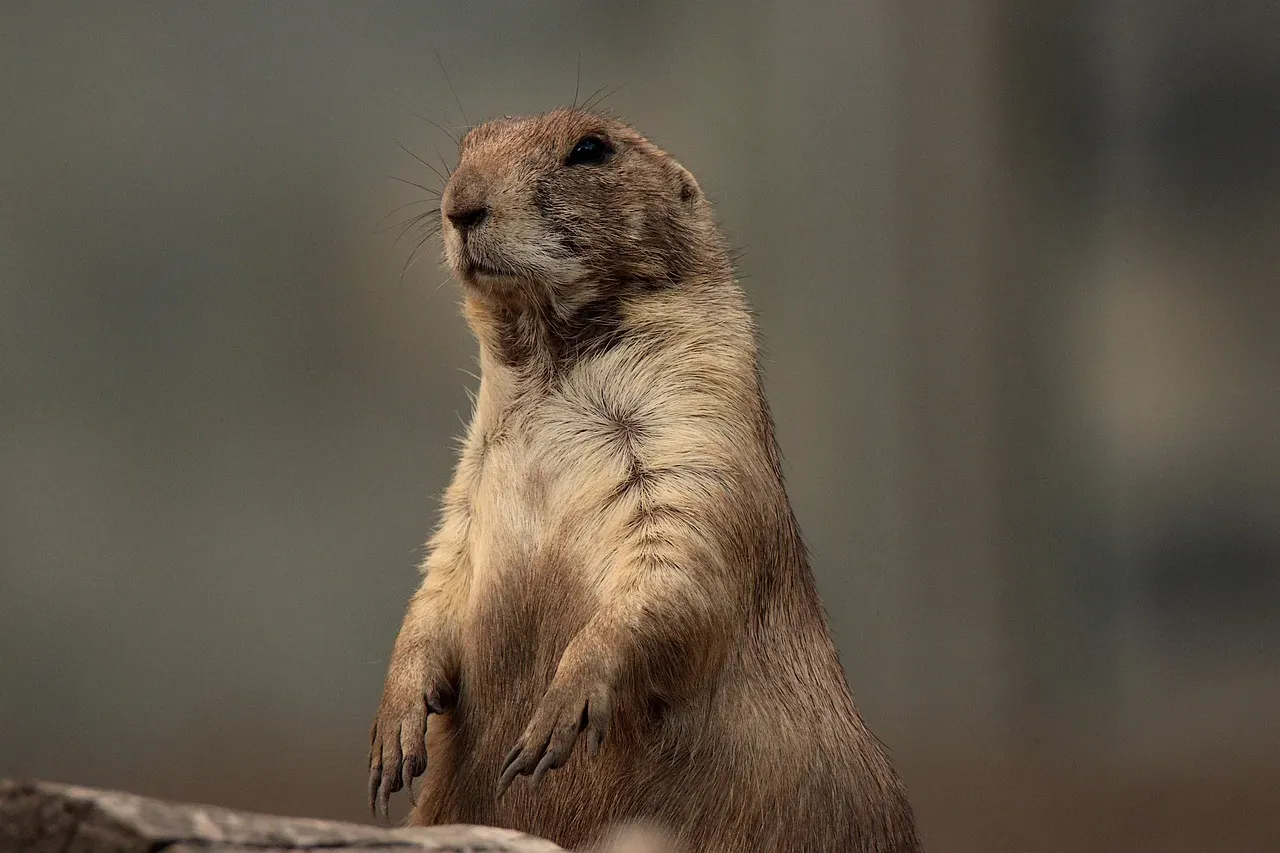
Prairie dogs belong to the squirrel family, thriving in North American prairies. They live in massive colonies called towns, sometimes spanning thousands of acres with millions of residents. Their name comes from the habitat and that distinctive bark, which early settlers likened to a pup’s yap.[1]
Standing upright like meerkats, they scan for threats from burrow entrances. Social butterflies of the rodent world, they groom each other and share childcare duties. Honestly, watching a colony buzz with activity feels like peeking into a furry metropolis.[2]
Yet despite the dog-like sound, they’re strictly rodents. Evolution shaped their vocal cords for survival in open plains teeming with predators. No wonder their calls carry far and clear.
The Alarm Bark: Predator Alert System
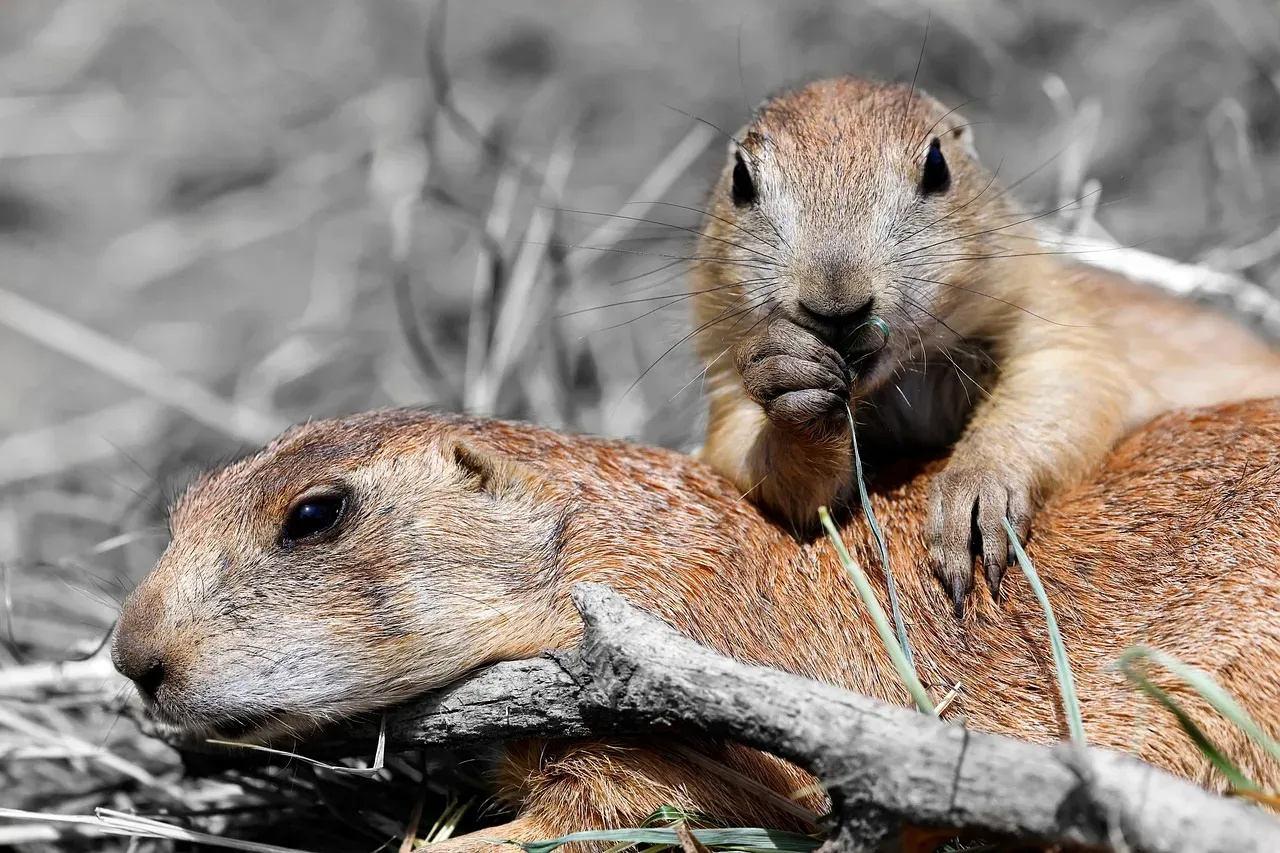
That classic bark serves as the colony’s early warning siren. Spot a hawk overhead or coyote slinking nearby? One prairie dog lets loose a high-pitched, repetitive “yip-yip-yip” to rally the troops.[3]
Everyone dives for cover in seconds, burrows emptying like a flash mob in reverse. These calls travel across the town, ensuring no one misses the memo. It’s lifesaving efficiency at its finest.
Research shows the bark varies by threat type. Aerial dangers get shorter, higher notes; ground prowlers prompt deeper tones. Prairie dogs don’t mess around when danger looms.[4]
A Repertoire Richer Than You Think
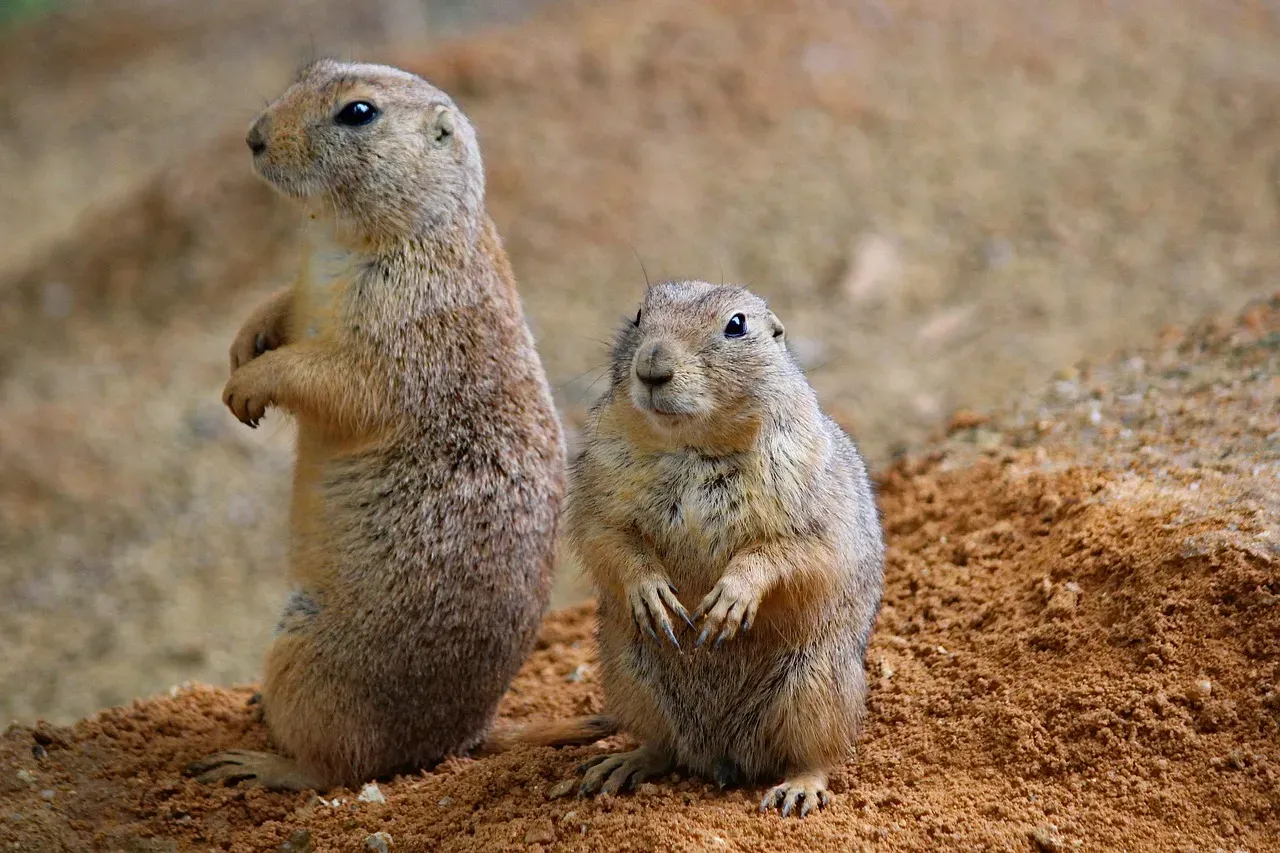
Barking isn’t their only trick. They squeak to scold intruders, chirp for family chats, and even whistle during playful displays. Territorial disputes? Expect bold broadcasts to claim turf.[2]
Mothers use soft squeaks to guide pups home. Jump-yips ripple through groups like a wave, possibly signaling all clear or group bonding. Let’s be real, their sound library rivals a bird’s songbook.
Recent studies highlight how noise pollution tweaks these calls, with urban prairie dogs adapting pitch for clarity. Nature finds a way, even amid human hum.[5]
Decoding the Dog-Like Dialect
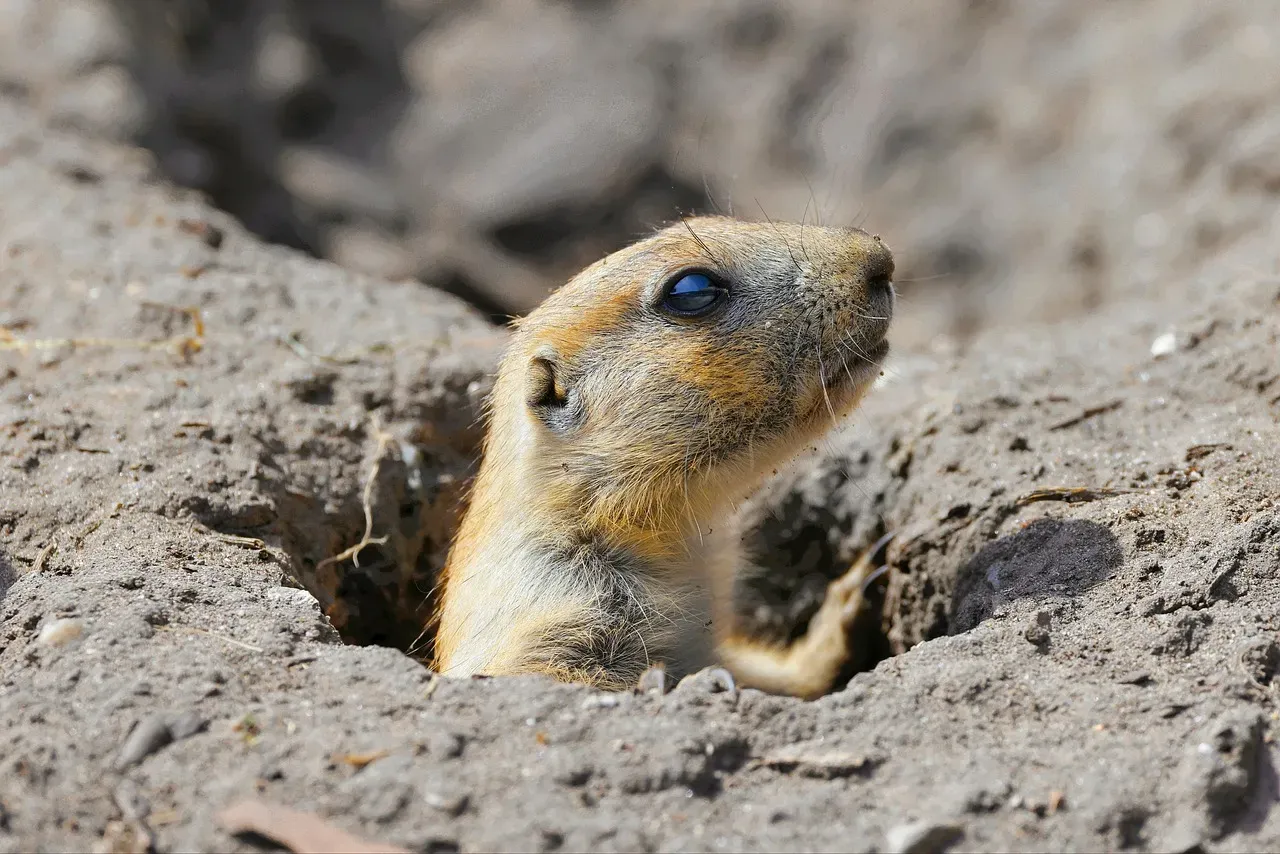
Biologist Con Slobodchikoff spent decades unraveling prairie dog “language.” Turns out, alarm calls encode specifics: hawk vs. human, even shirt color on passersby.[6]
A 2026 study confirmed they distinguish threats with eerie precision, sharing predator portraits via chirps. It’s like gossip with survival stakes. I know it sounds wild, but playback experiments prove listeners react accordingly.
This complexity outshines many mammals. Prairie dogs coin new calls for novel dangers, like a man in yellow. Evolution’s gift for open-sky living.
Evolution’s Yippy Twist
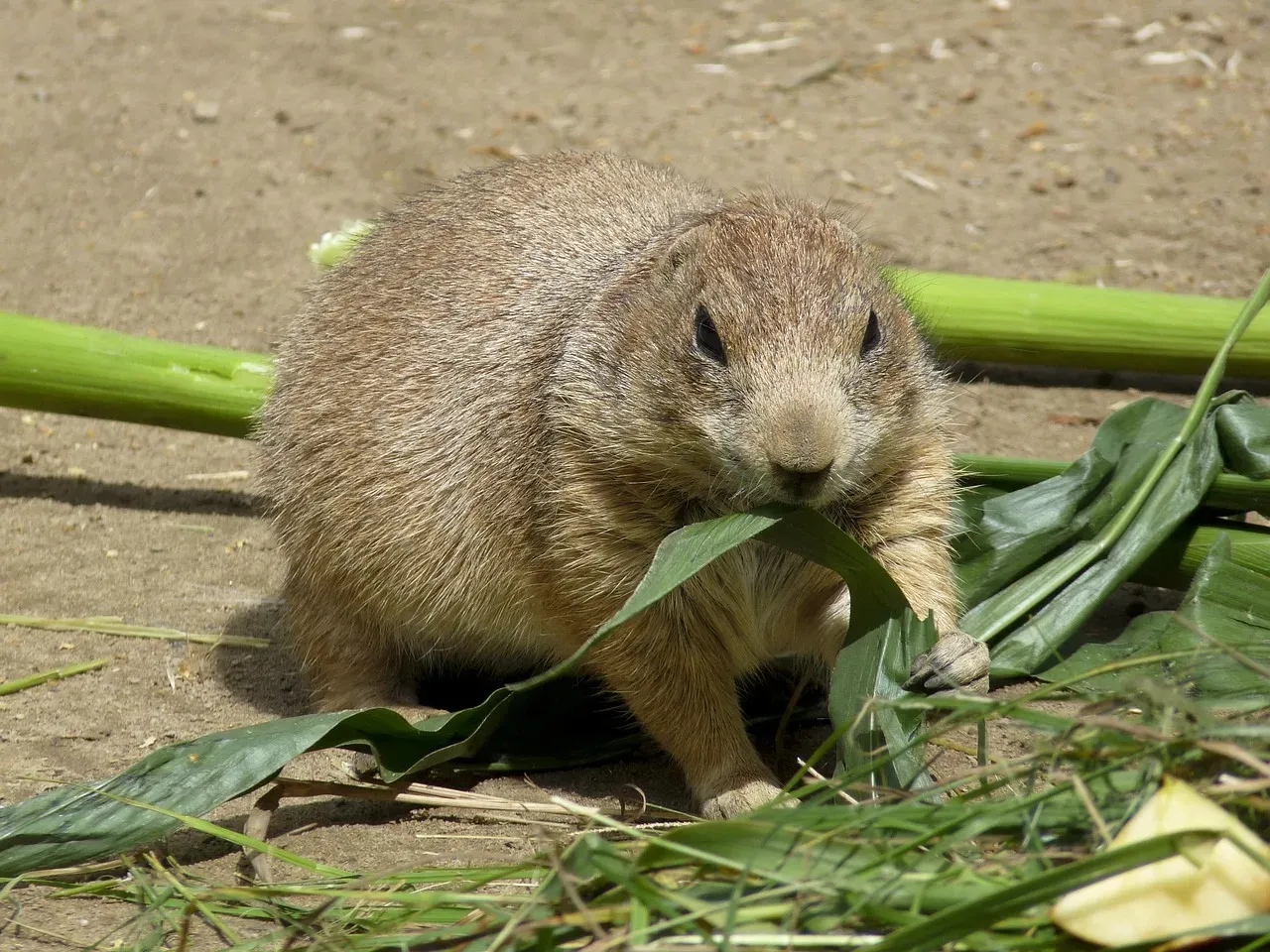
Why the tiny dog vibe? High-pitched barks cut through wind and grass, grabbing attention fast. Low rumbles might get lost; sharp yips pierce the air like arrows.[7]
Colonial life demands quick alerts for the whole town. A solo sentinel’s bark saves hundreds. Compare it to a smoke alarm in a high-rise, shrill enough to wake the top floor.
Their vocal cords, tuned over eons, mimic small dogs by coincidence. Or maybe not, survival favors what works. Either way, it’s a quirky echo across species.
Final Thoughts on Furry Alarmists
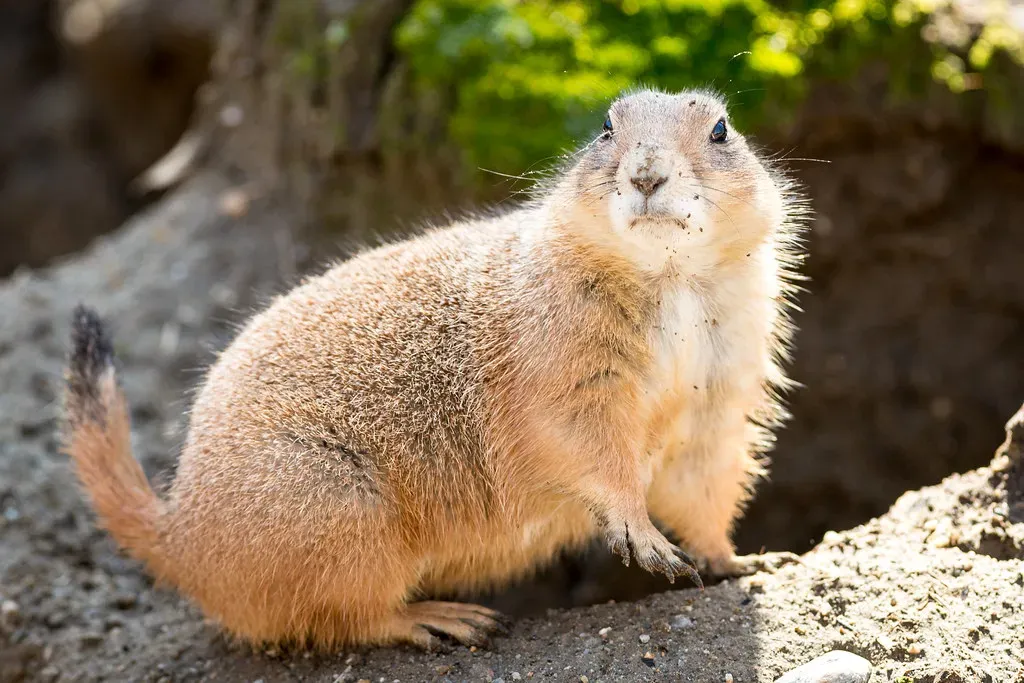
Prairie dogs bark like tiny dogs to shout survival messages across vast prairies. Their calls weave a web of warnings, far smarter than simple noise. Next time you hear that yip, remember the intricate info exchange underground.
What surprises you most about these chatty rodents? Share below.
