
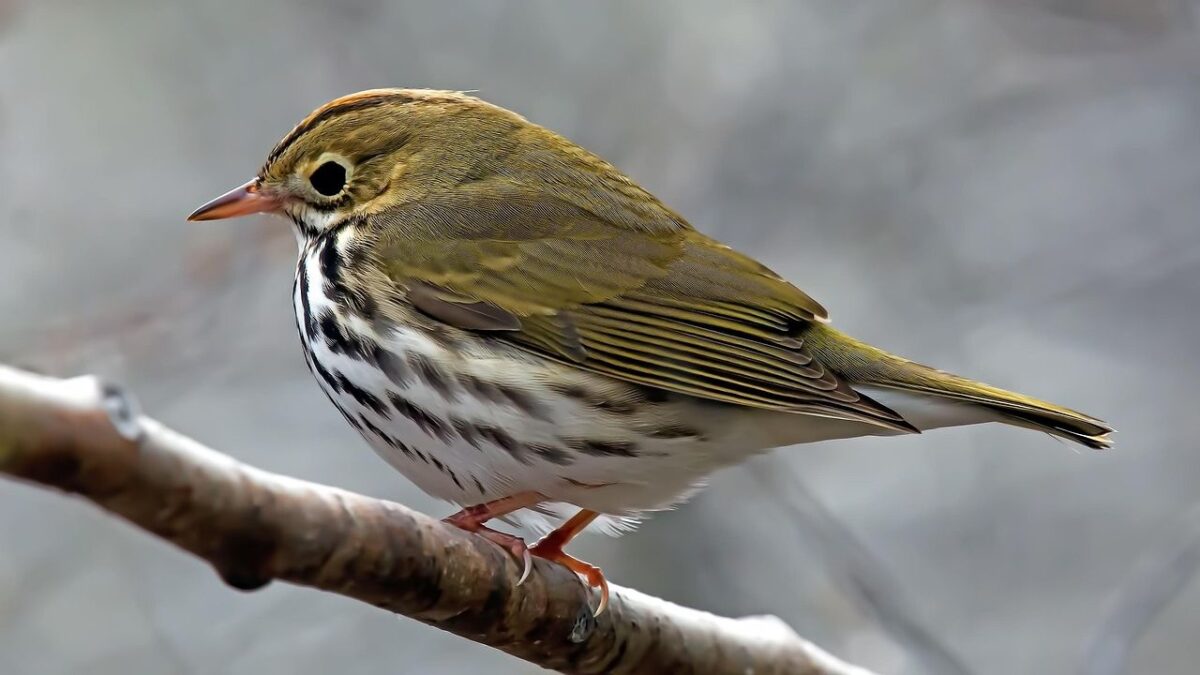
Humans love to brag about their architecture. Skyscrapers, suspension bridges, underground metros. We look at these things and feel enormously proud. Honestly, we should. But here is something that rarely gets mentioned at the dinner table: nature has been doing it longer, smarter, and in many cases, far more efficiently than we ever have.
From the scorching savannas of Africa to the cold floors of the Pacific Ocean, animals shape and modify their physical environment, creating a diversity of structures from underground burrows to constructed nests to towering above-ground edifices. Some of these homes are colossal. Others are microscopic. All of them are jaw-dropping. Get ready to look at the animal kingdom in a completely different way. Let’s dive in.
1. Termites: The Climate-Control Engineers
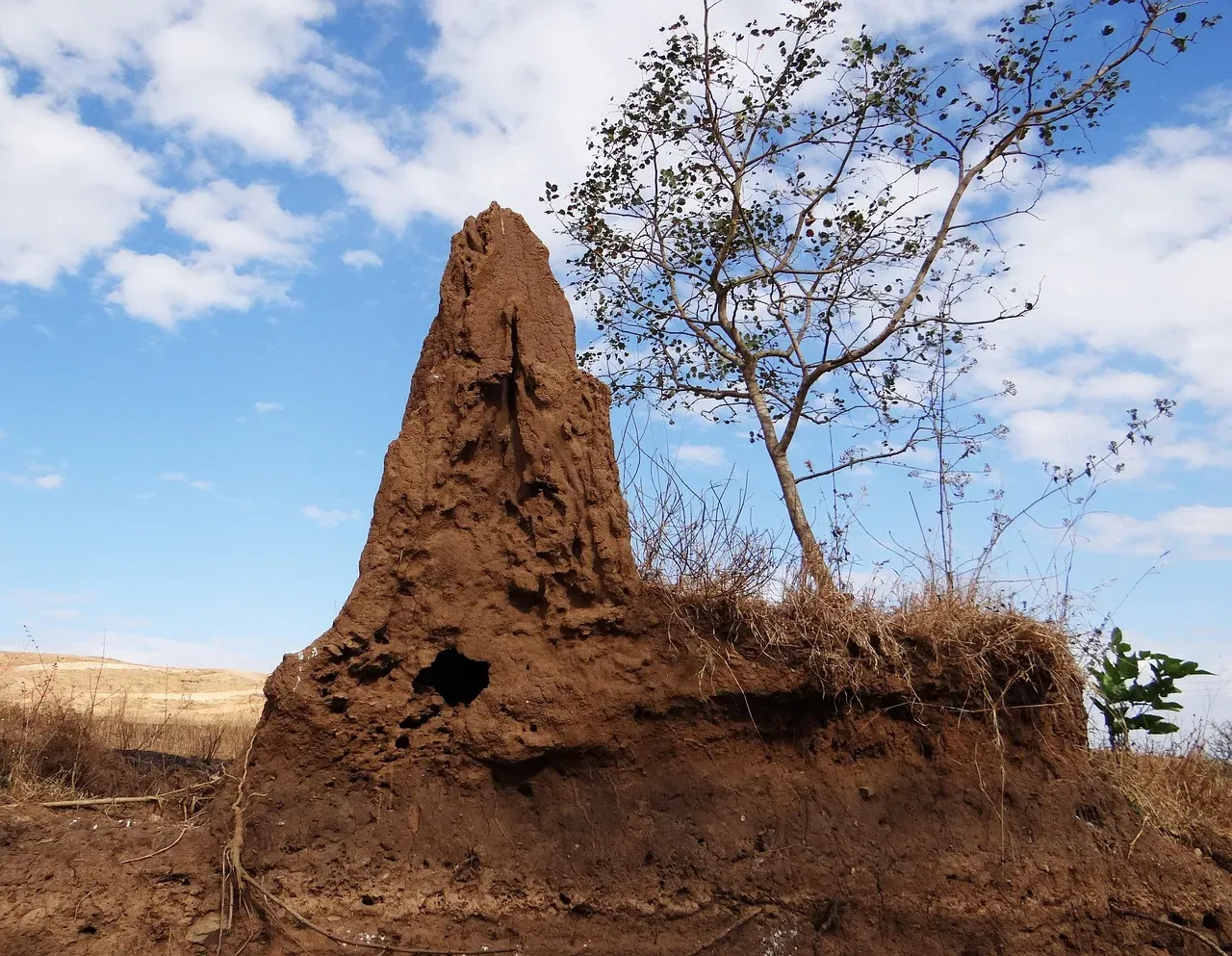
Termites are master builders, particularly in the savannas of Africa and Australia, where they construct monumental mounds that can reach heights of up to 8 meters. That’s roughly the height of a two-story house. Remarkable for an insect you could crush between two fingers.
Termite mounds are among nature’s most astonishing architectural feats, built from a blend of soil, saliva, and dung. Some species construct towering mounds that can reach more than eight metres in height, complete with a labyrinth of tunnels and air shafts. Far from being static shelters, these structures act like living ‘lungs,’ using daily temperature changes to power a natural ventilation system. This amazing design regulates airflow, gases, and humidity inside the mound, creating conditions that support the survival of millions of termites even in challenging climates.
Termite mounds maintain stable internal temperatures with fluctuations of only zero to four degrees Celsius despite fluctuating external conditions. That’s better temperature regulation than many human homes achieve with modern HVAC systems. I think that deserves a moment of silence.
By aerating the soil and recycling nutrients, termites enhance the fertility of their environment, benefiting plants and other animals. Some termite species even farm fungi within their mounds, showcasing advanced resource management. These mounds have inspired sustainable architectural designs for human buildings, proving how much we can learn from nature’s engineers.
2. Beavers: The Dam-Building Ecosystem Engineers
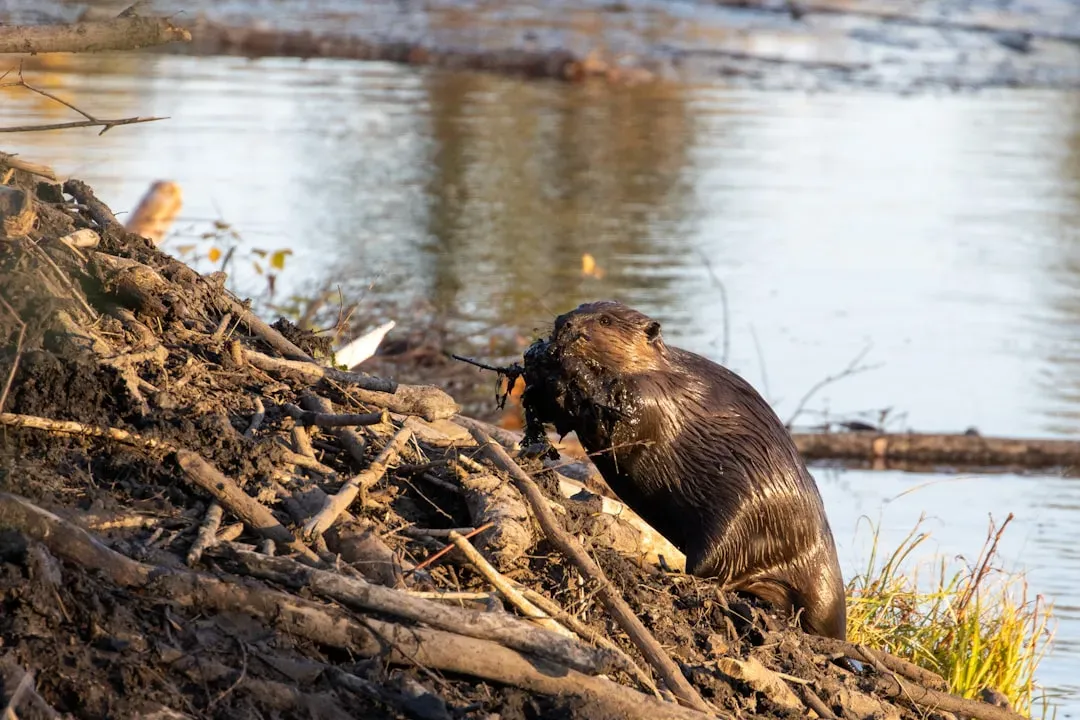
Beavers are one of the most influential mammalian ecosystem engineers, heavily modifying river corridor hydrology, geomorphology, nutrient cycling, and ecosystems. Unlike birds building nests for shelter or termites constructing mounds for climate control, beavers literally reshape entire landscapes to suit their needs.
To construct a dam, beavers use logs around 6 feet and 2 inches in diameter to brace against the riverbank. Natural calculators, the beavers angle the logs at around 30 degrees with the direction of the water’s flow. Beavers use their large incisors to chew down trees for their building material.
Beavers build dams to raise the water depth around their lodges, their dome-shaped homes made of sticks and mud, and this deeper water acts as a natural barrier making it challenging for predators to access their lodges while allowing beavers to create underwater entrances. Some dams have been maintained and expanded by successive beaver families for decades, creating wetland ecosystems that support countless other species.
The beaver’s dams help maintain a wetland ecosystem, which benefits a wide range of species, including fish, birds, and plants. In this way, beavers are not just architects; they’re ecological engineers, shaping their environment in a way that supports the biodiversity around them.
3. Weaverbirds: The Knot-Tying Nest Artists
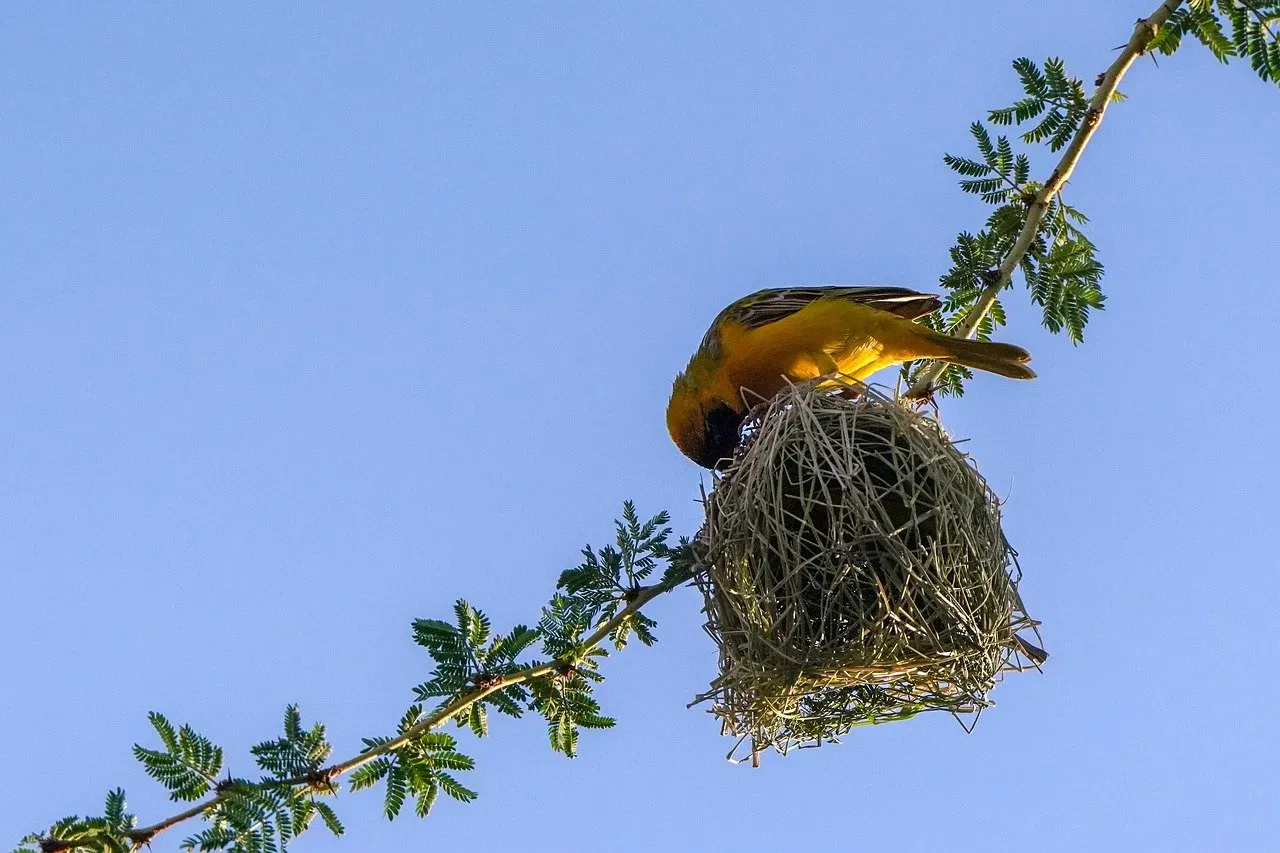
One of the most remarkable examples of avian architecture comes from the weaverbird. Native to Africa and Asia, weaverbirds are known for their complex nests, which they weave using long grasses and plant fibers. Think of it like a tiny master craftsman who uses only a beak instead of hands.
Weaver birds are the ultimate nest architects, crafting intricately woven nests that dangle from tree branches. These birds use grass, twigs, and plant fibers, twisting and knotting them together with remarkable skill. They are weather-resistant, keeping eggs and chicks dry, and they hang from thin branches, making them hard for predators to reach.
When the nest is complete, the male will announce an open house by fluttering his wings, inviting a female home hoping she approves. Imagine spending weeks building your dream house only to have it rejected. According to some reports, most weaver males never become parents, highlighting just how selective females are about nest quality. The architecture literally determines reproductive success in these species.
4. Bowerbirds: Nature’s Interior Designers
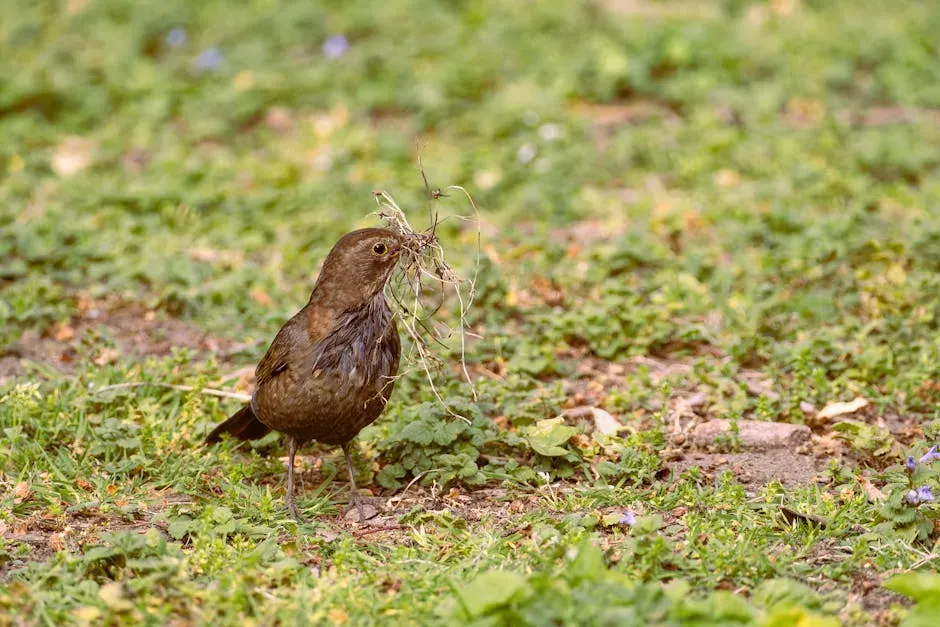
Let’s be real – this one is genuinely mind-blowing. Bowerbirds don’t build elaborate nests for raising young. Instead, males construct decorated structures called bowers purely to attract mates. Native to Australia, bowerbirds are known for their elaborate and colorful courtship displays, during which the male builds a bower to attract a mate, with males collecting a variety of objects including flowers, shells, plastic, and even bits of glass or metal arranged around their bower.
They dedicate extensive time constructing woven structures reaching up to half a meter, some conical and lined with moss. The construction process is genuinely fascinating. It can take up to 500 trips and around 18 days to complete the nest.
They become obsessive curators. Satin bowerbirds are particularly famous for their obsession with the colour blue, gathering items like blue flowers, straws, and even pen caps. There is something almost uncomfortably human about that level of decorating obsession.
5. Coral Polyps: Builders of Underwater Cities
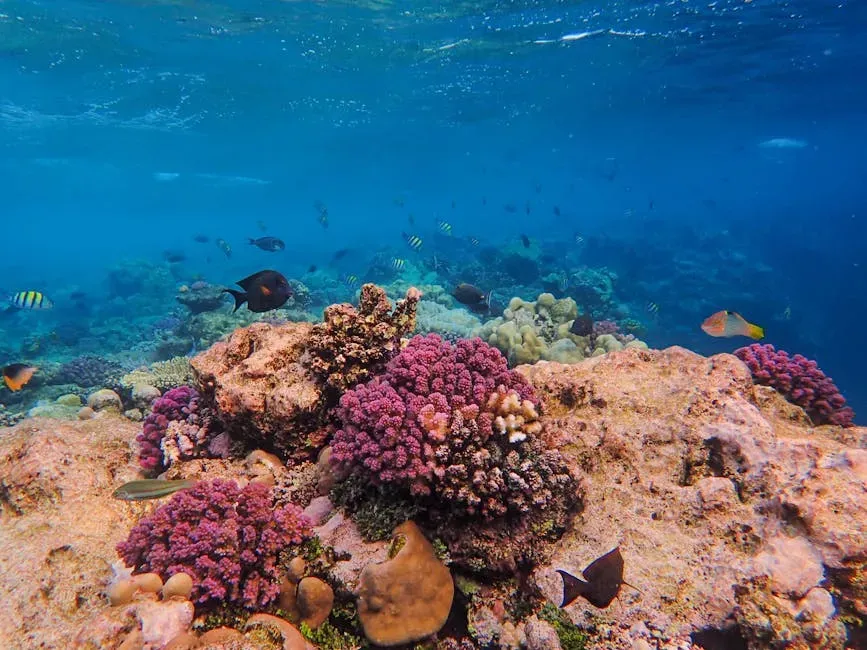
Coral may look like a colorful rock or a plant, but it’s actually made of thousands of tiny animals called polyps. These minuscule creatures are the architects of the largest living structures on Earth. Honestly, that sentence alone should stop you in your tracks.
Over centuries, these marine architects deposit calcium carbonate, which forms the hard skeletons that make up reefs, making them a foundation species. Coral reefs support an estimated 25% of all marine life, providing food and shelter for thousands of species, including many types of coral fishes, puffer fish, sea anemones, trigger fish, echinoderms, and moray eels.
These vast underwater structures protect coastlines and are considered the world’s largest biological constructions. Think of a reef like the ultimate apartment block – built over centuries, housing millions of tenants, and maintained by creatures smaller than a grain of rice.
Beyond their ecological importance, reefs act as natural barriers, protecting coastlines from erosion and storm surges. However, climate change and pollution threaten coral reefs, highlighting the urgency of conserving these underwater marvels.
6. Honeybees: Geometric Precision in Every Cell
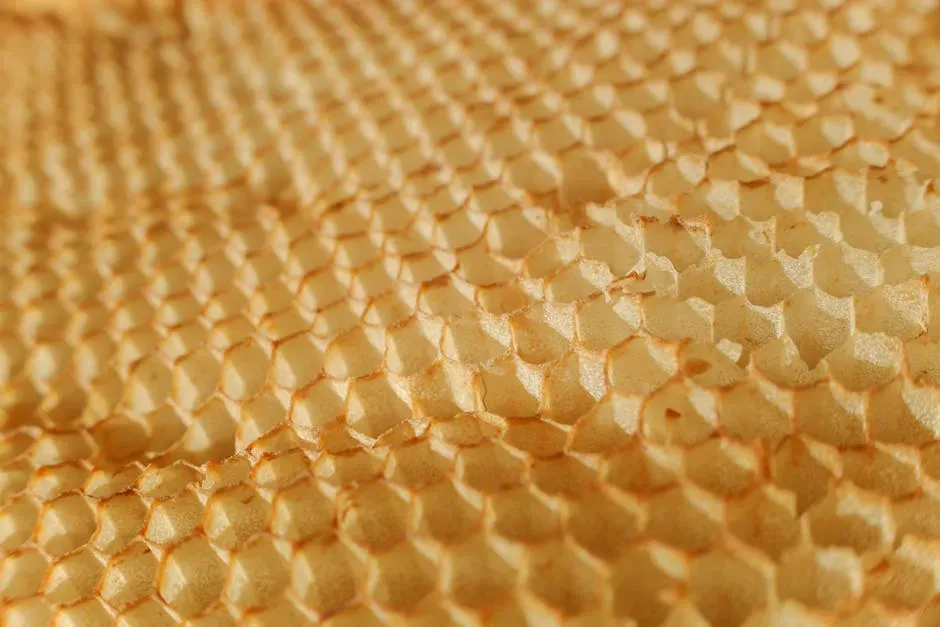
Honeybees build their nest out of hexagonal wax cells, which are efficient for maximum space with minimum material usage. These store honey and pollen, which are used as brood cells for larvae. The hive is a highly organized environment. Each bee performs a particular role, from foraging to the maintenance of the structure of the hive.
Worker bees secrete beeswax from glands and meticulously shape it into perfect hexagons. The hive operates as a well-organized community, with bees collaborating to maintain and protect their home. Honeybee architecture is a testament to teamwork and the ability to construct highly efficient and functional living spaces.
The hexagon is not an accident, by the way. It’s one of the most structurally efficient shapes in mathematics, using the least material to create the most space. Bees discovered this long before any human mathematician did. It’s hard to say for sure whether that’s humbling or just extraordinary.
7. Ants: Underground Megacity Architects
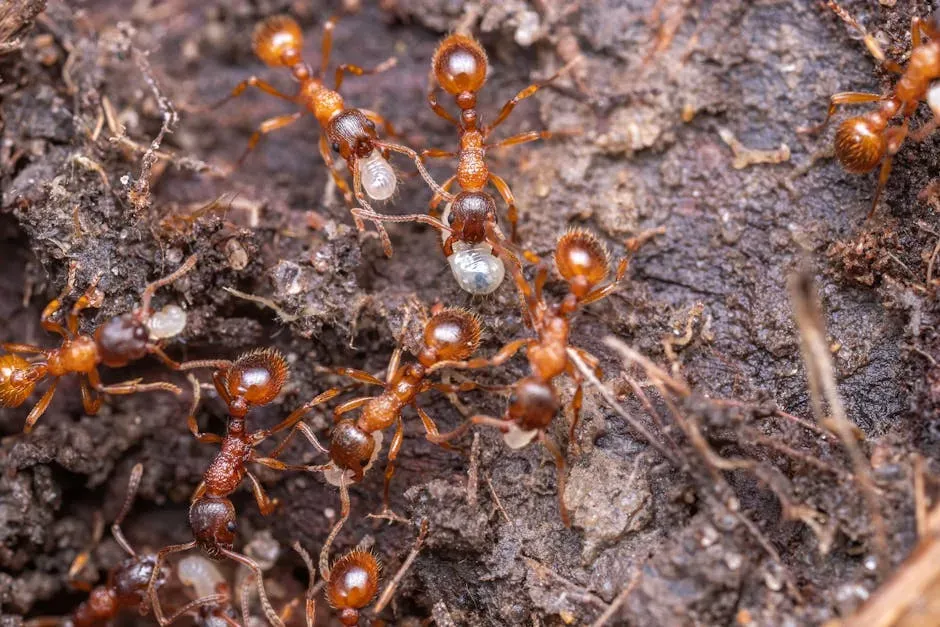
Some ant species, like the leaf-cutter ants, build vast underground colonies that can stretch for miles. These nests are composed of thousands of interconnected chambers and tunnels, which help the ants to organize and manage their social structure.
Around 40 tonnes of earth, maybe more, would have been shifted in one colony nest’s construction. In addition to its chambers that act as fungus gardens, the underground city has ‘rubbish dumps’ where the ants dispose of waste. There is even an air-conditioning system: tunnels dug to maximise the flow of fresh air from the surface.
Each chamber serves a specific purpose, such as nurseries, food storage, or resting areas, showcasing organizational skills. The construction process involves teamwork, with ants carrying soil and debris to the surface. It is, essentially, a city – just very, very small.
8. Sociable Weavers: The Bird Apartment Block
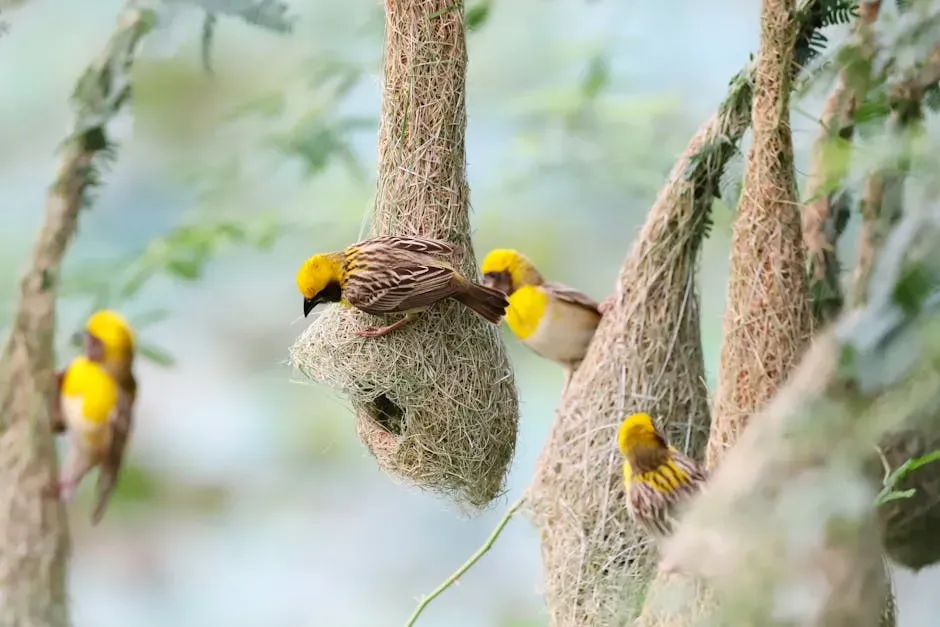
The sociable weaver, native to South Africa, Namibia, and Botswana, weaves huge communal nests that can host hundreds of birds across multiple generations. These nests, woven from sticks and grass, are permanent. The deeper inner chambers maintain a higher temperature at night, allowing the birds to stay warm.
Sociable weavers build dense nest colonies, with hundreds of woven nests sometimes hanging from a single tree. Each nest is handwoven, forming temperature-controlled and weather-resistant housing. Despite the bird’s relatively small size, the sociable weavers’ nests are among the largest built by any bird, with entire trees becoming bird apartment blocks.
This is community living taken to a spectacular level. Imagine your entire extended family, and their neighbors, all sharing one giant interconnected home built from scratch. It sounds chaotic. For sociable weavers, it works beautifully.
9. Caddisfly Larvae: The Original Mobile Home Builders
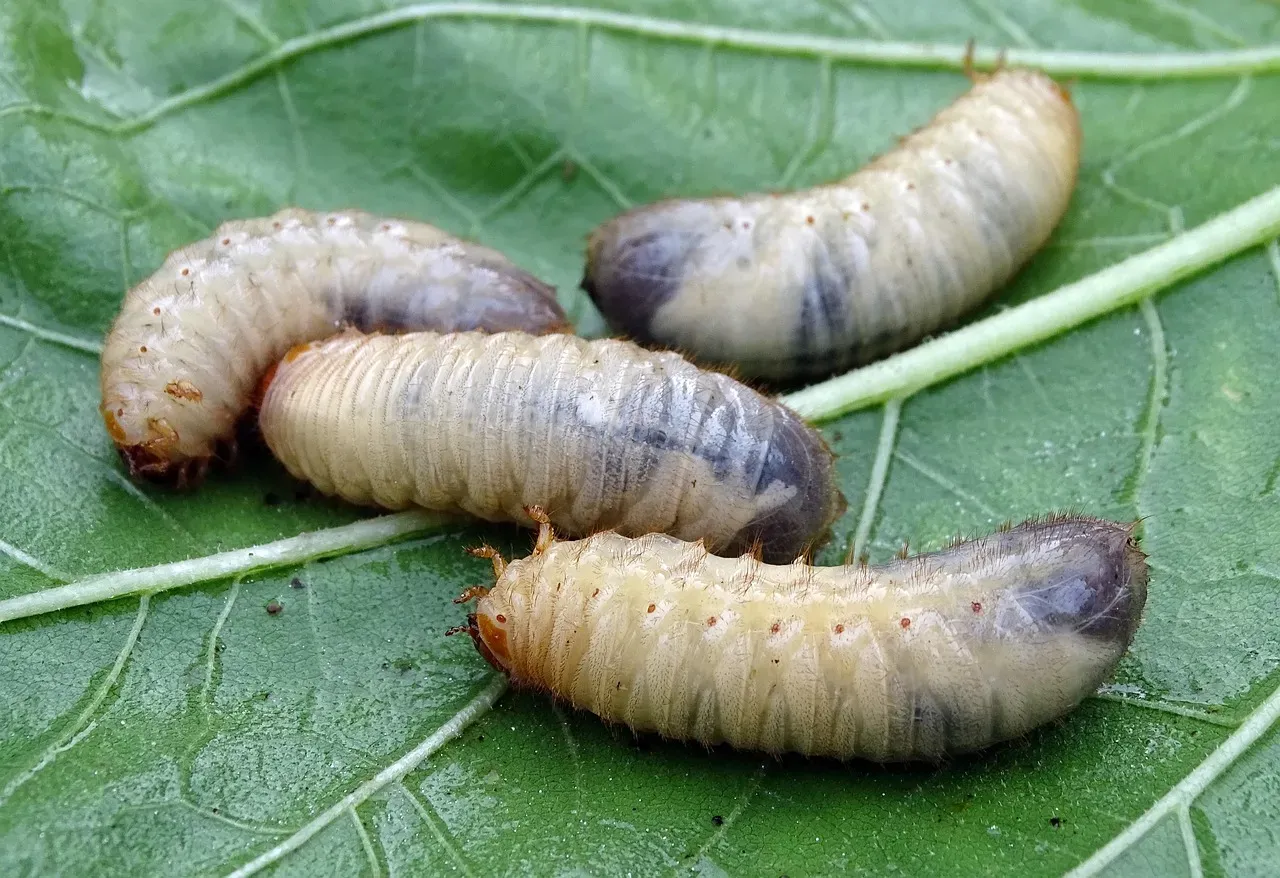
Caddisflies could potentially be the first animal architects. Fossils of the elegant little cases built by their aquatic larvae have been dated to the Early Jurassic, and possibly even earlier, well before social insects or birds appeared on Earth.
Caddisfly larvae are like weird underwater caterpillars that frequent the bottom of streams and ponds, and many fabricate tubes no thicker than a pencil in which to live. Assembled from grains of sand, fragments of twig or leaf, snail shells, and any other debris to hand, the cases protect the soft-bodied larvae from the turbulence of the water current and from predators such as fish. The larvae wriggle out and build new cases as they grow, most will make five in one or two years, before finally leaving the water as short-lived winged adults.
French artist Hubert Duprat famously gave larvae gold leaf and pieces of gemstone, with which they created beautiful gilded tubes. So yes – given the right materials, these tiny creatures can build something that looks like jewelry. You genuinely cannot make this stuff up.
10. Prairie Dogs: The Underground Town Planners
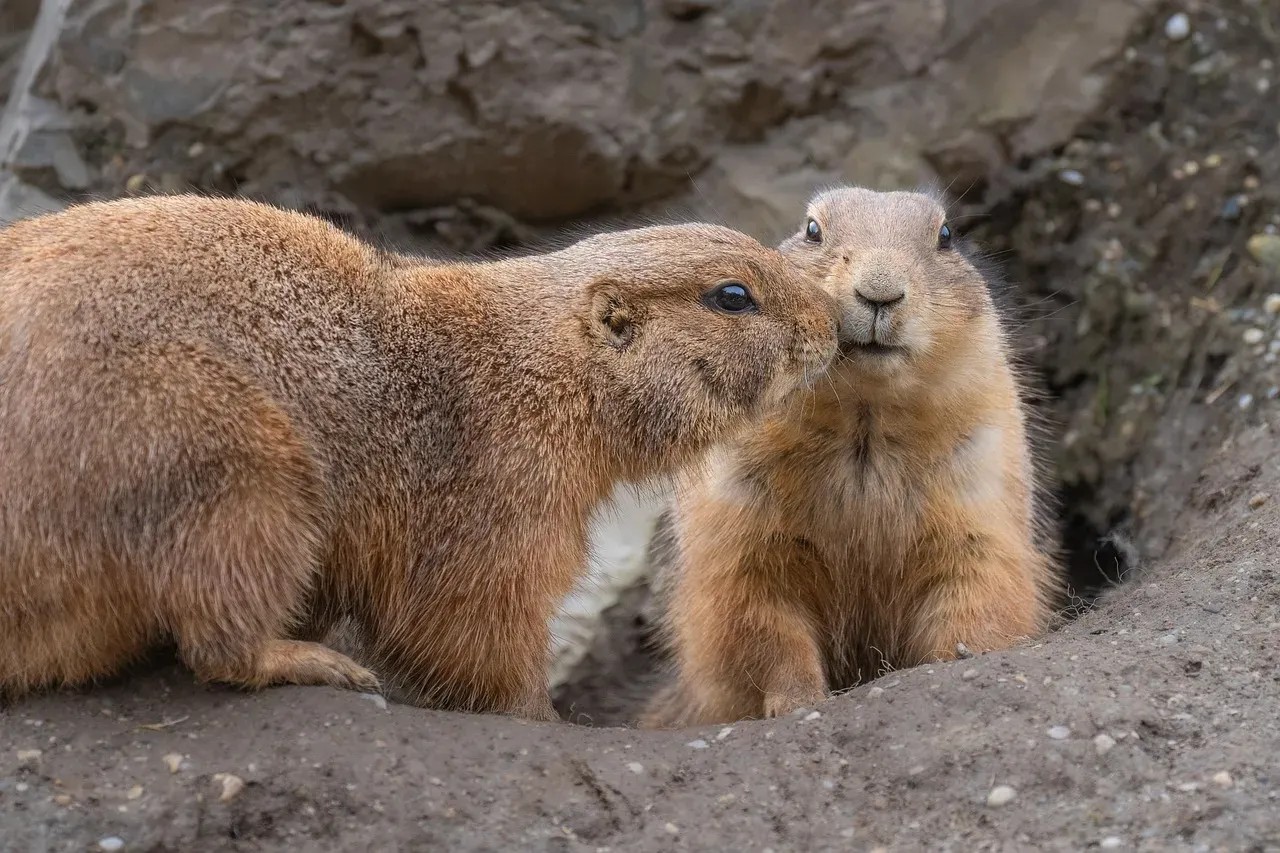
Prairie dogs build big underground burrowing systems, often called “towns.” The burrows have been elaborately designed with numerous entrances, listening chambers, nesting chambers, and waste-disposal areas. The mounds at their entrances prevent flooding and ensure good viewpoints for observing predators. Such groupings are social hotspots that support complex interactions among prairie dogs.
Prairie dogs dig underground burrows with chambers for food, nesting, and escape routes. Their extensive “towns” provide shelter, regulate temperature, and ensure group safety against predators.
There is something almost adorable about the fact that prairie dogs build dedicated “listening rooms” near their entrances, essentially small chambers where they can quietly monitor the outside world for danger. It is like having a built-in security system. Very clever, very efficient.
11. Japanese Pufferfish: The Sand Circle Sculptors
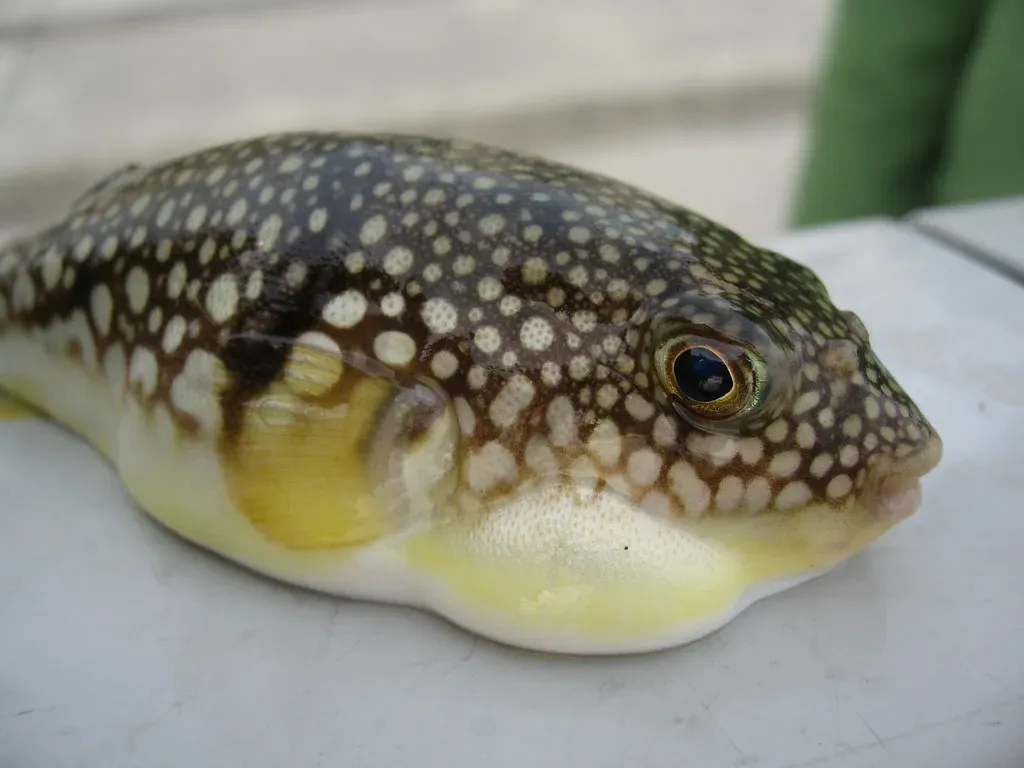
Here is one that genuinely surprised me when I first came across it. For a long time, ornate circular patterns at the bottom of the ocean were a mystery for divers who encountered them. It turns out that these crop circles of the sea are built by male Japanese pufferfish to attract the females. The lovestruck ladies then lay their eggs in the sediment in the center of these mathematically intricate designs.
In the Sea of Japan, there is a species of puffer fish that has another gift that is truly incredible: it builds geometric sand sculptures to attract passing females and persuade them to mate. This fish, subdivided by scientists into 120 different species, is best known for its ability to puff itself up like a ball when attacked.
The circles are not random either. They are precise, radially symmetrical, and stunningly beautiful. A creature that builds art purely to impress a partner, on the floor of the ocean. That is poetic in the most unexpected way.
12. Ovenbirds: The Clay Oven Architects
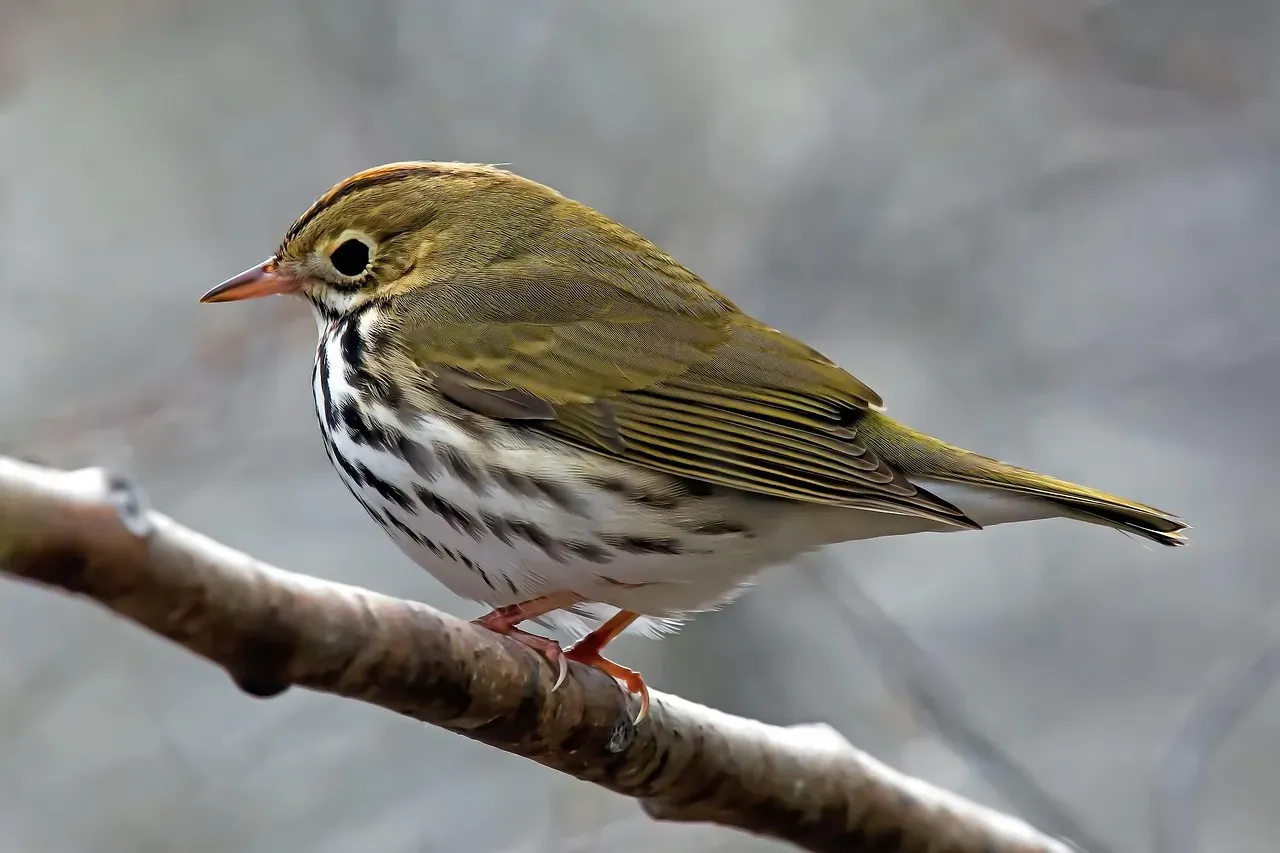
The red ovenbird from South America is well-known for using clays and mud while building its typical nests that look very much like old wood-powered ovens. These long-lasting structures give the bird its name. The nests are constructed skillfully, defending the occupants from predators and inclement weather.
The nests of ovenbirds consist of thick, curved walls which spiral towards a central chamber. The innermost chamber, where the eggs are laid by the female, is protected by a wall with a small opening, just wide enough for the ovenbirds to fit through. Few predators can squeeze through this tight crevasse, so mama bird can look after her eggs and her chicks in peace.
Think of it like a fortress built from clay, with a secret corridor leading to the most protected room inside. It is the bird equivalent of a panic room. Except they build it themselves, with their beaks, from scratch.
13. Weaver Ants: The Living-Body Construction Crew
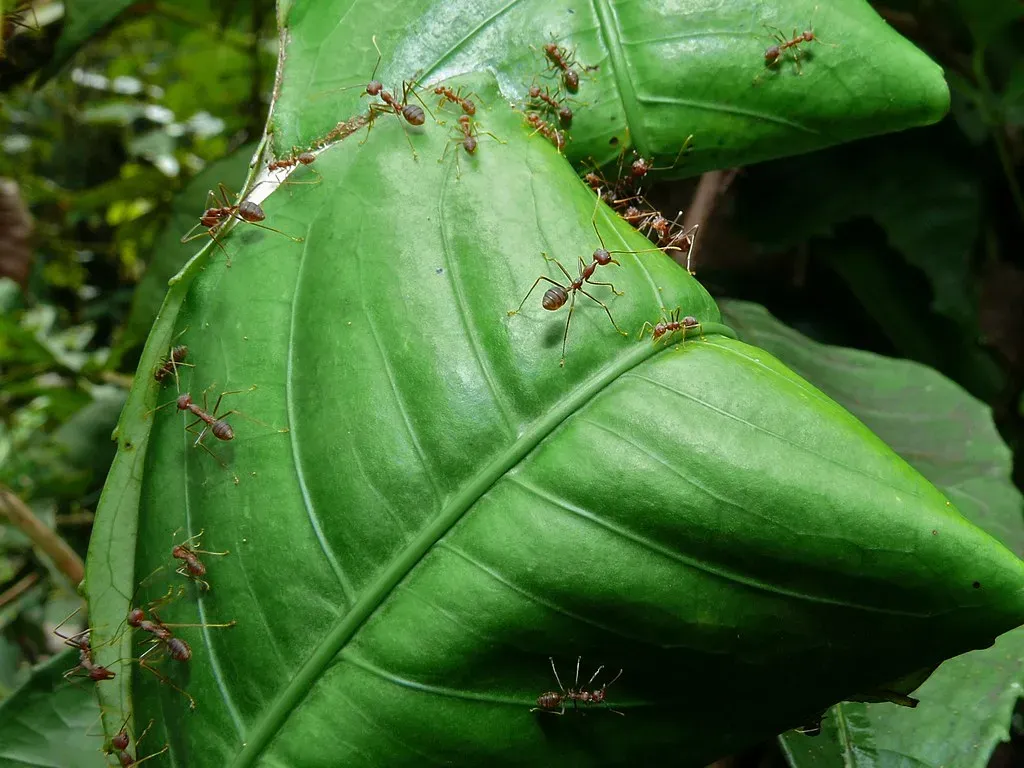
Weaver ants are tiny in size but mighty in their structure building, crafting intricate nests in trees by stitching together leaves with silk produced by their larvae. The nests can reach up to half a meter in length and house thousands of ants. Nests are lightweight yet durable, providing shelter and protection from predators. The construction process involves incredible teamwork, as ants use their bodies to pull leaves into position while others secure them with silk.
Beyond their impressive architecture, weaver ants play a critical role in their ecosystems by controlling pest populations and protecting plants. In fact, they are so effective at pest management that some farmers use them as a natural alternative to chemical pesticides, underscoring their ecological and agricultural importance.
These ants are known for building large, hanging nests in trees by weaving together leaves using their silk-producing larvae. The larvae, essentially, become the tools. This is a level of cooperation that would impress any construction foreman.
14. Chimpanzees: The Nightly Nest Builders
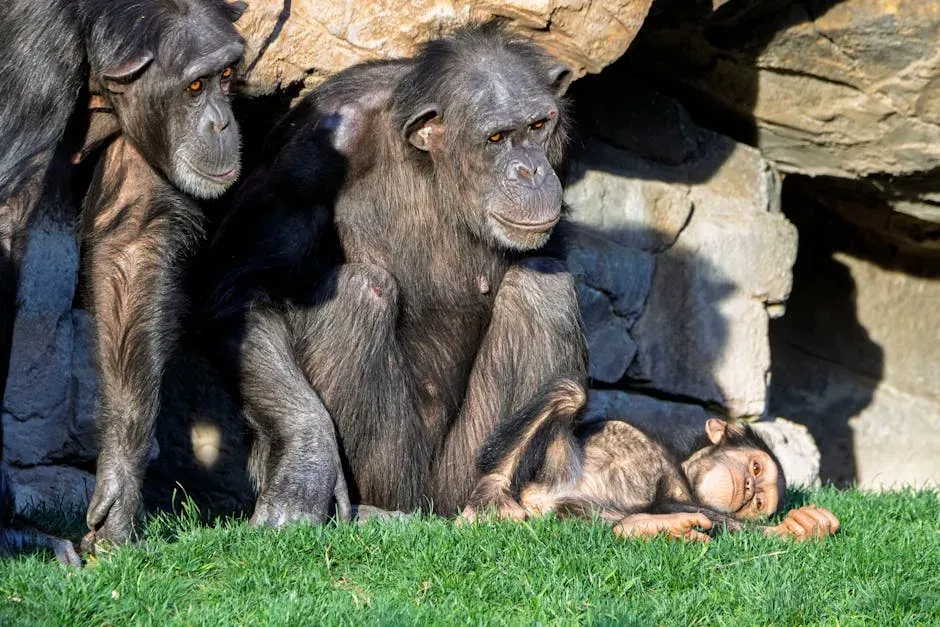
Chimpanzees are intelligent builders, creating tree nests from branches and leaves for resting. These nests, constructed daily, provide comfort and protection from ground predators. The process involves selecting sturdy branches and weaving them into a secure platform. Young chimpanzees learn nest-building by observing adults, highlighting cultural transmission.
The ability to adapt nesting techniques to different environments showcases their problem-solving skills. Chimpanzee nests are a reflection of their complex social behaviors and cognitive abilities, emphasizing their role as skilled architects in the animal world.
What makes chimps particularly fascinating is that this is learned behavior, not purely instinct. Young ones watch, imitate, and gradually master the skill. It is, in a very real sense, education. A cultural tradition passed from generation to generation. That is strikingly close to how humans once began.
The Bigger Picture: Nature Was Always the First Architect
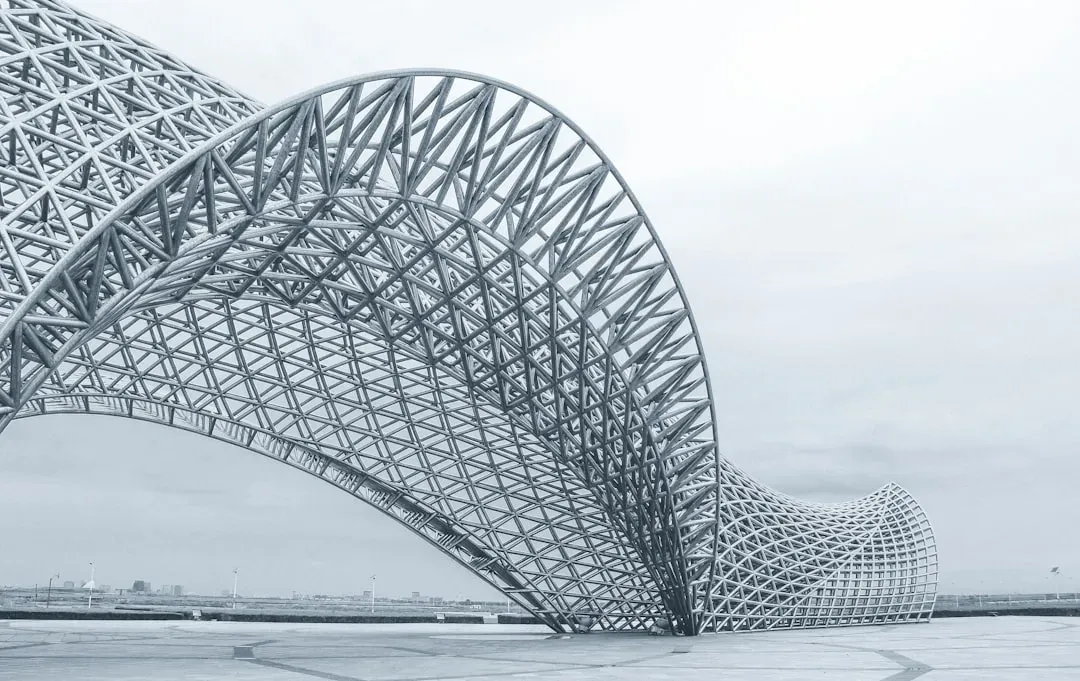
These structures represent millions of years of evolutionary refinement. Each design solves specific problems in clever, efficient ways that humans are only beginning to appreciate and mimic in sustainable architecture.
From termite mounds influencing sustainable building designs with natural cooling systems to the intricate geometry of beehives inspiring efficient engineering structures, these species showcase solutions that balance functionality, efficiency, and environmental harmony. By studying these natural designs, engineers and architects can develop technologies that are more sustainable, adaptive, and resilient. Biomimicry, the practice of emulating nature’s strategies, continues to revolutionize fields like construction, robotics, and even urban planning, proving that some of the most groundbreaking ideas come from observing the natural world.
For millions of years, animals have been far more than simply inhabitants of their environments – they are master builders, engineers, and ingenious problem solvers, shaping the world around them with extraordinary creativity. Using only what’s close at hand – such as mud, leaves, stones, or even their own bodies – creatures across the animal kingdom design astonishing habitats, perfectly suited to their exact needs.
Next time you walk past a construction site, maybe pause for a second. Somewhere in a forest or on an ocean floor, an animal with no tools, no language, and no blueprint is building something just as extraordinary. Nature never stopped being the greatest architect of all. Did you expect that?
