
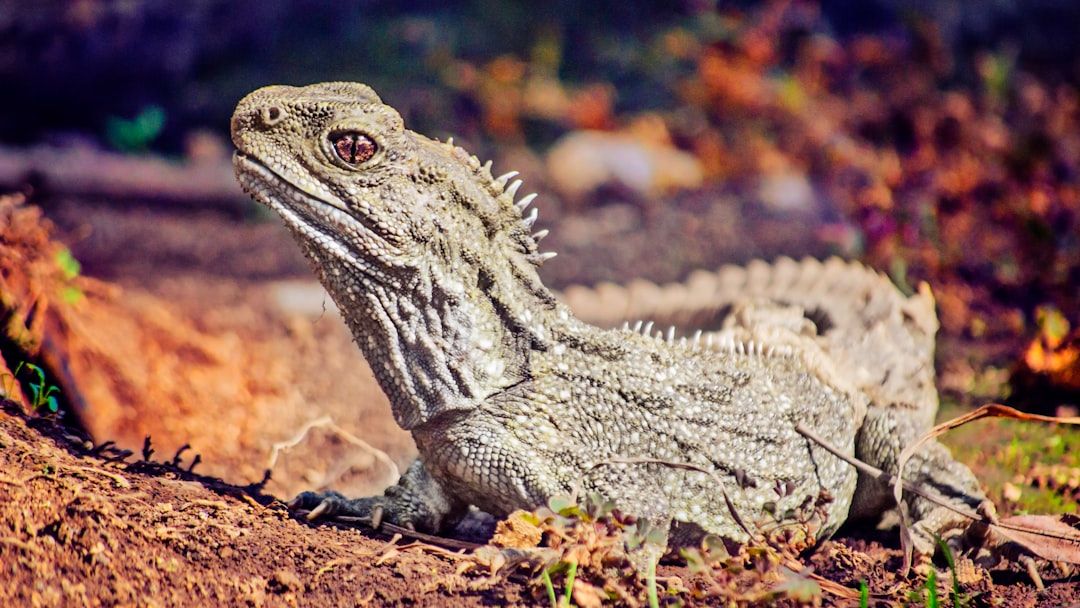
There is something quietly mind-bending about the world we live in. While we scroll through feeds, rush to meetings, and worry about the latest headlines, some of the planet’s oldest residents are out there doing exactly what they have always done – hunting, drifting, crawling, surviving – completely unbothered by the passage of millions of years. We share this planet with animals so ancient, they predate the dinosaurs entirely.
Prehistoric animals are species that originated in ancient times and have remained relatively unchanged due to their adaptability and evolutionary success. These creatures are sometimes called “living fossils,” as they provide a glimpse into Earth’s distant past and are considered ancient survivors. Honestly, that might be the most humbling sentence in all of science. Let’s dive in.
1. The Horseshoe Crab: Older Than Almost Everything
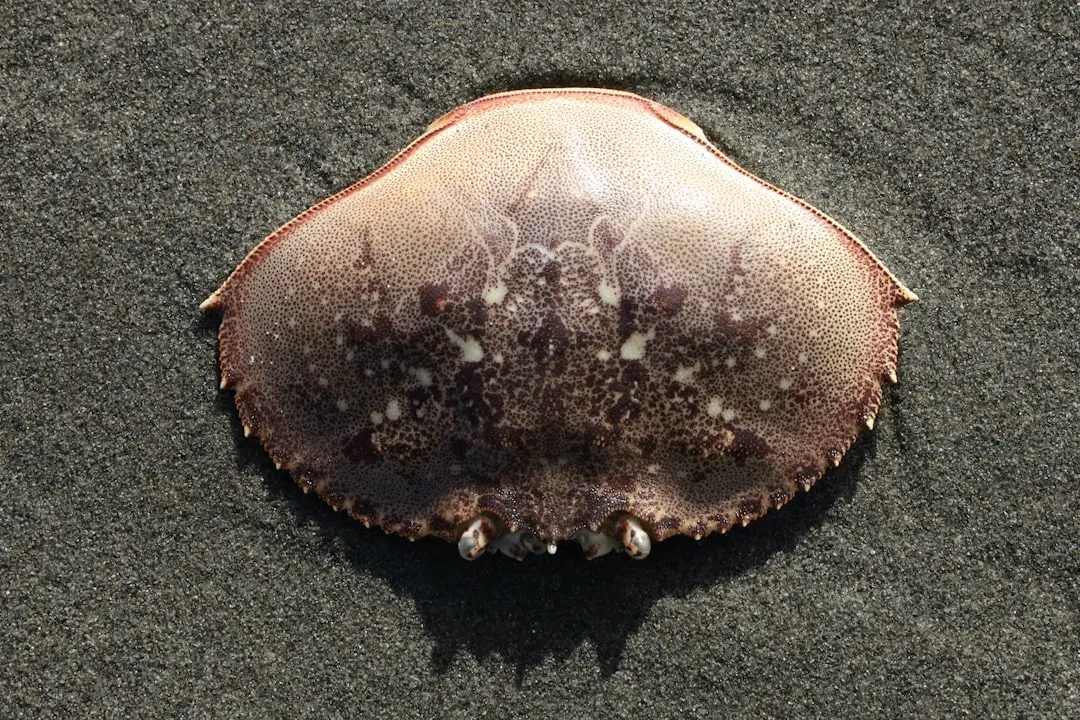
Here’s a fact that might stop you mid-scroll. Scientists have discovered fossils of horseshoe crab ancestors that lived 445 million years ago. Dinosaurs first appeared about 200 million years later. Horseshoe crabs went on to survive the extinction event that wiped dinosaurs from the planet 66 million years ago.
Let that sink in. These things were ancient when T. rex was still a glimmer in evolution’s eye. These “living fossils” are more closely related to spiders and scorpions than to true crabs. They inhabit shallow ocean waters on soft, sandy or muddy bottoms where they feed on worms and other small invertebrates.
Their survival secret? It’s thought that their tolerance to extreme conditions, such as low oxygen levels, is what has made them resilient to extinction. Their contribution to modern medicine is equally extraordinary. Horseshoe crab blood contains a unique enzyme called limulus amebocyte lysate, or LAL. It causes the blood to coagulate when exposed to bacterial endotoxins, which can be deadly. Biomedical companies use LAL to test medicines, vaccines, implants, and more for endotoxins.
2. The Coelacanth: The Fish That Came Back From the Dead
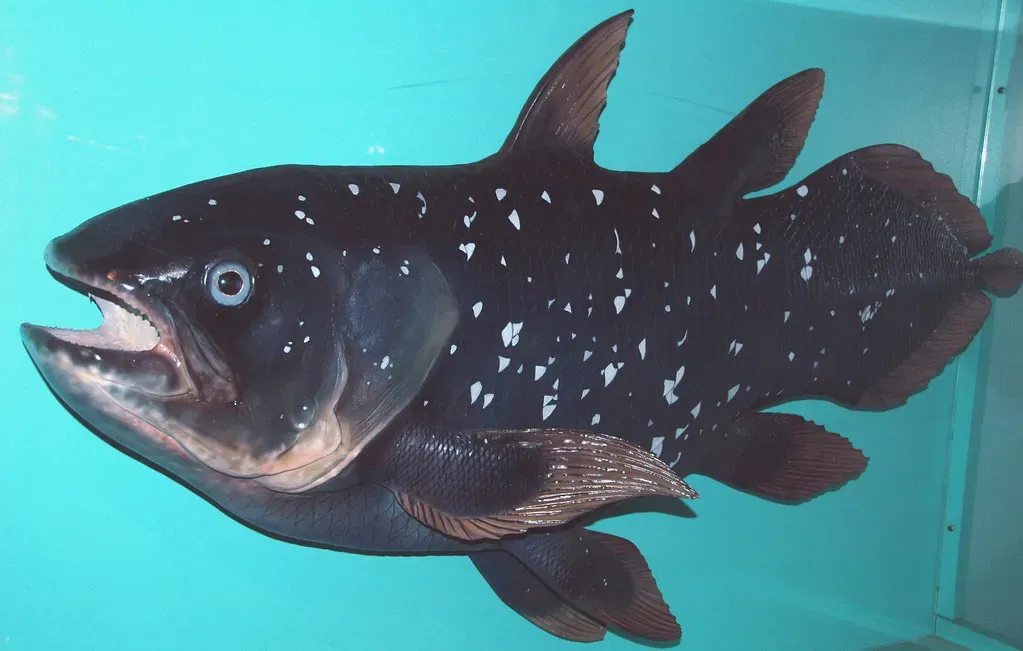
I think this one might be the greatest “gotcha” moment in scientific history. In 1938, off the coast of South Africa, a fisherman caught something extraordinary – a fish thought to have been extinct for 65 million years. The coelacanth, with its fleshy lobed fins and prehistoric face, had returned from the depths of time.
Coelacanths first appeared over 400 million years ago, evolving during a period when fish were beginning to explore the idea of walking on land. Their limb-like fins are a fascinating glimpse into the transition between aquatic and terrestrial life. Think of them as the missing link between ocean life and everything that crawled ashore – a living bridge across evolutionary time.
Coelacanths have several other primitive features including a hinged skull that allows them to open their mouths incredibly wide and a special oil-filled tube called a notochord instead of a spine. They can grow up to two meters long and live for more than 60 years. What’s even more astounding is their ability to give birth to live young, a rare trait among fish.
3. The Nautilus: 500 Million Years of Elegant Design
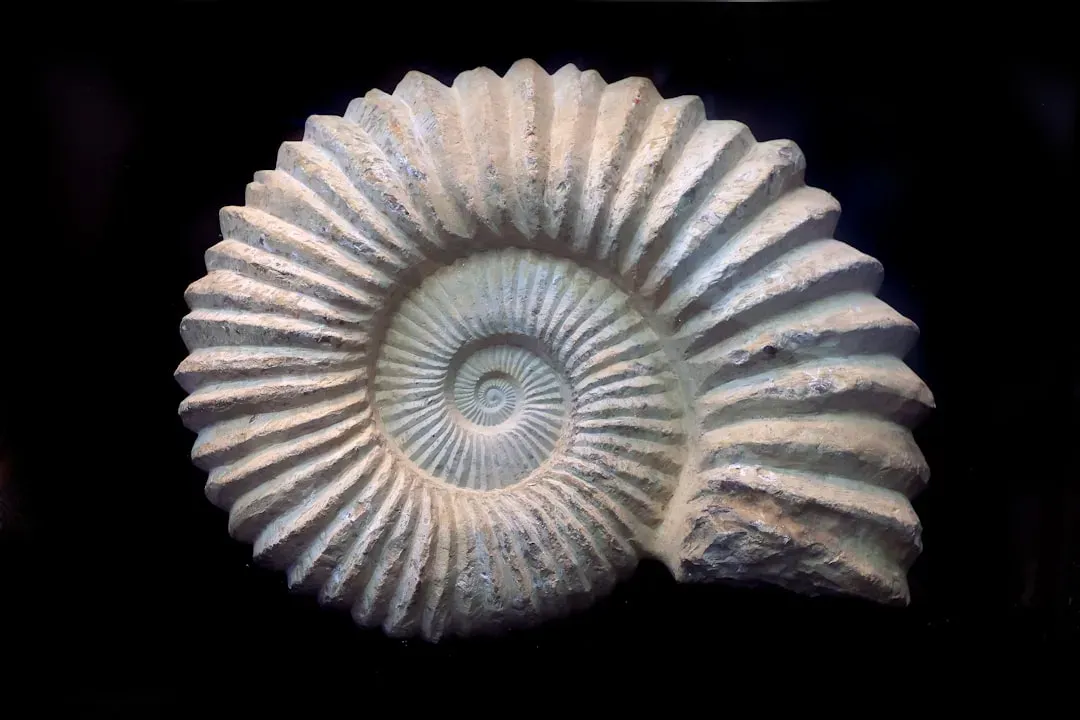
Few creatures are as effortlessly beautiful as the nautilus. Its spiral shell has inspired architects, mathematicians, and Jules Verne alike. With its perfect spiraled shell, divided into chambers, the nautilus has graced Earth’s oceans for over 500 million years. It has survived the rise and fall of dinosaurs, ice ages, and the birth of continents.
Often called the “living fossil of the sea,” the nautilus belongs to the same family as squids and octopuses, yet it retains the ancient traits of its ancestors. Unlike its highly intelligent cousins, the nautilus relies on a simple but effective design: a coiled shell for buoyancy and a crown of up to 90 small tentacles to capture prey.
Here’s the thing – simplicity wins. Its shell allows it to survive deep underwater, controlling buoyancy with gas-filled chambers. This unique adaptation has helped it thrive through countless geological changes. Unfortunately, despite being one of the oldest animal species, it is now in danger of becoming extinct. The nautilus’s unusual and unique shell makes them a prime target for shell collectors.
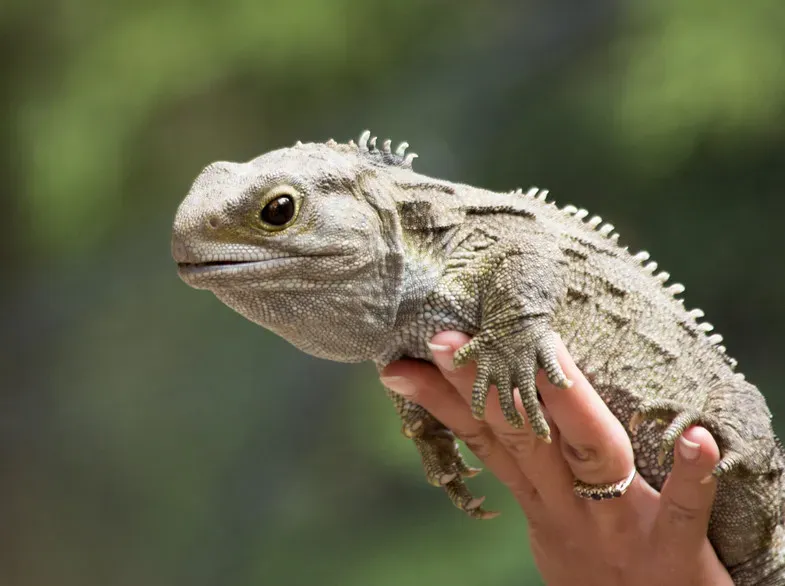
4. The Tuatara: New Zealand’s Living Dinosaur
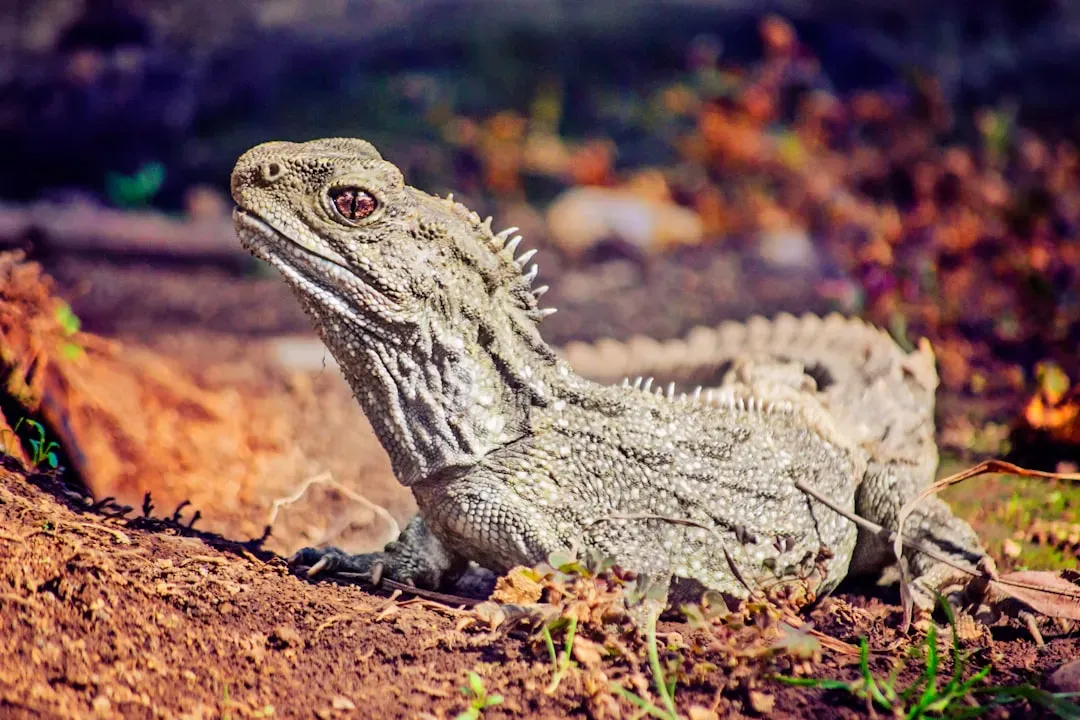
In the cool forests of New Zealand lives a small, unassuming reptile that could easily be mistaken for a lizard. But the tuatara is not a lizard – it is the last surviving member of a lineage that dates back over 240 million years, to the age of dinosaurs. The tuatara is often called a “living fossil” because it represents an entire order of reptiles, the Rhynchocephalia, that once thrived across the world.
What really sets the tuatara apart isn’t just its age – it’s the sheer weirdness of its biology. Unlike any other living reptile, tuataras have a mysterious third eye on top of their heads. This parietal eye has a lens, retina, and nerve connections to the brain, though it becomes covered with scales as they age.
These slow-growing reptiles can live over 100 years and have one of the slowest metabolisms of any animal. Their body temperature can drop to a chilly 41°F (5°C) while remaining active – far colder than any other reptile. Yet, survival for these remarkable creatures is far from guaranteed. The greatest threat to the tuatara are the invasive rat species that have swept through the islands, eating tuatara eggs and youngsters.
5. The Lamprey: A Jawless Nightmare From Deep Time
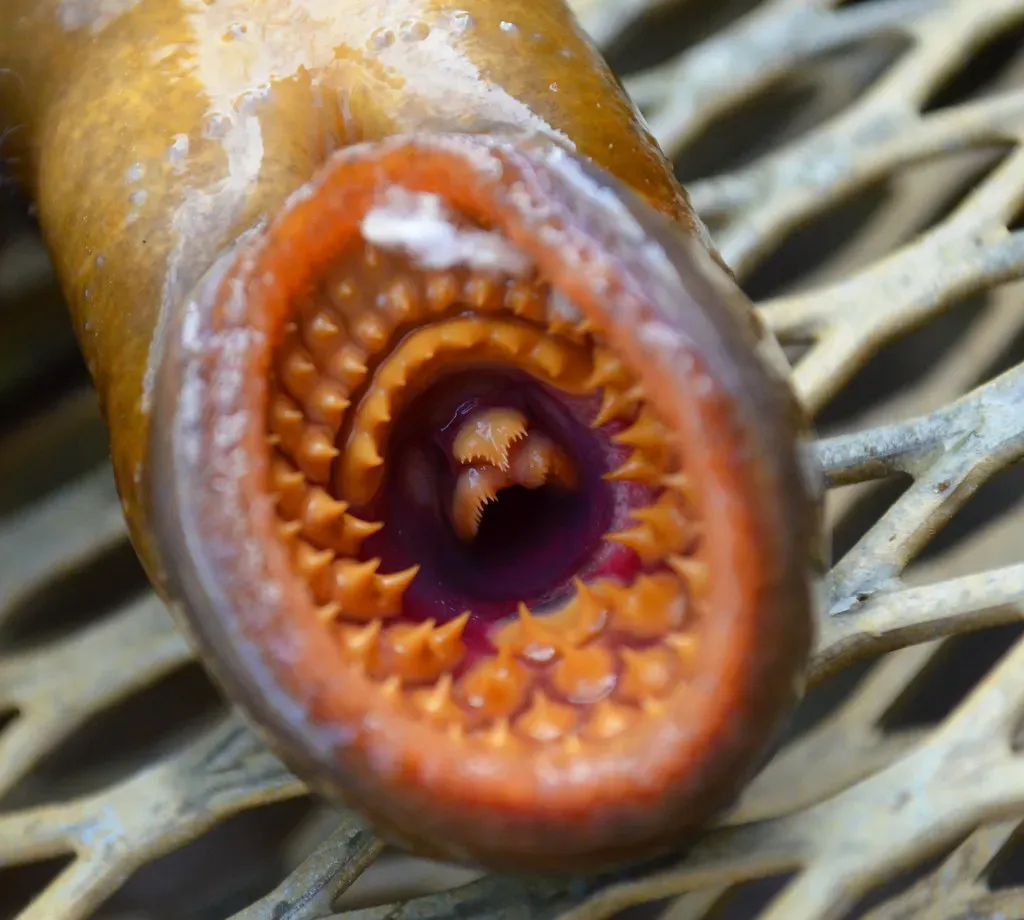
Let’s be real – the lamprey is not going to win any beauty contests. Lampreys are jawless fish that have existed for over 360 million years, predating the age of dinosaurs. Their eel-like bodies and circular, sucker-like mouths make them unique among vertebrates.
Imagine a creature with a circular mouth ringed by teeth, designed purely for latching onto other animals and feeding on their blood. That design has been around since before the first forests existed on this planet. Nearly all vertebrates alive today have jaws, aside from lamprey and hagfish. These slender, eel-like creatures have funnel-shaped mouths that are lined with dozens of tiny, barb-like teeth.
Lampreys inhabit both freshwater and marine environments, where they play specific ecological roles. Unlike most fish, lampreys lack jaws, instead using their mouth to latch onto other fish, acting as parasites. This feeding method has remained effective over millions of years, showcasing their adaptability. Sometimes, perfecting a disgusting strategy is the path to immortality.
6. The Frilled Shark: A Sea Monster That Actually Exists
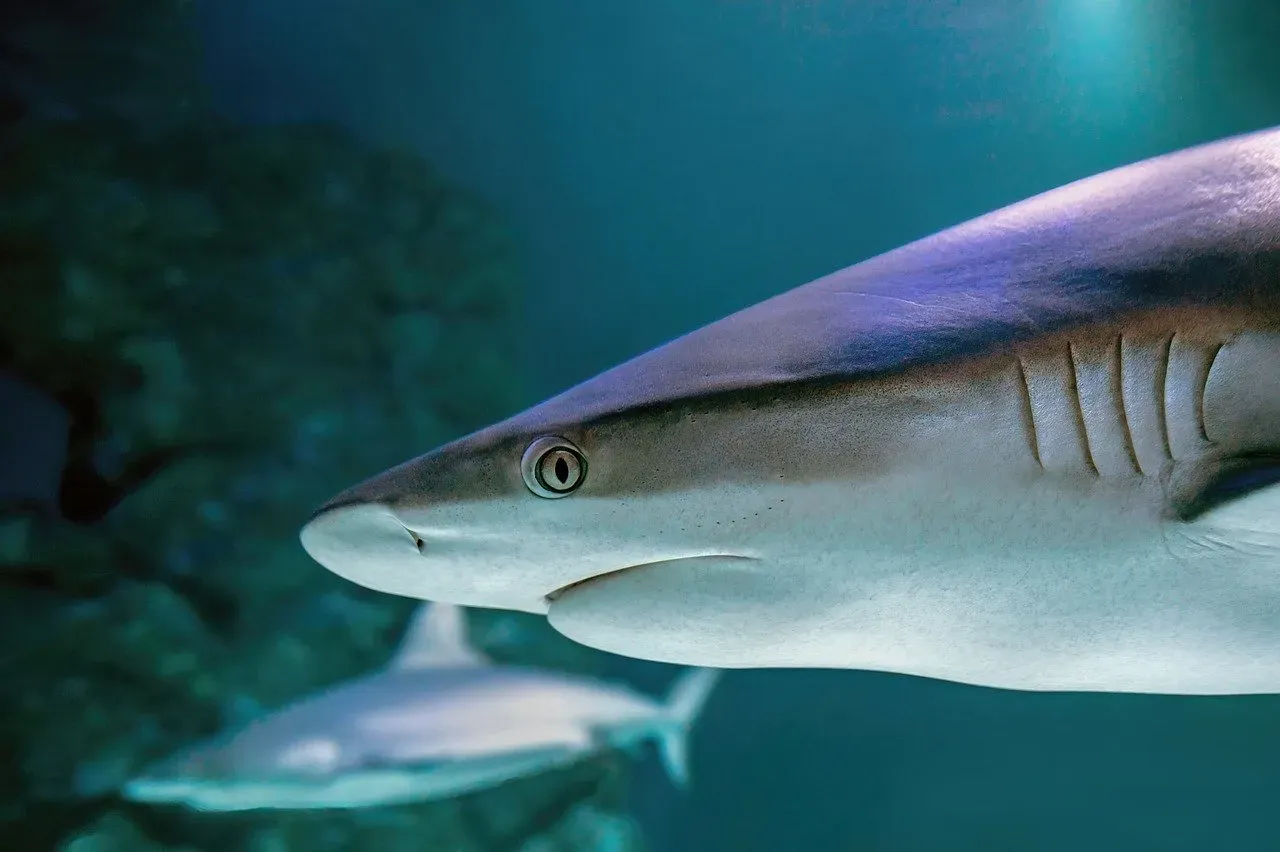
If you have ever wondered where ancient seafarers got their sea monster legends, the frilled shark might be your answer. Looking like something from a sea monster legend, the frilled shark has patrolled deep ocean waters since the time of dinosaurs. With its elongated, eel-like body and 300 trident-shaped teeth arranged in 25 rows, it’s easy to see why sailors might have mistaken glimpses of these creatures for sea serpents. Unlike modern sharks with their streamlined bodies, frilled sharks retain primitive features including an almost straight spine and gill slits that nearly encircle the neck.
The frilled shark inhabits deep waters ranging from 50 to 200 meters in the Atlantic and Pacific Oceans. This ancient shark species dates back at least to the late Cretaceous period, 95 million years ago, and possibly as far as the late Jurassic, 150 million years ago.
Scientists believe they hunt using their flexible jaws to strike like snakes, bending their bodies to create sudden forward momentum to capture prey. It hunts like a snake, looks like a sea dragon, and has barely changed in over a hundred million years. Honestly, I think nature was showing off with this one.
7. The Goblin Shark: The Deep Sea’s Most Unsettling Resident
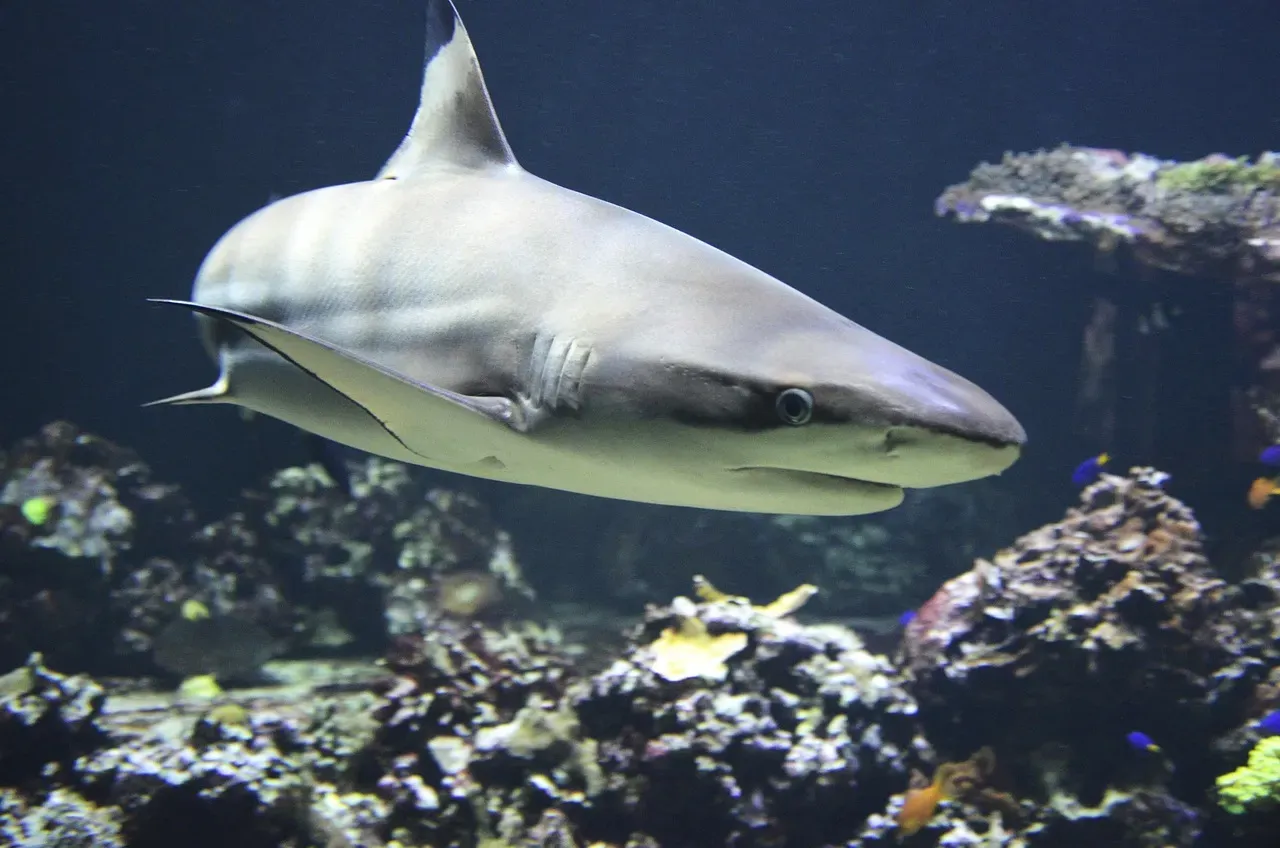
The goblin shark is proof that evolution sometimes prioritizes survival over aesthetics. Found in the Pacific, Atlantic and Indian Oceans, this ancient species first came to existence 125 million years ago. The goblin shark has a couple of unique adaptations that make it a deadly predator, such as a long flat snout which is filled with electroreceptors, enabling it to sense the electrical fields of its prey. It also sports a jaw filled with teeth attached to ligaments; those teeth can extend out of its mouth to grab prey when it bites.
Rarely seen alive, these pink-skinned predators inhabit depths beyond 4,000 feet where sunlight never penetrates. Their soft, flabby bodies and weak muscles suggest they’re ambush predators rather than active hunters. It’s hard to say for sure how the goblin shark has avoided detection for so long, but the pitch-black abyss has a way of hiding secrets.
Characterized by its distinctively long and flat snout, the goblin shark uses this unique appendage as a sensory organ to detect electric fields produced by other sea creatures. This ability is crucial in the pitch-black waters of the deep sea where it lives, often reaching depths of over 3,000 feet. Out of sight, out of extinction’s reach.
8. The Crocodile: A Living Relic of the Archosaur Age
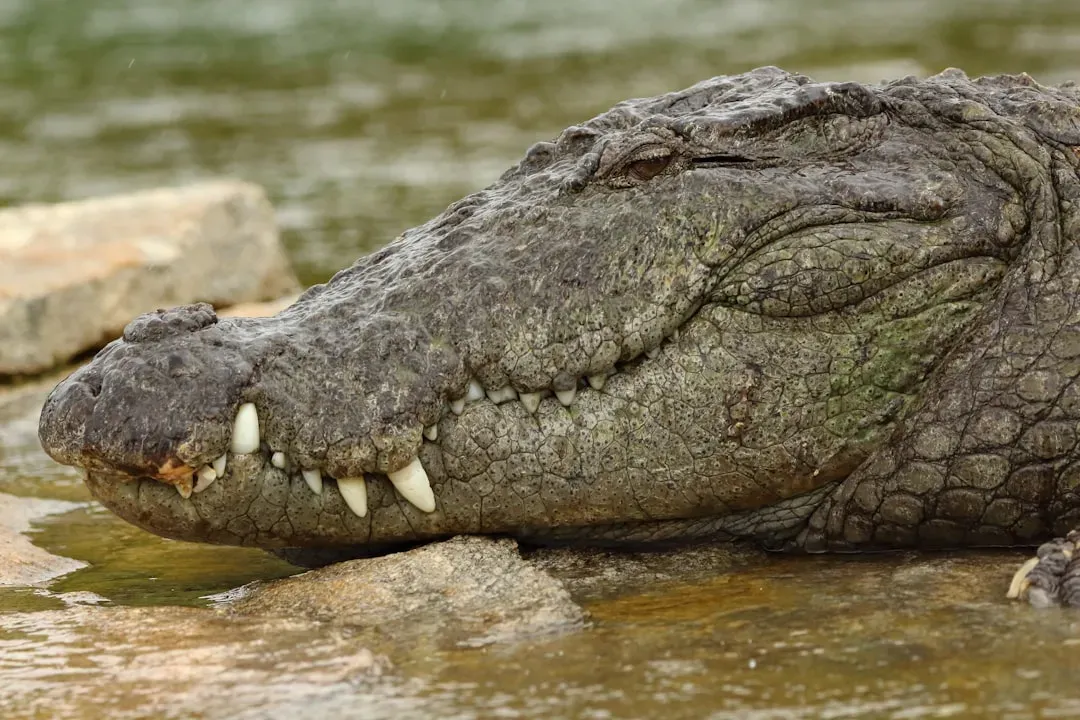
The first crocodiles were from the Triassic period about 240 million years ago. Crocodiles were around before dinosaurs but came from the same crown group, Archosaurs. This group included crocodiles, birds, pterosaurs, and dinosaurs. So the next time you see a crocodile at a zoo, you are technically looking at a distant cousin of the dinosaurs – and something far, far older.
With a grin that hasn’t changed for 200 million years, crocodiles are both fascinating and fearsome. These predators have perfected the art of survival, with adaptive traits that have seen them through dramatic shifts in Earth’s history. Their ambush hunting style, armored skin, and incredible strength make them masters of their domain.
Still, calling them unchanged is a slight oversimplification. Evolution is an ongoing process, and even seemingly unchanged species are constantly adapting to their environments – albeit in sometimes nearly invisible ways. The saltwater crocodile has the strongest bite force of any living animal – 3,700 pounds per square inch. That’s a survival feature hard to argue with.
9. The Sturgeon: A River Giant Facing a Modern Threat
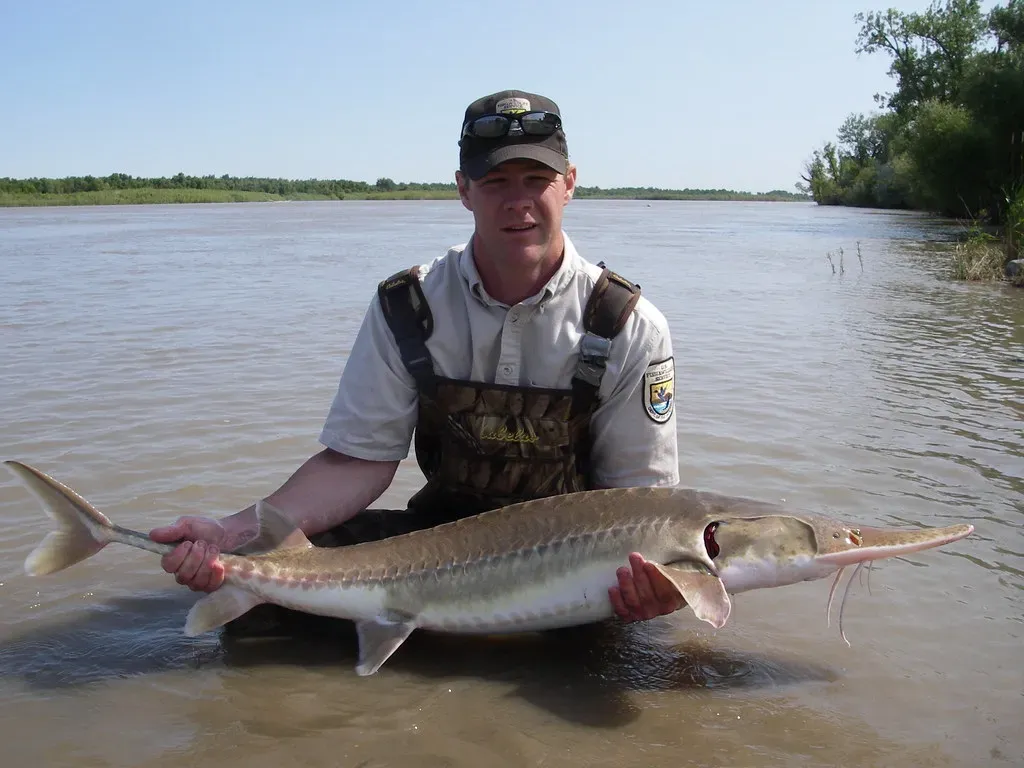
Often referred to as “living dinosaurs,” sturgeon are a blend of elegance and endurance, existing for about 200 million years. These ancient fish boast a distinctive, armored appearance with bony plates along their bodies. Sturgeons are river giants, known for their long migrations and prized caviar.
Sturgeons are massive prehistoric fish that can reach 1,500 pounds and 20 feet long. Their armored bodies and bottom-feeding lifestyle have kept them around since the Jurassic period, but human exploitation for caviar threatens their survival. It is a cruel irony – a fish that survived every mass extinction on record is now threatened by human appetite for luxury food.
Due to their long reproductive cycles, sensitivity to environmental conditions, water pollution, overfishing, and poaching, the sturgeon population is noticeably declining, especially since the demand for caviar is on the rise. According to the International Union for Conservation of Nature, 85% of sturgeon species are at risk of extinction. Two hundred million years of survival, undone in decades. That should make all of us uncomfortable.
10. The Velvet Worm: The Quiet Champion of Longevity
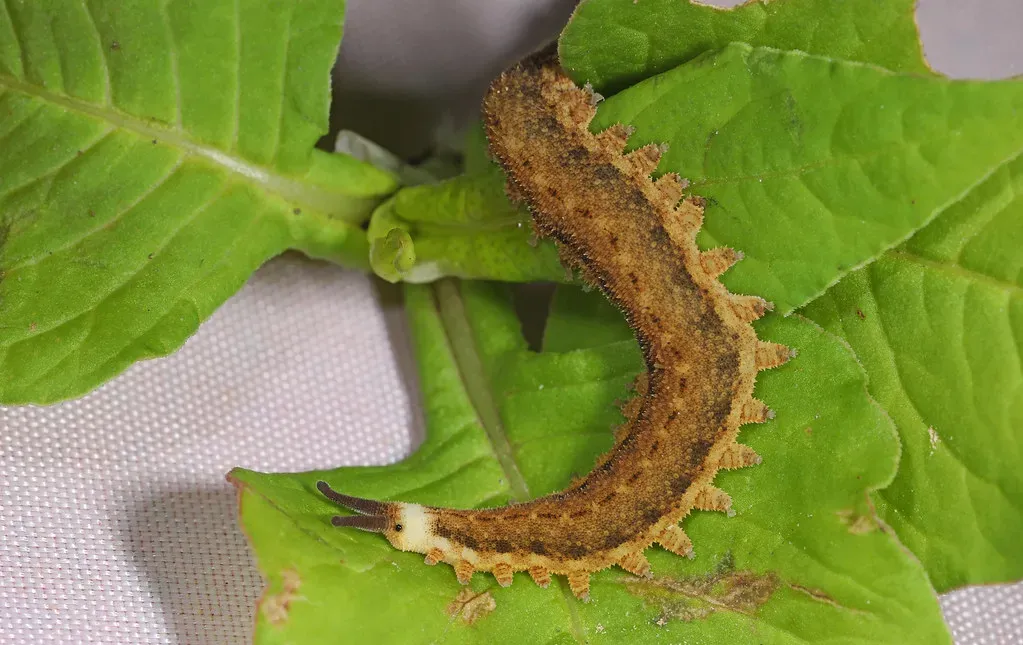
You’ve probably never heard of the velvet worm. That’s kind of the point. Velvet worms, or onychophorans, have been around for over 500 million years, straddling the line between worms and arthropods. They live in damp forest floors, hunting with adhesive slime. These creatures move using numerous small legs, gliding through their environment with ease.
Velvet worms have a lineage that traces back over 500 million years and date back to the Cambrian period. These small, caterpillar-like prehistoric animals are known for using slime to capture prey. They embody ancient survival strategies still effective in today’s ecosystems.
Think of them like the planet’s most quietly competent employee – no drama, no fanfare, no evolutionary complaints. Just show up, shoot slime at something, eat it, repeat for half a billion years. Despite their rarity, they’ve maintained a quiet presence in hidden nooks of the ecosystem. Velvet worms remind us of the slow, steady march of time, where simplicity and specialization coalesce into enduring success stories.
11. The Jellyfish: Brainless, Boneless, and Basically Immortal
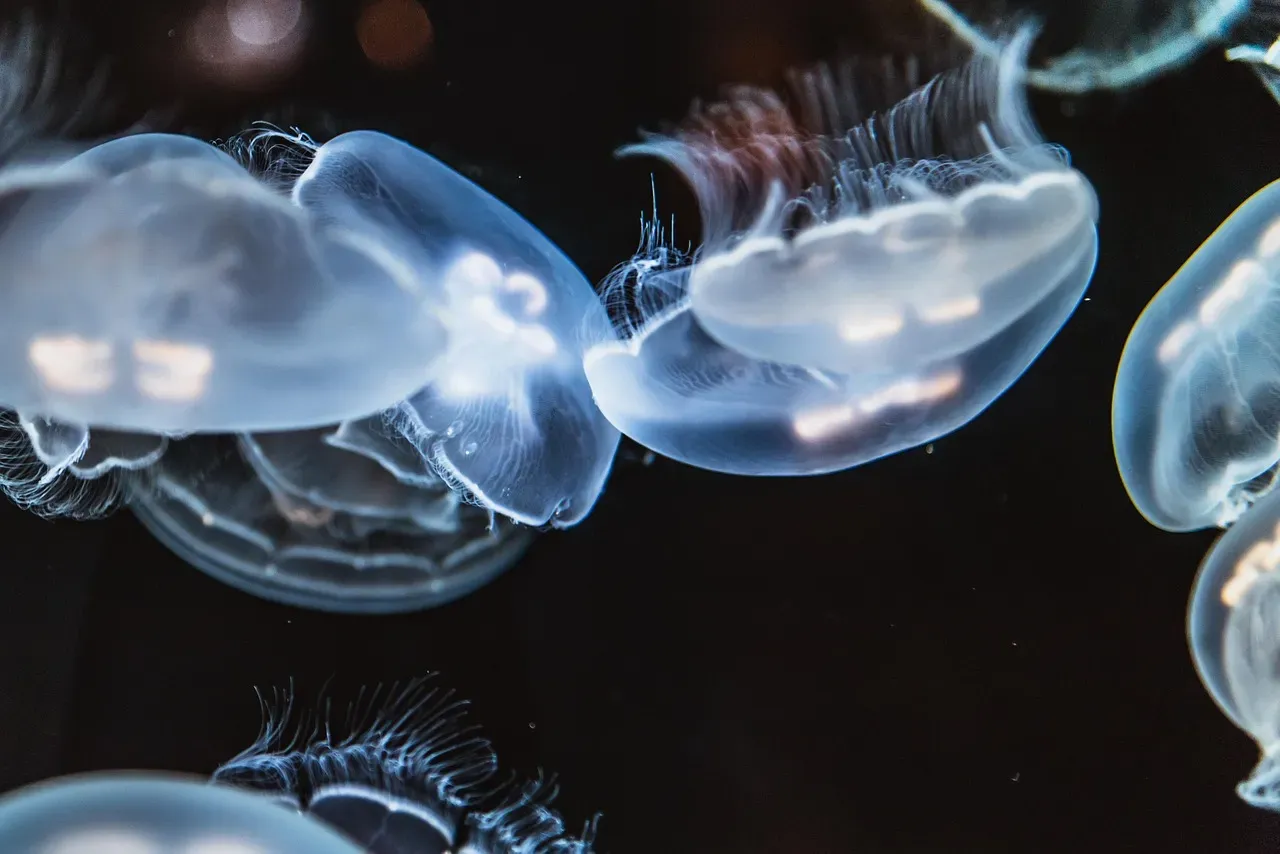
Graceful, translucent, and otherworldly, jellyfish are among the oldest multicellular organisms still alive today. Their lineage stretches back more than 500 million years, predating sharks, trees, and even flowers. Jellyfish have no brains, bones, or blood, yet they thrive in every ocean on Earth.
No brain. No bones. Half a billion years of thriving. If that’s not humbling, I’m not sure what is. Their secret is radical simplicity – built for function, stripped of everything unnecessary. Powered by pulsating bells and trailing tentacles, they float through the seas like living ghosts of the Cambrian era. Among them exists perhaps the most extraordinary organism of all – the Turritopsis dohrnii, also known as the “immortal jellyfish.” When threatened by disease or old age, it can revert its cells to a younger state, starting its life cycle anew. Biologically speaking, it can live forever.
That’s right – one species of jellyfish may technically be biologically immortal. Evolution’s most extreme experiment isn’t a giant predator or an armored tank. It’s a translucent, thumb-sized creature pulsing silently through the ocean. These prehistoric animals serve as time capsules of the past, offering valuable insights into evolution, adaptation, and survival. Their continued existence is a testament to the resilience of life on Earth.
Conclusion: Time Has No Power Over These Survivors
What unites all eleven of these extraordinary creatures is something science struggles to fully explain. The term “living fossil” is often used to describe an organism that has, at least superficially, remained unchanged for millions of years. While there aren’t any individual species alive today that also lived hundreds of millions of years ago, there are several groups of organisms that look a lot like their ancestors.
Their survival is not luck. It’s something more elegant – finding a design so efficient, so perfectly suited to the environment, that change becomes unnecessary. Like a song that never needed a remix.
The tragedy, of course, is that many of these survivors now face threats they were never designed to handle: habitat loss, overfishing, pollution, and climate change. Creatures that outlasted asteroid impacts and ice ages are now vulnerable to us. That’s a responsibility we should take seriously. Which one of these ancient survivors surprised you the most?

- 16 Wild Animals Sanctuary Workers Say Choose One Human Early and Never Once Change Their Mind - August 8, 2026
- 18 Animals That Bond So Completely With One Person They Never Truly Settle With Anyone Else Again - August 8, 2026
- 17 Gentle Things an Ageing Horse Does in Its Final Season That Owners Understand Far Too Late - August 8, 2026