
Worried about unexpected vet bills?
Pet insurance can cover thousands in unexpected vet costs. Get a free quote from Lemonade in under 2 minutes.
Get My Free Quote →Sponsored · Opens Lemonade.com
Most people hear the word “wolverine” and immediately picture Hugh Jackman with metal claws and a scowl. Understandable, honestly. The Marvel superhero has done an incredible job dominating the pop culture landscape. The real wolverine, though? It might actually be more impressive.
This animal is one of nature’s most bizarre, misunderstood, and frankly jaw-dropping creatures. Small in stature, enormous in attitude, and designed by evolution to thrive where almost nothing else can. Before you write it off as just a glorified weasel, let’s dive in and see what the real wolverine is truly made of.
It Is the World’s Largest Land-Dwelling Weasel
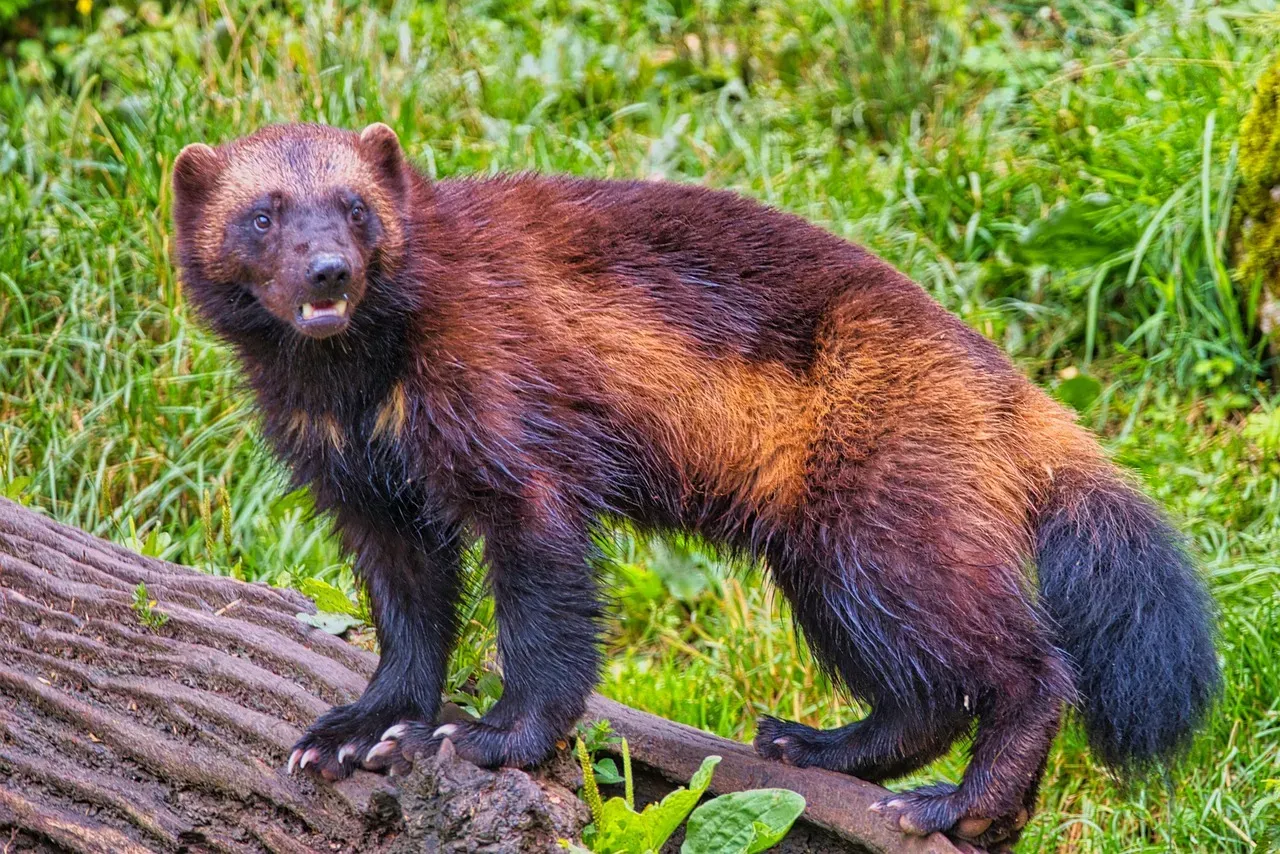
Here’s the thing most people get completely wrong. Despite the misleading name, wolverines are not related to wolves at all. They belong to the Mustelidae family, also known as the weasel family, relatives of weasels, otters, badgers, and ferrets.
Wolverines are the largest land-dwelling members of this family. Think about that for a second. The most ferocious, bulldozing animal in the entire weasel family. It’s a bit like being the toughest kid in a school full of tough kids.
With brownish-black colorations, long claws and teeth, and a formidable reputation, the wolverine walks around with the swagger of a flattened bear. However, this animal is actually a weasel. You’d never guess it just from looking at one.
Its Scientific Name Literally Means “Glutton”
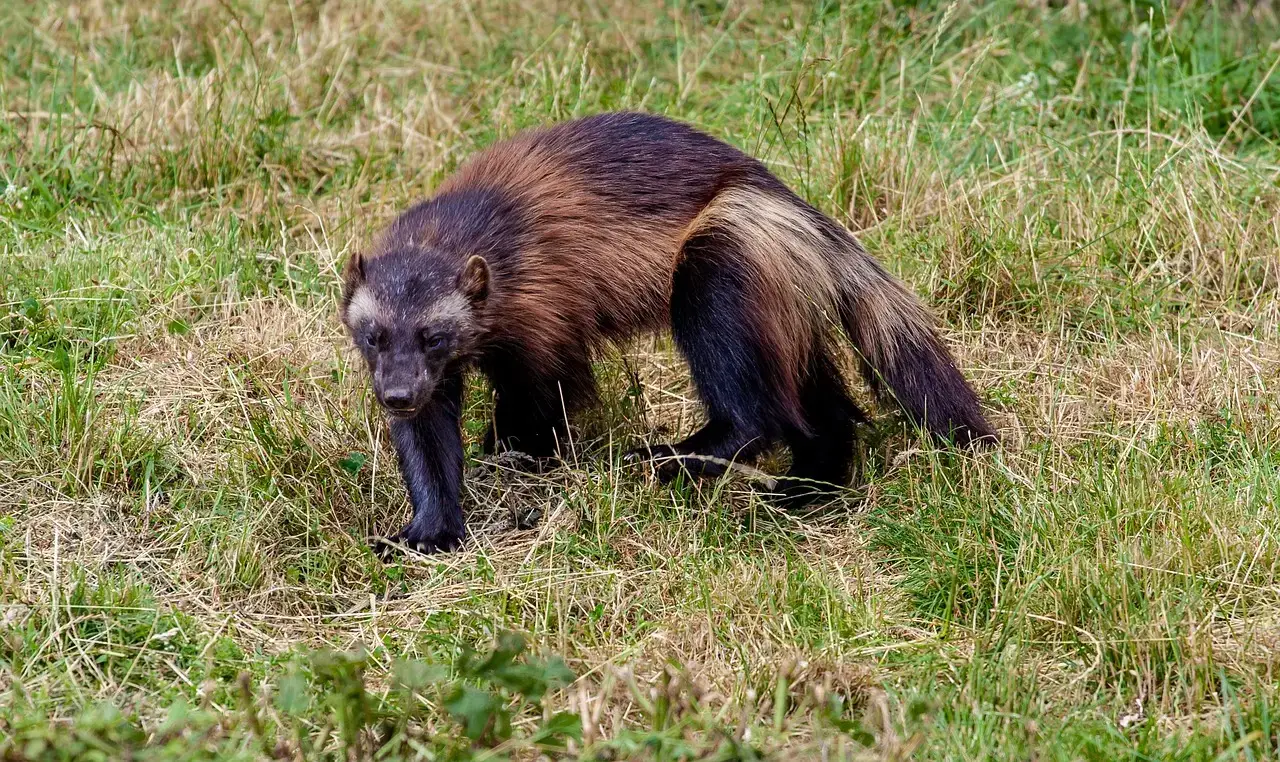
The wolverine is also sometimes called “the glutton,” which is what Gulo translates into from Latin. This is likely because wolverines live in vast territories where food is scarce. So, when one finds something edible, the wolverine will eat as much as possible, returning to a carcass many times until it’s been picked clean.
Honestly, I find that both hilarious and weirdly relatable. Because of their viciousness, aggressive attitude and voracious appetite, wolverines have earned their nickname “The Glutton.” Nature gave this creature a name that is essentially both a scientific title and a personal insult at the same time.
In French-speaking parts of Canada, the wolverine is referred to as carcajou, borrowed from the Innu-aimun or Montagnais language. So across the world, cultures have found multiple creative ways to describe this animal’s legendary appetite. That’s consistency.
They Can Smell Prey Buried Under 20 Feet of Snow
If there is one wolverine superpower that truly feels unreal, it’s the nose. Wolverines can smell prey even when it’s buried under 20 feet of snow, and have been known to find and kill hibernating animals. Twenty feet. That’s roughly the height of a two-story building, in solid frozen snow.
Their eyesight and hearing are not especially good, but they have an outstanding sense of smell. They’ve got a really good nose, and can smell food over long distances or buried well under the snow.
Imagine being a hibernating rodent, tucked away deep underground, completely hidden in frozen darkness, and still a wolverine finds you. Nature can be brutal and this little beast is proof of that.
A Single Wolverine Can Cover Staggering Distances in One Day
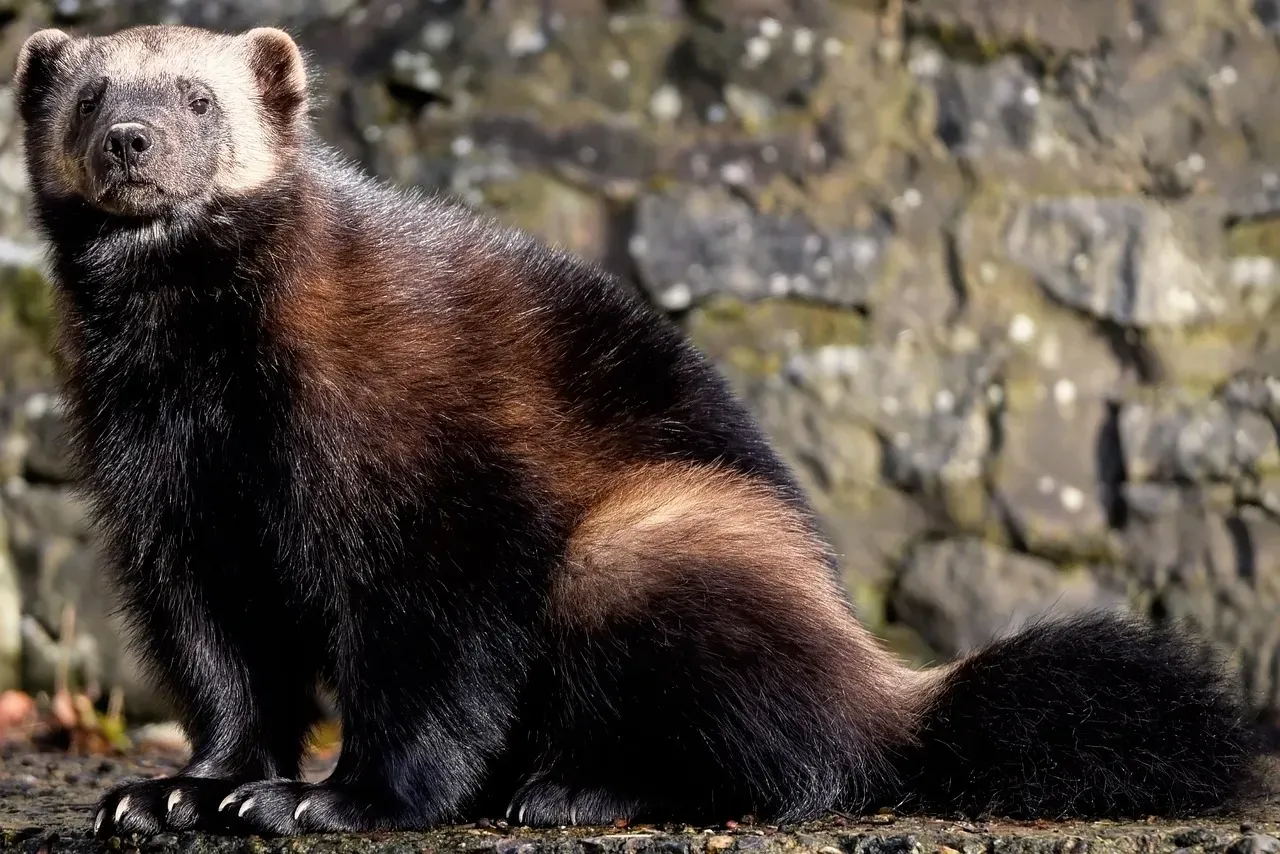
It is true that wolverines are very strong for their size and have incredible stamina. A wolverine can cover 30 miles in a night, working a circuit in search of food. They will den up and rest for brief periods, and then get back on the move.
That ability to travel through incredibly rugged mountainous terrain is not exaggerated. GPS tracking research has confirmed this in stunning detail. Wolverines require vast home ranges to find food. Males often patrol areas of over 1,000 square kilometers. Some individuals have been tracked traveling more than 30 km in a single day. Their stamina and navigation abilities make them true wanderers of the wild.
For an animal roughly the size of a medium dog, that is an almost insane level of endurance. It would be like a golden retriever running multiple back-to-back marathons across an icy mountain range. Every single night.
Their Fur Is Naturally Frost-Proof
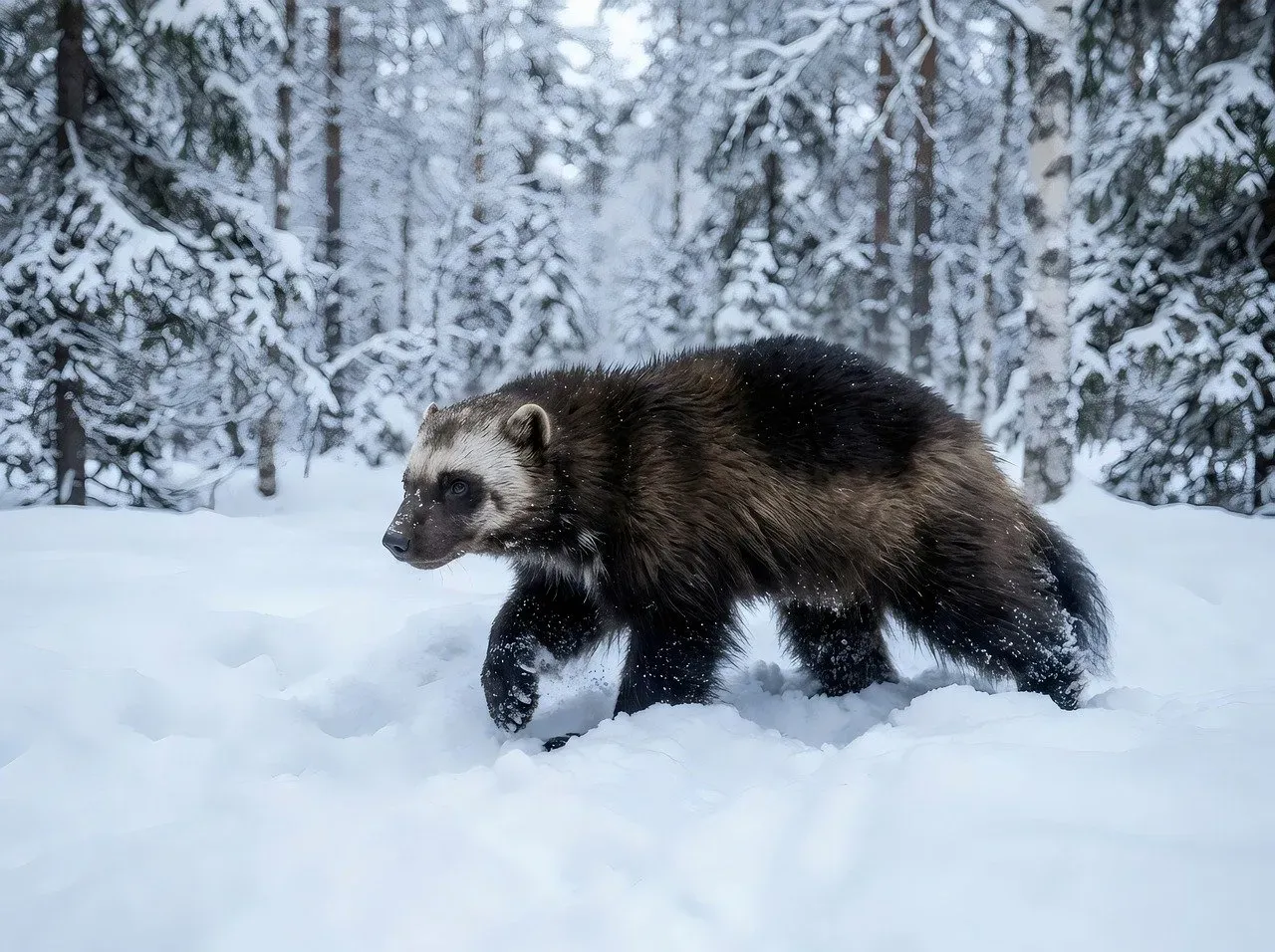
Wolverines have thick, dark, oily fur which is highly hydrophobic, making it resistant to frost. This has led to its traditional popularity among hunters and trappers as a lining in jackets and parkas in Arctic conditions.
Its fur is valued as trimming for parkas because frost and frozen breath can easily be brushed off the smooth hairs. Indigenous and Arctic communities have known this for centuries. The wolverine’s coat is essentially a biological version of the most advanced waterproof fabric you can imagine.
Adapted for extreme weather, the wolverine animal species has a thick body, short legs, frost-resistant fur, and large paws that work like snowshoes. These features allow wolverines to move quickly across snowy terrain. They thrive in boreal forests and alpine regions across North America, Europe, and Asia. Evolution really did not hold back when designing this animal.
They Have a Rotating Molar That Can Rip Through Frozen Meat
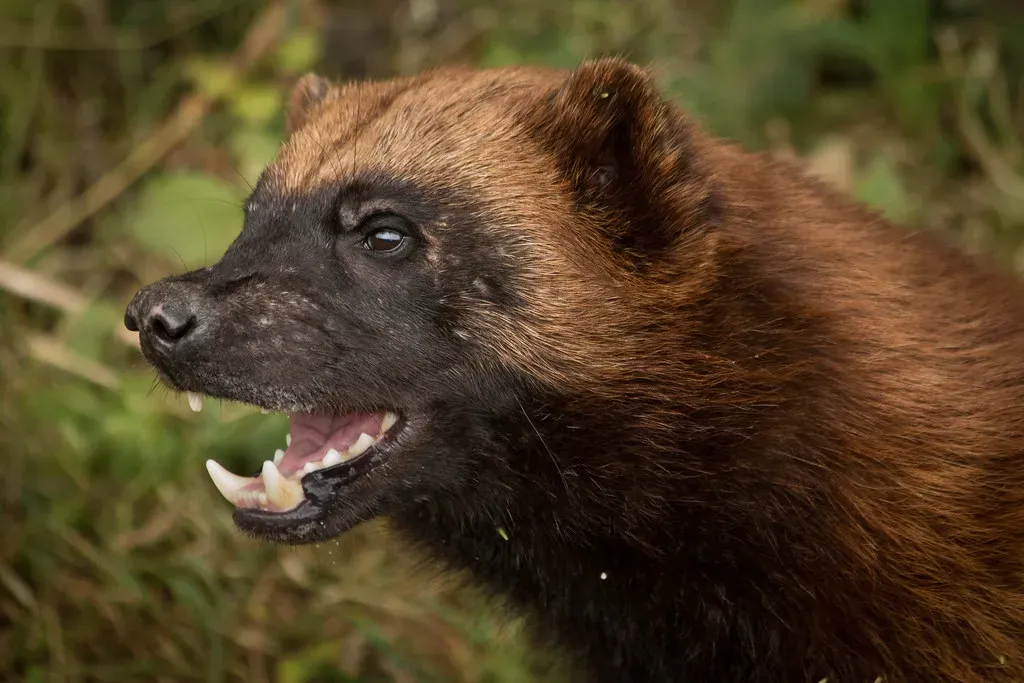
This one is genuinely wild. An upper molar that sits sideways at 90 degrees lets wolverines rip into ice-covered carcasses. Their teeth are so sharp and strong that they can even eat bones.
They have a special upper molar at the back of their mouths that is rotated 90 degrees, which helps them tear meat from prey or carrion that has been frozen solid. A rotating molar. In a weasel. That might be one of the most bizarrely brilliant anatomical tricks in the entire animal kingdom.
Wolverines have strong jaws and can crush bones with their bite, allowing them to access marrow, which is an important food source during scarce winter months. While other predators are starving in a blizzard, the wolverine is calmly cracking open frozen bones like it’s enjoying a fine meal. Incredible.
They Are Ferociously Territorial Despite Their Small Size
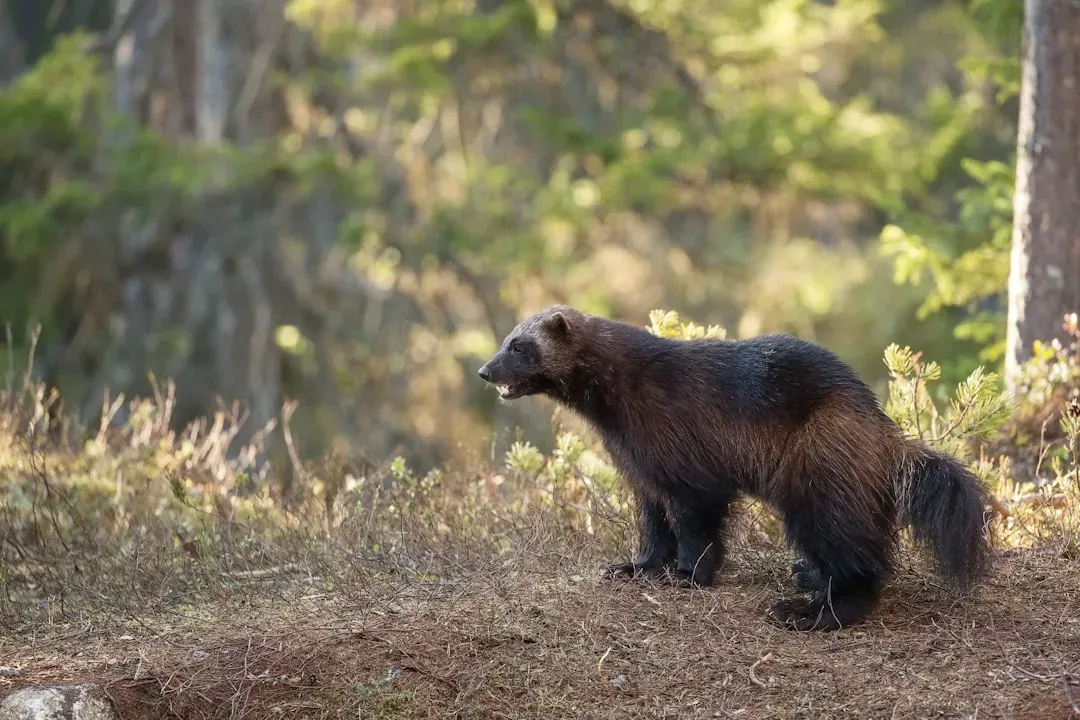
The wolverine is noted for its strength, cunning, fearlessness, and voracity, and the species is renowned for its ability to face down and fight larger predators that are more than twice its size. Let that sink in. An animal that weighs roughly 40 pounds standing down creatures that could theoretically swallow it whole.
With a weight ranging between 25 to 45 pounds, wolverines have no problem chasing much larger predators such as bears, mountain lions and wolves off their kills. The bears, mountain lions and wolves know that tangling with a wolverine’s teeth, claws, and vicious demeanour is not worth the trouble, so they usually give up their carcass to the intruder.
One of the reasons wolverines are seldom seen in the wild is due to their solitary nature. Individual animals establish territories they will vigorously defend against intruders. They don’t just defend their space. They own it, completely and without compromise.
They Use a Skunk-Like Chemical Weapon to Mark Territory
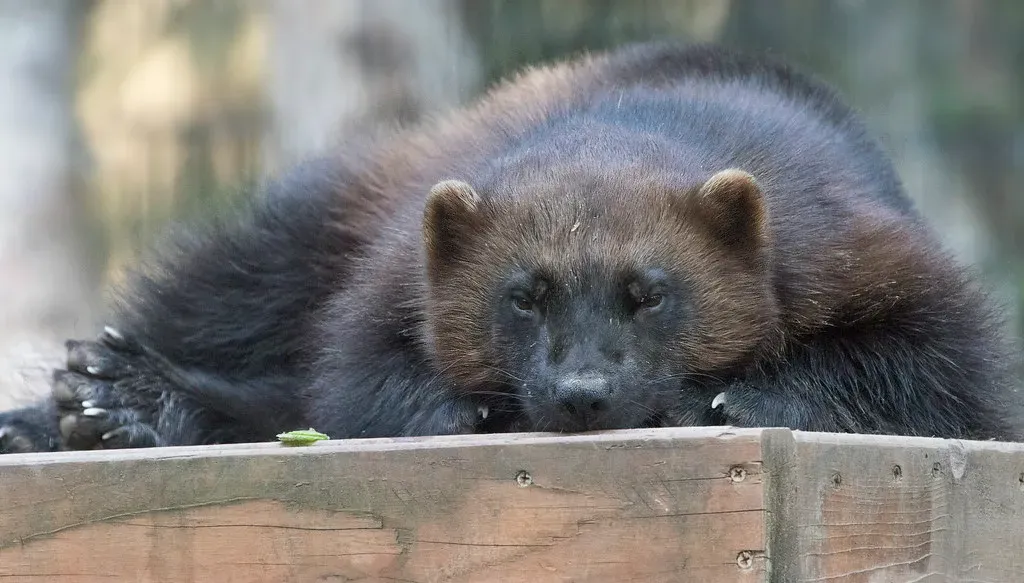
It is hard to say for sure which nickname fits the wolverine best, but “skunk bear” is genuinely well-earned. The stench comes from special anal glands that allow the animals to emit an offensive odor that protects their food and marks their territory, and they’ll also use it when threatened, raising their tails like skunks.
The fragrant odor has traces of methylbutanoic acid, methyldecanoic acid, and phenylacetic acid, and has a composition similar to those of pine and beech martens. So it’s not just a simple stink. It’s a chemically complex, scientifically fascinating stink.
Like many other mustelids, it has potent anal scent glands used for marking territory and sexual signaling. The pungent odor has given rise to the nicknames “skunk bear” and “nasty cat.” Two nicknames born purely from the power of one smell. That is a legacy.
Female Wolverines Dig Snow Dens Up to 15 Feet Deep to Raise Their Young
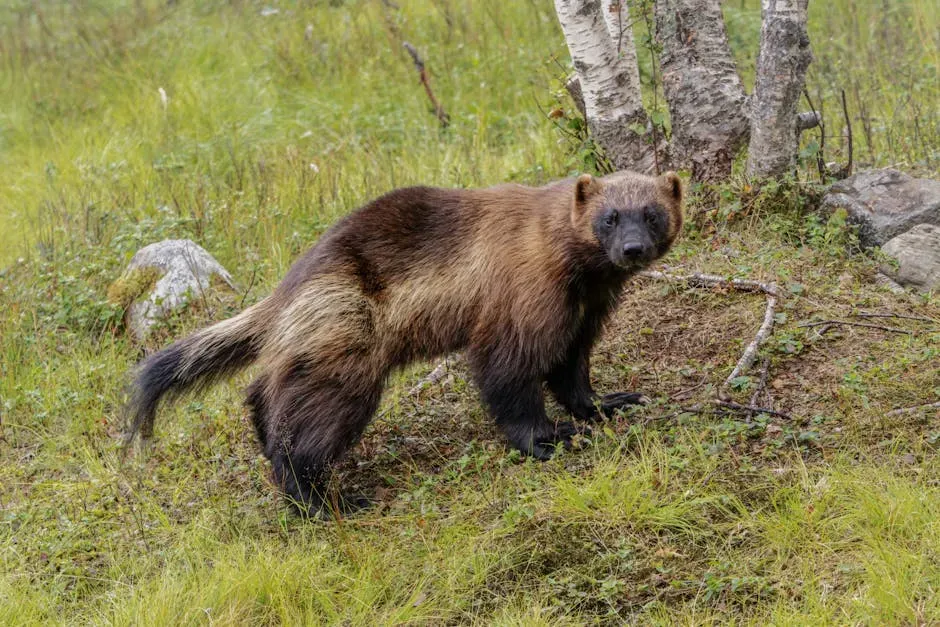
Wolverines use their non-retractable claws not just to bury food, but also to build dens; females dig as deep as 15 feet into snow to create burrows for their young. That is an extraordinary feat of digging for an animal this size. It is the wilderness equivalent of building a fortress.
Data on wolverine denning habits in Alaska indicate that in Interior and northern Alaska most young are born in snow caves. These caves usually consist of one or two tunnels that can be up to 60 yards long. Sixty yards. For perspective, that’s over half the length of a football field dug through solid packed snow.
Wolverine kits are born blind and weigh less than 1 pound. They develop rapidly and are weaned at about 9 to 10 weeks of age. Born blind, less than a pound, inside a frozen tunnel in the Arctic. Somehow they grow up to become one of nature’s most fearless predators. If that isn’t the ultimate underdog story, nothing is.
Climate Change Is Quietly Threatening Their Entire Existence
Female wolverines burrow into snow in February to create a den, which is used until weaning in mid-May. Areas inhabited nonseasonally by wolverines are thus restricted to zones with late-spring snowmelts. This fact has led to concern that global warming will shrink the ranges of wolverine populations.
Once hunted nearly to extinction for their fur, wolverines in the lower 48 states now face threats from habitat fragmentation and climate change. In November 2023, they were added to the U.S. Endangered Species List, and their populations are decreasing worldwide. A creature this extraordinary, facing a threat this silent and gradual.
Perhaps the single greatest threat to wolverines now comes from the mere presence of humans. Females with kits are easily disturbed, and as people push farther into wild spaces, with logging roads and snowmobiles, the wolverines retreat. With an already low reproductive rate, scientists worry that if we don’t protect female wolverines from human disturbance, they’ll give birth to fewer new wolverines. The toughest animal on the mountain may ultimately be undone not by claws or cold, but by us.
Conclusion: The Real Wolverine Is More Remarkable Than Any Comic Book
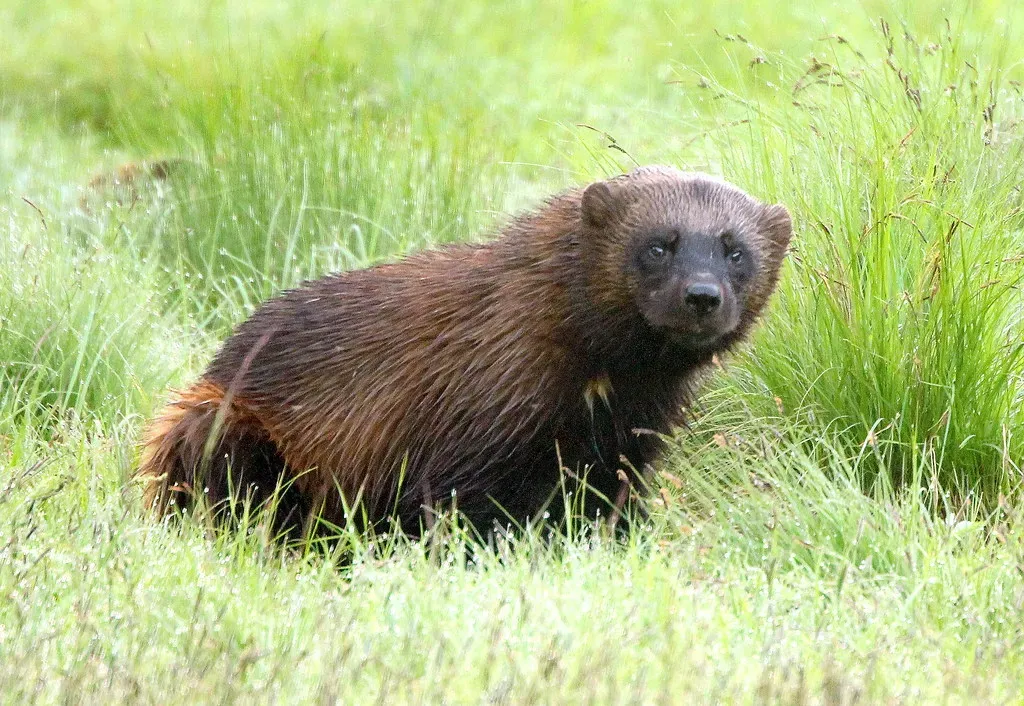
There is something deeply humbling about learning the truth behind an animal that most of us only know as a fictional character. The real wolverine is, in every honest sense, more astonishing than any superhero version. It smells your dinner through frozen ground, digs half a football field through solid snow, travels marathon distances every night, and stares down grizzly bears without blinking.
I think what strikes me most is how little attention this animal gets compared to wolves, bears, or big cats. It does not have the glamour. It has something better: quiet, relentless, almost stubborn toughness. The kind that doesn’t ask for applause.
Yet despite all of it, this remarkable creature is under threat right now. The irony of nature’s most indestructible land animal being gradually erased by habitat loss and melting snow is not lost. It’s a story worth knowing, worth sharing, and worth caring about.
So the next time someone mentions Wolverine, maybe think of the real one first. Did you expect the actual animal to be this extraordinary?
Worried about unexpected vet bills?
Pet insurance can cover thousands in unexpected vet costs. Get a free quote from Lemonade in under 2 minutes.
Get My Free Quote →Sponsored · Opens Lemonade.com

- 13 Things You’ll Only Understand About Your Dog Differently After They’re Gone - June 11, 2026
- 13 Horse Breeds Rescue Centers Say Are Breaking Their Hearts to Take In Because Nobody Wants Them - June 11, 2026
- 16 Ways Dogs Show They Still Know You on the Days It Seems Like They Don’t Remember - June 11, 2026