
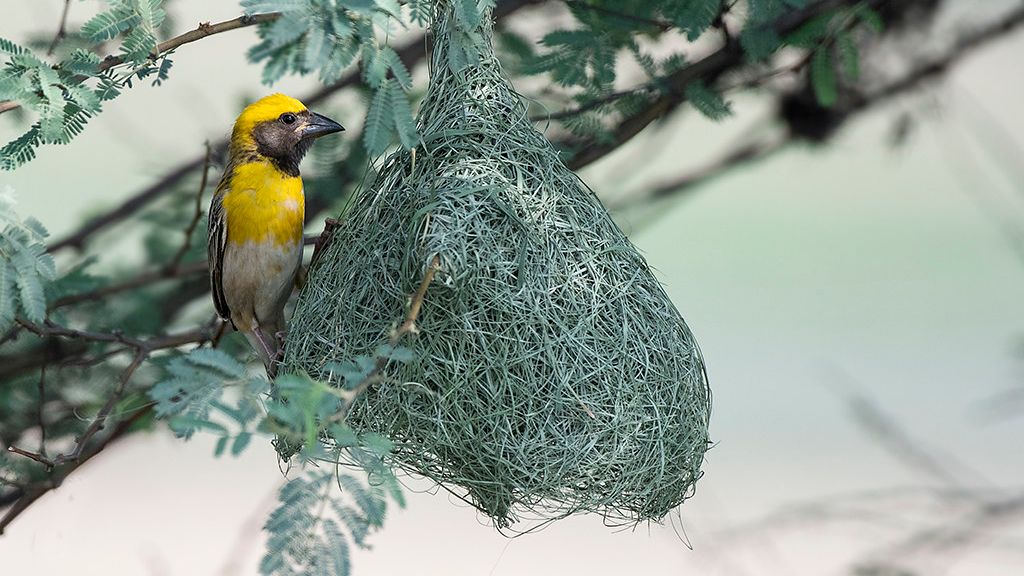
Most people picture a bird’s nest as a tidy bundle of twigs wedged into a tree fork. It’s the image that shows up in every children’s book and on every greeting card. The reality is far more surprising. Across the world, birds have evolved building strategies so inventive, so structurally sophisticated, that they make a simple twig cup look almost laughably plain.
From simple scrapes on the ground and piles of sticks floating on water, to intricately woven chambers hanging in trees, the diversity of nest designs reflects the extraordinary range of strategies birds have developed to optimize their reproductive success. What’s striking is how precisely each design matches the demands of a specific environment. These aren’t arbitrary structures. They are the product of millions of years of pressure, trial, and refinement.
Sociable Weaver: The Apartment Block Architect
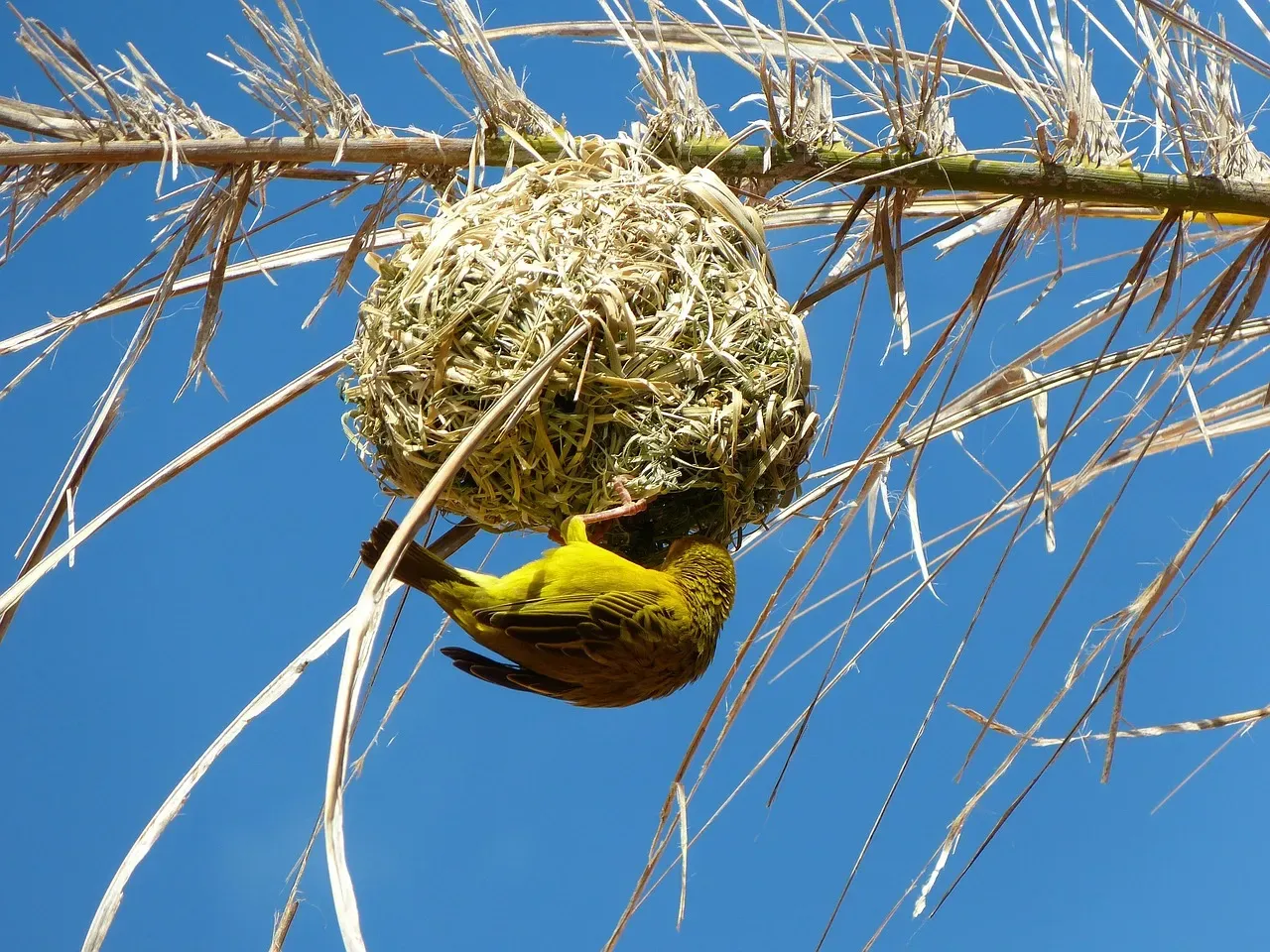
Few birds anywhere on earth build at this scale. Think of the sociable weaver’s creation less like a conventional nest and more like an apartment block. Each structure contains hundreds of individual chambers, which are each home to a single pair of birds and their brood, constructed in trees and sometimes around telegraph poles, reaching up to six metres across.
The communal homes that sociable weavers build help them escape extreme temperatures that range from scorching summer highs to well below freezing during winter. They take their architectural skills seriously, building complex multigenerational homes over twenty feet tall and ten feet wide.
With new material continuously added to old, the enormous structures can weigh up to a thousand kilograms, which earns the sociable weaver the title of builder of the heaviest bird nest in the world. What’s even more impressive is that these nests last for decades and are used by many generations of birds, with other species like finches, lovebirds, and even falcons taking refuge there after the breeding season.
Baya Weaver: The 500-Trip Nest Builder
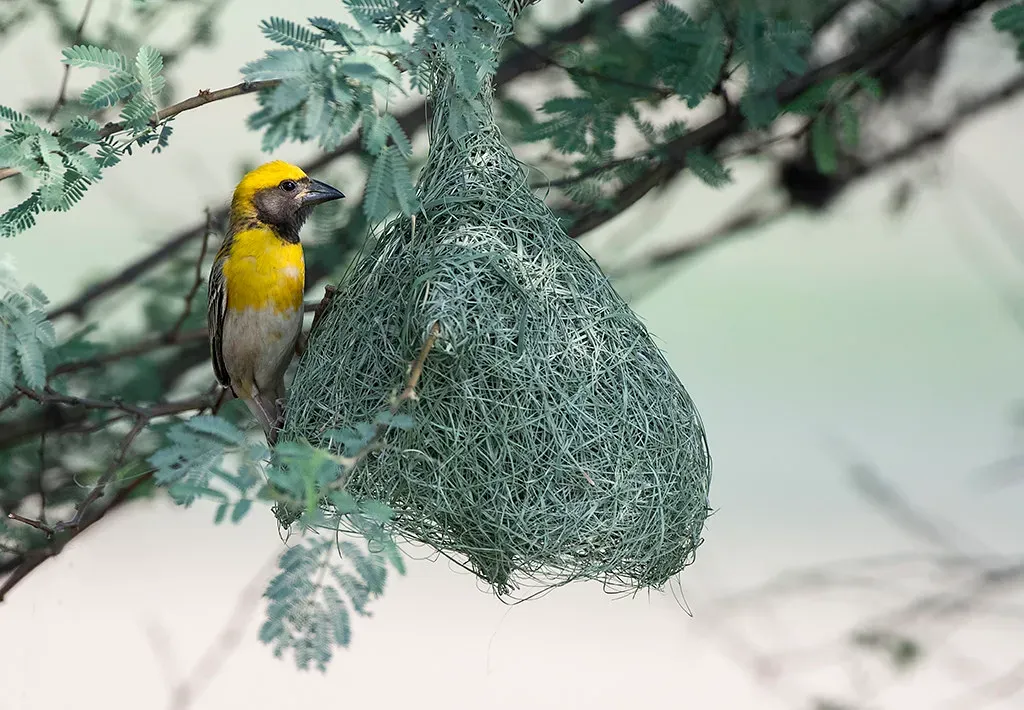
The Baya Weaver is native to South and Southeast Asia and is best known for its remarkable nesting skills, living in grasslands, cultivated fields, and shrublands, usually near freshwater or brackish water. What the male does during breeding season is nothing short of extraordinary.
The male weaves each nest using long strips of grass and palm fronds, working with great precision using its beak and feet. Building one nest takes around eighteen days and more than five hundred trips to collect materials. The nests hang from thin branches, often over water, and include long entrance tubes that help deter predators.
Male birds build multiple nests each season, and females carefully inspect them before choosing one for breeding, turning nest-building into a form of courtship. It’s a rigorous selection process. A poorly built nest simply doesn’t get chosen.
Edible-Nest Swiftlet: Building with Saliva
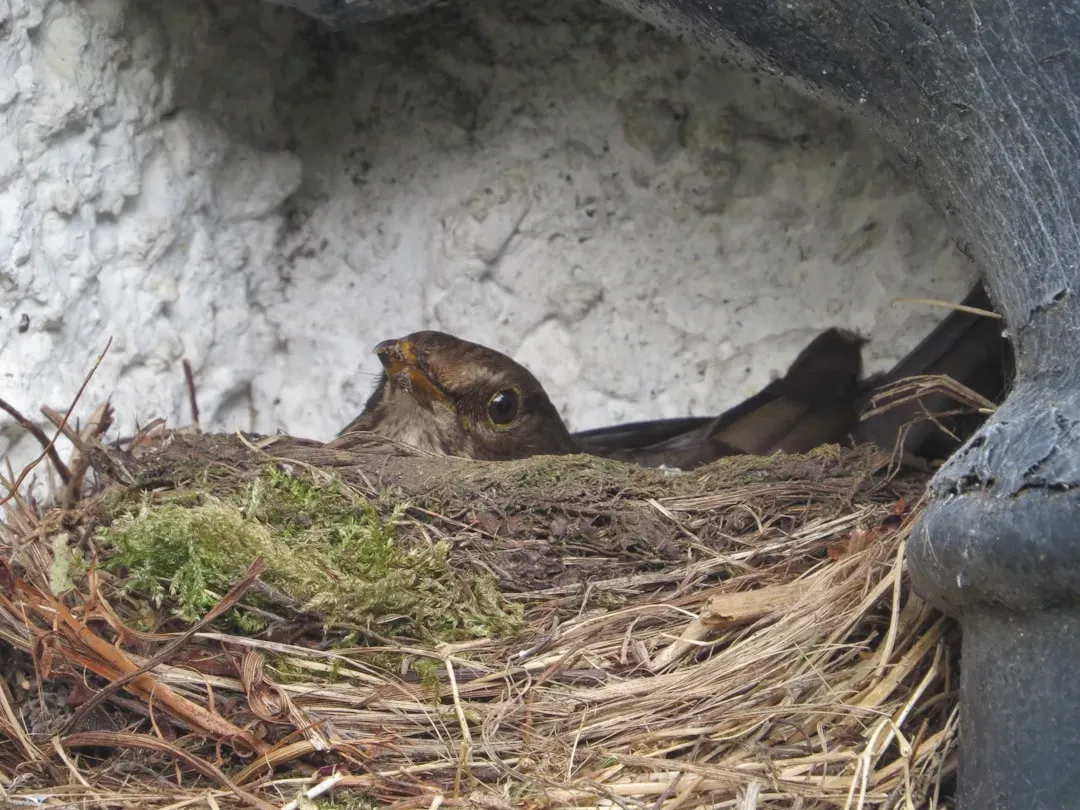
This bird builds one of the most unusual nests in the animal world. Instead of using twigs or grass, it constructs its nest entirely from hardened saliva. The bird makes thousands of trips, layering saliva bit by bit until a pale, half-cup-shaped nest forms.
These nests are attached to cave walls, cliffs, or crevices and are built in near-total darkness. To move around safely, the birds use echolocation. Much like bats, edible-nest swiftlets use a simple form of echolocation to navigate their dark cave habitats in order to build these strange nests and find food.
At over three thousand dollars per pound, edible-nest swiftlets’ nests are one of the most expensive foods eaten by humans. Historically built in limestone caves by the sea, because of high demand, people started building concrete nesting houses for them. The commercial appetite for bird’s nest soup has genuinely reshaped how these birds nest.
Anna’s Hummingbird: Stitched Together with Spider Silk
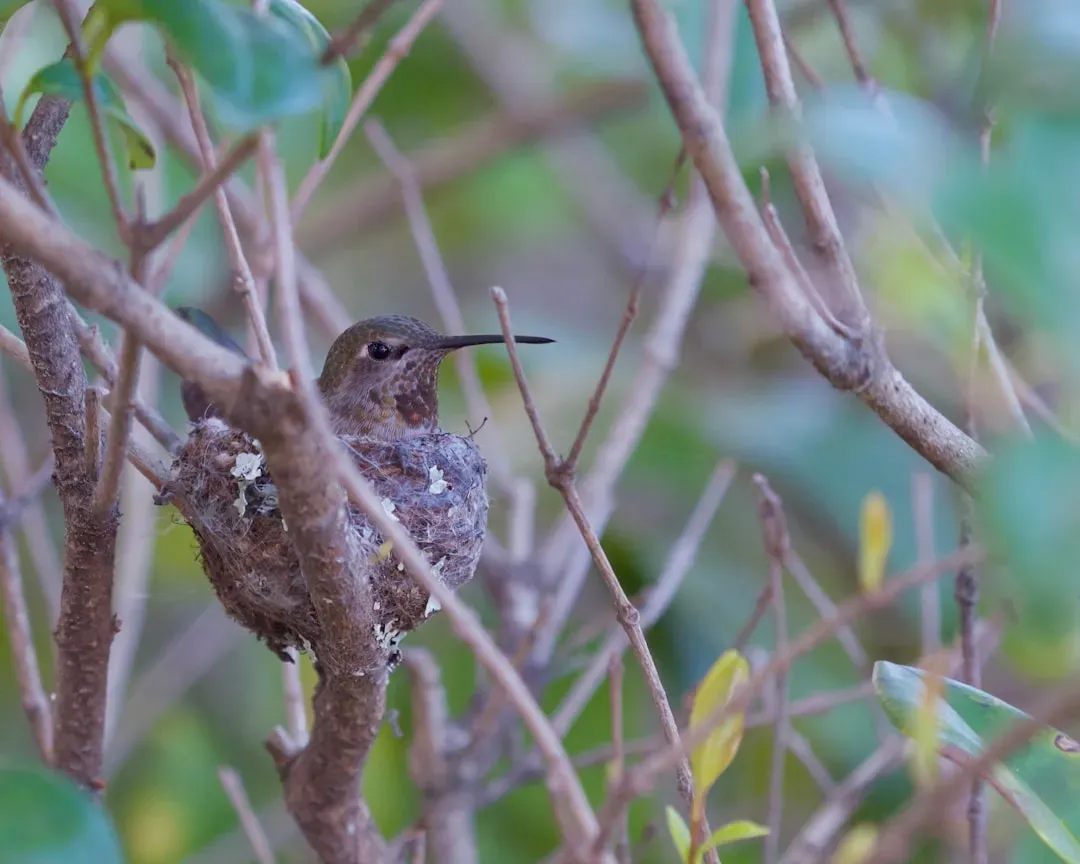
At barely an inch and a half wide, the Anna’s Hummingbird nest is one of the smallest structures on this list, yet it may be the most precisely engineered. The nest, built by the female, is a compact cup of plant fibers and spider webs, lined with plant down and sometimes feathers, with the outside camouflaged with lichens.
Spider silk not only acts as a glue, holding the other bits together, but it’s flexible enough to accommodate the growing bodies of nestlings, and resilient enough to withstand all the bustle of raising those hungry babies. That elasticity is the key design feature. The nest literally stretches as the chicks grow.
They may decorate the outside with lichens, mosses, or even paint chips, and they sometimes steal these decorative materials from other active nests. Anna’s Hummingbird may begin nesting in December, or even earlier, making it one of the earliest nesters in North America. The nest, viewed from the ground, looks exactly like a small knot on a branch.
Bowerbird: Architecture as Courtship
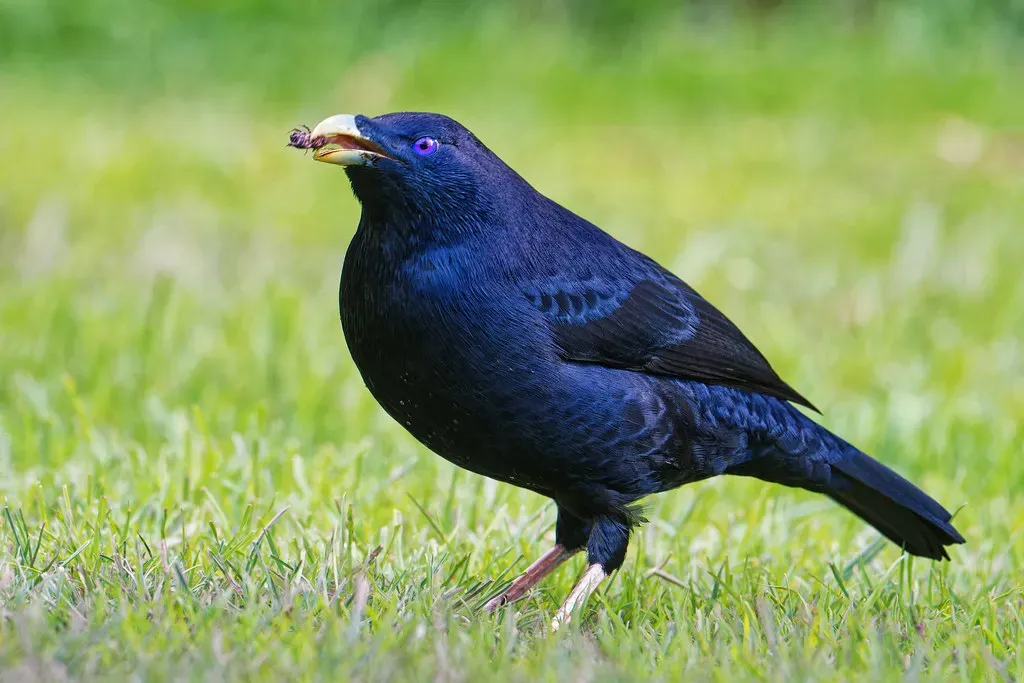
Male bowerbirds construct elaborate structures called bowers specifically to attract females, and these aren’t nests for raising young at all. A bower is a courtship arena, built purely to showcase the male’s ingenuity, dedication, and flair for design.
The Satin Bowerbird, for example, favors blue trinkets. The older a bird is, the more blue objects he decorates his bower with. Blue berries, blue ballpoint pens, blue flowers, and blue discarded pieces of plastic have all turned up at the entrance to the Satin Bowerbird’s bower.
Competition gets fierce among these birds. Rival males may sabotage each other’s bowers by stealing decorations or dismantling the structure altogether, forcing males to be ever vigilant. Meanwhile, the female builds a simple cup nest elsewhere and raises the chicks entirely alone. The bower and the actual nest are two completely separate projects.
Cape Penduline Tit: A Nest with a False Door
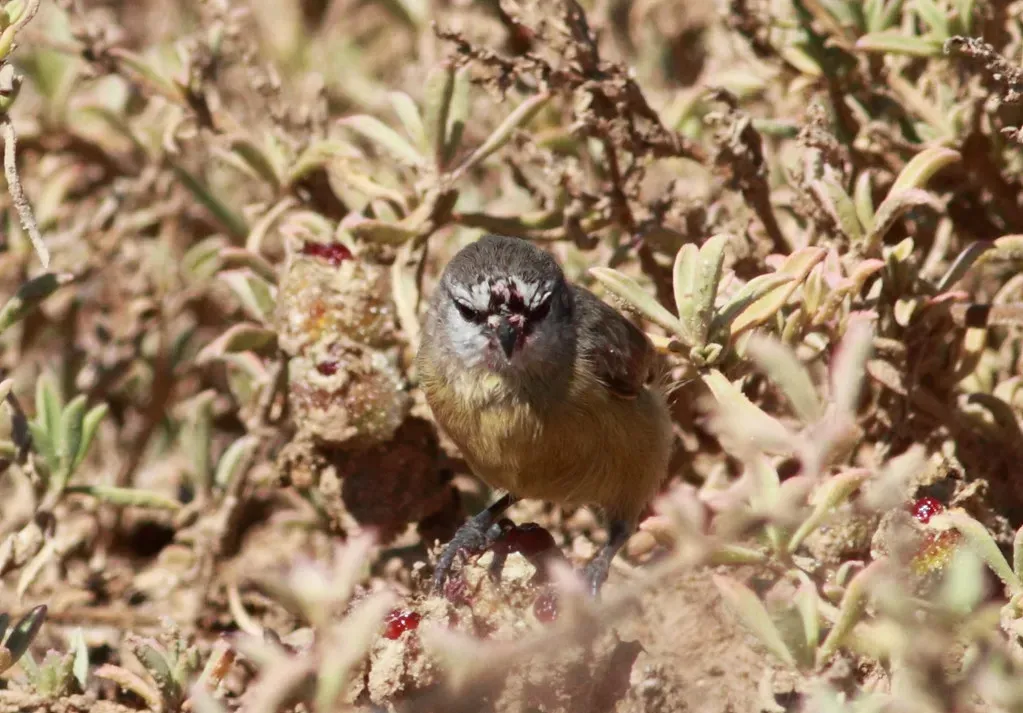
Cape penduline tits are among the smallest birds in Africa at just three inches long, but they nevertheless manage to create an ingenious nest with built-in protections from predators. The engineering trick they’ve developed is genuinely clever.
For more than twenty days, the male and female birds work together to construct their nest, a pear-shaped bundle of plant material and spiderwebs from velvet spiders. By including this sturdy spider silk, the birds make their nests exceptionally durable.
As a security measure, the nest has a self-closing tube at the entry hole that the bird has to open with its foot. When this “door” shuts after the adult bird enters or leaves the nest, it inconspicuously conceals the eggs and nestlings inside. A self-locking entrance mechanism on a structure built without hands. That’s worth pausing on.
Malleefowl: The Living Incubator Mound
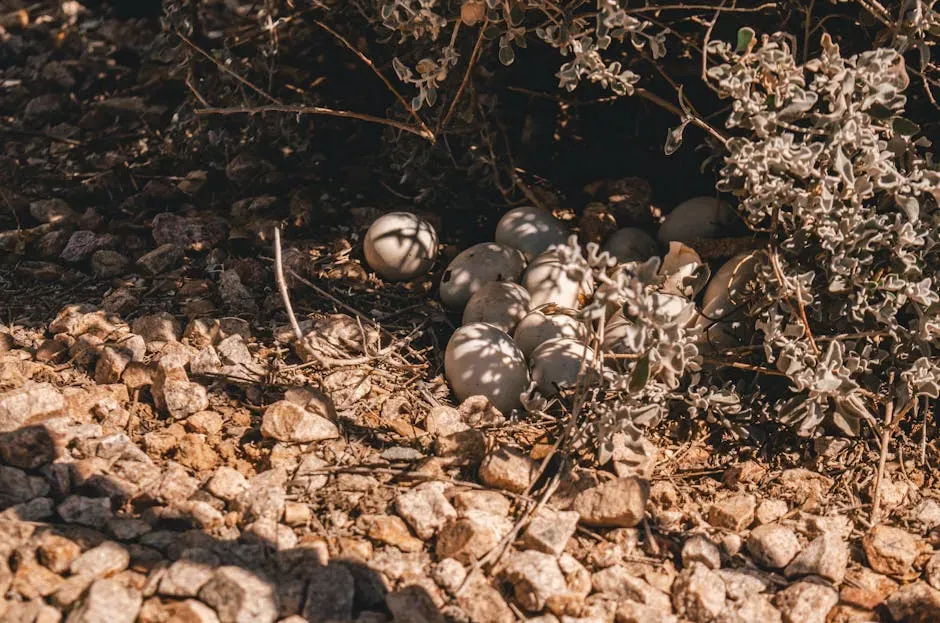
Malleefowl reproduce by incubating eggs in a large mound, measuring up to three to five metres wide and up to one metre high, constructed by pairs using leaf litter and soil. The male alone tends the mound, regulating the internal temperature during incubation. Young have to dig themselves from the mound after hatching and are then independent.
The male buries wet leaf litter in the mound, which gives off heat as it rots, acting as a natural incubator for the eggs. Throughout the breeding season, the male has to ensure that the temperature inside the mound is maintained at about 33°C. The temperature is judged by the male putting his head into the mound, and it is thought that he tests the temperature with his tongue.
Each day, on average, the male puts more than five hours of work into transferring about 850 kilograms of soil. When the eggs hatch, the chicks dig upwards to climb out of the mound, which can take up to fifteen hours. No parental contact after that. The chicks emerge fully independent into the Australian scrub.
Montezuma Oropendola: The Hanging Colony Weaver
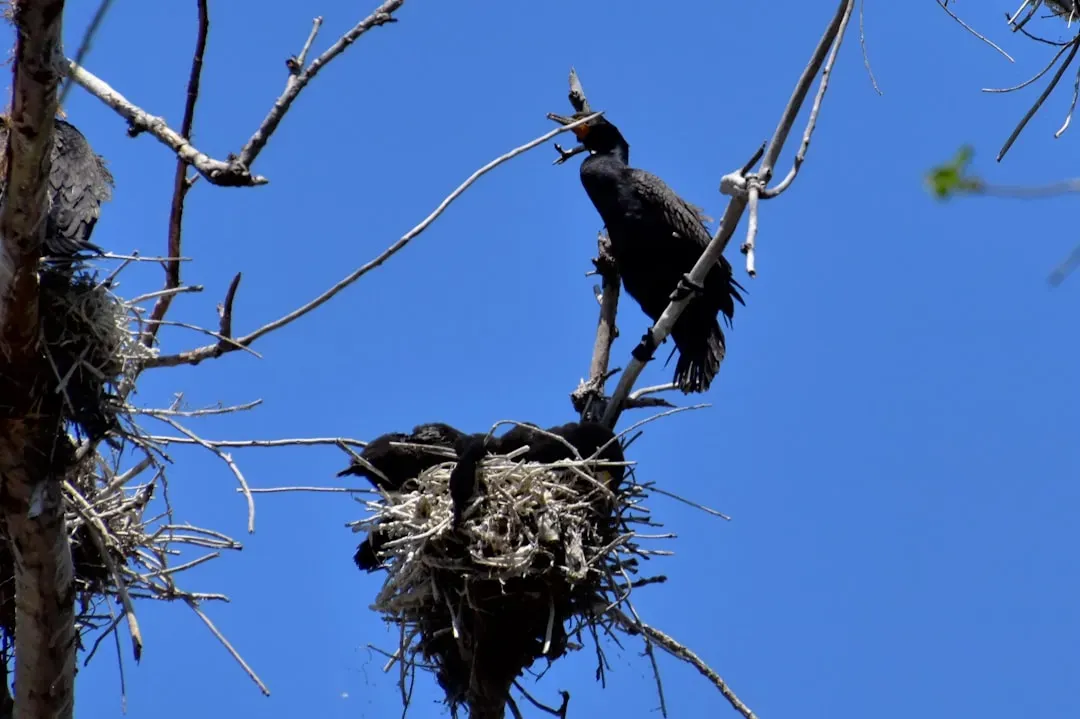
The Montezuma oropendola is a colonial breeder, and only the females build hanging woven nests of fibres and vines, ranging from sixty to one hundred and eighty centimetres long, in a tree that can be up to thirty metres high. From the ground, a tree full of these nests looks almost impossible.
In one single tree there can be up to one hundred and fifty nests, although most trees have thirty to forty. They are talented builders with elaborate nests made from banana fibers and twigs that hang from branches like overgrown, gourd-like fruits.
Even more impressive, these hanging nests are often built next to wasp nests. The wasps protect the birds and their young from predators, including botflies. When these birds don’t hang their nests next to the wasps, the botflies are able to lay their eggs on the hatchlings, which causes them to weaken and die. It’s a deliberate, practical partnership.
Tailorbird: Sewing a Nest with a Bill
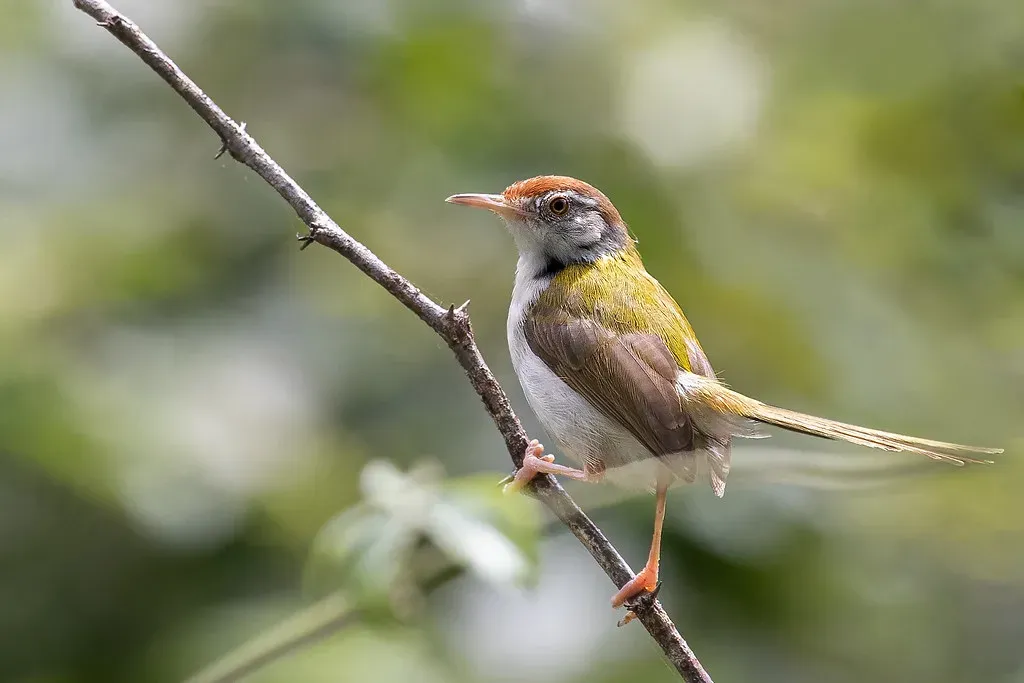
Tailorbirds get their name from their ability to sew their nests together, and this isn’t just a figure of speech. The edges of a large leaf are pierced and sewn together with plant fibre or spider silk to make a cradle in which the actual nest is built.
The process is astonishingly precise. The female uses her long, slender beak shaped like a needle to pierce holes along the leaf’s edge, then threads plant fibres such as cotton or lint, or silk from cobwebs or caterpillar cocoons through the holes. No tools, no hands, just a beak and an instinct refined over countless generations.
The result is a living pocket of green that moves with the leaf, hidden in plain sight. It blends so perfectly into the foliage that even careful observers often miss it entirely. For a small bird facing constant predation pressure, invisibility is the best defense a nest can offer.
Bald Eagle: The Nest That Grows for Decades
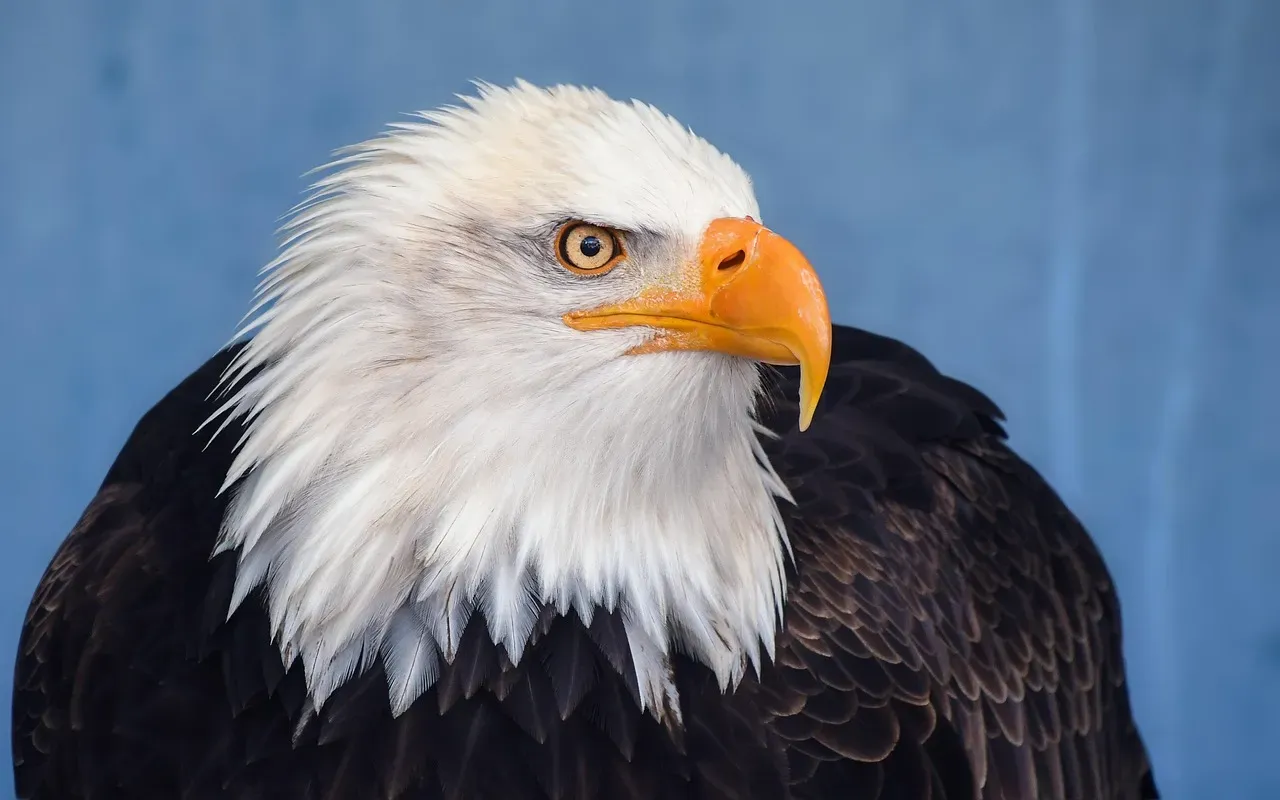
Bald eagles build the largest nests of any bird in North America. The nests are reused and added onto for many years by the same bonded pair of adult birds, and are massive constructions of sticks, vegetation, and debris, sometimes measuring over nine feet in diameter and weighing up to a ton.
A bald eagle’s nest, or aerie, is a vast structure of interwoven sticks, often exceeding five feet across and three feet deep. Built high in tall trees or perched on cliffs near water, these enormous nests can take years to reach their full size. The largest eagle nest ever recorded was twenty feet deep and estimated to weigh two tons.
Bald eagles can live twenty to thirty years, and since they mate for life, their nests can grow impressively large. They incubate their young for thirty-five days, and it takes ten to twelve weeks before the young birds take flight. A nest that keeps expanding year after year, used by the same pair, season after season. It’s less a temporary structure and more a permanent home.
The Bigger Picture
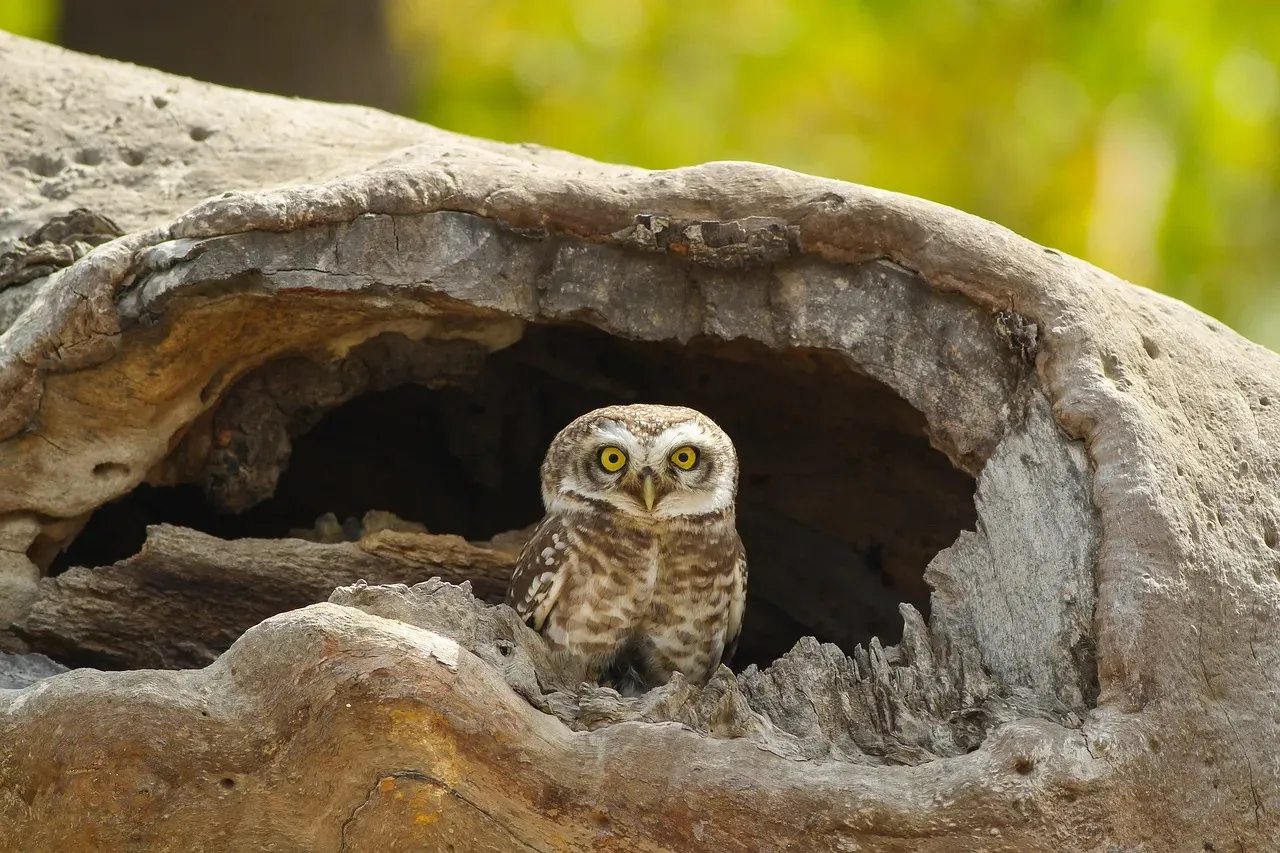
Birds don’t have the intricate dexterity of fingers and opposable thumbs to weave their nests together, just their bills and their feet. Yet, they construct elaborate, intricate, and functional nests that keep their eggs and nestlings safe and warm, oftentimes dozens of feet up in a tree.
Certain nest-building behaviors, such as placing nests high up in trees or cliff crevices, constructing dome or cavity nests, and suspending nests from drooping twigs, are believed to mitigate the risk of nest predation. Enclosed nests are also thought to provide better thermoregulation properties, offering protection against extreme temperatures.
Every nest on this list solves a specific problem, whether that’s temperature regulation, predator deterrence, mate attraction, or sheer structural endurance. What’s worth remembering is that these solutions weren’t designed. They emerged gradually, shaped entirely by which birds survived long enough to pass their instincts on. That quiet process, unfolding across millions of years, is what makes a bird’s nest one of the most remarkable objects in the natural world.

- According to Native American Tradition, Coyotes Were Clever Teachers Rather Than Villains - August 13, 2026
- Animal Science Says Blue Jays Remember Thousands of Acorn Hiding Places Each Autumn - August 13, 2026
- Animal Science Says River Otters Play More Where Fish Populations Are Stable - August 13, 2026