
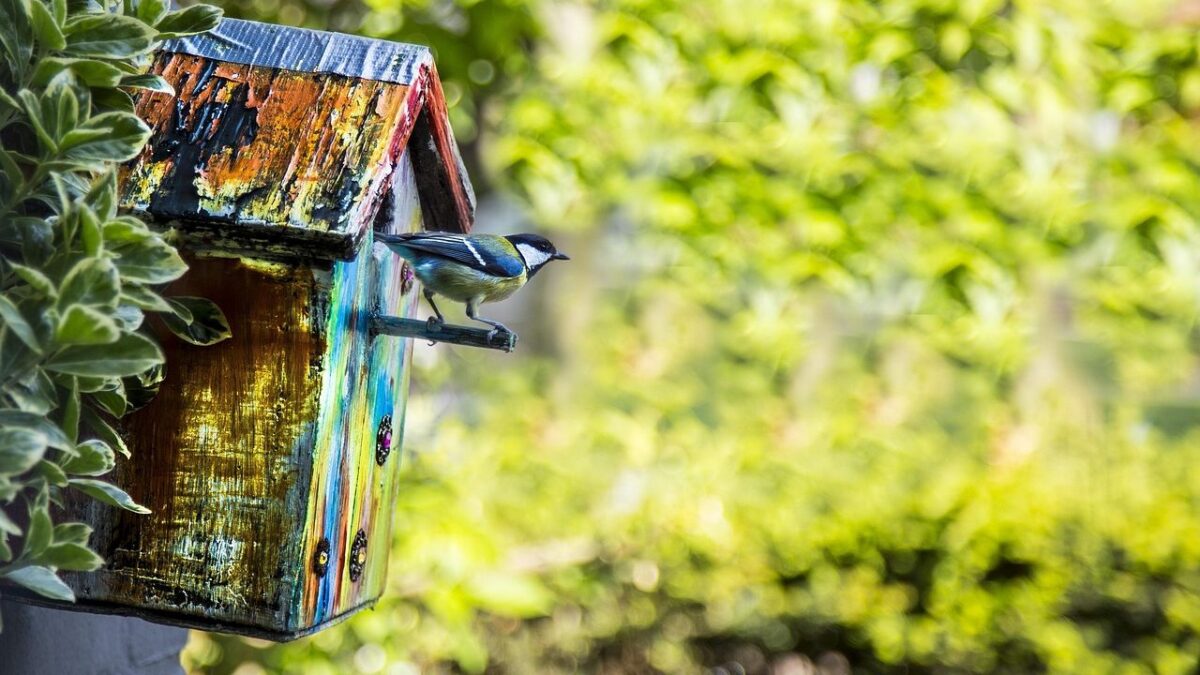
Picture a robin settling into an old garden hat or a wren tucking eggs into a barbecue grill. These scenes play out more often than you might think, especially around homes and yards. Birds turn everyday objects into nurseries, revealing their sharp instincts for survival.
Such choices often puzzle homeowners, yet they make perfect sense from a bird’s perspective. Natural spots like trees and bushes dwindle in many areas. Man-made hideaways step in, offering advantages that wild sites sometimes lack.
Protection from Predators
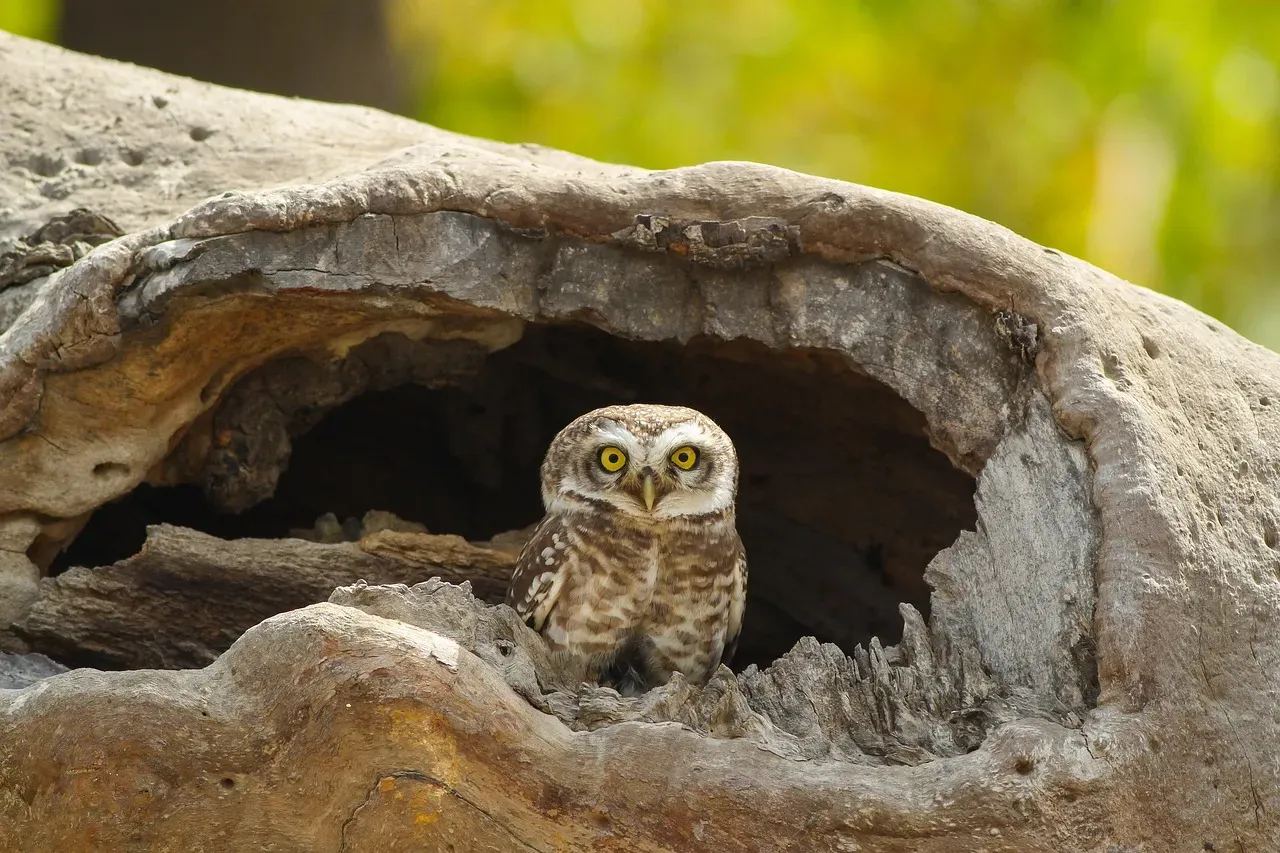
Birds prioritize safety above all when picking nest sites. Enclosed spots like chimneys, attics, and vents shield eggs and chicks from cats, raccoons, and climbing snakes.[1][2] These locations create barriers that predators struggle to breach.
Open tree branches expose nests to hawks and crows. In contrast, a pocket in a coat or a car engine compartment feels secure. Robins and Carolina wrens favor such nooks, raising broods undisturbed amid human clutter.[3]
Shelter from Wind, Rain, and Cold
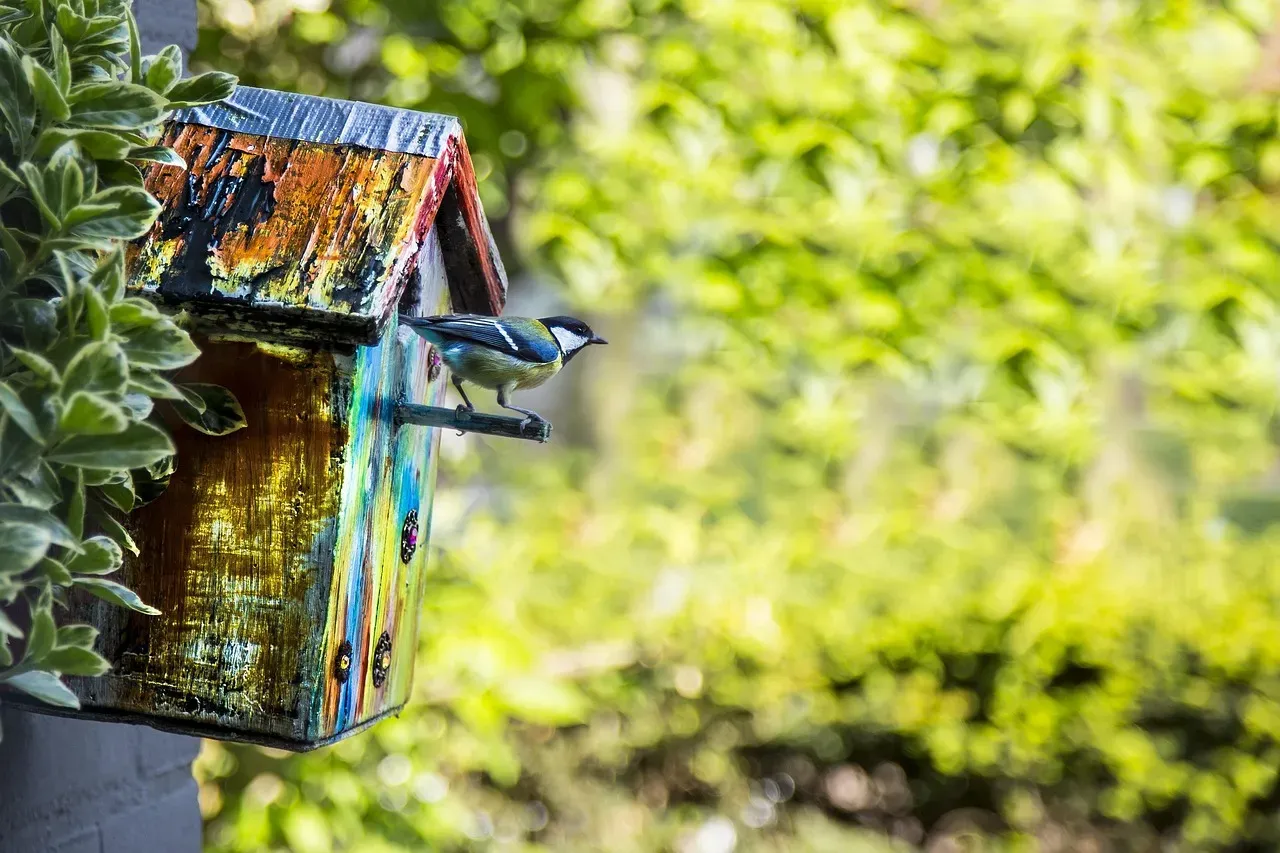
Weather plays a huge role in site selection. Chimneys and soffits block fierce winds and pounding rain better than leafy branches. Warmth from homes draws birds during chilly springs, keeping eggs at steady temperatures.[1]
Vents and gutters mimic sheltered caves or overhangs. Carolina wrens slip into boots or grills for this reason. These spots maintain humidity and dryness, crucial for fragile hatchlings.
Urban birds adapt quickly to these perks. Fewer storms reach deep into attics or car hoods. Survival rates climb in such protected havens.
Adapting to Urban Landscapes
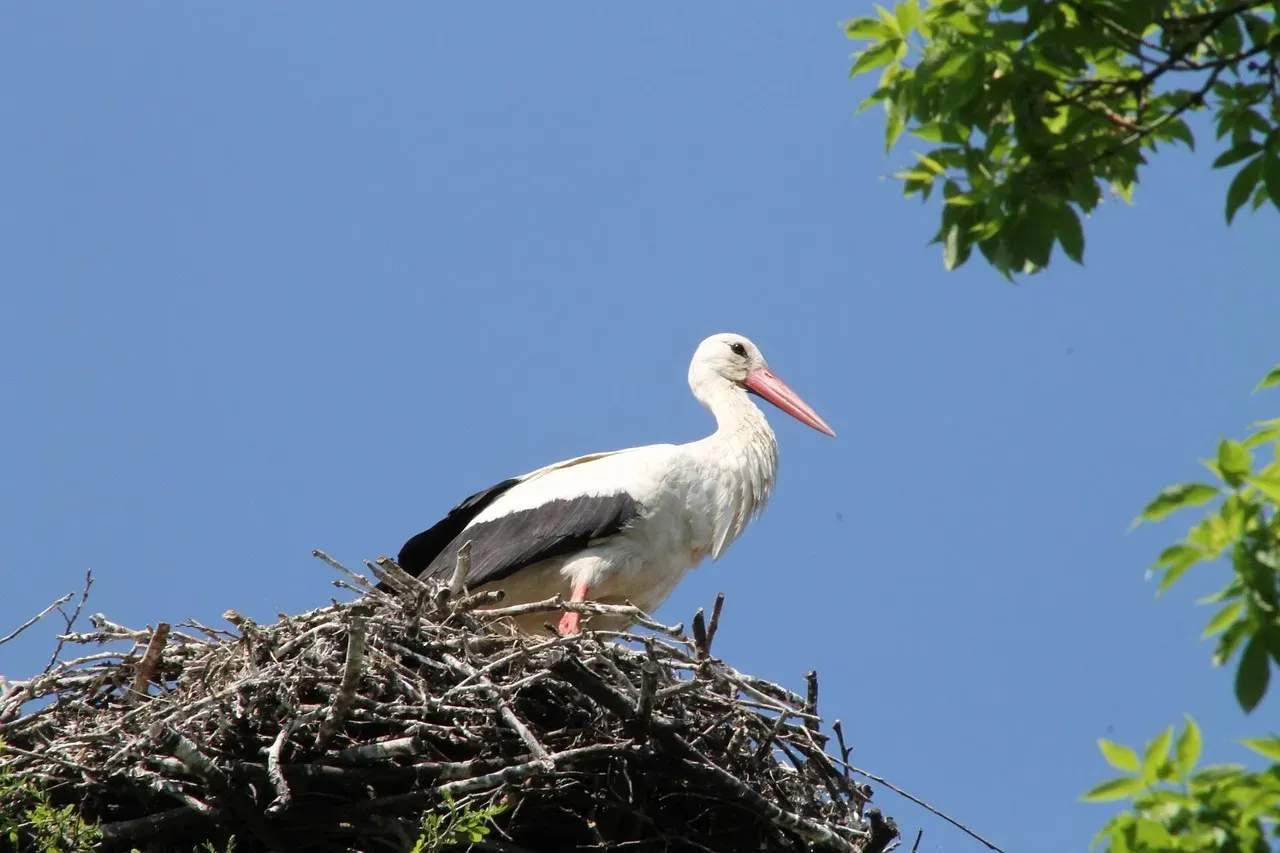
Cities and suburbs reshape bird behavior. Fewer mature trees force species to improvise. Robins nest on porches, door wreaths, and streetlights, unfazed by foot traffic.[4]
Wrens claim hanging baskets, old shoes, or bike helmets. These sites blend into busy surroundings, deterring notice. Proximity to feeders and lawns ensures steady meals nearby.[5]
Human presence sometimes wards off wild threats. A nest by the front door sees fewer squirrels. Birds learn this over generations, thriving where nature alone falls short.
Mimicking Ancient Habitats
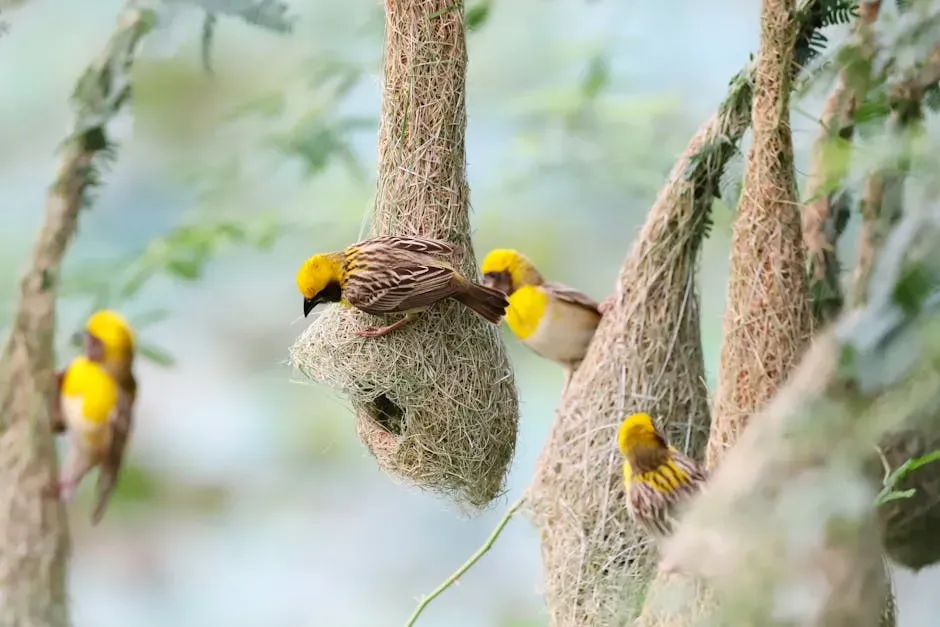
Many unexpected sites echo wild origins. Chimney swifts treat tall chimneys like hollow trees or cliffs, gluing twig nests to vertical walls.[6][7] Their weak feet suit soot-smeared interiors perfectly.
Bluebirds and owls repurpose attics as tree cavities. Gutters stand in for rocky ledges. Instinct guides them to familiar shapes, even in steel and brick.
This flexibility aids declining populations. Lost forests push birds indoors, sustaining numbers. Evolution favors the bold opportunists.
A Clever Balance of Instinct and Opportunity
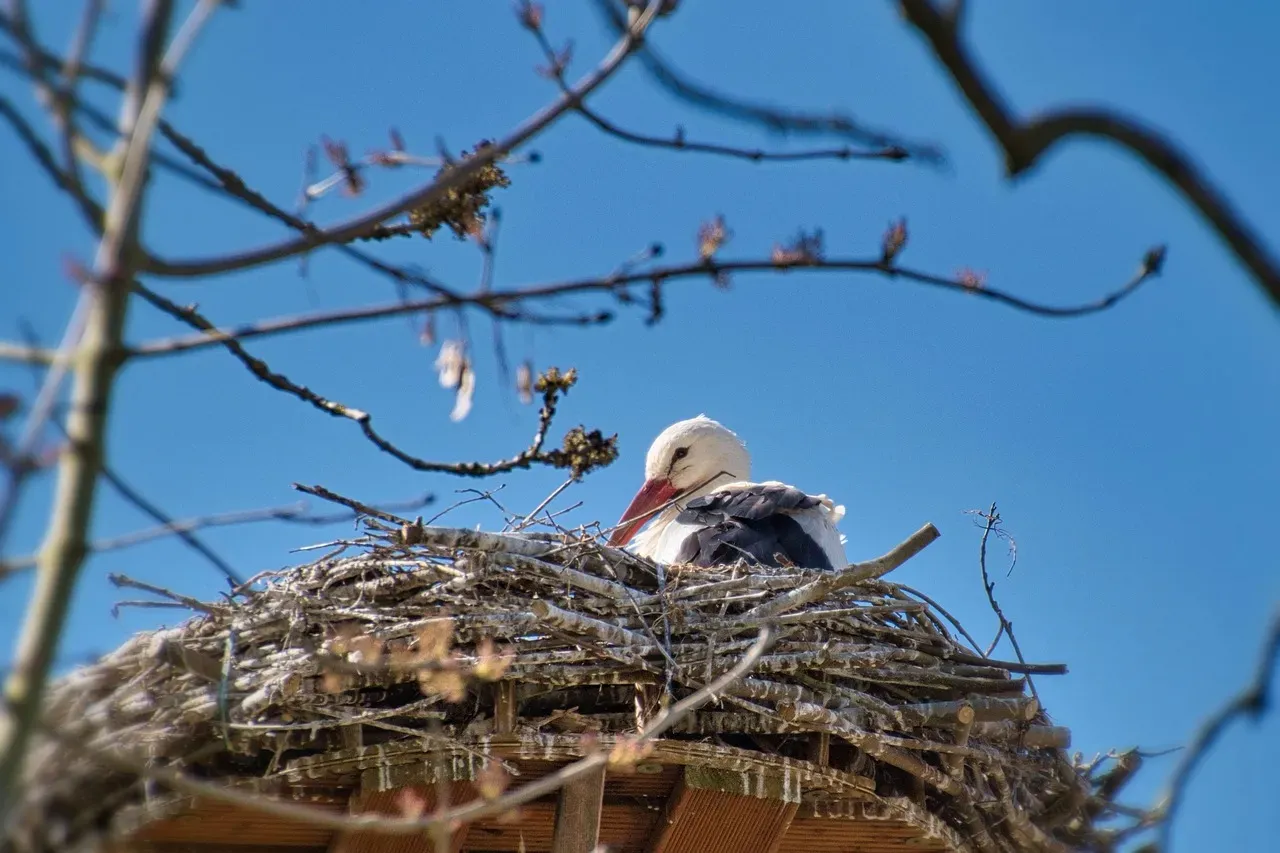
Birds weigh risks and rewards with precision. Unexpected nests often outperform traditional ones in key ways. Predation drops, weather holds steady, and food stays close.
These choices highlight resilience. Robins in hats or swifts in stacks prove adaptability trumps convention. Humans unwittingly aid this by providing nooks and shelter.
Next time you spot a nest in a odd corner, consider the strategy behind it. Birds teach us about making do with what’s at hand.
Understanding these habits fosters coexistence. Leave early nests alone when possible, supporting local wildlife. In a changing world, such quirks keep birds soaring.

- 7 Wild Animals Making a Comeback in the Forests of New England - August 23, 2026
- 8 Desert Survivors Found in Arizona's Sonoran Desert After Dark - August 23, 2026
- 7 Ocean Animals That Survive Pressure Strong Enough to Crush Ordinary Equipment - August 23, 2026