
Walk into a New England forest today and it is quietly, radically different from what it was just a few decades ago. Shapes in the shadows that once felt like ghost stories are now very real again: antlers slipping through fog, padded paws crossing an old logging road, wings beating over a beaver pond that did not exist in your childhood.
This is not a simple feel‑good story, though. Some animals are thriving, others are just hanging on, and many people are still getting used to sharing their backyards with creatures that can knock over their trash cans, raid their chickens, or stare back at them from the treeline. But if you care about wildness, these returns are some of the most hopeful plot twists in New England’s modern history.
Moose: The Ghosts Growing Antlers Again
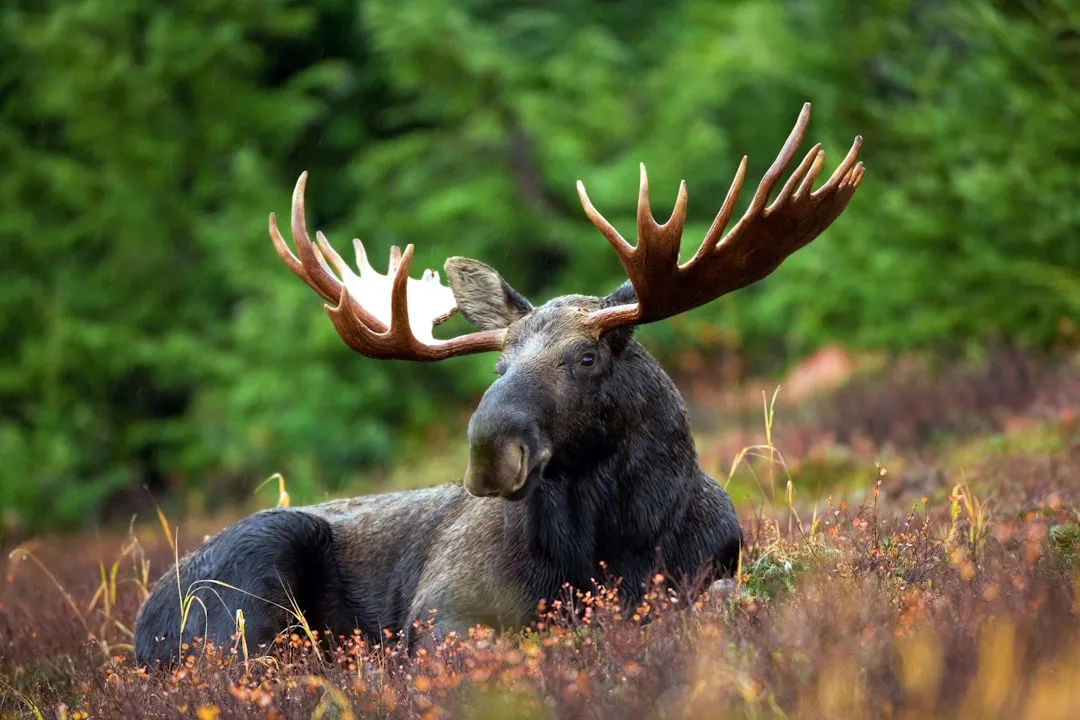
If you grew up thinking moose were a creature from children’s books or Canadian postcards, you are not alone. For a long stretch of the twentieth century, moose in much of New England were scarce, after heavy hunting and habitat loss hammered their numbers. Now, especially in northern Maine, New Hampshire, and Vermont, they have become a real possibility on a morning drive, big as a horse and weirdly quiet for something that size.
The comeback of moose is tightly linked to regrowing forests and regrowth after logging, which created prime browse for these massive herbivores. Their recovery is not a straight‑line success story, though: winter ticks and climate‑driven shifts in snow and temperature are hitting calves hard in some areas. Still, the fact that moose went from nearly mythical to routinely seen on back roads in certain parts of New England is a reminder that when you give the land time and cover, the giants sometimes find their way back.
Beavers: The Engineers Who Flooded Back
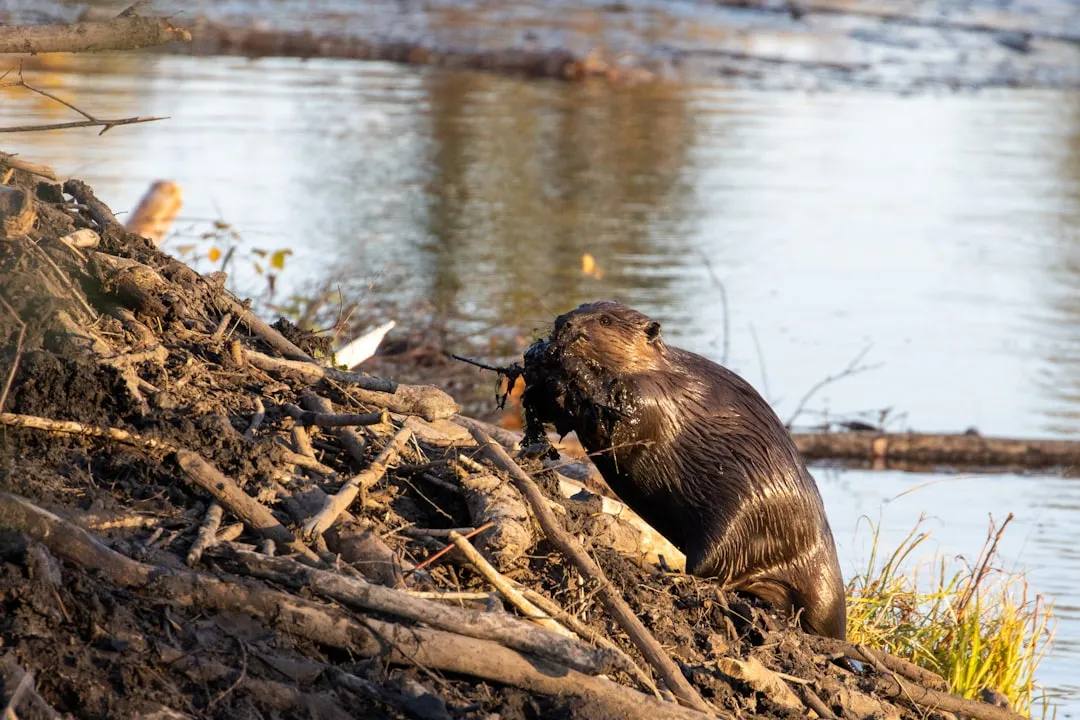
<pFor a long time, beavers were treated like a problem to be trapped out of existence, and for a while, that almost happened. By the late 1800s and early 1900s, heavy trapping for the fur trade had wiped beavers out of huge swaths of New England. Fast‑forward to today and you can hardly walk a mile in many forested areas without running into some piece of their handiwork: a mud‑and‑stick dam, a chewed‑off birch, a flooded patch of woods turned into a pond buzzing with life.
The return of beavers is one of the quiet reasons so many other species are bouncing back. Their ponds create habitat for amphibians, ducks, songbirds, and even larger mammals that feed along the edges of wetlands. Yes, they occasionally flood a driveway or a culvert and frustrate landowners, and I have absolutely cursed out loud while soaking my boots on a washed‑out trail behind a beaver dam. But the bigger picture is stubbornly clear: those little engineers are rebuilding the messy, watery complexity that New England’s forests were missing for far too long.
Black Bears: The Neighbors at the Bird Feeder
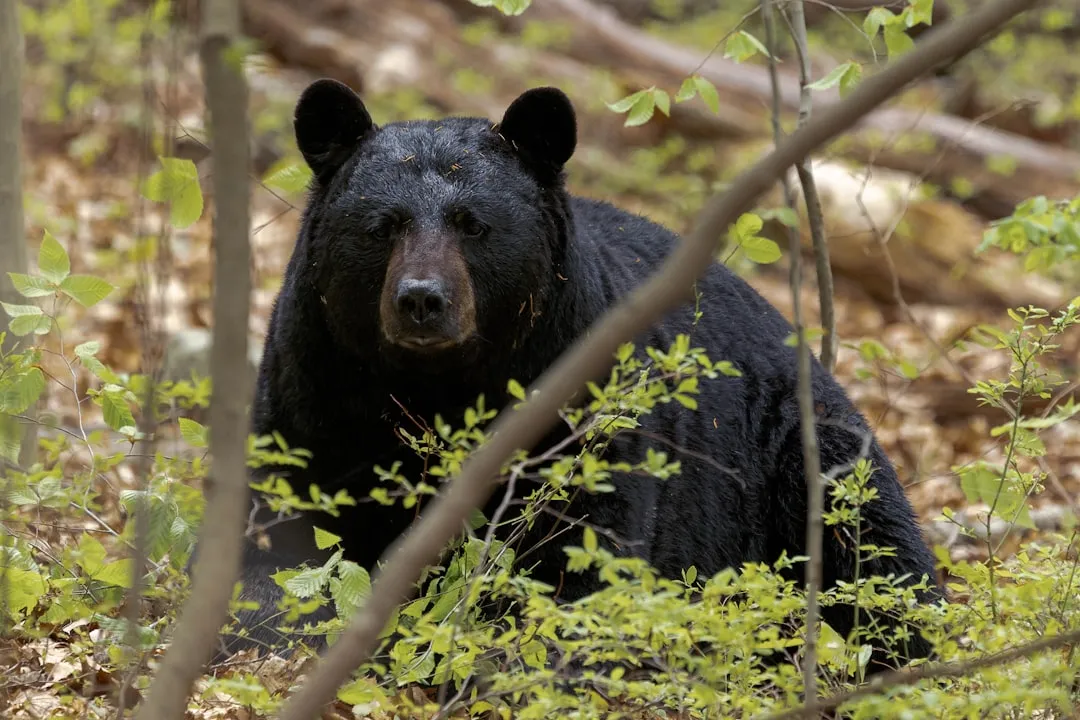
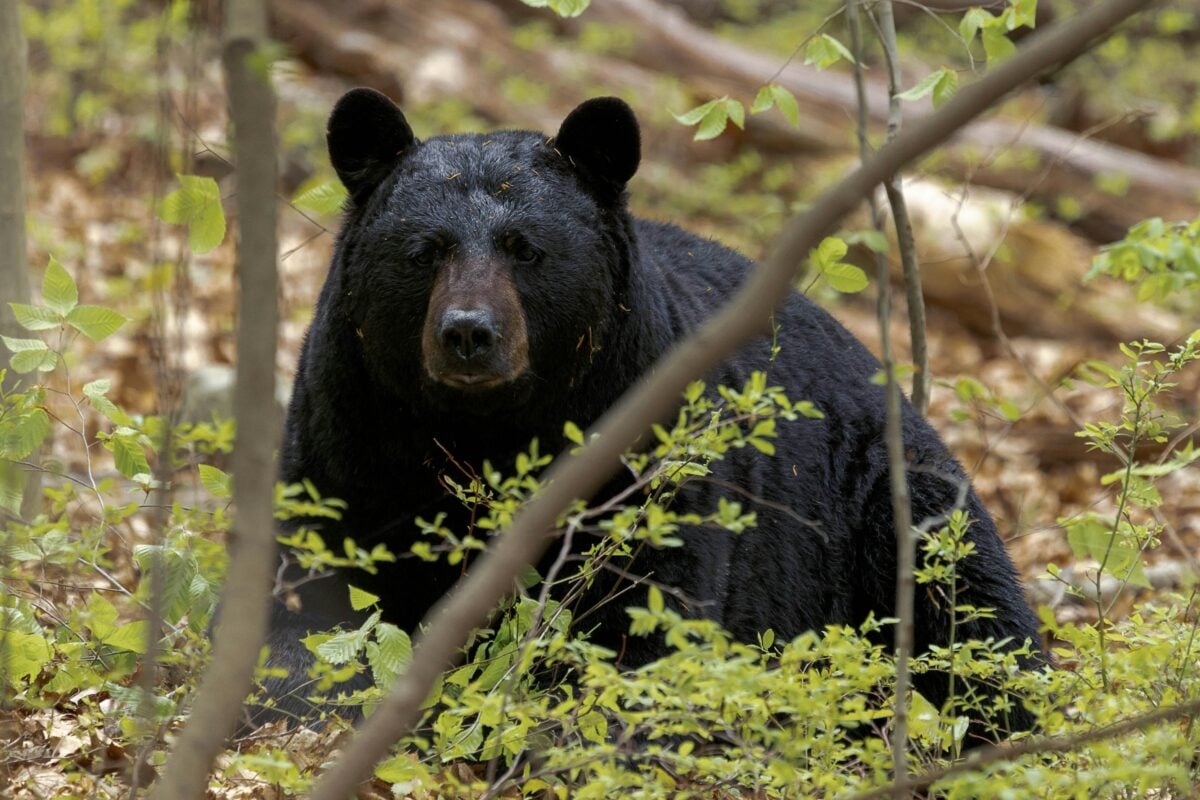
Ask almost anyone in rural or even semi‑suburban New England if they have a black bear story, and you’ll probably get an enthusiastic yes now. For a time, bears were pushed back into the more remote mountains and northern forests, reduced by hunting, persecution, and the loss of big blocks of woods. Over the past several decades, though, forest regrowth and tighter hunting regulations helped their numbers climb, and bears have been quietly expanding into places where people did not expect to see them at all.
This comeback is both thrilling and messy. It is one thing to admire bear tracks on a muddy logging road, and another to watch security‑camera footage of a big, shaggy head rummaging in your trash at two in the morning. The truth is that we created a buffet for bears with backyard bird feeders, unsecured garbage, and easy calories scattered everywhere. If we want bears back – and many of us secretly do, because they represent something wild that suburbs cannot fully tame – we have to grow up as neighbors and stop acting surprised when they show up to dinner.
Bobcats: The Silent Hunters You Rarely See
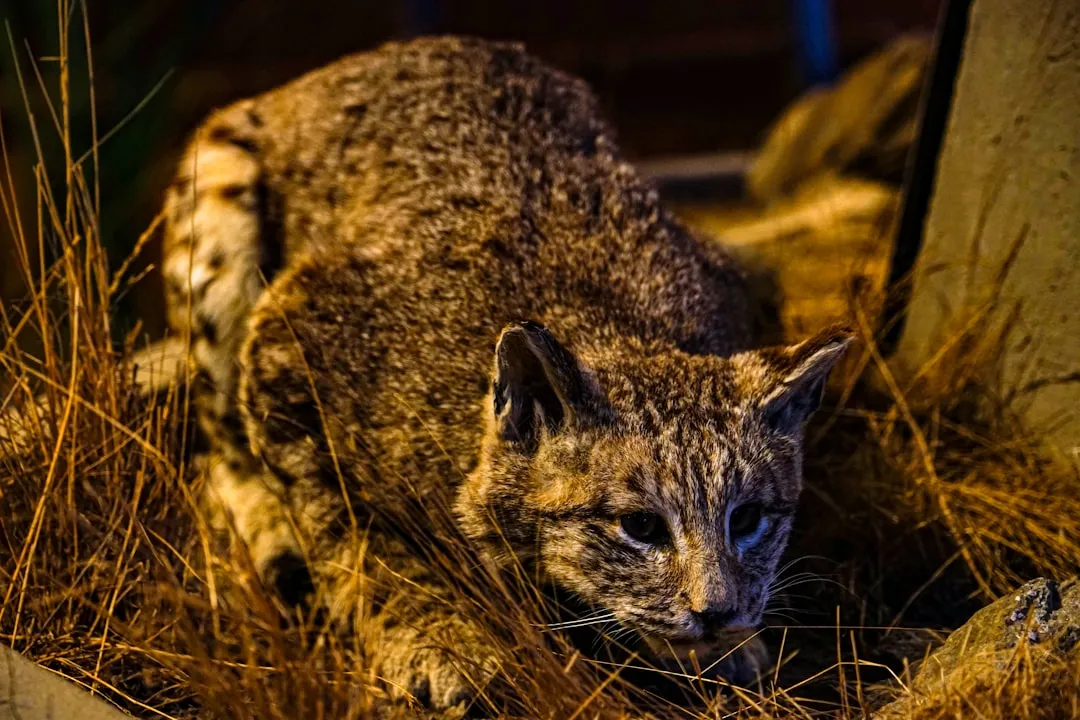
Bobcats are the comeback most people never notice, and that is exactly their style. Medium‑sized wild cats with tufted ears and short tails, they slipped through the worst decades of habitat loss and predator persecution in dwindling numbers. As forests returned and small prey like rabbits and rodents became more abundant again, bobcats quietly rode the wave and spread across much of New England, often right under our noses.
Trail cameras have made their presence harder to deny. A friend once showed me a grainy nighttime clip from behind his workshop in central Massachusetts: a bobcat drifting past, shoulders moving like liquid, completely relaxed in a place he thought of as “just suburbia.” That is the unsettling magic of their comeback. They remind us that even when we pave, mow, and fence everything, the forest is not really gone – it is just waiting for the moment when a patient predator slips back between the houses.
Bald Eagles: The Comeback Nobody Believed
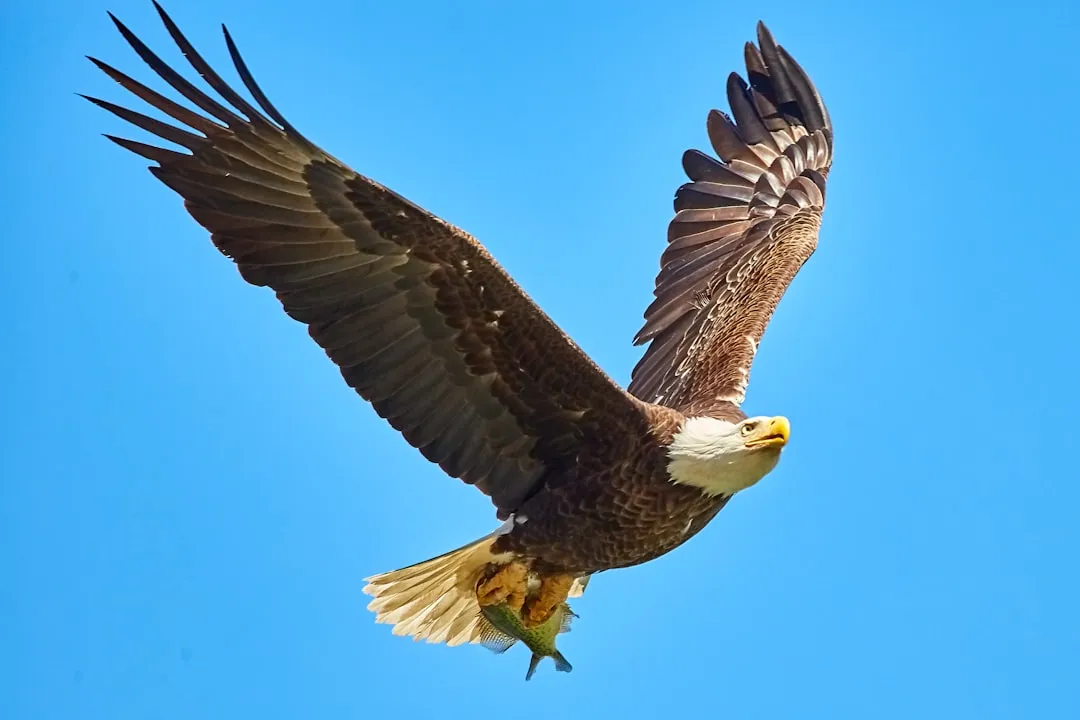
If there is one species that feels like a living plot twist in New England, it is the bald eagle. After the heavy use of DDT and other pressures in the mid‑twentieth century, eagles nearly vanished from the region. The idea of seeing one soar over a Massachusetts river or a New Hampshire lake was seen as a fantasy, more likely to show up on a license plate than in real life.
Then came the ban on DDT, intense conservation work, nest protections, and deliberate reintroductions. Slowly, painfully, eagles clawed their way back. Now, in many parts of New England, it is no longer shocking to spot that unmistakable white head against the sky or see two eagles fighting over a fish in winter along open water. Their return is not just a feel‑good wildlife story; it is a proof‑of‑concept that when we stop poisoning the system and give species room, some will do the rest of the work for us with astonishing stubbornness.
Fishers: The Misunderstood Shadows in the Trees
![Fishers: The Misunderstood Shadows in the Trees (By ForestWander Nature Photography (www.ForestWander.com) [1], CC BY-SA 3.0 us)](https://nvmwebsites-budwg5g9avh3epea.z03.azurefd.net/aatg/8fa78ab8bbc49d29a48fd9e709342e9c.webp)
Fishers – often incorrectly called “fisher cats,” even though they are not cats and barely touch fish – are one of the most misunderstood animals making a comeback in New England. Once heavily trapped for their fur and hit hard by deforestation, they all but disappeared from many areas. As forests and second‑growth woodlands crept back across abandoned farms and cut‑over land, and as trapping declined, fishers took the opening and spread into new territories, including surprising pockets of exurban and even semi‑urban forest.
Online rumors have turned them into something almost supernatural, with stories about bloodcurdling screams and relentless attacks on pets. The reality is quieter and more complicated: they are agile predators that play a role in keeping populations of rodents and even porcupines in check. When I finally saw one in real life – just a dark shape slipping across a snowy trail before sunrise – it was not terrifying at all. It felt like the woods themselves had exhaled and reclaimed something old and sleek that should have been there all along.
White‑Tailed Deer: The Comeback That Went Too Far
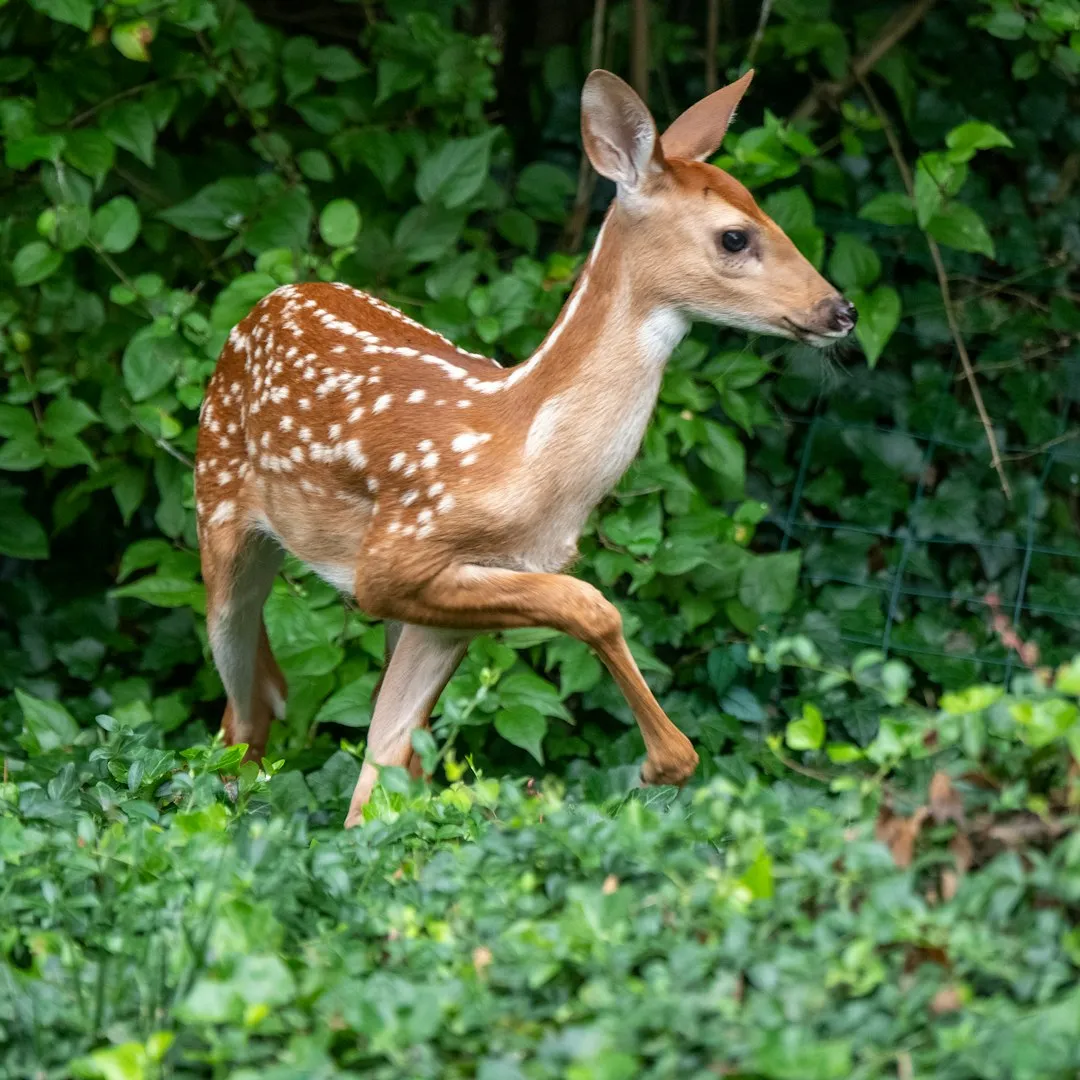
It might sound strange to list white‑tailed deer as a comeback story when, in many New England towns, they feel almost too common. But only a few generations ago, deer were dramatically reduced by overhunting and cleared forests, to the point where spotting one in some areas was rare and memorable. As forests regrew and hunting regulations tightened, deer rebounded hard – and then kept going, far beyond what many ecosystems and communities can comfortably handle.
The result is a paradox: their recovery is a conservation success that morphed into a new problem. High deer numbers can hammer young forest regrowth, reshape what plants survive, and fuel the spread of tick‑borne illnesses that hit people hard. Seeing a quiet group of deer at the edge of a New England meadow at dusk still feels magical, but it also carries a hint of unease now. Their story is a warning that a comeback is not automatically a balance; without predators and thoughtful management, even a beautiful animal can tip the whole system out of shape.
Conclusion: Wildness Is Back – If We Let It Stay
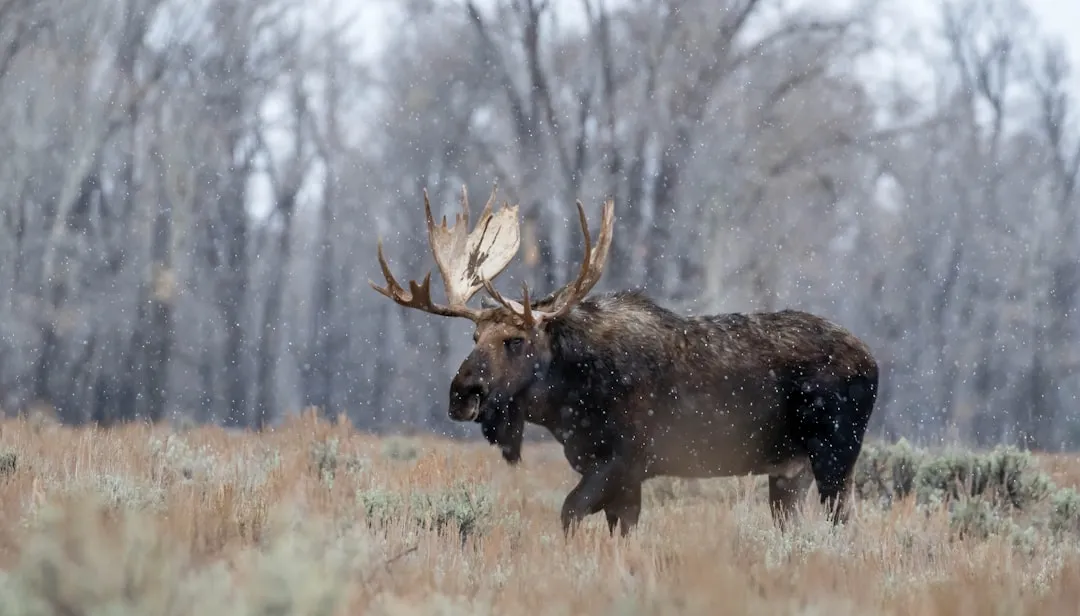
All these returns – moose stepping out of mist, beavers flooding old ditches, eagles circling over rivers – tell a story that is both hopeful and humbling. When New England’s farms were abandoned, when forests regrew, when some of the worst poisons and trapping pressures eased, the land answered in a language of hoofprints, wings, and paw marks. None of these comebacks happened because we are especially noble; they happened because we finally backed off just enough and, in some cases, pushed in the right direction.
My own bias is clear: I think sharing space with these animals is worth the dented trash cans, the flooded trails, and the uncomfortable conversations about hunting, predators, and fences. But that choice is not locked in; it can be undone by new poisons, new sprawl, and new impatience with the inconveniences of wild neighbors. The forests of New England are proving that wildness can rebound faster than most of us dared to hope – so the real question now is not whether animals can come back, but whether we are willing to live with them when they do. What kind of forest, and what kind of neighbor, do you actually want to be?

- 7 Wild Animals Making a Comeback in the Forests of New England - August 23, 2026
- 8 Desert Survivors Found in Arizona's Sonoran Desert After Dark - August 23, 2026
- 7 Ocean Animals That Survive Pressure Strong Enough to Crush Ordinary Equipment - August 23, 2026