
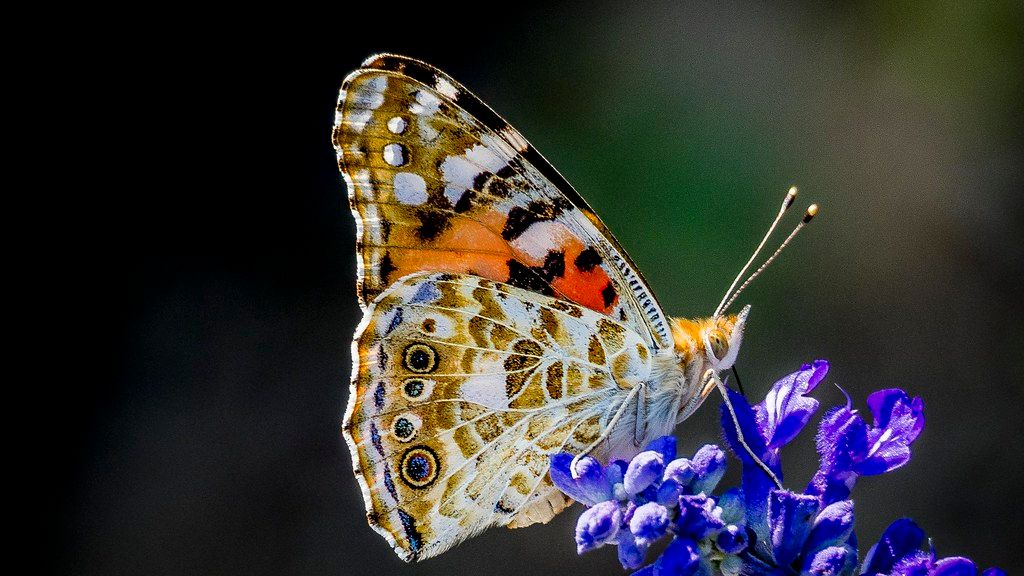
There’s something quietly astonishing about a creature that weighs less than a gram, has a brain the size of a pinhead, and yet manages to cross continents, traverse deserts, and span entire oceans. Butterflies, for most people, are creatures of garden beds and lazy summer afternoons. The science, it turns out, tells a very different story.
Researchers have steadily uncovered the full scope of butterfly migration over the past few decades, and what they’ve found keeps rewriting the record books. Not one, but multiple butterfly species are capable of journeys so long they rival those of well-known migratory birds. The distances, the navigation, the generational relay of it all, is genuinely hard to process.
The Painted Lady: Holder of the Longest Known Insect Migration
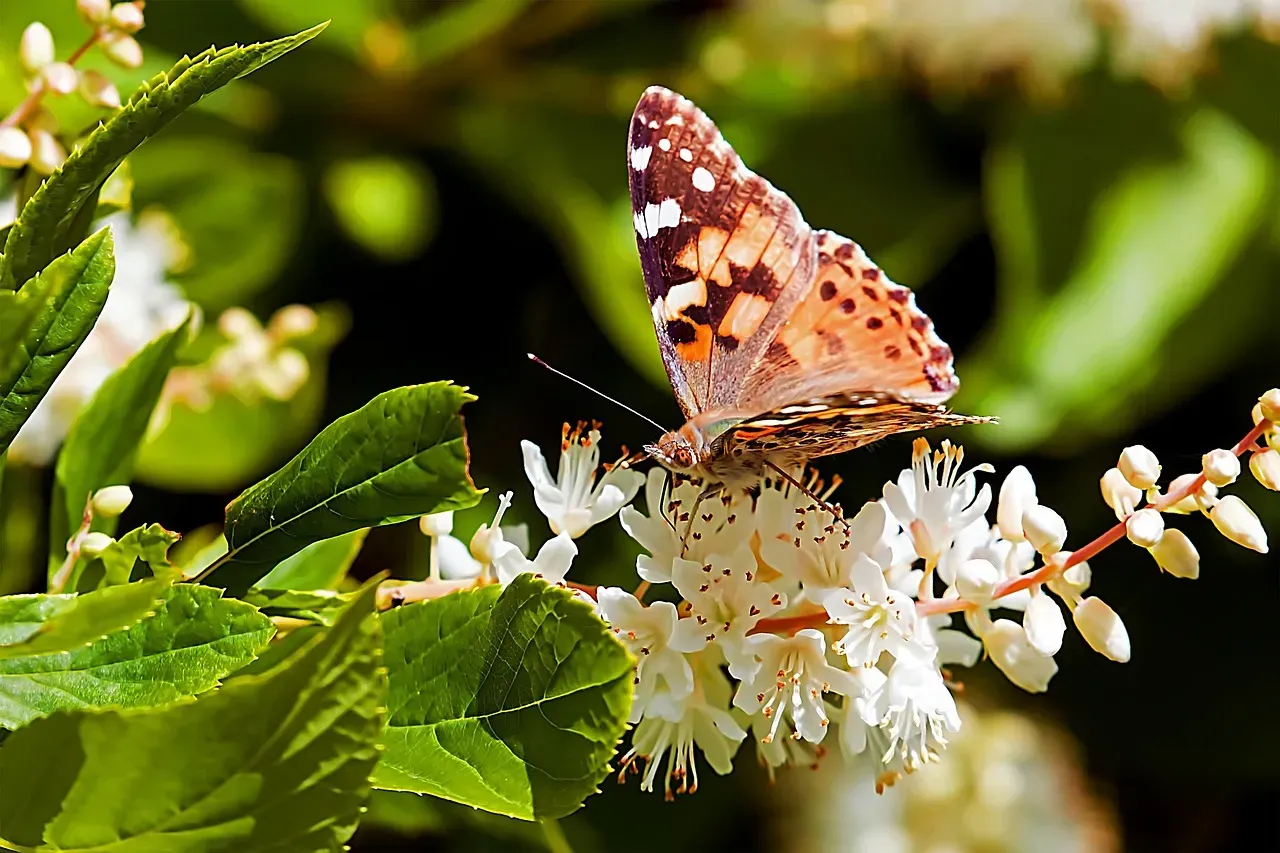
When scientists talk about extreme insect migration, the painted lady butterfly now sits at the very top of the list. The painted lady has been shown to be capable of making a 12,000 to 14,000 kilometer round trip, the longest insect migration known so far, in greater numbers when wetter conditions in the desert help the plants on which it lays eggs.
This butterfly species travels 12,000 kilometers and crosses the Sahara Desert twice to seasonally exploit resources and favourable climates on both sides of the desert. That’s not a one-way trip. It’s a full circuit, with the same species making the return journey in subsequent generations.
A British Ecological Society funded study found that painted lady butterflies return from the Afrotropical region to recolonise the Mediterranean in early spring, travelling an annual distance of 12,000 kilometers across the Sahara Desert. More recent research has pushed that estimate further. Pinpointing exactly where painted lady butterflies overwinter and breed was the last unknown piece of their roughly 15,000-kilometer migration.
One of the world’s most ubiquitous butterflies, the painted lady is found on every continent except South America and Antarctica. Its reach is global, and that ubiquity is, in part, a product of exactly this extraordinary capacity for long-distance travel.
The Monarch’s 3,000-Mile Journey Across North America
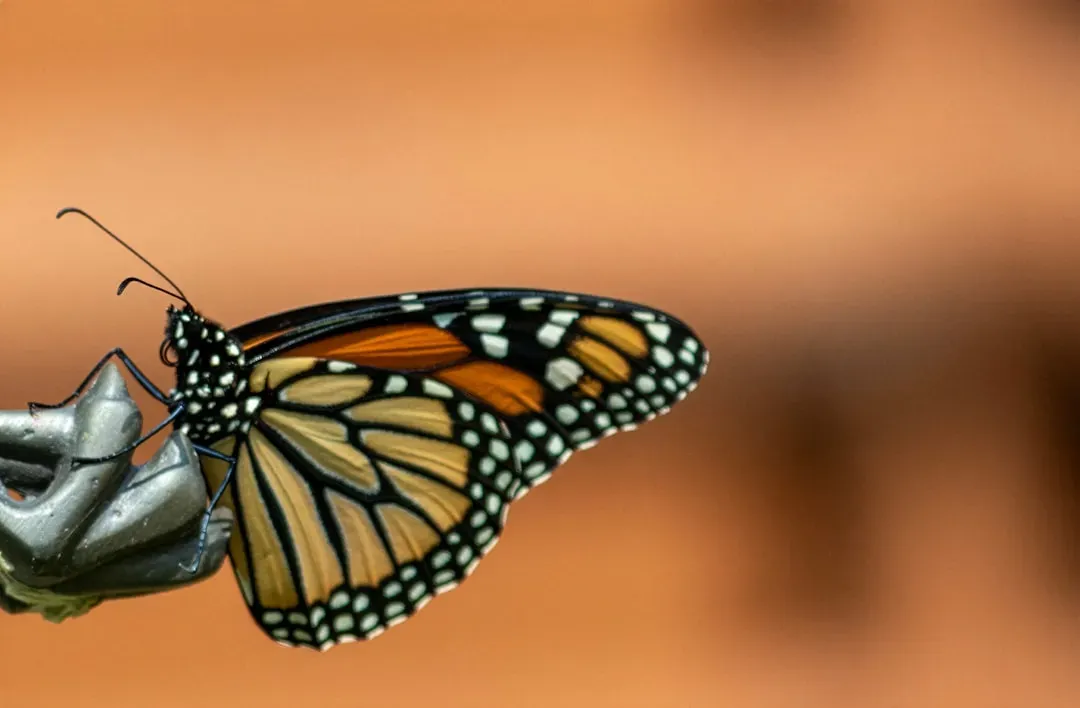
The monarch butterfly is perhaps the most famous long-distance insect traveler in North America, and for good reason. Each fall, millions of monarch butterflies leave their summer breeding grounds in the northeastern U.S. and Canada and travel upwards of 3,000 miles to reach overwintering grounds in southwestern Mexico.
Every autumn the eastern North American population of monarchs migrates from as far north as southern Canada to overwintering sites in Central Mexico. This journey may cover 4,000 kilometers or more for some individuals and take as long as 75 days. That’s a sustained migration with no GPS, no teacher, and no prior experience of the route.
The recapture of marked monarch butterflies has revealed that they can travel as far as 130 kilometers in one day. The longest distance recorded thus far for the complete flight of a single migrant monarch butterfly is 3,010 kilometers.
The North American monarchs begin their southern migration in September and October. Migratory monarchs originate in southern Canada and the northern United States. They then travel thousands of kilometers to overwintering sites in central Mexico. The butterflies arrive at their roosting sites in November. There, they cluster in oyamel fir forests, sometimes tens of thousands to a single tree, waiting out winter before beginning the return journey.
How Butterflies Navigate Without a Map
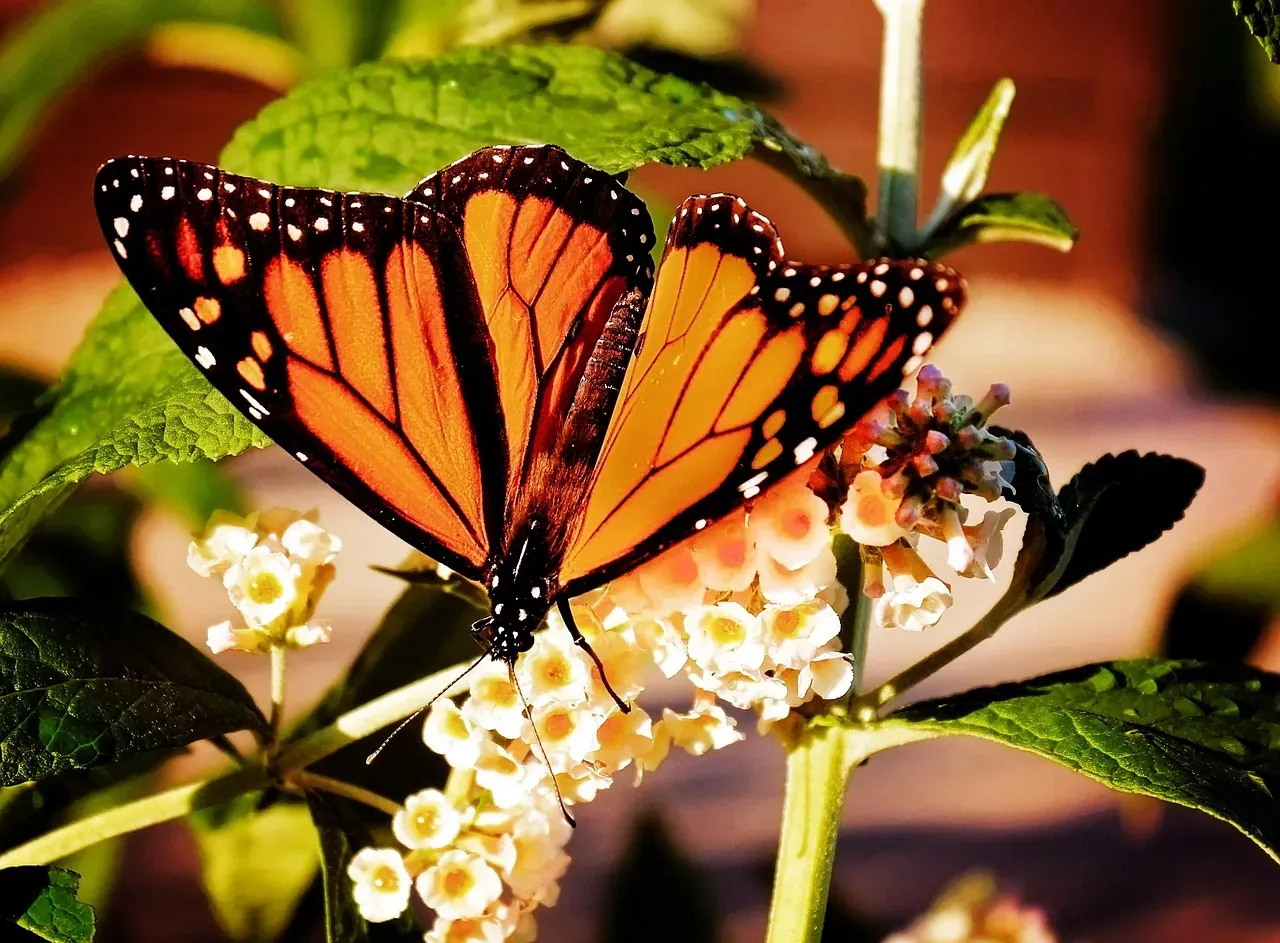
The navigation question is where things get genuinely fascinating. These insects find their way to destinations they have never visited, guided by instincts that are still only partially understood. The most remarkable aspect of these migrations is the fact that butterflies travel to a highly specific destination they have never previously visited. Since their parents have been dead for months, these insects have had no opportunity to learn the route from more experienced individuals.
The well-studied migratory monarchs use a combination of the Sun’s position in the sky and their own biological clocks to create a time-compensated solar compass, meaning the compass adjusts with the shifts in the Sun’s position throughout the day. They also take directional cues from the Earth’s magnetic field.
While neural processing occurs in the monarch’s brain, research indicates that the actual circadian clock underlying the migratory patterns is located in the butterfly’s antennae. The antennae, in other words, are doing far more than sensing nearby flowers.
Simulations by scientists showed that there are regularly favourable tailwinds between Africa and Western Europe, offering insects opportunities for transcontinental travel. The team calculated that the butterflies must fly non-stop during the day and rest during night to cross the Sahara. Riding wind currents strategically is a key part of how these small insects cover such enormous ground.
When Butterflies Cross Oceans
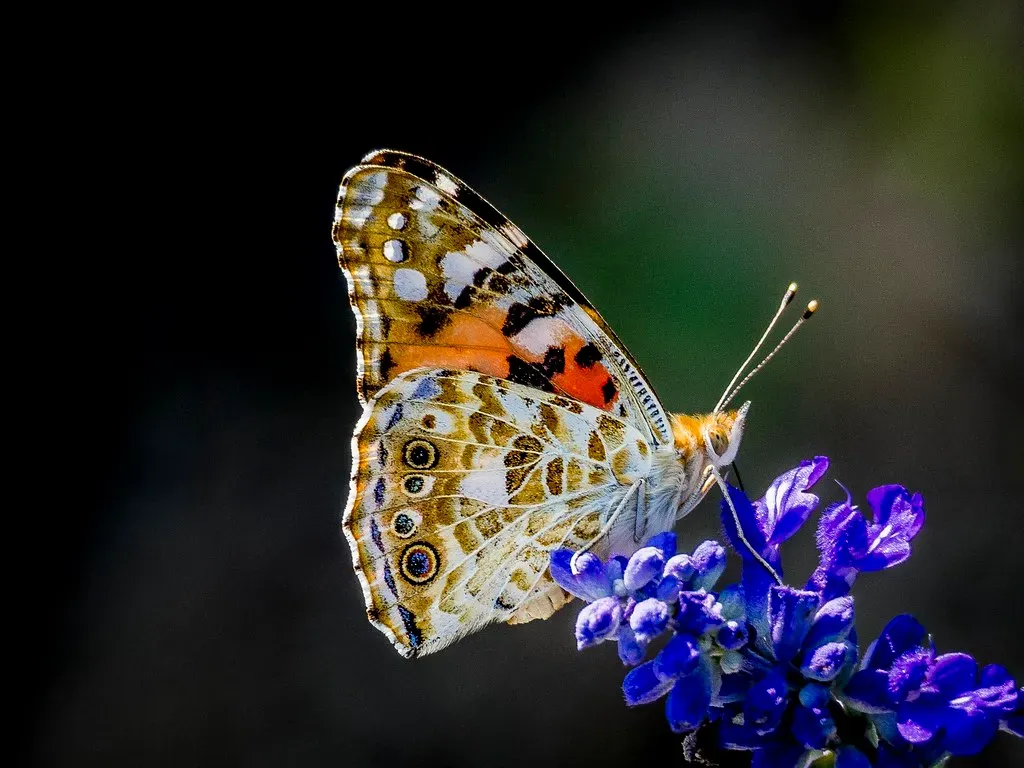
If multi-continental travel seems extraordinary, butterfly migration has now been confirmed to stretch even further. In 2024, researchers published findings that pushed the boundaries of what anyone thought was possible for a winged insect. Researchers reported a transatlantic crossing by painted lady butterflies spanning at least 4,200 kilometers, from West Africa to South America (French Guiana), lasting between 5 and 8 days.
The discovery began with a mystery a decade earlier. The finding ends a decade-long mystery that began when entomologist Dr. Gerard Talavera came across around ten painted lady butterflies on a beach in French Guiana in October 2013. The insects, which are not usually found in South America, were worn out with holes and tears in their wings.
The researchers believe that these butterflies took part in their annual migration south from Europe but were blown into the ocean when the wind changed. The butterflies then likely rode out the trade winds, which blow east to west near the equator, until they reached land in South America. It wasn’t intentional exploration. It was extraordinary resilience.
In 2024, Talavera and his colleagues proved that a group of the butterflies had managed to cross the Atlantic Ocean. He also proved that the painted lady migration across Africa and Europe occurs on a species-wide scale over multiple generations of butterflies. The full scope of where these wings can carry them is still being mapped.
A Migration Under Threat: The Conservation Picture
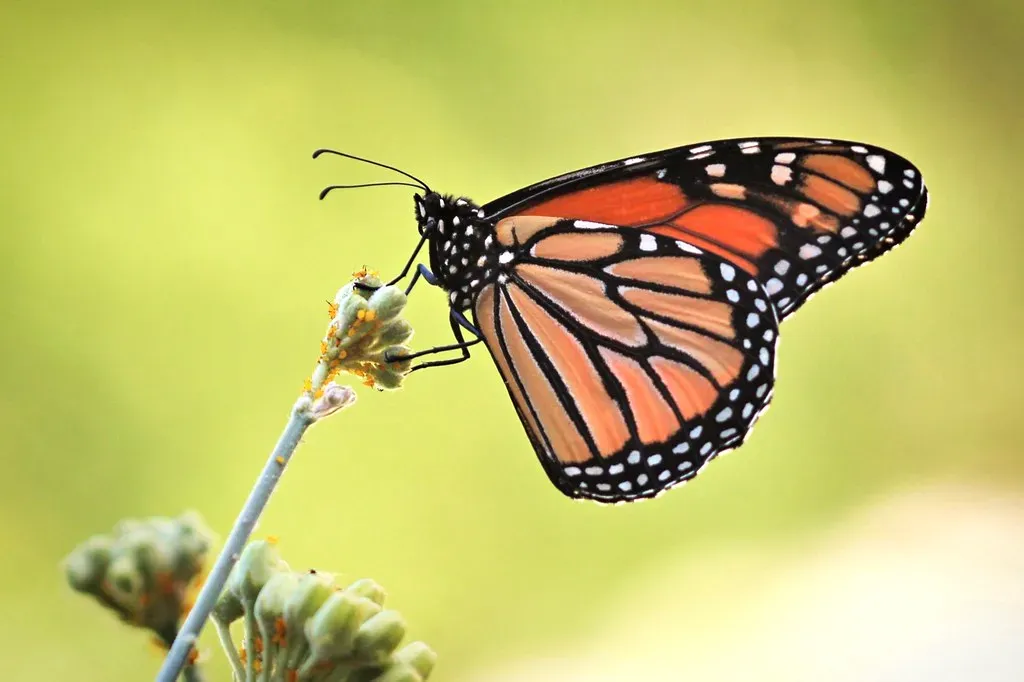
The same migrations that have captivated researchers for decades are now facing mounting pressure. For the monarch, the threats have become severe enough to prompt formal conservation action. On December 12, 2024, the United States Fish and Wildlife Service published a proposed rule that would list the monarch butterfly as a threatened species and would designate the butterfly’s critical habitat.
Threatened with widespread habitat loss, increased use of pesticides, and climate change impacts, monarchs have suffered a population decline upward of 90 percent in recent decades. The migration itself, not just the butterfly, appears to be in trouble. Researchers documented steady, dramatic declines in roost sizes over the migration route that were independent of climate and landscape factors. Some scientists suggest that climate change is allowing monarchs to forgo their migration entirely, spending winters in warmer parts of the U.S.
A study published in March 2025 found that populations of butterflies across the United States are declining. In addition to dramatic declines for individual species, the study concluded that total abundance of butterflies has declined by 22% from 2000 to 2020.
A Yale-led study warned that global climate change may have a devastating effect on many butterfly populations worldwide, turning their species-rich, mountain habitats from refuges into traps. Yet there are measured reasons for cautious optimism. In encouraging news, the eastern monarch butterfly population nearly doubled in 2025. The population wintering in central Mexico’s forests occupied 4.42 acres, up from 2.22 acres during the previous winter. A real gain, even if the long-term trend still warrants serious concern.
Conclusion
Butterfly migration stands as one of the more quietly profound phenomena in the natural world. These creatures, fragile-looking and seemingly at the mercy of the breeze, are in reality some of the most accomplished long-distance travelers on Earth. A tiny creature weighing less than a gram, with a brain the size of a pinhead and no opportunity to learn from older, experienced individuals, undertakes an epic intercontinental migration in order to find plants for its caterpillars to eat.
As butterfly populations are highly sensitive to environmental changes, studying their migratory patterns provides scientists, researchers, and casual observers insight into habitat health, changes in climate, and the quality of food sources. In this sense, the migration is more than spectacle. It’s a signal.
The record-setting distances, the ocean crossings, the solar compasses embedded in wings, all of it points to something that took millions of years to develop. How much of it survives the next few decades depends less on the butterflies’ abilities and more on the choices made on the ground beneath their flight paths.

- 7 Wild Animals Making a Comeback in the Forests of New England - August 23, 2026
- 8 Desert Survivors Found in Arizona's Sonoran Desert After Dark - August 23, 2026
- 7 Ocean Animals That Survive Pressure Strong Enough to Crush Ordinary Equipment - August 23, 2026