
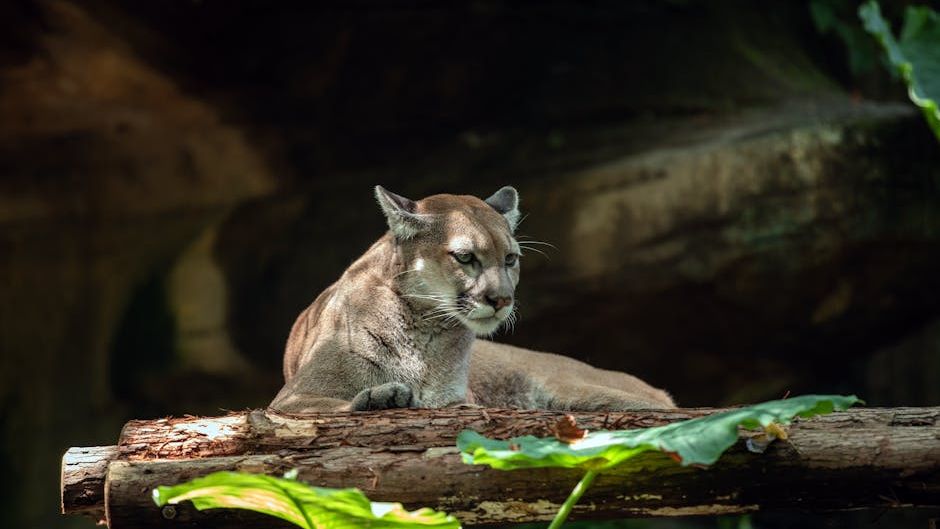
Something is coming back. Quietly at first, then unmistakably. Across rivers, forests, wetlands, and open plains, wildlife that was once teetering toward extinction is reappearing across the United States in numbers that few conservationists dared to predict decades ago.
The story isn’t simple or uniform. Some recoveries are dramatic; others are slow, fragile, and still contested. Roughly one third of America’s wildlife species face an extinction risk, and all categories of wildlife are declining, in many cases dramatically. Yet amid those grim figures, genuine turning points are happening. State by state, ecosystem by ecosystem, the land is beginning to answer back.
Wyoming and the Yellowstone Wolf Effect
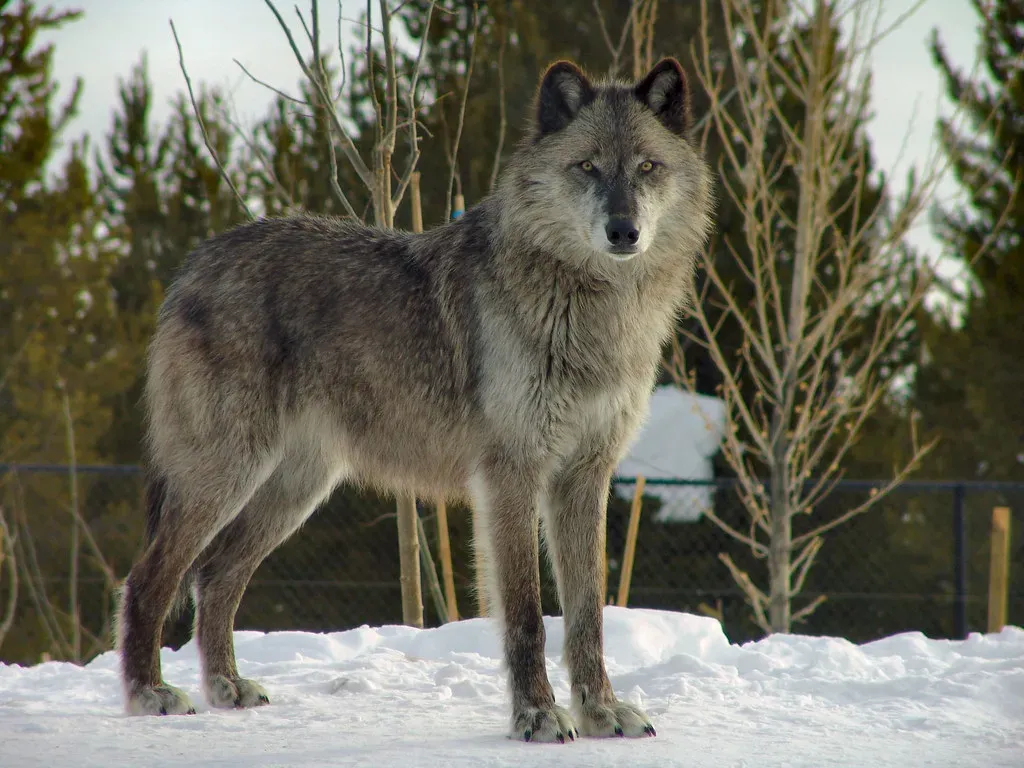
Few wildlife stories carry the weight of Wyoming’s gray wolf reintroduction. Recognizing the importance of apex predators in maintaining ecosystem balance, the U.S. government, in collaboration with wildlife conservation organizations, initiated the Yellowstone Gray Wolf Reintroduction Project in 1995. What followed surprised even the scientists involved.
The reintroduction of gray wolves into Yellowstone had profound and far-reaching effects on the park’s ecosystem. One of the most noticeable changes was the trophic cascade, a domino effect of ecological responses triggered by the reintroduction of a top predator. With the return of wolves, the elk population, which had flourished in the absence of natural predators, began to decline.
When the gray wolf was reintroduced into the Greater Yellowstone Ecosystem in 1995, there was only one beaver colony in the park. Today, the park is home to nine beaver colonies, with the promise of more to come, as the reintroduction of wolves continues to astonish biologists with a ripple of direct and indirect consequences throughout the ecosystem.
Wolves are again asserting a positive influence on the ecosystem by playing a critical role as ecosystem engineers in Yellowstone’s natural processes and bringing an estimated $83 million to the park’s gateway communities through wildlife watching. That economic dimension tends to get overlooked in the broader debate, but it matters to local towns.
California and the Condor’s Extraordinary Return
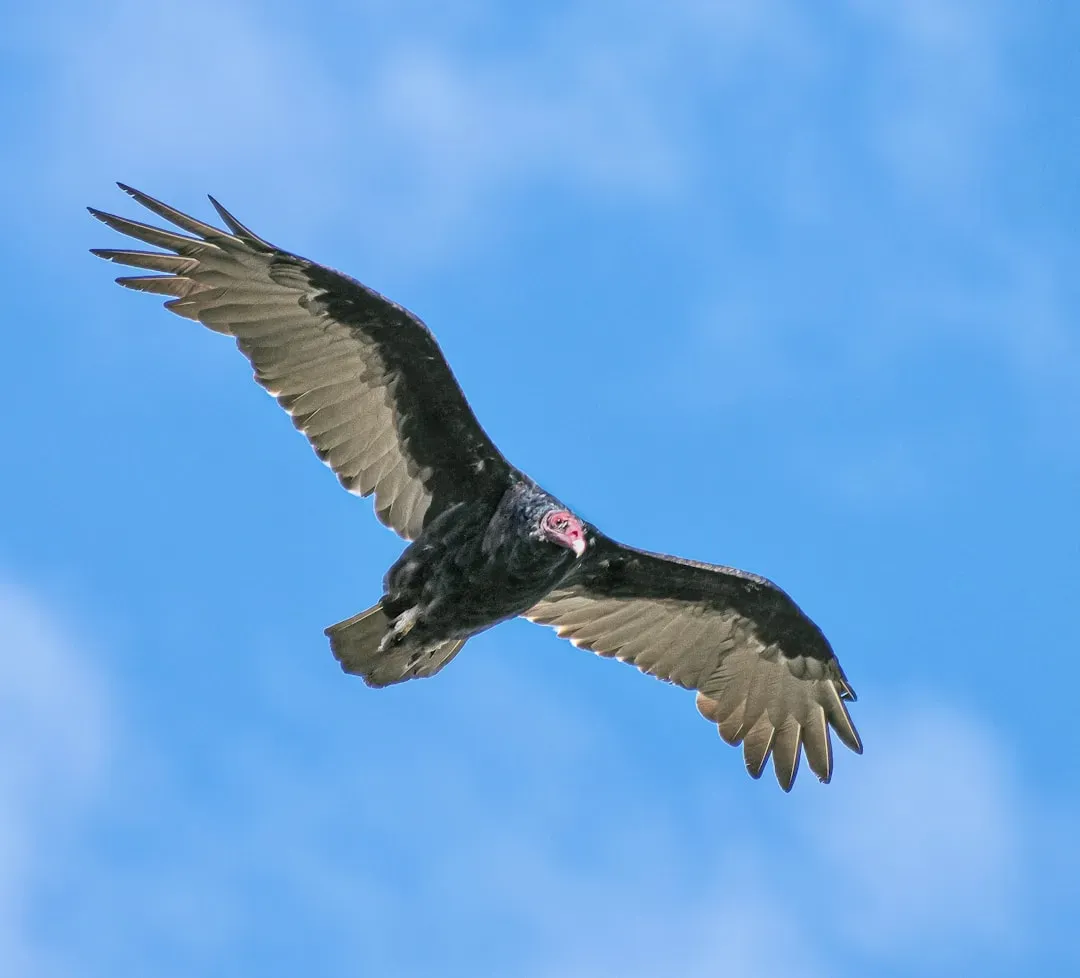
The California condor’s story is one of the most extreme conservation rescues ever attempted. By the mid-20th century, condor populations had dropped dramatically, and by 1967 the California condor was listed as endangered by the federal government. In 1982, only 23 condors survived worldwide. By 1987, all remaining wild condors were placed into a captive breeding program in an effort to save the species from extinction.
Since 1992, when the U.S. Fish and Wildlife Service began reintroducing captive-bred condors to the wild, the USFWS and its public and private partners have grown the total free-flying and captive population to more than 500 condors. In December 2025, the Fish and Wildlife Service updated the world population to 607. From 23 individuals to over 600 in roughly four decades is, by any measure, a remarkable outcome.
It’s been almost 50 years since the California Condor Recovery Program began and while there have been many successes, the birds aren’t out of the woods yet. Lead poisoning from ammunition remains one of the most persistent threats to the population’s long-term self-sufficiency.
Florida and the Fight for the Everglades
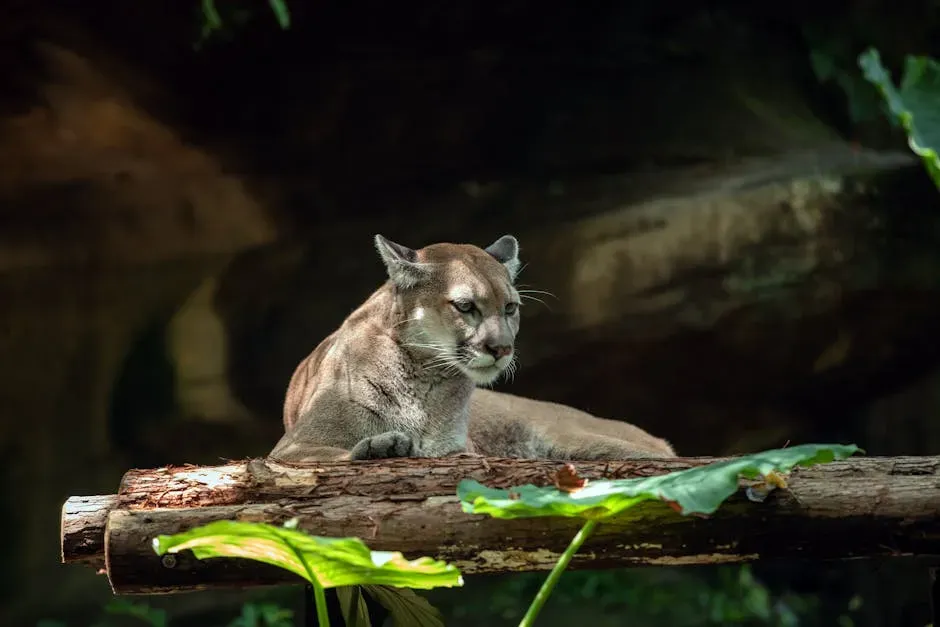
Florida holds one of the most ambitious ecological restoration efforts on the planet. Famous for its abundance of bird life, the Everglades covers two million acres from the south side of Orlando all the way to the Florida Keys and Florida Reef Tract, one of the largest wetlands in the world. Home to endangered Florida panthers, the only large cats remaining in the eastern United States, as well as pink Roseate Spoonbills and both alligators and crocodiles, the Everglades provides critical habitat for wildlife but also clean water and flood protection for nearby communities.
The most ambitious ecosystem restoration plan ever attempted is underway to provide the River of Grass with clean fresh water in the right place at the right time. Audubon’s work to restore the Everglades is focused on implementing the Comprehensive Everglades Restoration Plan and other restoration projects to achieve ecological benefits and restore the characteristic abundance of wildlife.
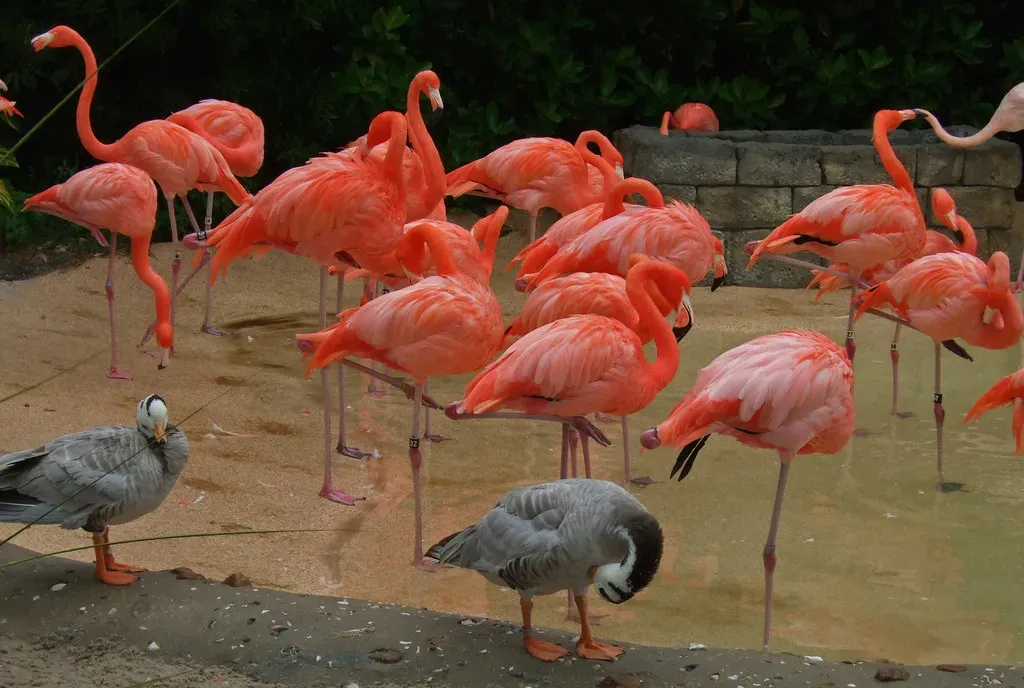
The return of flamingos to Florida has become one of the most captivating wildlife stories in recent years, signaling a possible natural comeback after more than a century of absence. Once native to the state, American flamingos largely disappeared from Florida in the early 1900s due to hunting and habitat disruption. However, in 2023, following the powerful impact of Hurricane Idalia, flocks of these striking pink birds were spotted across the state – from the Florida Keys to Tampa Bay and even inland wetlands. Wildlife experts believe the storm may have displaced birds from their strongholds in the Caribbean, particularly regions like Cuba and the Yucatán Peninsula, pushing them into Florida’s ecosystems. What makes this event remarkable is that some flamingos appear to be staying rather than moving on, raising hopes that the species could once again establish a stable, breeding population in Florida.
The Pacific Coast: Sea Otters Reclaiming Their Range
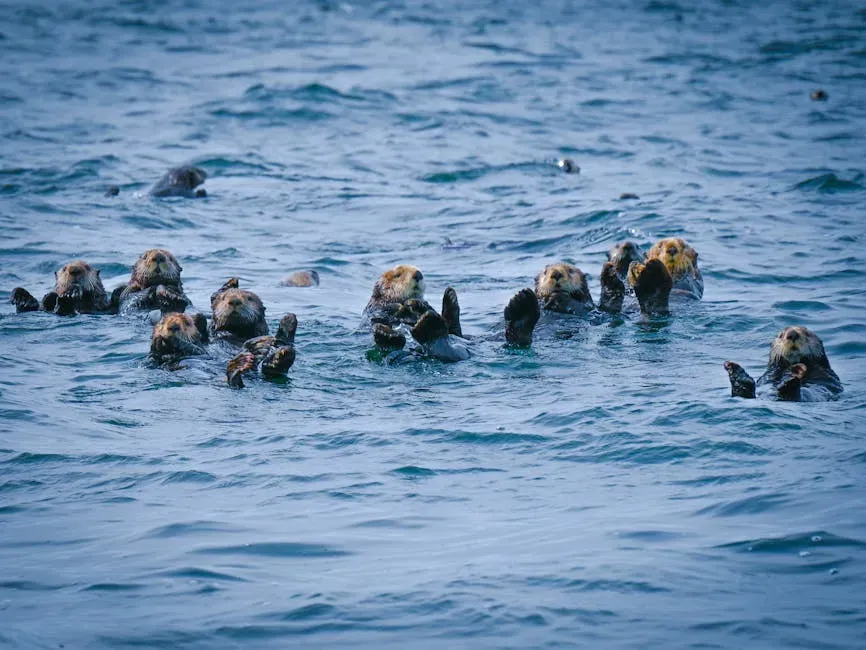
Along the California and Pacific Northwest coastline, sea otters have been making a slow but steady comeback that carries consequences far beyond their own survival. These charismatic marine mammals are reclaiming their historic territory along the Pacific coast. Sea otter populations have grown steadily, with new colonies establishing in areas where they’ve been absent for over a century. Kelp forest restoration projects have improved habitat quality throughout their range.
Their remarkable comeback has triggered a cascade of positive ecosystem changes: healthy kelp forests sequester carbon, buffer coastlines from storm damage, and support diverse marine life. It’s a reminder that a single species, when restored to its ecological role, can transform an entire coastal system.
The Great Plains: Bison and the Black-Footed Ferret
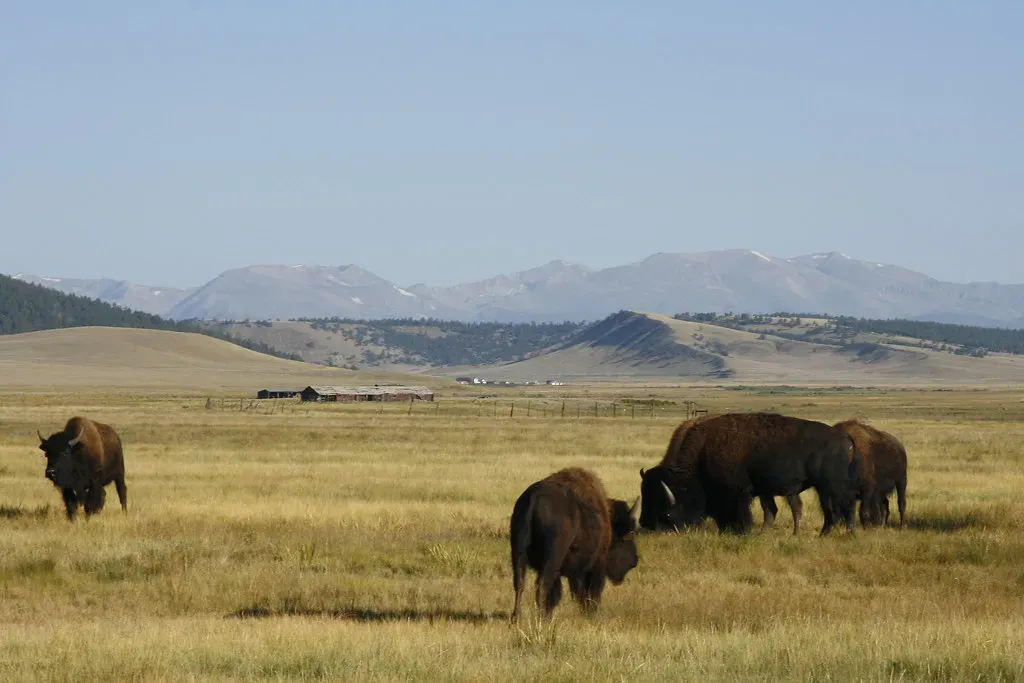
The American bison’s story is one of the longest wildlife recoveries in North American history. Once roaming the Great Plains in herds numbering in the millions, the American bison faced near extinction by the late 19th century due to overhunting and habitat loss. Unyielding efforts were made to protect remaining populations through conservation and restoration initiatives. Today, over 500,000 bison graze across national parks and private lands, symbolizing the resilience and enduring spirit of North American wildlife.
Sharing those plains is a far smaller but equally significant recovery. Once thought extinct in the wild, the black-footed ferret has made a remarkable comeback. In the early 1990s, only a handful remained, but thanks to concerted conservation efforts, they now thrive across eight U.S. states and Canada. With over 300 individuals reintroduced, the ferrets are reclaiming their native prairies.
Despite fiscal constraints, many Tribal Nations have accomplished wildlife and land management programs that restore habitats and recover at-risk species such as bison, black-footed ferrets, and bighorn sheep. Tribal-led recovery is an often underreported dimension of these Great Plains successes.
The Southeast: The American Alligator as a Conservation Model
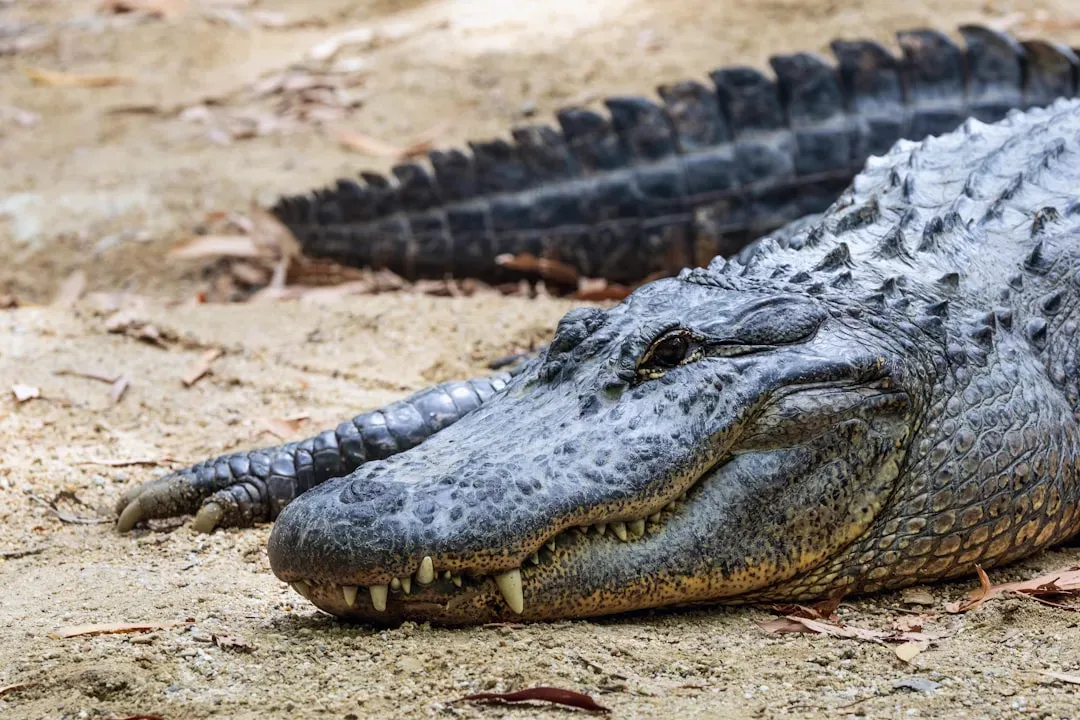
The American alligator’s recovery is one of the clearest examples of what legal protection combined with habitat conservation can achieve. The American alligator was once hunted nearly to extinction in the early 20th century. Overhunting and habitat loss, primarily in the southeastern U.S., had dramatic impacts on their numbers. Conservation laws passed in the 1960s and their listing under the Endangered Species Act in 1967 helped their numbers recover.
The implementation of stringent legal protections and habitat conservation measures led to a successful comeback. Today, these reptiles not only thrive in their natural habitats but also play a crucial role in the ecological balance of their ecosystems. Alligators are what biologists call keystone species, meaning their presence actively shapes the wetland habitat around them, benefiting dozens of other species in the process.
A National Effort: Infrastructure, Funding, and Habitat Connectivity
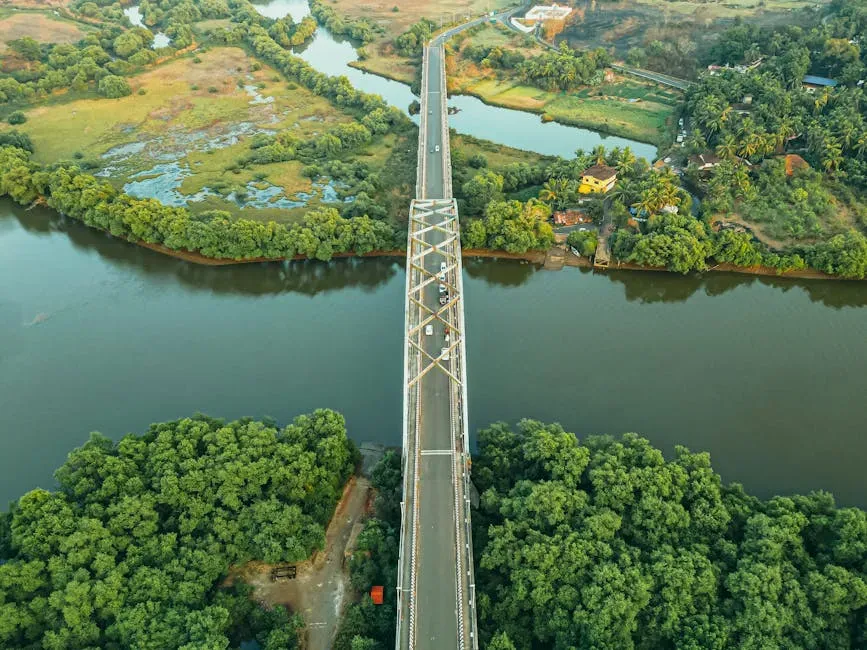
Behind individual species recoveries sits a broader network of investment and policy. Since 2022, through the Bipartisan Infrastructure Law, the U.S. Fish and Wildlife Service has received just over $66.5 million for 96 ecosystem restoration projects that engage with our nation’s communities to advance habitat restoration, conduct invasive species control, and conserve threatened and endangered species.
To date, the Service has obligated $73 million in BIL funding for 79 fish passage projects in 30 states and Puerto Rico, which will open more than 6,000 miles of streams and rivers. Reconnecting fragmented waterways is often unglamorous work, but it’s one of the most reliable ways to restore fish populations and broader riparian ecosystems.
Some of the most tangible conservation gains in 2025 occurred where conservation meets daily life. State-level investments in wildlife crossing projects, including efforts in Montana and New Mexico, strengthened habitat connectivity while reducing collisions and improving safety for both wildlife and people. These highlight the power of collaboration and the value of durable, locally supported solutions.
Minnesota and the Midwest: Quietly Leading the Way
The Midwest rarely gets the headlines that western wildlife stories do. Yet the region has produced some of the most methodical and durable recovery work in the country. Erik Runquist and Cale Nordmeyer have worked tirelessly to establish a successful rearing and release program for endangered butterflies. Their program at the Minnesota Zoo in Apple Valley, Minnesota works to recover the endangered Poweshiek skipperlings and threatened Dakota skipper.
They oversaw the first reintroductions of these butterflies in the United States. As a result of these efforts, the Poweshiek skipperling has exhibited an astounding population increase from about 250 individuals in 2013 to approximately 1,500 in captivity and ready to release in the U.S. in 2025. That kind of patient, incremental work rarely makes national news, but it represents the everyday reality of conservation in the Midwest.
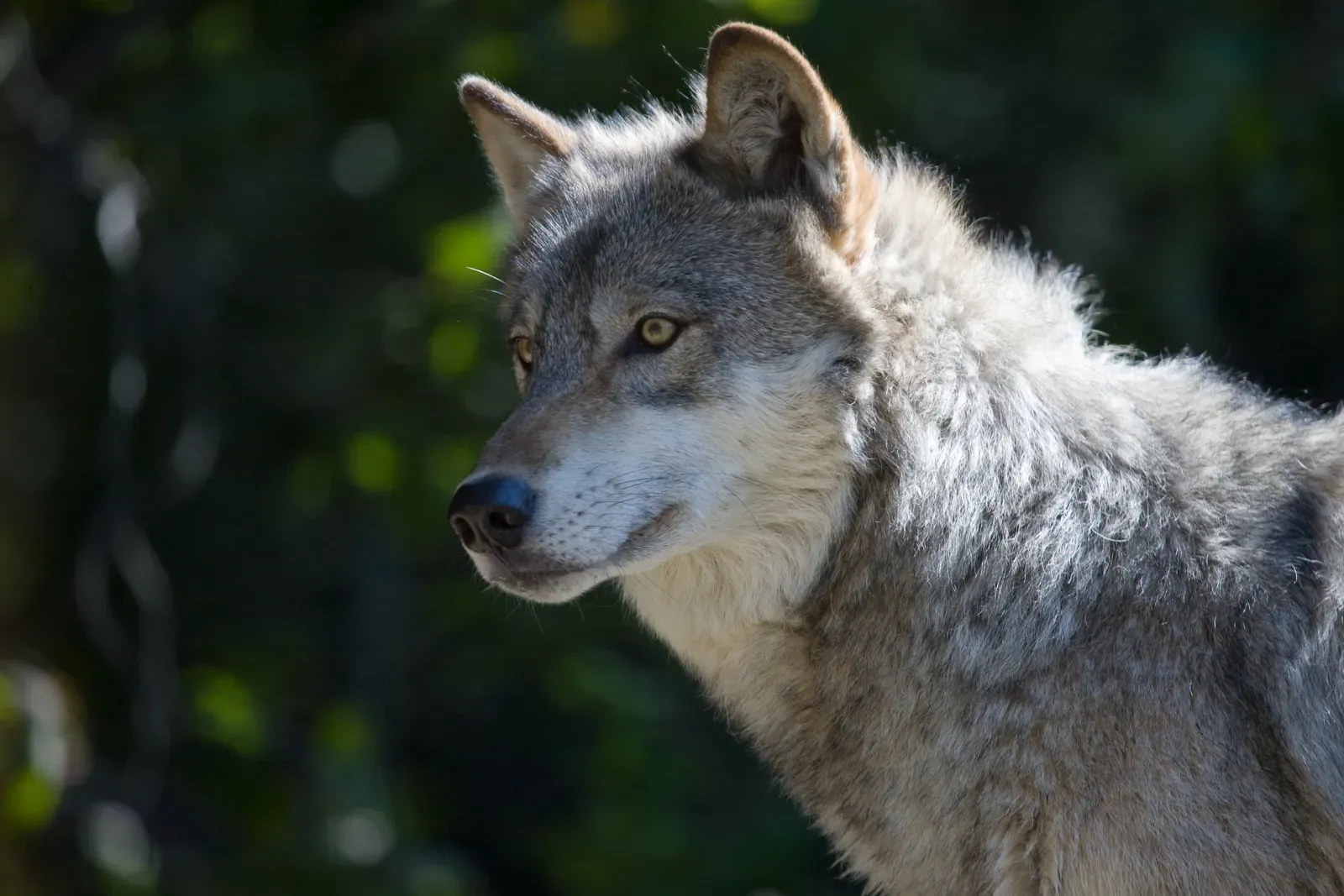
The gray wolf was nearly eradicated from the continental United States by the mid-20th century due to aggressive hunting and habitat destruction. Programs initiated in the 1990s began to reintroduce wolves to Yellowstone National Park and central Idaho. These efforts have been hugely successful, with the current population now surpassing 6,000 in various regions, including the northern Rocky Mountains and western Great Lakes. Minnesota’s Great Lakes wolf population is a quiet but vital part of that story.
Conclusion: Nature’s Resilience Needs a Running Start
What these state-level stories share is not just good news. They share a formula: legal protection, sustained funding, habitat restoration, and enough time. In its first 50 years, the Endangered Species Act has been credited with saving 99% of listed species from extinction thanks to the collaborative actions of federal agencies, state, local and Tribal governments, conservation organizations, and private citizens. That’s a record worth defending.
The recoveries documented here are real, but they’re also fragile. Recovering and conserving America’s fish and wildlife will be no easy task. Halting and reversing the current trend will require investment in widespread on-the-ground efforts by state and federal agencies along with local and private partners.
Wildlife doesn’t need our sentimentality. It needs our consistency. The bald eagle didn’t return because people felt bad. It returned because people stayed committed, across decades, through political shifts and funding gaps. That’s the real lesson written into every recovery on this list, and it’s one worth carrying forward.
