
Florida has always been a place where the wild refuses to quit. From the tangled roots of its mangrove coasts to the vast silence of the Everglades, the state’s natural world is extraordinary in scale and variety. Florida ranks among the top five states in the nation for endemic species, with over 700 terrestrial animals, 200 freshwater fish species, 1,000 marine fish, and thousands of terrestrial insects and invertebrates that call it home.
Yet for much of the twentieth century, habitat loss, hunting, and pollution pushed many of those species to the brink. The list of Florida’s endangered species has changed over the years – animals are added as their numbers dwindle, some are removed as species rebound, and, sadly, some are removed because they have gone extinct. The stories unfolding today, though, are ones of resilience. Across the Sunshine State, rare animals and birds are quietly, stubbornly finding their way back.
The Florida Panther: From Near Extinction to Slow Comeback
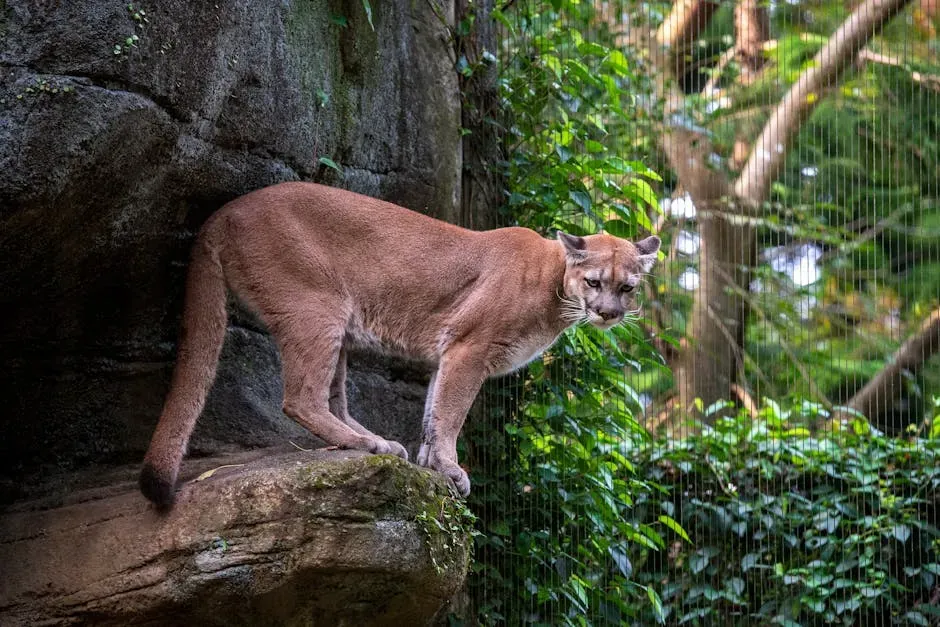
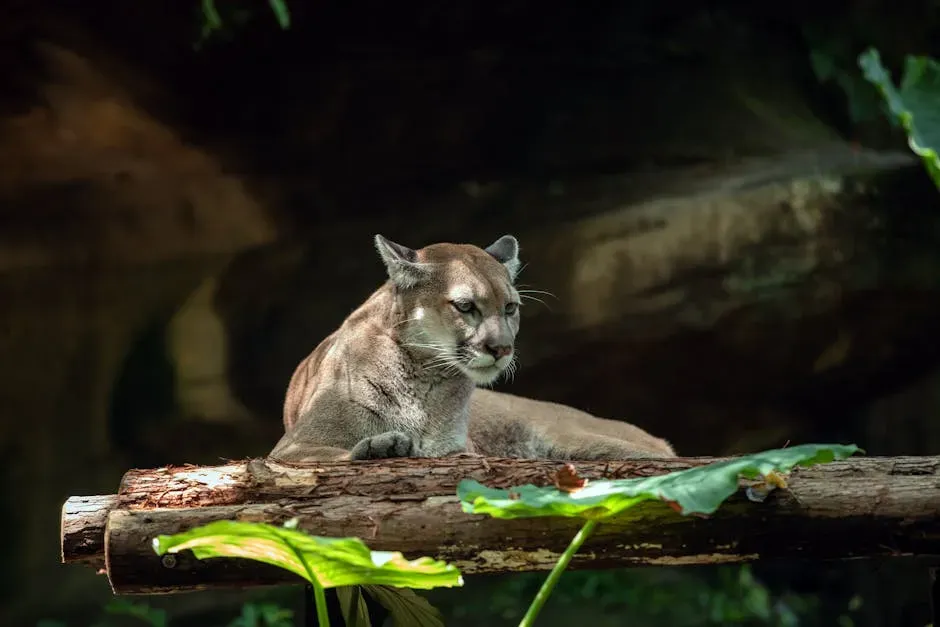
Few stories in American conservation carry as much weight as the Florida panther. The panthers, a mountain lion subspecies, nearly went extinct in the 1990s, when the population dwindled to just 20 individuals. That low point prompted one of the most dramatic wildlife interventions ever attempted in the United States.
The panther made a remarkable comeback thanks to an unprecedented experiment by scientists and veterinarians, and there are now about 200 prowling the semi-tropical South Florida wilderness, including in the Florida Panther National Wildlife Refuge, Big Cypress National Preserve, and Everglades National Park. The Endangered Species Act helped usher in funding for purchasing large areas of public lands, including the Florida Panther National Wildlife Refuge, and research to improve their genetics, since inbreeding had led to severely decreased fertility.
The Florida Manatee: A Gentle Giant Still Fighting
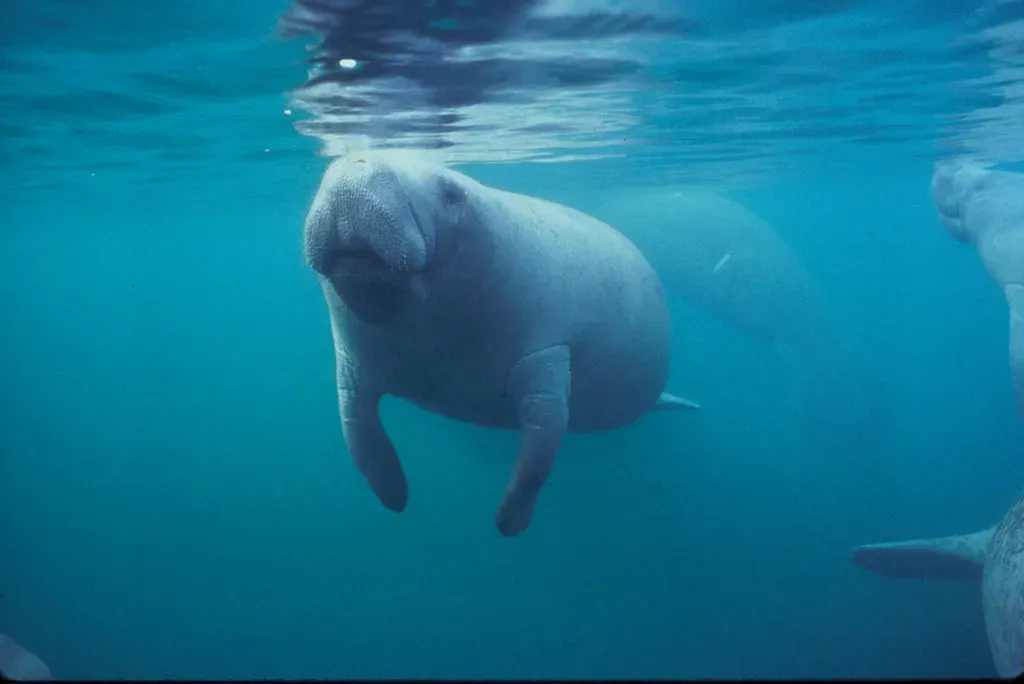
Approximately 7,500 Florida manatees now inhabit the state’s coastal waters and rivers, leading to their reclassification from “endangered” to the less dire “threatened” status in 2017. While this represents significant progress, manatees continue to face serious challenges. Their road back has been hard-won and remains fragile.
Boat collisions remain a major threat, with propeller scars visible on the majority of adult manatees. More recently, widespread die-offs linked to starvation have occurred as pollution-fueled algal blooms destroy the seagrass beds that manatees depend on for food. The manatee’s story is one of real, measurable progress – and a clear reminder that recovery is never a finished chapter.
The Wood Stork: A Wading Bird That Beat the Odds
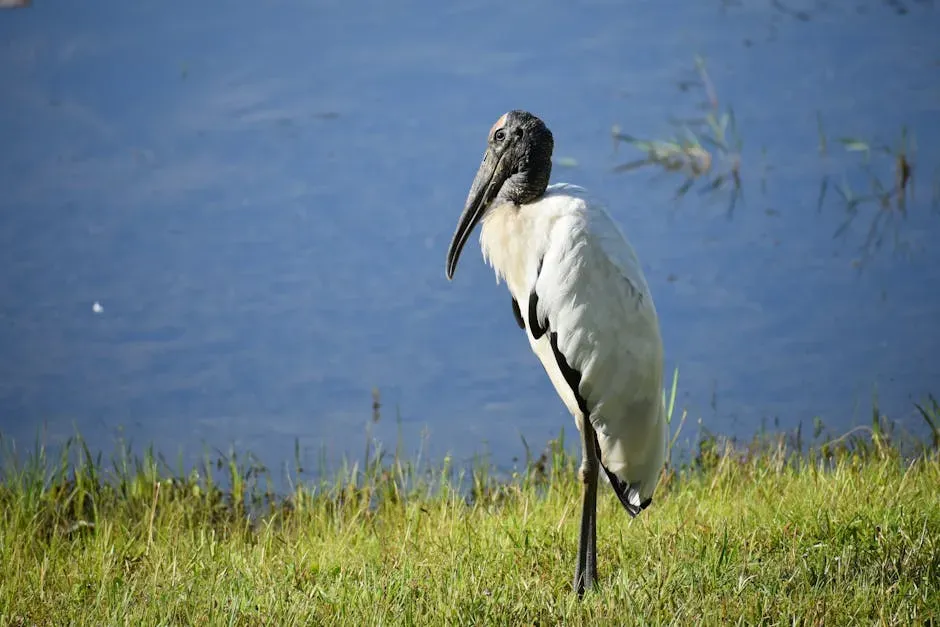
The wood stork was having a tough time in 1984, when it was listed under the Endangered Species Act. The population had fallen to fewer than 5,000 nesting pairs, primarily in the Everglades and Big Cypress ecosystems, and wildlife researchers feared it was heading for extinction because of habitat loss.
Today, the wood stork breeding population has doubled to more than 10,000 nesting pairs and has increased its range beyond Florida. Where spotting a wood stork 40 years ago was rare, today they are common sights in South Florida – and the wood stork was downlisted to a threatened species in 2014. The delisting of the wood stork, decades after it was deemed endangered in 1984, has been hailed as a conservation success story.
The American Crocodile: Back From the Brink in South Florida
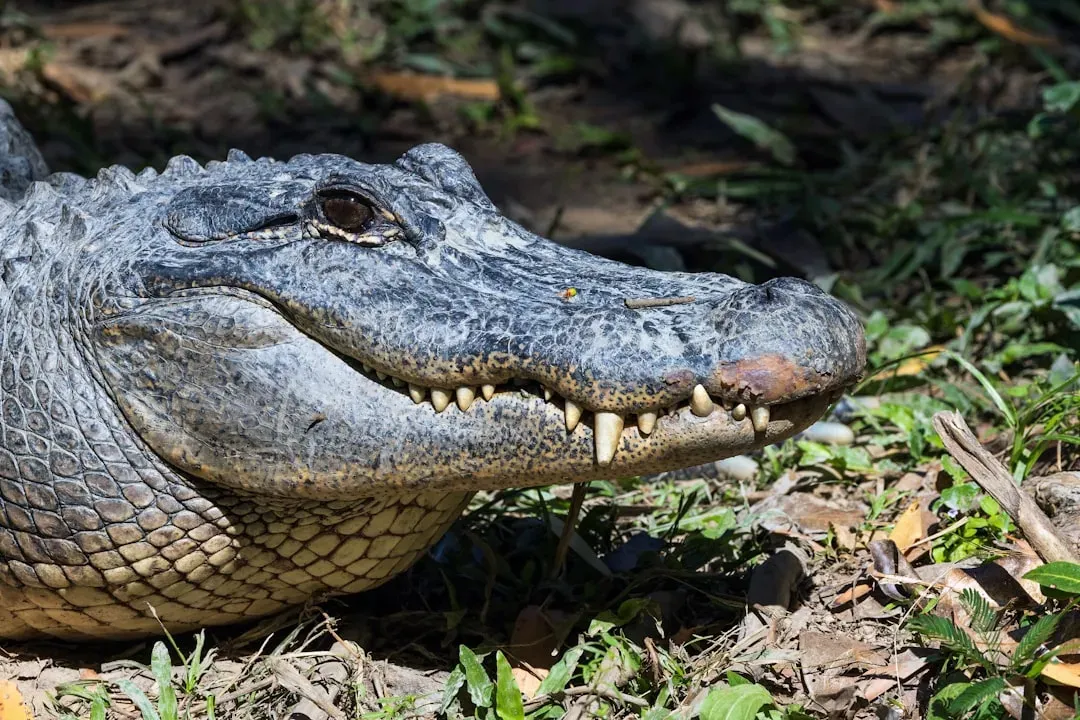
The American crocodile was listed as an endangered species in 1975, when only a few hundred remained. Today, more than 2,000 adult crocodiles live in shallow brackish or salt water along both South Florida coasts, according to the Florida Fish and Wildlife Commission.
They can now be found as far north as Tampa Bay on the Gulf Coast and Brevard County on the Atlantic Coast, and as of 2007, crocodiles have moved off the list of endangered species to the less severe designation of threatened. Spotting one in the wild, gliding silently through a mangrove channel, is a sight that would have been genuinely rare just a few decades ago.
The Florida Grasshopper Sparrow: A Tiny Bird With a Massive Story
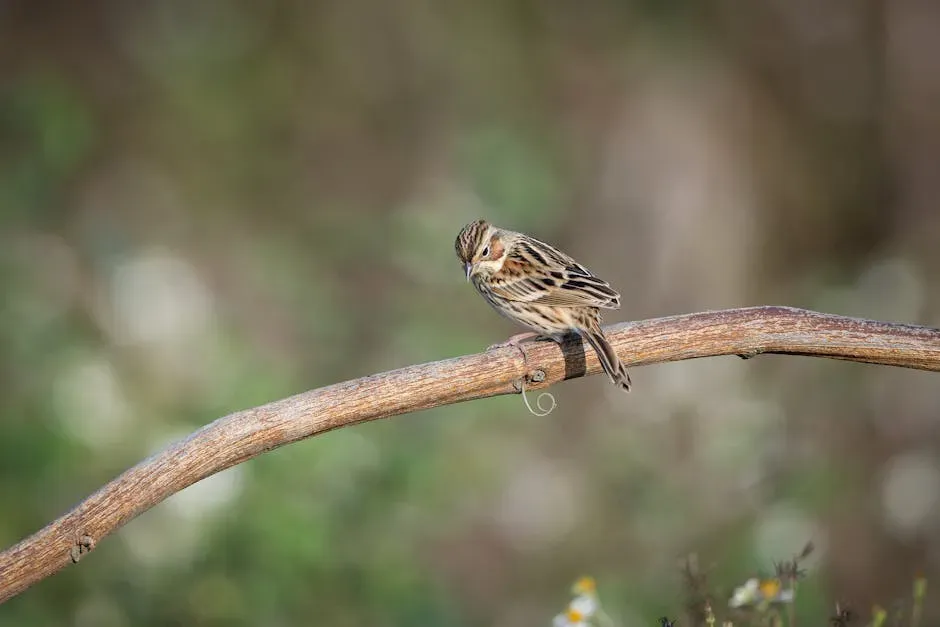
On the dry prairies of the Sunshine State, there’s a tiny, camouflaged bird known as the Florida grasshopper sparrow. Each one weighs about as much as three U.S. quarters yet has to survive against a backdrop of torrential floods, herds of stomping cattle, and waves of ravenous fire ants. It’s one of North America’s most endangered birds, and its recovery has required extraordinary human ingenuity.
Since May 2019, experts have successfully bred and released more than 1,000 captive-reared birds into the wild across two sites, and both sites – Avon Park Air Force Range and Three Lakes Wildlife Management Area – have seen upswings in their wild sparrow populations. Conservationists went to dramatic lengths to save the birds, including pumping boiling hot water into the ground to ward off fire ants.
The Bald Eagle: America’s Symbol Soars Over Florida Again
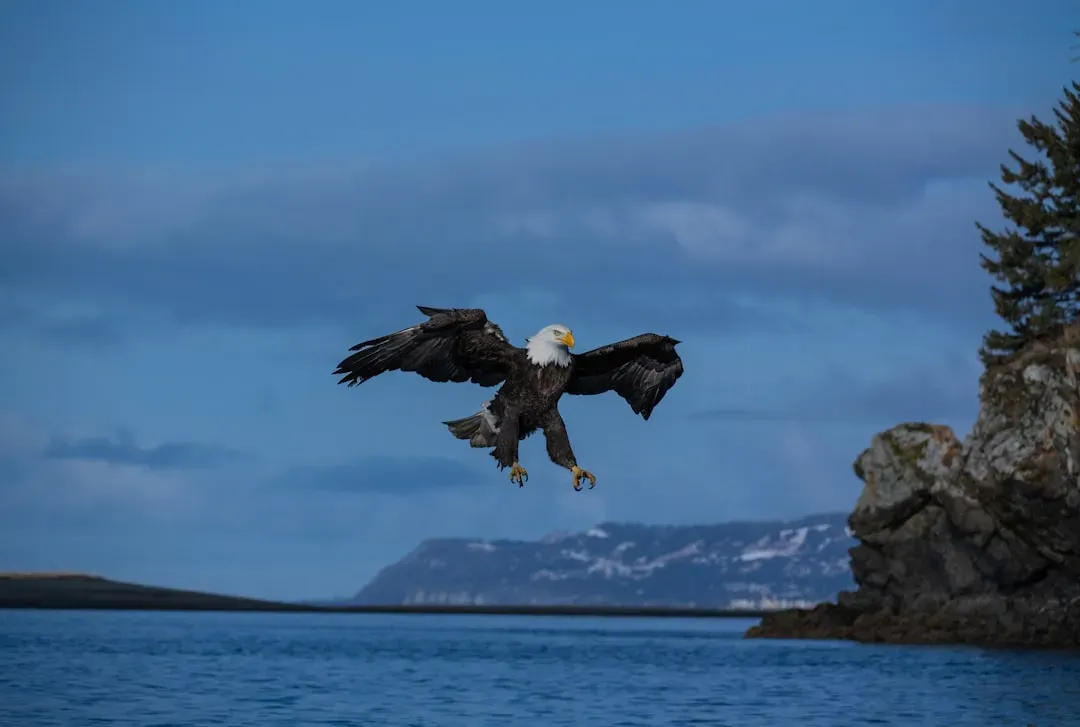
By the 1960s, the bald eagle had been reduced to just 417 nesting pairs in the contiguous United States due to habitat destruction, hunting, and the widespread use of the pesticide DDT, which caused catastrophic reproductive failure. Florida was among the states where their absence became painfully visible.
Within a relatively short period after DDT was banned, eagle nests began appearing again in places where they had been missing for years. Young eagles survived at higher rates because their eggs no longer suffered from weakened shells, and populations rose across states such as Minnesota, Florida, and Alaska – with the recovery eventually leading to the bald eagle being removed from the endangered species list in 2007.
The Roseate Spoonbill: Pink Wings Returning to Florida’s Shores
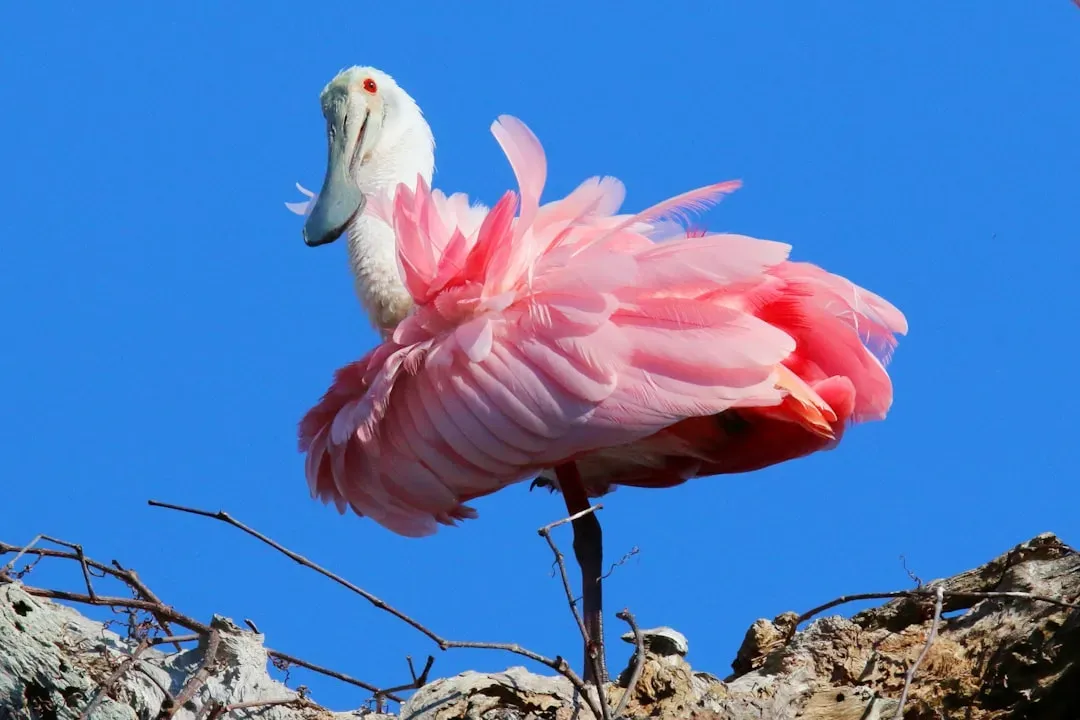
Very common in parts of the southeast until the 1860s, spoonbills were virtually eliminated from the United States as a side-effect of the destruction of wader colonies by plume hunters, before beginning to re-colonize Texas and Florida early in the twentieth century. Once victims of the plume trade that reduced their numbers to a mere 30 nesting pairs, roseate spoonbills have made a remarkable recovery.
Roseate spoonbills embark on a captivating migratory journey, gracing Florida with their vibrant presence during the breeding season from March to October, where they prefer the bays, marshes, and estuaries along the Gulf Coast. Over the past two decades, roseate spoonbills have shifted their nesting grounds, and now raise their young in areas with saltier soils and warmer winters, taking advantage of mangroves that have colonized what was once freshwater habitat miles inland.
The American Alligator: A Conservation Legend
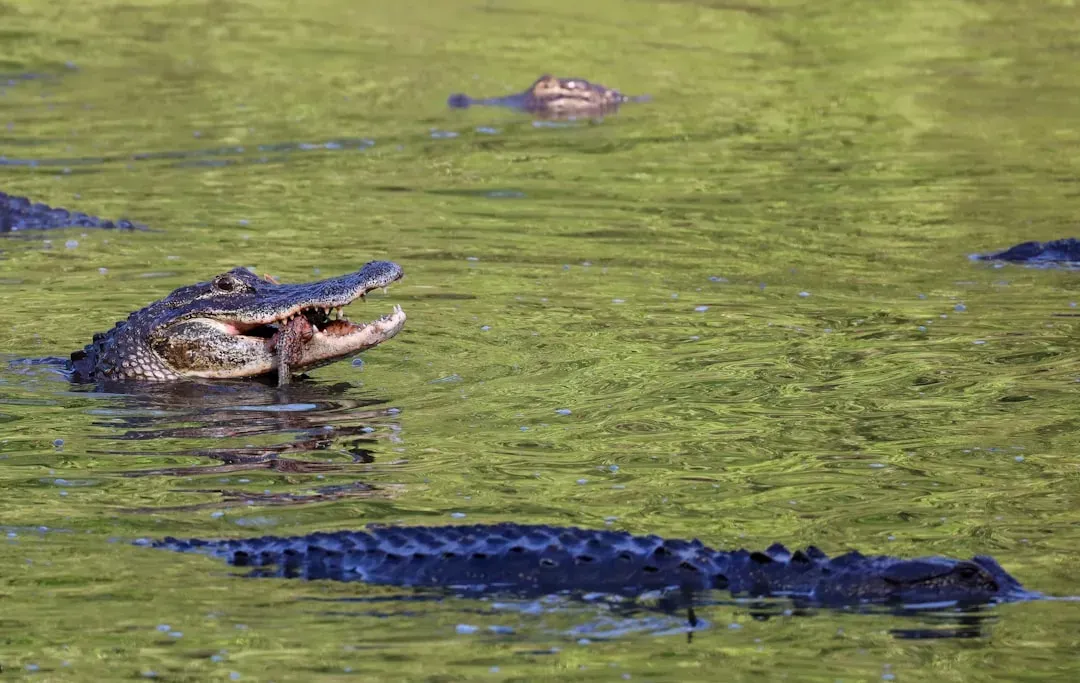
American alligators are living fossils that have roamed the planet for over 200 million years, but overhunting and habitat destruction greatly weakened their population. They were listed as an endangered species in 1967, but a mere 20 years later the American alligator was delisted as land protection and breeding programs helped revive alligator populations.
Within a few decades, alligators became common again in states such as Florida, Louisiana, and Georgia. Healthy wetlands supported large adults, smaller juveniles, and steady nesting activity, showing that reproduction had stabilized. The recovery became so strong that some states later introduced regulated hunting seasons and nuisance control programs to manage growing populations near people.
The Green Sea Turtle: Nesting Numbers That Once Seemed Impossible
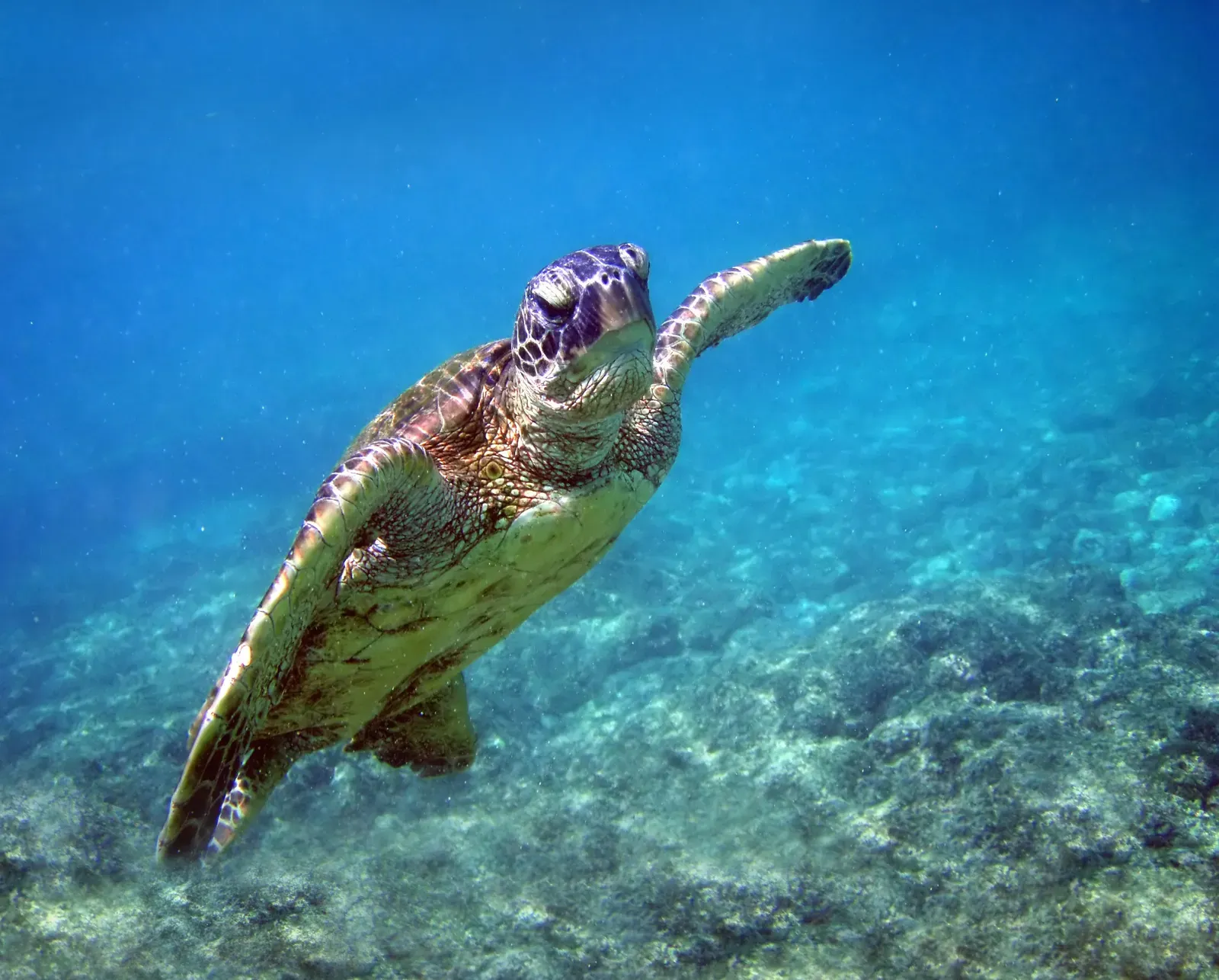
The Florida population of the green sea turtle declined throughout much of the twentieth century, and in the 1980s there were only several thousand total nests in the state. ESA and state protections helped allow green sea turtles to make a remarkable recovery, with over 230,000 total green sea turtle nests recorded in Florida across the entire 2010s decade.
Recovery efforts increased nesting success on Florida beaches dramatically, from fewer than 300 nests in 1989 throughout Florida to more than 24,000 in 2023, and 14,000 in 2024. ESA protections allow communities to enact ordinances to reduce artificial lights that otherwise disorient hatchlings and nesting adults, to reverse beach degradation, and to ensure commercial fishers use Turtle Excluder Devices to prevent drowning.
The Red-Cockaded Woodpecker: Help From an Unlikely Ally
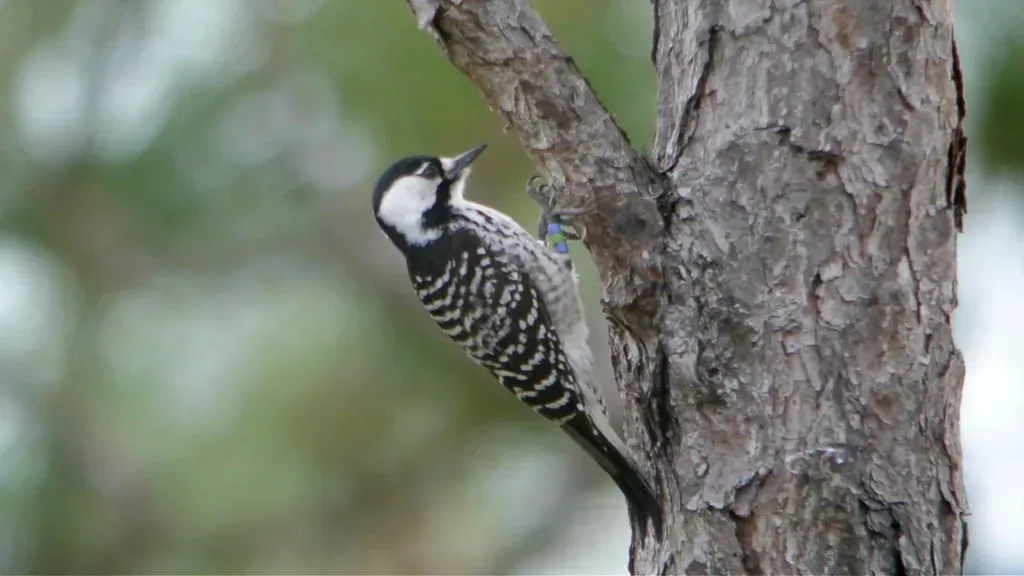
Since the early 2000s, wildlife managers have worked with the U.S. Fish and Wildlife Service to manage red-cockaded woodpecker habitat at Hal Scott Regional Preserve and Park in east Orange County. Birds from Apalachicola National Forest in Florida’s panhandle – where the birds are more abundant – have been relocated to Hal Scott Preserve and other suitable areas to help propagate the species.
Prior to moving the birds, staff build artificial cavities of hollowed-out wood, which are then inserted into holes in trees. Small holes are poked in the tree above and below the cavity to allow sap to flow, making it difficult for snakes and other predators to climb the tree – a natural defense system that biologists learned from the woodpeckers themselves. It’s the kind of creative, patient work that rarely makes headlines but quietly saves species.
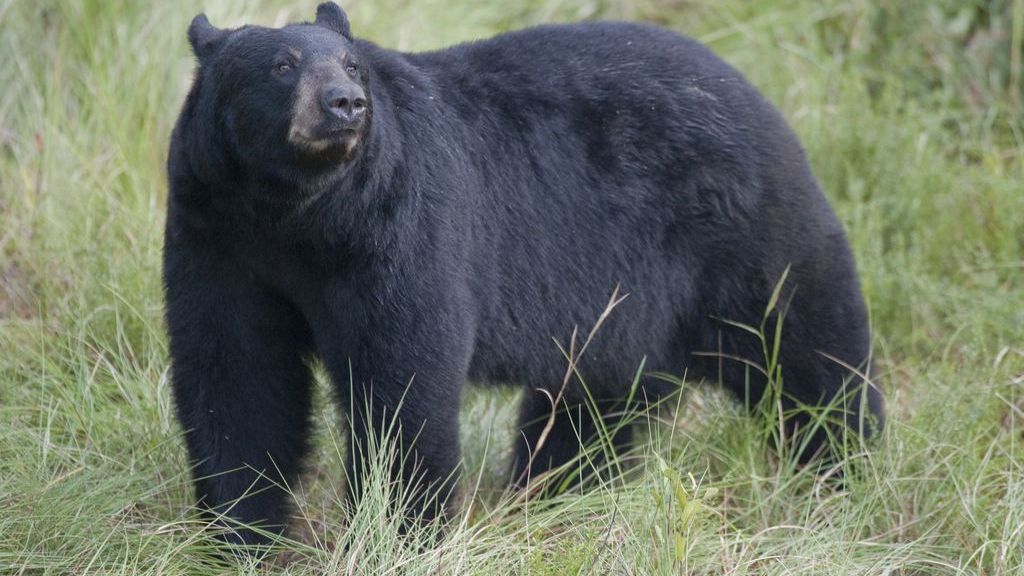
The Florida Black Bear: Returning to a Wider Range
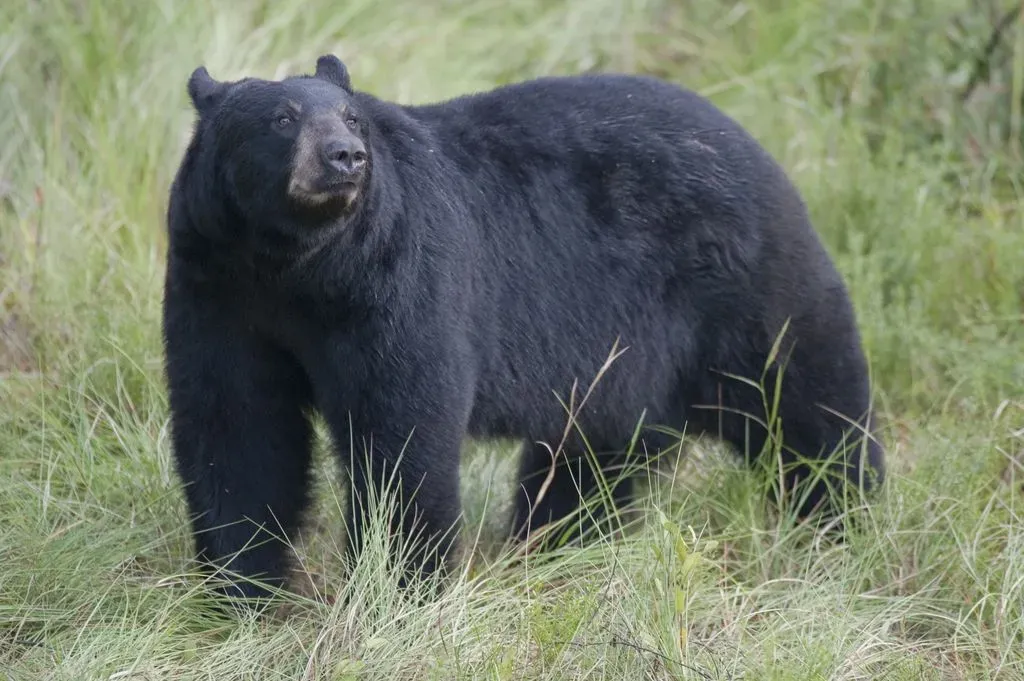
The native bear population has risen from a historic low of 300 in the 1970s to 3,000 in 2011 – a tenfold increase that reflects decades of habitat protection and changing attitudes toward large predators in Florida. Bears are now found across more of their original territory than at any point in living memory.
District scientists and state transportation authorities have collaborated on projects where wildlife bridges have been built over major highways or underpasses constructed beneath roadways to provide safe passage for bears and other wildlife. These crossings often connect public conservation areas and are constructed and landscaped to encourage bears to use them and avoid deadly encounters with vehicles. Infrastructure, it turns out, can serve wildlife as well as people.
The Brown Pelican: A Delisted Bird Still Patrolling the Coast
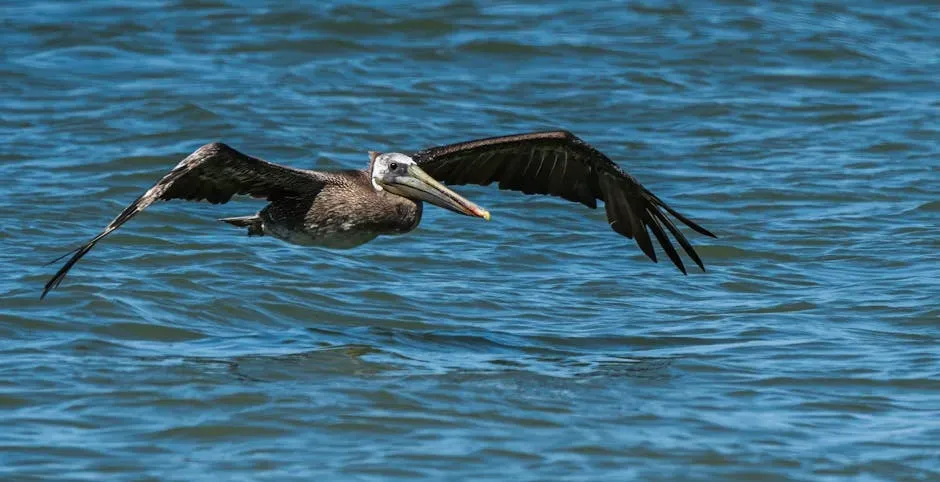
Brown pelicans were dramatically impacted by habitat destruction and DDT. Driven to extinction in Louisiana, they made a dramatic comeback under the Endangered Species Act – with the population in Louisiana alone numbering 16,500 nesting pairs by 2014 – and the brown pelican was fully delisted in 2009.
Florida is home to 29 national wildlife refuges, among the highest concentration in the United States. From late fall to early spring, resident brown pelicans overlap with migrating American white pelicans, with white pelicans gathering by the dozens in inland waterways while brown pelicans patrol the state’s coastline year-round, diving into the surf and bays to collect dinner. Watching them is one of Florida’s most effortless wildlife pleasures.
A Future Worth Protecting
These comebacks didn’t happen by accident. Since it was signed into law in 1973, the Endangered Species Act has become an incredibly effective tool for preventing extinctions, with a remarkable 99 percent of all species listed under the act since its creation having avoided extinction. That’s a quiet but extraordinary achievement.
There are notable success stories in saving endangered species in Florida, and these are animals you can now see as you travel in the state. The Florida panther padding through the cypress swamps, the spoonbill wading in the coastal shallows, the grasshopper sparrow singing from an unseen perch in dry prairie grass – each one represents a choice that people made to hold the line. The wildlife hasn’t changed. Our willingness to share the landscape is what makes the difference.
