
The ground beneath your feet is far more alive than it looks. While most attention goes to the visible world of forests, rivers, and wildlife above the surface, there is an entire civilization operating in the dark below. Tunnels, burrows, chambers, and passages stretch through the soil in ways that quietly sustain the health of everything growing and living above.
From microscopic bacteria and tiny insects to larger amphibians, reptiles, and burrowing mammals, various underground communities not only interact with one another but also with plants and animals above, playing a crucial role in the sustainable functioning of all ecosystems. What’s striking is just how much these creatures matter. Research has shown that the full range of ecosystem functions can largely be explained by the extent of underground biodiversity, with subterranean species being just as important as those above ground when it comes to predicting many important ecosystem functions.
Here are eight underground animals whose contributions to the ecosystem are nothing short of remarkable.
1. The Earthworm: Nature’s Original Soil Engineer
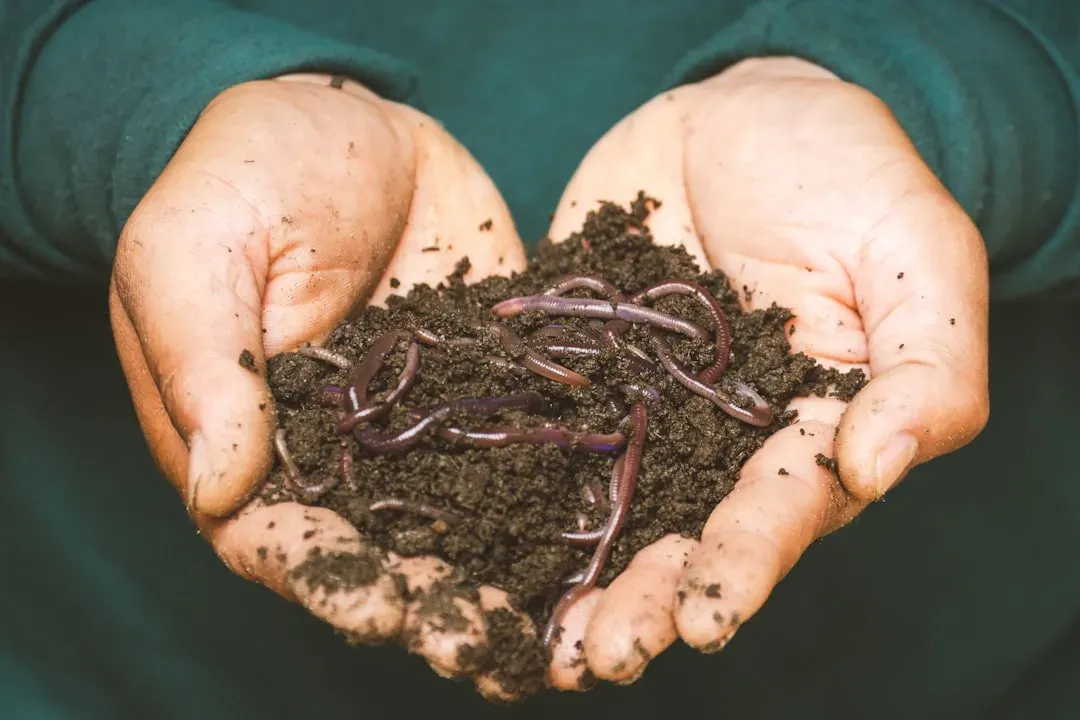
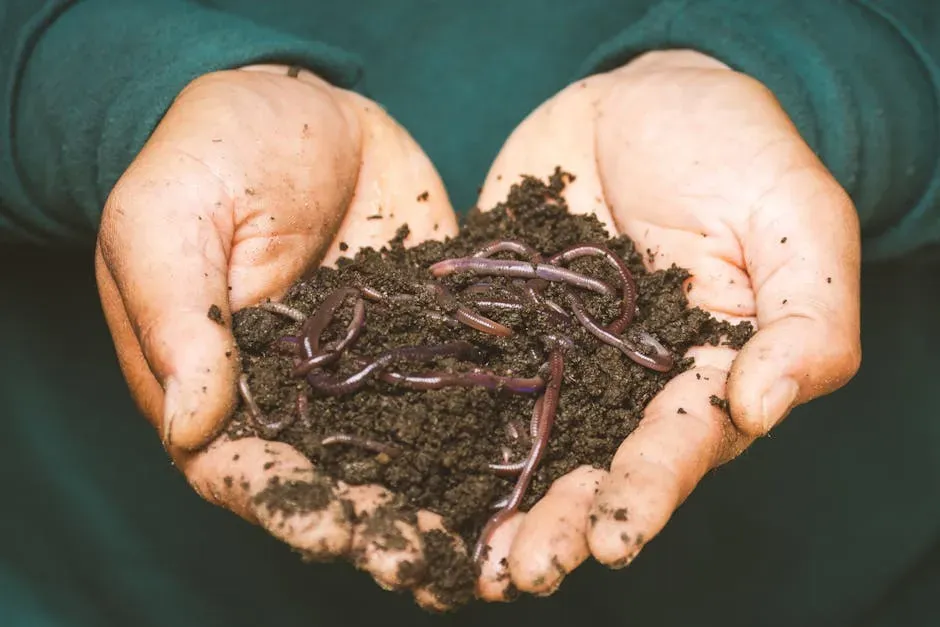
Few creatures have earned more scientific admiration for their underground work than the earthworm. Earthworms are the living, breathing engineers of the underworld, eating and recycling organic matter to keep the soil healthy. Their modest size hides an outsized impact.
The intricate network of tunnels that earthworms create is extremely important for soil health and plant growth. The burrows of earthworms act like large pores that allow water from rain and melting snow to infiltrate into the soil, instead of running off and causing erosion.
When they eat, worms break down and recycle organic matter within the soil, which naturally fertilizes the earth and packs it with vital nutrients. They also play a surprising cleanup role. Worms can help clean up contaminated land by enhancing bioremediation, a process where micro-organisms break down environmental pollutants into non-toxic molecules, which are then spread around the soil through worm movement.
As important as they are alive, earthworms are also vital in the food chain, providing a protein-rich source of food for other species like birds, hedgehogs, and frogs.
2. The Mole: A Tunnel-Building Insectivore
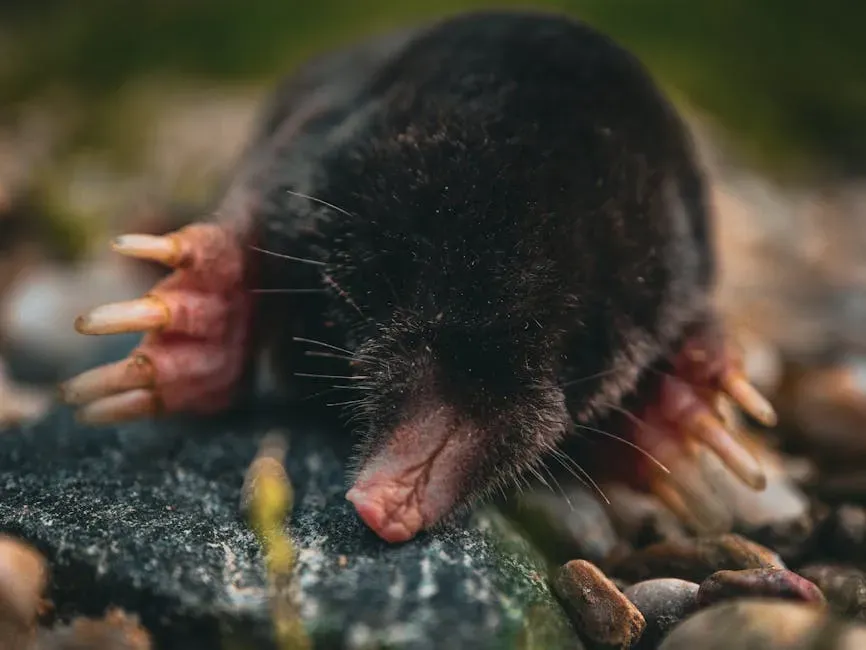
Moles are subterranean macro-fauna that belong to the family Talpidae. Often considered pests due to their burrowing habits, which can disturb soil, this activity can also be highly beneficial, and moles are recognized as ecosystem engineers.
Moles use their strong forearms with front-facing paws and long, sharp claws to dig as much as 100 feet of tunnel per day in their search for food. That is a staggering amount of soil disturbance. Mole tunneling results in lawn aeration, and mole activity is actually a sign of healthy soils because they prefer loamy, rich soils that harbor their prey.
Due to their tunnels being major sources of soil aeration and being utilized by other species, moles are considered ecosystem engineers, and unless they are damaging the appearance of land in an unacceptable way, leaving them be is usually beneficial.
Moles perform useful tasks including helping to aerate soil and eating some insects that are pests to plants, and contrary to common belief, they do not eat bulbs or garden plant roots.
3. Termites: Underground Architects With Outsized Influence
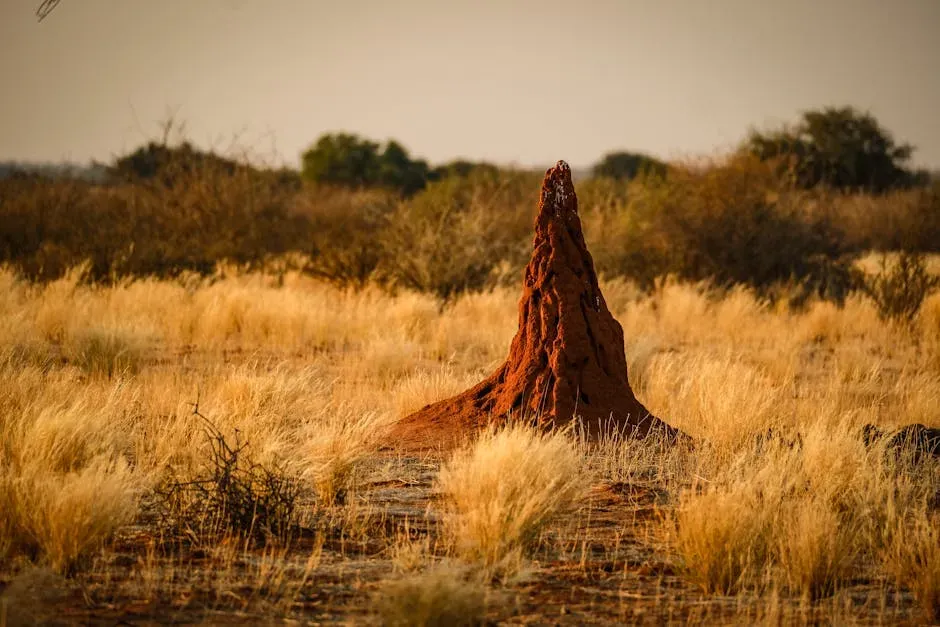
Termites construct impressive mounds and cultivate fungi while creating complex chambers within their earthen fortresses. These are not just elaborate homes. They are active processors of organic material that feed the broader landscape.
Termites generate piles of highly fertile soil while carving out tunnel networks to move nutrients, through which water and air can permeate. The scale of their water management role is particularly notable. In Burkina Faso, increased termite foraging in restored forests increased water infiltration by two to four times compared to crop fields and bare ground.
Termites are classified as detritivores, feeding on dead organisms and breaking them down into nutrients used by plants and other living things. Their work makes fertile ground possible across some of the world’s driest regions. Without them, nutrient cycling in many tropical and subtropical landscapes would slow dramatically.
4. Prairie Dogs: Social Rodents That Shape the Grassland

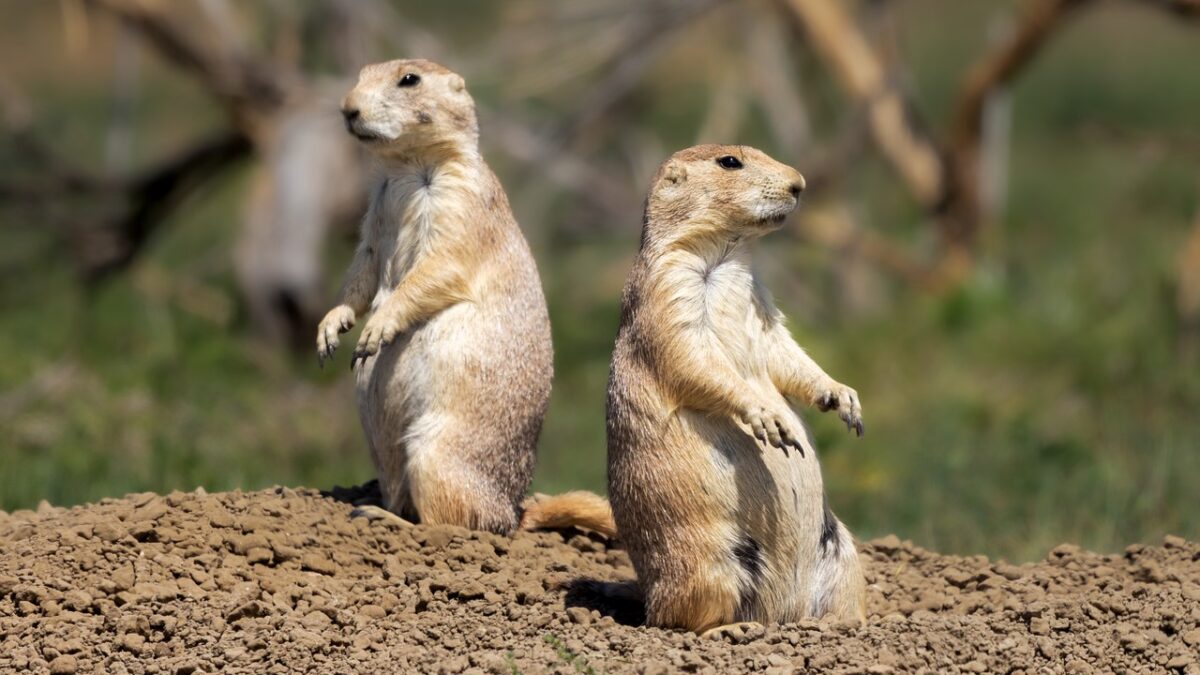
Prairie dogs are social rodents that create complex underground colonies known as “towns,” and they play a crucial role in their ecosystem by aerating the soil and providing habitats for other species. These towns can cover genuinely vast stretches of open land.
Prairie dogs create extensive underground networks that not only provide them safety but also help aerate the soil, benefiting plant communities. A global study found elevated levels of soil nitrogen and phosphorus in soils disturbed by animals, which resulted in better plant productivity and seed germination in disturbed areas.
Research also highlighted the importance of the burrowing cascade, leading to animal abundance being twelve times greater in areas with active soil engineers than without them. Prairie dogs sit right at the center of this cascade, creating a chain reaction of habitat for dozens of other species that move into their abandoned burrows.
5. Aardvarks: Seed Dispersers and Termite Controllers
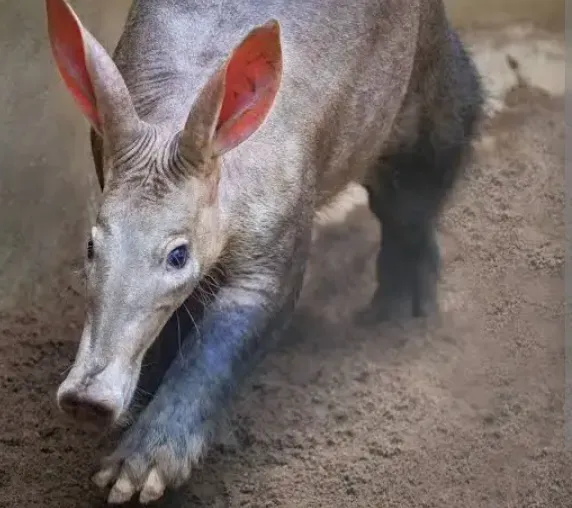
Aardvarks are nocturnal mammals native to Africa known for their burrowing abilities. With long snouts and powerful limbs, they dig burrows used for shelter and hunting termites, and their keen sense of smell aids them in locating insects.
Aardvarks contribute to their ecosystem by controlling termite populations and providing abandoned burrows for other species. Their seed dispersal role is equally interesting. Aardvarks dig up and eat the aardvark cucumber fruit, and once the fruit is digested, the seeds are dispersed through their dung, which they cover with dirt, effectively planting these seeds in the soil with a natural fertilizer. This relationship is so tight that the aardvark cucumber’s existence is entirely dependent on the aardvark.
Interestingly, aardvarks can close their nostrils to keep out dust while digging, a unique adaptation for life underground. That kind of specialization tells you everything about how completely these animals have committed to their underground lives.
6. Pangolins: Keystone Diggers Under Threat
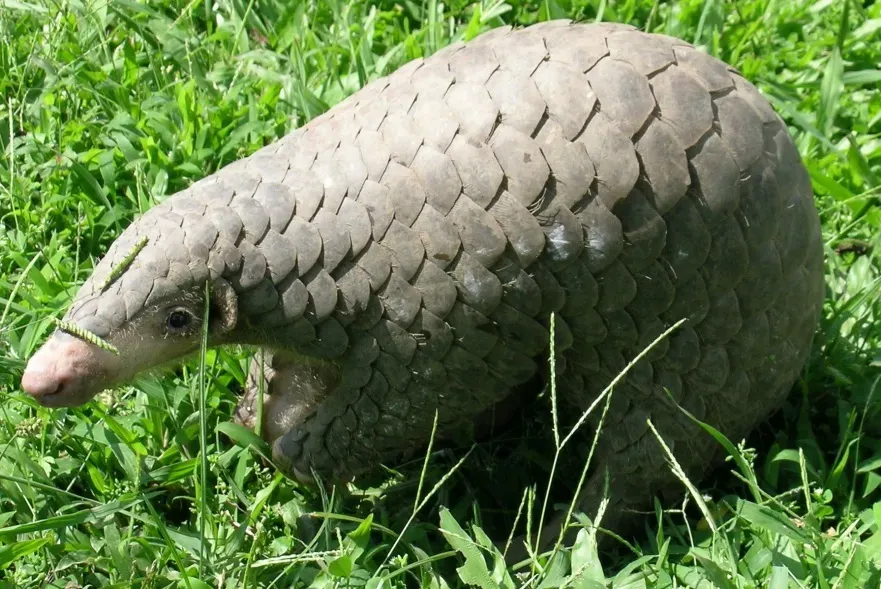
Pangolins are considered a keystone species, one that plays a crucial role in maintaining the health and diversity of their native ecosystems, as their actions significantly impact the environment and other species. Their contribution is both direct and far-reaching.
Through their consumption of ants, termites, and their larvae, pangolins prevent these insects from overwhelming local vegetation, protecting both forests and human crops. Their digging abilities help to turn over the soil, aerating it and cycling nutrients, which is vital for plant growth and ecosystem regeneration, especially after fires. Abandoned pangolin burrows also provide homes for other species.
Overall, pangolins physically reshape their environment in ways that support overall biodiversity, impacting both plant and animal communities. Sadly, they are among the most heavily trafficked mammals in the world, which makes understanding their ecological role all the more urgent.
7. Naked Mole-Rats: Eusocial Engineers of the African Soil
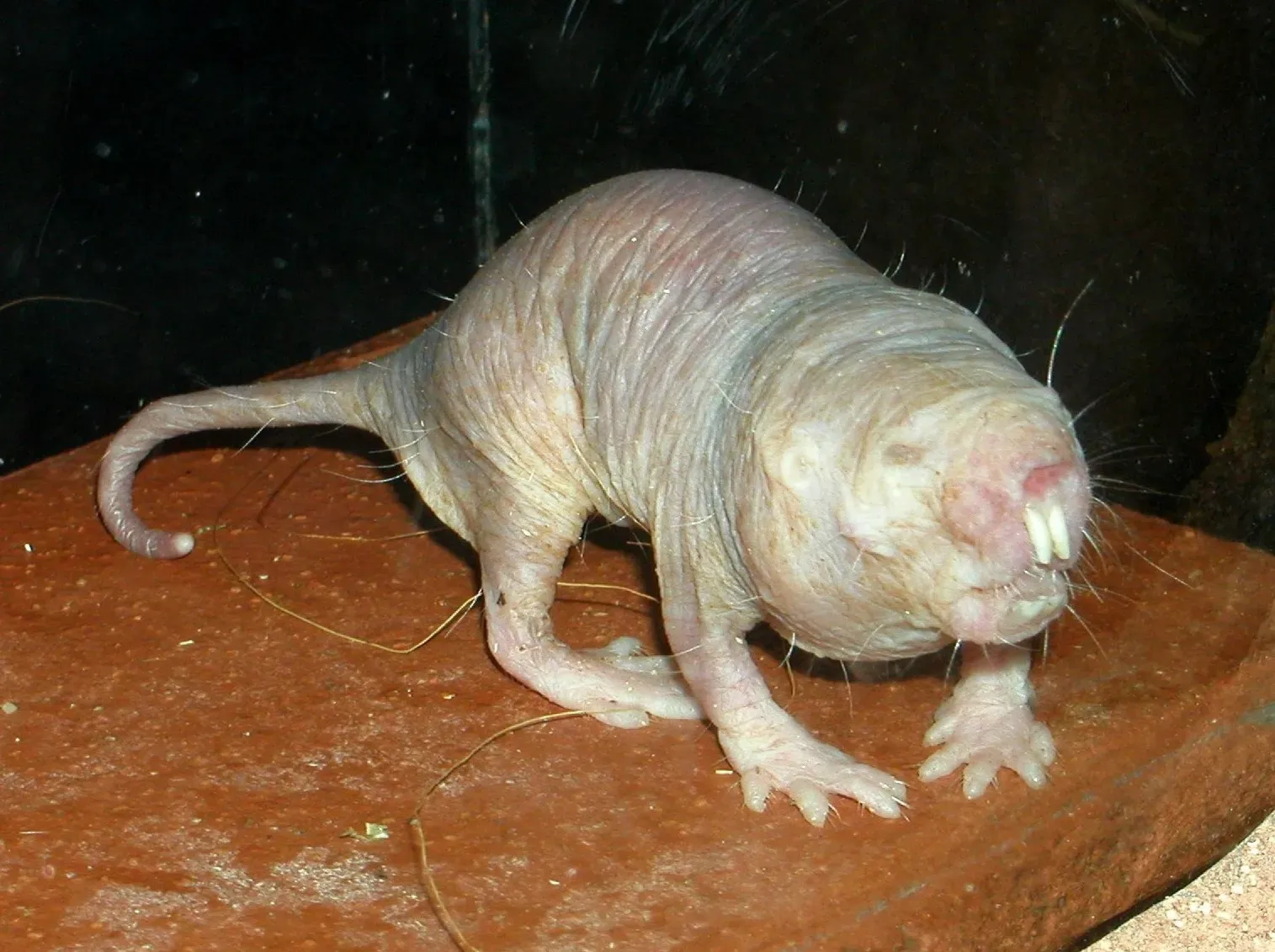
The naked mole-rat lives in complex, eusocial colonies with elaborate tunnel networks stretching for miles. Their social structure mirrors that of insects far more than typical mammals. These surprisingly long-lived animals are one of the only true eusocial mammals, living in large colonies in which only one female breeds and the majority of individuals spend their lives working for the colony.
Larger workers function primarily as tunnellers, expanding the network of tunnels within the burrow system and ejecting earth excavated during tunneling onto the ground surface. Naked mole rats have a remarkable tolerance for low oxygen levels and high carbon dioxide concentrations. They feed on tubers and roots, making them excellent ecosystem engineers by aerating soils and dispersing seeds.
They can live up to 30 years, largely due to their low metabolic rate and resistance to cancer, making them fascinating subjects for both ecological research and biomedical science. Their tunnel systems create lasting pathways that other species continue to use long after the mole-rats have moved on.
8. Dung Beetles: Underground Nutrient Processors
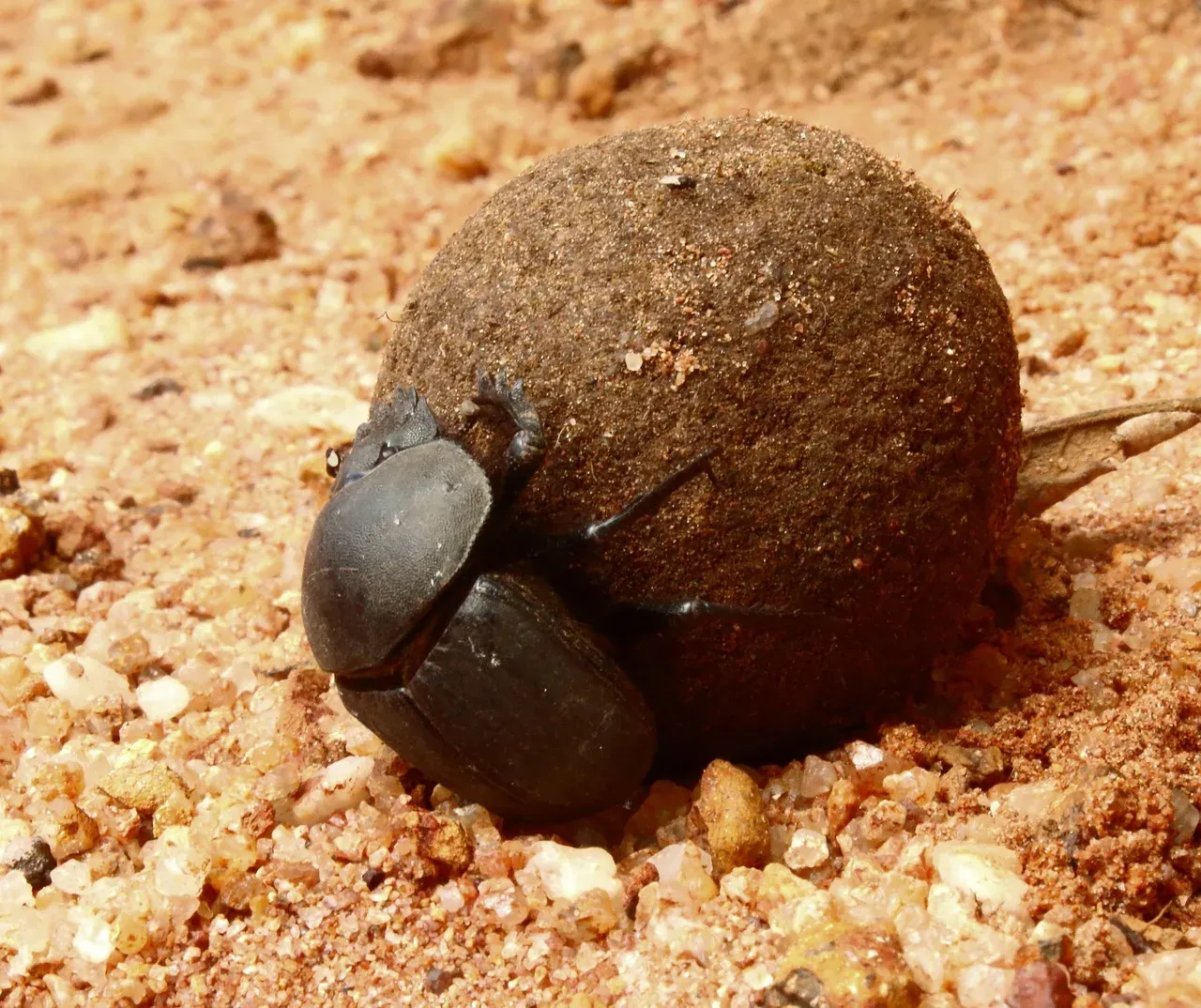
Dung beetles have become one of the better studied soil engineers. They are also one of the most effective. By burying dung deep into the soil, they drive nutrient cycles that benefit everything living above them.
A study in seasonally dry tropical forest in southern India found that the vertical tunnels of dung beetles significantly decreased soil density and provided a path for water to move through, representing a thirty-seven-fold increase in water movement compared with surrounding topsoil. That is a dramatic improvement in drainage from a creature many people barely notice.
Soil animals like dung beetles perform several functions that make them a vital part of all ecosystems, including degrading organic matter, making nutrients available, controlling populations of pathogens, improving and maintaining soil structure, and mixing organic matter through the soil.
Feeding on dead organic matter, a process known as detritivory, regulates decomposition, carbon sequestration, and supports soil structure. The dung beetle’s underground work touches all of these at once, quietly sustaining the nutrient chain across grasslands, savannas, and forests worldwide.
Conclusion: What Happens Below Determines What Thrives Above
The story of these eight animals is really a story about interdependence. None of them live in isolation, and none of their contributions can easily be replaced. These underground communities play a critical role in recycling organic matter, nutrients, and energy. The decomposition of organic matter by subterranean fauna is essential for plant growth and primary productivity, and all these animals are critical components in soil food webs.
The advantages of burrowing extend beyond individual survival. By creating burrows, these animals help facilitate soil health, manage water systems, and provide habitats for other species. Lose enough of them, and those systems begin to break down in ways that surface-level observation might not immediately reveal.
Many of the native soil disturbing animals have been lost over large areas, and with them have gone the ecosystem services they once provided. That should give us pause. The health of the world we live in rests partly on the shoulders of creatures most of us will never see. Protecting what lives below the surface is not a niche conservation concern. It is a foundational one.
