
Worried about unexpected vet bills?
Pet insurance can cover thousands in unexpected vet costs. Get a free quote from Lemonade in under 2 minutes.
Get My Free Quote →Sponsored · Opens Lemonade.com
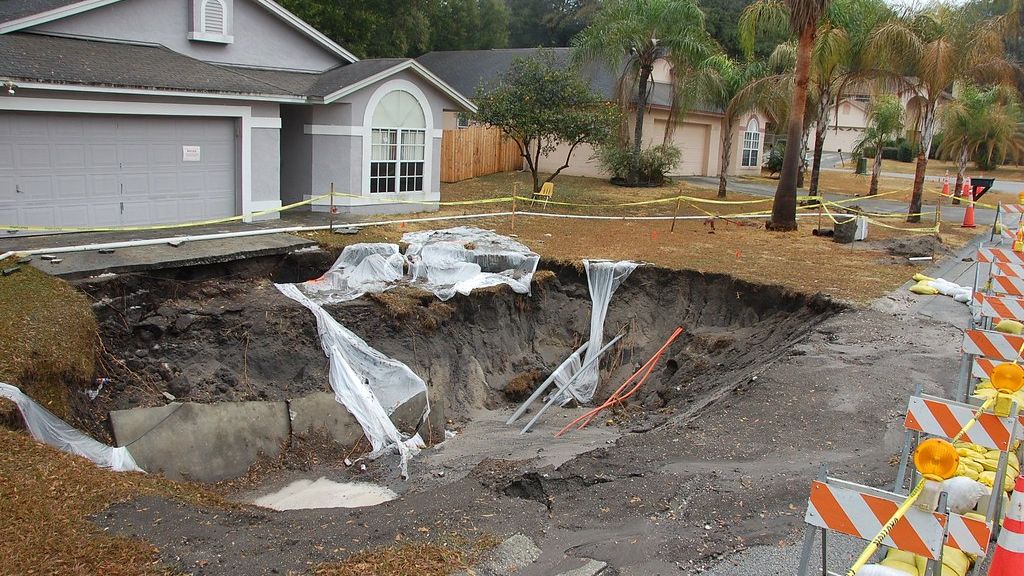
One moment the ground is solid. The next, there’s a hole where a backyard used to be. Florida’s relationship with the earth beneath it is complicated, unsettling, and largely invisible until something goes wrong. For millions of residents across the state, sinkholes are not abstract geology – they’re a genuine, recurring part of life.
What makes Florida so uniquely vulnerable? The answer goes deep, literally, into the bedrock beneath the state’s surface, where millions of years of chemistry and erosion have created a fragile, hollow foundation. Understanding why sinkholes happen here more than anywhere else in the country starts with the ground itself.
Florida’s Hollow Foundation: The Limestone Problem
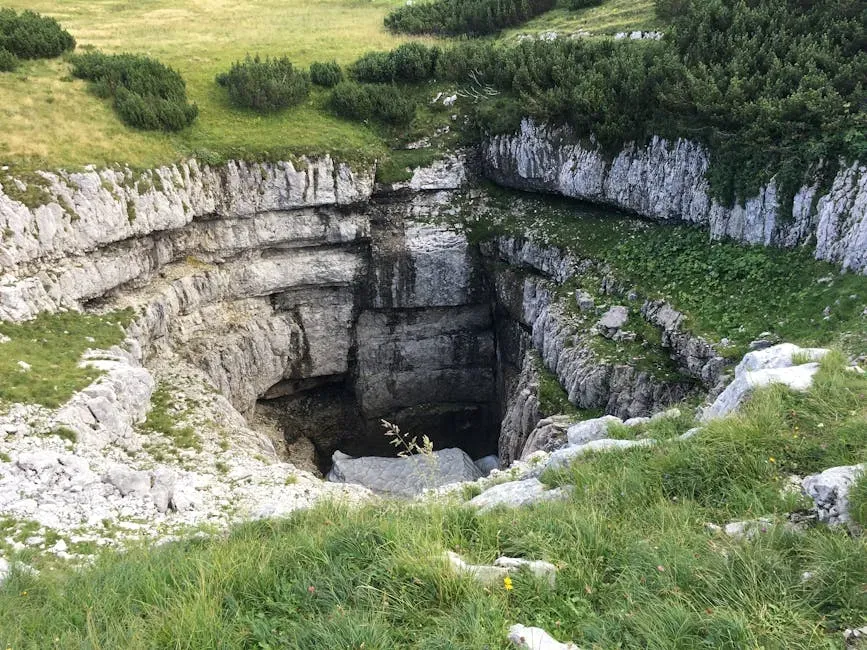
Sinkholes are common in Florida because the bedrock underlying most of the state is either limestone or dolostone, which is naturally soluble and is easily dissolved by rainwater and groundwater. That solubility is the root of everything. Unlike granite or sandstone, limestone essentially melts away over time when exposed to the right conditions.
Karst is a generic term that refers to the characteristic terrain produced by erosional processes associated with the chemical weathering and dissolution of limestone or dolomite, the two most common carbonate rocks in Florida. Florida is, in the most literal geological sense, Swiss cheese country.
The U.S. state of Florida is known for having frequent sinkhole collapses, especially in the central part of the state, where underlying limestone is from 15 to 25 million years old. That age matters. Older limestone has had far more time to dissolve, crack, and hollow out, creating conditions that are inherently unstable.
How Water Quietly Eats the Ground Away
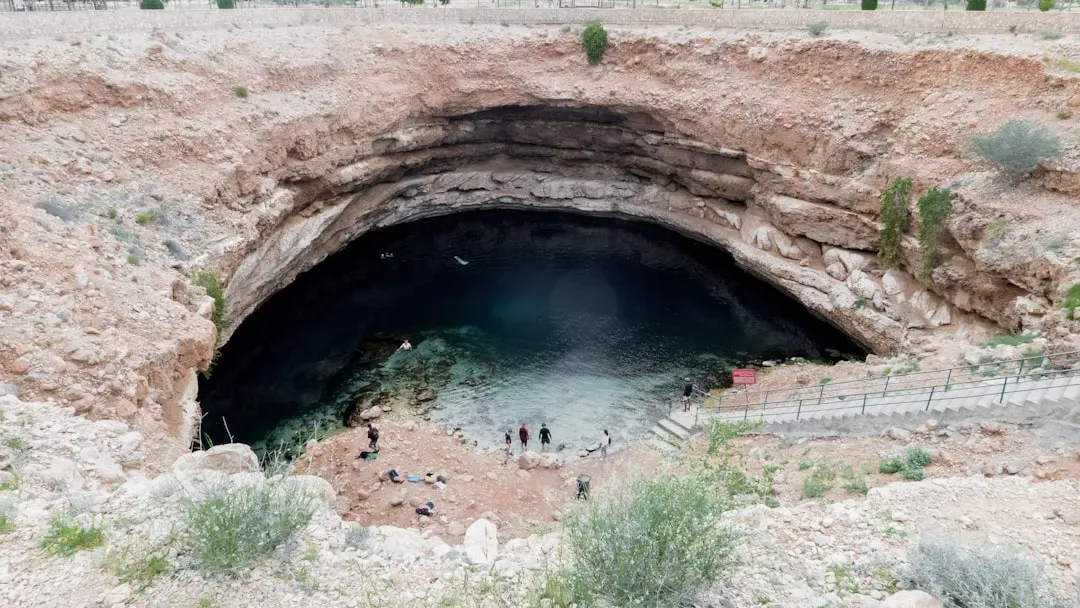
Rainfall percolating through the soil absorbs carbon dioxide and reacts with decaying vegetation, creating a slightly acidic water. That water moves through spaces and cracks underground, slowly dissolving limestone and creating a network of cavities and voids. It’s a process so gradual it happens largely undetected beneath the homes and roads above.
Most rainwater is slightly acidic and usually becomes more acidic as it moves through decaying plant debris. Limestones in Florida are porous, allowing the acidic water to percolate through their strata, dissolving some limestone and carrying it away in solution. Over eons of time, this persistent erosional process has created extensive underground voids and drainage systems in much of the carbonate rocks throughout the state.
Sinkholes are dramatic because the land usually stays intact for a while until the underground spaces just get too big. If there is not enough support for the land above the spaces, then a sudden collapse of the land surface can occur. That sudden collapse is what makes them so startling – the warning is often silent and invisible until it’s too late.
The Three Types of Sinkholes Found in Florida
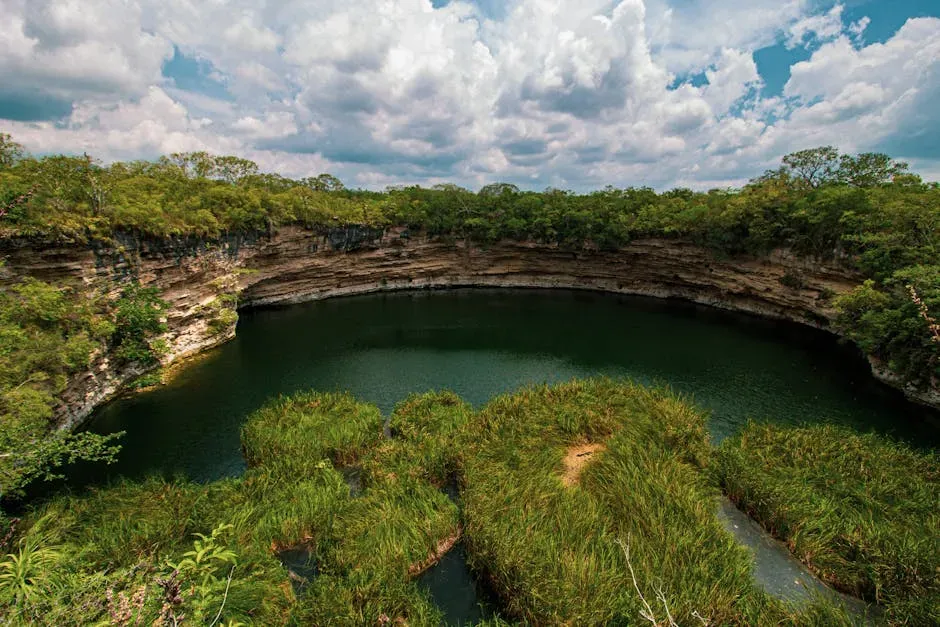
Three general types of sinkholes occur: dissolution sinkholes, which are depressions in the limestone surface caused by chemical erosion; cover-subsidence sinkholes, formed as overburden materials gradually infill subsurface cavities; and cover-collapse sinkholes, also formed by movement of cover materials into subsurface voids, but characteristically formed more abruptly.
Cover-collapse sinkholes occur where sediments overlying the void in the rock suddenly collapse, creating a hole at ground surface. These are the ones that make news. They can open in hours, swallowing vehicles, pools, and in extreme cases, entire rooms of a home.
Cover-collapse sinkholes develop abruptly as a brittle cover of clay or sediment fails over a large cavern, dropping the surface in minutes, unlike slower suffosion types where soil gradually washes down. The difference between the two is almost the difference between a slow leak and a burst pipe – one you might catch in time, the other you almost certainly won’t.
Water Levels: Too Much or Too Little
Uploaded by Smallman12q, CC BY 2.0)
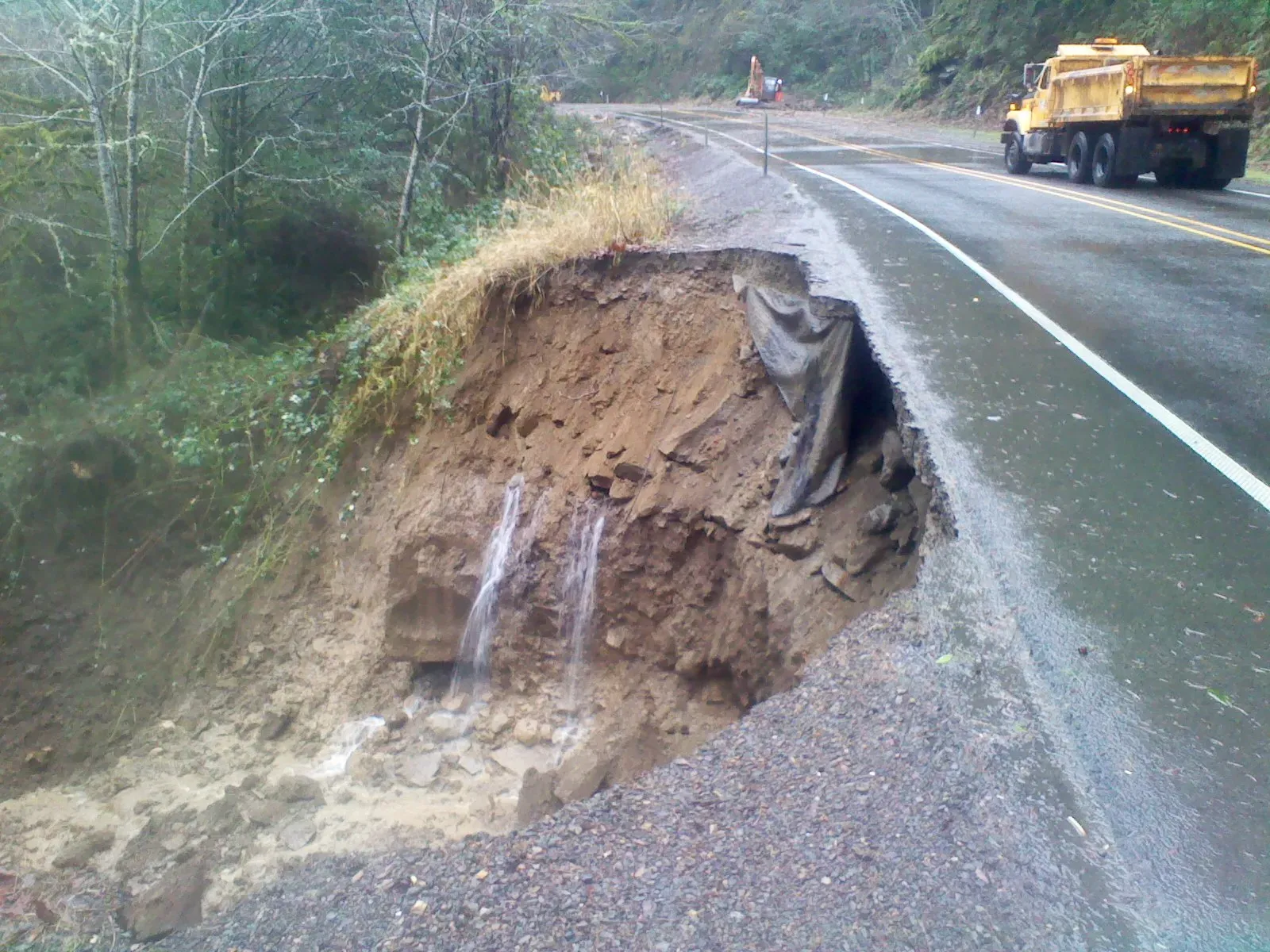
The main trigger for sinkholes is water – too much of it, or too little. The normally moist soil of Florida has a stabilizing effect on karst. During a drought, cavities that were supported by groundwater empty out and become unstable. Groundwater, it turns out, isn’t just what you drink. It’s part of what physically holds the ground together.
During a heavy rainstorm, the weight of pooled water can strain the soil, and the sudden influx of groundwater can wash out cavities. Central Florida was in a severe drought at the beginning of 2017, followed by the intense rainfall of Hurricane Irma – and a deluge after a drought is the optimal condition for a sinkhole outbreak.
Periods of severe drought followed by intense rainfall can destabilize the ground, leading to major outbreaks of new sinkholes opening. As sea levels rise, groundwater rises along with it, increasing the flooding of sinkholes further. The combination of extremes is what geologists have come to regard as the most dangerous pattern Florida can face.
When Human Activity Makes Things Worse
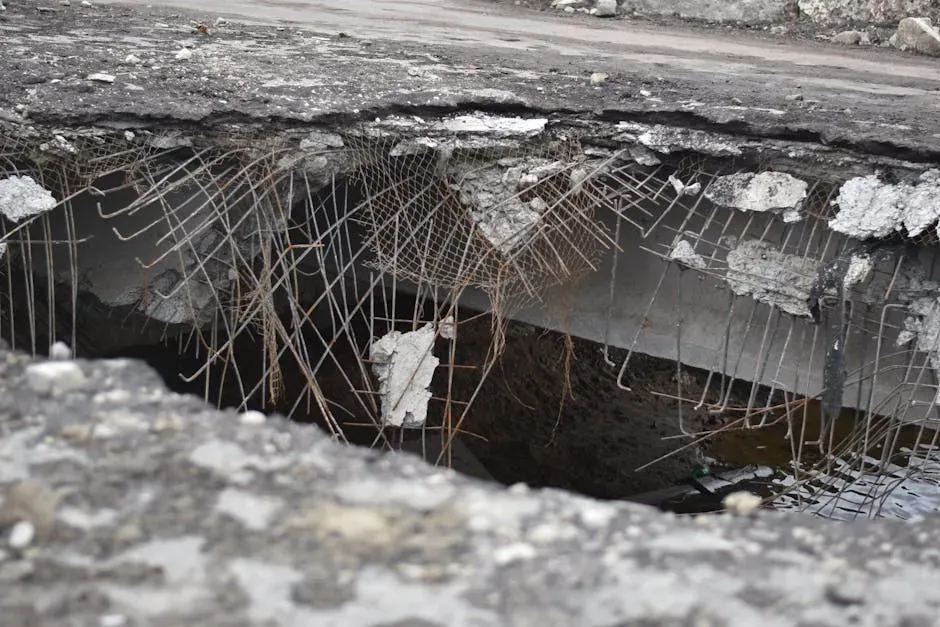
Man-made development is the most persistent factor for increased sinkholes. Earth-moving equipment scrapes away protective layers of soil; parking lots and paved roads divert rainwater to new infiltration points; the weight of new buildings presses down on weak spots; buried infrastructure can lead to leaking pipes; and the pumping of groundwater disrupts the delicate water table that keeps the karst stable.
When water is sitting in the joints of the limestone, it provides pressure, helping to support the ground above it. When that water is pumped out, that pressure is no longer there, leaving holes in the limestone that are weak and can’t support the weight of whatever is above. It’s a counterintuitive reality: removing water from Florida’s ground can be just as destabilizing as adding too much of it.
Vulnerability of an area to sinkhole formation is dependent upon both natural and human factors, including water pumping, terraforming, and ground loading. As Florida’s population continues to surge and development encroaches on vulnerable regions, the potential for encountering a sinkhole hazard in areas with favorable geology increases.
Sinkhole Alley and the Highest-Risk Zones
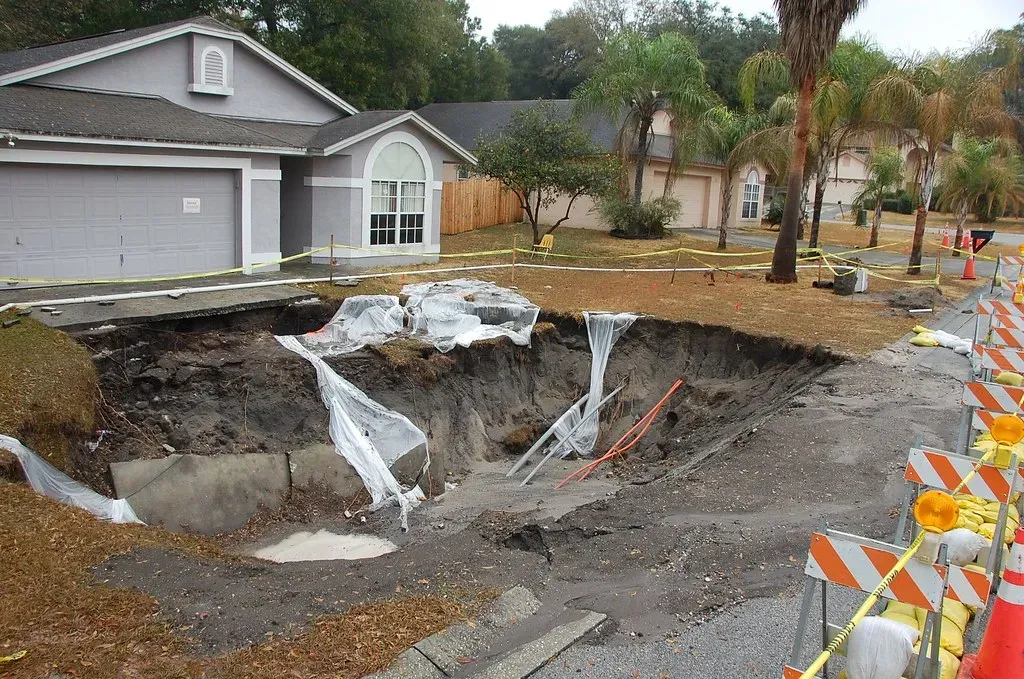
Most sinkholes happen in Central Florida’s “Sinkhole Alley,” an area that includes Pasco, Hernando, and Hillsborough counties north of Tampa. The high water recharge and thin soils speed up limestone dissolution. The nickname is informal, but the threat it describes is entirely real.
The worst stretch of sinkholes in the state is in west-central Florida, where large amounts of karst limestone can be found below ground. Geologists have divided the state into four distinct risk zones based on geology and soil composition, each carrying a different type and frequency of sinkhole activity.
Parts of Florida are generally considered safer from sinkholes, with the least risk in the southeastern region, including Miami-Dade, Broward, and Palm Beach counties. The limestone in those areas sits deeper underground, offering a thicker buffer between the surface and the cavities below. Geography, in this case, matters enormously.
What to Watch For and What It Means for Residents
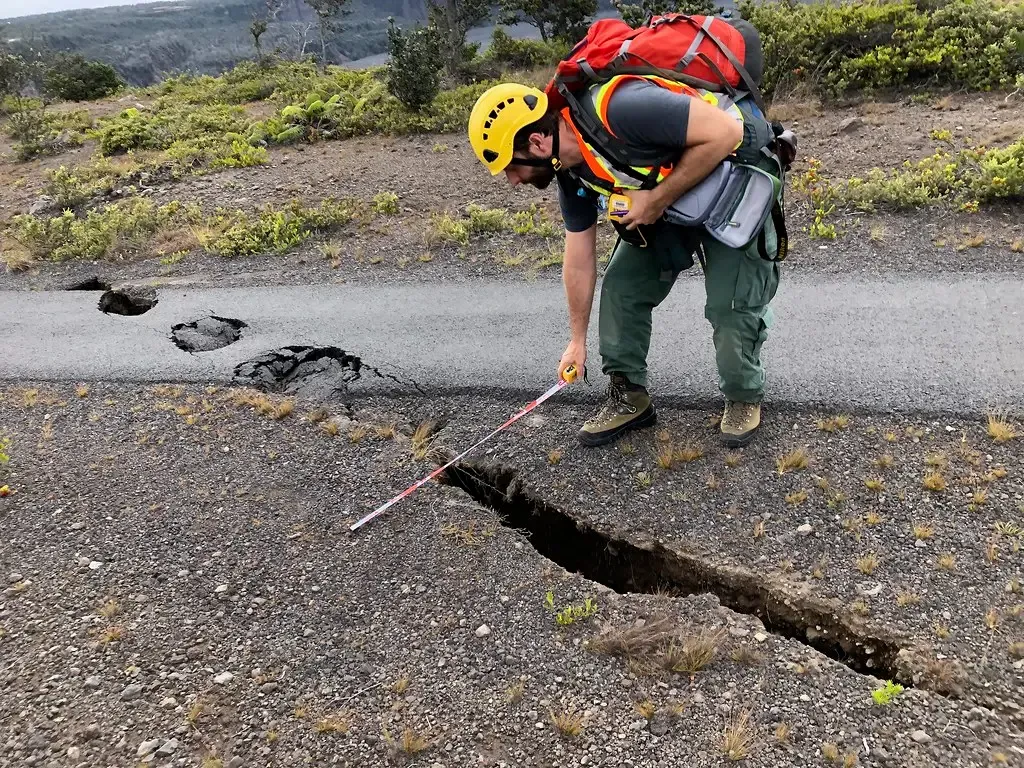
Not all sinkholes show warning signs, but certain indicators can suggest instability. Small cracks in the soil or pavement can be early indicators, and if cracks widen over time, they may signal a developing sinkhole beneath the surface. Cracks in walls, floors, or foundations – especially those that appear suddenly or grow quickly – can indicate shifting land surface.
Sinkholes are of interest in Florida because they may cause flooding during storms when the drainage capacity of natural subsurface conduits is exceeded, and because they may provide an avenue for pollutants on the land surface to move rapidly and possibly contaminate the groundwater. The environmental stakes are significant. A sinkhole isn’t only a structural problem for a single home – it can become a direct channel into the aquifer that supplies drinking water to millions of Floridians.
Tools like ground-penetrating radar, gravity surveys, and LiDAR now scan for voids in karst topography. Florida’s Sinkhole Database layers this with groundwater data, zoning land into risk tiers. The technology has improved considerably, though predicting exactly when and where a sinkhole will appear remains one of the more stubborn challenges in applied geology.
Conclusion
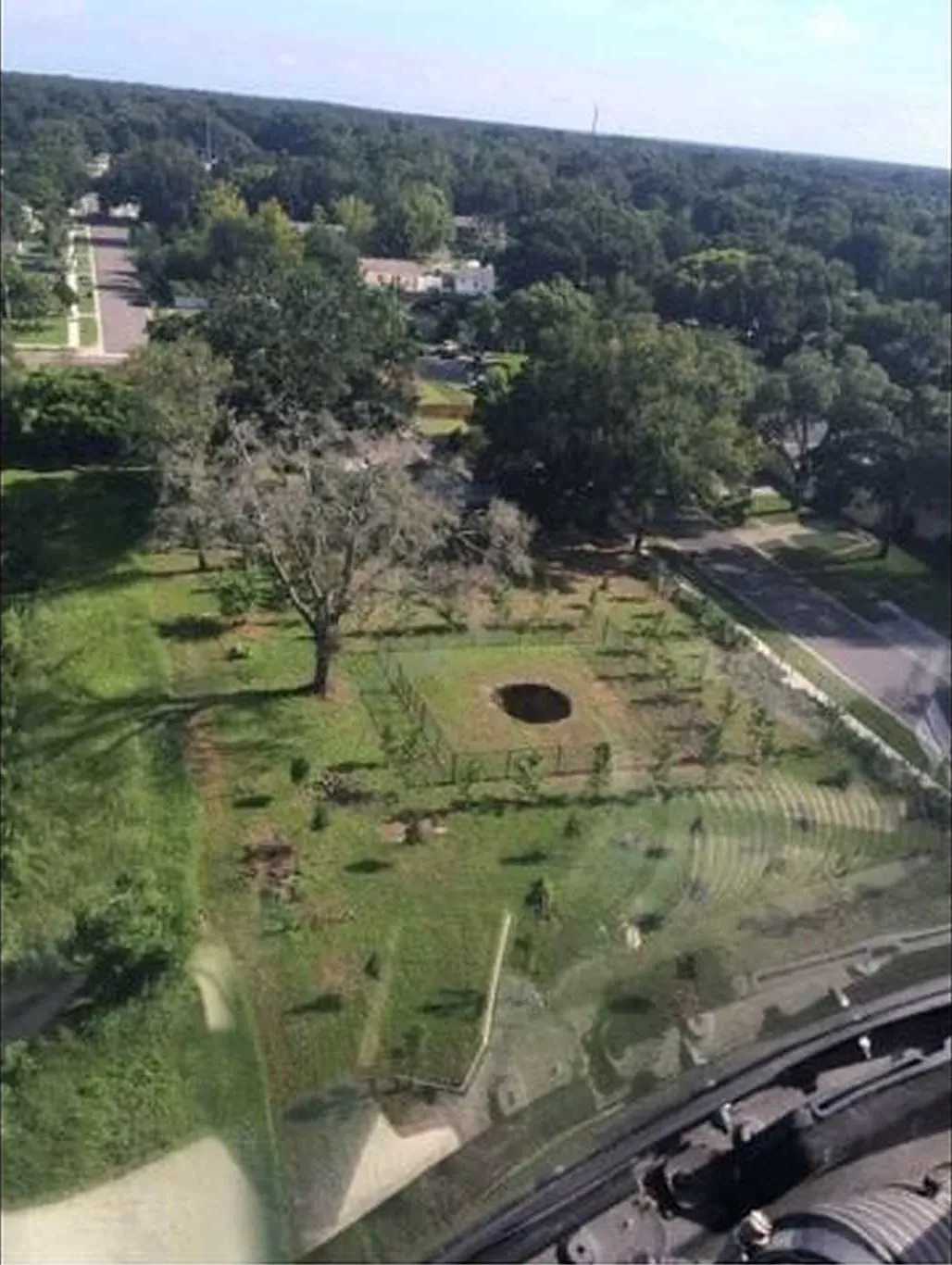
Florida’s sinkhole problem is not a freak of nature. It is the entirely predictable outcome of a specific kind of geology, shaped by millions of years of chemistry, made more acute by drought, heavy rain, and the growing human footprint on the landscape. The ground here has always been in motion – slow, invisible motion – and the sinkholes that appear overnight are rarely as sudden as they seem.
What the science makes clear is that this is a challenge that will only sharpen with time. Global trends of increasing sinkhole occurrence are driven by ageing infrastructure, legacy land use, and, increasingly, climate change. For Florida, a state already navigating sea-level rise and intensifying weather patterns, the hollow ground beneath it deserves far more attention than it typically receives. Knowing what’s underneath isn’t just interesting geology – for anyone living in the state, it’s practical knowledge worth having.
Worried about unexpected vet bills?
Pet insurance can cover thousands in unexpected vet costs. Get a free quote from Lemonade in under 2 minutes.
Get My Free Quote →Sponsored · Opens Lemonade.com
