
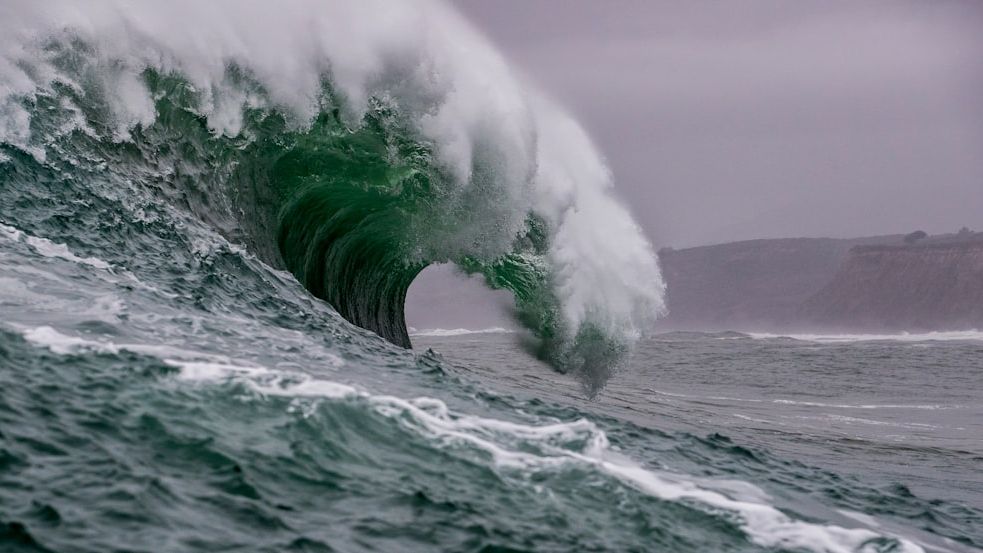
Worried about unexpected vet bills?
Pet insurance can cover thousands in unexpected vet costs. Get a free quote from Lemonade in under 2 minutes.
Get My Free Quote →Sponsored · Opens Lemonade.com
In the remote fjord of Lituya Bay, Alaska, a quiet evening in July 1958 shattered into chaos. A massive earthquake shook the region, dislodging 30 million cubic yards of rock into the narrow inlet. What followed was a wave unlike any other in recorded history, surging to a staggering 1,720 feet high.[1][2]
This megatsunami, confined mostly to the bay, left scars that persist today. Trees vanished up to elevations never seen before, and the seabed bore the marks of unimaginable force. Such events remind us how fragile coastal edges can be against nature’s raw power.
The 1958 Lituya Bay Megatsunami Unfolds
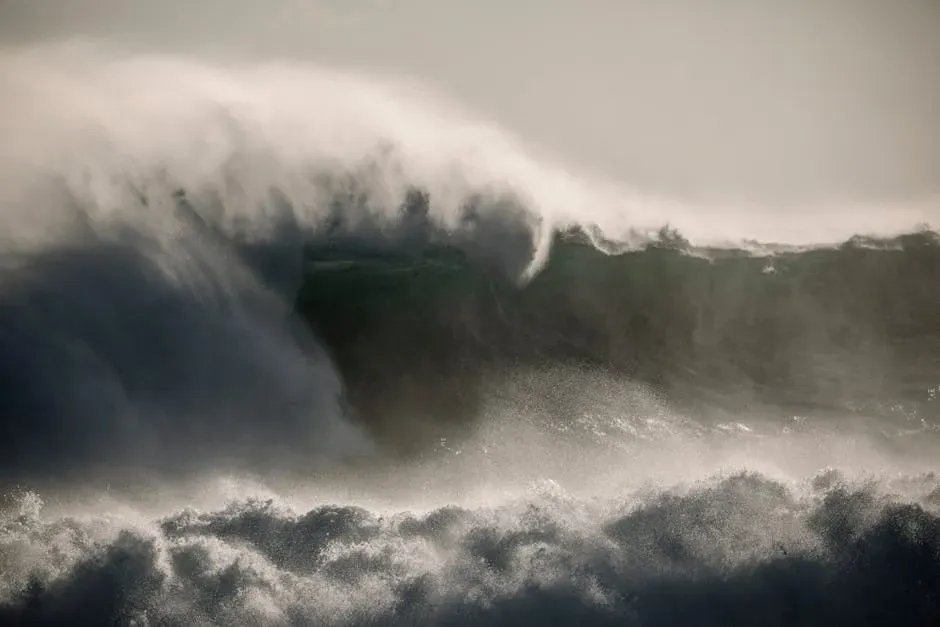
A magnitude 7.8 earthquake struck at 10:16 p.m. on July 9, triggering a landslide from the bay’s north shore. Roughly 40 million cubic yards of rock and ice plunged into the water, displacing it violently.[3] The resulting wave rocketed across the bay at speeds around 100 mph, climbing the opposite shoreline to 524 meters.[4]
Three fishing boats caught in the bay faced the onslaught. Two survived by riding the wave, but one capsized, claiming five lives. The bay’s narrow shape amplified the surge, turning a local slide into a record-breaker.
Scars on the Landscape That Linger
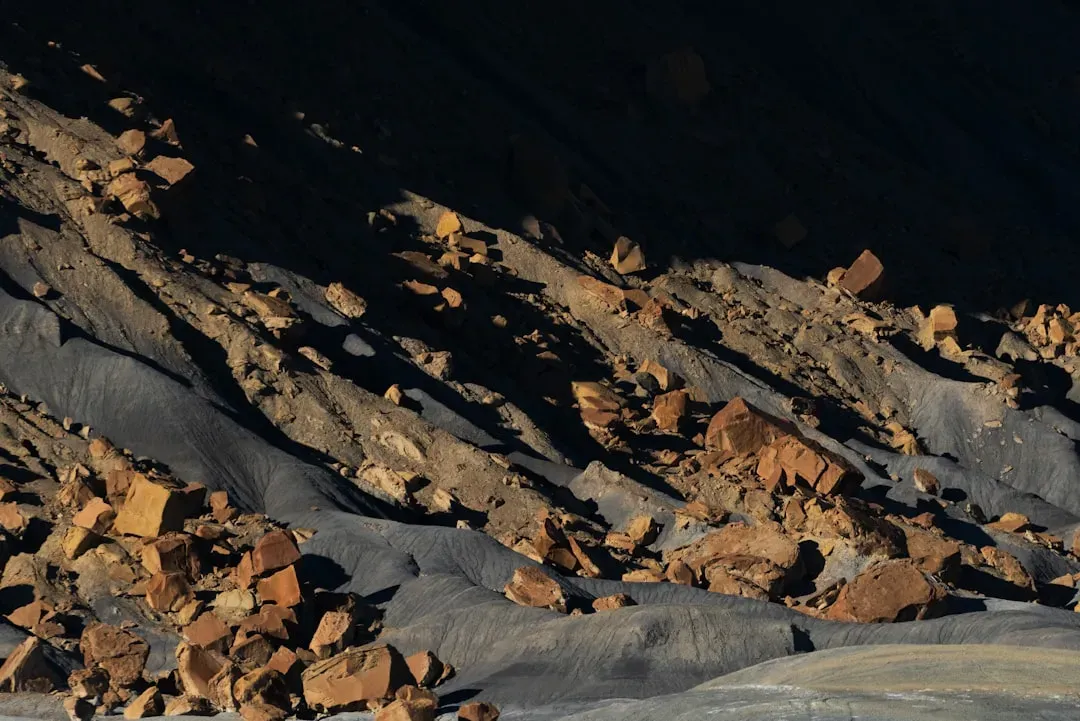
The wave stripped vegetation clean up to 1,720 feet, leaving a stark “trim line” visible decades later. Erosion carved down to bedrock on ridges, reshaping the terrain permanently.[5] Forests that once clung to steep slopes now stand barren in those zones.
Soil and debris redistributed across the bay floor, altering sediment patterns for years. Glacial retreat and heavy rains had primed the area, but this event redefined its contours. Today, satellite images still reveal the altered topography.[6]
Disruption to Marine Life in the Bay
The tsunami obliterated marine habitats along the shores, smothering benthic organisms under massive debris flows. Fish and invertebrates in the path faced sudden displacement or burial. Reports noted widespread destruction of sea life in the inundated zones.[7]
Recovery took time as sediment settled, shifting food webs. Plankton blooms might have followed nutrient upwellings, but deeper ecosystems struggled. The bay’s isolation limited broader oceanic impacts, yet local species bore the brunt for seasons.
The 2004 Indian Ocean Tsunami’s Vast Reach
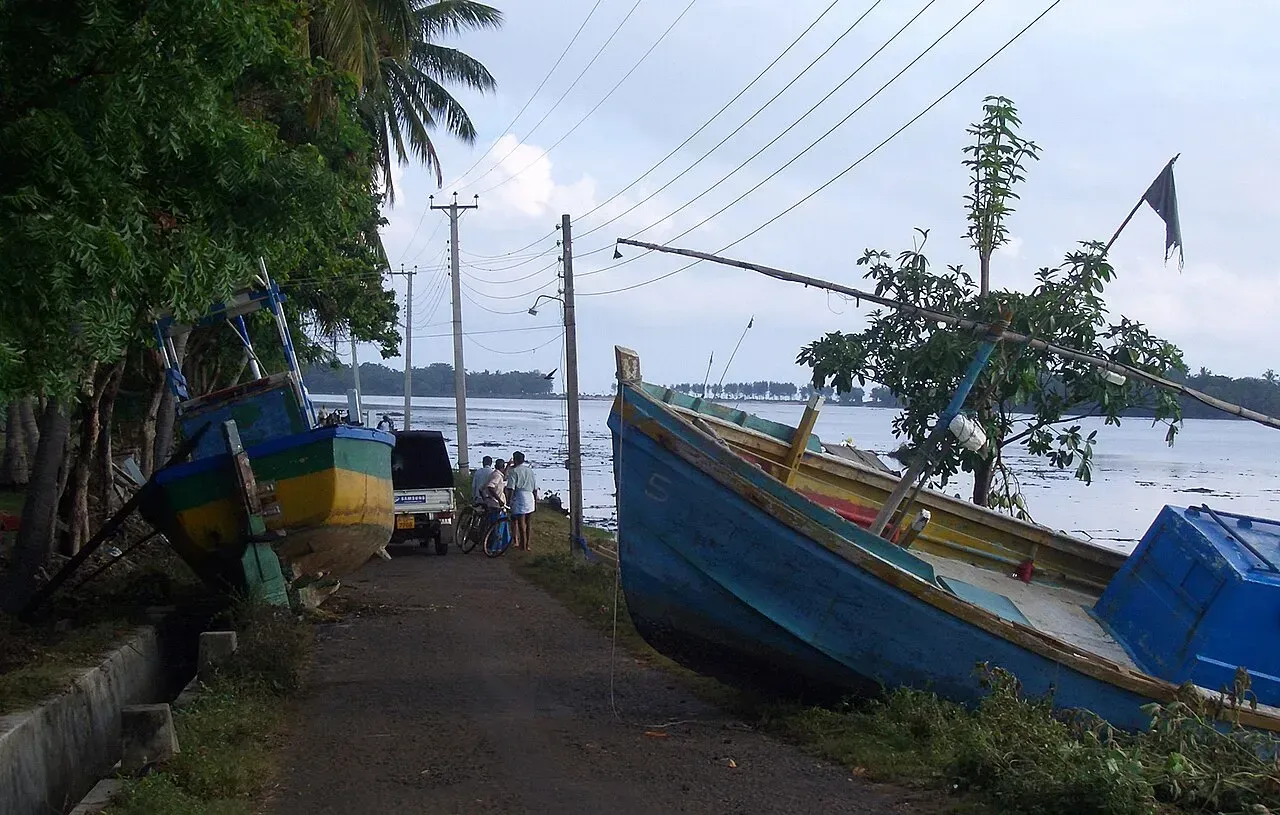
A 9.1-9.3 magnitude quake off Sumatra unleashed waves up to 100 feet across the Indian Ocean rim. Coastal villages in Indonesia, Thailand, and Sri Lanka vanished under surging waters, killing over 230,000.[8] Sediment layers deposited inland reshaped beaches and lagoons.
Mangroves and coral reefs suffered heavy damage, with erosion widening river mouths. Marine life recovery lagged, as debris choked habitats for years. Some coastlines retreated hundreds of meters, a change still evident today.[9]
Japan’s 2011 Tohoku Tsunami Devastation
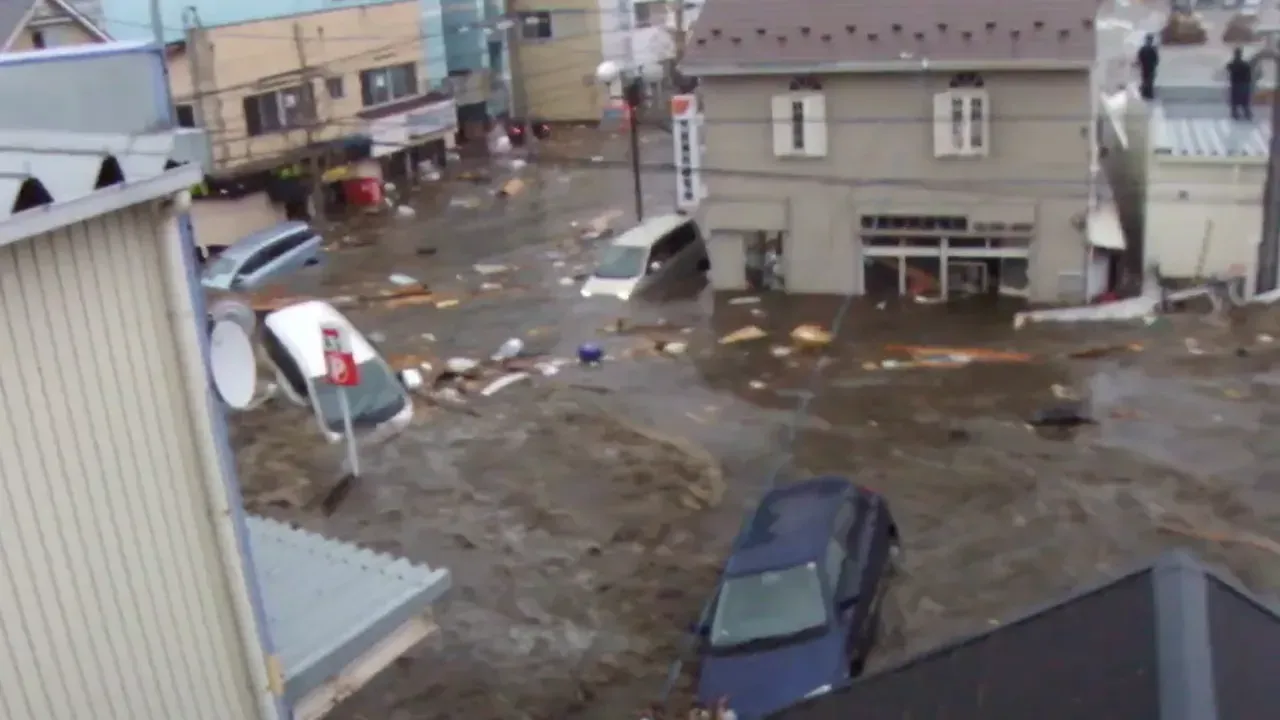
The 9.1 Tohoku earthquake generated waves reaching 128 feet in places, flooding over five miles inland. Fukushima’s coast saw entire towns erased, with long-term radioactive contamination complicating recovery.[10] Ports and rice paddies turned to rubble-strewn mudflats.
Seagrass beds and kelp forests got buried, disrupting fish populations. Coastal armoring now dots the shoreline, but erosion persists in softer areas. Ecosystems shifted, with invasive species filling gaps left by natives.
The 1960 Valdivia Tsunami’s Global Waves
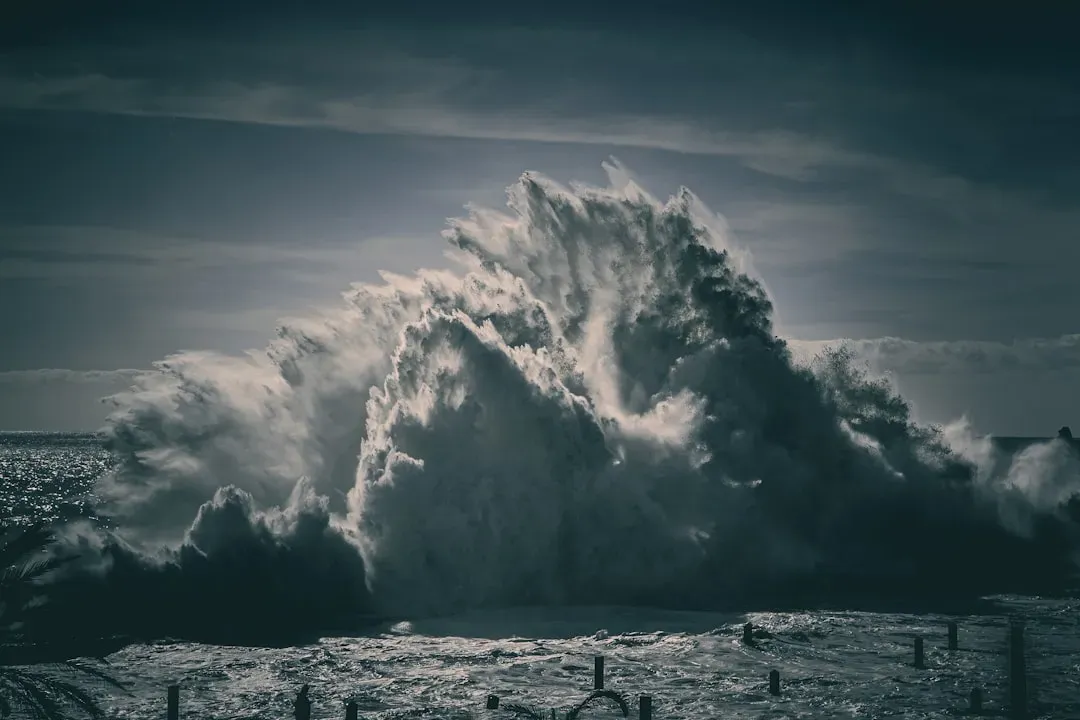
Chile’s 9.5 magnitude quake, the strongest ever recorded, sent tsunami waves across the Pacific. Local run-ups hit 80 feet, devastating southern coasts, while Hawaii saw 35-foot surges hours later.[11] Japanese fishing villages lost over 100 lives to the distant waves.
Chilean fjords filled with sediment, altering bays for decades. Marine mammals and birds faced habitat loss amid debris. Reefs cracked under the force, slowing regrowth in cold waters.
Conclusion: Nature’s Reminder of Resilience
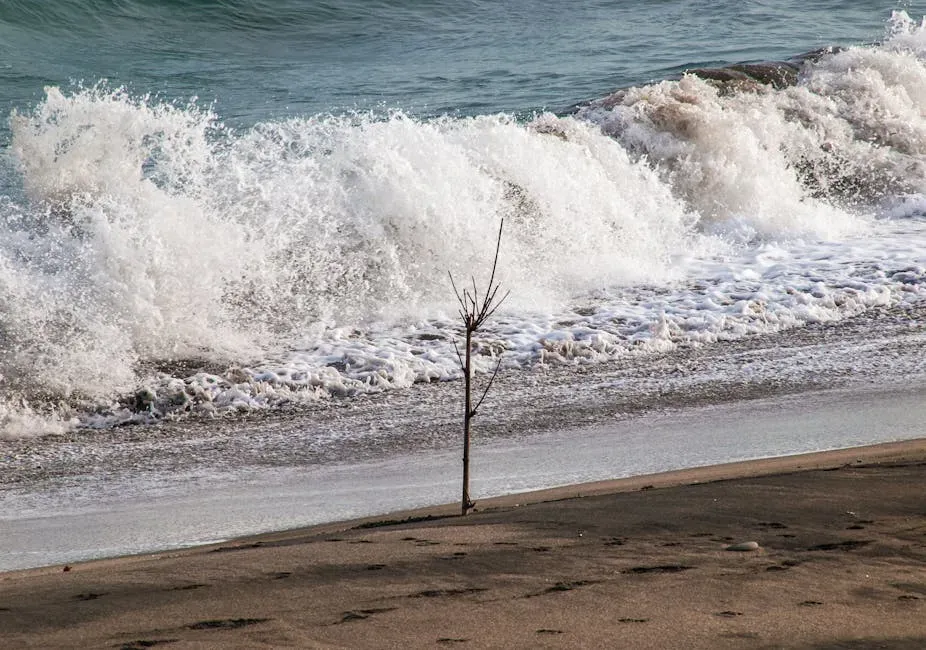
These tsunamis, from Lituya’s towering freak wave to ocean-spanning killers, expose coastal vulnerabilities. Landscapes evolve slowly, marine life rebounds unevenly, yet human ingenuity builds warnings and walls. The trim lines and sediment scars stand as quiet testaments.
Understanding these events sharpens our preparedness. In a warming world with rising seas, vigilance honors the lost while safeguarding the shore.
Worried about unexpected vet bills?
Pet insurance can cover thousands in unexpected vet costs. Get a free quote from Lemonade in under 2 minutes.
Get My Free Quote →Sponsored · Opens Lemonade.com
