
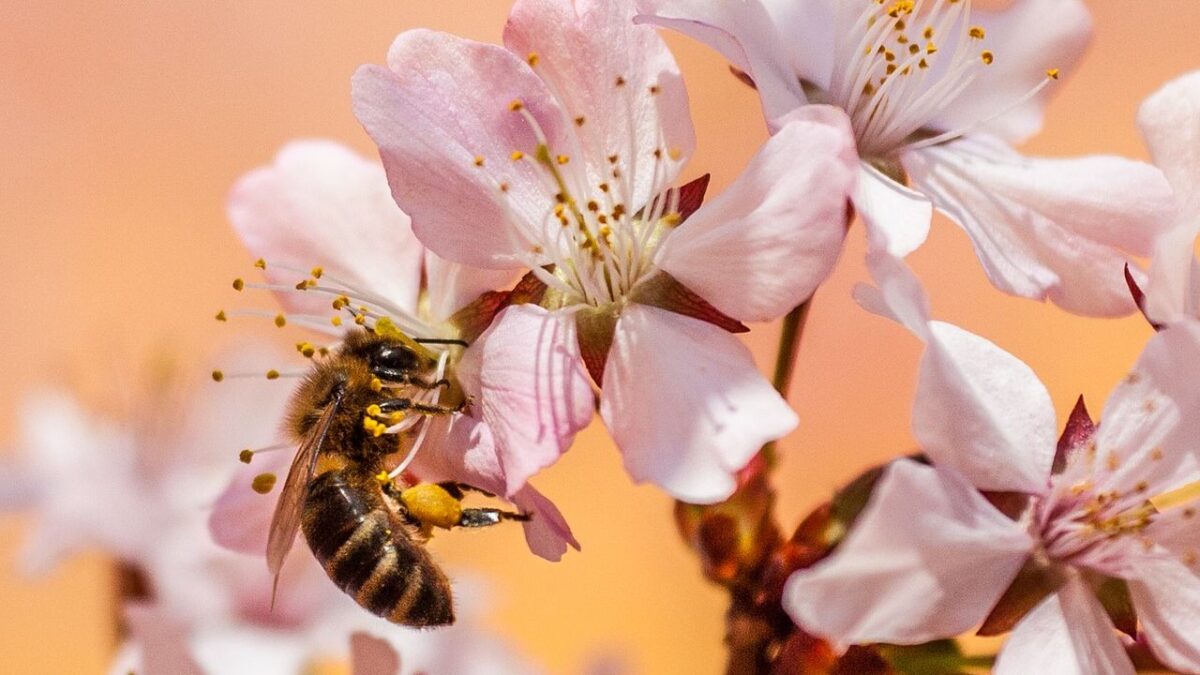
Most people know bees make honey. Far fewer stop to think about what disappears from a grocery store shelf the moment bees stop doing their job. Fruits, nuts, berries, vegetables, even the alfalfa that feeds cattle – all of it is quietly dependent on something smaller than a thumb.
One out of every three bites of food Americans consume comes from a plant pollinated by bees or other pollinators. That’s not a rough estimate or a borrowed statistic from somewhere overseas. It reflects the very real, very measurable labor happening in fields across the country every single growing season.
The Staggering Economic Weight Bees Carry for US Agriculture
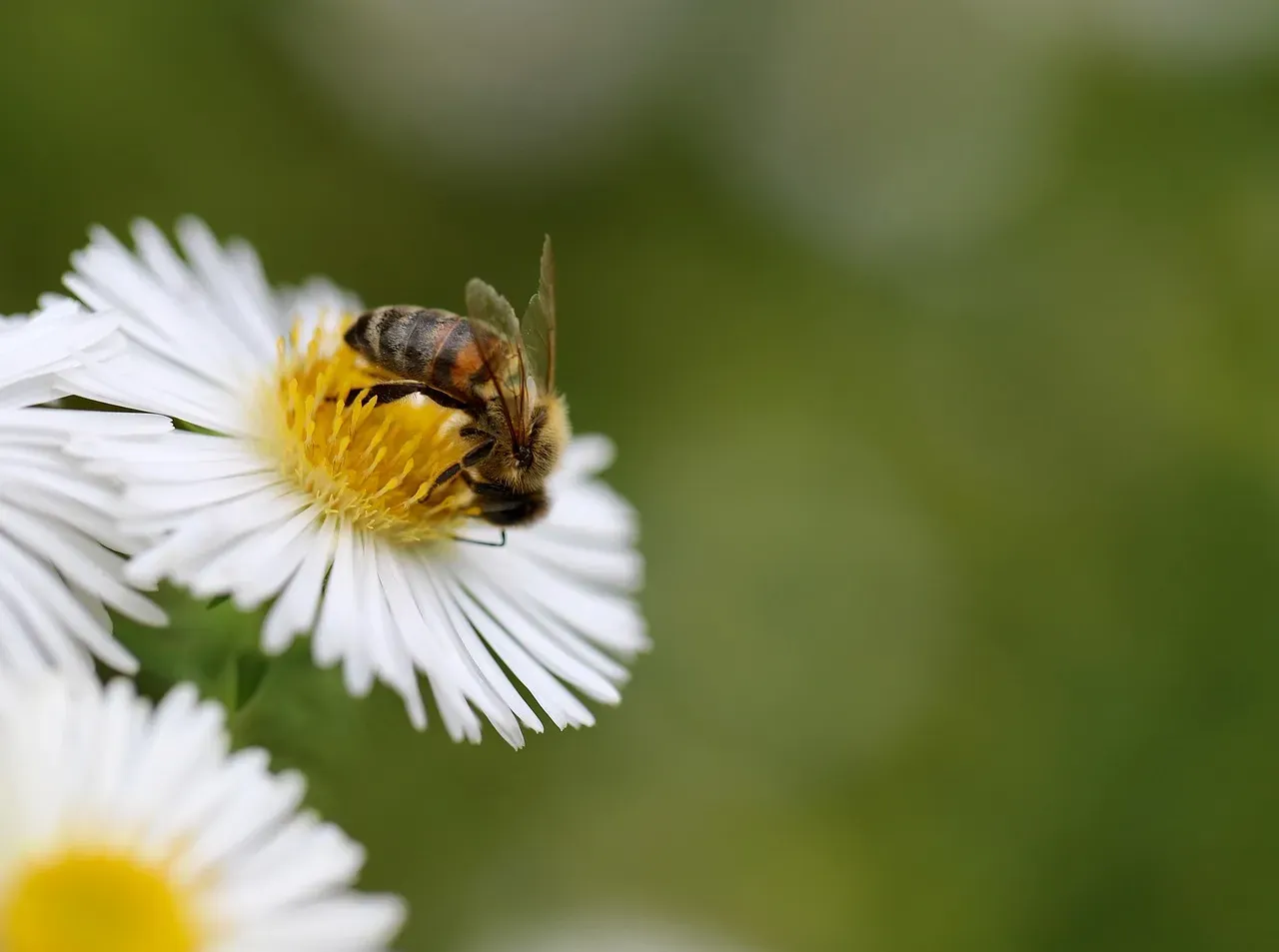
The numbers attached to bee pollination in American farming are hard to fully absorb. Honey bees and native bees together are estimated to support between $18 and $27 billion in crop yields each year in the United States. That range reflects differences in methodology and crop coverage, but even at the conservative end, it dwarfs most other single inputs in agriculture.
The greatest importance of honey bees to agriculture isn’t a product of the hive at all – it’s their work as crop pollinators. This agricultural benefit is estimated to be between ten and twenty times the total value of honey and beeswax combined. In other words, the jar of honey on your kitchen counter is almost beside the point.
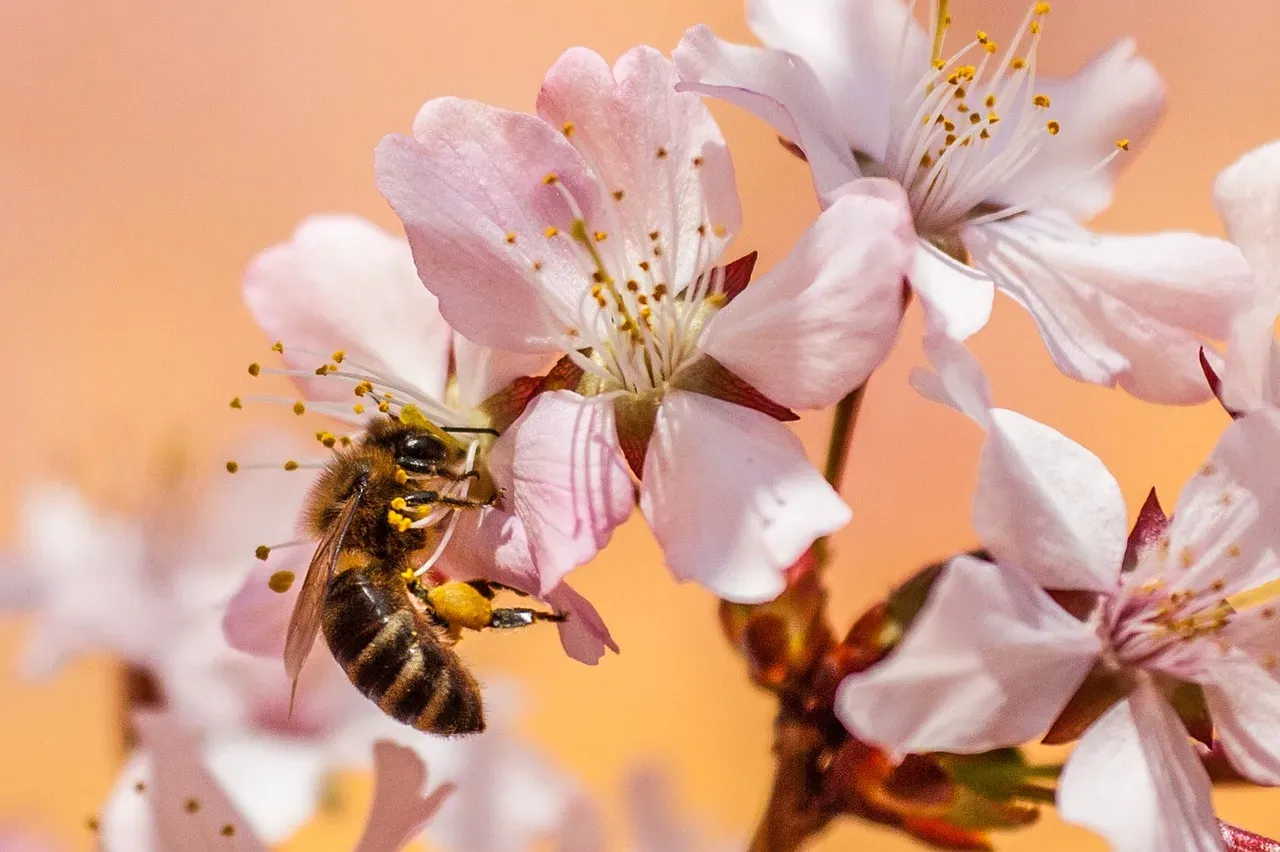
Honeybees pollinate more than 130 types of fruits, nuts, and vegetables in the US. Some of these crops, particularly almonds, would produce almost nothing without bees visiting their flowers to move pollen between blossoms. California’s almond industry is perhaps the clearest example of this dependency in action.
It’s estimated that there are about 2.7 million bee colonies in the US today, roughly two-thirds of which travel the country each year pollinating crops and producing honey and beeswax. The California almond industry alone requires approximately 1.8 million colonies of honey bees to adequately pollinate nearly one million acres of bearing almond orchards. That’s a logistical operation of remarkable scale, one that most consumers never see.
Beyond Quantity: How Bees Improve the Quality of What Farmers Grow
Pollination isn’t only about whether a crop produces fruit. It’s also about how good that fruit actually is. When bees thoroughly pollinate a strawberry flower, the resulting berry is heavier, more symmetrical, redder, and firmer than one that received poor pollination – and that firmness extends shelf life, reducing fruit loss by at least eleven percent.
Poorly pollinated strawberries tend to be misshapen, lighter in color, and softer, making them more vulnerable to fungal infections and less likely to meet commercial grading standards. For farmers selling to large retailers with strict cosmetic requirements, this difference is not minor. It can determine whether a crop is saleable at all.
These quality improvements happen because pollen triggers the production of hormonal growth regulators inside the developing fruit. The more completely a flower is pollinated, the more evenly the fruit develops. This mechanism applies across many pollination-dependent crops, influencing everything from apple symmetry to blueberry size.
Native Bees: The Unsung Partners in the Field
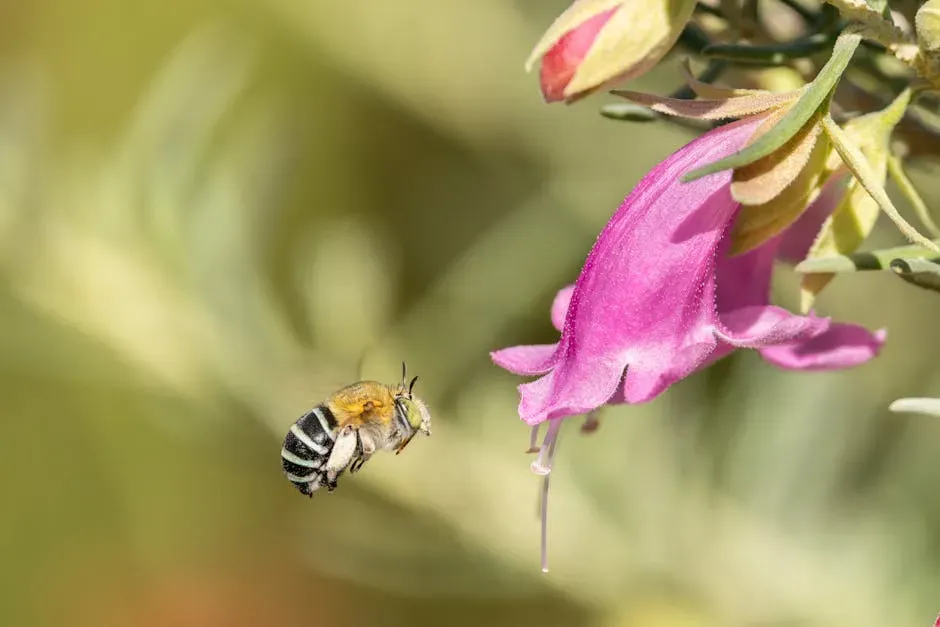
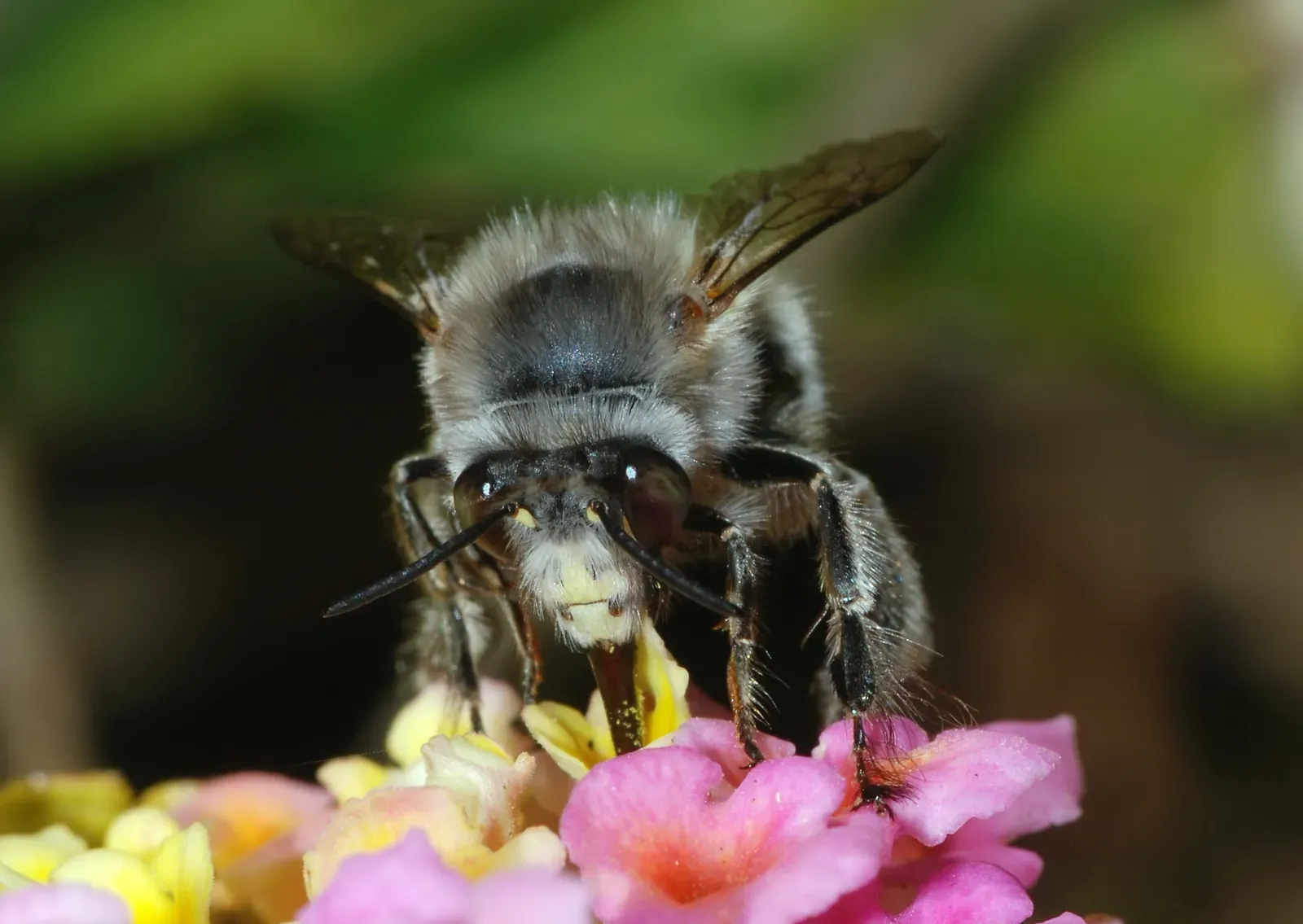
Honeybees get most of the attention. That’s understandable – they’re managed in hives, transported across state lines, and central to a well-documented commercial industry. Still, there are approximately 4,000 species of native wild bees in the United States that contribute to agricultural pollination. Most of them operate without fanfare, nesting in the ground or in plant stems along field edges.
According to the USGS, native bees are the primary pollinator or significantly supplement the activity of honeybees in almost all crops. Even crops such as cotton and soybeans that don’t technically require a pollinator have a higher yield if they are visited by bees. That’s a detail that often gets overlooked in discussions focused only on fruit production.
Wild bees and honeybees provided comparable amounts of pollination for most crops, even in agriculturally intensive regions, according to a national-scale study examining fields across major US crop-producing areas. The nationwide annual production value of wild pollinators to just the seven crops studied in that research exceeded $1.5 billion.
Some native species have developed remarkable partnerships with specific crops. The Southeastern Blueberry Digger Bee, for example, is a vital pollinator of commercial blueberries in southern Mississippi, and blueberry growers actively protect its nesting areas near orchards by avoiding mowing or tilling the soil where these bees nest – which results in higher yields and better fruit quality.
How Farmers Are Actively Supporting Bee Populations on Their Land
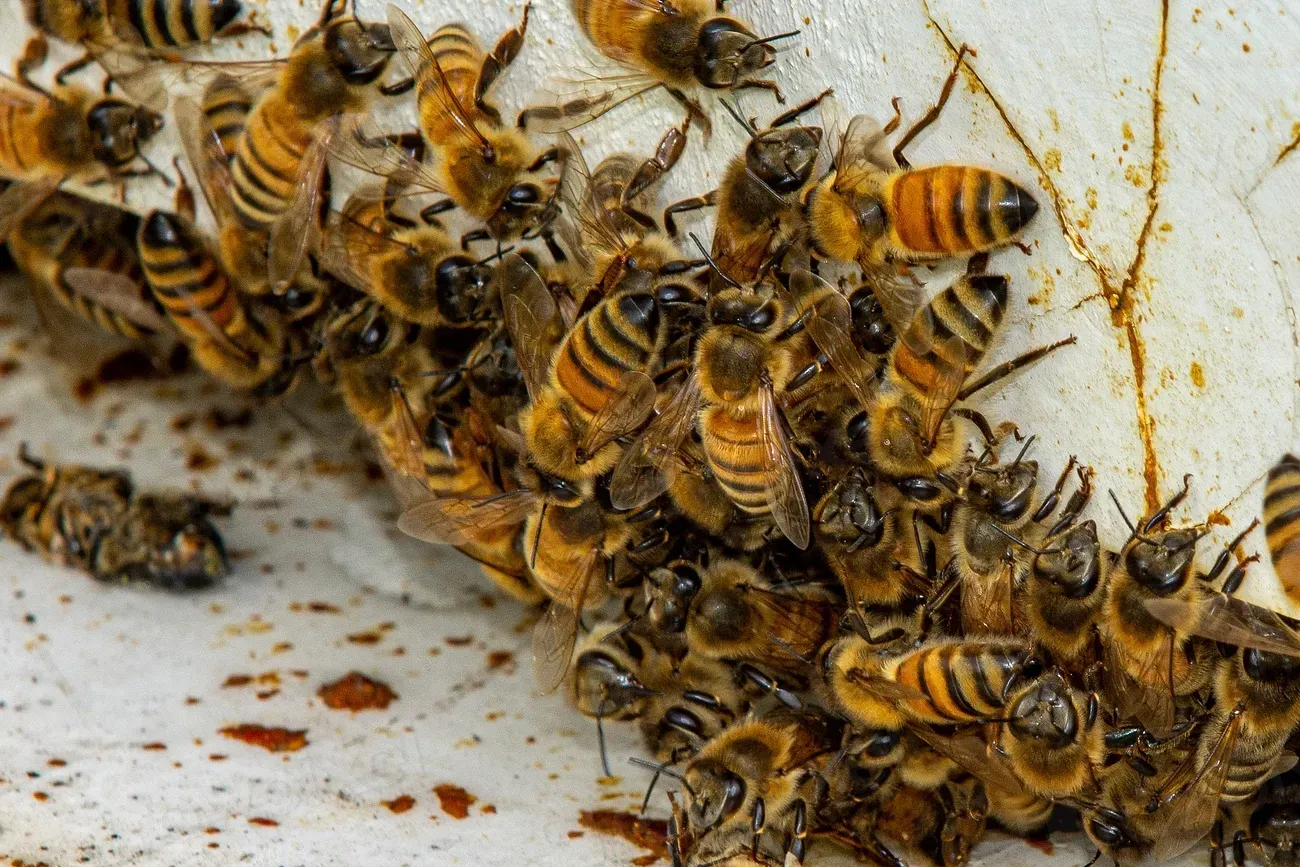
Farming and bee conservation used to feel like competing interests. That thinking has shifted considerably. A growing number of farms are finding ways to turn the tide by embracing practices that prioritize pollinator health alongside crop production, demonstrating that farming and conservation can genuinely work hand in hand.
Agricultural producers and private landowners can use conservation practices to help pollinators by creating and enhancing habitat and protecting that habitat from pesticide exposure. Two-thirds of all land in the United States is privately owned, which means the land management decisions of producers and landowners have a direct impact on pollinator health.
The way a farm manages pests has a direct, measurable impact on bee health. One documented benefit comes from lower concentrations of neonicotinoids, a class of insecticides particularly harmful to bees, found in hive material near fields using integrated pest management approaches.
Cattle producers who plant clover and other legumes for their livestock create a mutually beneficial relationship with beekeepers. Bees help increase clover seed set, leading to healthier forage, while gaining nectar and pollen that improves honey quality. Efficient pollination also reduces the need for reseeding, making it a practical win for both parties.
The Pressures Bees Face and Why Protecting Them Is an Agricultural Priority
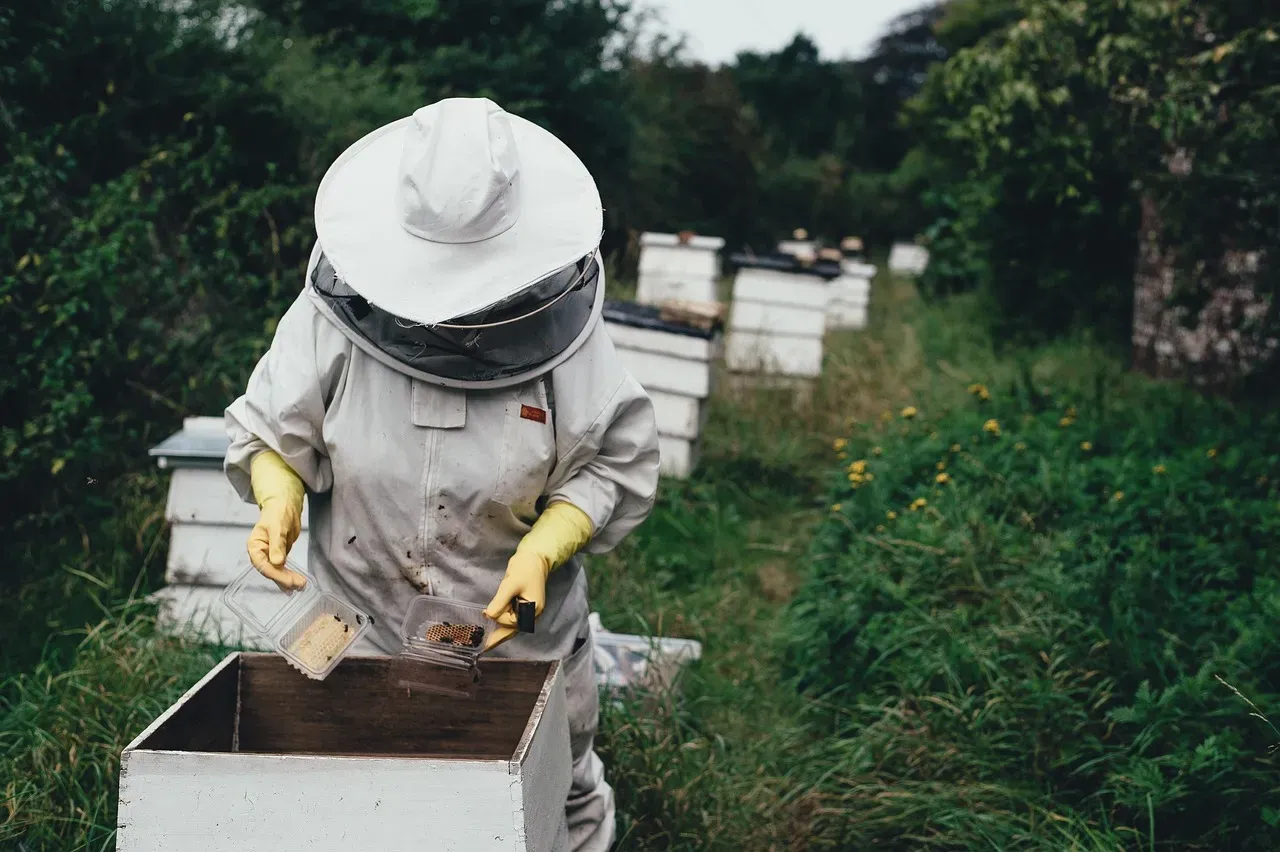
Despite their outsized value to farming, bee populations remain under serious pressure. Between April 2024 and April 2025, beekeepers across the United States lost 55.6 percent of their managed honey bee colonies, marking the highest loss rate ever recorded in the national survey. That figure stopped many people in the agricultural community cold.
As natural meadows and wildflower areas disappear to make room for development or large-scale monoculture farming, bees lose the diverse food sources they need throughout the growing season. Native bees, which often nest in undisturbed ground or plant stems, also lose their homes in the process.
Beekeepers can replace lost colonies by splitting surviving hives or purchasing new packages of bees, which is why total colony numbers haven’t collapsed entirely. The cost and effort of constant replacement is unsustainable, however, and it doesn’t address the underlying pressures: pesticide exposure, habitat loss, parasites, and disease.
Many native bees nest directly in the soil, often along field edges, farm lanes, bare patches, and lightly disturbed ground. These nesting aggregations are critical for crop pollination, yet they are easily overlooked and rarely documented on working lands. Greater awareness of where these bees actually live could be one of the most practical steps farmers take in protecting them.
Conclusion
The relationship between bees and American farmers is one of the most consequential partnerships in food production – and also one of the least visible to most people eating the food it creates. From the almond orchards of California to blueberry fields in Mississippi, from strawberry farms in the Pacific Northwest to cattle pastures across the Plains, bees show up and do quiet, essential work that no machine has fully replaced.
Pollinators play a key role in healthy agricultural landscapes, helping private landowners increase and improve the quality of their crop yields and the health and vigor of their landscape, which can lead directly to higher profits. The incentive for farmers to protect pollinators is, at its core, a practical one.
What’s most striking is how much of this depends on conditions that can still be shaped: how land is managed at field edges, how pest control is applied, how much undisturbed ground remains near orchards and pastures. Bees haven’t stopped showing up for farmers. The question, increasingly, is whether farming systems will make enough room for them to keep doing so.
