
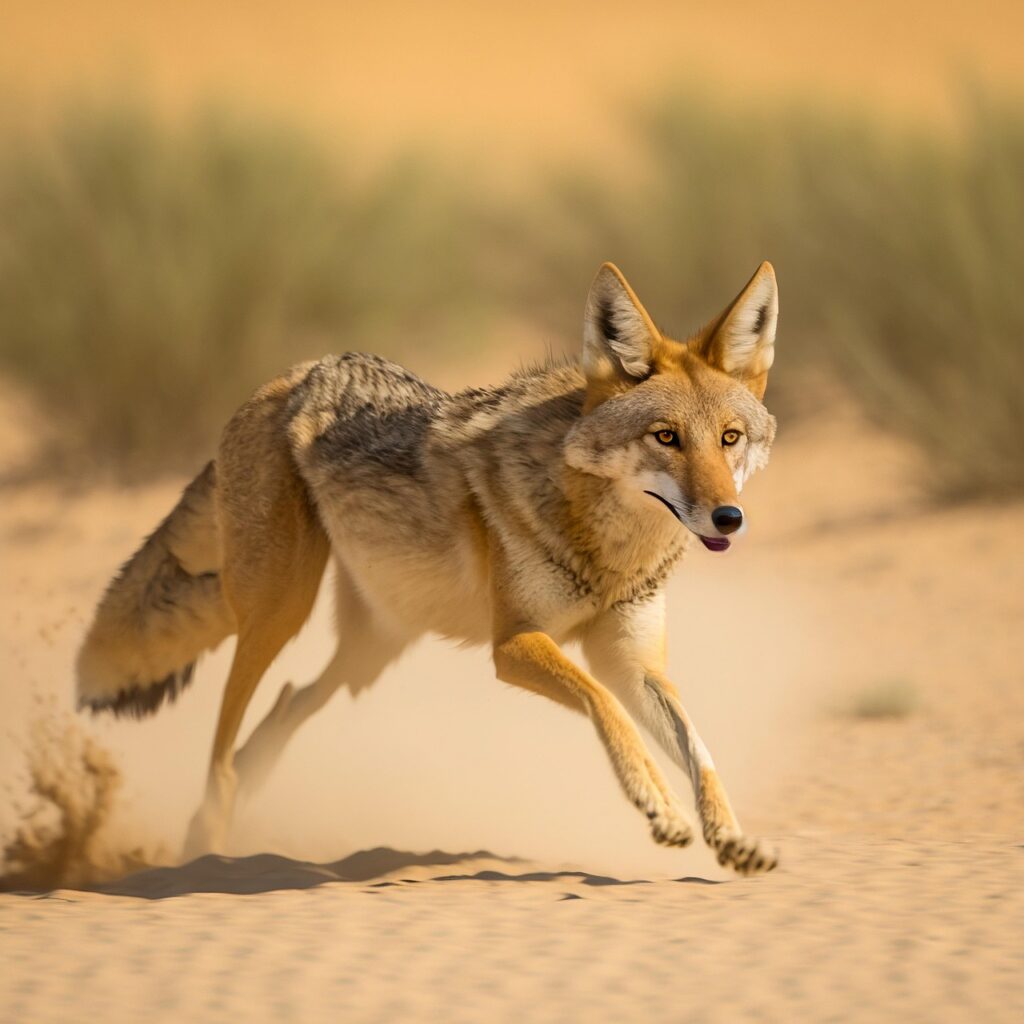
Something unusual has been happening in Chicago for decades, and most residents have simply learned to live with it. Coyotes have taken up residence across one of America’s largest and most densely populated cities, and they show no signs of retreating. They’ve been spotted along the Magnificent Mile, near the Museum of Contemporary Art, and wandering the Montrose Beach Dunes. One even turned up inside an Aldi grocery store in Humboldt Park in January 2025.
The question isn’t really whether coyotes belong in Chicago. At this point, they clearly do. The more interesting question is why they’re not just surviving here, but genuinely flourishing, and what that tells us about the surprising relationship between urban life and wildlife.
A Comeback Story Decades in the Making
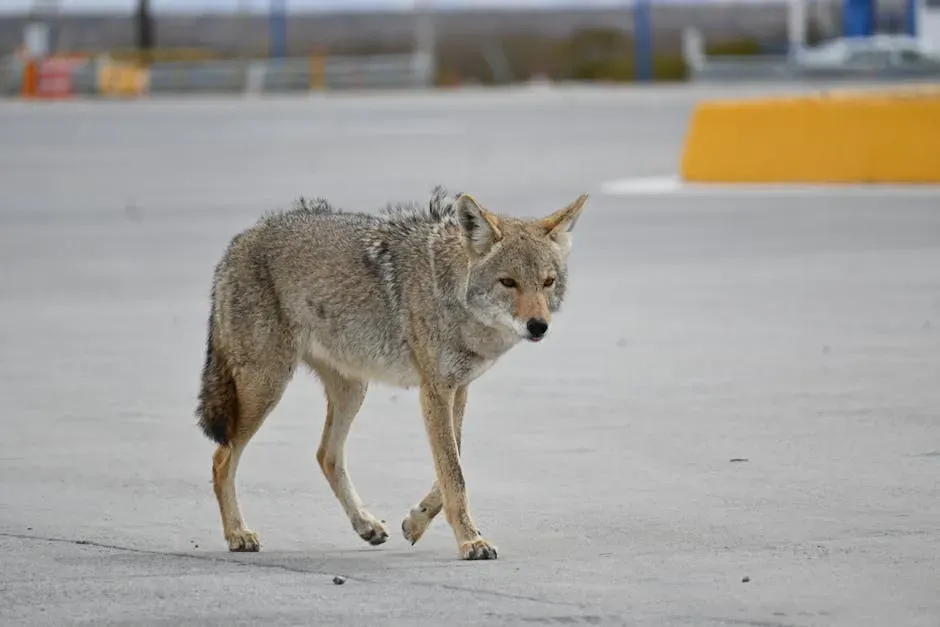
Coyotes returned to the Chicago area in the late 1970s and early 1980s after being driven out by human development and population growth for nearly a hundred years. Their return wasn’t a minor footnote. It marked the beginning of a long-term population shift that researchers are still working to fully understand.
Researchers believe the coyote population in the Chicago region rose dramatically during the 1980s and has remained relatively steady since then. Coyotes originally came to the region from the western deserts and plains sometime after 1700.
Based on research from the Urban Coyote Research Project, the coyote population in the area has roughly doubled since 2005, with researchers attributing that growth to two main factors: high survivability and high reproductive rates. That combination, it turns out, is a remarkably effective formula in a city like Chicago.
The City Offers Something the Wild Cannot
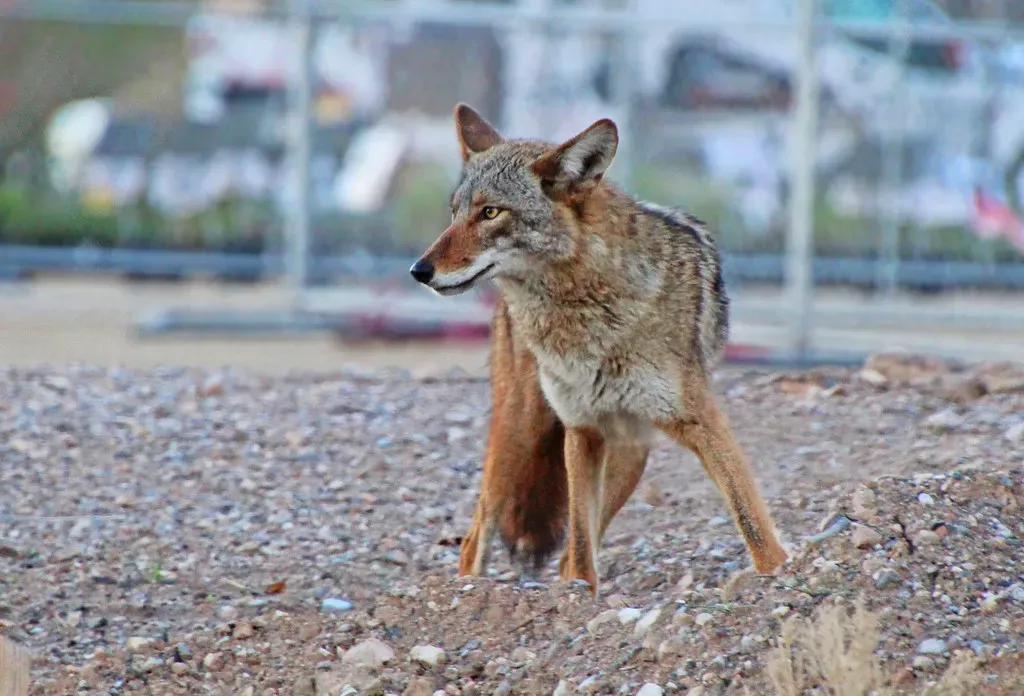
The density of the coyote population actually increases the closer one gets to cities, where the animals are less likely to be hunted or trapped. That’s a counterintuitive finding, but it holds up under scrutiny. The city provides an unlikely form of protection.
Humans pose the only real threat to coyotes in the city. Outside of Cook County, coyotes are hunted and trapped year-round without any limit, but within the county, hunting and trapping are not permitted, removing the primary limiting factor for the population.
The survival rate for coyote pups is nearly five times greater in urban environments than in rural ones. That single statistic explains more about their urban success than almost anything else. Fewer predators, less hunting pressure, and reliable food sources create conditions where young animals are far more likely to make it to adulthood.
Smarter Than We Give Them Credit For
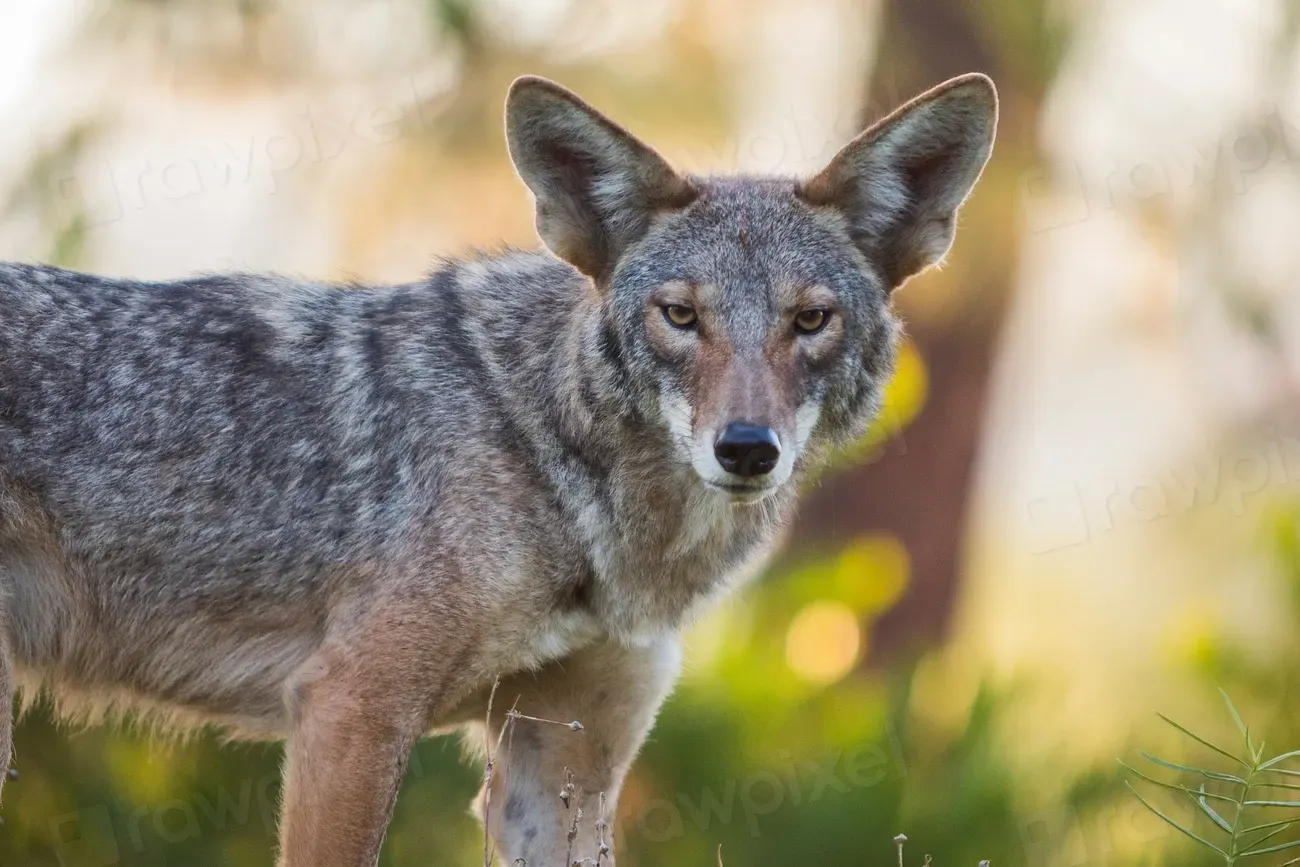
Research from the Chicago metropolitan area produces a portrait of a coyote that appears to benefit from the urban landscape through enhanced survival and possibly elevated population densities, while also exhibiting strong spatial and temporal avoidance of humans by consistently avoiding developed portions of the landscape and shifting activity patterns to nighttime hours.
Video cameras attached to some of the coyotes show them to be a savvy bunch, carefully timing their road crossings to avoid auto traffic. This kind of learned behavior points to a species that isn’t just tolerating the city, but actively adapting to its rhythms and dangers.
Wildlife biologist Chris Anchor once took a group of coyotes captured in Chicago and Aurora and dropped them off in rural areas, thinking he was returning them to their natural homes. The coyotes, outfitted with tracking devices, all wound up returning to the cities. That’s when it became clear these weren’t lost animals. They were urban coyotes, living in the city by choice.
Dense Human Populations Unexpectedly Help Them Survive
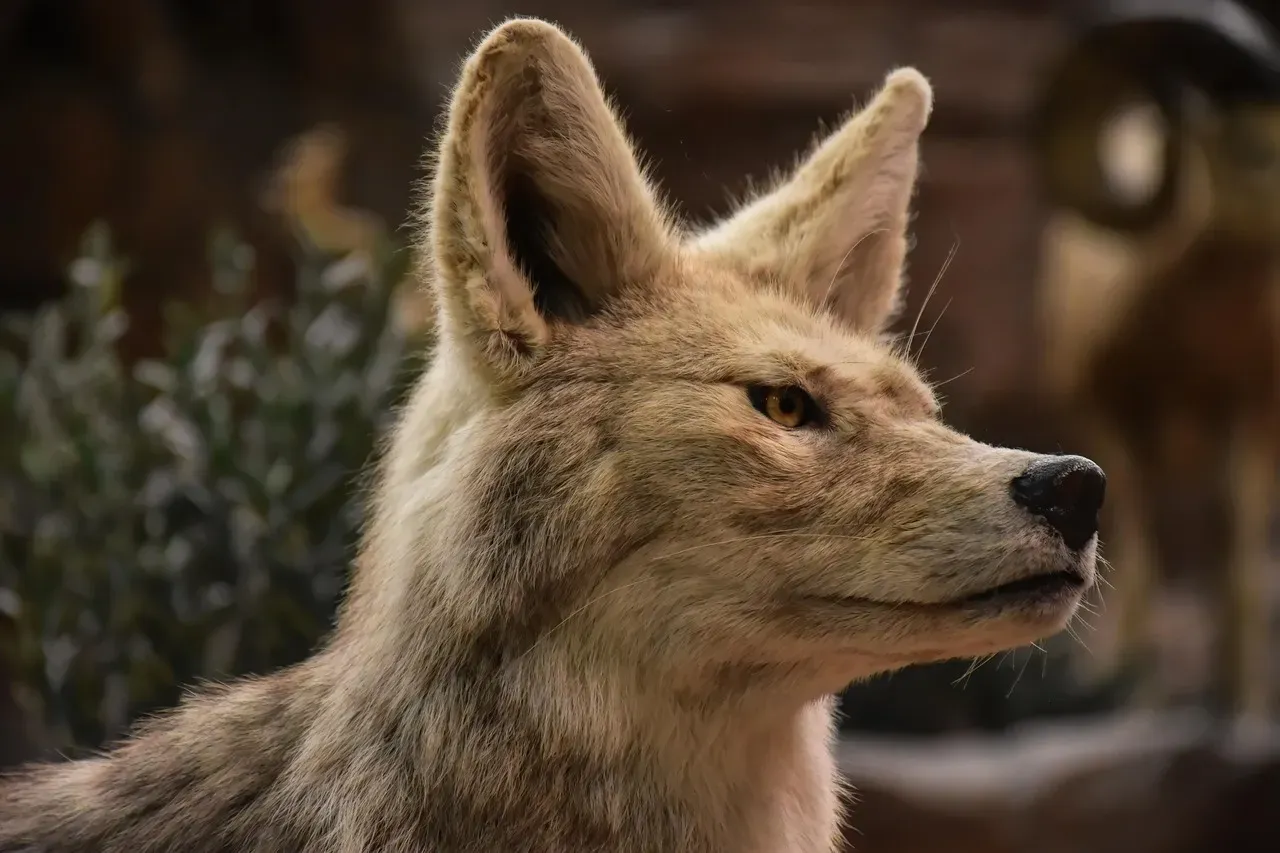
Researchers monitoring coyotes in Chicago found that natural habitat did not influence coyote survival in positive or negative ways. Instead, areas densely populated with humans were actually associated with longer coyote lifespans. That result surprised even the scientists involved.
Researchers have hypothesized that population density may have a positive effect because it provides resources like human-related structures or food that allow coyotes to weather the harsh conditions of Chicago winters, which represent a major mortality factor for the species.
Coyotes look for places to hide where they won’t be disturbed by people. In cities during the winter, they’ll sleep in cemeteries, on golf courses, and in patches of shrubs. Researchers have documented coyote family groups living at Navy Pier and the Museum Campus. The city, in other words, is full of quiet corners that most residents never think about.
Living Alongside Them Without Fear
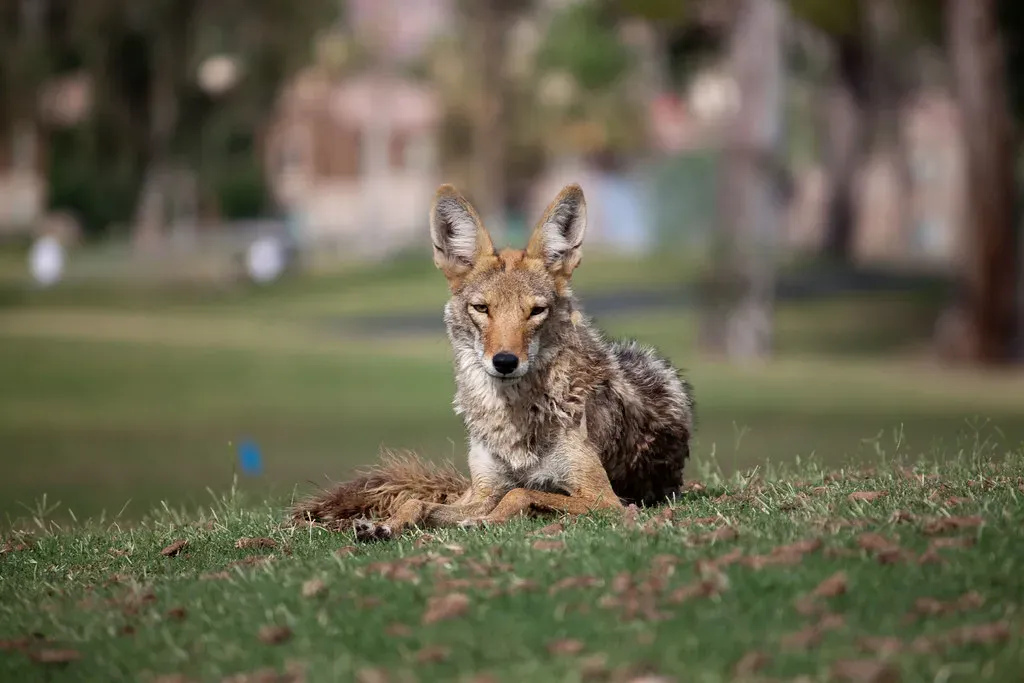
Between roughly two thousand and four thousand coyotes live in Cook County, according to Stanley Gehrt, a professor of wildlife ecology at Ohio State University and researcher with the Urban Coyote Research Program. That’s a substantial population sharing space with millions of people, yet serious conflicts remain rare.
Only a very small population of coyotes appears to be causing actual conflicts with humans. Of the hundreds of radio-collared coyotes studied across a variety of urban habitats, only a tiny fraction have been reported as nuisances by members of the community. The picture that emerges from the data is one of mostly peaceful coexistence.
Coyotes generally avoid human interaction and play an important role in controlling urban rodent populations. As a top predator, coyotes are performing an important ecological role in the Chicago region, with increasing evidence showing they assist with controlling rodent, deer, and Canada goose populations. That ecological function is easy to overlook when you’re startled by one on your morning walk.
Coyotes in urban and suburban environments may learn that neighborhoods provide easy sources of human-associated food while presenting few real threats. Residents are encouraged to respect their space and take precautions to minimize conflicts. Feeding coyotes can lead to bold behavior and increase the risk of unwanted encounters. Coyotes tend to be shy animals, but feeding them can change that dynamic and cause them to act more brazen.
Conclusion
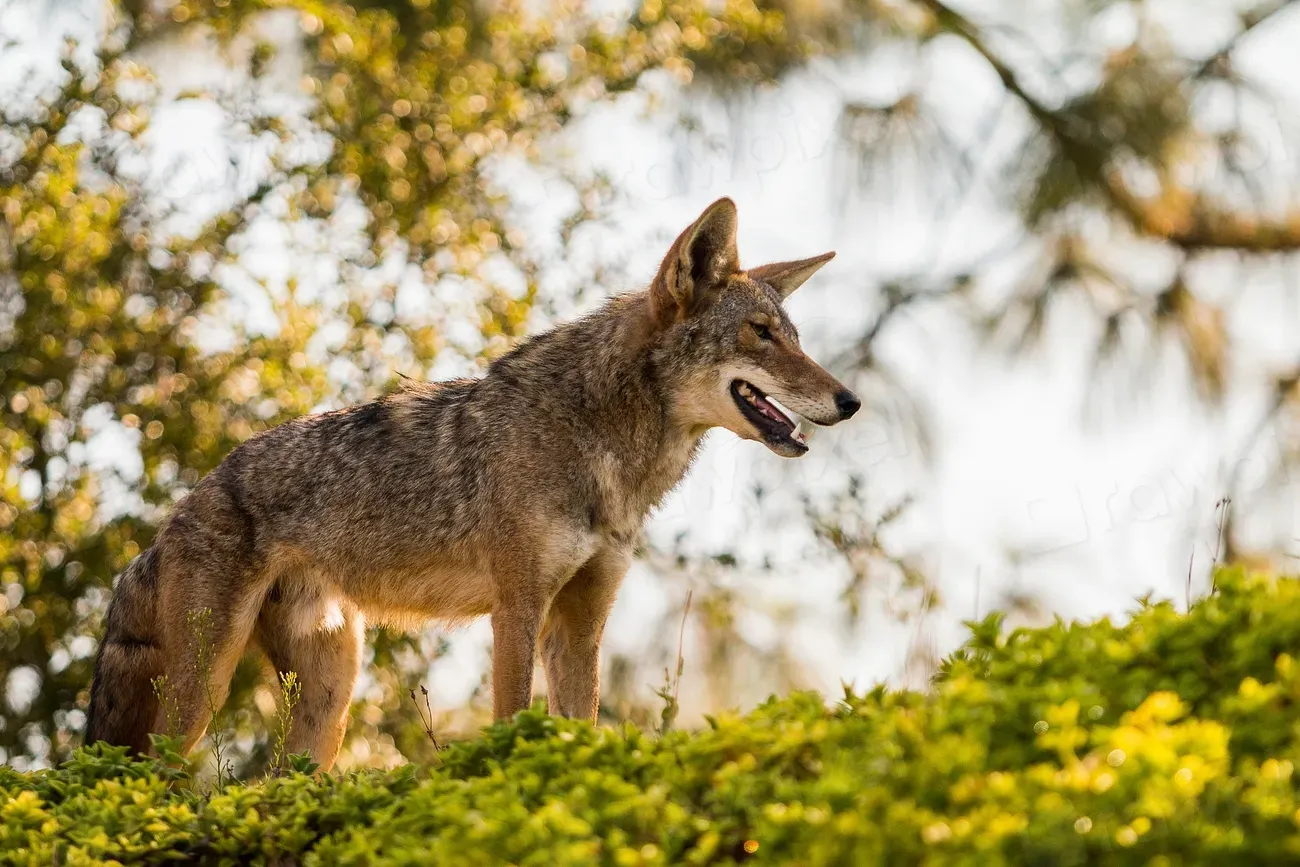
Chicago’s coyotes aren’t an anomaly or an accident. They’ve carved out a niche in one of the world’s great cities by being adaptable, intelligent, and surprisingly good at staying out of sight. Decades of research confirm that they’re here for the long haul.
Experts believe the increased coyote presence is broadly a good sign for Chicago’s environment, though questions remain about how urban expansion might continue to shape their behavior and habitat.
The more humans understand about what draws coyotes to urban life, the better equipped they are to share space with them thoughtfully. The city didn’t just tolerate these animals. In many ways, it built the conditions that made them thrive. That’s worth sitting with for a moment.
