
Worried about unexpected vet bills?
Pet insurance can cover thousands in unexpected vet costs. Get a free quote from Lemonade in under 2 minutes.
Get My Free Quote →Sponsored · Opens Lemonade.com
Picture a squirrel darting across your lawn or a hawk circling high above a distant ridge. These moments remind us that animals, big and small, weave through every layer of our world. Their actions sustain ecosystems in ways often hidden from plain sight.
From the familiar buzz of backyard bees to the elusive prowl of wilderness wolves, each species fits into a larger pattern. Nature thrives on these connections, where no role goes unnoticed.
The Unsung Work of Pollinators
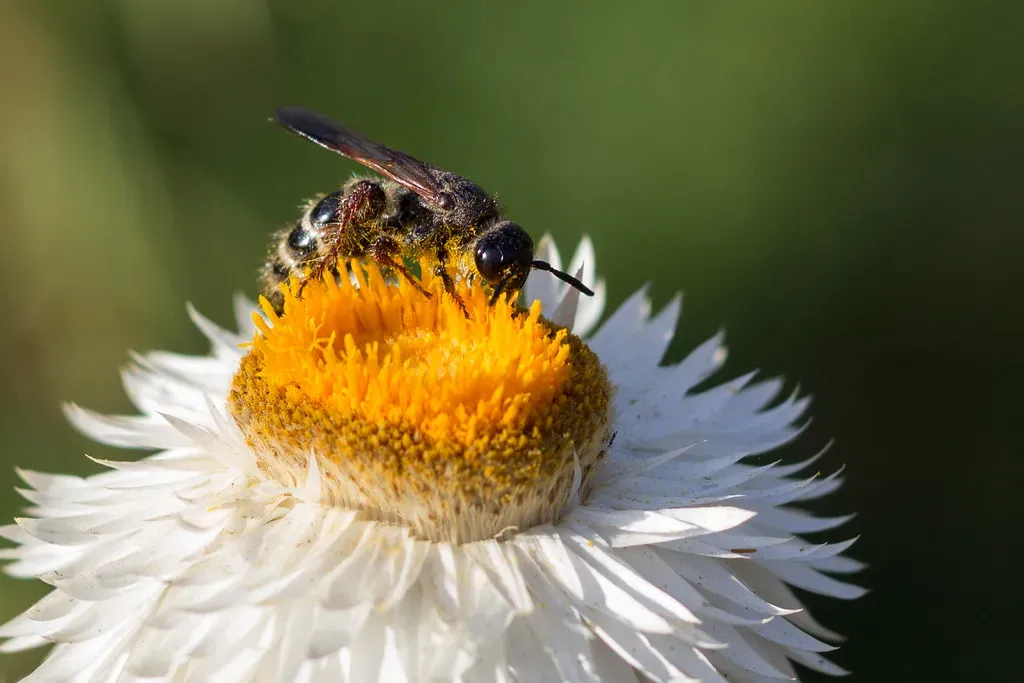
Bees and butterflies flit from flower to flower in gardens and meadows alike. They transfer pollen, enabling plants to produce seeds and fruits that feed countless other creatures. Without them, many crops and wildflowers would fade.
Hummingbirds join the effort, sipping nectar while dusting pollen on their beaks. Butterflies target specific plants, ensuring genetic diversity spreads. These small travelers keep plant populations vibrant across backyards and beyond.
Insects like hoverflies mimic bees but pollinate just as effectively. Their tireless flights support food chains that reach birds and mammals. Lose these pollinators, and ripples disrupt the entire balance.
Predators Keeping Populations in Check
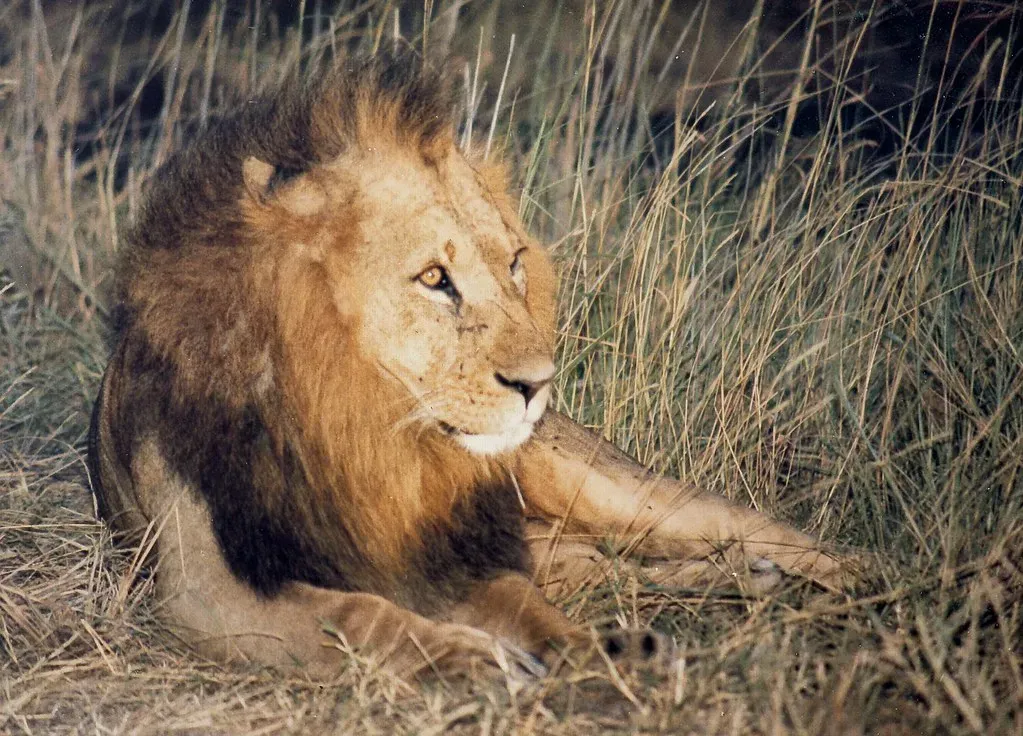
Foxes patrol suburban edges, hunting rodents that multiply unchecked otherwise. In deeper woods, owls swoop silently on mice, preventing overgrazing of vegetation. Predators enforce natural limits, fostering healthier habitats.
Wolves in remote areas cull weak deer, strengthening herds overall. This selective pressure boosts resilience against disease. Smaller predators like snakes control insect booms that could devastate crops.
Sharks patrol ocean realms, maintaining fish stocks from collapsing. Their presence ensures prey species don’t strip reefs bare. Everywhere, these hunters stabilize numbers through everyday pursuits.
Decomposers Recycling Life’s Essentials
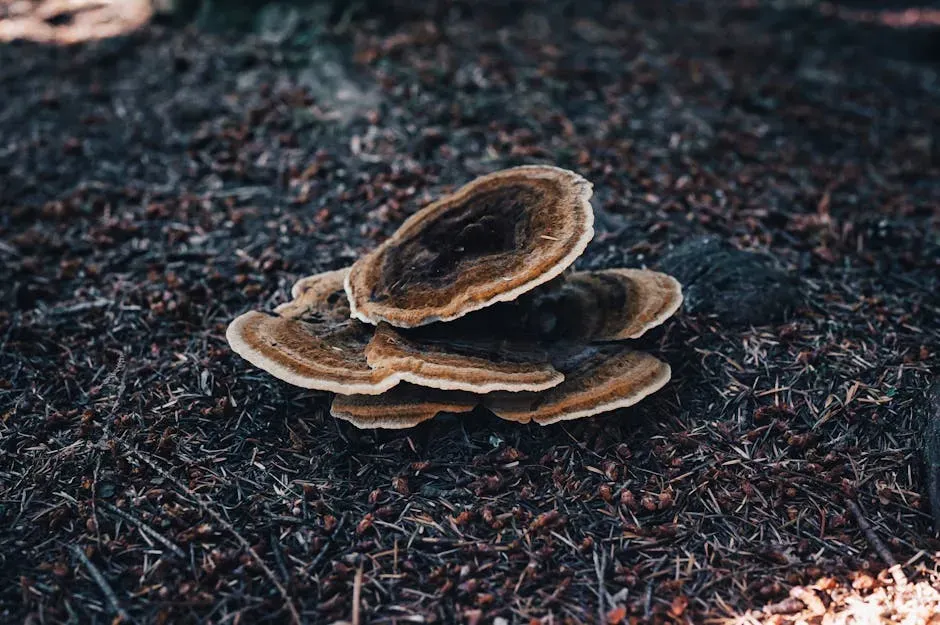
Worms churn soil in backyard compost, breaking down leaves into rich earth. Beetles and fungi tackle fallen logs in forests, returning nutrients to roots. This quiet breakdown fuels new growth cycles.
Vultures circle skies over plains, cleaning carcasses before disease spreads. Millipedes shred plant matter, speeding decay in humid understories. Their work prevents waste buildup that chokes ecosystems.
In rivers, crayfish scavenge debris, clarifying waters for fish. Bacteria aided by these animals recycle nitrogen vital for plants. Decomposers form the base, turning death into tomorrow’s life.
Ants haul bits underground, aerating soil along the way. Their colonies process tons yearly, invisible architects of fertility.
Keystone Species Shaping Entire Habitats
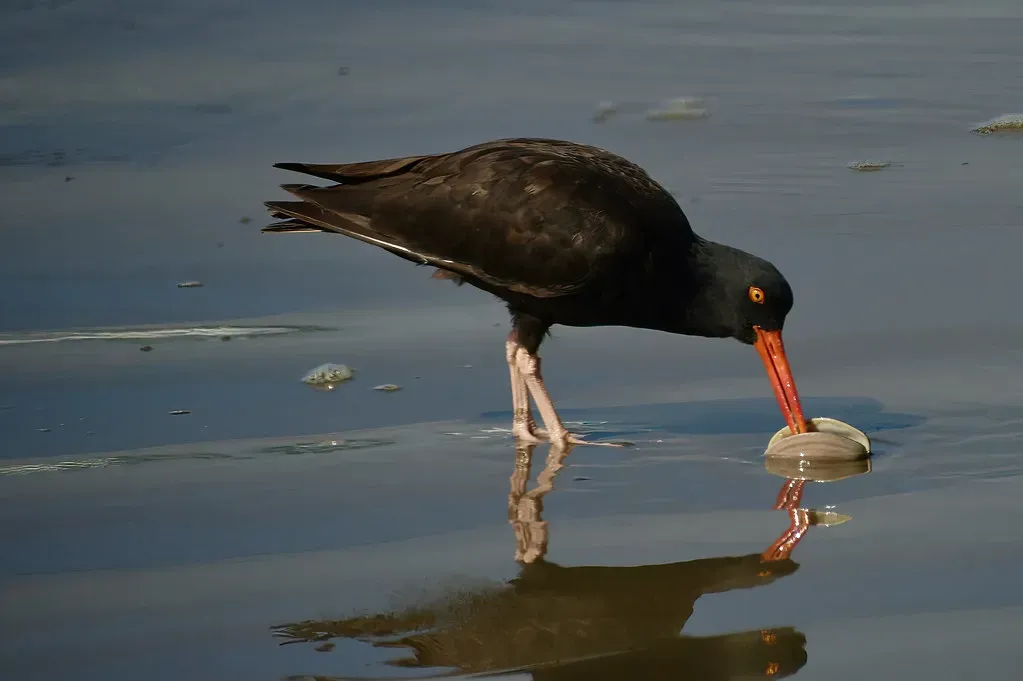
Beavers dam streams, creating wetlands that shelter fish, frogs, and birds. Their ponds filter water and recharge aquifers in arid lands. Remove them, and dry channels replace thriving marshes.
Sea otters pry urchins from kelp forests, preserving vast underwater canopies. These hold carbon and nurseries for fish. Elephants uproot trees in savannas, sparking grasslands for grazers.
Prairie dogs burrow networks that house dozens of species underground. Their mounds alter soil for wildflowers. Wolves reshape riversides by curbing elk browsing on willows.
A Delicate Web Worth Protecting
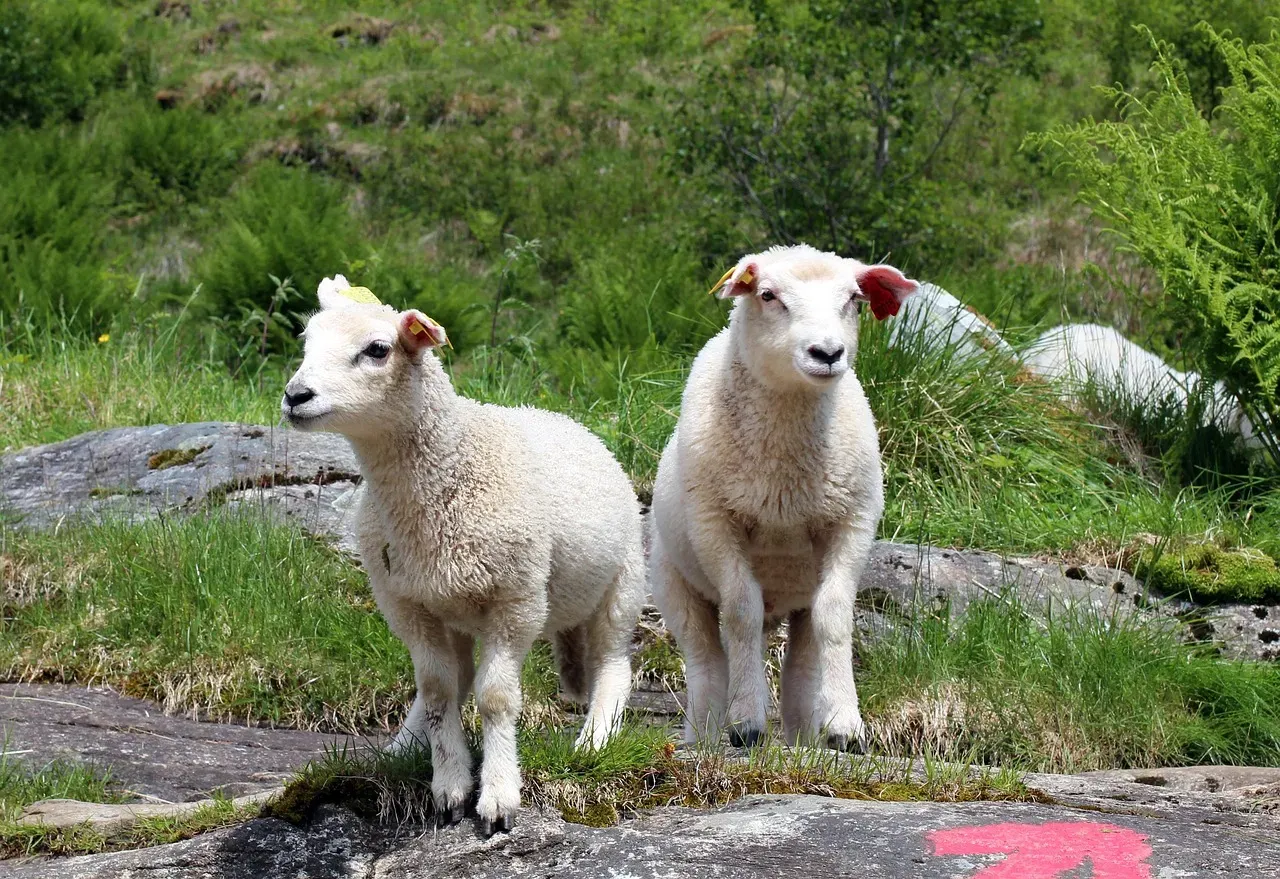
Every animal links to others, from city parks to vast tundras. Human expansion tests these ties, yet restoration efforts show promise. Backyard feeders and wildlife corridors help bridge gaps.
Understanding roles inspires simple steps, like planting natives or reducing pesticides. Nature’s balance endures through such awareness. In the end, our world mirrors the harmony animals maintain so effortlessly.
Worried about unexpected vet bills?
Pet insurance can cover thousands in unexpected vet costs. Get a free quote from Lemonade in under 2 minutes.
Get My Free Quote →Sponsored · Opens Lemonade.com
