

Most people think getting hummingbirds into their garden is as simple as hanging a red feeder and hoping for the best. Turns out, that approach misses nearly everything that actually keeps these birds coming back year after year. Hummingbirds are smarter, more territorial, and more nutritionally demanding than most gardeners ever realize — and the mistakes that drive them away are often the exact things beginners feel most confident about.
Experienced gardeners have quietly been doing things differently all along. Some of these secrets are surprisingly simple. A few will make you rethink everything you thought you knew. Here’s what they actually admit works — and why most backyard setups fall short of what’s truly possible.
#14 Your Feeder Is Probably Hanging in the Wrong Spot
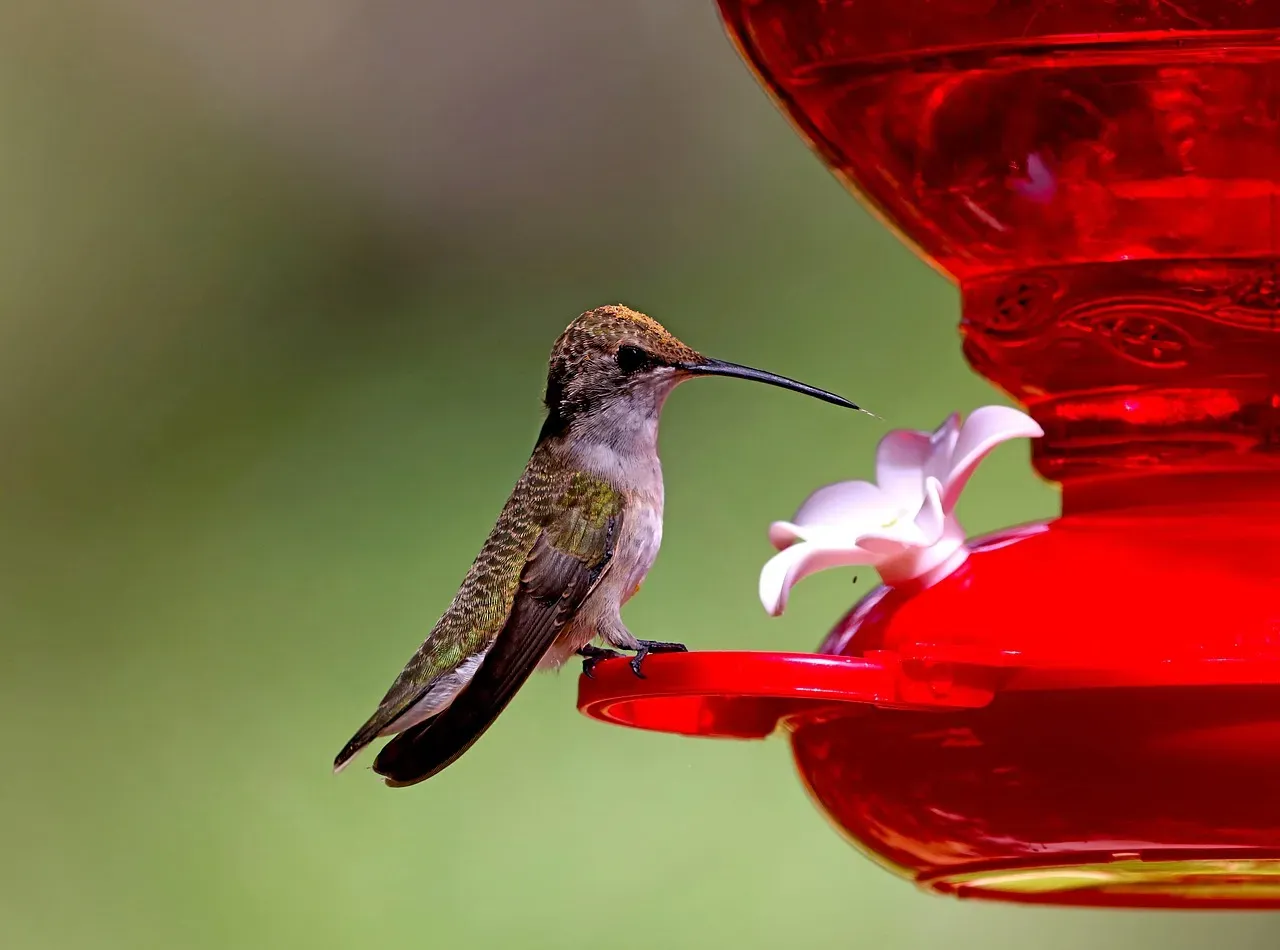
Most gardeners hang feeders wherever looks prettiest from the kitchen window — but convenience for humans is the enemy of comfort for hummingbirds. A wind-exposed feeder swings, spills nectar, and stresses the birds. A sun-baked feeder turns nectar rancid in hours. Both problems are invisible from the couch.
Position your feeders away from direct sunlight, sheltered from wind, and close to a natural perching branch. Shade slows fermentation and keeps nectar fresh far longer. Shade plus a nearby perch to rest on? That’s the combination experienced gardeners quietly rely on — and it’s worth more than any particular feeder design money can buy.
At a Glance: Smarter Feeder Placement
- Height: Hang feeders 5–6 feet above the ground — accessible to birds, safe from cats
- Shade: Partial shade or afternoon shade keeps nectar from spoiling in just a few hours on hot days
- Window distance: Place feeders either within 3 feet of a window or more than 30 feet away to prevent dangerous collisions
- Wind shelter: A nearby shrub or eave breaks wind and stops the feeder from swinging
- Perch access: A bare twig or branch within 10 feet gives birds a resting spot between feeding bursts
#13 – One Feeder Is a Recipe for Bullying
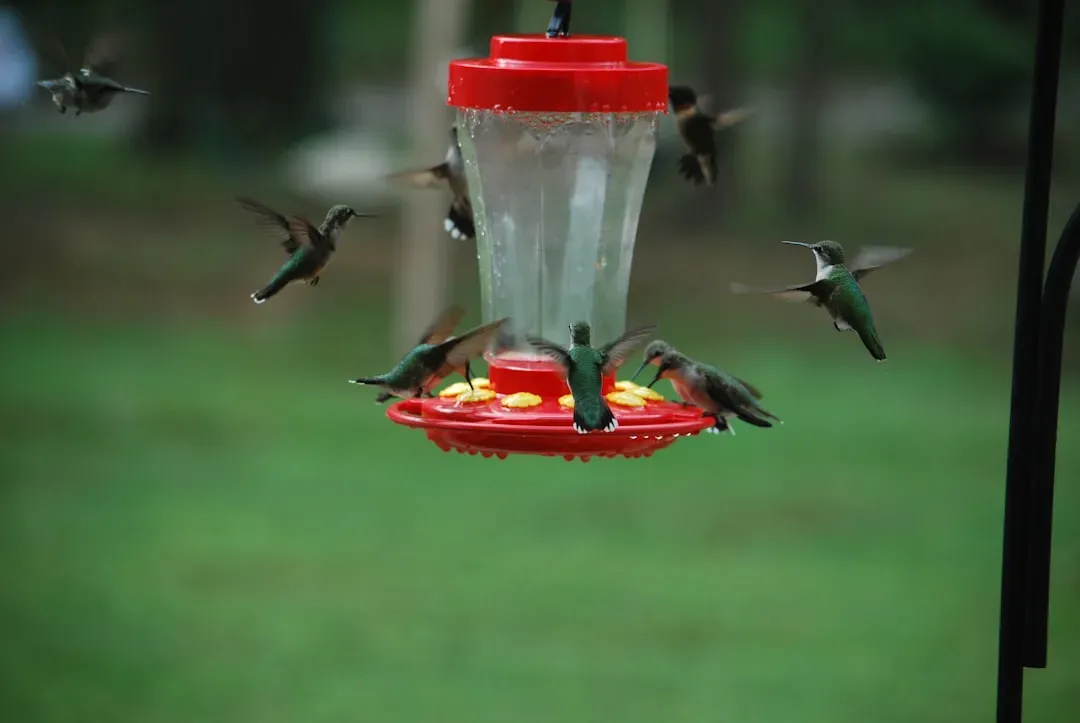
If you only have one feeder in your yard, there’s a very real chance one dominant bird is hogging it entirely — and you’re watching that single bird and assuming everything is fine. The other hummingbirds you never see? They already moved on to someone else’s garden.
Setting out multiple feeders breaks the monopoly — but placement matters just as much as quantity. Dominant males will guard multiple feeders if they can see both at once. Position extras out of each other’s line of sight, around a corner or behind a shrub. It’s a small tactical shift that can triple the number of visitors you see in a single afternoon.
#12 – The Nectar Recipe Most People Get Wrong
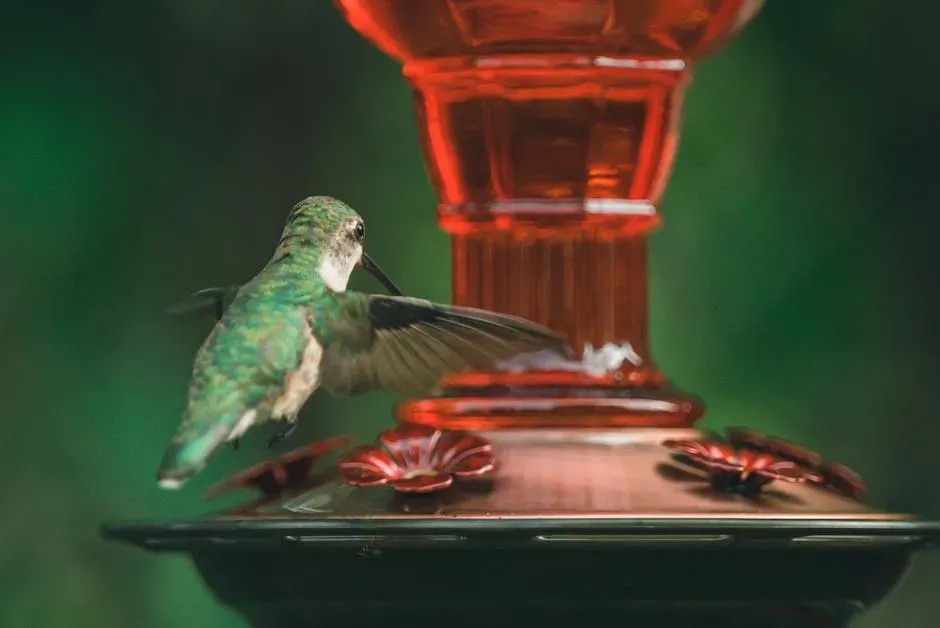
Walk into any garden center and you’ll see brightly colored pre-mixed nectar for sale. Experienced gardeners leave it on the shelf every single time. Those mixes often contain preservatives, artificial dyes, and sweeteners that offer hummingbirds zero nutritional benefit — and may actively harm them. Honey and brown sugar aren’t safe alternatives either; brown sugar contains molasses, which carries iron levels that can be toxic to these tiny birds.
The only recipe you will ever need is four parts water to one part plain white granulated sugar. That’s it. No dye, no supplements, no store-bought shortcuts. Clear, clean, simple sugar water is the closest match to natural flower nectar these birds will find in any backyard. Everything else is marketing.
Fast Facts: The Only Nectar Recipe You Need
- The ratio: 1 part plain white sugar to 4 parts water — every time
- Unsafe substitutes: Honey, brown sugar, agave, artificial sweeteners, and powdered sugar can all harm hummingbirds
- Natural nectar: Flower nectar is roughly 20–25% sucrose — the 1:4 ratio closely matches this
- Red dye: Never needed — the feeder itself provides all the color signal the birds require
- Storage: Unused nectar keeps in the refrigerator for up to two weeks
#11 – Dirty Feeders Are Quietly Harming Your Birds
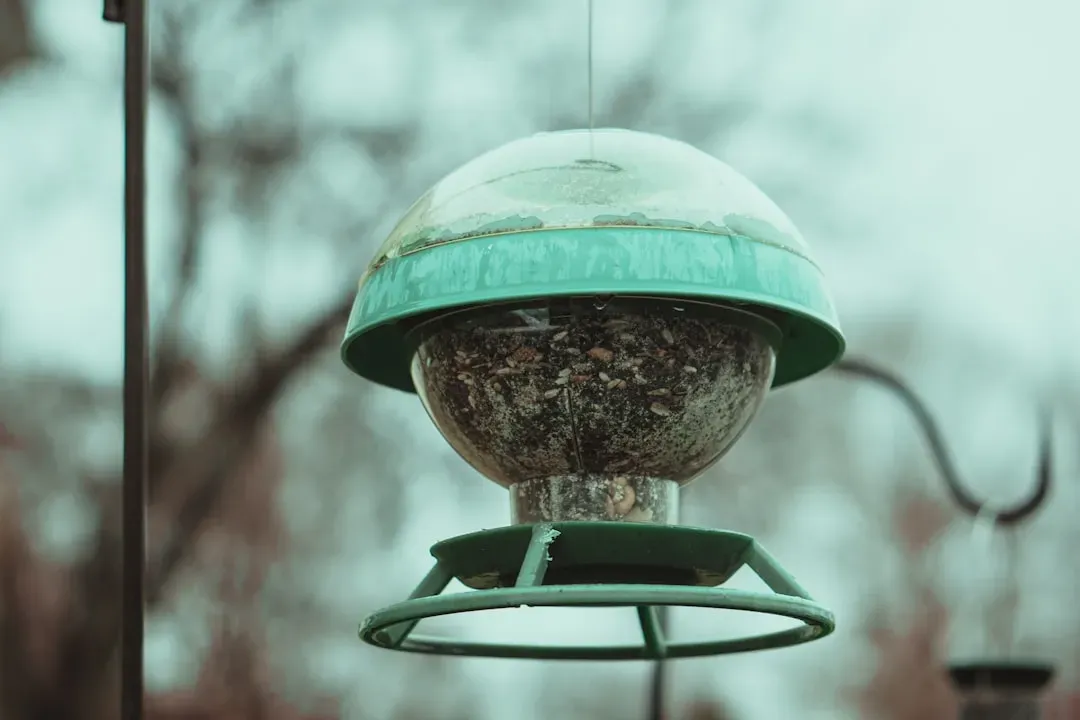
This is the secret experienced gardeners are most reluctant to admit — because it means admitting they nearly poisoned the very birds they were trying to help. A feeder that looks clean on the outside can be dangerously contaminated on the inside, harboring mold and bacteria invisible to the naked eye.
In cool weather, clean your feeders every four to five days. In summer heat, every two to three days is the minimum. Use one part white vinegar to four parts water — soap leaves residue that harms birds. A small bottle brush costs almost nothing. Old nectar can become a breeding ground for dangerous mold within days, and a sick hummingbird won’t come back. That vinegar rinse could genuinely be the difference between a thriving garden and an empty one.
[article_quiz]
#10 – Red Dye in Nectar Is a Problem, Not a Perk
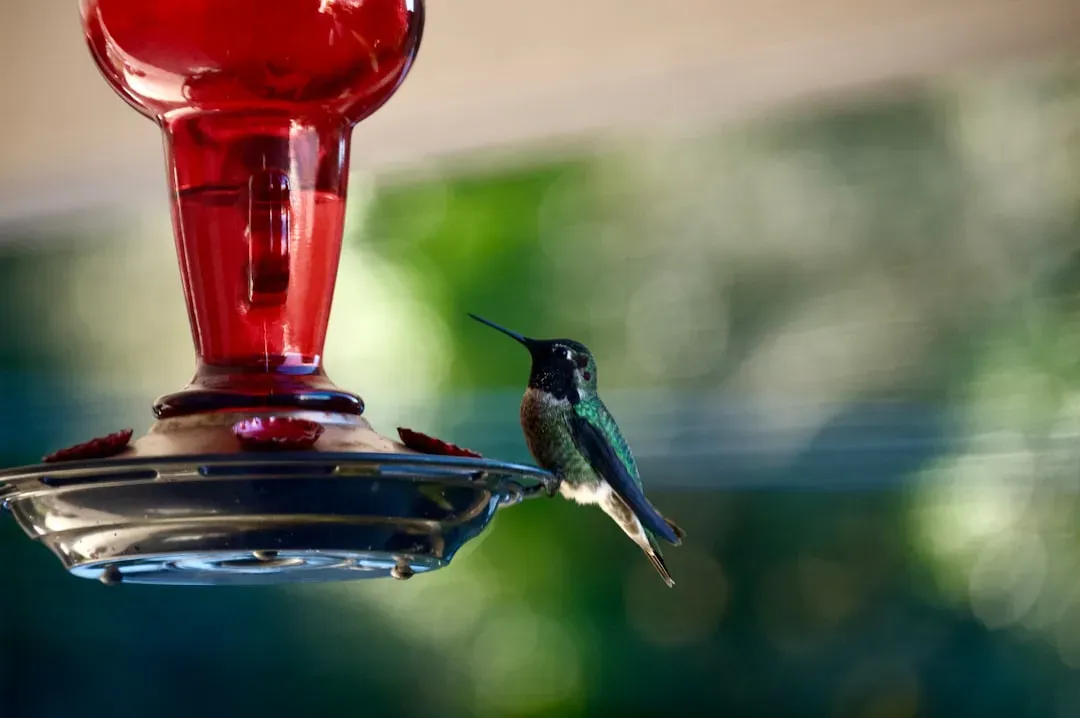
For years, well-meaning gardeners added red food coloring to homemade nectar as a bonus — a way to double down on the color these birds love. It felt helpful. It wasn’t. Experts now say stop immediately, and experienced gardeners stopped a long time ago.
Most feeders are already red. That’s all the visual signal hummingbirds need. The nectar itself doesn’t need to be any color at all — it just needs to be clean, clear, and fresh. Adding dye introduces unnecessary chemicals into the diet of a bird that weighs less than a nickel. The feeder does the visual work. Let it.
#9 – Native Plants Beat Exotic Flowers Every Single Time
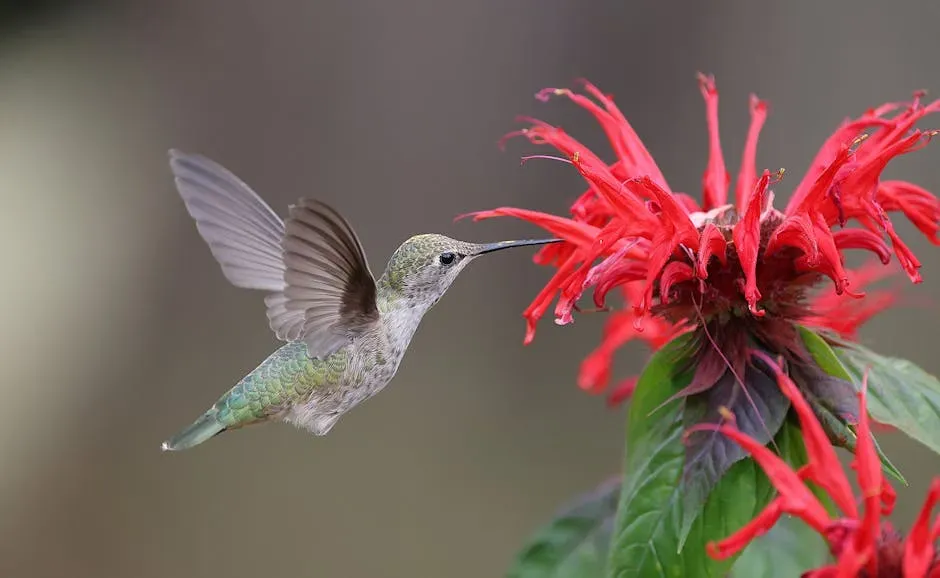
Many gardeners spend serious money on showy imported blooms, convinced that unusual and exotic flowers will give them an edge with hummingbirds. Experienced gardeners know this is largely wasted effort — and the science backs them up. Native plants support far greater concentrations of the insects and spiders that hummingbirds also depend on for protein, something no exotic ornamental can replicate.
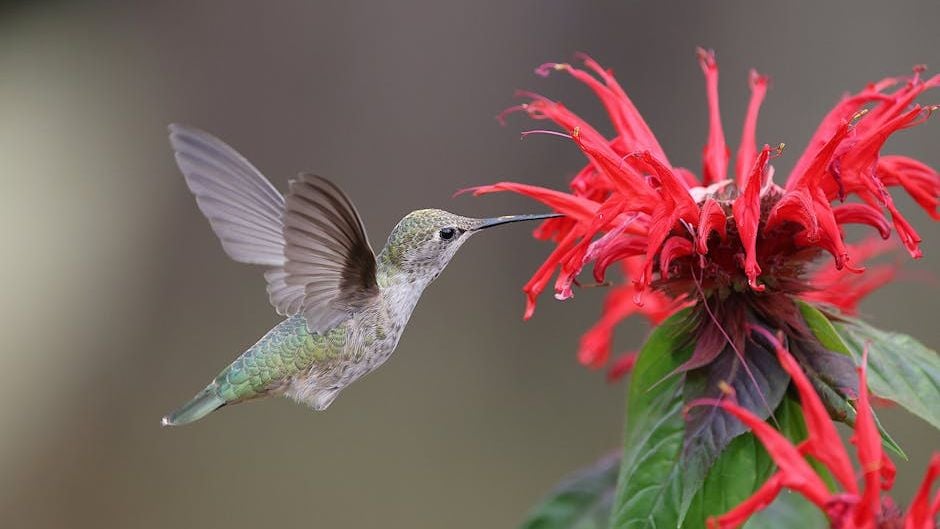
Native hummingbird plants and local hummingbird species have co-evolved over thousands of years, meaning the plants reliably produce nectar at exactly the times the birds need it most. Trumpet honeysuckle, cardinal flower, bee balm, and native salvias pull hummingbirds in season after season with a consistency that imported varieties simply can’t match. No exotic ornamental has ever beaten a well-established patch of native bee balm — and most seasoned gardeners will tell you exactly that.
Quick Compare: Top Native Plants by Season & Strength
- Trumpet Honeysuckle — tubular red blooms, spring through summer, climbs 8–20 feet; non-invasive
- Bee Balm (Monarda didyma) — vivid red/pink/purple, mid-summer peak, 3–4 feet tall; also draws pollinators
- Cardinal Flower (Lobelia cardinalis) — brilliant red spikes, late summer into fall; ideal for wet edges and migrating birds
- Native Salvias — tubular blooms, long season, low maintenance; hummingbirds visit every variety
- Red Columbine (Aquilegia canadensis) — one of the earliest bloomers; feeds spring migrants arriving before most plants flower
#8 – Your Garden Needs Blooms From Spring Through Fall
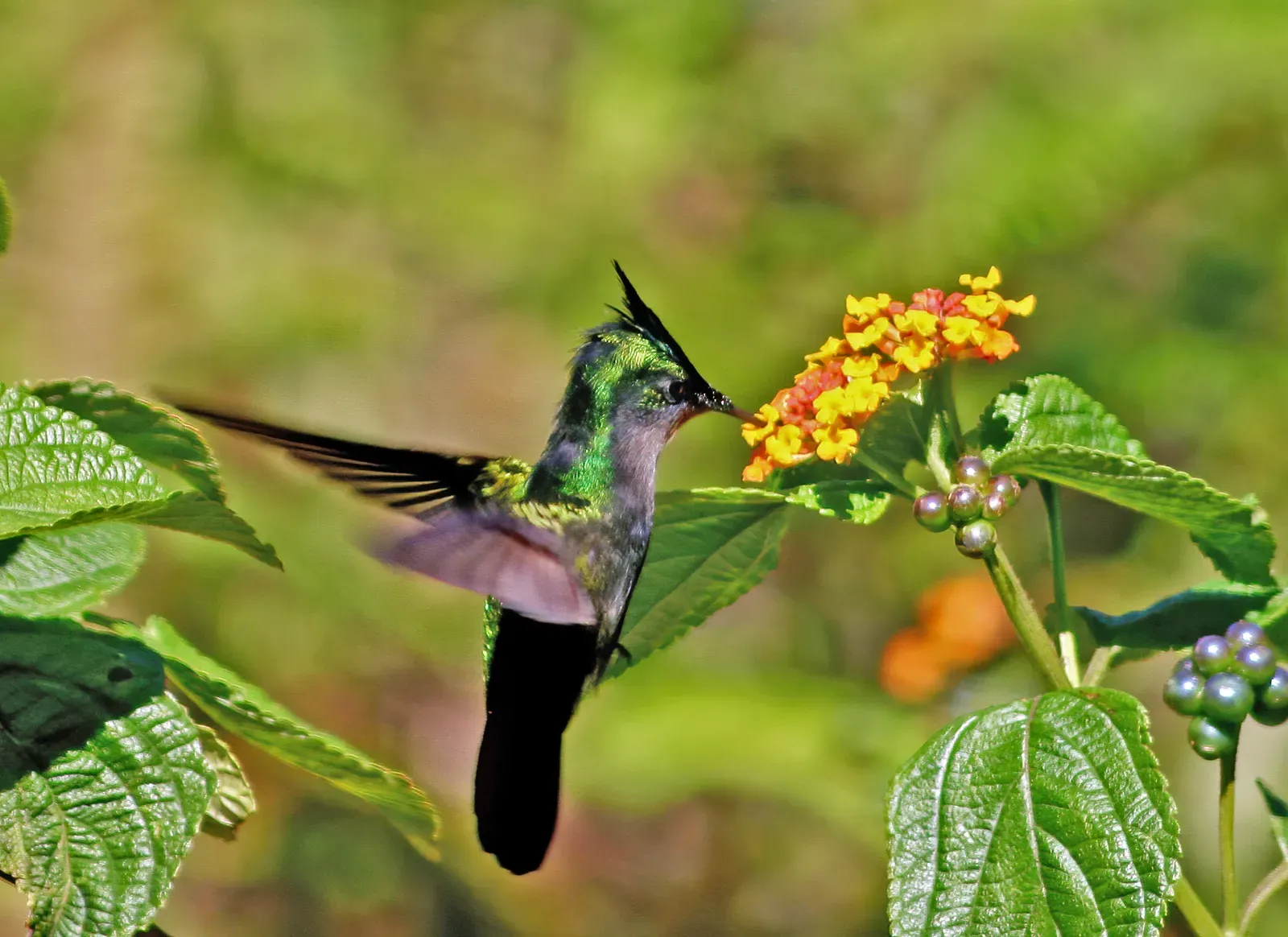
Most gardeners plant whatever looks good at the nursery in May, then wonder why hummingbird visits drop off sharply by late July. The answer is almost always a gap in the bloom calendar. If the café closes for two weeks, the regulars find a new café — and they may not come back.
Think of it as scheduling, not gardening. Every week from the birds’ arrival to their fall migration needs something in flower. In the southern U.S., that window can open as early as February. In northern regions, it typically runs from April through September. A single gap of two bloomless weeks can cost you the entire local hummingbird population for the rest of the season — and possibly the next one too.
#7 – Layered Height in Your Garden Is Non-Negotiable
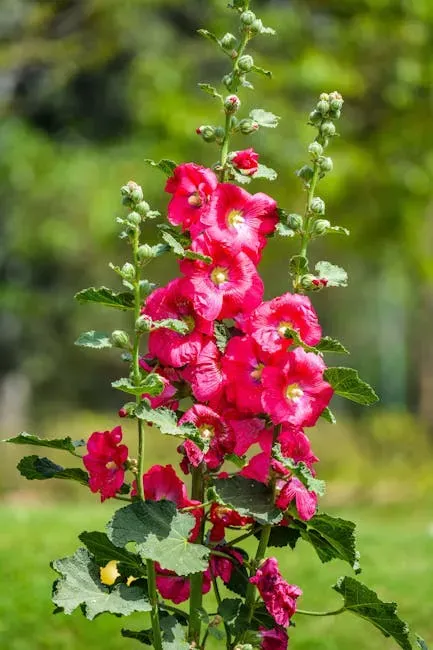
Most gardeners think flat flower beds of similar-height plants are enough. Experienced gardeners structure their gardens vertically — and it changes everything about how hummingbirds use the space. Hummingbirds move through a garden the way we move through a house: some spaces for feeding, some for resting, some just for passing through. A single-height planting is one room with no hallways and no furniture.
Tall shrubs and trees give hummingbirds places to survey the garden, preen, and rest between feeding bursts. Mid-sized perennials supply consistent nectar at ideal feeding height. Low-growing plants support short hover-feeding sessions close to the ground. A three-tier garden will attract and retain dramatically more birds than a single-height planting — regardless of how perfect the individual plants are.
Why It Stands Out: The Three-Layer Garden Formula
- Top tier (trees & tall shrubs): Survey perches, safe resting spots, nesting cover — elderberry and native azaleas work beautifully
- Middle tier (perennials & vines): The main nectar feeding zone — bee balm, cardinal flower, coral honeysuckle on a trellis
- Low tier (ground-level plants): Close-hover feeding and insect habitat — red columbine and low salvias fill this role naturally
- The payoff: A layered garden gives hummingbirds every resource they need without ever leaving your yard
#6 – Hummingbirds Need Protein, Not Just Nectar
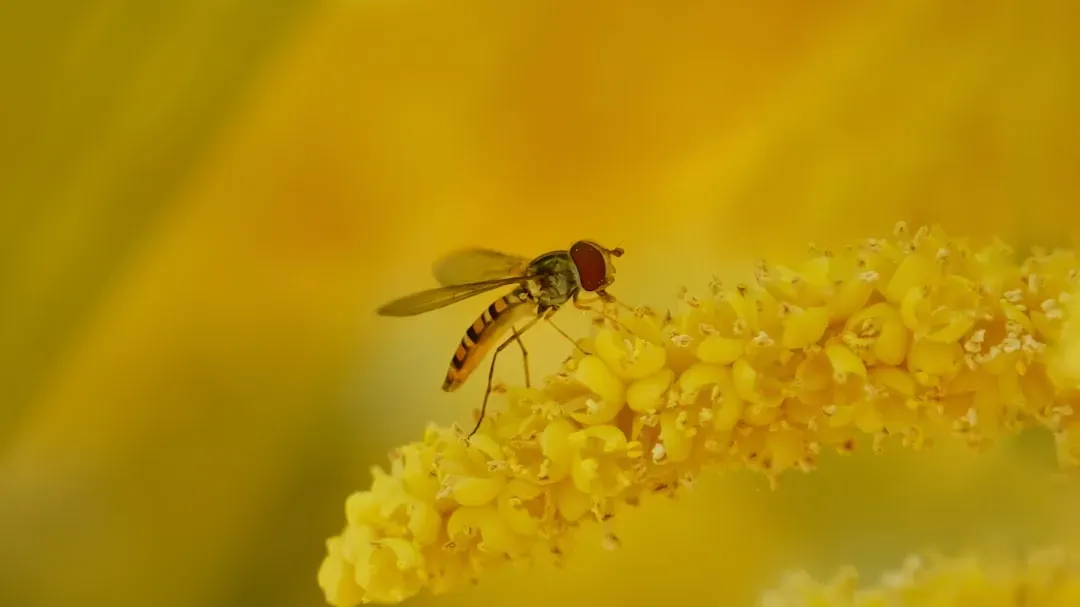
Here is a secret that takes most beginners years to discover: hummingbirds are not vegetarians. Nectar fuels their energy, but protein — from insects — is what keeps them alive, allows them to reproduce, and sustains their young. A feeder-only garden is feeding half the bird.
Hummingbirds catch mosquitoes, gnats, fruit flies, and small bees in midair, and raid spider webs for trapped insects. Most weigh no more than a coin yet need to consume at least half their body weight in food every single day just to sustain flight. That demand cannot be met by sugar water alone. A garden that supports insect life is a garden that supports hummingbirds completely — not just superficially.
#5 – Never Clear Away Spider Webs
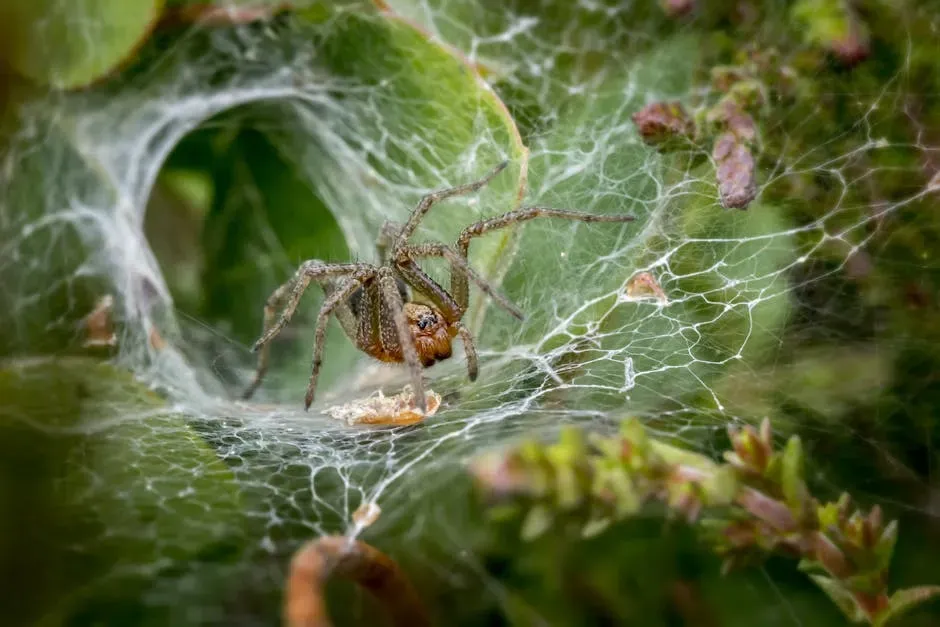
This is the tip experienced gardeners admit most quietly: they deliberately leave spider webs in their gardens. Not out of laziness — out of knowledge most beginners simply don’t have. Female hummingbirds actively hunt for spider silk, collecting strands with their beaks to bind nest materials — moss, plant fiber, and feathers — into a cohesive, flexible cup that expands as the chicks grow.
Without spider silk, hummingbird nest construction becomes nearly impossible. Research from the Arizona-Sonora Desert Museum found that nests built without sufficient spider silk simply fall apart, sending eggs to the ground. A meticulously “clean” garden with no spider webs is a garden that hummingbirds cannot nest in. Leave the webs alone, and you’re not just tolerating spiders — you’re actively enabling one of nature’s most extraordinary construction projects.
The hummingbird’s nest is one of the most beautifully engineered structures in the natural world — and it only holds together because of spider silk.
Arizona-Sonora Desert Museum
#4 – Water Is the Most Overlooked Attraction in Any Hummingbird Garden
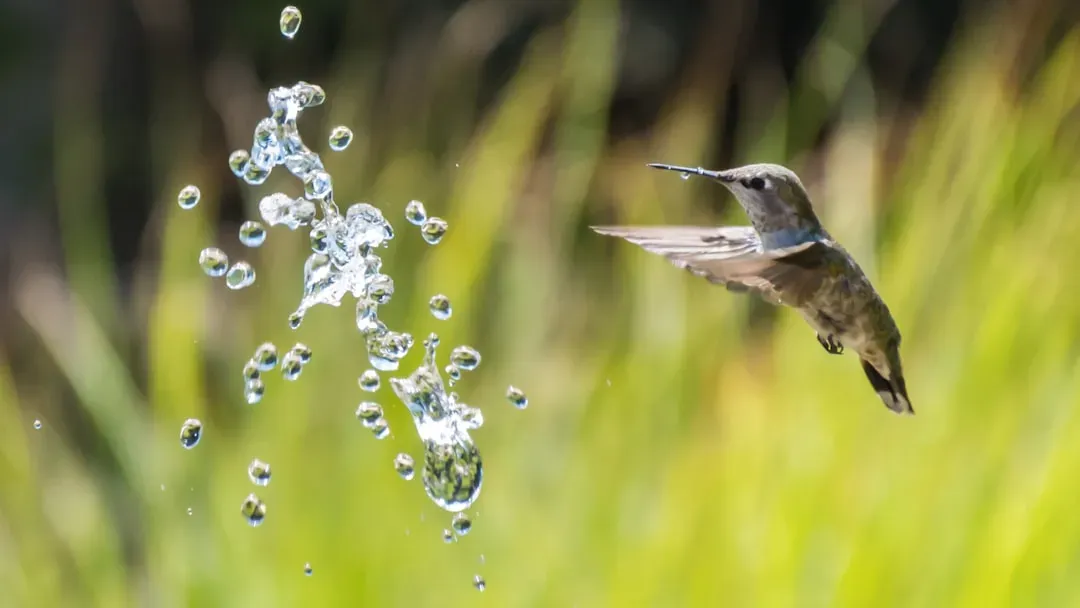
Almost every gardener knows to put out nectar. Far fewer think to add a water feature — and that omission can be costing them daily visits from birds that are actively searching for it. Unlike seed-eating birds that extract moisture from their food, hummingbirds need dedicated water sources beyond their nectar feeders for drinking, bathing, and maintaining the delicate structure of their feathers.
Hummingbirds don’t wade into birdbaths like robins. They love fine spray — the kind a simple misting nozzle on a drip hose produces for almost nothing. Experienced gardeners with misters report hummingbirds returning to fly through the spray multiple times per day, far more frequently than they visit even the best-stocked feeder. It’s one of the easiest upgrades in hummingbird gardening, and almost no one does it.
Worth Knowing: The Water Upgrade Almost Nobody Makes
- Hummingbirds bathe to remove sticky nectar residue and keep feathers flight-ready — it’s a survival need, not a luxury
- A simple misting nozzle attached to a garden hose costs just a few dollars and can dramatically increase daily visit frequency
- Position the mister near a shrub or branch so birds can perch nearby to dry and preen after flying through the spray
- Solar-powered birdbath bubblers set to the finest spray setting work beautifully and need no electrical hookup
- Even leaf drip from overhead foliage after watering counts — hummingbirds will seek it out and return for more
#3 – Pesticides Are Quietly Clearing Your Garden of Hummingbirds
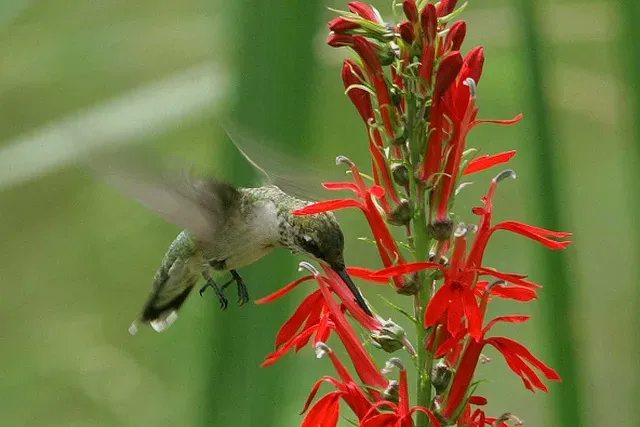
This is the tip experienced gardeners feel strongest about — and the one most casual gardeners are still ignoring. A beautifully pest-free garden, chemically maintained, is a garden that hummingbirds will quietly abandon. Not dramatically. Not all at once. They just stop showing up, and most gardeners never connect the cause to the effect.
Pesticides kill every insect, beneficial or not, stripping the protein source hummingbirds depend on for survival. Systemic herbicides can also end up in flower nectar, reaching the birds directly. Hummingbirds can ingest poisons when they eat contaminated insects — and residual chemicals linger far longer than the label suggests. The gardeners who attract the most hummingbirds have learned to tolerate a certain amount of insect activity. Because insects aren’t the enemy. They’re the food supply.
#2 – Hummingbirds Remember Your Garden and Return Every Year
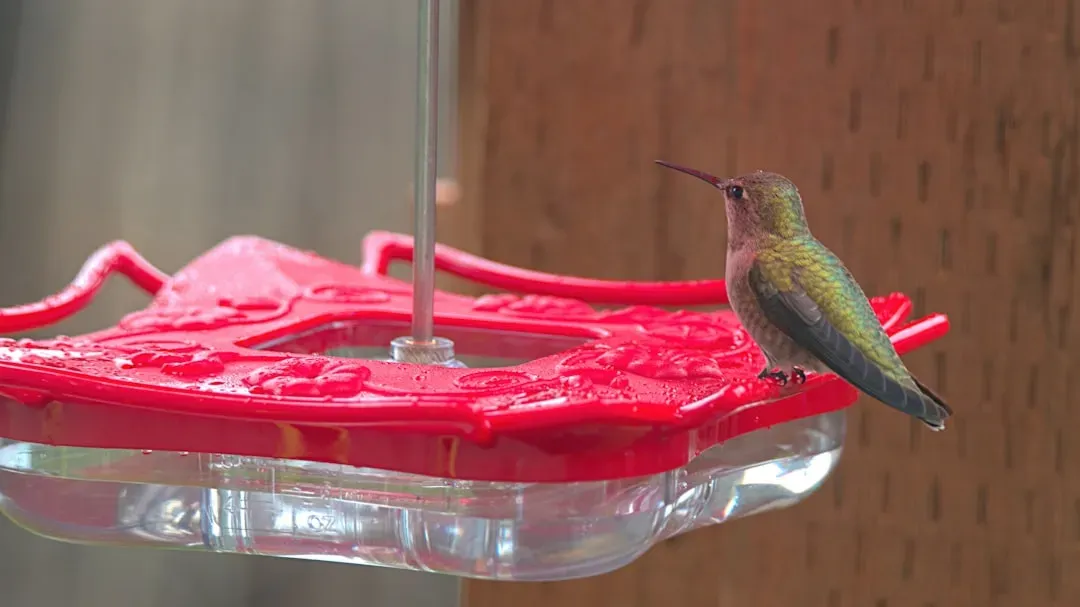
This is the detail that transforms casual hummingbird watching into something genuinely meaningful. These birds are not just passing through randomly. They are mapping your garden into their memory with extraordinary precision — and the same individuals are likely to return each year at almost exactly the same time, retracing routes locked into their navigation from seasons past.
If your yard isn’t already on their established flight path, it may take a full season before they find your feeder. But once they do, consistency is everything. A garden that delivers reliably for two or three seasons becomes a fixed point on a hummingbird’s migration route for life. That’s not just gardening — that’s building a relationship with a wild creature that will outlast years of effort and reward every bit of it.
Fast Facts: A Memory That Defies Its Size
- Bird banding records show many hummingbirds pass through the same yards on the same calendar day, year after year
- Males return to claim the same territory; females often return to nest in the same tree — sometimes re-using the exact same nest
- One documented female reused her nest for five consecutive years
- Banding data confirms individual birds show up within a day or two of the exact date they were first captured — after migrating up to 2,500 miles
- Some hummingbirds even learn to recognize the person who feeds them, hovering near a window when the feeder runs low
[article_quiz]
#1 – Patience Is the Single Most Powerful Tool You Have
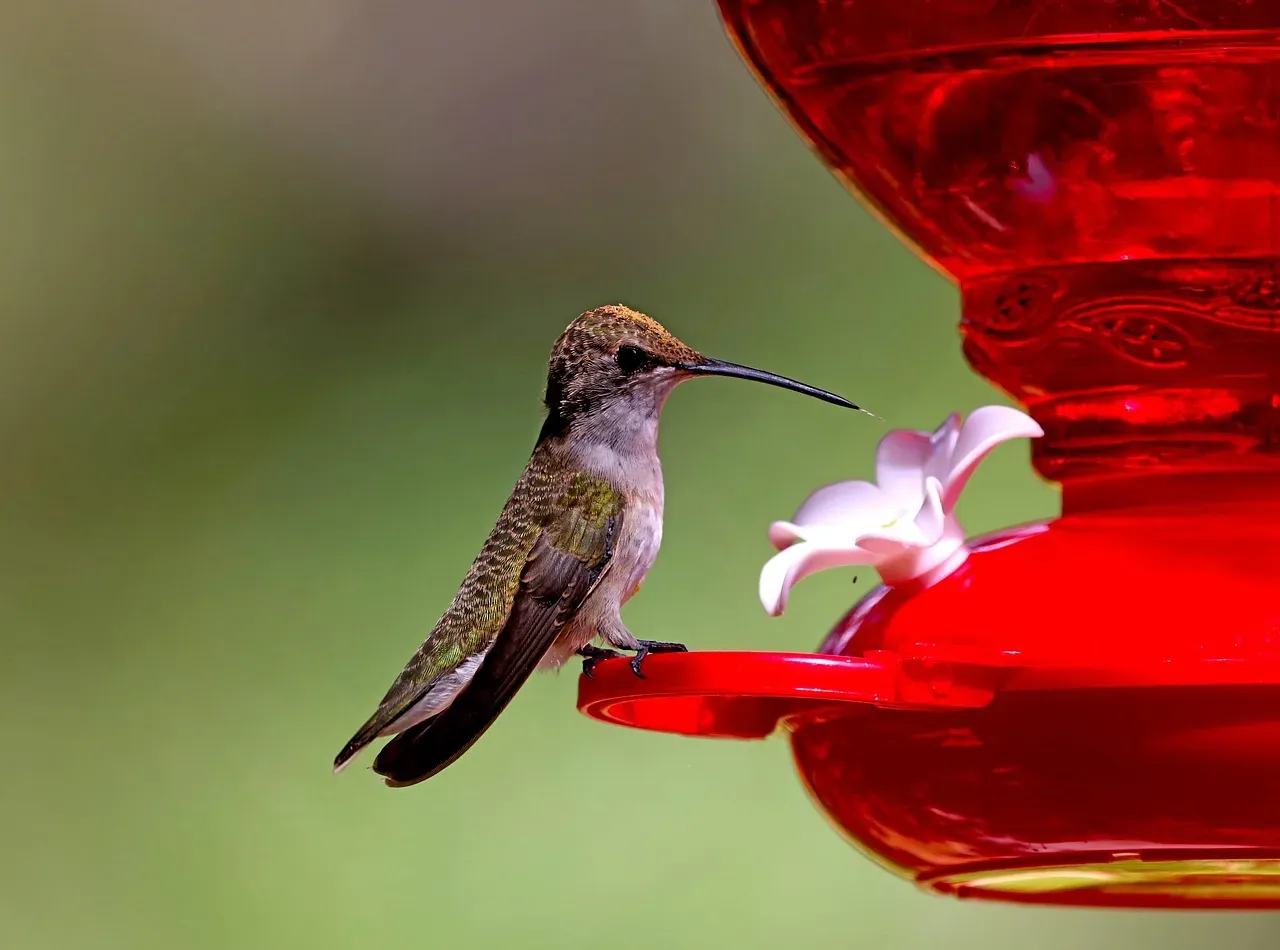
Every other tip on this list means nothing without this one. Gardeners who give up after two weeks of a quiet feeder are the ones who never discover just how extraordinary their garden could become. Hummingbirds may appear minutes after you set out inviting plants — or it may take several weeks before a migrant chances on your yard. Even with luscious red flowers as bait, pure chance may keep your feeder a secret until that first scout finds it.
Keep the feeder clean and filled even when no one is watching. Keep the native plants watered even when visits feel rare. The gardeners who see the most extraordinary results — multiple birds, daily visits, nesting activity in their own trees — are almost always the ones who simply refused to quit. Every experienced hummingbird gardener will tell you the same thing: the birds are out there. They just need to find you first. Give them the chance.
The Bottom Line
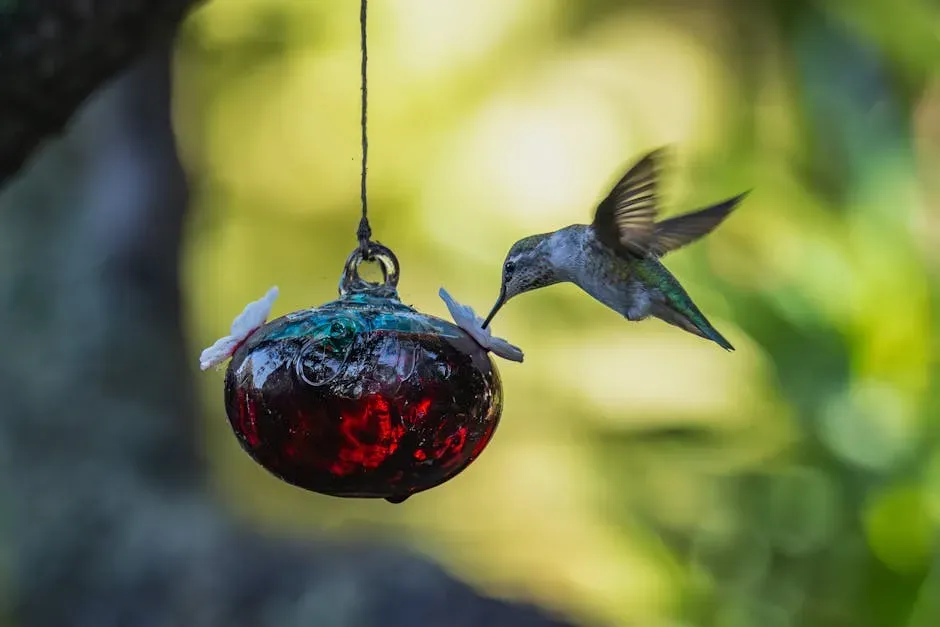
Most gardeners are working harder than they need to and getting worse results because they’re focused on the wrong things. Hummingbirds don’t need fancy feeders, exotic plants, or elaborate setups. They need clean nectar at the correct ratio, multiple feeders placed so no single bird can dominate, layered native plantings, a pesticide-free insect population, fresh water with a fine mist option, and spider webs left undisturbed for nesting.
Above all, they need a gardener who shows up consistently — season after season, whether the visits come or not. Do those things right, and these birds will find you. And once they do, they’ll keep coming back for years. Some of them for the rest of their lives.
