

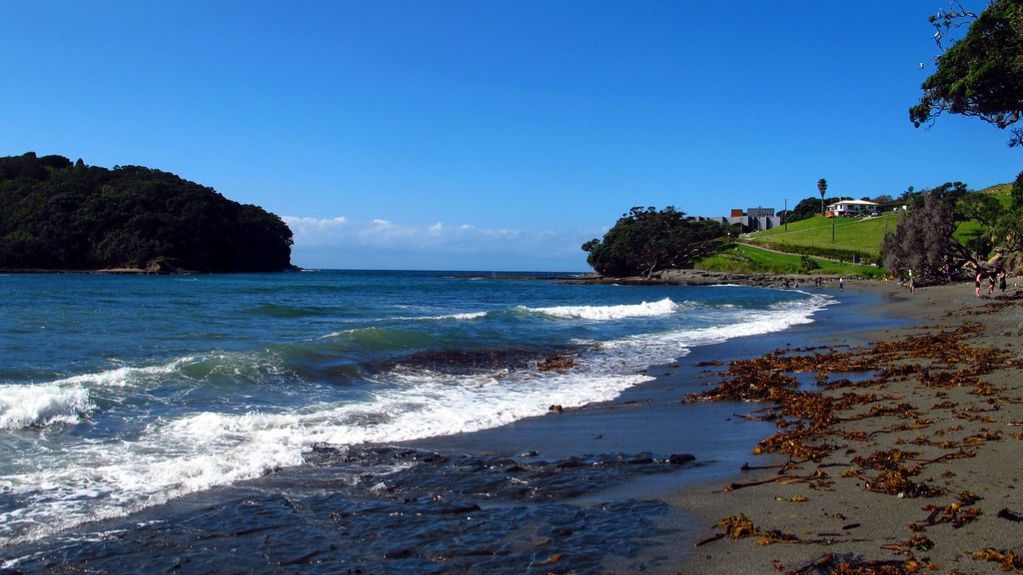
If you had asked marine scientists twenty years ago whether our oceans could bounce back in our lifetime, many would have sounded cautious at best. The damage felt too big: bleached reefs, plastic-choked beaches, fish populations collapsing. Yet here we are in 2026, and there’s a quiet, stubborn story unfolding beneath the waves: in some places, the ocean is actually healing.
That doesn’t mean the crisis is over. It means the work is starting to pay off. Around the world, governments, fishers, Indigenous communities, scientists, activists, and everyday people are pulling in the same direction more than ever before. The result is a patchwork of hopeful signs: more fish where there were few, clearer water where it used to be murky, and even corals showing unexpected resilience. The recovery is uneven, fragile, and far from guaranteed – but it’s real enough to be worth fighting for.
Marine Protected Areas: Giving the Ocean Room to Breathe
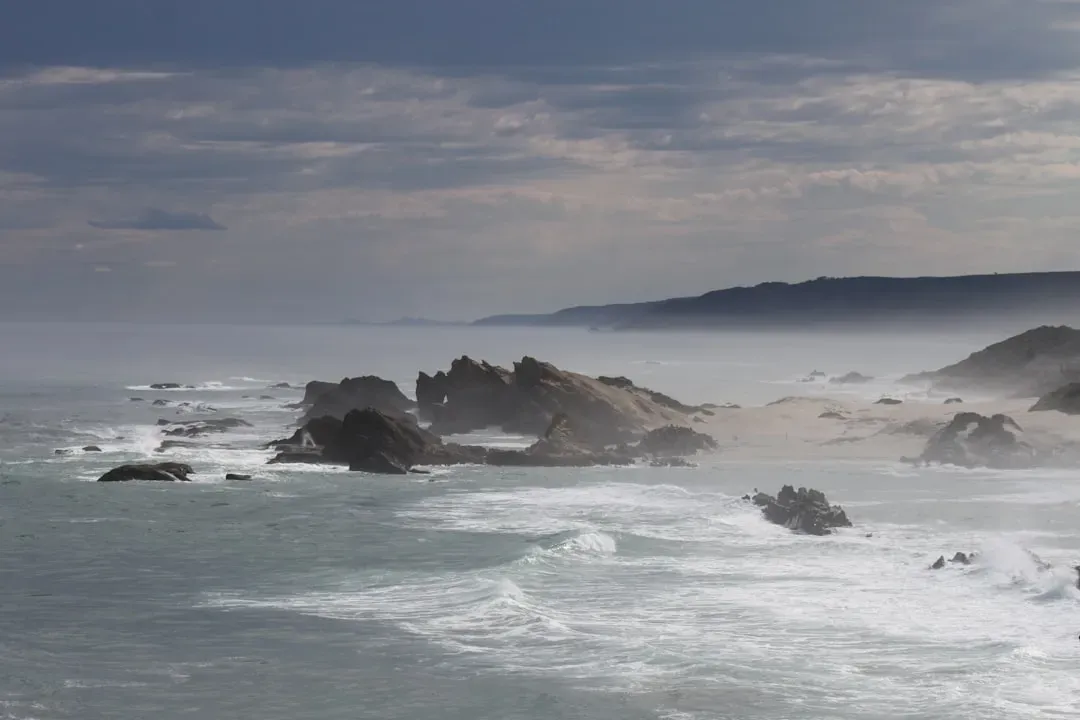
One of the clearest signs of healing comes from marine protected areas, places in the sea where fishing and other damaging activities are limited or completely banned. In many well-enforced reserves, scientists have seen fish grow larger, populations increase, and ecosystems become more complex and resilient over time. It’s like putting a damaged muscle in a cast and finally giving it time and space to repair itself.
In the last two decades, countries have rapidly expanded these protected zones, including massive parks in the Pacific, Atlantic, and Indian Oceans. When protections are real – not just lines on a map – nearby fisheries can actually benefit because larger, healthier fish spill over into surrounding waters. It’s a reminder that sometimes the best way to get more from the ocean is to take less, at least in the right places and for long enough.
Smarter Fishing: From Overexploitation to Careful Stewardship
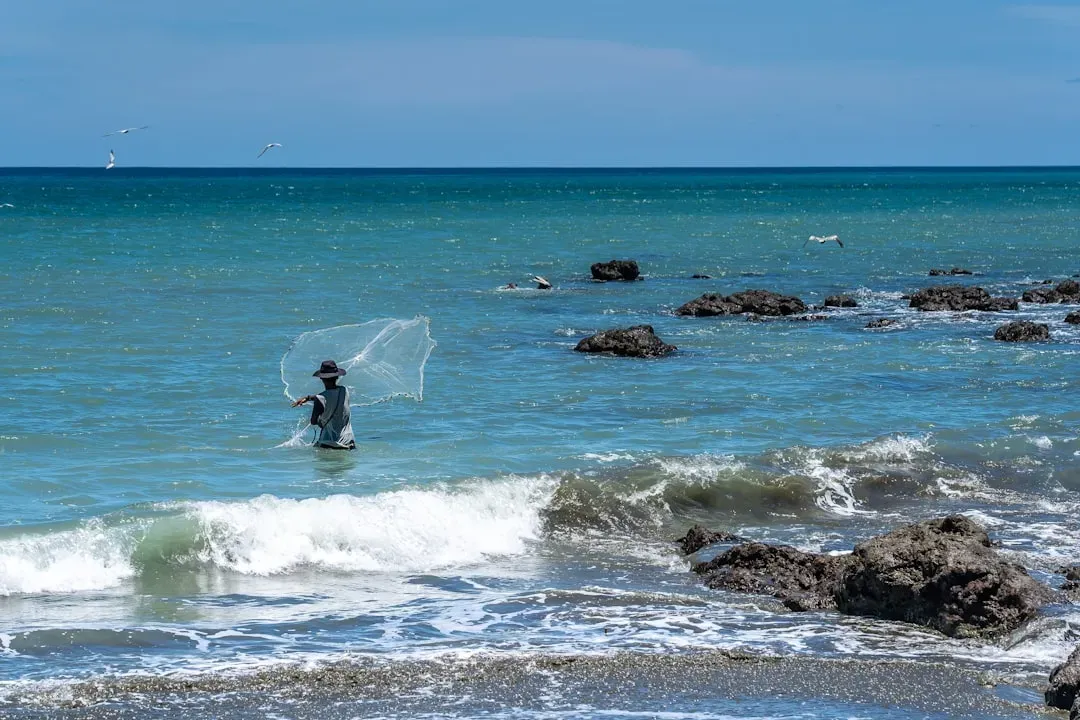
For a long time, the story of fishing was simple and depressing: take more and more until there’s almost nothing left. In recent years, that narrative has started to bend, especially in regions that embraced science-based catch limits, better monitoring, and crackdowns on illegal fishing. Some commercially important fish stocks that were once in serious decline have stabilized or even started to recover under these stricter rules.
This shift hasn’t been painless. Many fishing communities had to adapt to lower catches at first, new gear requirements, or tighter seasons. But in places where rules are consistent and fair, fishers are seeing the payoff in more reliable catches and healthier populations. The big lesson is uncomfortable but clear: the ocean can regenerate, but not if we treat it like a bottomless pantry that exists only to be emptied.
Coral Reefs: Fragile Ecosystems Showing Surprising Resilience
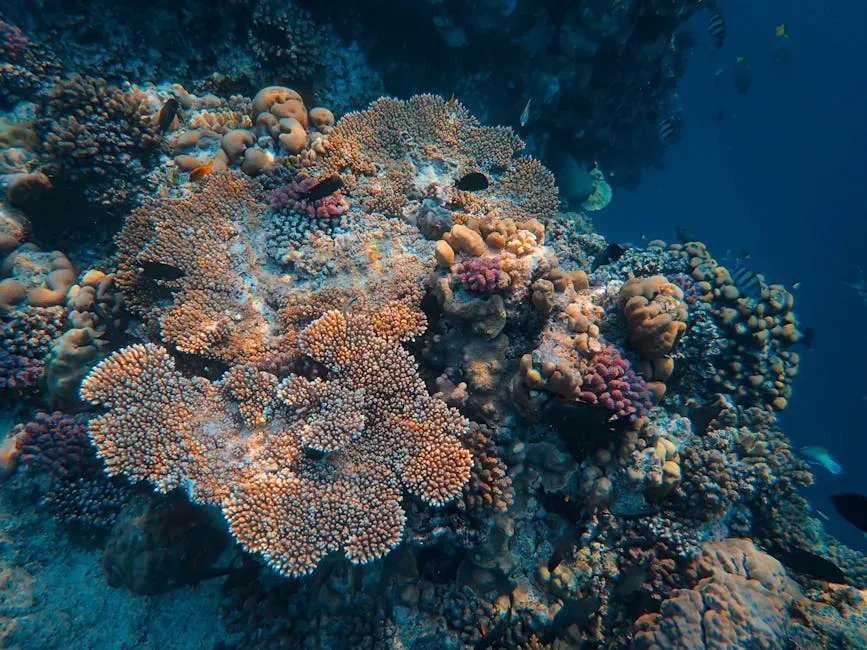
Coral reefs are often described as the rainforests of the sea, and they’ve been hammered by warming waters, pollution, and overfishing. Mass bleaching events over the past decade have devastated many iconic reefs, from the Caribbean to the Great Barrier Reef. For a while, it felt like watching something incredibly precious fade in slow motion, with no way to stop it.
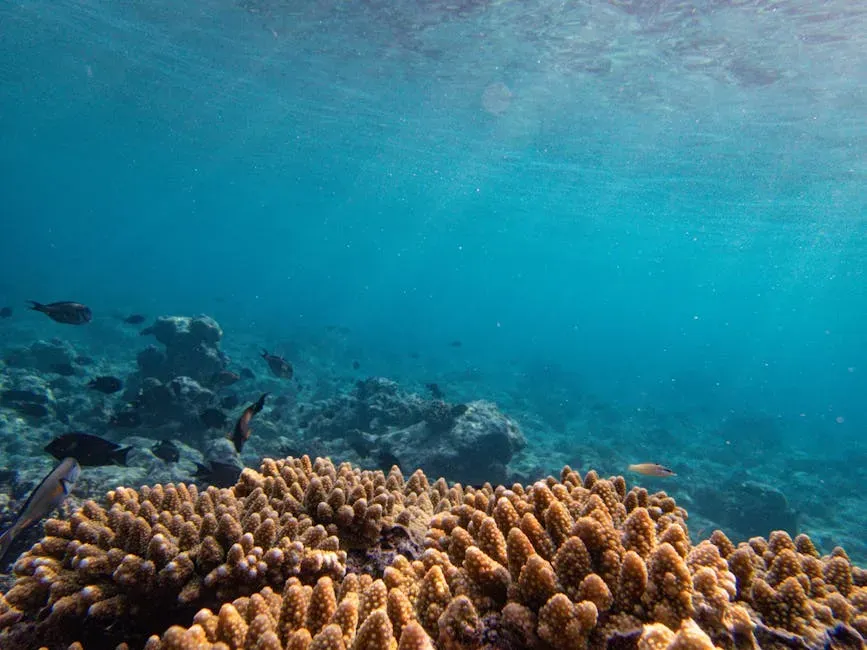
Yet even here, there are glimmers of recovery. Some reefs have shown partial regrowth after severe bleaching, especially where local stressors like sewage, sediment, and destructive fishing are reduced. Efforts to protect herbivorous fish, restore seagrass, and improve water quality can help corals bounce back when temperatures return to normal. Around the world, researchers are also working carefully with coral restoration and selective breeding of heat-tolerant strains, though these tools are supplements, not magic fixes.
Cracking Down on Plastic and Pollution
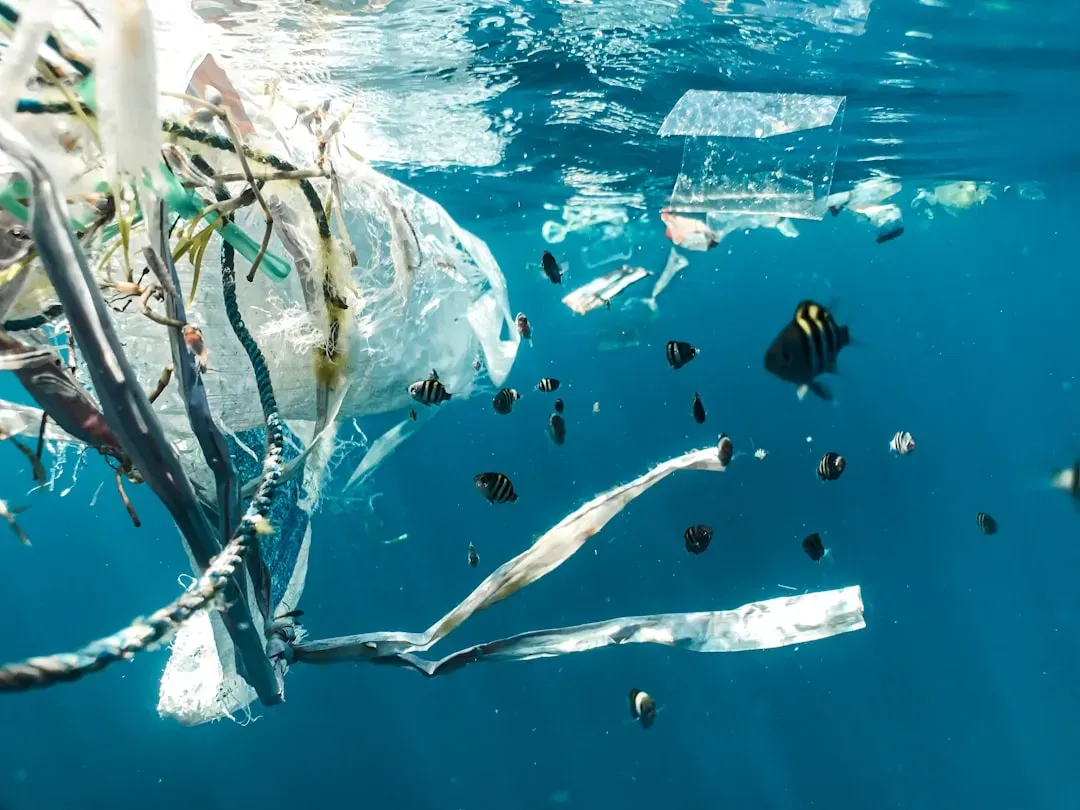
Walk along a beach almost anywhere and you’ll still find plastic, from bottle caps to ghost nets. But there’s been a real shift over the last decade in how seriously the world takes this problem. Many countries have banned or restricted single-use plastic bags, straws, and foam containers, and global negotiations are underway aimed at a binding treaty to reduce plastic pollution at its source. It’s slow, political, and messy – but for the first time, there’s serious momentum at a global level.
On the water, coastal cleanups, river barriers, and better waste collection systems are starting to reduce the flow of trash into some seas. No one can honestly say the plastic crisis is solved; in fact, it’s still growing in many regions. But the idea that plastic is just an unavoidable side effect of modern life is finally eroding. Every piece that doesn’t reach the ocean is one less fragment grinding down into microplastics that end up in fish, plankton, and eventually us.
Seagrass, Mangroves, and Wetlands: Quiet Heroes of Ocean Recovery
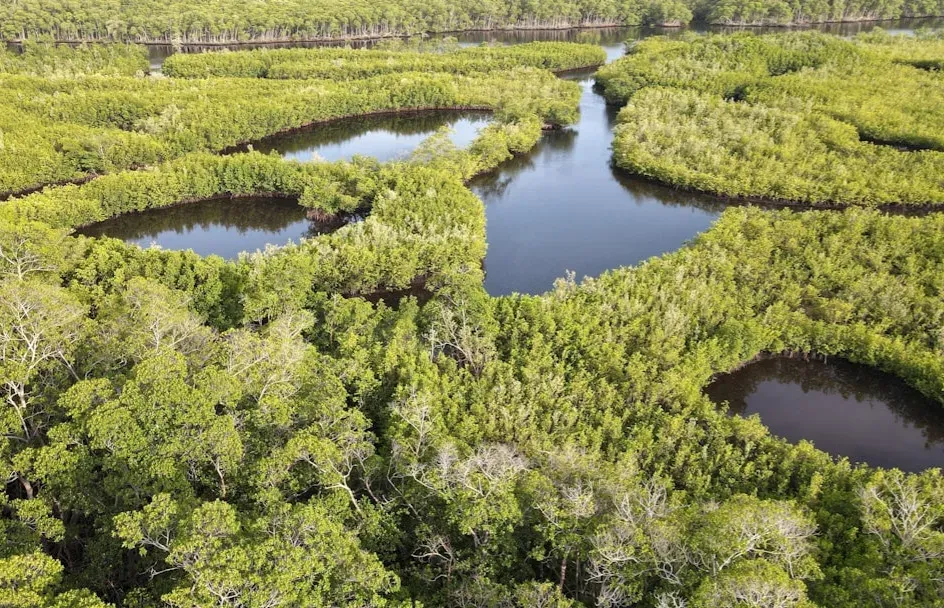
When people picture ocean conservation, they usually think of whales and coral reefs, not muddy mangrove forests or underwater meadows of seagrass. Yet these coastal ecosystems are doing a huge amount of quiet, behind-the-scenes healing work. They protect shorelines from storms, provide nurseries for fish, and lock away remarkable amounts of carbon in their roots and sediments. In a warming world, that carbon storage matters more than ever.
Over the last several years, countries and local groups have been restoring mangroves, replanting seagrass, and bringing damaged salt marshes back to life. In places where these habitats are coming back, fish and shellfish often return faster than people expect, and water quality improves. They’re not flashy solutions, but they’re practical, relatively low-cost, and deeply rooted in the way the ocean naturally functions when we get out of its way.
Indigenous Leadership and Traditional Knowledge
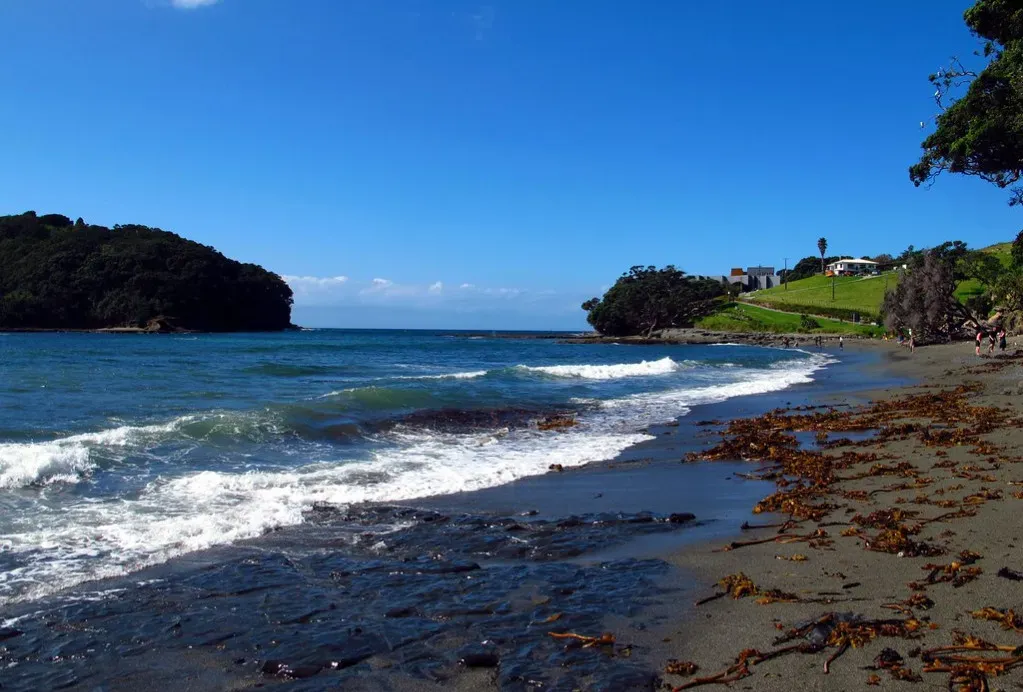
Another powerful shift has been the growing recognition that Indigenous communities are not just “stakeholders” but central leaders in ocean stewardship. Many Indigenous peoples have managed marine resources sustainably for centuries, guided by seasonal knowledge, cultural values, and community rules about where, when, and how to fish. When that leadership is respected and given space, the results on the water can be remarkable.
From co-managed fishing grounds to Indigenous Protected and Conserved Areas, more countries are finally starting to embed this traditional knowledge into modern policy. It’s not about romanticizing the past; it’s about acknowledging that some of the most effective conservation strategies were already there long before formal marine science arrived. Healing the oceans is not just a technical problem to be solved with satellites and sensors – it’s also a cultural and ethical choice about whose wisdom we trust.
Cutting Carbon: Tackling Ocean Warming and Acidification at the Source
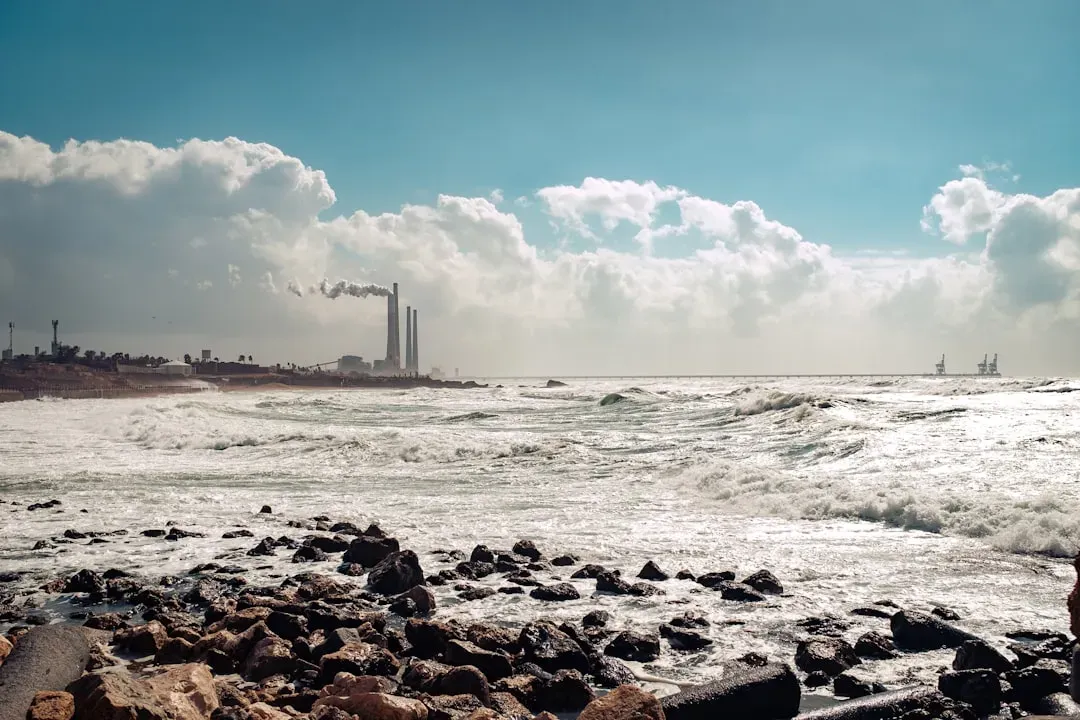
We can’t talk honestly about ocean recovery without talking about climate change. Rising temperatures, ocean acidification, and shifting currents are reshaping marine life from the surface to the deep sea. Local conservation efforts can buy time and boost resilience, but if greenhouse gas emissions stay high, even the healthiest reef or fishery will struggle. That’s the hard truth sitting in the background of every hopeful ocean story.
The good news is that global efforts to cut emissions, expand renewable energy, and move away from fossil fuels are also ocean protection at scale. Every fraction of a degree of warming we avoid reduces the stress on marine life. Countries pledging to phase down coal, scale up offshore wind, and protect “blue carbon” ecosystems like mangroves and seagrasses are indirectly giving the ocean a better chance to recover. The ocean absorbs most of the excess heat and a huge share of our carbon emissions – when we dial those down, we’re easing an enormous burden.
Citizen Science, Technology, and the Power of Everyday People
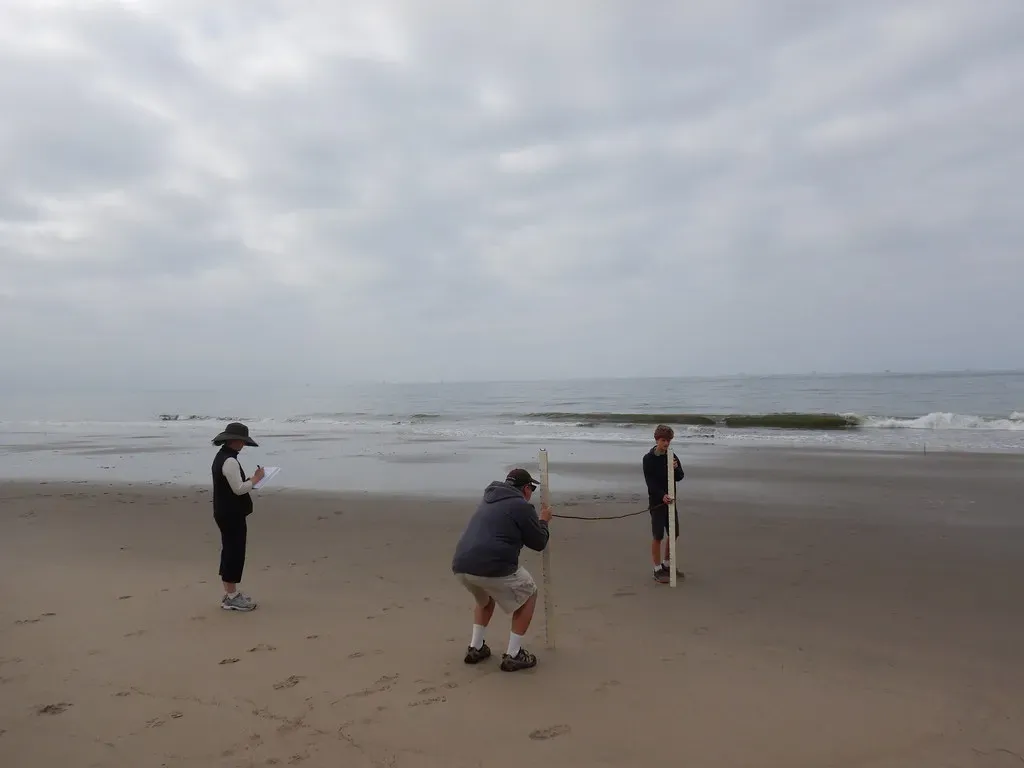
One thing that’s changed dramatically is who gets to participate in ocean science and monitoring. Thanks to cheap sensors, smartphones, and satellite data, you no longer need to be a career scientist on an expensive research vessel to help track what’s happening at sea. Divers log sightings of sharks and turtles, sailors report plastic patches, and coastal residents upload data about water quality and harmful algal blooms. It’s like the ocean has millions more eyes and ears than it used to.
These grassroots efforts don’t replace formal research, but they fill in gaps and build a sense of shared responsibility. When a community helps document the return of dolphins or the recovery of a local seagrass bed, it stops being an abstract conservation goal and becomes something personal. The technology is important, but the mindset shift might be the real revolution: more people see themselves as caretakers of the ocean, not just users of it.
Hard Truths: Progress Is Real, But So Are the Risks
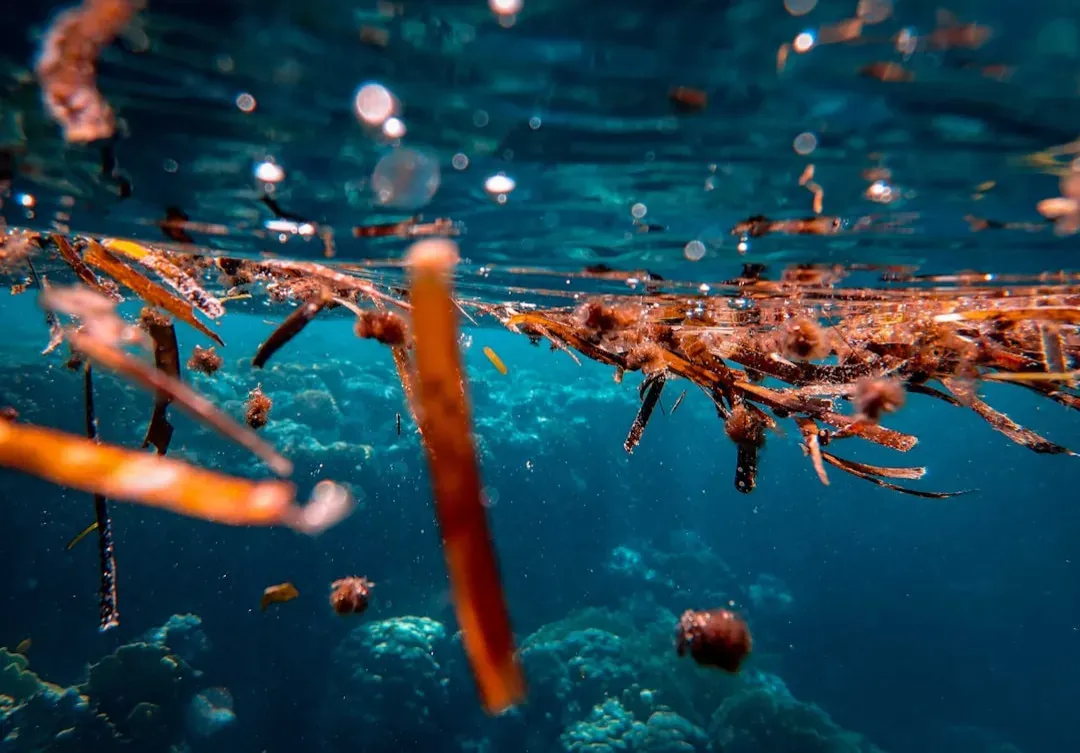
It’s tempting to lean too hard into optimism and declare that the seas are “bouncing back” across the board. That would be dishonest. Many fish stocks are still overexploited, coral reefs are under severe stress, and some ecosystems may never return to their historical state. Plastic pollution is still growing in many places, and climate impacts are accelerating. The healing we’re seeing is patchy and fragile, like new grass growing through cracked concrete.
But if we only tell the disaster story, people start to believe nothing can be done, and that’s just as dangerous. The truth sits somewhere in between: we are still doing serious damage, and yet, when we change course, the ocean responds more quickly than many expect. Recovery is not guaranteed, but it’s possible, and we’ve already proved that in multiple regions and ecosystems. That mix of urgency and hope is uncomfortable, but it’s also motivating.
Conclusion: A Living Ocean Is Still Within Reach
Standing on a pier a few years ago, I watched a kid light up because a school of small fish darted around their feet in water that used to be murky and lifeless. It wasn’t some pristine wilderness moment, just an ordinary city harbor that had finally benefited from cleaner water and better protections. That tiny scene captured the bigger story: when we stop treating the ocean like a dumping ground and start treating it like a neighbor we actually care about, it begins to heal.
The signs of recovery we’re seeing today – healthier fish stocks in some regions, rebounding mangroves, partial coral regrowth, and cleaner coastlines – are not accidents. They’re the result of laws, protests, hard conversations, and people refusing to give up. The question now is whether we scale up what works fast enough to matter in a warming world. The ocean is showing us it can meet us halfway – are we willing to keep doing our part?
