
Every year, thousands of first-time cat owners fall head over heels for a breed based on looks alone – a flat, smooshy face here, a pair of folded ears there, or a spotted coat that looks like it belongs in the wild. The excitement is completely understandable. Cats are remarkable companions, and the idea of sharing your home with a beautiful, distinctive breed is genuinely appealing.
The problem is that looks can be deeply misleading. Not all breeds are as easy to own as others, and if you’ve never owned a cat before, it is probably in your best interests to avoid certain breeds – not because they’re bad cats, but because each has traits that can be overwhelming to inexperienced owners. The breeds below come up repeatedly in veterinary discussions about first-time ownership, and for reasons that go well beyond simple inconvenience.
1. Persian
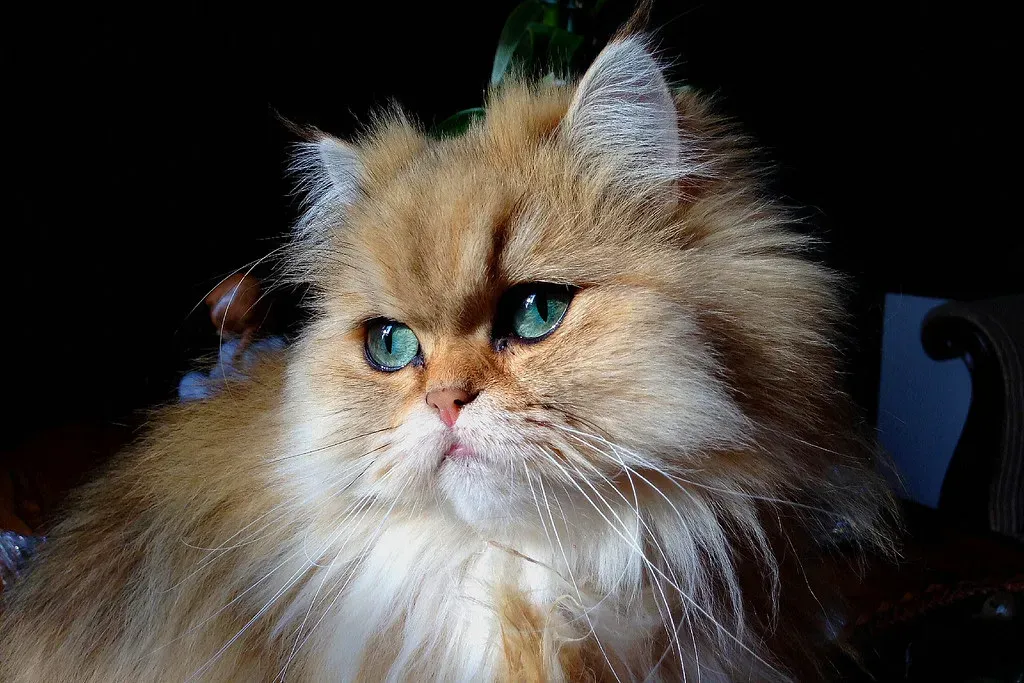
Vets often point to Persian cats due to frequent health issues stemming from flat-faced breeding. Persians require intensive daily care, and common problems include dental, respiratory, and kidney diseases. That’s a significant burden for anyone who has never navigated chronic feline health conditions before.
A study conducted by the Royal Veterinary College and the University of Edinburgh found that nearly 65% of Persians had at least one recorded disorder. Persian cats also have long, luxurious coats that require daily grooming to prevent mats and tangles. For a first-time owner expecting a low-key lap cat, the reality is a steep and costly learning curve.
2. Scottish Fold
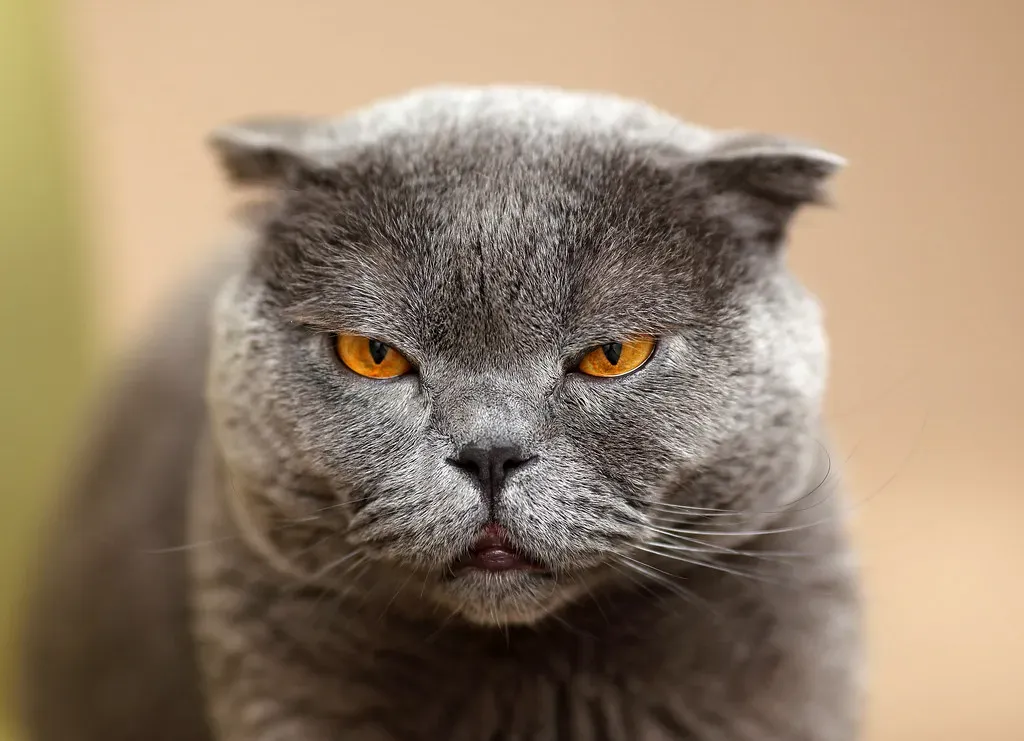
The gene that results in the Scottish Fold’s distinctive folded ears also causes degenerative joint disease, which results in painful, crippling arthritis. All Scottish Fold cats are affected by this. There is no cure. This is not a rare edge case – it is a breed-wide certainty.
Their signature “fold” happens due to a lack of cartilage. This manipulation of their gene pool has led to a painful degenerative disease called Osteochondrodysplasia, also known as Scottish Fold Disease. This is a dominant trait, meaning all Scottish Folds have it. The worst of its effects include the fusing of the joints within the tail, ankles, and knees, resulting in abnormally short, misshapen, inflexible limbs. Caring for a cat with lifelong, progressive pain is genuinely difficult, even for experienced owners.
3. Bengal
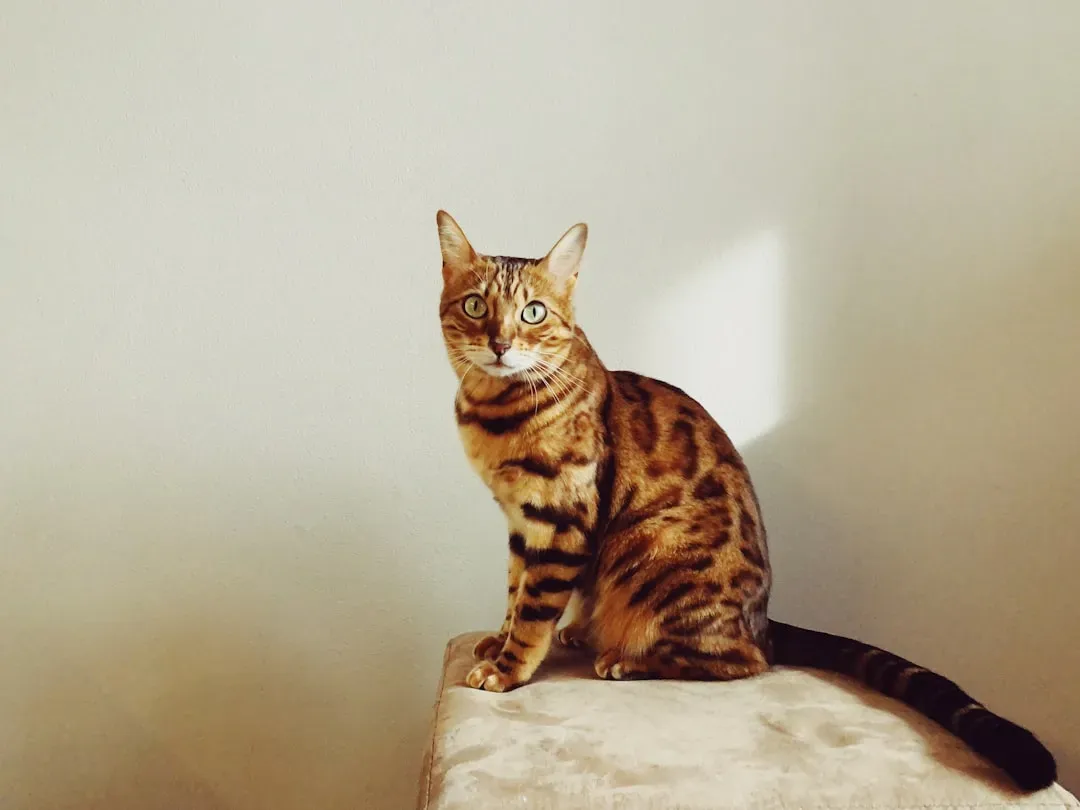
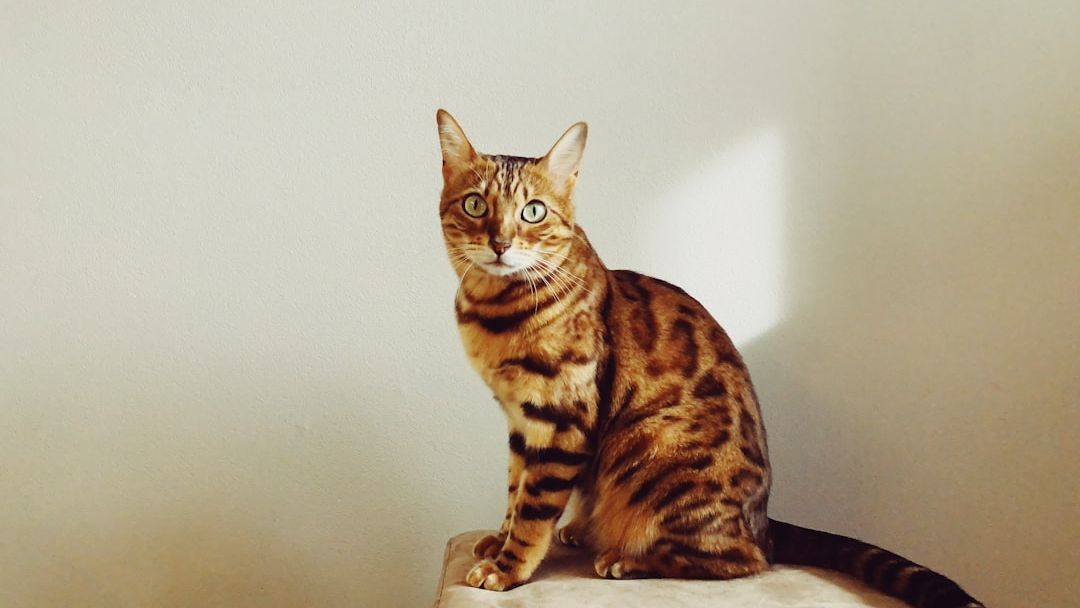
Bengal cats have wild ancestry and may exhibit high energy and a strong hunting instinct, requiring an experienced owner to manage their behavior. They’re not simply playful – they are relentlessly active, intensely curious, and prone to boredom in a way that most first-time owners don’t fully anticipate.
Without enough stimulation, Bengals may develop destructive or disruptive behaviors. They are intriguing in the right home with interested owners. When they are in the wrong house, they may be difficult to manage in unsuitable environments. Bengals are also prone to hypertrophic cardiomyopathy, a hereditary feline heart disease marked by the thickening of the heart muscles. The combination of behavioral and medical demands makes this breed a genuine challenge for newcomers.
4. Sphynx
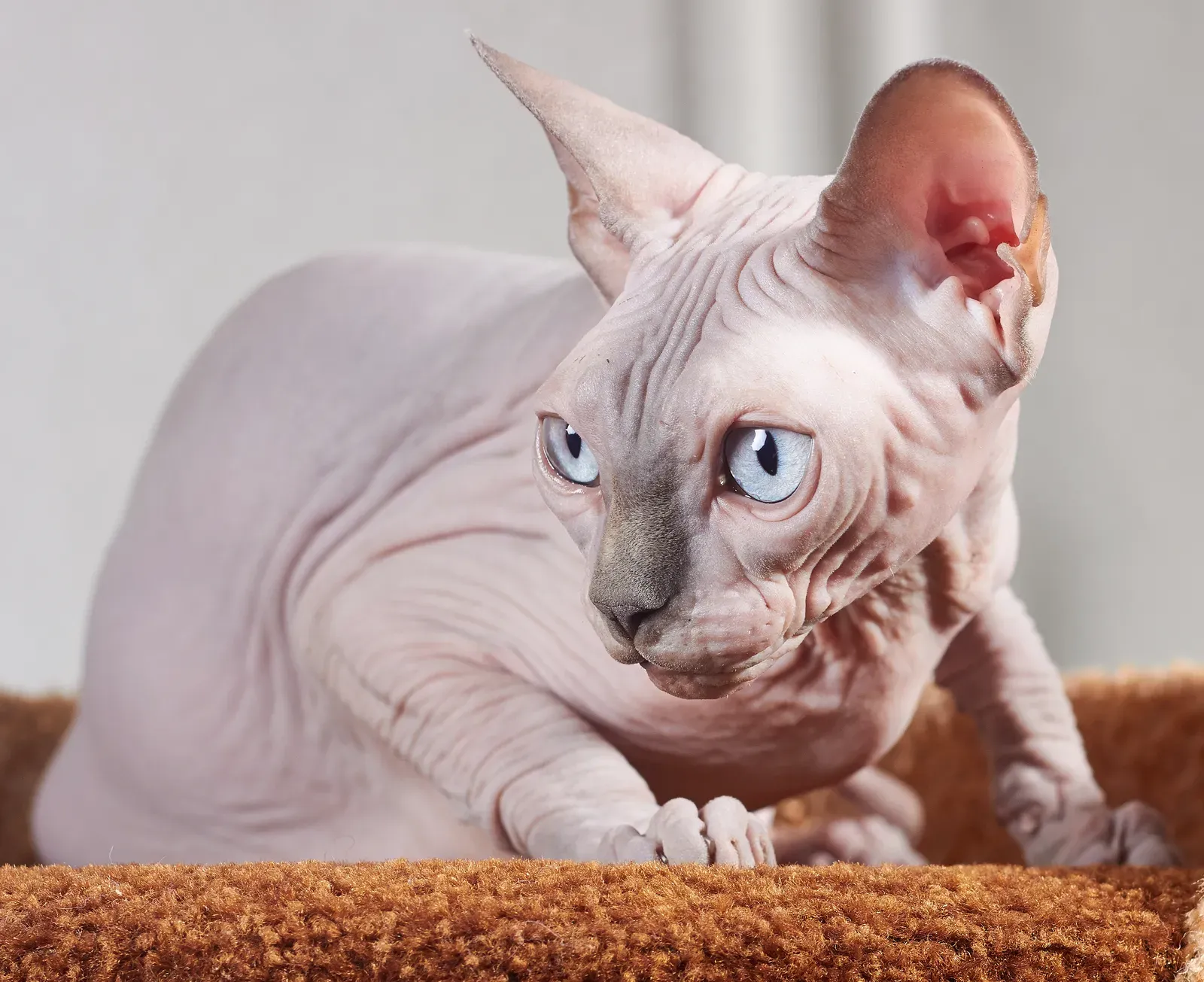
When it comes to the Sphynx, their lack of a fur coat is no indicator of low maintenance. Their skin requires regular bathing to prevent oil buildup, which can be quite demanding for any cat owner, let alone a first-timer. Most people assume a hairless cat means less grooming work. The opposite is true.
First-time owners should also prepare for significant vet bills with this breed. Sphynx cats are prone to heart problems, skin conditions, and dental issues that require specialized, expensive care throughout their lives. Having no fur also means they can struggle to keep warm and are more at risk of sunburn. They also lack whiskers, which are an important sensory tool, and without them they can struggle to navigate their environment.
5. Siamese
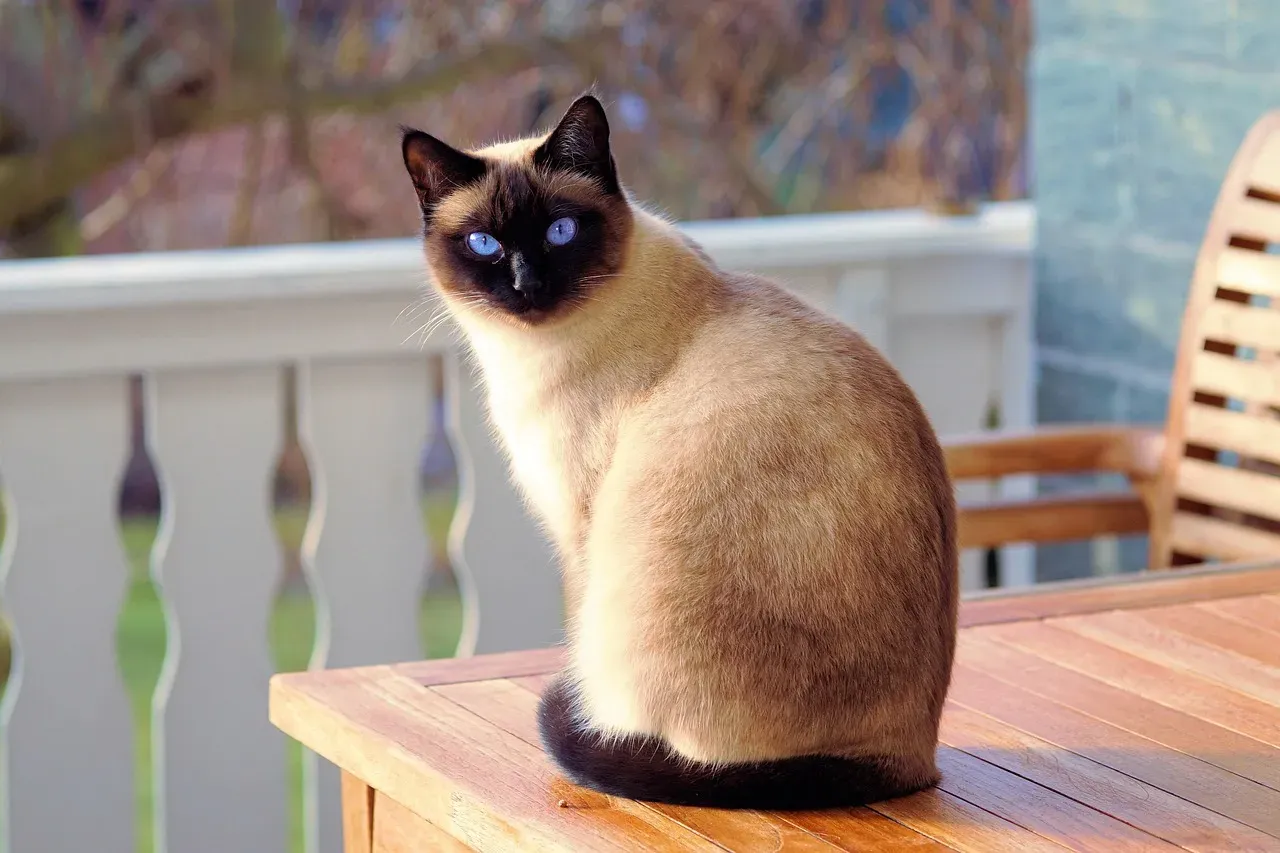
Siamese cats are highly intelligent and social, which means they need plenty of mental stimulation and attention. If left alone for too long or without enough interactive play, they may become bored and resort to destructive behaviors, such as scratching furniture or knocking things over. For someone working long hours or expecting a calm, independent companion, this can become a serious source of friction.
Siamese cats are also prone to dental problems, which can lead to discomfort and other health complications if not properly managed. Regular veterinary check-ups are essential to maintain their oral health and prevent issues like gum disease and tooth decay. Siamese cats often face respiratory issues and can be prone to certain types of cancer, adding another layer of medical vigilance that catches many first-time owners off guard.
6. Savannah Cat
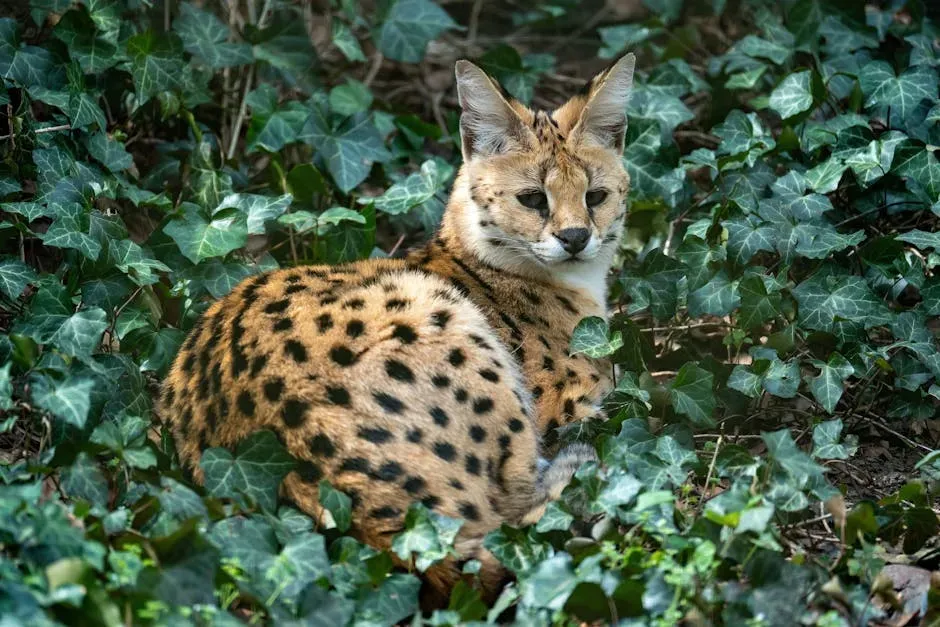
The Savannah cat is a hybrid of a domestic cat and a wild serval, known for its playful nature, striking appearance, and loyalty. These cats are not your typical lap warmers. Their wild lineage is not merely cosmetic – it shapes everything from their temperament to their physical strength.
Legal issues also complicate Savannah ownership. Many cities and neighborhoods ban these hybrid cats due to their wild ancestry, potentially forcing families to choose between their pet and their home. Because of their size and strength, their playful swats or nips can be more dangerous than those of a typical house cat. They’re not ideal for households with small children or timid pets. This is emphatically a breed for experienced hands only.
7. Maine Coon
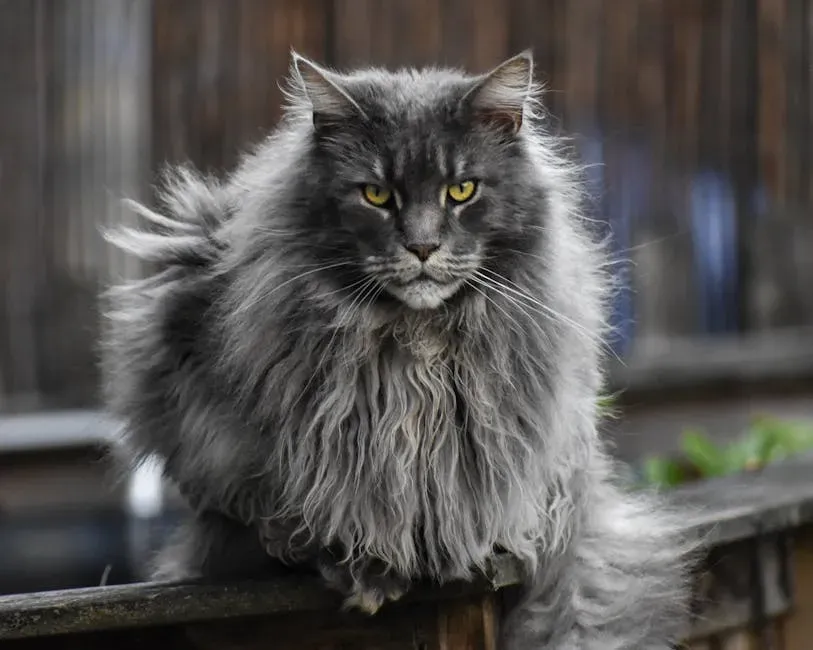
Large and affectionate breeds like Maine Coons carry responsibilities proportional to their size, which may be too much for novice owners. They’re wonderful animals, but “wonderful” and “easy” are not the same thing. Their sheer size alone means food, vet visits, and supplies cost considerably more.
Due to their large size, Maine Coons can be prone to hip dysplasia, a condition where the hip joint doesn’t develop properly. This can lead to discomfort or mobility issues as they age. Maine Coons are also at risk for hypertrophic cardiomyopathy, a heart condition that causes the walls of the heart to thicken. Routine heart screenings during annual exams are important to monitor their heart health and catch any potential issues early on.
8. Ragdoll
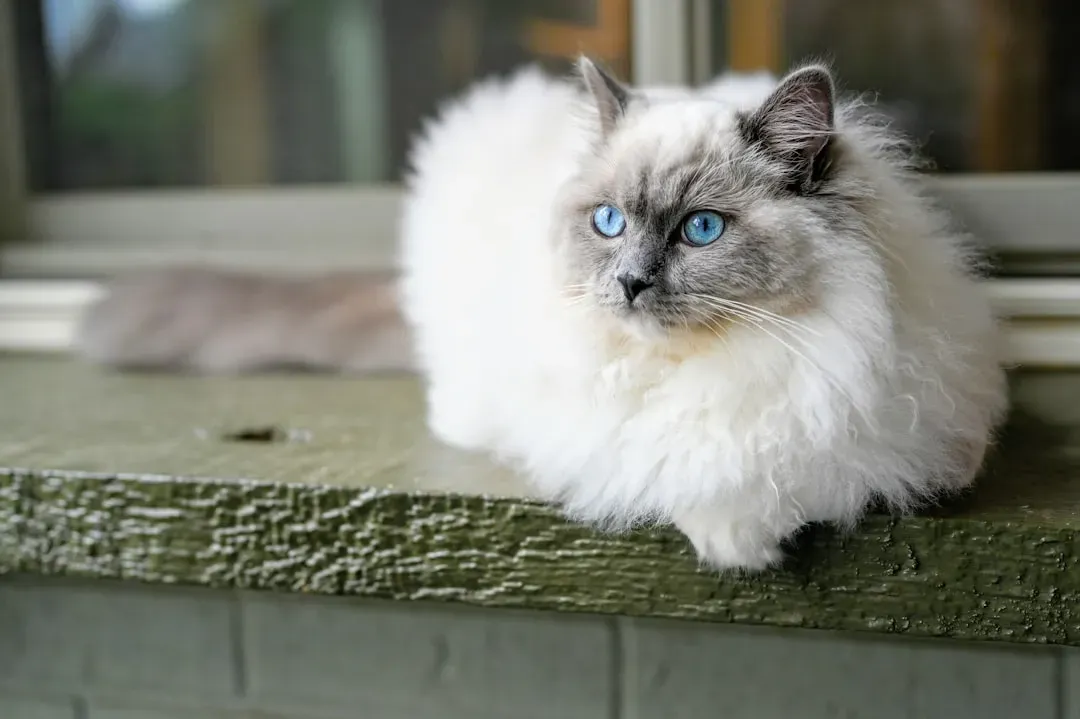
Ragdolls are highly affectionate and can become overly attached to their human counterparts. They don’t enjoy being left alone for extended periods, which can lead to feelings of loneliness or anxiety. If you work long hours or are frequently away from home, you might consider getting a second pet to provide them with companionship. That’s an added commitment many first-timers don’t plan for.
Ragdolls are prone to a heart condition known as hypertrophic cardiomyopathy. This disease causes the walls of the heart to thicken, which can lead to heart failure over time. Regular veterinary check-ups are crucial to monitor their heart health and catch any issues early on. Ragdolls are also at risk for obesity, developing blood clots, and cryptococcosis, a fungal disease. The health profile of this breed demands an owner who is both attentive and financially prepared.
9. Himalayan
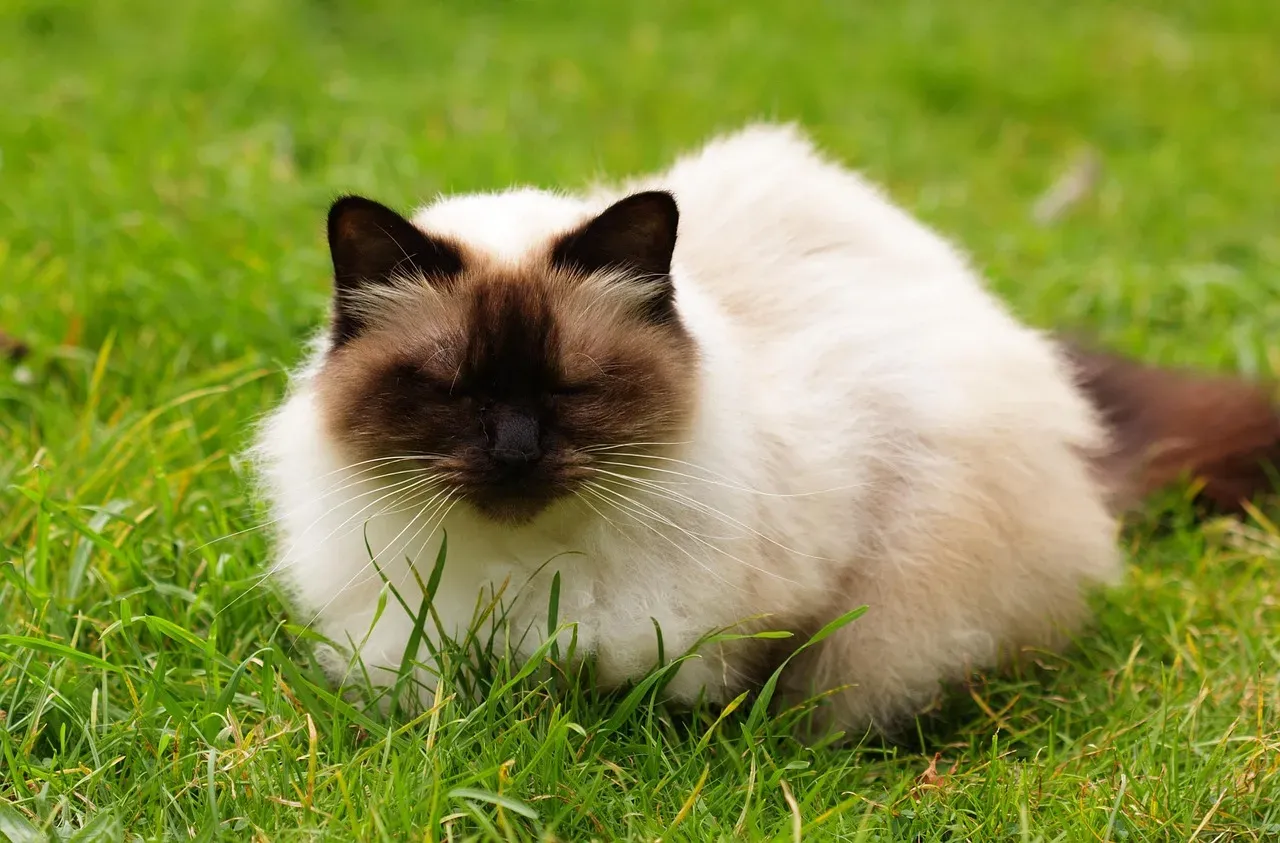
Adorable breeds like the Himalayan are prone to health issues, demanding a greater commitment to veterinary care. They’re essentially a cross between a Persian and a Siamese, which means they inherit the demanding grooming needs of one and the vocal, high-attention nature of the other. That’s a demanding combination for anyone new to cat ownership.
Persian cats and other flat-faced breeds like Himalayans often struggle with breathing problems. Their shortened airways can make breathing difficult, especially during hot weather or exercise. These cats also commonly develop eye problems due to their facial structure, including tear duct issues and eye infections. Routine eye cleaning and monitoring for respiratory distress become non-negotiable daily tasks.
10. Abyssinian
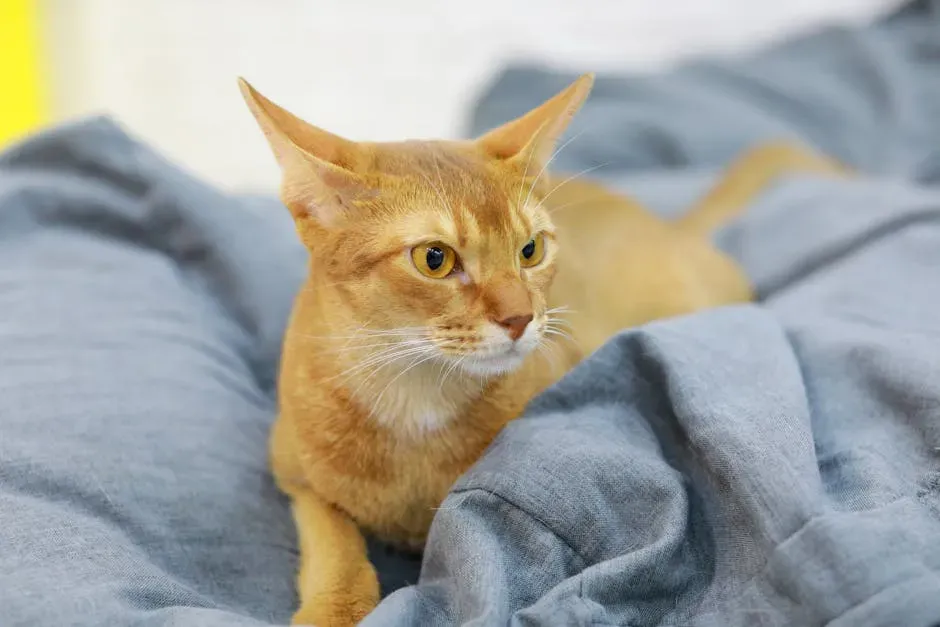
Abyssinians require more attention than most families can provide. Their intelligence and energy level mean they become destructive without hours of daily interactive play. They’re often described as one of the most active breeds in existence – a fact that sounds charming until your curtains have been shredded and your bookshelves cleared.
Anxiety disorders develop frequently in this high-strung breed. Separation anxiety, compulsive grooming, and stress-induced aggression create challenging behaviors that disrupt family harmony and damage homes. These cats are incredibly agile and love to explore, and confinement can lead to frustration and irritability. They tend to dislike excessive cuddling or handling and may react by swatting or squirming away. Owners need to respect their boundaries and encourage interaction on the cat’s terms.
11. Exotic Shorthair
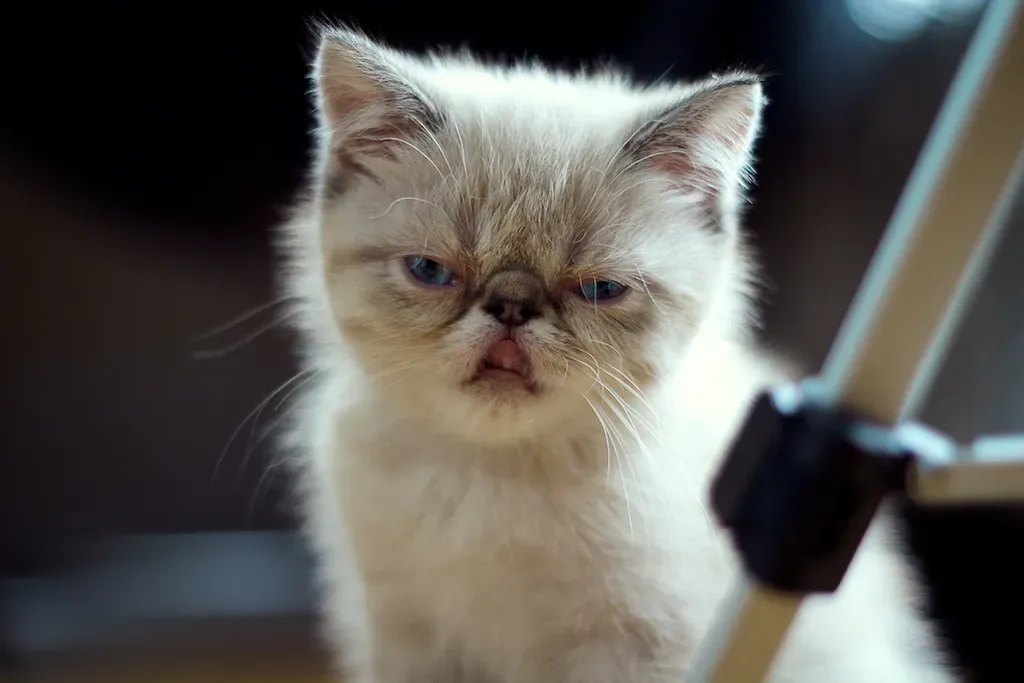
Breeders created Exotic Shorthairs as a short-haired version of Persians. These round-headed, snub-nosed felines look a lot like their long-haired cousins, and they face many of the same issues as brachycephalics. This includes a predisposition for polycystic kidney disease, progressive retinal atrophy, heart issues, and breathing problems as a result of the shape of their skulls.
Exotic Shorthairs are the most-registered purebred cat in America, so their suffering is widespread. Their popularity makes them widely available, which can give first-time buyers a false sense that they’re a safe, mainstream choice. The reality is that their brachycephalic structure creates ongoing medical needs that require a committed, informed owner rather than a casual one.
12. Balinese
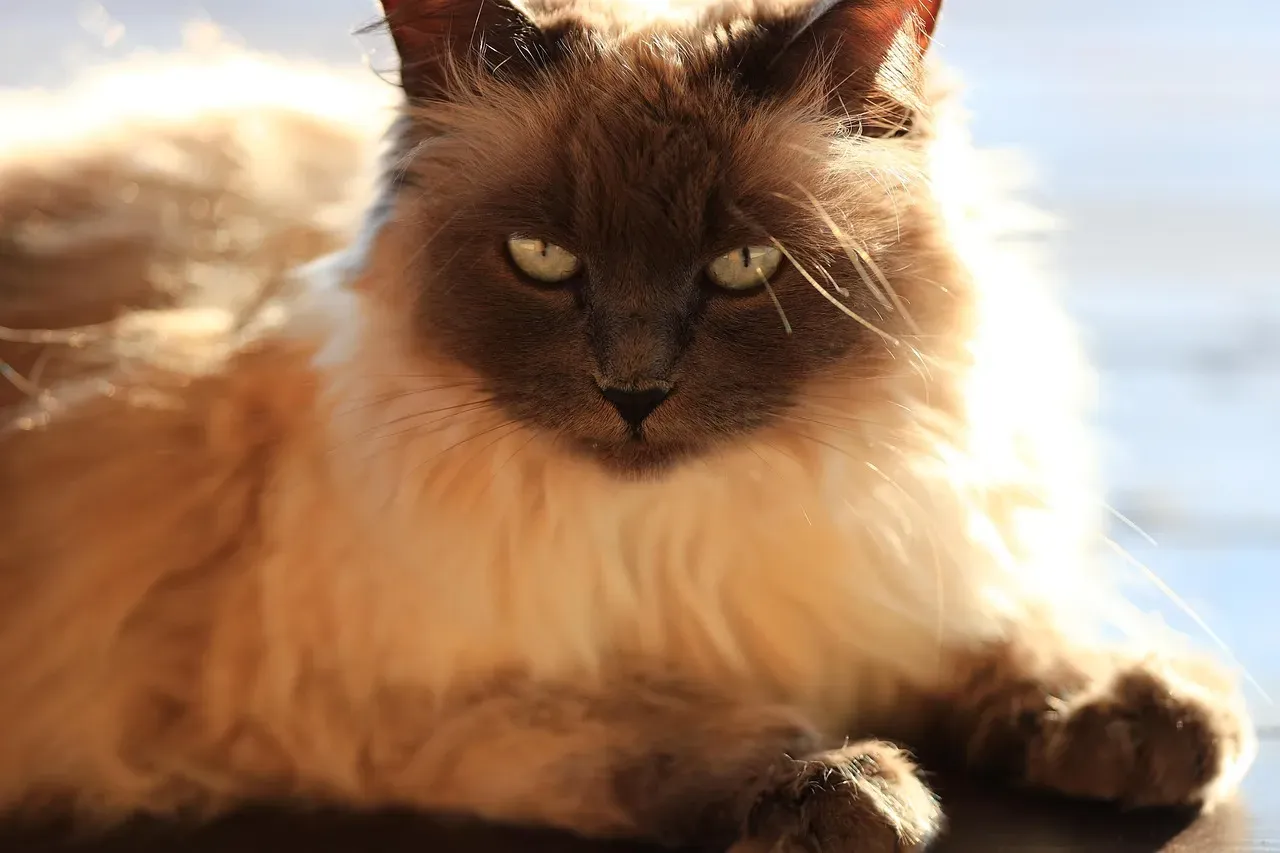
The Balinese is a vocal cat that enjoys talking with its family. They demand a lot of attention and get into mischief, so they should not be left alone for long periods of time. Think of them as a Siamese with a longer, silkier coat – which means more grooming on top of more vocalization and more emotional need for company.
Balinese are also prone to progressive retinal atrophy, asthma, mediastinal lymphoma, as well as systemic amyloidosis. That’s a substantial list of heritable conditions for any owner to monitor and manage. A first-time owner who was drawn in by the breed’s elegance may find themselves quickly overwhelmed by a cat that demands both constant emotional engagement and careful, ongoing health supervision.
Conclusion: Beauty Is Not the Same as Compatibility
None of the breeds on this list are unlovable. Many people form deep, lasting bonds with these cats and manage their needs with great care. The point isn’t to discourage anyone from ever owning them – it’s to be honest about what each one actually requires.
Prospective owners should consider a breed’s temperament, grooming needs, health predispositions, and whether their lifestyle can accommodate the cat’s care. A beautiful coat or a pair of unusual ears should never be the deciding factor. Regular veterinary checkups remain the best way to catch problems early, and your veterinarian can recommend specific screening tests based on your cat’s breed and create a prevention plan tailored to your pet’s needs.
The wisest first cat is often the one that fits your actual life, not just your idea of one. Talking to a vet before committing to a breed is the kind of quiet, unglamorous advice that saves a great deal of heartbreak down the road.
