

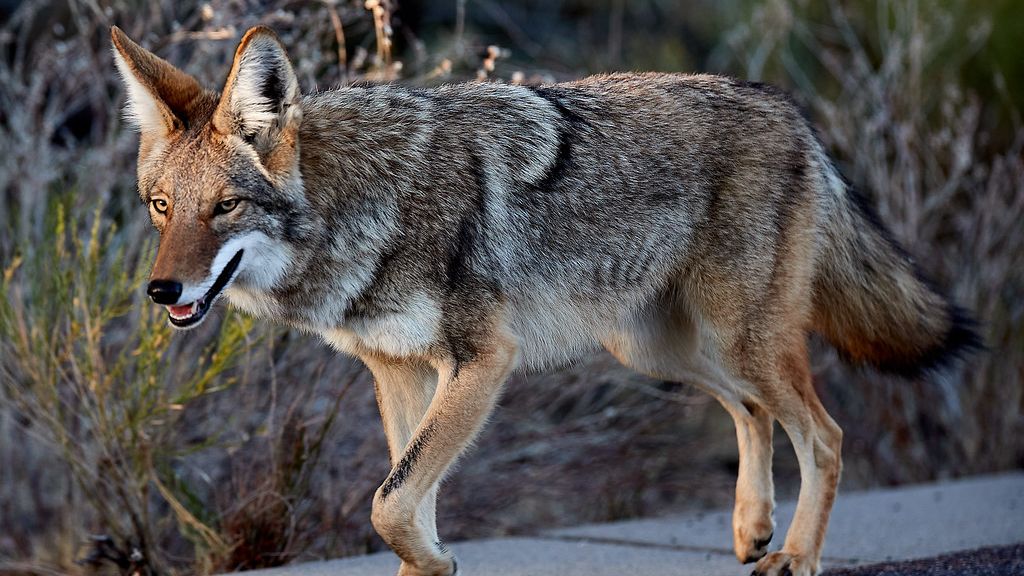
On a quiet city street at two in the morning, while most people are asleep and delivery trucks hum in the distance, a slim, yellow-eyed shape may trot calmly down the sidewalk as if it owns the place. That’s the modern urban coyote: fearless enough to weave through human-made landscapes, cautious enough to remain mostly invisible. The idea that a medium-sized predator now lives in some of North America’s largest cities still feels almost shocking, yet it is now part of everyday reality from Los Angeles to Chicago to Toronto.
I still remember the first time I saw a coyote cutting across a supermarket parking lot, slipping between cars like a ghost. It looked completely out of place and somehow perfectly at home at the same time. Since then, researchers have shown that coyotes are not just passing through cities – they’re adjusting their behavior, their schedules, and even their diets to make the most of the concrete wilderness. In many ways, they’re teaching us a lesson about what it really means to be adaptable.
The Surprising Spread of Coyotes into Cities
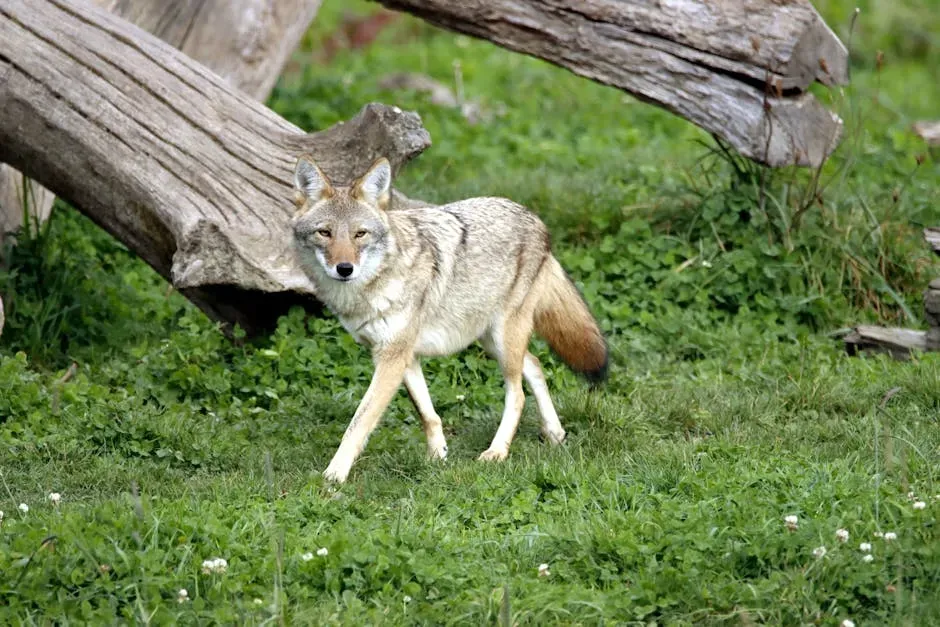
A century ago, few people would’ve predicted that coyotes would become regular residents of big cities, yet they now live in metropolitan areas across most of North America. Their expansion followed human development: as forests were cut and farmland spread, coyotes moved east and north, slowly filling ecological gaps left by wolves and other predators. Today they’re found in suburbs, mid-sized towns, and dense urban cores, turning drainage ditches into travel corridors and golf courses into hunting grounds.
In cities like Chicago, scientists have tracked thousands of coyotes using GPS collars and found that many individuals occupy surprisingly small home ranges within city boundaries. Rather than being pushed out by traffic, noise, and human activity, they’ve learned to move through it and around it, using rail lines, riverbanks, and even cemetery grounds as safe routes. Their presence is no longer a quirky exception; in a lot of places, it’s simply part of the new normal of urban wildlife.
Nocturnal Ninjas: How Coyotes Change Their Schedules
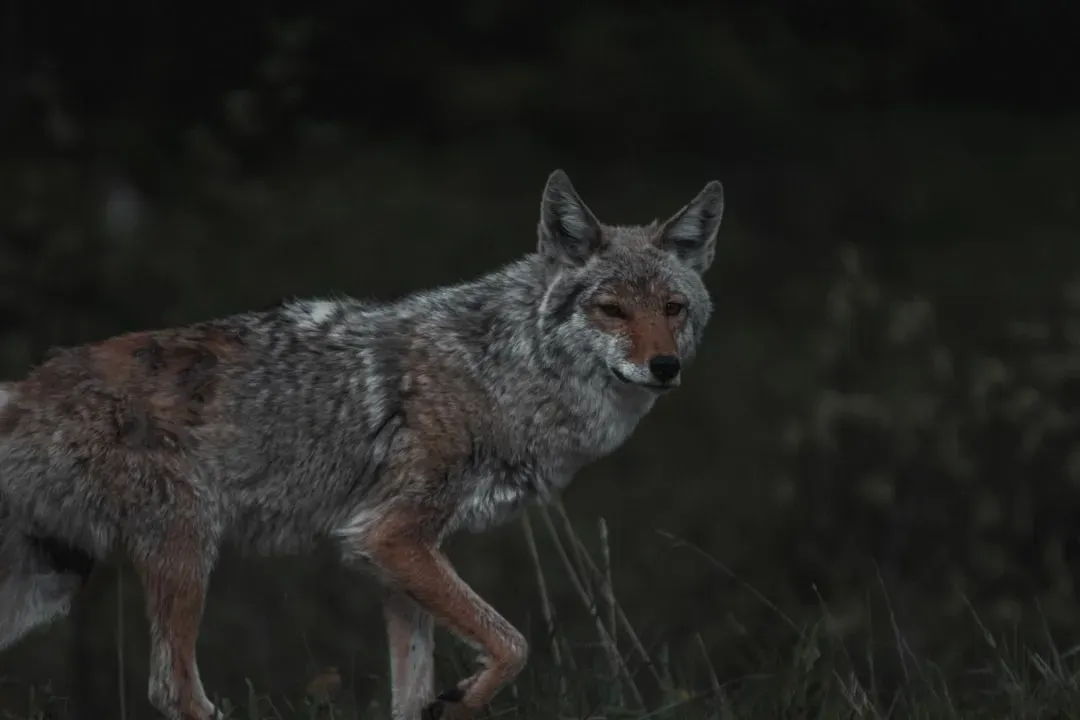
One of the most striking shifts in urban coyotes is their daily schedule. In wilder landscapes they’re often active at dawn and dusk, but in cities they’ve become masters of the night, going largely nocturnal to avoid people, cars, and busy sidewalks. Motion-sensor cameras on city trails regularly capture coyotes moving confidently through areas that were crowded with joggers and dog walkers just a few hours earlier.
Traffic studies show that coyotes time their road crossings to periods of lower vehicle flow, especially late at night and in the very early morning. It’s as if they’ve learned the unofficial “quiet hours” of the city and built their lives around them. This time-shifting behavior doesn’t mean they never appear in daylight – especially in quiet neighborhoods or near green spaces – but the bulk of their foraging and traveling tends to happen while the city sleeps.
Making a Living on Human Food and City Wildlife
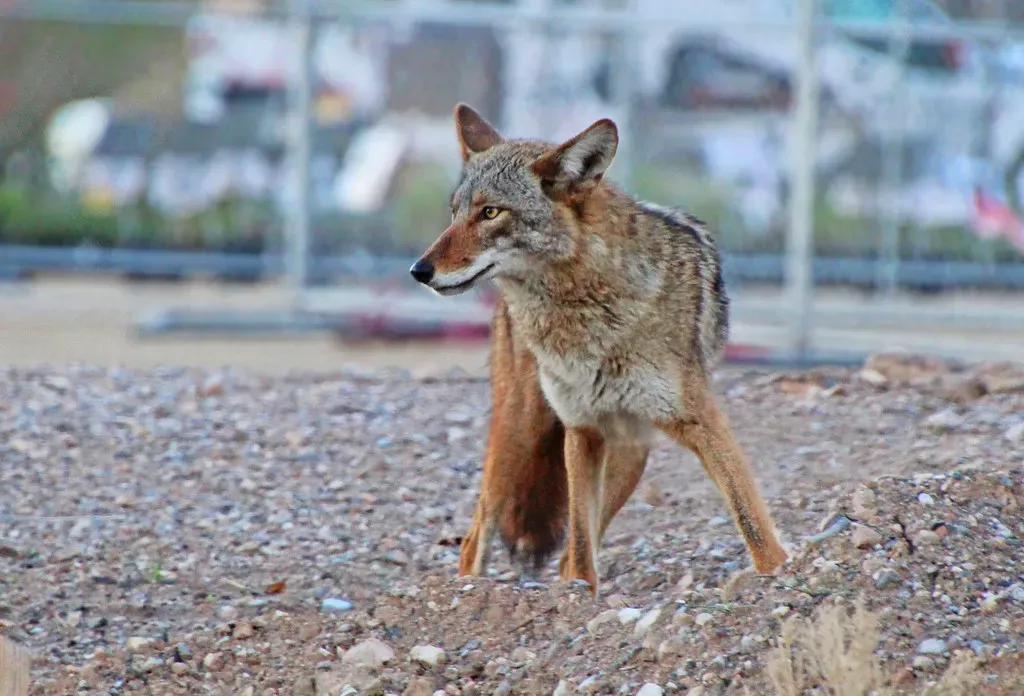
When people imagine coyotes in cities, they often picture them raiding trash bins or scavenging fast food leftovers. That does happen, especially if garbage is left unsecured, but studies of urban coyote diets show a more complicated picture. In many cities, coyotes still eat mostly natural foods: rodents, rabbits, fruit, and occasionally birds. Human-linked food – like pet food, compost, or unsecured trash – often makes up only a smaller portion, though that can vary from neighborhood to neighborhood.
What’s really remarkable is how flexibly they mix and match their options. A coyote might hunt rats along an alleyway, then move to a park to look for voles or fallen fruit in the same night. They’ll take advantage of ornamental plantings that bear berries, feral or outdoor cats, and spilled birdseed that attracts smaller prey. This generalist diet is a big part of why they succeed in cities: while some animals need specific habitats or foods, coyotes seem content to treat the urban landscape like a messy buffet.
Green Patches, Golf Courses, and Highway Edges as Habitat
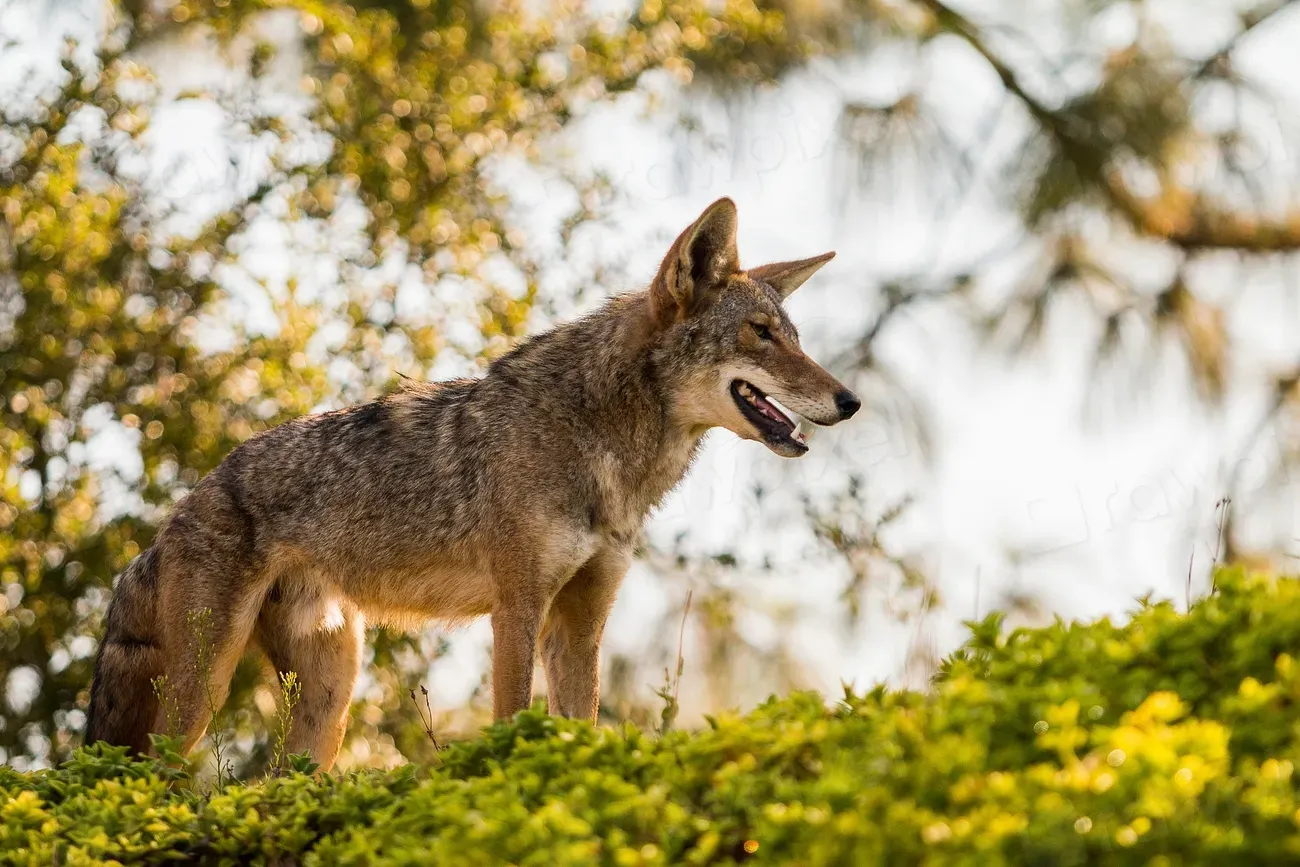
To a coyote, a city isn’t just a maze of buildings – it’s a patchwork of potential habitat that most humans barely notice. Small city parks, utility corridors, vacant lots, stormwater ponds, and even overgrown edges along highways can provide cover, den sites, and hunting grounds. What looks to us like leftover scraps of land between developments can function as an entire home range when stitched together in the right way.
Researchers have found that coyotes often anchor their territories around these quieter green spots, then travel out along linear features such as railways or creek banks. In some cities, pairs or family groups have been monitored raising pups near busy roads, with the den tucked safely into hidden spots like slopes under shrubs or piles of debris. It’s an odd image: a wild den of pups just a short distance from honking horns and streetlights, yet successfully sheltered by the city’s own forgotten corners.
Quiet Masters of Avoidance: Staying Out of Trouble
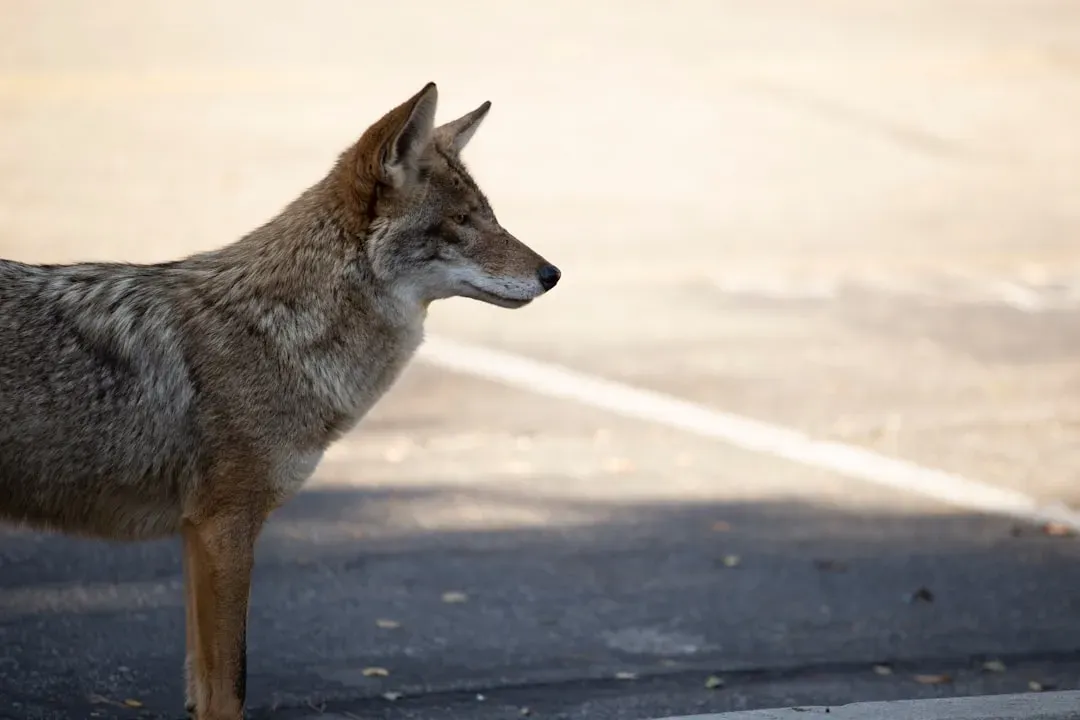
For all the talk about bold coyotes, most urban coyotes survive by staying unseen and steering clear of people. They tend to move along back alleys rather than main streets, hug fences and tree lines, and freeze when headlights sweep past. Many of them will stand completely still in the shadows if a person approaches, relying on their camouflage and our tendency not to look too closely at the landscape around us.
Studies where coyotes have been fitted with tracking collars often reveal something almost eerie: they follow regular patterns that carefully skirt busy spots, like schools or commercial districts, even when those routes are not the shortest path. Over time, they appear to learn which blocks pose the most risk and which back ways offer safe passage. The ones that fail to figure this out – those that linger in traffic-choked areas or show too much interest in humans – are usually the ones that end up in conflict or don’t survive very long.
Raising Families in the Concrete Jungle
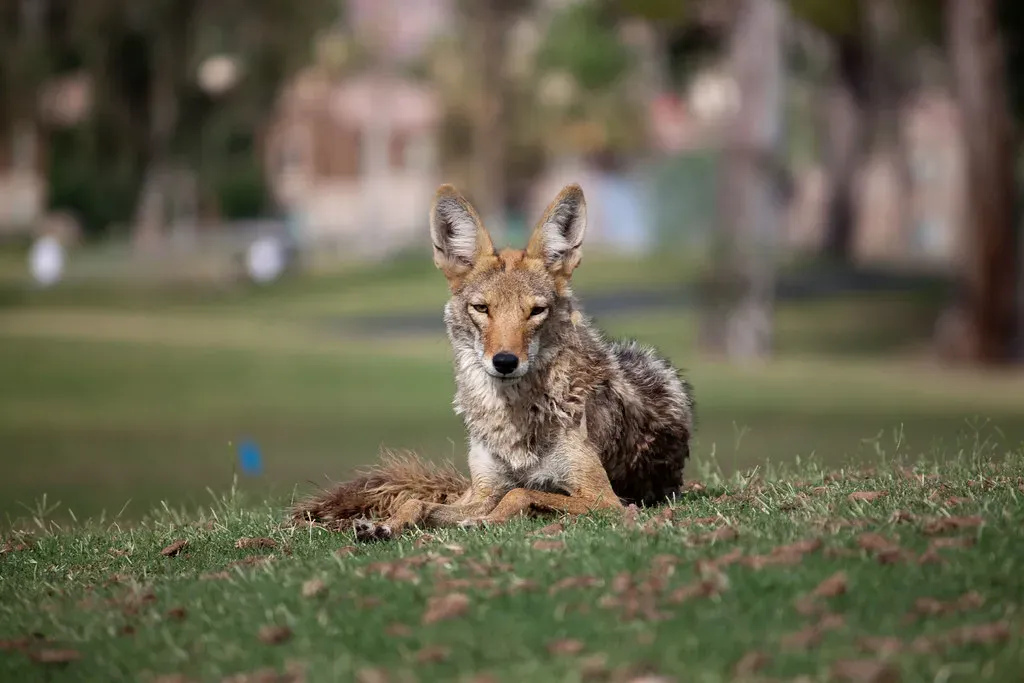
Coyotes don’t just pass through cities; they raise entire families there. Breeding pairs typically choose hidden den sites in sandy slopes, culverts, under dense shrubs, or in brush piles tucked away in quiet pockets of land. During the denning season, adults make frequent foraging trips, often increasing their nighttime movements to bring back enough food for a growing litter of pups. City resources like abundant rodents and rabbits around parks and rail lines can make this task easier than in some rural areas.
As the pups grow, they begin to explore the surroundings, first close to the den and then gradually farther out into the urban matrix. Young coyotes that disperse may travel long distances, sometimes crossing multiple city neighborhoods before settling. It’s a bit like a teenager leaving home to find their own rented room in an unfamiliar part of town, except their “apartment hunting” involves scouting for safe cover, reliable food, and minimal competition from other coyote families.
Benefits and Risks: What Coyotes Mean for City Ecosystems
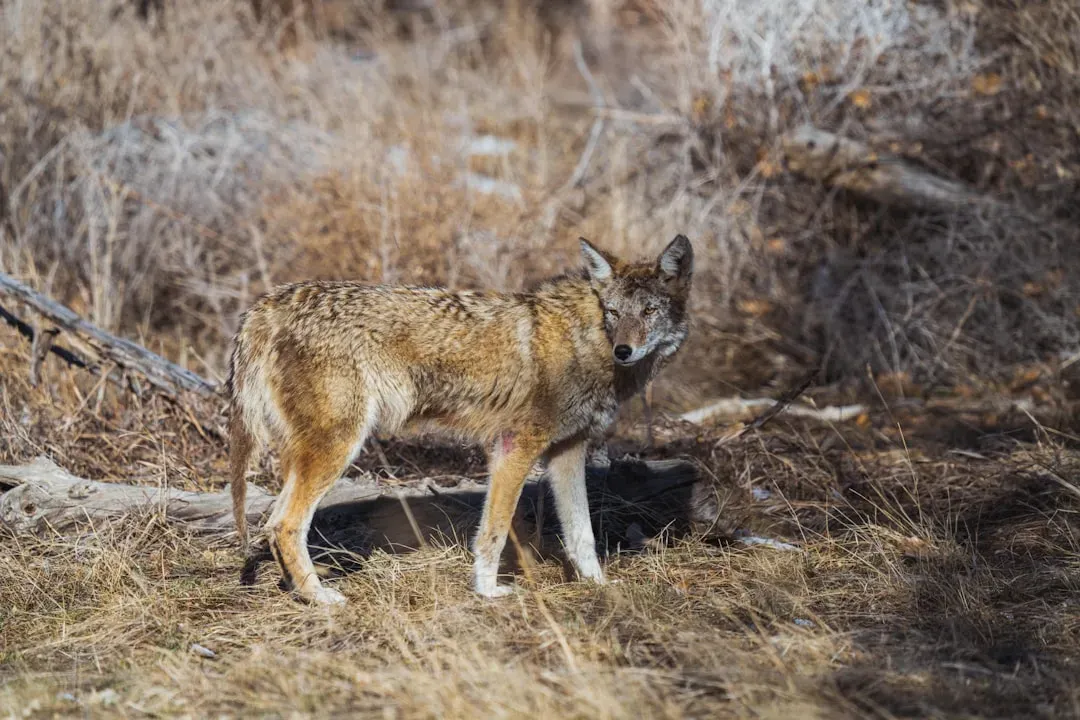
Urban coyotes can stir up anxiety, but ecologists often point out that they may also provide unexpected benefits. By preying on rats, mice, rabbits, and even feral cats, coyotes can influence the entire urban food web. Fewer rodents can mean less damage to gardens and city landscaping, and fewer free-roaming cats can sometimes translate to less pressure on native songbirds. Their role as top or near-top predators, especially in cities that lack larger carnivores, can help restore a bit of balance to heavily altered ecosystems.
Of course, the picture isn’t all positive. When coyotes gain access to human-supplied food or get habituated to people, the risk of conflicts rises sharply. Pets, particularly small dogs and outdoor cats, can be at risk in some circumstances. The challenge for cities is to recognize the ecological value coyotes can bring while minimizing the conditions that lead to trouble. It’s a delicate balancing act between welcoming them as part of the urban ecosystem and maintaining appropriate caution.
When Things Go Wrong: Conflict, Pets, and Fear
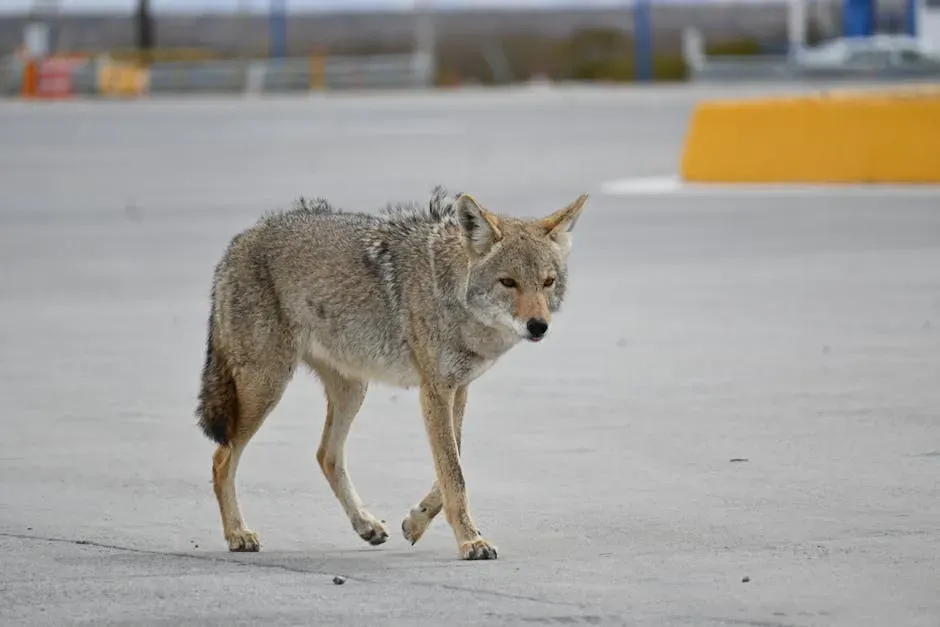
Most urban coyotes avoid humans, but a small fraction become bold, especially when they learn that yards, porches, or playgrounds are easy sources of food. Feeding coyotes directly, leaving out pet food, or allowing overflowing trash can unintentionally train them to associate people with meals. Over time, some coyotes lose their natural wariness and start approaching more closely, which raises the risk of negative encounters. For pet owners, that can be deeply unsettling, especially if a coyote starts appearing regularly on security cameras near the house.
It’s important to keep some perspective: in many cities, thousands of people live near coyotes with no direct contact at all, and serious attacks on humans remain rare. Still, when someone’s dog is chased in a park or a cat goes missing, the fear becomes very personal, very fast. That emotional weight often shapes public policy as much as scientific data does. Finding solutions means taking people’s concerns seriously while also explaining the specific behaviors that tend to lead to problems – and how to change those patterns.
Living with Coyotes: Practical Coexistence Strategies
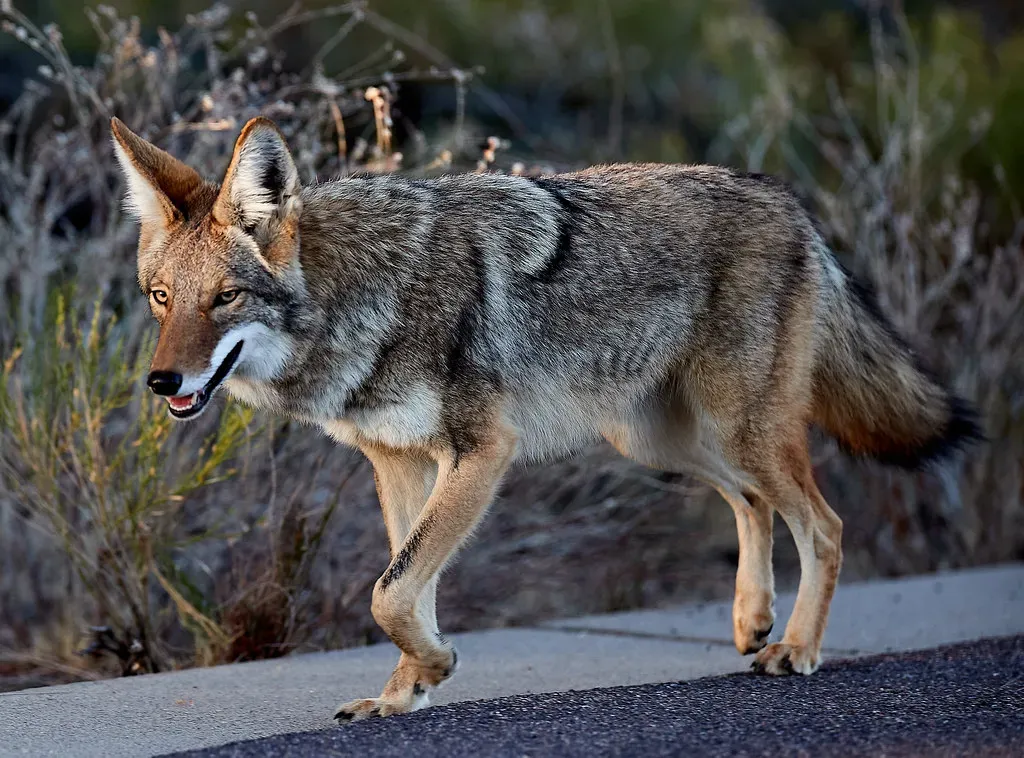
Coexisting with urban coyotes isn’t about liking them; it’s about learning how to share space without making life harder or more dangerous for either species. Simple steps can make a big difference: keep trash in secure containers, feed pets indoors, and clean up fallen fruit or spilled birdseed that attracts rodents and, eventually, coyotes. For dog owners, using a leash, especially at dawn and dusk, and avoiding letting pets roam in brushy, poorly lit areas reduces the chance of a close encounter.
Another tool that wildlife agencies often recommend is “hazing,” which basically means making yourself loud and annoying if a coyote approaches or lingers too close. Waving arms, clapping, shouting, or using a whistle can remind a coyote that humans are not worth getting near. The goal isn’t cruelty; it’s reinforcement of a healthy distance. Over time, communities that practice consistent hazing and good trash management tend to see fewer bold coyotes and a smoother sort of everyday coexistence.
What Coyotes Reveal About Human-Dominated Landscapes
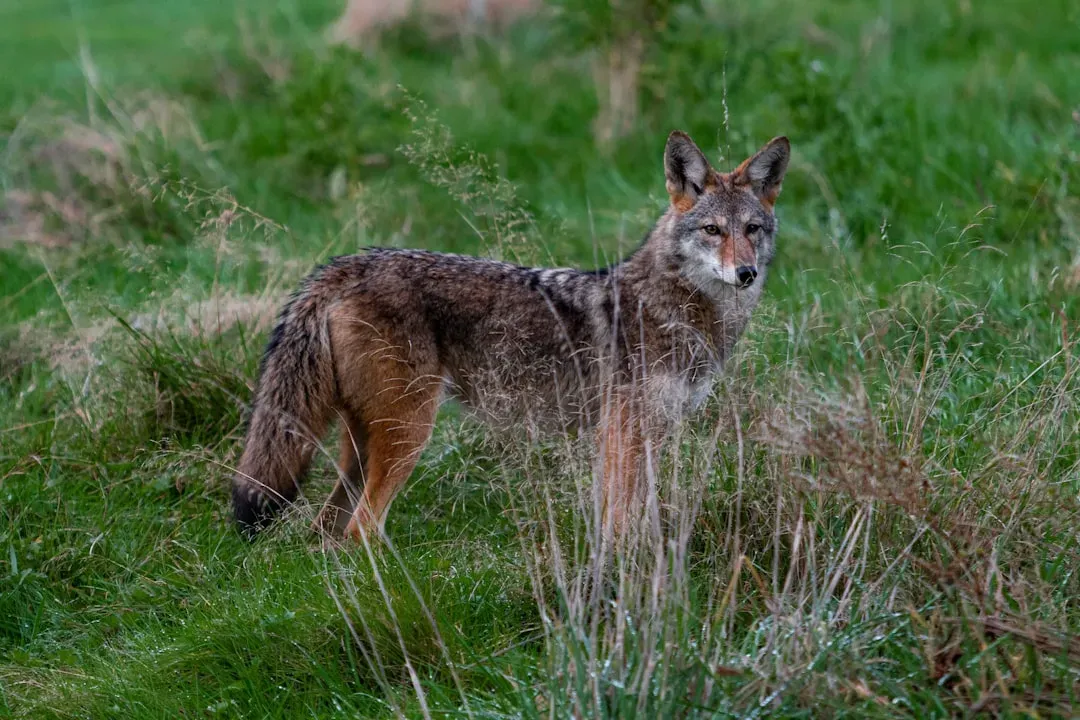
To me, one of the most interesting things about urban coyotes is what they say about us, not just about them. We designed cities for cars, businesses, and housing, but in the gaps and edges we accidentally built a functioning habitat for a clever predator. Coyotes are taking advantage of the spaces between our priorities: the weedy lots we ignore, the storm drains we barely notice, the late-night hours when we assume everything is quiet. They are a mirror held up to the idea that cities are strictly human domains.
Their success raises bigger questions about the future of urban nature. If coyotes can carve out a living here, what other species might follow as climate, land use, and city planning continue to change? And as we watch them adapt – in their diet, their timing, their routes – are we willing to adapt our own habits in return? In the end, these thin, watchful animals trotting along our streets are a reminder that wildness doesn’t end at the city limits. It slips through the cracks and walks the sidewalks with us, whether we notice it or not. The real question is: now that you know they’re there, how will you see your city differently?
