
Most of us grow up thinking of animal communication as something fairly simple. Birds sing, wolves howl, dogs bark. It seems tidy and almost comprehensible. The deeper reality, though, is something far stranger and more layered than most people ever imagine.
Animal communication is one of nature’s most fascinating mysteries. It spans every sense, from chemical scents drifting invisibly on the wind to flashes of color and movement, vibrations carried through the ground, and even electric pulses invisible to the eye. These secret channels of meaning run through the wild constantly, mostly invisible to us. The more scientists look, the more they find entire conversations happening just below the threshold of human awareness.
Prairie Dogs Speak in Descriptive Sentences

If you have ever dismissed the bark of a prairie dog as a simple alarm noise, research suggests you should reconsider. Prairie dogs, native to North America’s grasslands, have one of the most sophisticated communication systems in the animal kingdom. They use a complex series of barks and yips to convey detailed information about predators, including a predator’s size, shape, color, and speed.
The calls cluster into different groups, each with its own signature set of frequencies and tones. Prairie dogs don’t just have a call for “danger.” They have one call for “human,” another for “hawk,” and a third for “coyote,” and they can even differentiate between coyotes and domesticated dogs.
In human language terms, the species of predator can be considered a noun, and the descriptions can be considered adjectives or adverbs. The rate at which chirps are produced correlates with the speed of the predator, making it analogous to a verb. In effect, a single alarm call is comparable to a human sentence.
The amount of information crammed into a single chirp lasting a tenth of a second is remarkable. In that brief moment, a prairie dog can effectively communicate something like “tall thin human wearing blue shirt walking slowly across the colony.”
Elephants Listen Through Their Feet
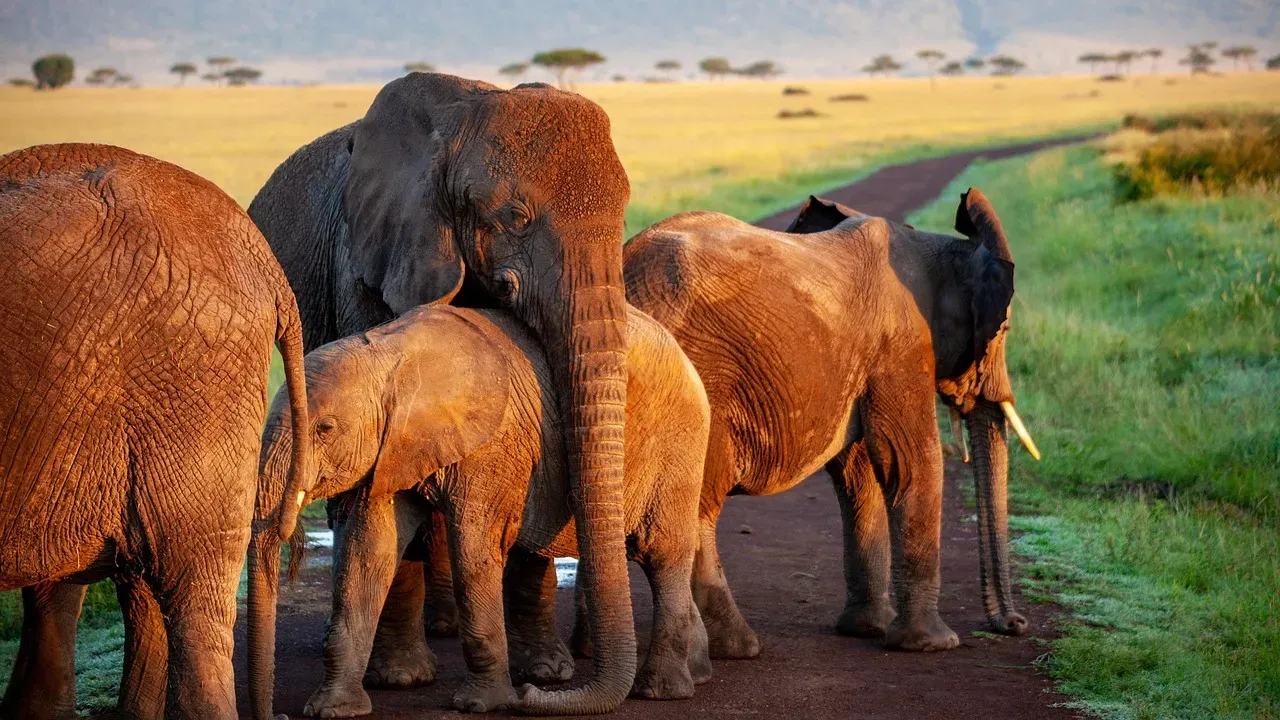
Elephants are among the most emotionally aware animals on the planet, and their communication style is remarkable. They use infrasound, deep rumbles that reverberate through the earth and can be heard over considerable distances, in addition to their loud trumpeting.
Elephants employ extensive infrasonic vocalizations for long-distance communication across their vast habitats. These powerful, deep rumbles, ranging from 15 to 35 Hz and reaching up to 117 decibels, help coordinate group movements and signal the presence of estrous females to distant males. Elephants can also produce infrasound waves that travel through the ground, which other herds sense through their feet, allowing communication over ranges up to 32 kilometers.
Careful observation by field scientists combined with GPS tracking indicates elephants can “hear” through their feet, sensing low-frequency ground vibrations at the “elephant frequency,” made possible because elephants have large, skin-covered pads on the bottom of their feet rather than hard hooves.
Honeybees Dance to Share Directions

In 1973, Karl von Frisch won the Nobel Prize partly for his work on bee communication. He observed bees “waggling” inside their hives and determined that they used this dance-like movement to inform other bees of the direction and distance to important food sources.
When a bee discovered a food source, it would head to the hive and perform a dance. During the dance, other bees touched its abdomen. This communicated to the others where to find the food without having to be shown directly. The direction and speed of the dance indicated specific geolocation details.
Honeybees also use other movements, odor cues, and food exchanges to communicate important information to each other. What initially looks like random movement inside a dark hive is, in reality, a remarkably precise transfer of navigational data.
Weakly Electric Fish Talk Through Invisible Fields
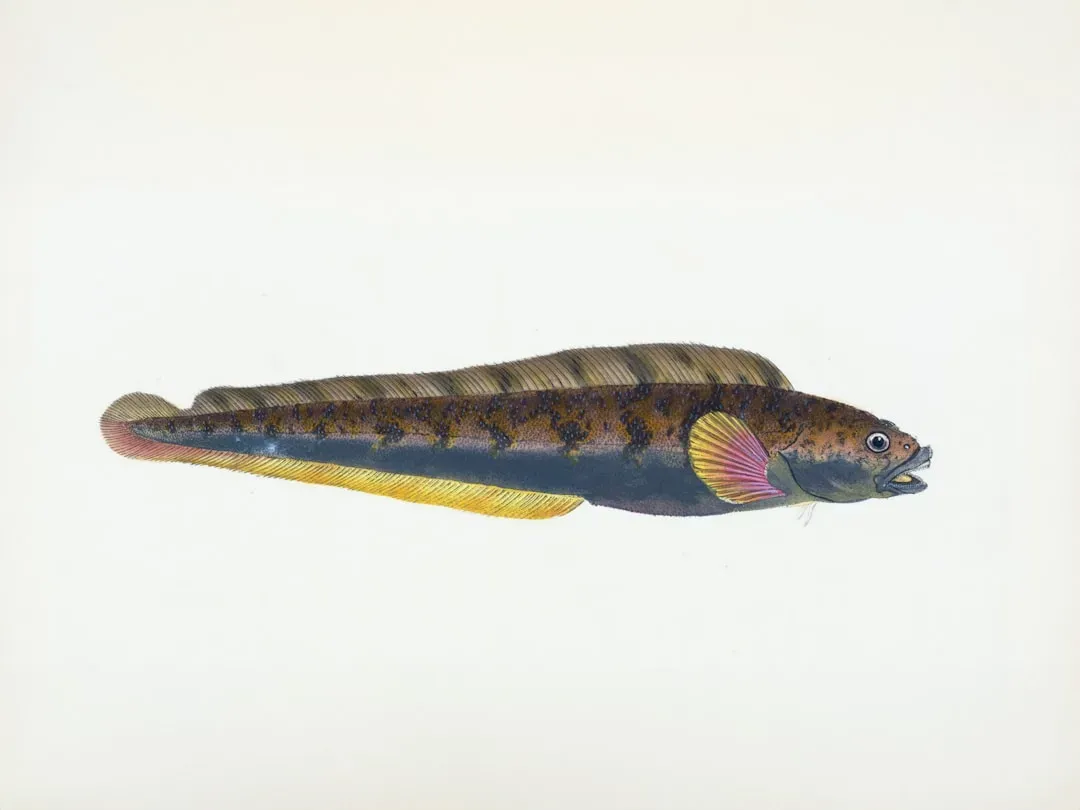
Hundreds of species of fish in the freshwaters of tropical South America and Africa communicate in a unique language called electrocommunication. Unlike the electric eel, which produces hundreds of volts, these so-called weakly electric fish generate signals in the millivolt range for communicating with members of their own species. Over evolutionary time, they modified particular sets of muscle and nerve cells to form an electric organ that produces a communication signal called the electric organ discharge, or EOD.
Most of these fish are nocturnal and live in dark or muddy waters where visual communication would be impossible. They often inhabit areas that are dense in aquatic vegetation, which would distort many acoustic signals. In such environments, electric signals are advantageous because they are neither influenced by light levels nor susceptible to environmental distortion.
Mormyrid fish communicate and navigate using these electric organ discharges. The EOD is highly stereotyped and provides information on sender identity, including species, sex, reproductive condition, and possibly individual identity. The sequence of pulse intervals plays a more variable role in signaling behavioral states.
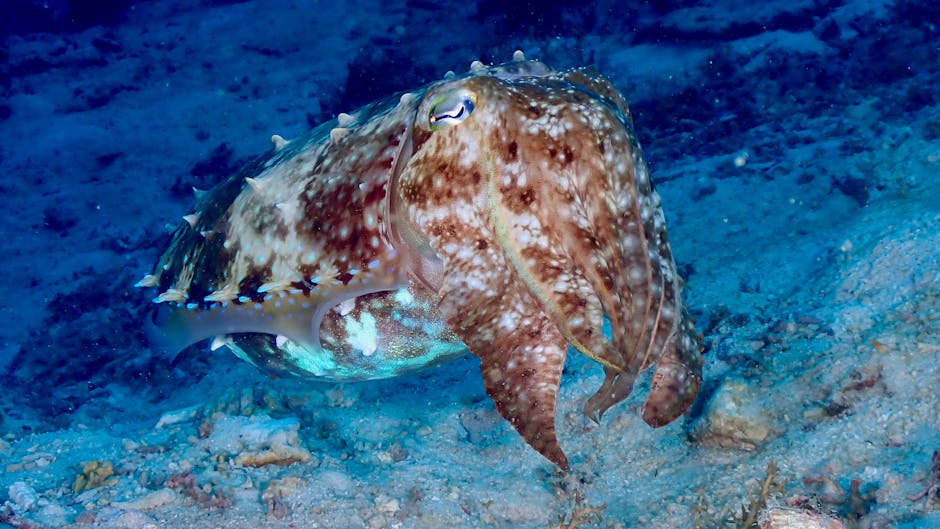
Cuttlefish Communicate in Living Color
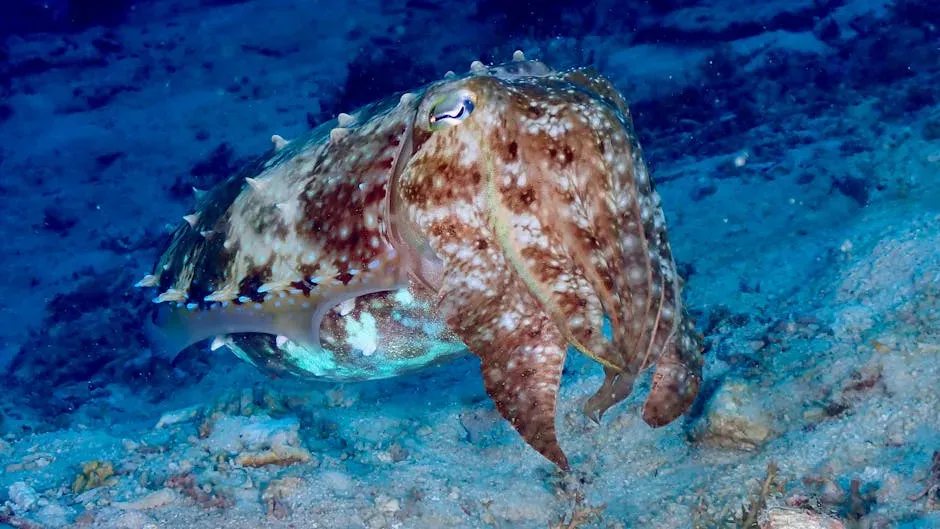
Cuttlefish are truly the magicians of the sea. These clever cephalopods use their skin like a digital billboard, flashing complex patterns and colors to communicate with each other. The sheer speed and complexity of these skin displays is difficult to fully appreciate unless you’ve watched one.
Cuttlefish communicate using a combination of color changes, arm movements, and body language. Their ability to rapidly change color helps them send signals to other cuttlefish and predators. These changes can indicate mating readiness, aggression, or even submission, and such communication is crucial for survival in their diverse underwater habitats.
Cephalopods like squid and cuttlefish change the color and texture of their skin using specific cells called chromatophores. This allows them to communicate in several ways, from camouflage to blending into the environment to mating displays in which bright color changes signal interest to potential mates or intimidate competitors.
Ants Leave an Invisible Chemical Network
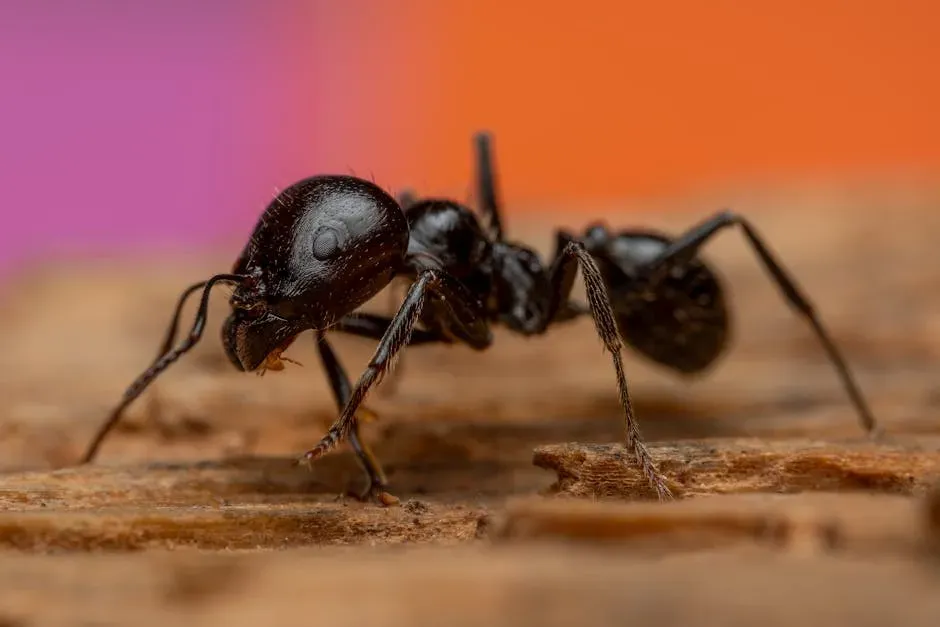
Rather than talking, ants leave invisible chemical trails called pheromones. When an ant finds food, it lays down a scent path as it returns to the colony, guiding others straight to the source. These chemical messages can mean everything from “food this way” to “danger ahead.”
When an ant finds food, it secretes a trail of pheromones leading others to the food source. As more ants follow the trail, the signal becomes stronger, guiding the colony with increasing precision. This form of communication is crucial for coordinating large groups of ants.
Animals use chemical signals, known as pheromones, to communicate various messages such as marking territory, signaling readiness to mate, and identifying individuals. In the case of ants, this chemical messaging system supports colonies that can number in the hundreds of thousands, all functioning through a network of scent alone.
Infrasound: The Language Below Human Hearing

Whales, elephants, hippopotamuses, rhinoceroses, giraffes, okapis, peacocks, and alligators are all known to use infrasound to communicate over distances, up to hundreds of miles in the case of whales. It is a surprisingly crowded frequency band, given that humans can’t hear any of it.
Marine mammals like fin whales and blue whales rely on infrasound to navigate and find mates across expansive ocean basins. Blue whale calls, ranging from 10 Hz to 31 kHz, can travel for hundreds or even thousands of kilometers underwater. The density of water facilitates the long-distance transmission of these low-frequency sounds.
Rhinoceroses use low-frequency rumbles for communication, particularly in dense forest habitats. Sumatran rhinoceroses produce sounds as low as 3 Hz, and these calls are thought to play a role in mating, with females potentially using infrasound to indicate their reproductive receptivity.
Tigers also use infrasound to attract mates and to warn other tigers off. The roar we hear may only be part of the message. Much of what a tiger communicates may be operating on a frequency entirely beneath our awareness.
Gorillas Sing While Eating
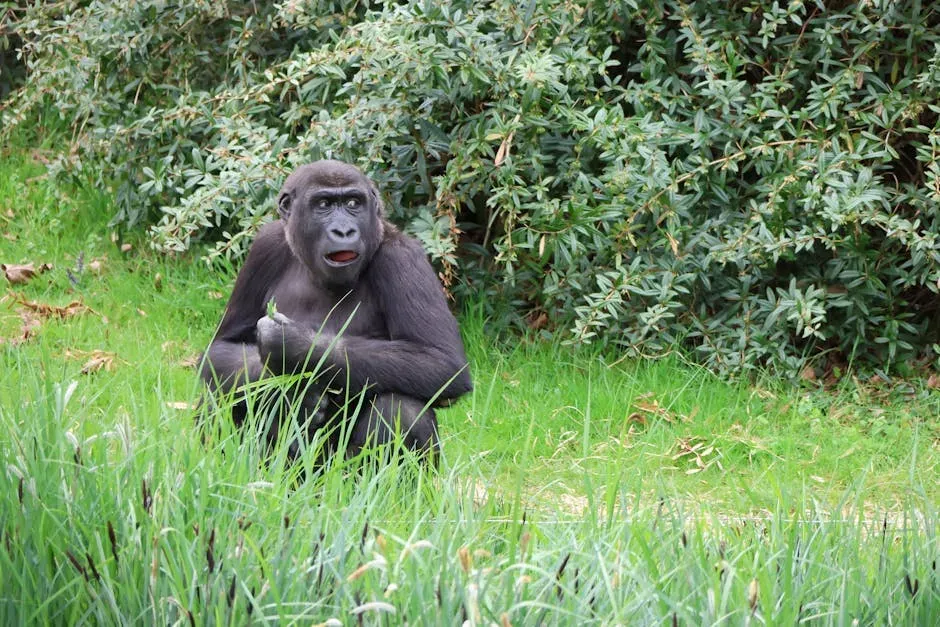
Gorillas have such a complex communication system that researchers have identified over 20 distinct sounds and what they mean. Their range spans from laughing to growling. Some species of male gorillas in the wild actually hum a tune when they are happy or when it is time for a meal.
Silverback gorillas will hum or sing while chomping down on their favorite vegetation. It’s not just a way to indicate that they are enjoying their meal, but a way to convey that they would prefer not to be bothered while eating. When they go quiet, that’s a sign that they are willing to chat. There is something unexpectedly relatable about that.
Gorillas also use a wide vocabulary of body language similar to humans. A sideways glance, a chest beat, or the way they lean can show confidence, nervousness, or playfulness. Communication for gorillas is genuinely multimodal, layered with vocal, physical, and postural signals working simultaneously.
Spiders and Insects Communicate Through Vibration

Some animals send signals not through air or scent but through the very ground beneath them. Vibrational communication is common among insects, amphibians, and even some mammals. Spiders pluck the threads of their webs, sending vibrations that can lure mates or warn rivals. Froghoppers drum on plant stems with their legs, sending coded rhythms to attract partners.
The dances of honeybees are usually performed in a dark hive, and attending workers monitor the dancer with their antennae while some signal vibrations pass through the honeycomb substrate. Other arthropods that attend to substrate-borne vibrations include water striders, spiders using their webs, and leafhoppers using their host-plant stems and leaves.
Vibrational communication has been suggested to have evolved, along with chemical communication, concurrently with the evolution of all animals. In other words, it may be one of the oldest forms of signaling on earth, predating even the most basic vocalizations. The forest floor, the bark of a tree, the surface of still water – all of it is a potential medium for a message.
Conclusion

What all of this reveals is that the wild is never actually quiet. It is saturated with meaning. Signals are traveling through the ground, through water, through electric fields, through invisible chemical gradients, and through patterns of light that our eyes simply cannot read.
Modern science has built upon traditional knowledge, using technology to record, analyze, and begin to translate animal communication. Projects are now underway to decode whale songs, dolphin whistles, and even the chatter of prairie dogs. Artificial intelligence is being used to detect patterns in animal sounds that humans cannot perceive.
The real surprise is not that animals communicate in these unexpected ways. It’s that we spent so long assuming they didn’t. Every discovery in this field asks us to look at the natural world a little more humbly, and to accept that most of its conversations have been happening without us, long before we arrived to listen.
