
Most of us walk past wildlife every day without giving it much thought. A hawk on a power line. A frog in a garden pond. A tiny creature tucked in the bark of a tree. What we rarely stop to consider is that some of these animals carry biological abilities so extraordinary they sound like they belong in a science fiction story rather than an ecology textbook.
The United States is home to a remarkable range of wild species, and several of them have evolved traits that genuinely defy expectation. These aren’t exaggerations. They’re documented, researched, and in some cases actively being studied for what they could teach us about medicine, engineering, and survival itself.
The Peregrine Falcon: The Fastest Animal on Earth
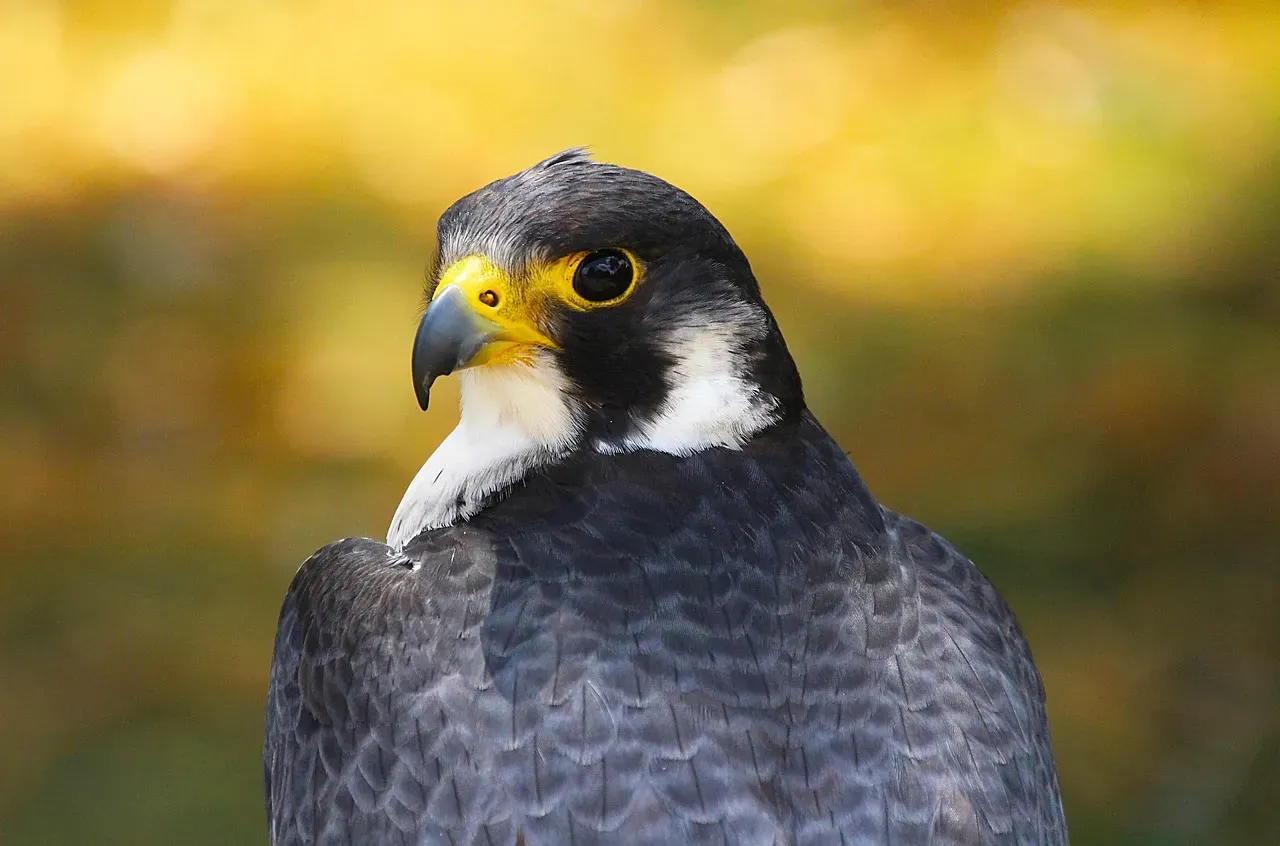
There’s nothing quite like watching a peregrine falcon hunt. When in pursuit of prey, the peregrine falcon dives at speeds over 240 miles per hour, faster than any other animal on the planet. That puts it well ahead of the fastest trains and most small aircraft in terms of sheer velocity.
Its specialized wings, aerodynamic shape, and nictitating membrane, a transparent eyelid, allow it to remain focused even at such extreme velocities. The falcon essentially has a built-in windshield that keeps its vision sharp during a full-speed strike.
These adaptations help the peregrine achieve its breathtaking dives, a hunting technique known as a “stoop,” where the falcon locks onto its prey from high above and barrels down with speed and agility. In the mid-20th century, peregrine falcon populations faced a dramatic decline, primarily due to the widespread use of the pesticide DDT, which weakened eggshells and decimated breeding success. Thankfully, conservation efforts brought the species back from the edge.
The Wood Frog: Nature’s Deep Freeze Survivor
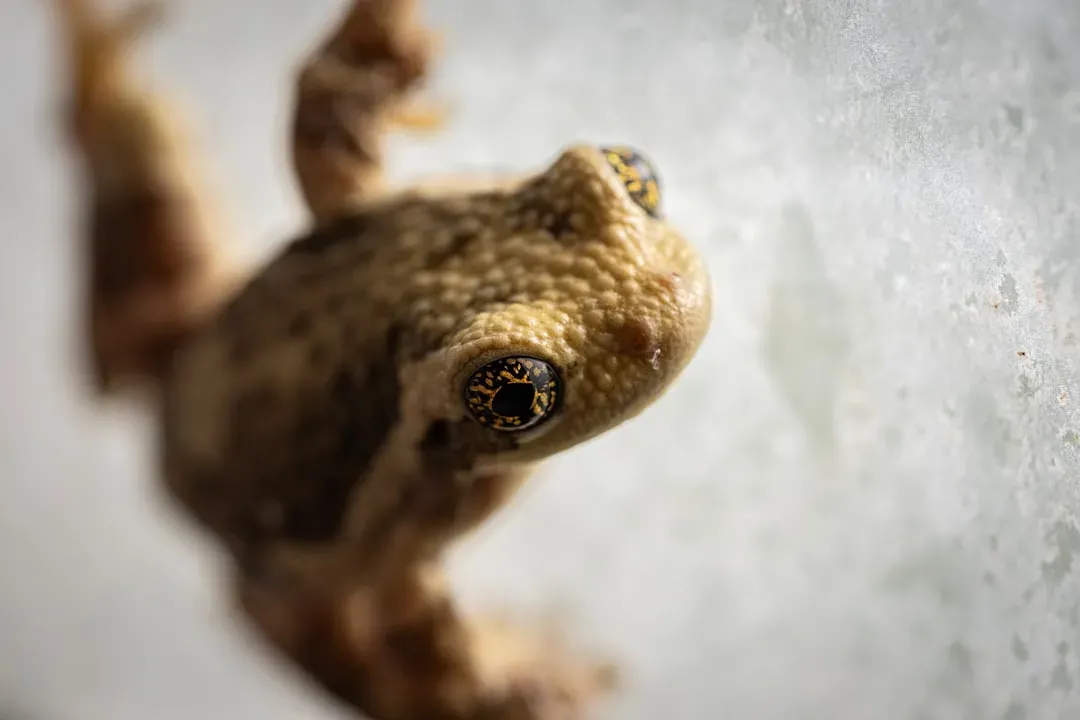
The wood frog does something that should, by all reasonable biology, kill it. The wood frog can freeze nearly solid and survive. As temperatures drop, it floods its cells with glucose, a natural antifreeze. Ice forms between its cells, and its heart and lungs stop as the frog enters a sort of suspended animation. When warmth returns, it thaws and hops away, one of nature’s most astonishing adaptations for survival.
This ability allows the wood frog to adapt very well to temperatures as low as -10°F for several weeks. The frog doesn’t merely tolerate these conditions. It essentially stops being alive, then starts again. Scientists studying extreme cold tolerance have kept a close eye on this species for years.
The Opossum: Built-In Antivenom
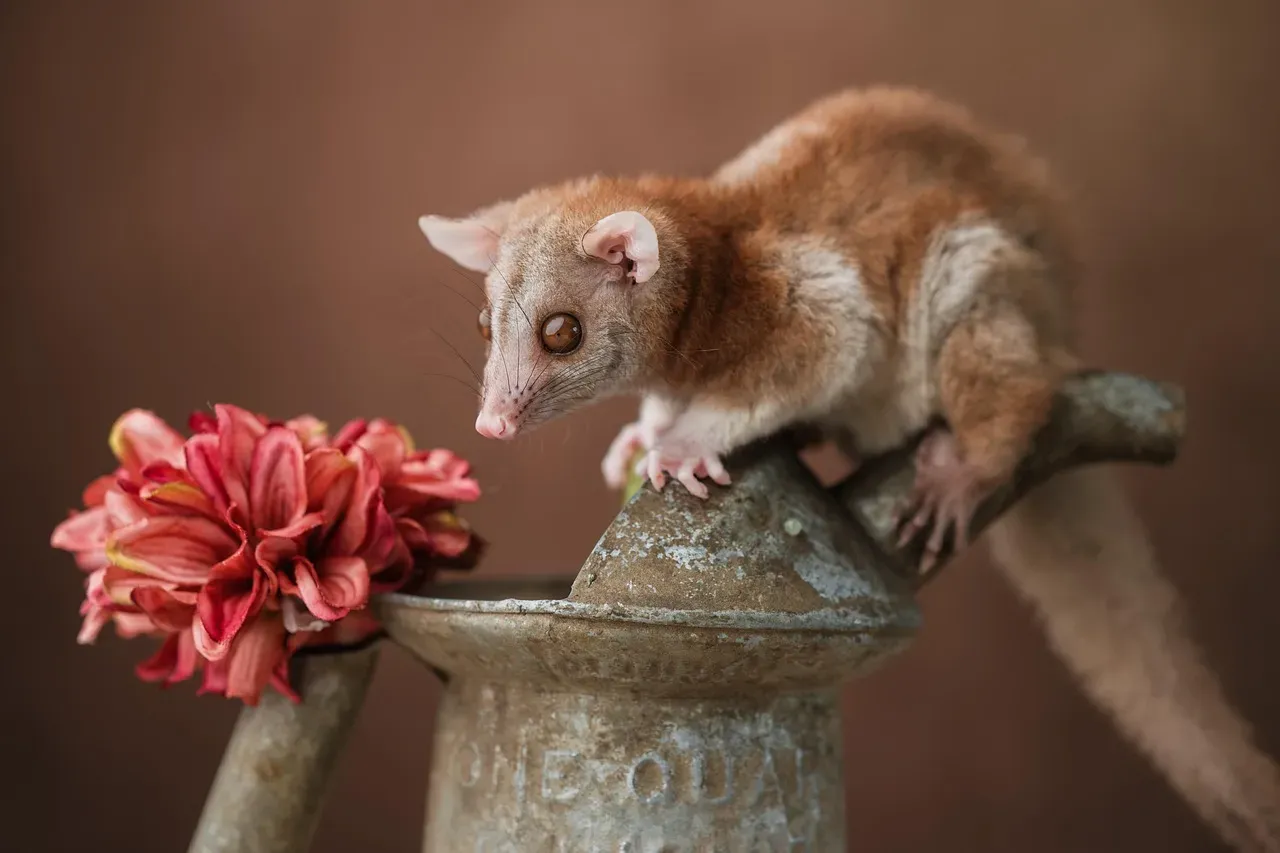
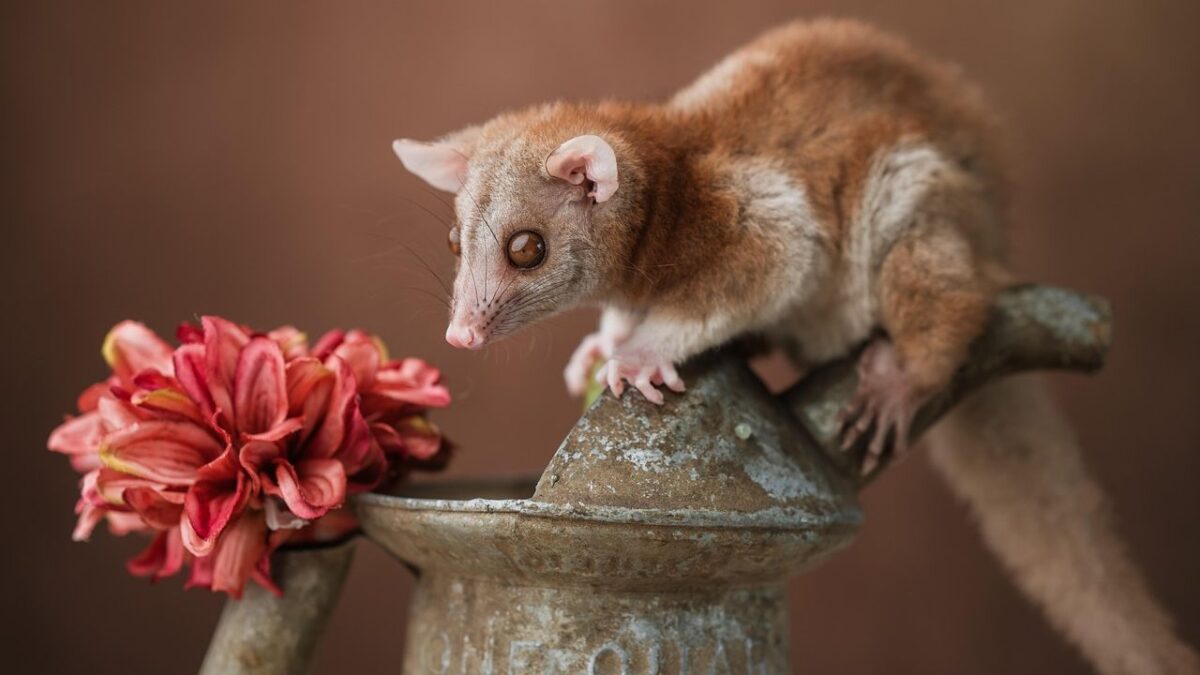
The Virginia opossum may look unassuming, but it carries a biological weapon inside its blood that researchers have been studying for decades. Scientists have known since the 1940s that Virginia opossums possessed some level of immunity to snake venom.
Research has shown that opossums are resistant to poisonous vipers, including the eastern and western diamondback rattlesnake, copperheads and many South American viper species. That’s not a mild tolerance. It’s a physiological shield that allows the animal to actively hunt venomous snakes.
In lab experiments with mice, a team discovered the exact molecule, called a peptide, in the North American marsupial’s blood that can neutralize snake venom. The peptide worked against several venomous snake species, including America’s western diamondback rattlesnake and India’s Russell viper. The implications for human medicine are genuinely significant and still being explored.
The Hummingbird: Master of Metabolic Shutdown
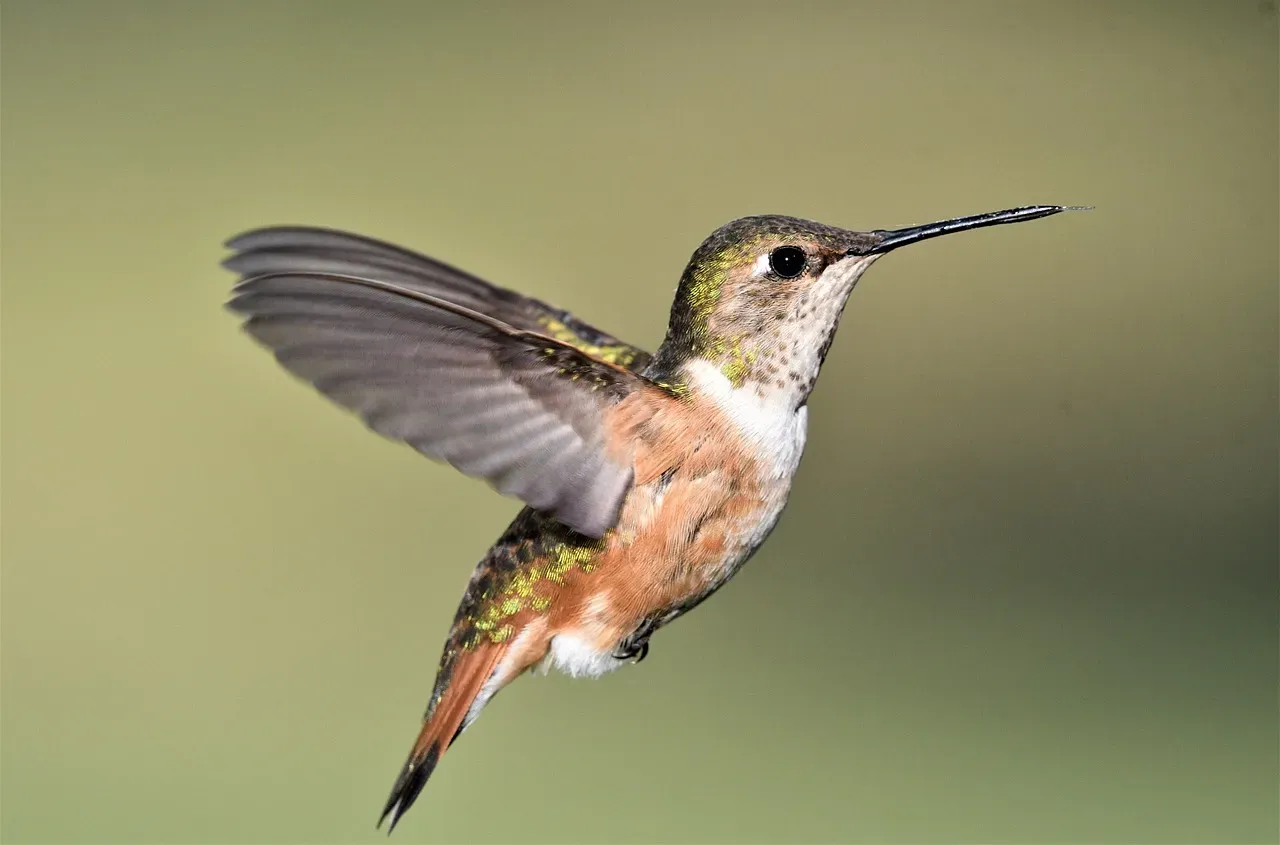
Hummingbirds are already remarkable for their flight alone. Their specialized hovering flight, which allows them to fly backward, upside down, and to remain stationary in mid-air, requires so much energy that they exist perpetually on the edge of starvation.
To survive each night without feeding, hummingbirds enter torpor, a controlled hypothermic state where they lower their body temperature by up to 50°F, reduce their heart rate to 50 beats per minute, and cut their metabolic rate to 1/15th of normal levels. This nightly hibernation-like state saves enough energy to prevent starvation, and they can rouse themselves from torpor in minutes when morning arrives.
Ruby-throated hummingbirds showcase another superpower during migration, when these 3-gram birds fly non-stop across the Gulf of Mexico, a 500-plus mile journey over open water with no food or rest. For a bird the weight of a few paper clips, that’s a staggering feat of endurance.
The Tardigrade: Almost Indestructible Microscopic Animal
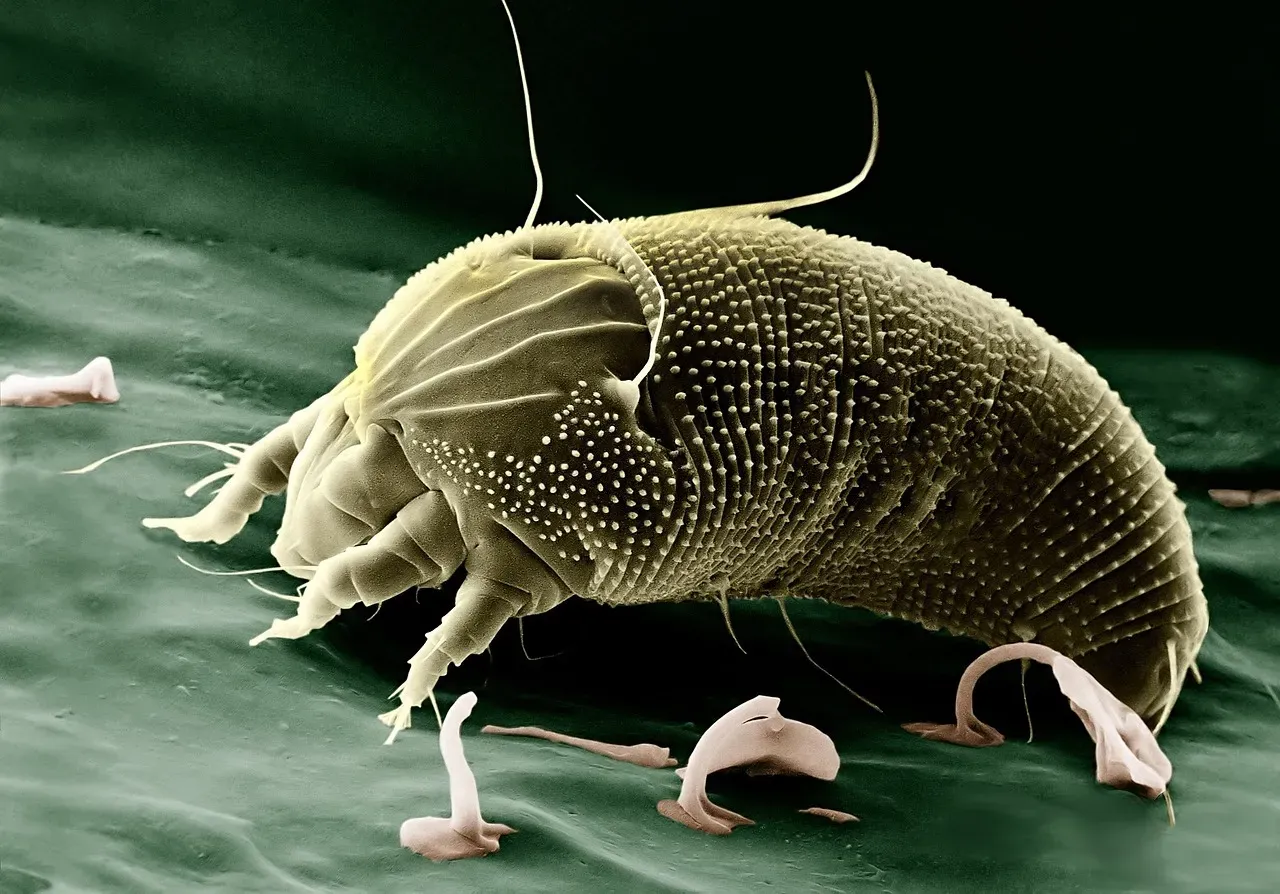
You’ve probably never seen a tardigrade, but they’re almost certainly living near you right now. Often called water bears or moss piglets, tardigrades are microscopic animals found throughout the United States in various environments from mountain moss to suburban backyards. These tiny creatures possess perhaps the most impressive survival superpowers of any animal on Earth.
Tardigrades can enter a state called cryptobiosis, where they essentially dehydrate themselves and reduce their metabolic activity to near zero. In this state, they can survive temperatures from near absolute zero to well above boiling, pressure six times greater than the deepest ocean trenches, radiation levels thousands of times what would kill a human, and the vacuum of space.
Tardigrades can survive without water for up to 30 years, then rehydrate and continue their lives as if nothing happened. Their ability to repair damaged DNA quickly makes them virtually indestructible by Earth standards, earning them the title of the planet’s ultimate survivors.
The American Barn Owl: Hearing That Defies Darkness
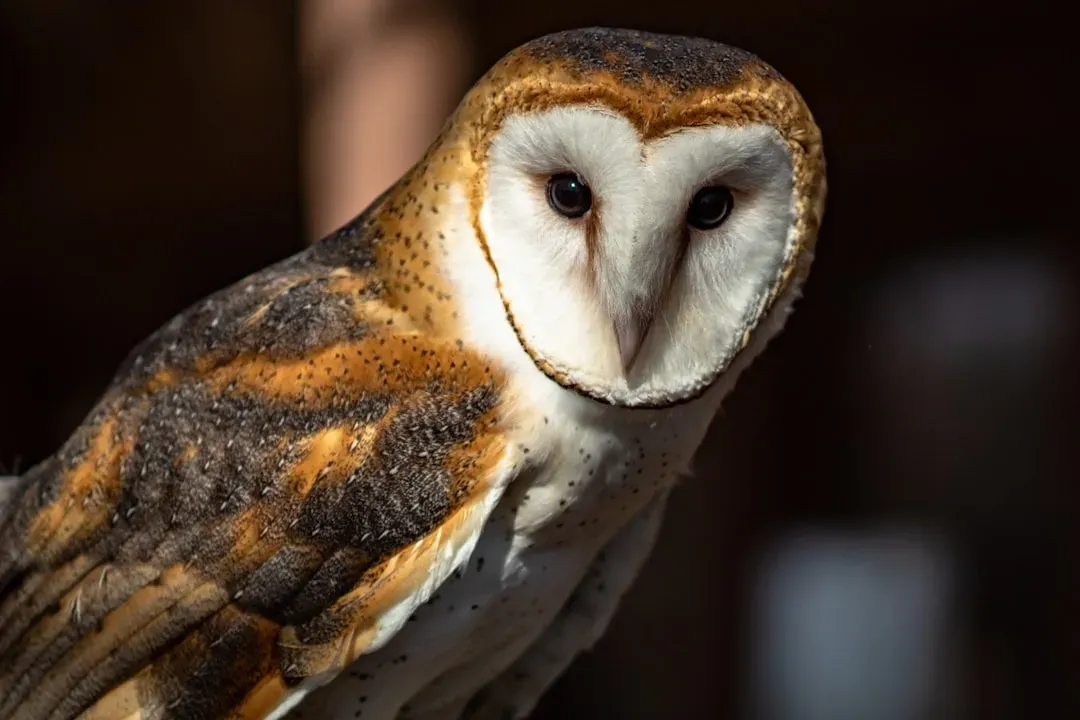
The barn owl doesn’t need light to hunt. It doesn’t even need to see. Barn owls can detect prey by sound alone, even in total darkness or beneath snow. Their heart-shaped facial disc funnels sound to asymmetrical ears, one higher than the other, allowing pinpoint accuracy in locating prey. In fact, their ability to locate prey by sound is one of the best of any animal ever tested.
Its broad wings are lined with soft, velvety feathers and comb-like edges that break up air turbulence, muffling wingbeats and allowing it to swoop down unheard. The combination of perfect acoustic targeting and nearly silent approach makes the barn owl one of the most efficient nocturnal hunters in North America.
The Grizzly Bear: Crushing Power and Surprising Speed
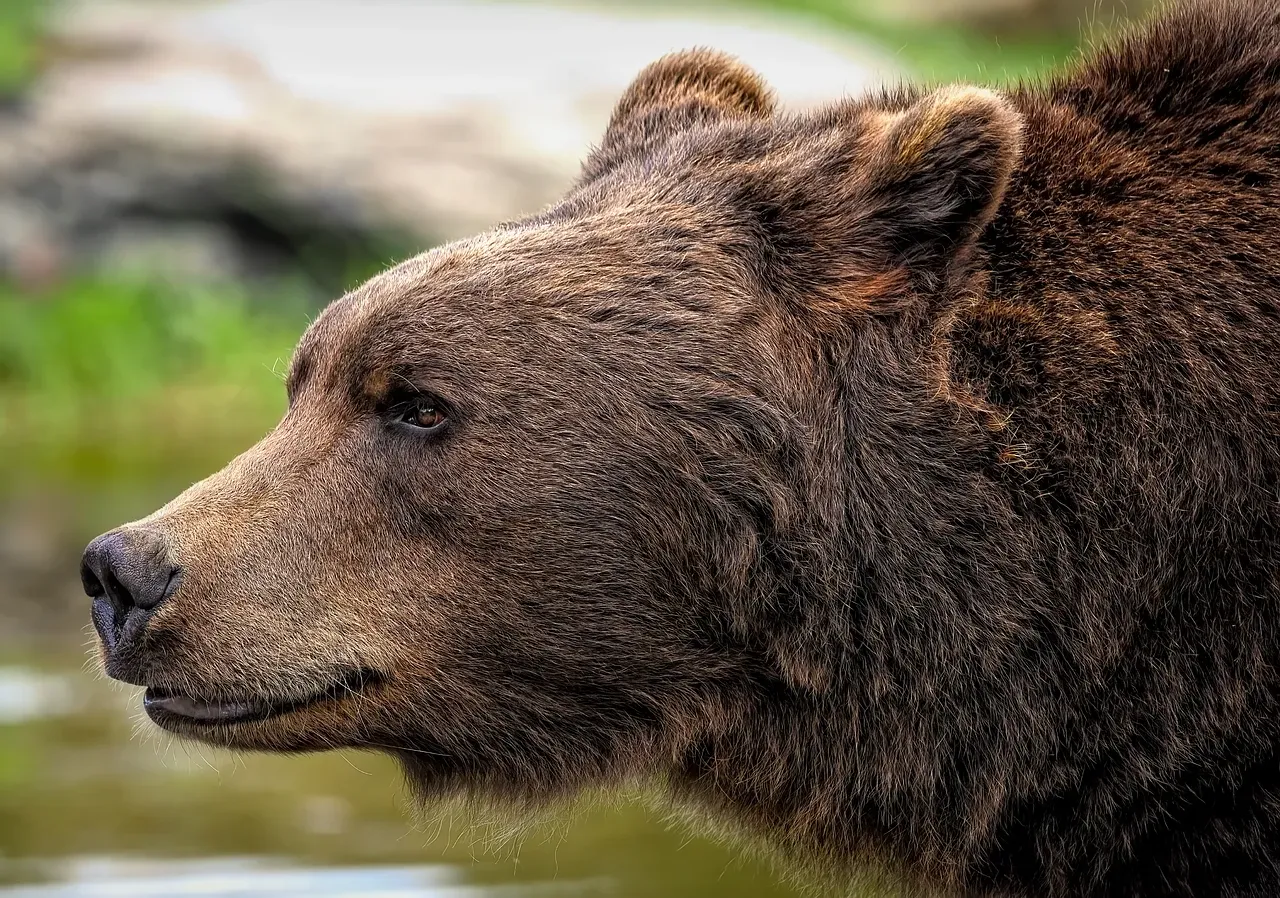
Grizzly bears are known for being powerful, but the actual numbers are still startling. These massive predators can generate bite forces of up to 1,200 pounds per square inch, enough to crush a bowling ball like it’s made of paper. Their powerful forearms can deliver swipes with the force of a sledgehammer, capable of breaking the spine of a moose with a single blow.
What’s truly remarkable about grizzlies is their combination of size and surprising agility. Despite weighing up to 800 pounds, they can run at speeds of 35 mph, faster than most humans can ride a bicycle.
The grizzly’s shoulder hump adds another layer to this power story. That prominent hump on their shoulders is actually a hunk of muscle that helps their front legs dig out winter dens and overturn rocks. It’s not decoration. It’s a built-in excavation tool.
The Pronghorn: Speed Built for a Ghost Predator
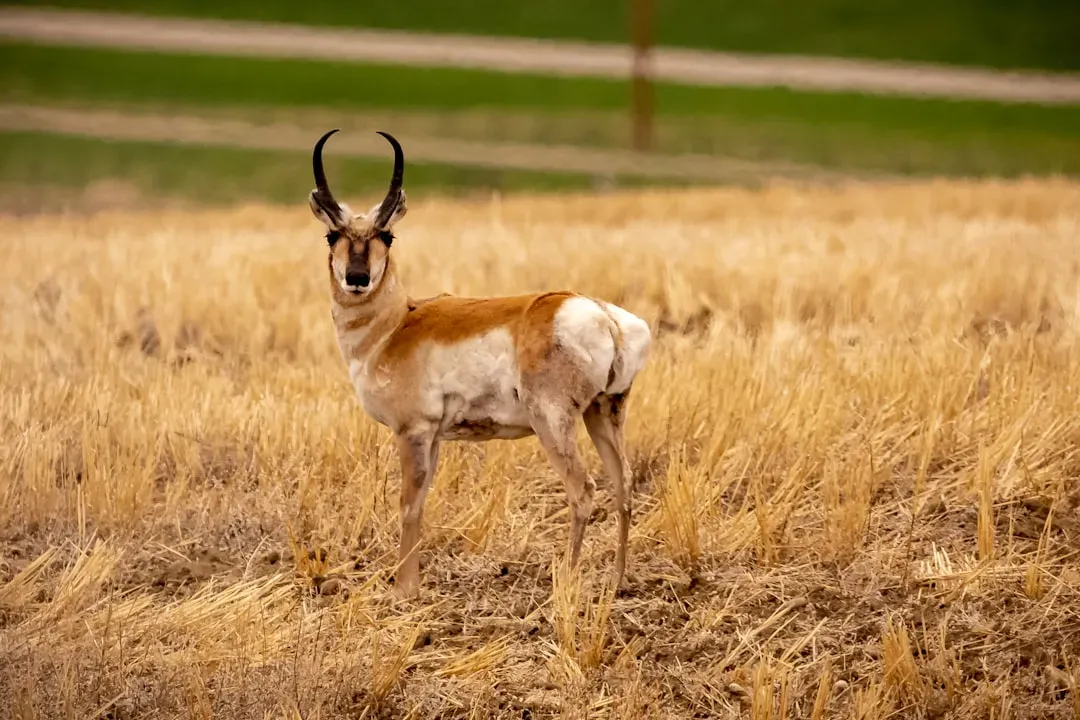
The pronghorn is North America’s fastest land animal, and it carries an evolutionary mystery. The pronghorn is nothing less than the fastest land animal in America, capable of reaching speeds of over 50 mph, and it can sustain its speed for very long distances. That kind of stamina at high speed is extremely rare in the animal kingdom.
What makes this even more curious is that no living predator on the continent today could push the pronghorn to those speeds. Scientists believe the pronghorn evolved its abilities to outrun now-extinct North American cheetahs and other Ice Age predators. It’s still running from a threat that no longer exists.
Despite its common name, the pronghorn is not an antelope. It belongs to another family called Antilocapridae, exclusive to North America. It’s the sole surviving member of a once-diverse group, and its extraordinary speed is essentially the last echo of a vanished ecosystem.
The Beaver: Engineering Superpowers That Reshape Landscapes
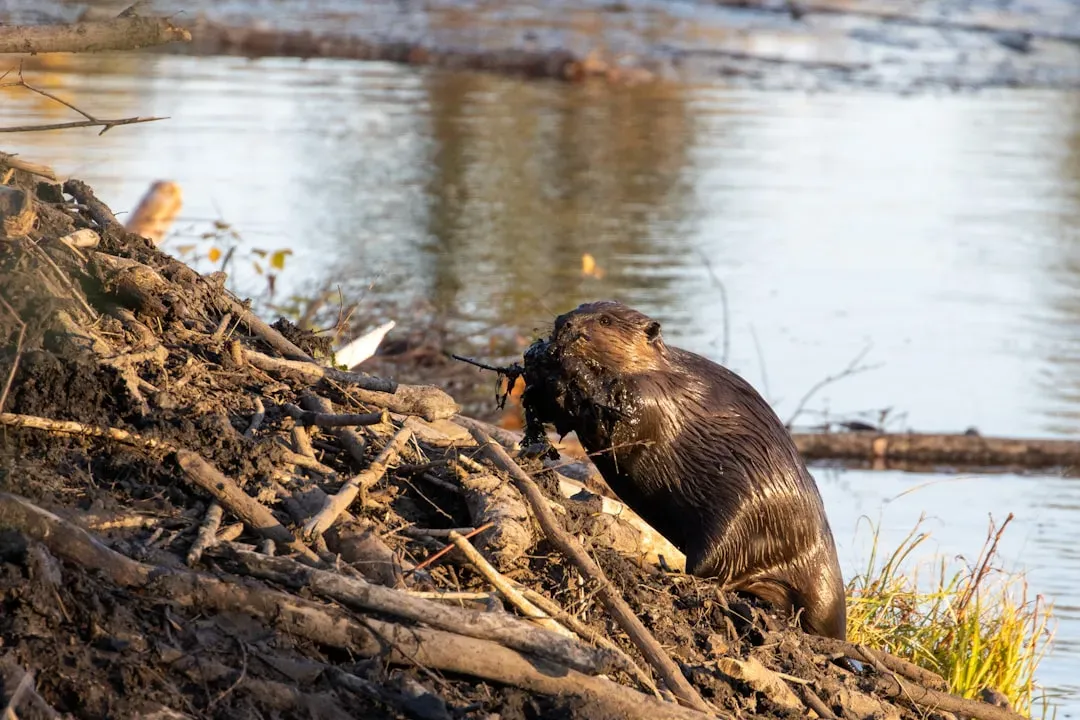
The beaver doesn’t just survive its environment. It rewrites it entirely. Beaver wetlands improve rainwater retention, reduce soil runoff and erosion, store carbon, and form natural barriers to prevent the spread of wildfires, among others. No other animal in the US has this level of environmental influence outside of humans.
They’re among the world’s only animals to actively modify their habitats, building lodges and dams that reduce stream erosion and create areas for aquatic wildlife. A single beaver family can transform a dry ravine into a thriving wetland ecosystem that supports dozens of other species.
When danger approaches, their flat tail becomes an alarm system, sending a sharp warning signal to nearby beavers when slapped against the water’s surface. What looks like a simple tail is actually a multi-purpose tool used for steering, balance, fat storage, and communication.
The Eastern Hognose Snake: Oscar-Worthy Death Performance
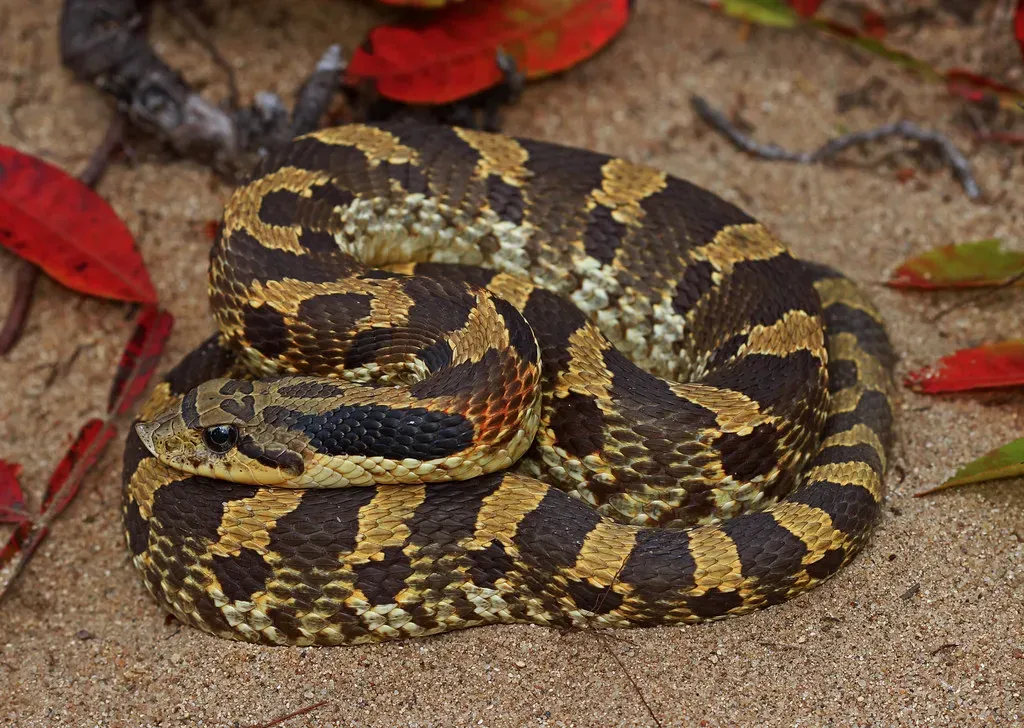
When the eastern hognose snake feels threatened, it doesn’t fight or flee. It performs. When danger strikes, this snake puts on the performance of a lifetime. With a slightly upturned snout and a stout, three-foot-long body, the Eastern hognose snake is a master of deception. Found in dry, sandy habitats across the Midwest, this common snake is one of nature’s most convincing actors.
The snake will writhe dramatically, release a foul smell, and then roll onto its back with its tongue hanging out, convincingly mimicking a dead animal. Predators that prefer live prey often walk away entirely. The act is theatrical enough to fool observers consistently.
What makes this even more remarkable is that if you flip the snake back over, it will immediately roll onto its back again to keep up the ruse. The instinct to appear dead is, in a strange way, stronger than the instinct to appear alive. It’s one of the most unusual behavioral adaptations in North American wildlife.
Conclusion: Nature’s Real Superheroes Are Already Among Us

Superhero stories are compelling because they imagine powers that seem impossible. The animals covered here make that premise somewhat redundant. Frogs that freeze and thaw. Birds that hear through darkness. Marsupials with venom-neutralizing blood. A microscopic creature that survives outer space.
These powers aren’t science fiction. They’re amazing adaptations that have evolved over time, helping these common species survive and thrive in their native environments. Each one is the product of millions of years of pressure, trial, and biological refinement.
The most striking thing isn’t that these abilities exist. It’s that many of them are hiding in plain sight, in the ponds, forests, fields, and backyards of ordinary American landscapes. Sometimes the most extraordinary things are the ones we’ve simply stopped looking at closely enough.

- People Who Prefer Cats Over Dogs Often Carry This One Childhood Experience, According to Psychology - June 12, 2026
- 13 Dog Breeds That Flood Rescue Centers After the Holidays Every Single Year Without Exception - June 12, 2026
- The Great Migration: Why Millions of Monarchs Choose These US States - June 11, 2026