
Worried about unexpected vet bills?
Pet insurance can cover thousands in unexpected vet costs. Get a free quote from Lemonade in under 2 minutes.
Get My Free Quote →Sponsored · Opens Lemonade.com
On a remote plateau in the mountains of Kaua’i, Hawaii, a small gray bird with a gentle curved bill spent decades clinging to existence in the mist-draped forest canopy. Most people have never heard its name. Even many birdwatchers would struggle to identify it. Yet the story of the ‘akikiki, a tiny Hawaiian honeycreeper, has become one of the most urgent and heartbreaking wildlife stories on the continent.
The ‘akikiki is currently North America’s rarest bird, with fewer than 10 individuals remaining as of 2023. Since then, things have only grown more precarious. ‘Akikiki are now extinct in the wild, and the only remaining hope for the species is through a conservation breeding program of approximately 40 individuals at the Maui and Keauhou Bird Conservation Centers, operated by San Diego Zoo Wildlife Alliance. What happened to this bird, and whether anything can still be done, is a story worth understanding.
A Bird That Lived Only in One Place on Earth
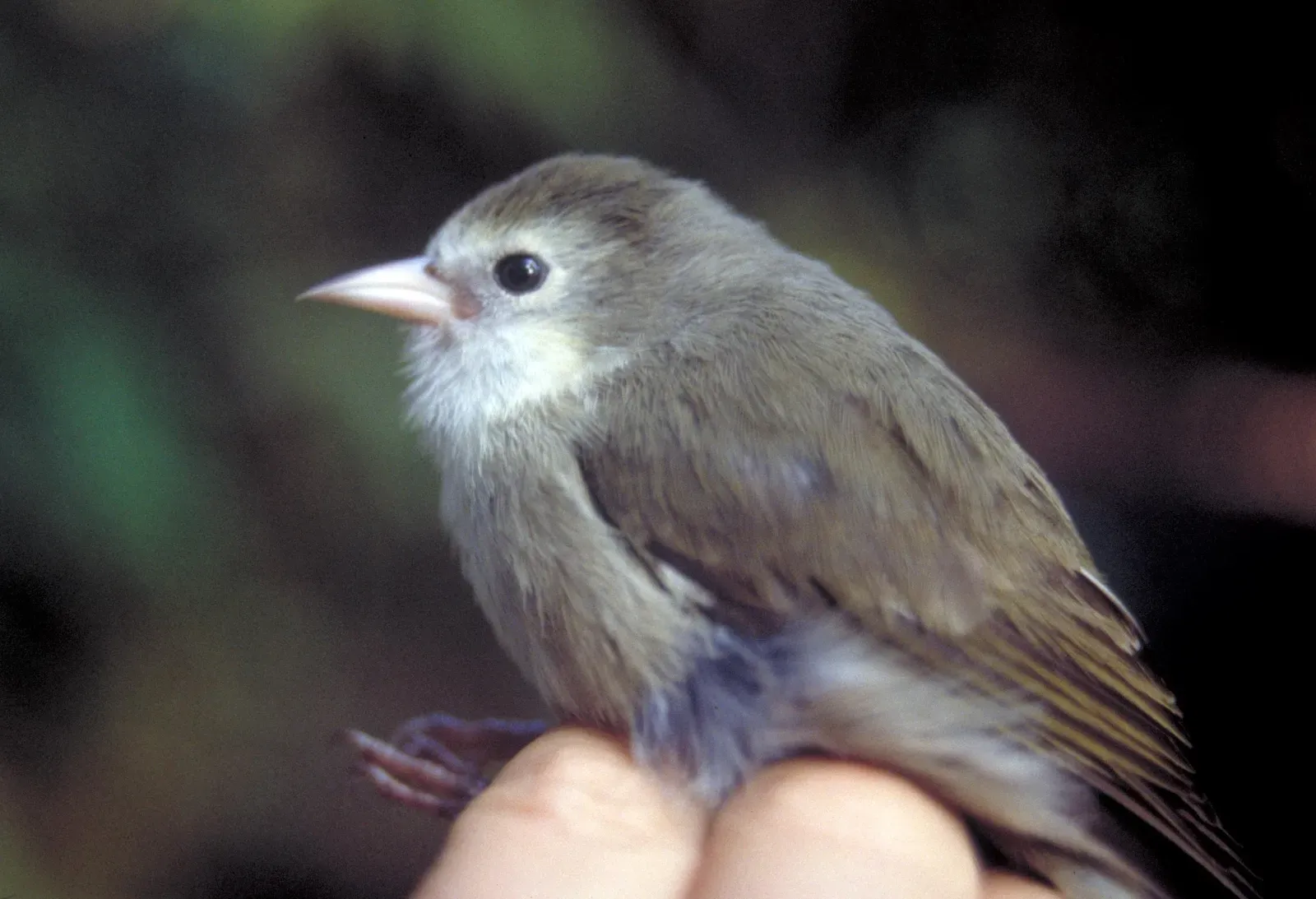
The ‘akikiki, also known as the Kaua’i creeper, was never widespread. The ‘akikiki is endemic to the Hawaiian island of Kaua’i, and as recently as 2022, it was believed around 70 or so remained in the wild. That number collapsed with frightening speed.
The effects of avian malaria have been especially devastating on Kaua’i island, which lacks high elevation habitats. Two critically endangered honeycreeper species endemic to Kaua’i, the ‘akikiki and ‘akeke’e, have faced population declines of more than 99% in the past two decades.
Once, there were more than 50 species of honeycreepers spread across Hawai’i. Today, only 17 species remain, with a few species having less than 200 individuals remaining. The ‘akikiki’s story sits at the sharpest end of that collapse, a species reduced to a ghost of what it once was within a single human generation.
The Mosquito That Changed Everything
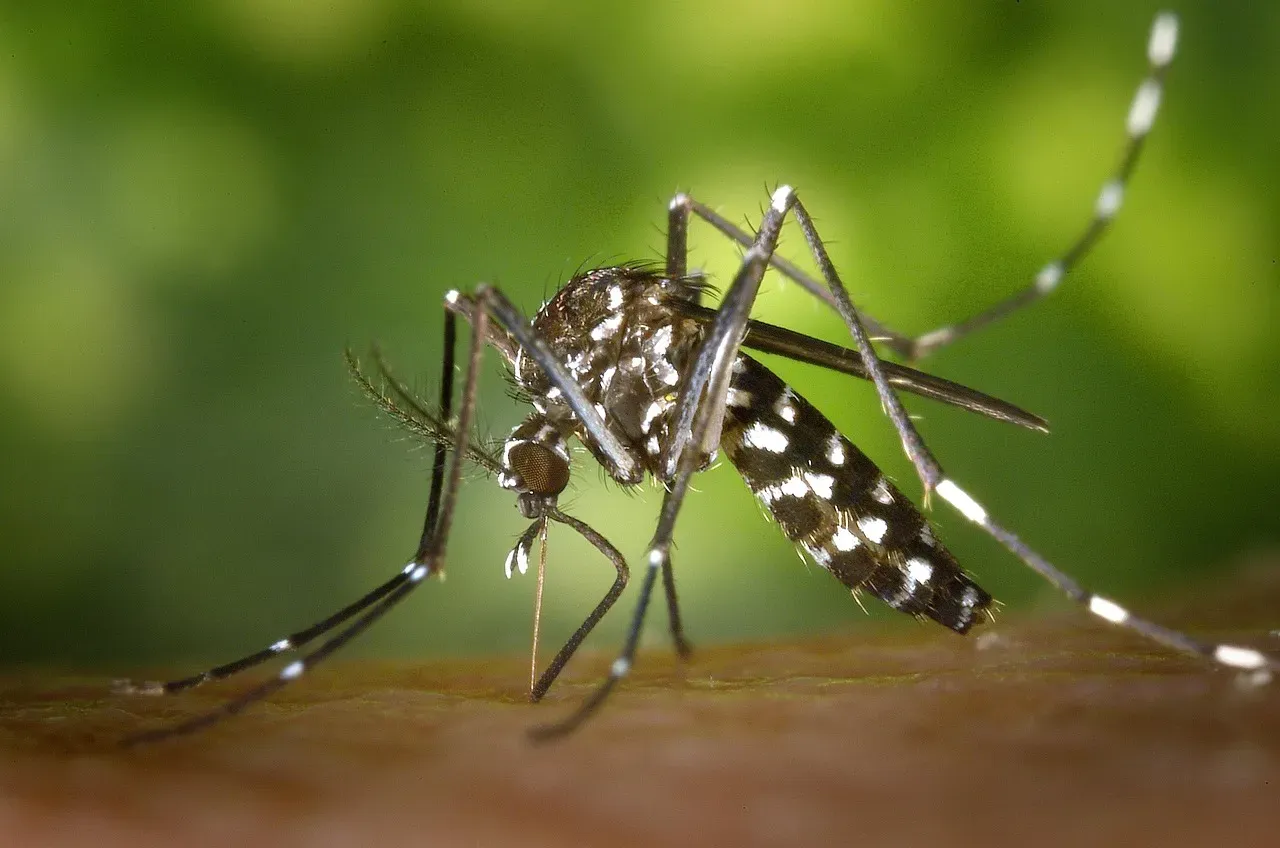
Avian malaria, a disease transmitted by invasive mosquitoes, is driving the extinction of Hawai’i’s forest birds, and for some species a single bite from an infected mosquito can be deadly. For a long time, the high-altitude forests of Kaua’i served as a natural refuge, simply too cold for mosquitoes to thrive at elevation.
Climate change has increased temperatures in high-elevation forests, allowing mosquitoes to reach areas that were once malaria-free. As those temperatures crept upward, the refuge shrank. The birds had nowhere left to go.
Just when the broad collaboration of government agencies, nonprofits, and countless individuals seemed to be making inroads in protecting the birds from predators like cats and rats, avian malaria upset the equation. Global warming had forced disease-carrying mosquitoes to the higher elevation habitats of the ‘akikiki and other Hawaiian honeycreepers. One by one, the deadly disease picked them off. It was, by any measure, a compounding crisis arriving faster than the tools to stop it.
Saying Goodbye – and Then Refusing To
In April 2024, a group of researchers hiked into a remote mountain valley on Kaua’i knowing it could be the last time they saw an ‘akikiki in the wild. “This was kind of a trip to say goodbye,” said Justin Hite, a longtime field supervisor for the Kaua’i Forest Bird Recovery Project.
Kaua’i’s ‘akikiki is now considered functionally extinct in the wild, with five or fewer wild birds remaining. Among those last individuals was a female bird the field team named Pakele, a Hawaiian word that means “to escape.” Pakele may have had avian malaria, but seemed to be unaffected by it, continuing to make nests and lay eggs.
There is hope, with the ‘akikiki being raised in captivity by the San Diego Zoo Wildlife Alliance. Some of Pakele’s offspring are among the birds being raised in captivity, and perhaps one day, when the threat of avian malaria is stamped out, they can be released back into Kaua’i’s forest. For the field teams who spent years in those forests, that possibility, however uncertain, remains what keeps the work going.
The Science Racing to Catch Up
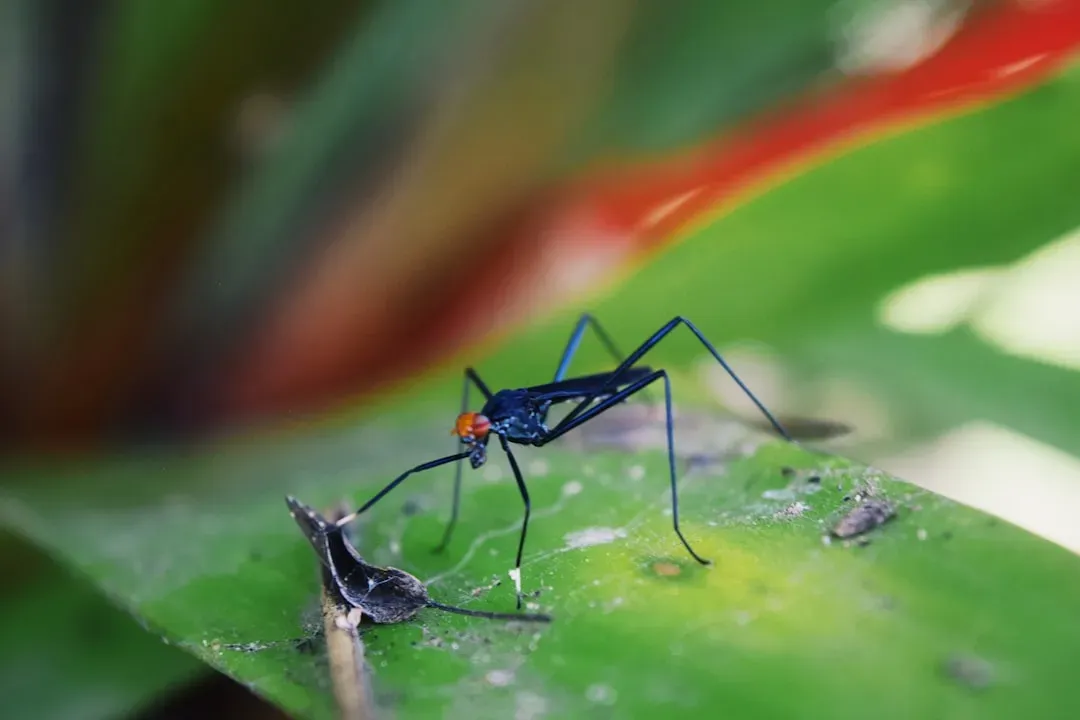
Warming temperatures have enabled non-native mosquitoes, the vectors of avian malaria, to spread further up the mountains. This leaves little to no refuge for Hawaiian honeycreepers, which lack immunity to malaria. Addressing that threat at its root is now the central focus of several active programs.
Conservation crews with the Maui Forest Bird Recovery Project spent 2024 implementing the Incompatible Insect Technique, designed to reduce the number of mosquitoes in forests and thereby reduce the threat of avian malaria. The tool was set to expand to Kaua’i in 2025. The approach involves releasing reproductively incompatible male mosquitoes to suppress breeding populations, rather than relying on pesticides.
Findings published in 2025 in Current Biology include new evidence that there is still time to save the critically endangered honeycreeper ‘akeke’e, though the window is rapidly closing. Models predict that, under current conditions, the ‘akeke’e is likely to go extinct in the near future. However, if mosquito control campaigns are effective at reducing malaria, recovery can still occur. These findings emphasize the urgency of ongoing mosquito control efforts. For the ‘akikiki, the same logic applies – only the timeline is already further gone.
North America’s Broader Bird Crisis
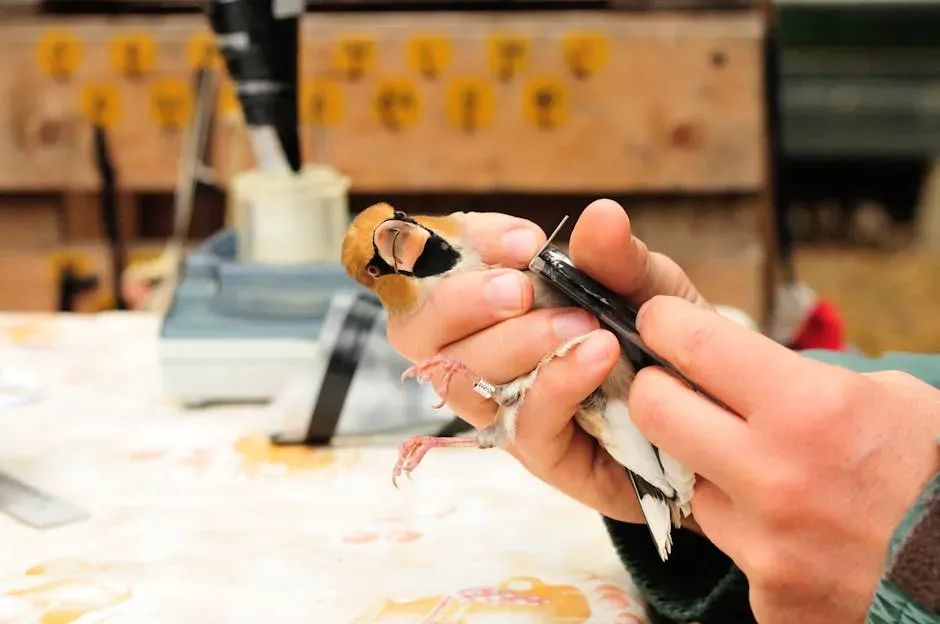
The ‘akikiki’s situation is extreme, but it exists within a much wider pattern of decline. The 2025 State of the Birds report is a status assessment of the health of the nation’s bird populations, and it highlights sobering evidence that America’s birds continue to decline across the board.
Birds are telling us that the habitats people depend on are vanishing. Declines are happening across the board: in grasslands, aridlands, western and eastern forests, in Hawaii’s fragile ecosystems, and with shorebirds and seabirds. The ‘akikiki is in many ways the sharpest expression of a pressure that is reshaping bird populations across the entire continent.
Some species do offer a counterpoint worth holding onto. A conservation plan put in place by the United States government led to the capture of all the remaining wild California condors by 1987, with a total population of only 27 individuals. These birds were bred at the San Diego Wild Animal Park and the Los Angeles Zoo, and beginning in 1991, condors were reintroduced into the wild. In December 2025, the Fish and Wildlife Service updated the world condor population to 607. It is slow, expensive, and imperfect – but it is real recovery.
Conclusion: The Question That Matters
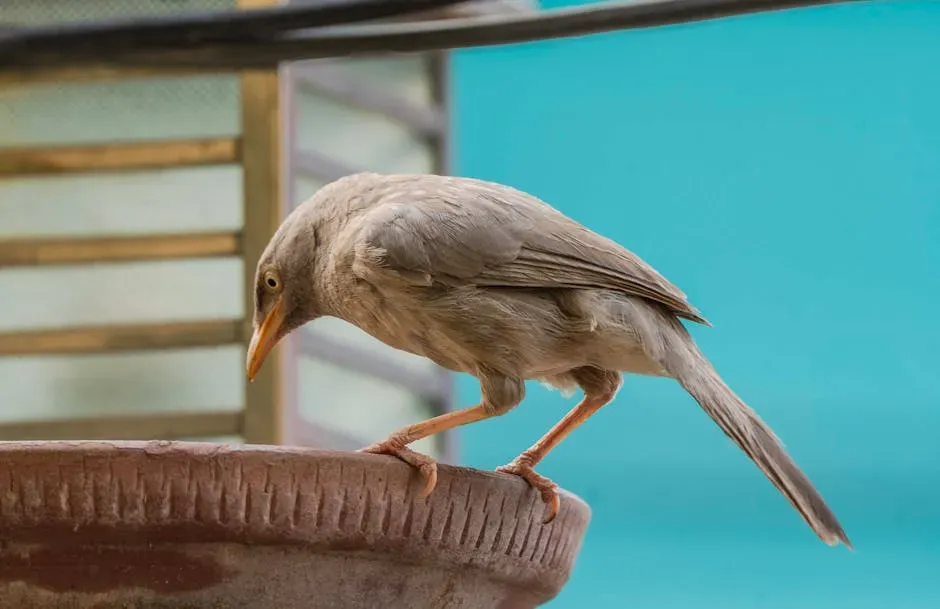
Can the ‘akikiki still be saved? The honest answer is: possibly, but only in a limited sense. Despite the existence of one, two, or three birds remaining in the wild, the species is considered functionally extinct. The best and only chance for a viable future lies with captive ‘akikiki at bird conservation centers operated by San Diego Zoo Wildlife Alliance. Perhaps one day, after the threat of avian malaria is stamped out, ‘akikiki can be released back into the high plateau, mountains, and deep valleys of Kaua’i.
Native Hawaiian participants in scientific consultations viewed management decisions around the ‘akikiki as akin to making end-of-life choices for members of their ‘ohana. While most thought immediate steps should be taken to prevent extinction, extinction was not always considered the worst-case scenario – the welfare of individual birds and their biocultural connection to their natural environment were significant considerations. That perspective adds a dimension to conservation that pure biology alone cannot capture.
What is clear is that the ‘akikiki reached this point not through one dramatic event, but through the slow accumulation of climate change, introduced species, and delayed action. Forty individuals in a captive breeding program is not a comfortable number. It is a thread. Whether that thread holds depends on the mosquito control programs now underway, the funding that supports them, and a willingness to treat the survival of a small island bird as something that genuinely matters. Some recoveries begin from smaller margins than this.
Worried about unexpected vet bills?
Pet insurance can cover thousands in unexpected vet costs. Get a free quote from Lemonade in under 2 minutes.
Get My Free Quote →Sponsored · Opens Lemonade.com

- The Ocean’s Deepest Creatures Hold Surprising Secrets to Longevity - June 10, 2026
- 6 Scents That Make Mosquitoes Target You First - June 10, 2026
- The Forgotten Deserts of America Where Wildlife Still Thrives - June 10, 2026