
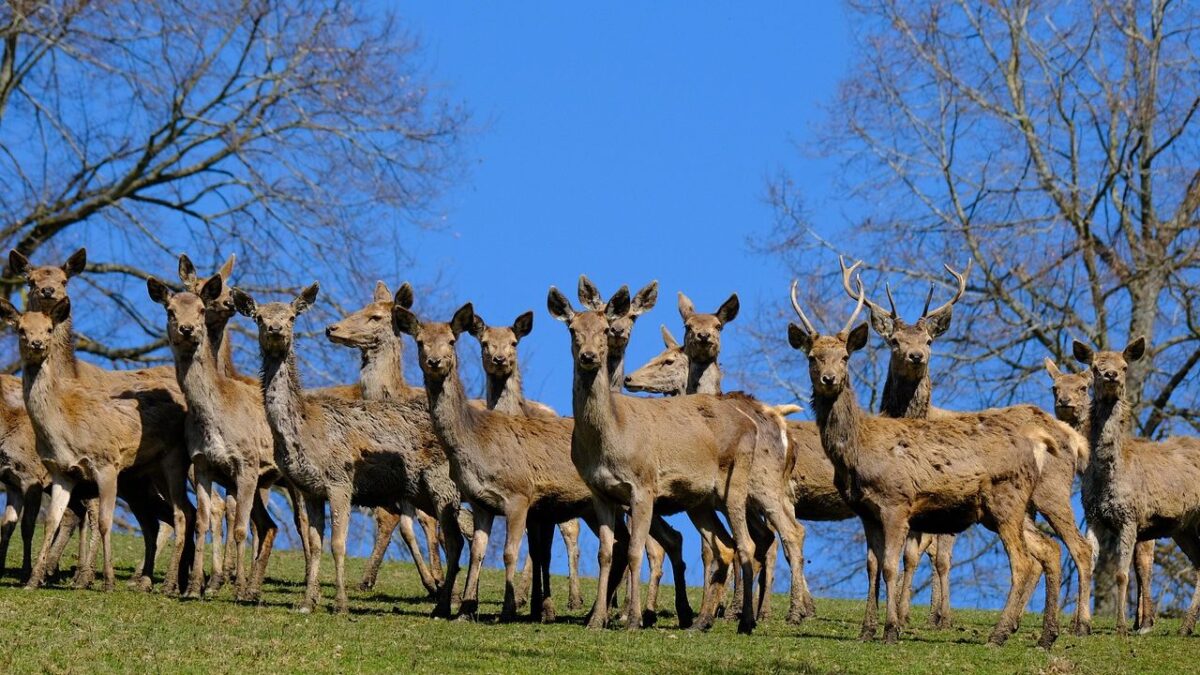
Most people who encounter a deer in the woods see a shy, solitary creature frozen at the edge of a tree line. It’s a reasonable impression. Deer are quiet, quick to vanish, and rarely do anything that looks like conversation. Yet beneath that stillness, an intricate social world is constantly in motion, carried not through words or sound but through tails, ears, posture, and scent.
Beneath their quiet presence lies a sophisticated communication system built on vocal sounds, body language, and scent marking. For white-tailed deer in particular, the species that dominates forests from the Midwest to the Atlantic coast, this silent language is the glue holding complex family networks together. Understanding it changes how you see every deer you’ll ever watch.
The Matriarch at the Center of It All
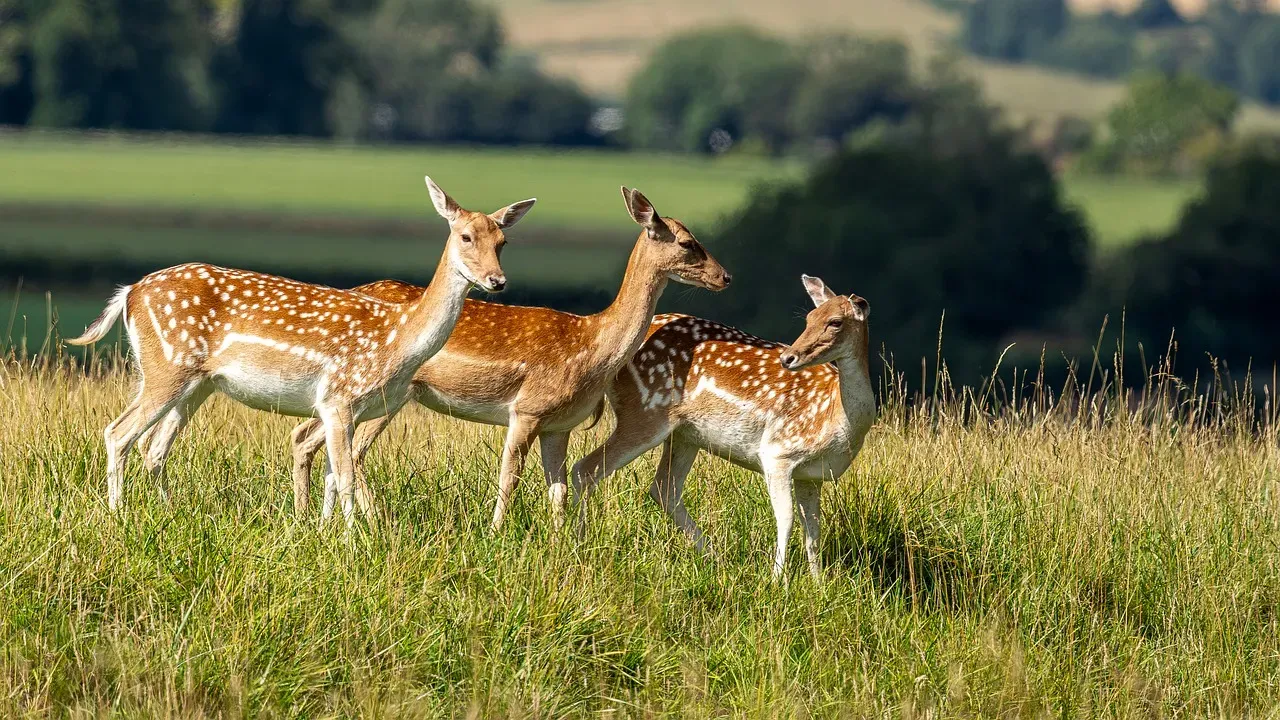
Female deer society is organized into groups in which the matriarch, or oldest female, establishes a home range where offspring often settle and remain throughout life. This isn’t just a loose gathering. It’s a structured lineage with real consequences for survival.
Social bonding has evolved as a means to better compete for resources, such as food and birth sites, and to better avoid the risk of predation. The social position of the matriarch determines the longevity of each group, with the experience of dominant females increasing offspring survival and reproductive success.
Biologists call it a “rose petal pattern”: if the area holds enough of the right habitat components, each successive generation of female offspring will establish a new home range adjacent to, but outside the eye of the mother’s range, creating a pattern that might look something like a rose, with each petal representing a different home range. It’s an elegant spatial record of family history written directly into the landscape.
Studies in Illinois showed that dominant females live significantly longer than subordinate females and produce more fawns that live to adulthood. Leadership, in deer society, genuinely matters.
Reading the Body: A Vocabulary of Posture and Tail
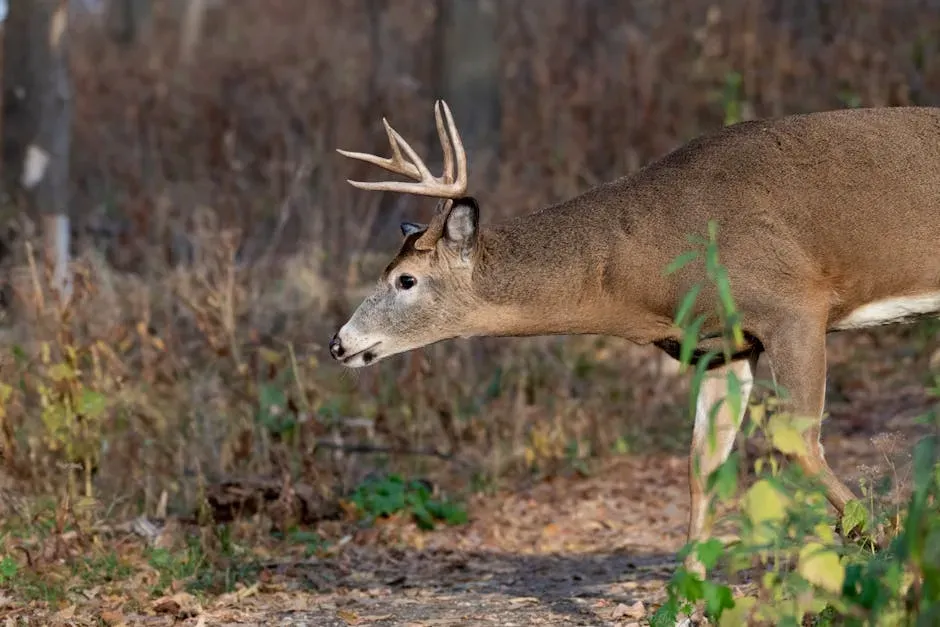
Like other animals, whitetails communicate through vocalization, body language, and scent. A deer uses its whole body, including ears, eyes, nose, hair, and tail, to warn other deer of potential danger, identify family members, convey family relationships, help find mates, and express mood, status, and intent.
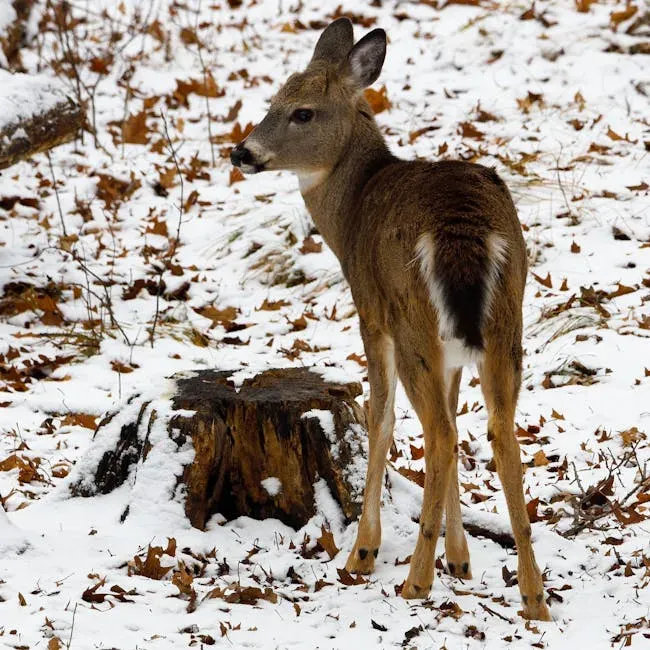
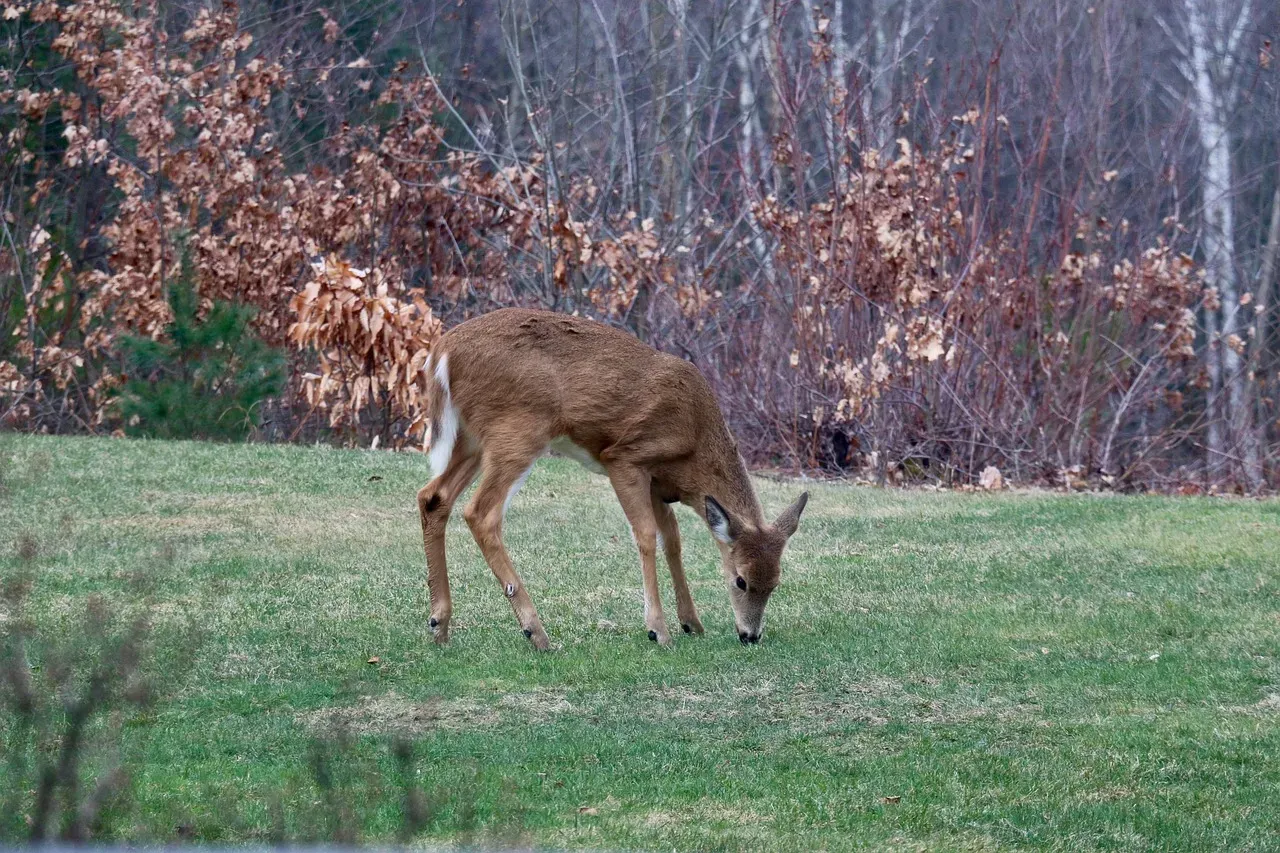
Deer communicate frequently through the use of their tail. A relaxed or twitching tail usually means calmness, while an alert or flared tail communicates uneasiness. These signals operate at a distance, working even when verbal communication would alert a predator.
The ultimate warning is the uplifted tail as the deer bounds to safety. When the tail is raised, its highly visible white underside is exposed. A startled deer may skip any or all of the preliminary signals, but it almost always displays the flaglike tail as it runs away. Remarkably, tail flagging helps keep a group of deer together, especially in heavy brush or thickets.
When a mother doe becomes alert and stops in her tracks, her fawns will immediately freeze as well. If the doe determines the alarm was a false one, she will indicate “everything is OK” to her offspring with a swish back and forth of her tail. That simple gesture is a complete sentence in the deer’s world.
Scent Marking: The Forest’s Invisible Bulletin Board
The use of scents is the most complex form of whitetail communication. Scent marking involves using urine and gland secretions to establish territory and signal reproductive readiness. Much of this activity leaves lasting messages long after the sender has moved on.
Scrapes are sites for chemical communication by white-tailed deer during the breeding season. Does visit scrapes regularly to see who is in the neighborhood and even advertise their own presence. These aren’t just territorial markers for males. They function more like community message boards.
When bucks strip bark from trees with their antlers, they leave both visual and scent markers. Rubs are signs of territory, strength, and presence. Large mature bucks may rub large trees, and these rubs seem to be special signposts revisited each year.
The interdigital gland, located between the toes, leaves a scent specific to that individual deer as it walks or when it stamps its foot. Every path a deer takes through the forest is, in a very literal sense, a signed trail.
Bachelor Groups, Family Units, and the Seasonal Shift
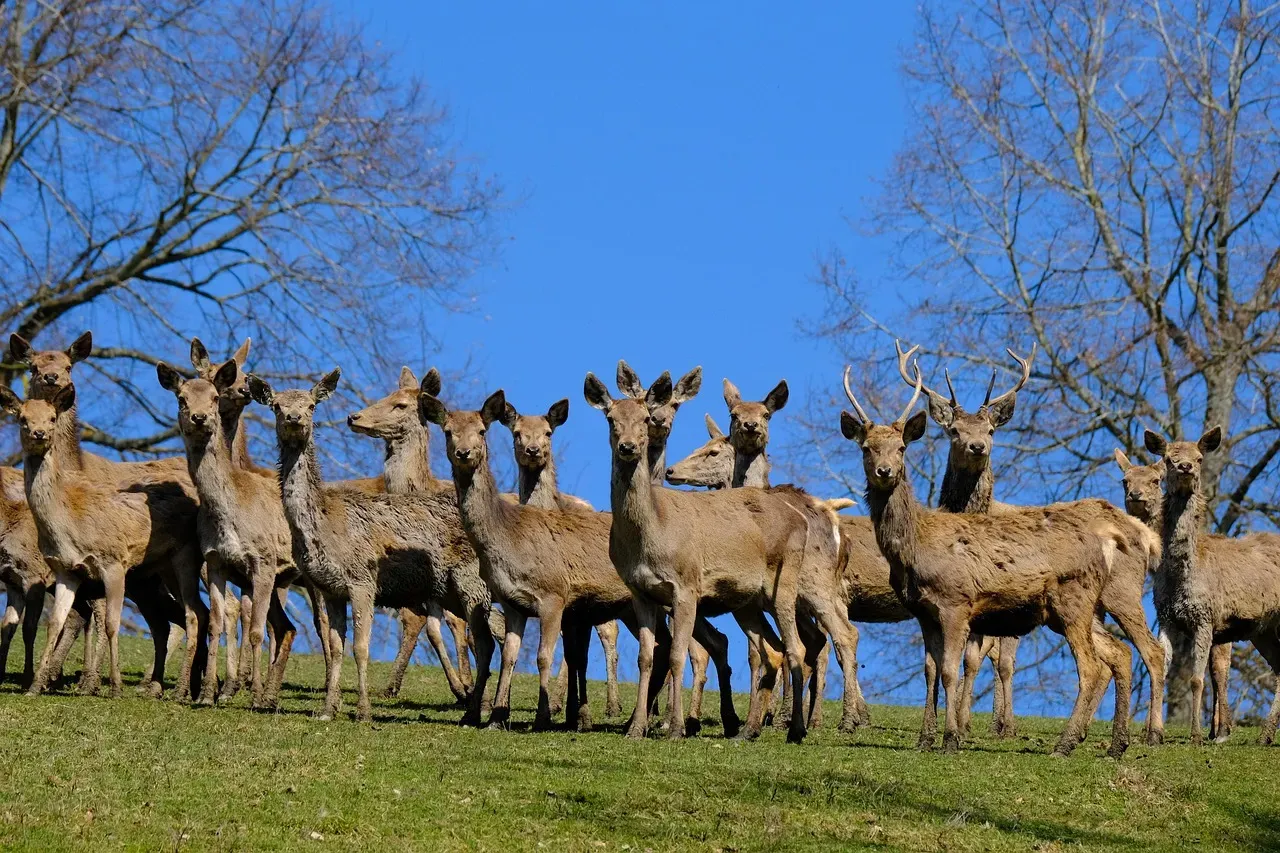
Bucks generally remain in bachelor groups from the end of winter until just after velvet shedding in the fall. These are loose, temporary aggregations of non-breeding males, often consisting of two to five individuals of varying ages. They benefit from shared vigilance while their antlers are growing, and interactions within this group are generally peaceful, though a dominance hierarchy is established through sparring and ritualized displays.
The female side of the forest operates very differently. The most stable and enduring group is the maternal unit, which forms the core of deer society. It typically consists of an adult doe, her current fawns, and her female offspring from previous years, forming a lineage-based, matriarchal structure.
A major shift occurs in late spring as fawning season approaches. Pregnant does intentionally separate themselves from the maternal unit just before giving birth, seeking seclusion to minimize the risk of a new fawn being detected by predators. Once the fawn is mobile, typically after a few weeks, the doe and her offspring rejoin the maternal unit, re-establishing the stable matriarchal core for the rest of the year.
When ecological conditions demand it, a third grouping emerges: the mixed or winter herd. During periods of deep snow or severe resource scarcity, multiple maternal and bachelor units converge into large, temporary herds. Survival, in those moments, outranks social preference.
What Research Reveals About Bonds, Landscape, and Memory
After a decade of following and studying more than 1,200 live-trapped deer and fitting them with ear tags and GPS radio collars, Pennsylvania researchers have gained an unprecedented look into the behavior of one of North America’s most widespread mammals. The data has upended some long-held assumptions.
Matrilineal home ranges in white-tailed deer tend to be very stable in space even over multiple generations. Deer also rely on memory and pattern recognition. They learn from past encounters, remember where food and water are found, and avoid areas where they sense danger. A doe’s knowledge of her territory isn’t instinct alone. It’s accumulated experience passed through generations.
Fawns learn survival skills from their mothers. Mothers teach them foraging techniques, predator avoidance strategies, and social behaviors. Fawns also learn by observing and imitating other deer in their social group. The line between instinct and learned knowledge blurs considerably in a deer family.
Landscape connectivity has some effect on the social structure of deer at the population level, independent of space sharing. Network connectivity was found to be higher in agricultural areas and areas with high connectivity of edge and lower in forested areas. The shape of the land, in other words, quietly shapes the shape of deer society.
Conclusion: A Quieter Kind of Complexity
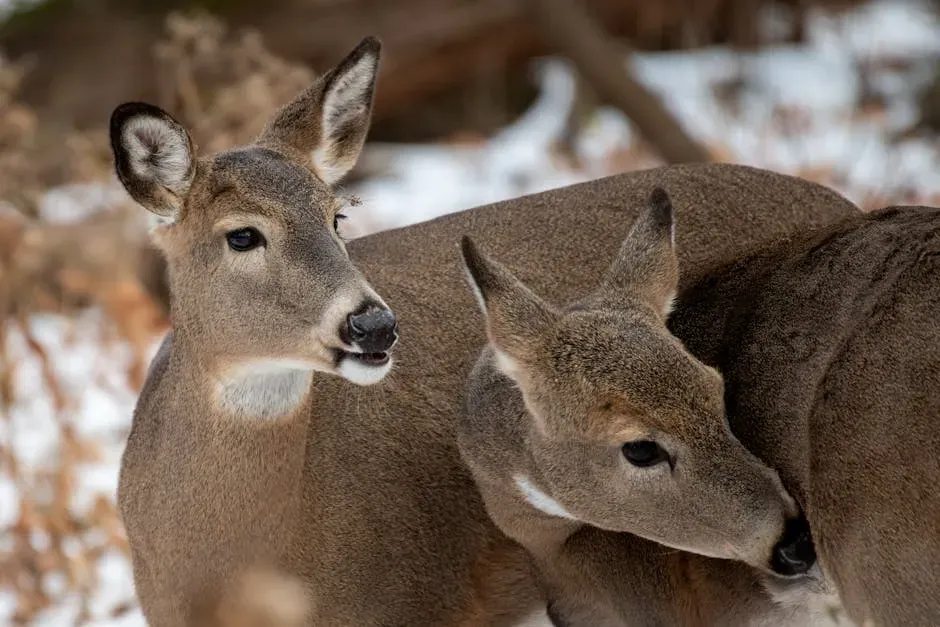
There’s a tendency to reserve the word “complex” for the obvious performers of the animal world, the wolves, the elephants, the primates. White-tailed deer, common as they are, rarely make that list. They probably should.
Social behavior of white-tailed deer has important implications for the long-term dynamics and impact of diseases and other ecological factors, making expanding our understanding of their social system genuinely important. The more researchers look, the more they find a species whose inner life is richer than its quiet exterior suggests.
A deer pausing at the forest’s edge isn’t just being cautious. It’s reading a conversation that has been happening in the trees, on the ground, and in the air for hours before you arrived. Learning to notice that is its own reward, a small, steady reminder that the most layered stories are often the ones told without a single sound.
