
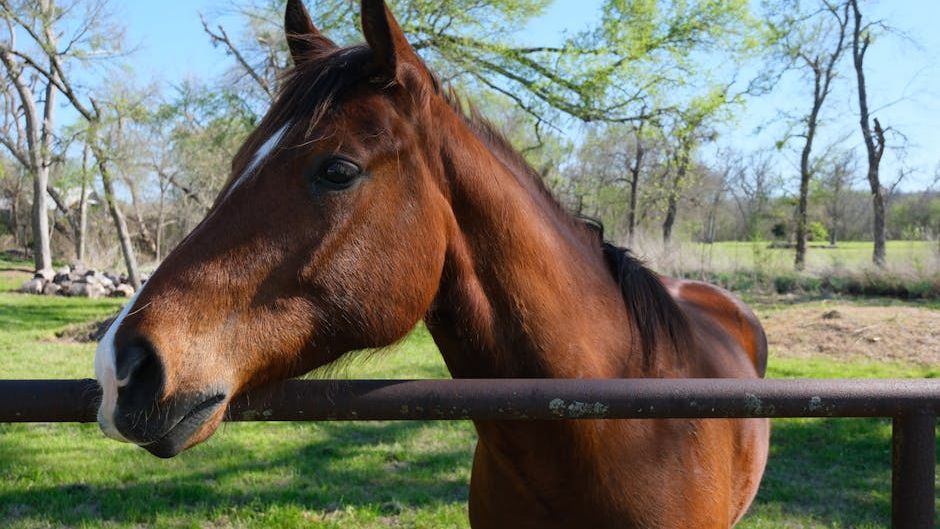
Worried about unexpected vet bills?
Pet insurance can cover thousands in unexpected vet costs. Get a free quote from Lemonade in under 2 minutes.
Get My Free Quote →Sponsored · Opens Lemonade.com
Most people picture wild horses running free across Nevada’s dusty basin lands or Wyoming’s high plains. Texas rarely enters that conversation. Yet across the Lone Star State, in places as surprising as an East Texas woodland sanctuary and a quiet Robertson County ranch, horses descended from the same Spanish bloodlines that once thundered across South Texas are finding their footing again.
Old maps of Texas labeled entire swaths of the state “wild horse desert,” a land once estimated to be home to nearly one million wild horses. That era is long gone. Those mustangs roamed in herds, but today, in Texas, none of those original wild herds remain. Still, something unexpected is happening: through sanctuaries, preservation ranches, and dedicated organizations scattered across the state, wild horses are quietly thriving in corners of Texas few would ever expect.
A Deep History Rooted in Spanish Soil
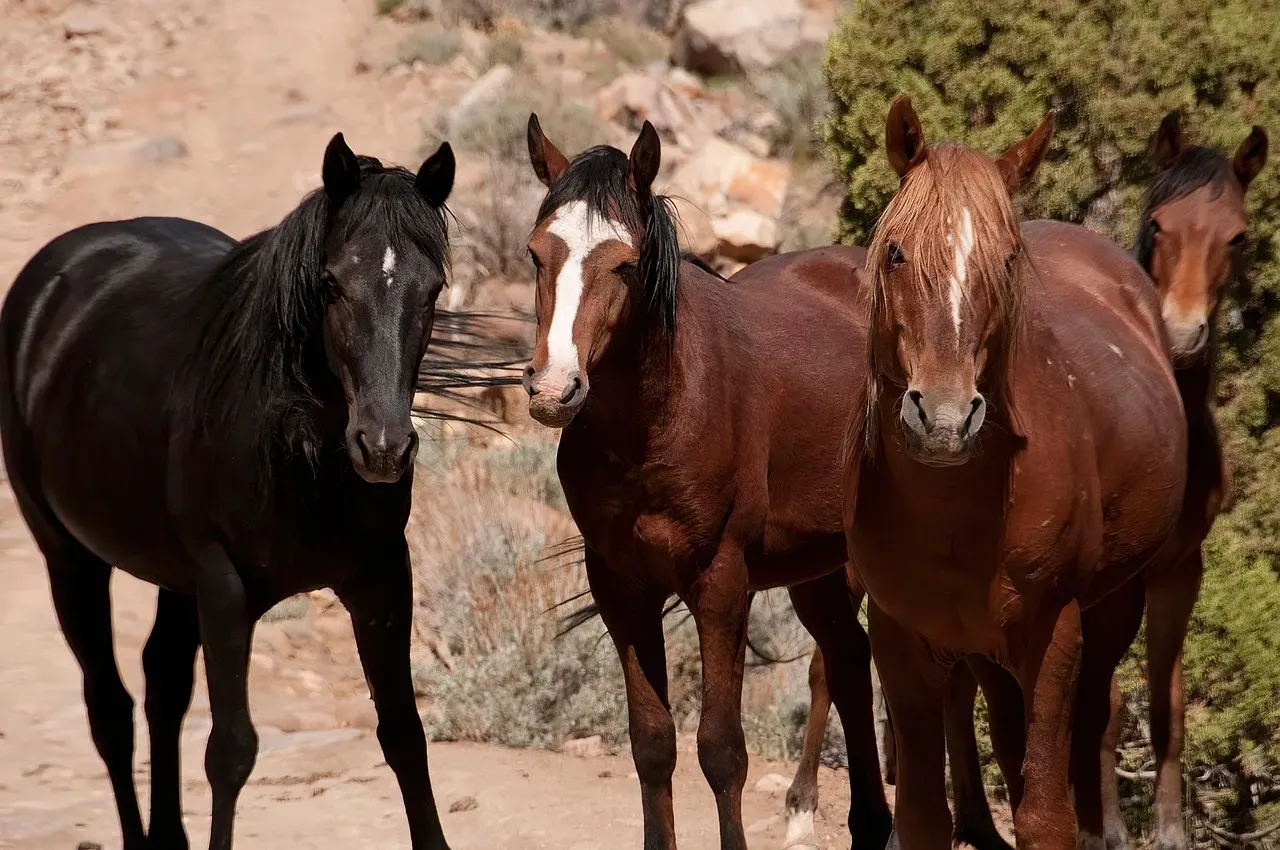
The story of wild horses in Texas didn’t start with cowboys. It started with conquistadors. Although horses were brought from Mexico to Texas as early as 1542, a stable population did not exist until 1686, when Alonso de León’s expedition arrived with 700 horses.
From there, later groups brought up thousands more, deliberately leaving some horses and cattle to fend for themselves at various locations, while others strayed. By 1787, these animals had multiplied to the point that a roundup gathered nearly 8,000 free-roaming mustangs and cattle.
West-central Texas, between the Rio Grande and Palo Duro Canyon, was said to have the most concentrated population of feral horses in the Americas. That’s a staggering claim that puts Texas firmly at the center of North American horse history.
The original Spanish mustangs became foundation stock for many American breeds, including quarter horses. The many remarkable qualities of the Spanish mustang, particularly its endurance, made it the horse of choice for most frontiersmen and cowboys. Every cattle range in Texas used mustangs.
How Texas Lost Its Wild Herds
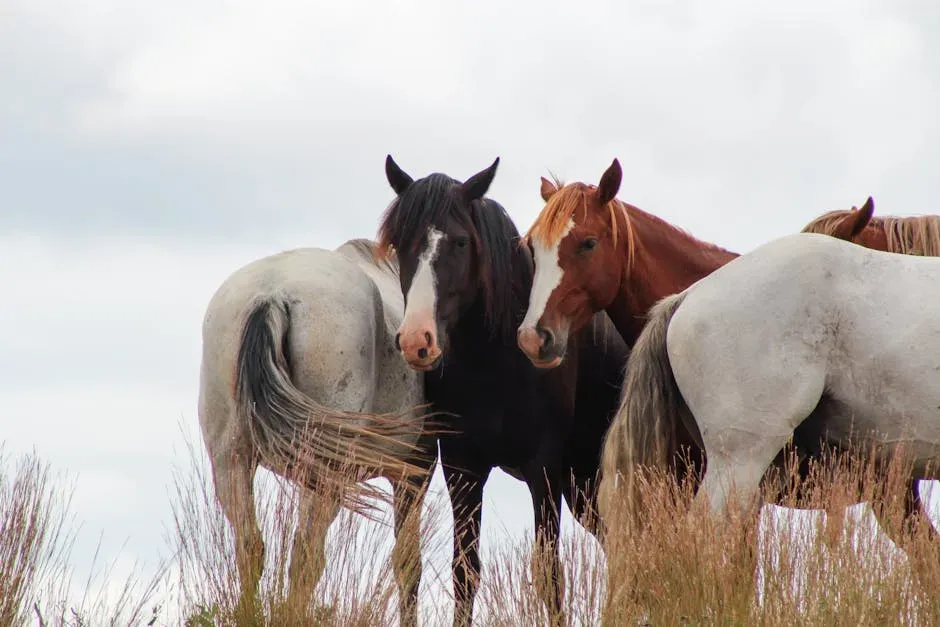
The decline was rapid, and the causes were many. The decline in Texas’ wild mustang population can be largely attributed to the ever-growing agricultural industry. As ranchers and farmers sought more land to cultivate crops and raise livestock, their expansion resulted in the loss of natural habitats for these animals. The competition for resources such as food and water forced many mustangs to relocate or become reliant on human intervention.
Toward the end of the 1850s, hunting had brought the wild mustangs close to extinction, and the parcel of land between the Nueces River and the Rio Grande was disputed territory recognized officially as the Wild Horse Desert.
By the late 1800s, mustangs had disappeared even from Texas’ Mustang Island, named for the abundance of the breed. Though there aren’t any truly wild mustangs left in Texas today, a small number continue to roam public lands in Western states. The open range that had sustained millions of horses for centuries was simply fenced out of existence.
In the 20th century, the wild mustang population in Texas further dwindled as modern advancements in agriculture and transportation made horses less essential in daily life. Ranchers began to view the wild mustangs as competition for resources with their own livestock, and as a result, many were captured and sold, or killed.
East Texas: The Unlikely Heart of Mustang Sanctuary Life
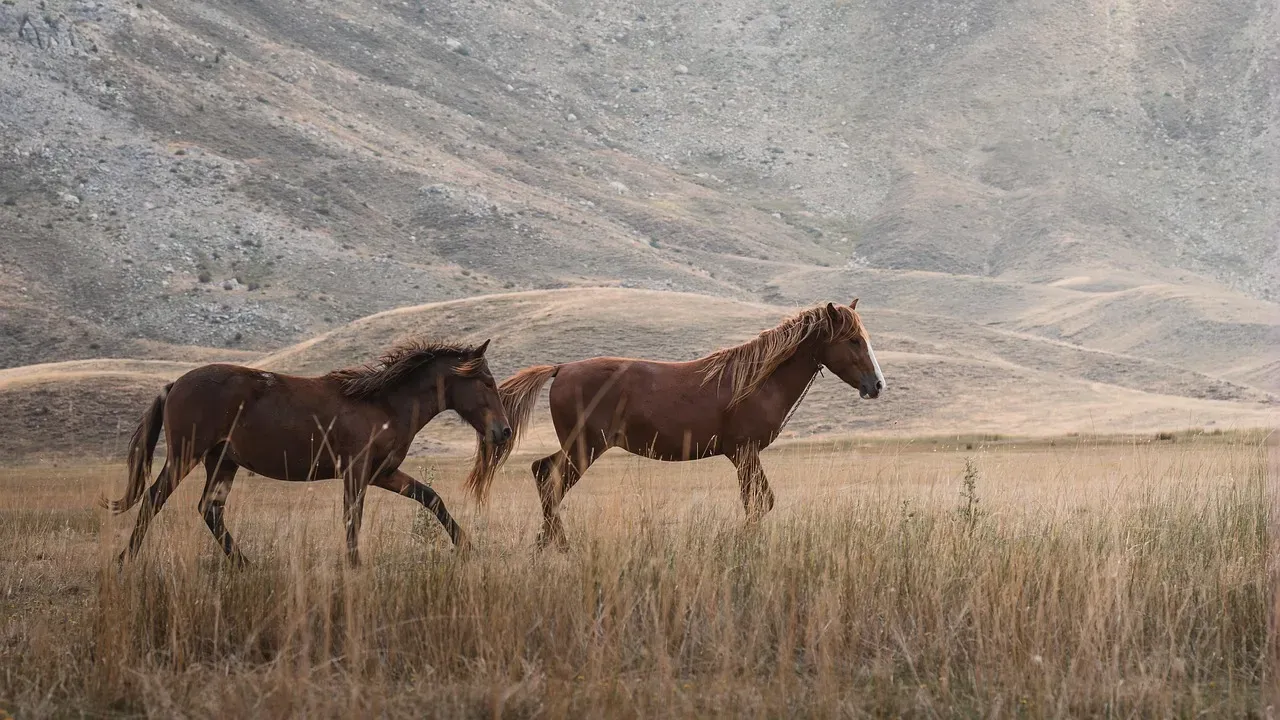
The comeback story, at least in part, is unfolding in a green and wooded corner of East Texas that looks nothing like the scrubland of the old Wild Horse Desert. Black Beauty Ranch is a 1,400-acre animal sanctuary in Murchison, Texas, operated by Humane World for Animals, where nearly 650 rescued animals representing over 40 different species live in natural habitats.
As the first wild mustangs from the Bureau of Land Management were released from quarantine paddocks at Black Beauty Ranch late last year, they hesitated by the gate to the 800-acre pasture that would be their new home. Then the 15 horses set out toward Black Beauty’s “Grand Pasture” to move among more than 200 horses who receive veterinary checks as needed but are otherwise not handled. The mustangs dispersed across the gentle hills.
Fifteen Bureau of Land Management horses arrived in one batch, 14 more in January, and another 16 in March, for a total of 45 accepted by the sanctuary. These aren’t horses bred in captivity. They’re animals gathered from overpopulated western rangelands who were passed over for adoption three times before finding their way to Murchison.
The agency removed these “third-strike” mustangs from the range in Oklahoma to prevent the wild horse population from growing too large. The horses spent months in small pastures at a short-term holding facility. They were offered up for adoption but landed at Black Beauty because they were passed over three times.
Central Texas and Beyond: Preservation from the Ground Up
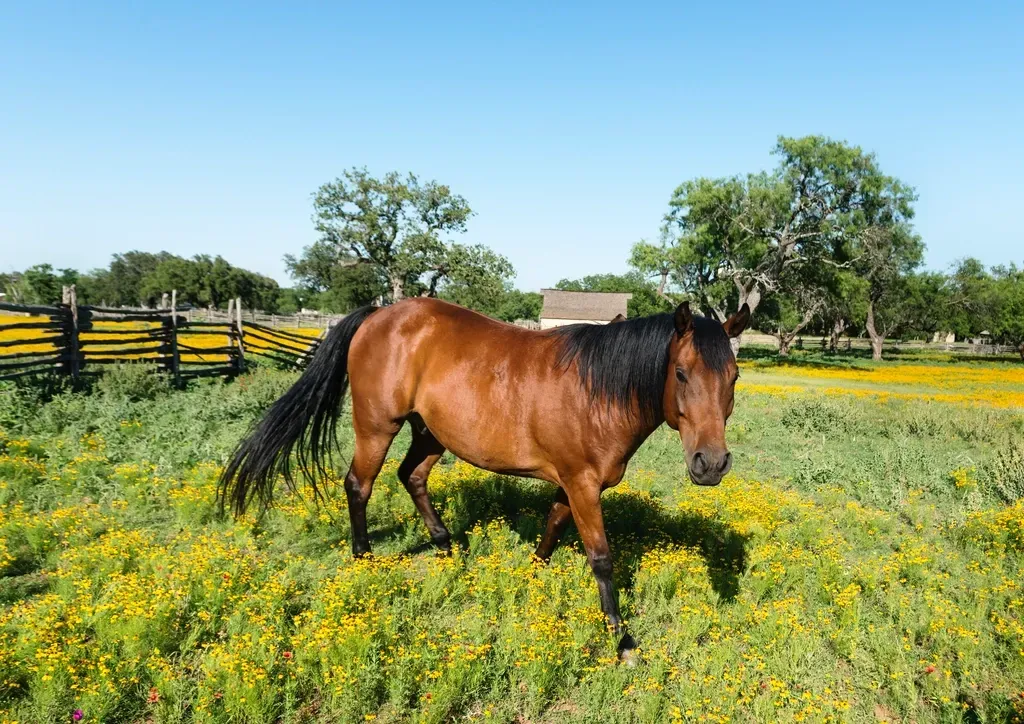
East Texas isn’t the only place where wild horse culture is taking root. In Central Texas, a quieter kind of conservation work has been under way for some time. Wild Horse Foundation is located in Central Texas in Robertson County, where the facility sits on 111 acres and is home to a number of born-wild horses and domestic horses.
The foundation is a nonprofit organization whose mission is to prevent the American mustang from suffering abuse, neglect, and slaughter. It is dedicated to helping preserve and promote the Wild Horse and Burro Adoption Program through the Bureau of Land Management, offering and sponsoring mentor assistance training and education programs to the public about the uniqueness of the wild horse.
Meanwhile, rescue organizations elsewhere in the state are filling in the gaps. Rescued animals roam sprawling fenced spaces at the Pegasus Project ranch near Ben Wheeler, about 25 miles west of Tyler. The Pegasus Project is one of several equine adoption facilities around the state. Others include the Bluebonnet Equine Humane Society, Wild Horse Foundation, and Blue Moon Sanctuary.
Concerted Spanish mustang breeding efforts began in the 1950s, as enthusiasts worked to preserve the breed using careful lineage registries. With around 65 horses, the 150-acre Karma Farms in Marshall is one of the largest breeders of Colonial Spanish horses in the state. These preservation efforts matter more than they might appear. The Colonial Spanish mustang is the genetic thread connecting modern Texas to its deep equine past.
The Bigger Picture: Policy, Population, and an Uncertain Road Ahead
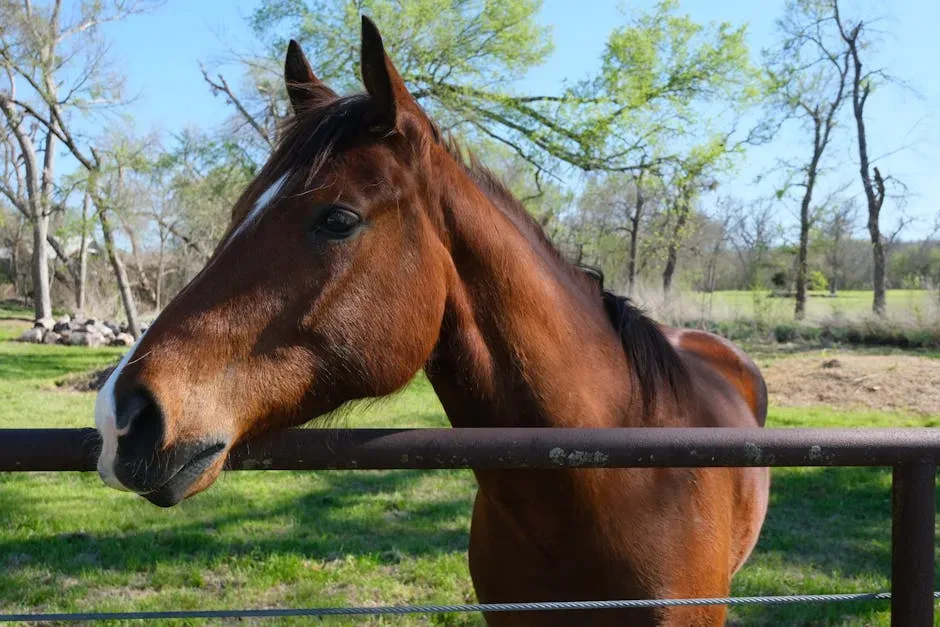
The flourishing of wild horses across unexpected corners of Texas doesn’t exist in a vacuum. It’s shaped by federal policy, limited public land, and a national population management challenge that grows more complex each year. In March 2024, the Bureau of Land Management released a new population estimate of approximately 73,000 wild horses and burros on public rangelands, a decrease from the previous year yet still far above the sustainable threshold.
The agency houses 62,000 wild horses in off-range pastures and facilities, costing taxpayers over one hundred million dollars in 2023. The total wild horse population, including animals on and off public rangeland, has reached nearly 145,000. Texas sanctuaries help absorb some of that pressure, offering overflow horses a livable alternative to overcrowded federal holding pens.
Wild horses and burros placed into private care help support the management and protection of wild herds on public lands, which, with virtually no natural predators, can grow rapidly and overrun the forage and water available to them if not managed. Texas sanctuaries and foundations play a direct role in that equation.
Controversy surrounds the sharing of land and resources by mustangs with the livestock of the ranching industry, and also with the methods by which the BLM manages their population numbers. In Texas, those tensions are felt differently than in Nevada or Wyoming, since the state lacks designated federal herd management areas. The horses that flourish here do so almost entirely through private and nonprofit initiative.
Conclusion
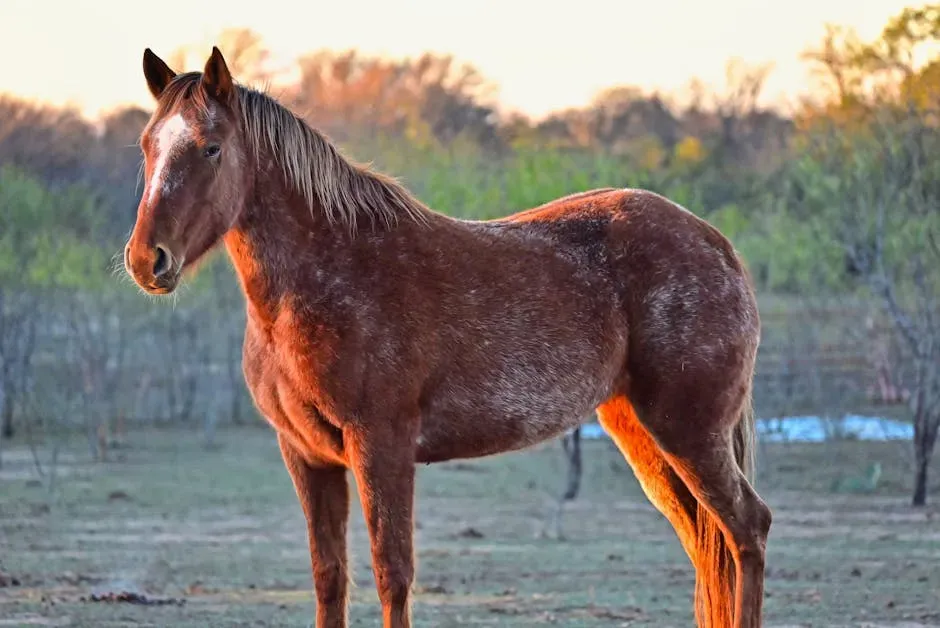
Texas wild horses occupy a genuinely strange position in the American story. The mustang is a free-roaming horse of the Western United States, descended from horses brought to the Americas by the Spanish conquistadors. Mustangs are often referred to as wild horses, but because they are descended from once-domesticated animals, they are actually feral horses. That distinction rarely softens how people feel when they see one running free.
What’s happening in Texas today isn’t a return to the old Wild Horse Desert. It’s something different: a patchwork of sanctuaries, foundations, and breeding programs spread across landscapes the mustang’s ancestors never knew. Though the horses at these sanctuaries don’t run as free as their ancestors, they embody the resilience and work ethic pivotal to Texas’ cowboy ethos, and their preservation ensures a piece of the state’s identity lives on for centuries to come.
The unexpected corners of Texas where wild horses now thrive aren’t a consolation prize. They’re proof that conservation, when it’s done with patience and genuine commitment, can find a way even in the most unlikely landscapes. A mustang grazing the East Texas hills is a long way from the Nueces River plains. Still, it’s alive, and that means something.
Worried about unexpected vet bills?
Pet insurance can cover thousands in unexpected vet costs. Get a free quote from Lemonade in under 2 minutes.
Get My Free Quote →Sponsored · Opens Lemonade.com

- 15 Horse Breeds Vets Say Have Become Dangerously Popular With First-Time Owners – And It Never Ends Well - June 10, 2026
- Neuroscience Says Your Cat Kneads You Because It’s Reliving a Comfort Memory From Infancy - June 10, 2026
- Anthropology Says Ancient Humans Who Buried Their Dead With Flowers 130,000 Years Ago May Have Had a Concept of an Afterlife Far Earlier Than Any Religion We Know - June 10, 2026