
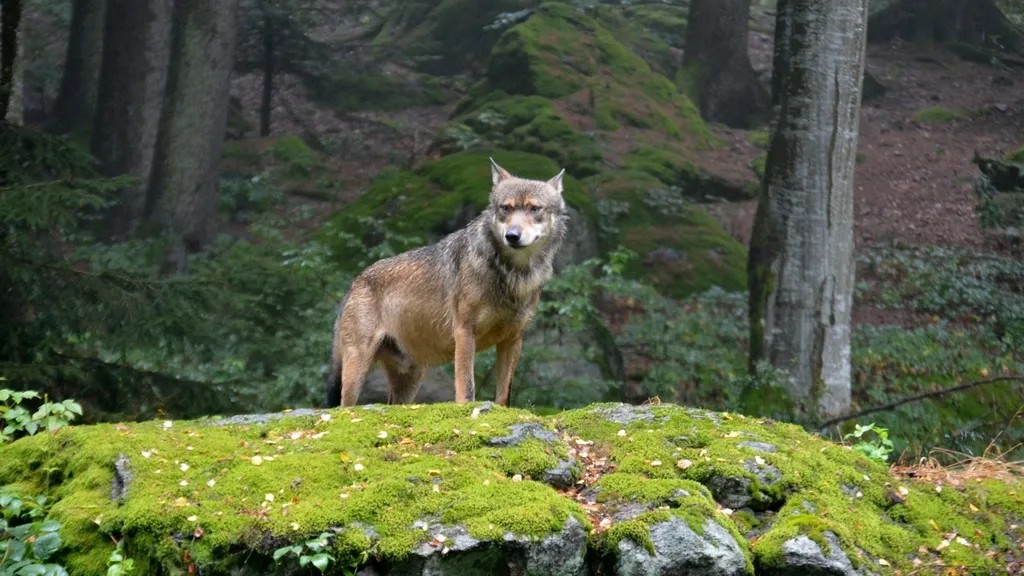
Coyotes have earned a reputation as sneaky villains in stories and news reports. These adaptable canines roam from remote deserts to busy city parks, often sparking fear based on half-truths. Getting the facts straight reveals them as vital parts of healthy ecosystems.
They help control rodents and clean up carrion, benefiting everyone around. Far too many ideas about their habits simply don’t match reality. Time to set the record straight on the biggest misconceptions.
1. Coyotes Lure Dogs Away for a Pack Ambush
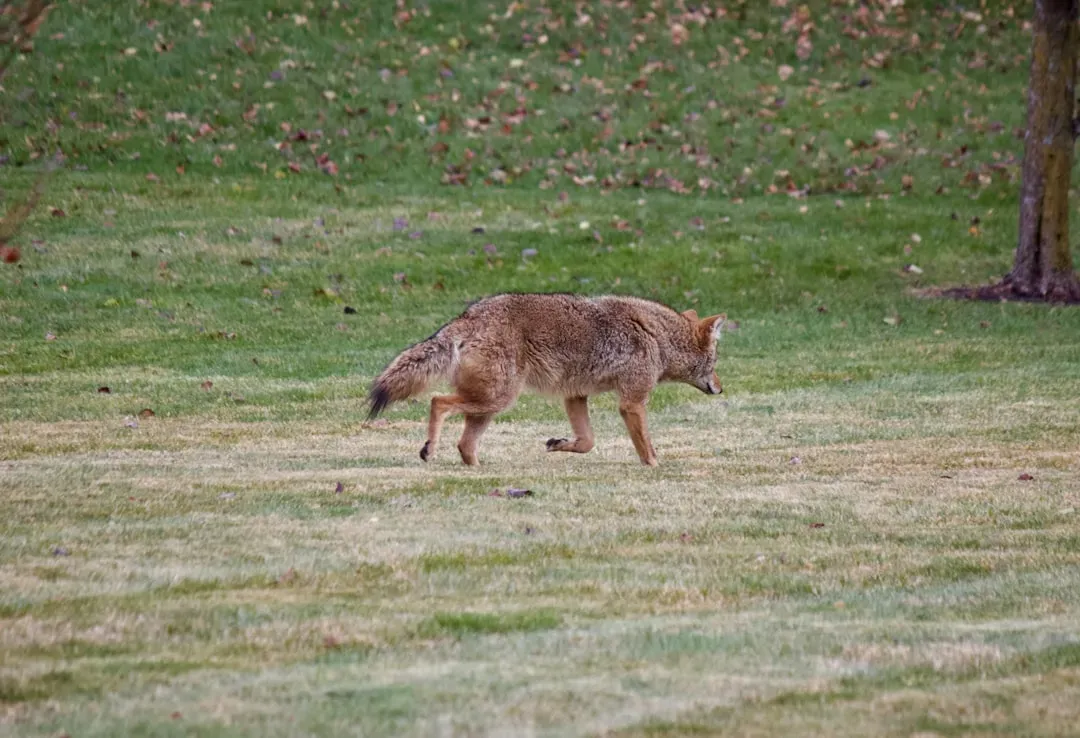
Stories circulate about a single coyote approaching a pet to lead it into a trap set by waiting family members. Dogs, driven by curiosity, often chase coyotes instead, ignoring retreat signals common to canines.[1][2] Coyotes then defend themselves if cornered, turning play into peril.
No evidence supports deliberate luring tactics. Similar body language between species sparks misunderstandings. Leashing pets keeps interactions from escalating.
2. Daytime Coyote Sightings Mean Rabies
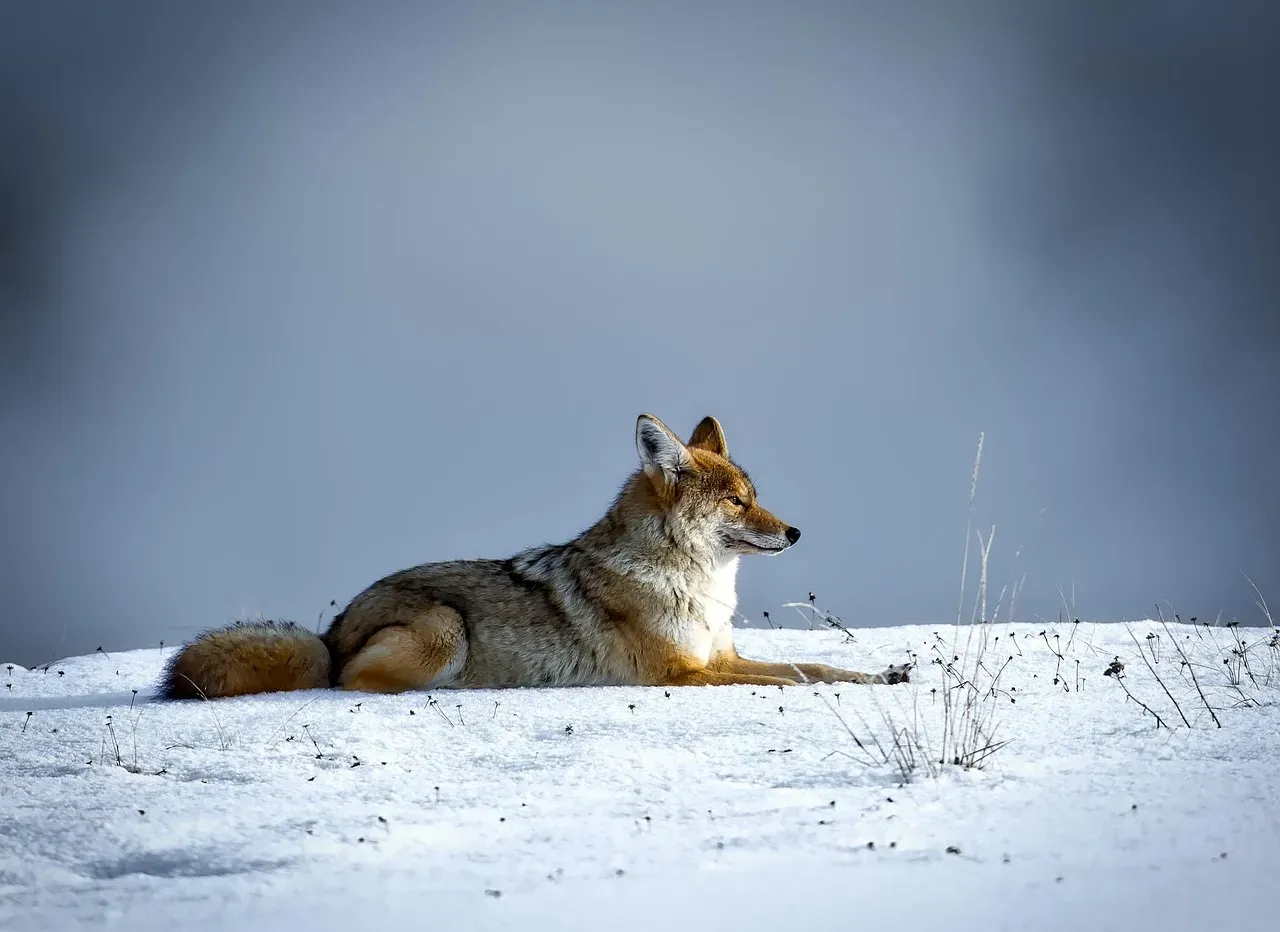
Spotting a coyote in broad daylight raises alarms of sickness or aggression. These animals follow crepuscular patterns, most active at dawn and dusk, yet they forage opportunistically around the clock.[1][3] Food like rodents or fruit dictates their schedule more than strict night rules.
True rabies shows in stumbling gaits or bold advances, not casual daytime wanderings. Urban adaptability pushes them into view during human routines. Healthy ones simply go about their business.
3. Coyotes Routinely Threaten Human Safety
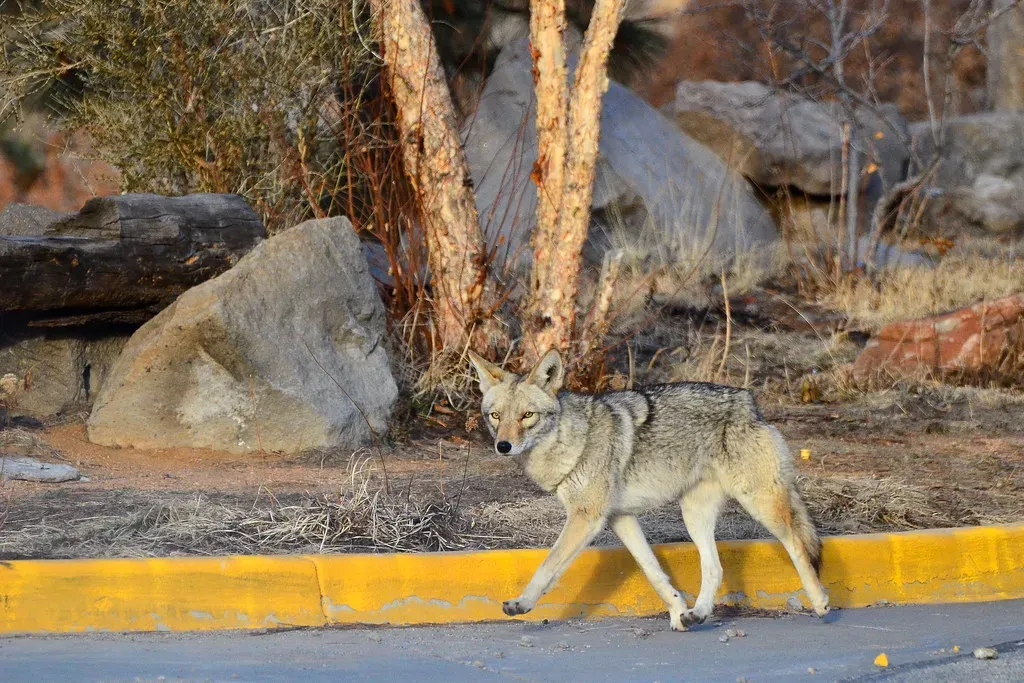
Fear paints coyotes as bold attackers stalking neighborhoods. They naturally steer clear of people, with bites far rarer than mishaps like falling golf balls.[1][4] Habituation from food handouts sparks rare issues, easily prevented by hazing.
Quick learners, they respond to shouts or gestures reinforcing wariness. Most encounters end with the coyote fleeing. Respecting space protects everyone involved.
4. Coyotes Roam in Large Wolf-Like Packs
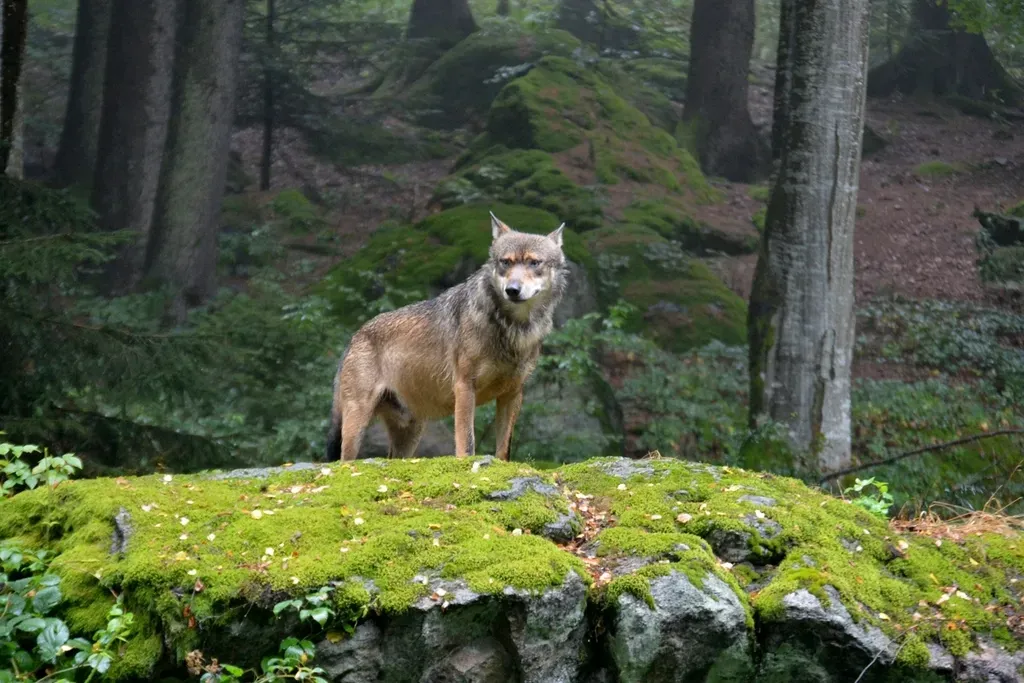
Images of massive coyote gangs hunting together mimic wolf lore. Family units typically number three to seven, with solo wanderers common too.[3][4] Breeding pairs lead, curbing offspring reproduction to stabilize size.
Complex vocalizations create sounds of bigger groups. Prey abundance sways group dynamics seasonally. Small crews suit their flexible lifestyles.
5. Howling Signals a Fresh Kill or Hunt
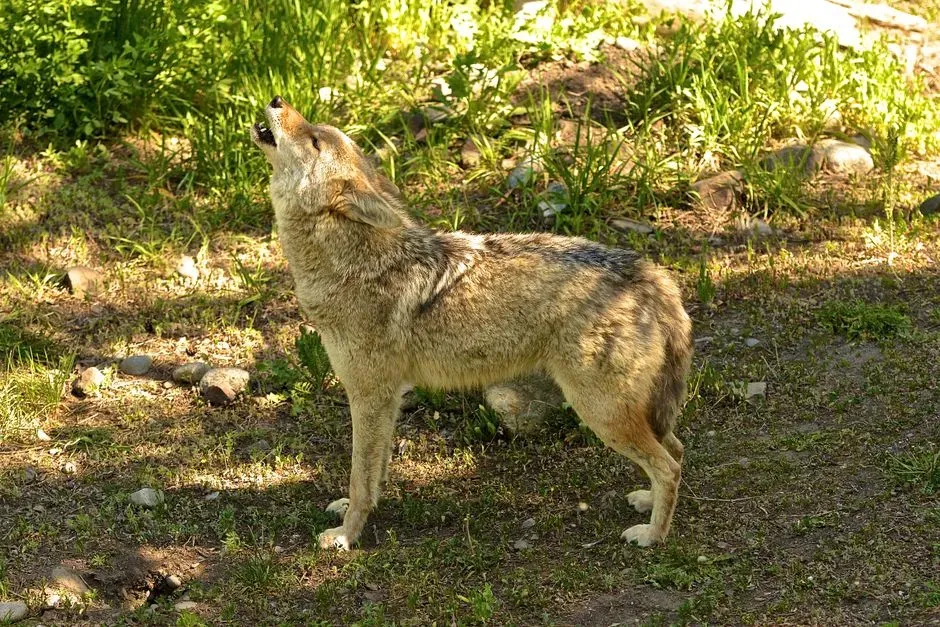
Nighttime yips and howls get blamed on celebrating meals or rallying for attacks. Vocalizations serve as family GPS, marking territory or reuniting members.[1][4] Solitary rodent hunts rarely warrant fanfare.
Sharing small catches doesn’t prompt song, which might scare off more food. Joyful greetings or warnings fill the air instead. Listen closer, and patterns emerge.
6. Killing Coyotes Keeps Populations in Check
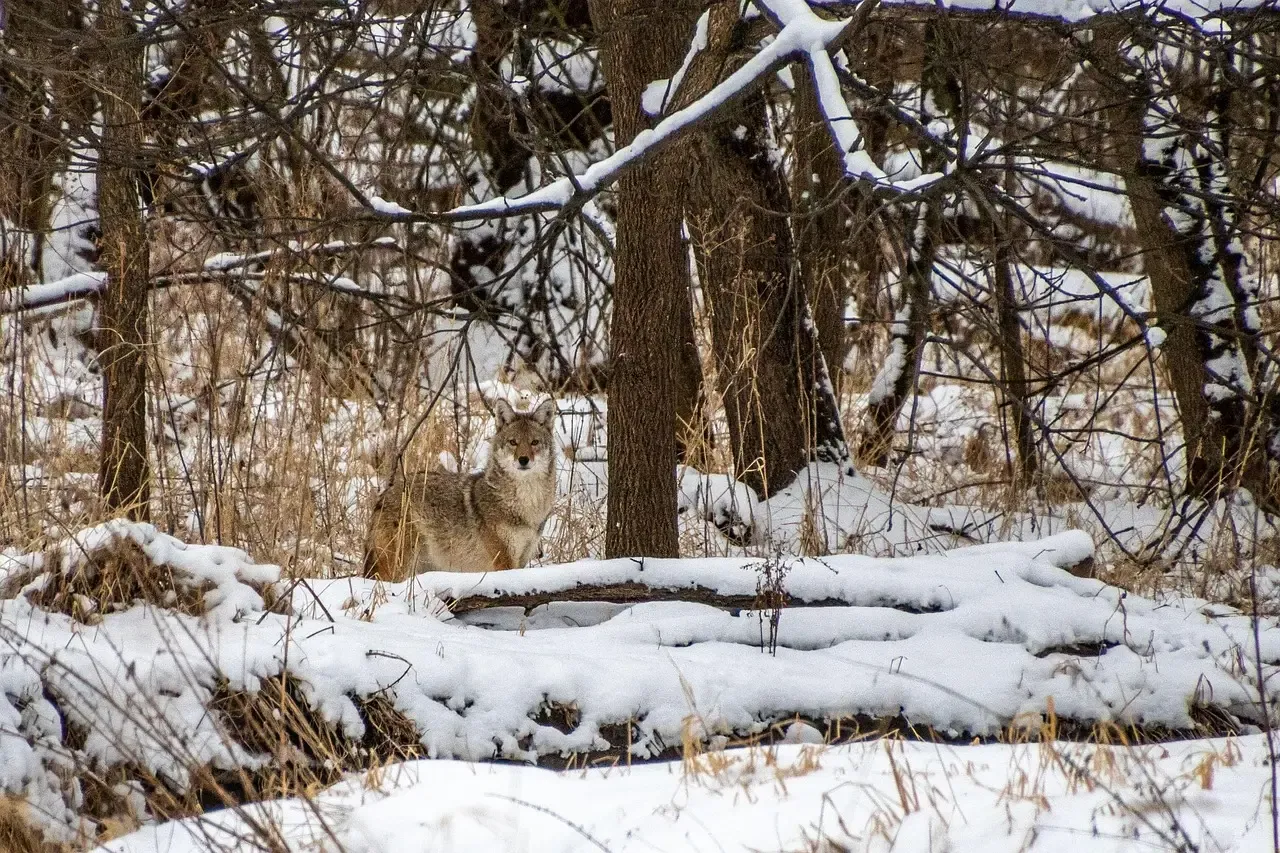
Hunting pressure supposedly thins out coyote numbers effectively. Self-regulation ties litters to food supply, with disrupted packs breeding more pups.[4] Better nutrition from vacated spots boosts survival rates.
History shows eradication efforts rebound stronger. Breeding pairs anchor stability when left intact. Nature handles balance better than bullets.
7. Coyotes Devour Pets and Deer as Staples
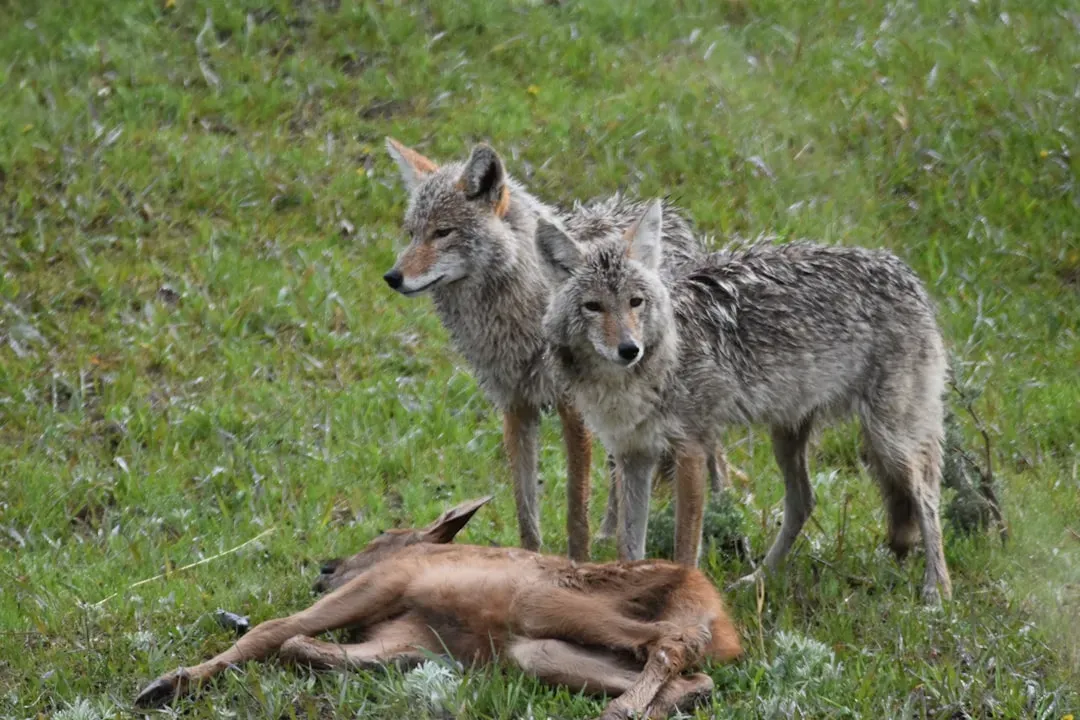
Blame falls on coyotes for missing cats or fawns. Diets lean heavily on rodents, fruits, insects, and scavenged remains, with pets occasional outliers.[5][3] Unprotected small animals draw attention amid easy urban snacks.
They cull weak prey, strengthening herds indirectly. Secure yards and no handouts shift risks. Ecosystem helpers, not household hunters.
8. Eastern Coyotes Are Really Half-Wolf Hybrids
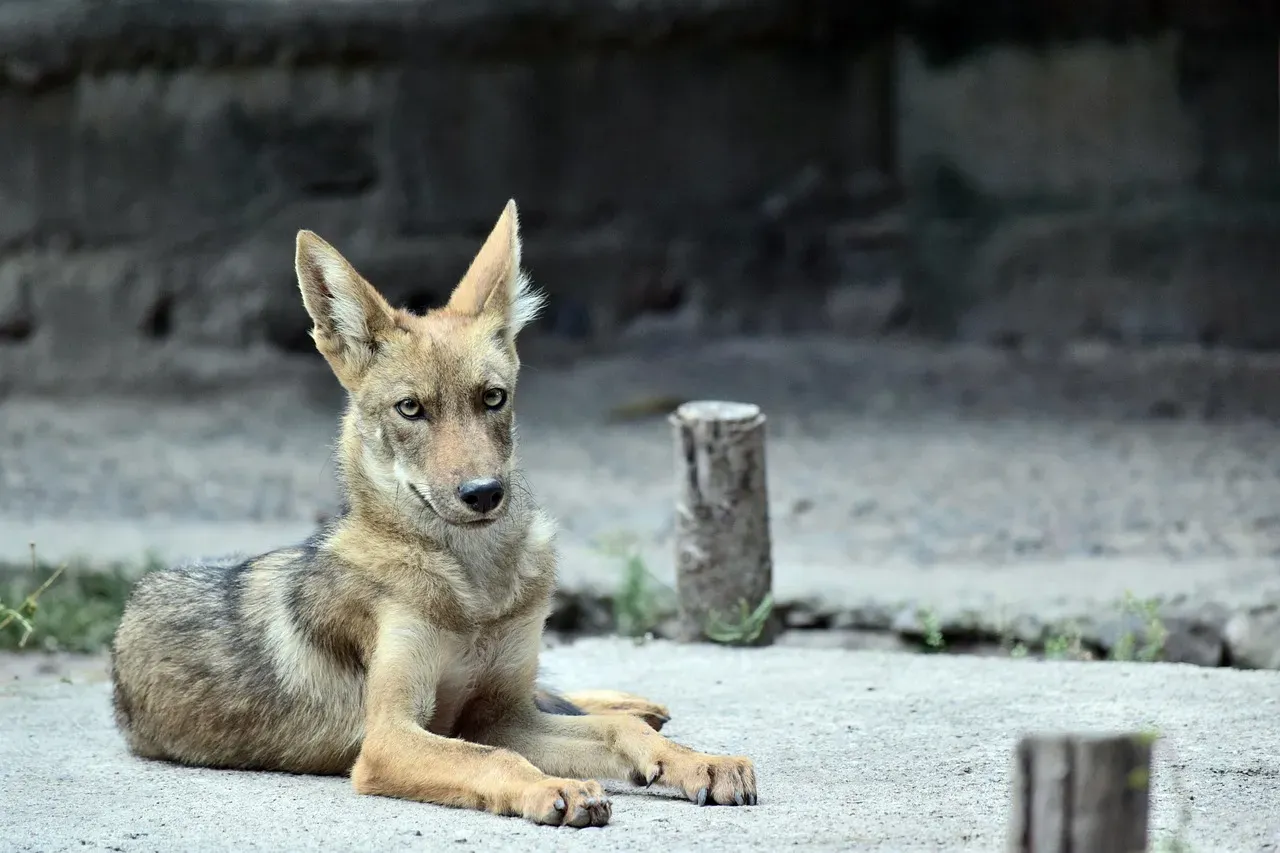
Bigger builds spark wolf-cross tales in the east. Ancient DNA mixes trace to past interbreeding, but no pure wolves remain nearby.[1] Size and color vary naturally across coyote stock.
Genotyping confirms coyote identity despite traces. Adaptability, not fresh hybrids, explains traits. One species, many looks.
9. Coyotes Abandon Their Young
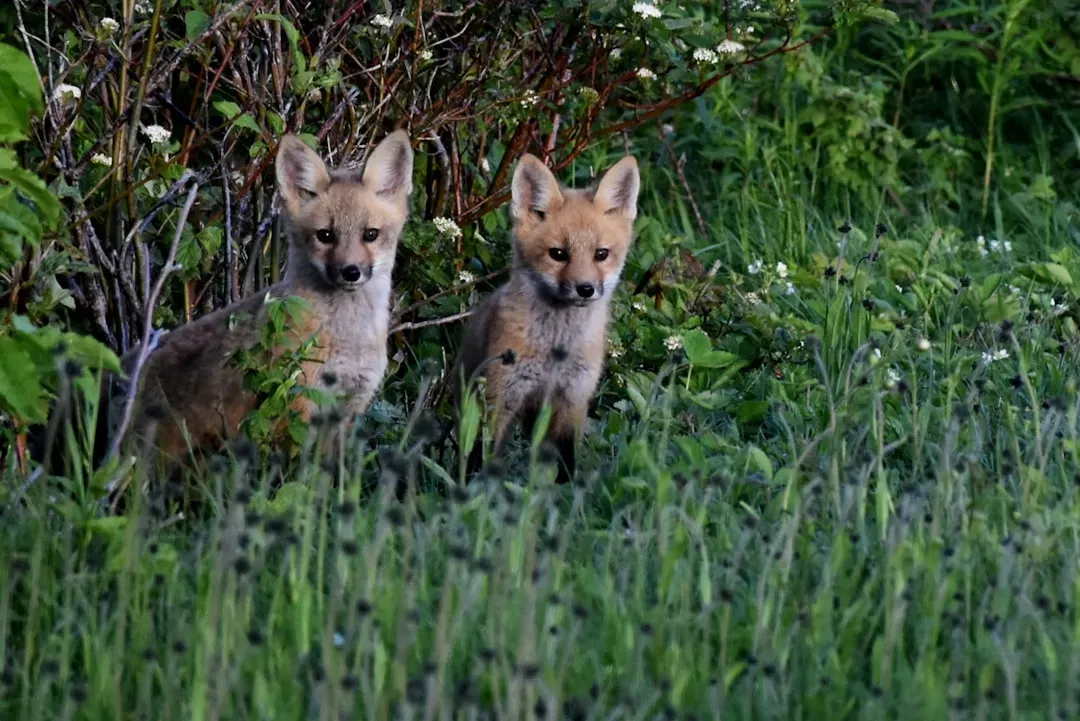
Lone pups prompt ideas of neglectful parents. Lifelong pairs co-raise litters devotedly, with both guarding dens fiercely.[2] High pup mortality comes from nature’s toll, not desertion.
Mother’s milk sustains early weeks, vital without her. Family bonds mirror domestic dogs. Interference harms more than helps.
10. Coyotes Actively Stalk People
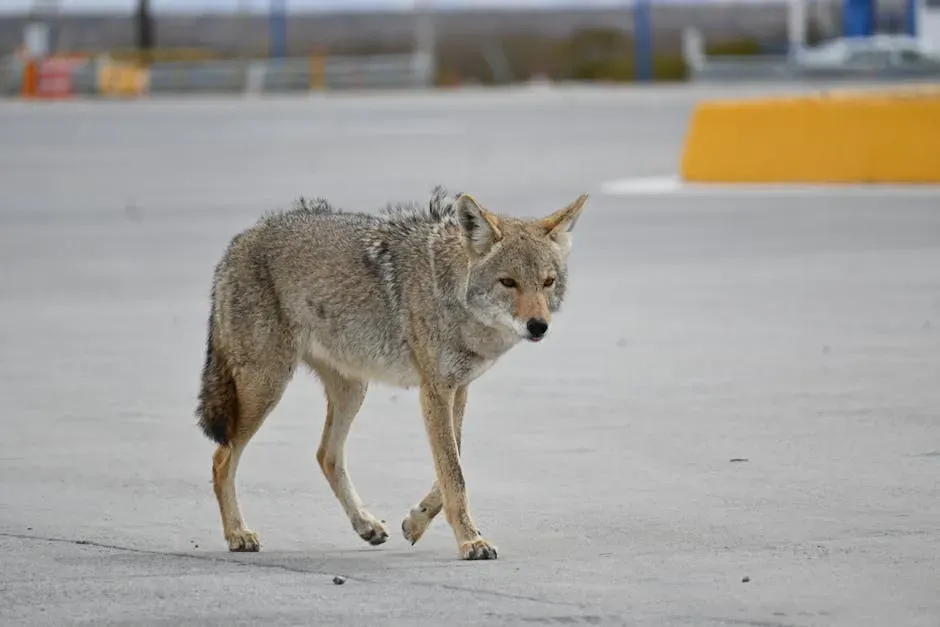
Trailing walkers feels like predatory shadowing. Escorting through territory checks for pup threats, a protective routine.[2][3] Curiosity parallels dog play bows.
Fed animals demand boldly, fixable by removal. Haze firmly to reset fear. Peaceful paths open with awareness.
Conclusion
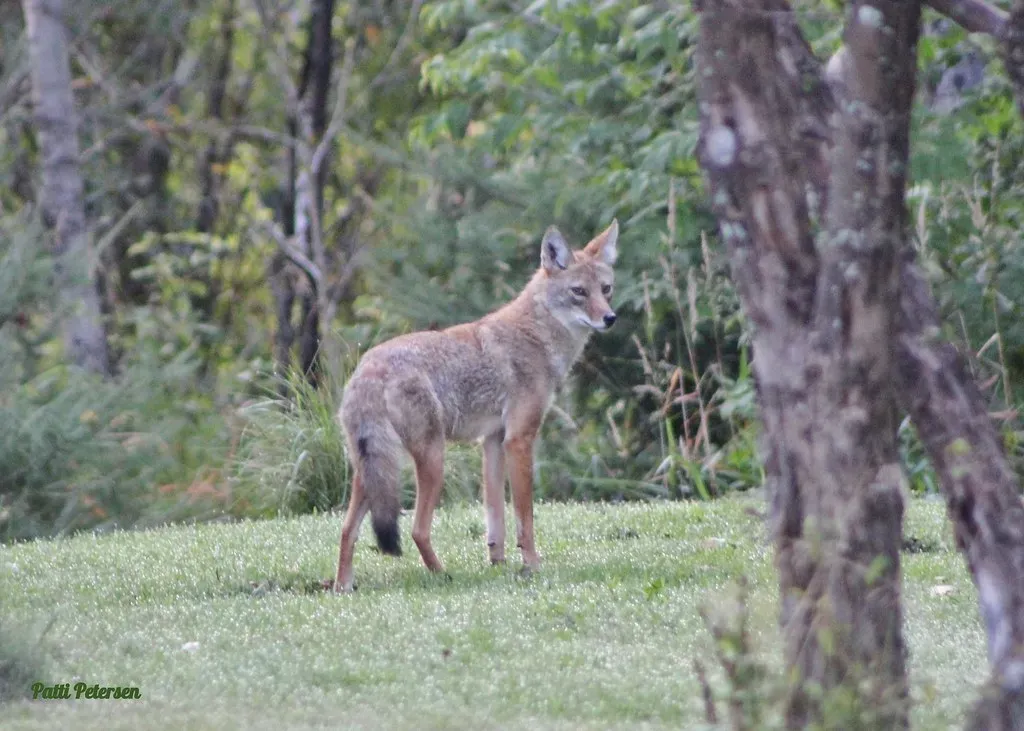
Coyotes thrive by adapting quietly to our shared world. Myths fuel unnecessary fear, blocking smart coexistence. Simple steps like securing food and hazing build mutual respect.
Embrace their role in balanced landscapes. Next howl might just remind us nature persists nearby, resilient and real.

- What Your Dog Is Really Trying to Tell You: A Complete Guide to Understanding, Caring For, and Deeply Connecting With Your Dog - July 21, 2026
- 12 Common US Birds You Never Knew Were Migrating Right Through Your Backyard - July 21, 2026
- 12 Amazing Dog Breeds Known for Their Unwavering Loyalty to Their Owners - July 21, 2026