
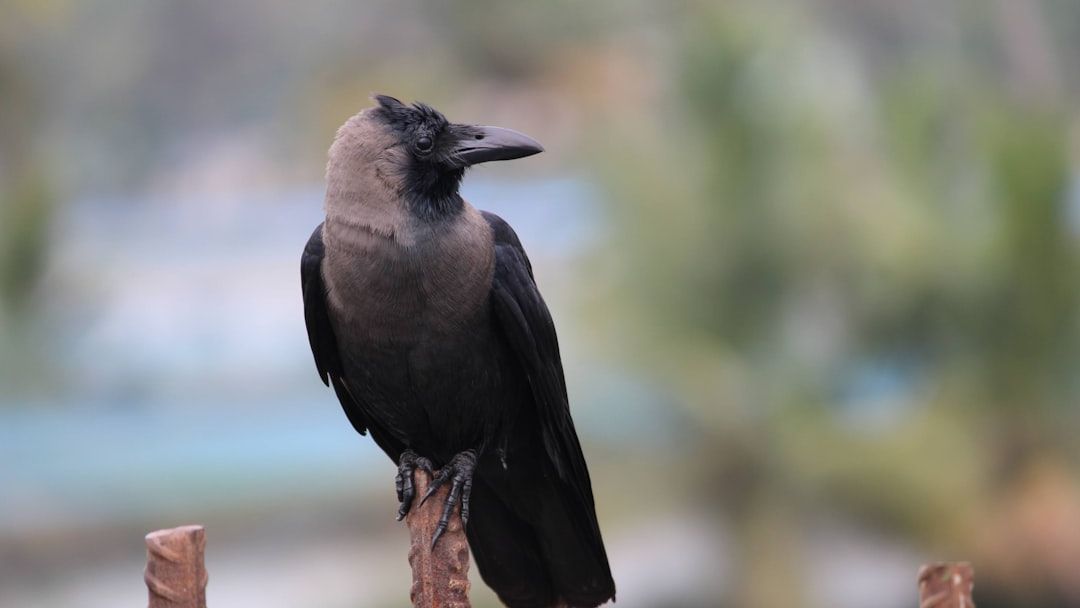
1. Their Intelligence Rivals That of Great Apes
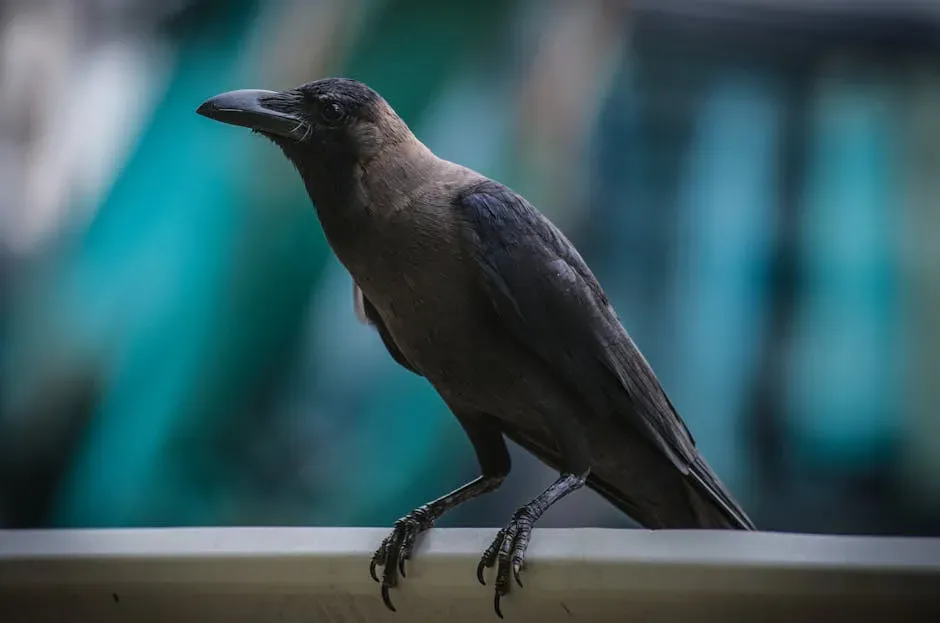
and ravens are some of the smartest animals in the world, with their intelligence considered on par with chimpanzees. That’s a striking comparison for a bird you might spot raiding a trash can. What makes it credible is the breadth of evidence behind it.
and other corvids exhibit remarkable intelligence, including tool use, problem-solving, memory, and even social awareness, challenging long-held assumptions that such cognitive abilities are exclusive to humans or primates. Scientific research shows that these birds understand cause and effect, plan for the future, and adapt their behavior based on context, environment, and who’s watching.
are now considered to be among the world’s most intelligent animals, with an encephalization quotient equal to that of many non-human primates. The brain-to-body size ratio alone tells a remarkable story about what evolution can build when the pressure is right.
2. Are Surprisingly Good at Math
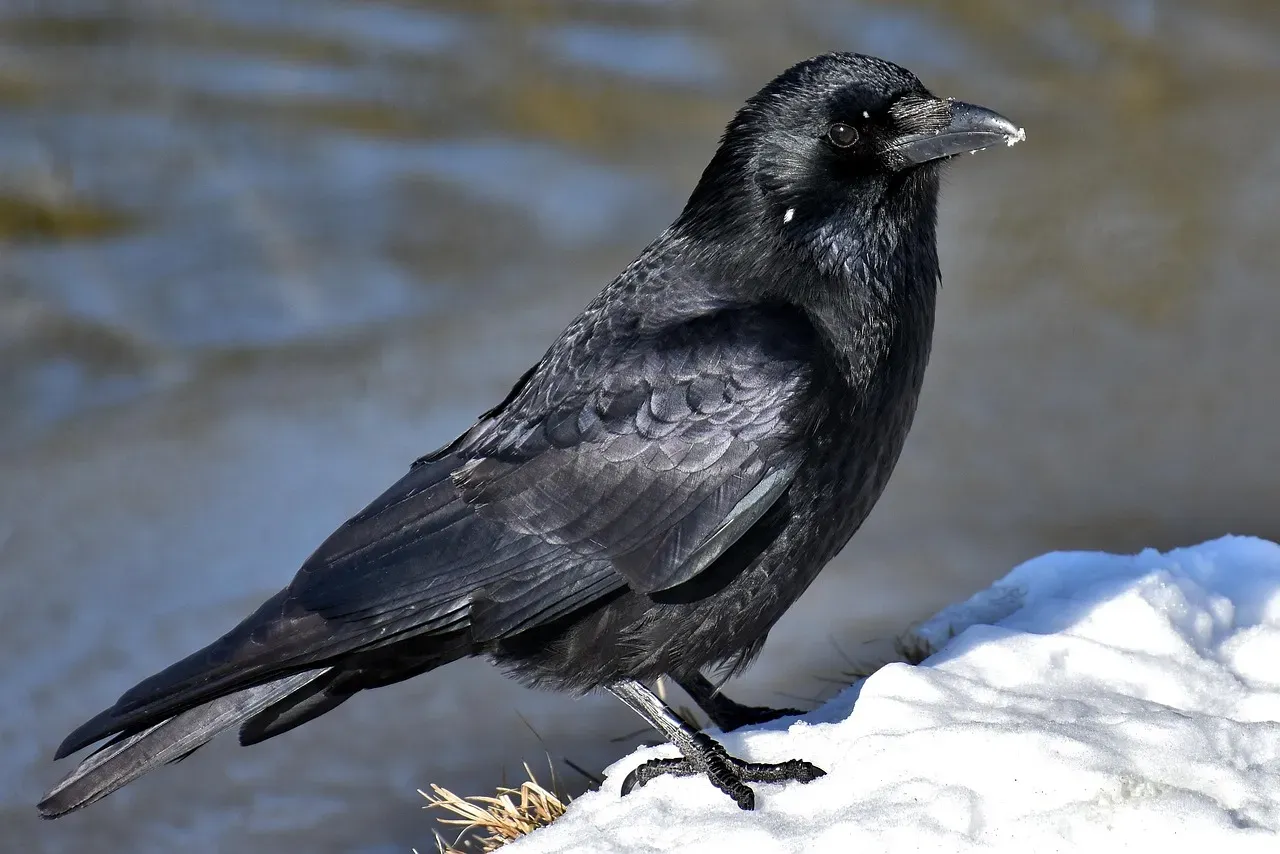
A study published in the journal Science establishes that have counting abilities more sophisticated than anyone had realized, with the birds exhibiting behaviors very similar to toddlers first learning to count. The researchers found that can use their voices to communicate specific quantities, something they believe has never been documented before in animals other than humans.
That have developed cognitive abilities so similar to humans’, even though their respective lineages diverged roughly 300 million years ago, is remarkable. It suggests that numerical reasoning isn’t a trait that evolved once in a single lineage. It emerged separately, shaped by different pressures, in completely different brains.
3. They Use Tools – and Make Them
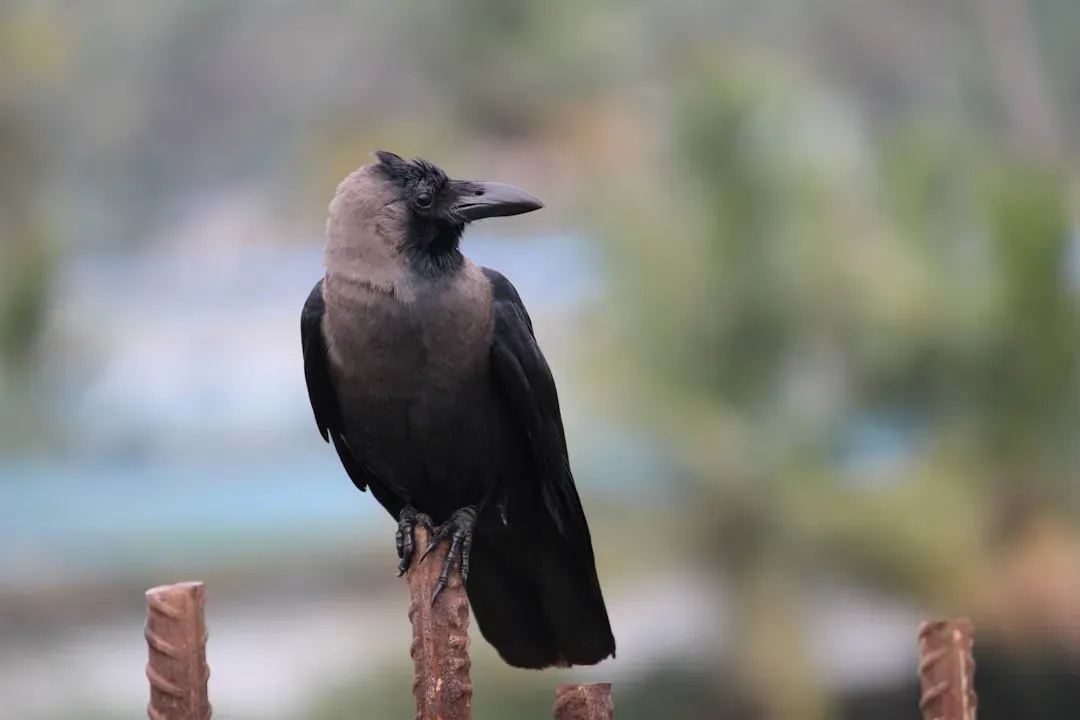
New Caledonian are smart enough to create their own tools, in the wild and the lab, by shaping one end of a stick or wire into a hook to retrieve food beyond the reach of their beaks. This kind of deliberate manufacture was once thought to belong exclusively to humans and great apes.
A seminal case study focusing on New Caledonian demonstrated their tool-making process through meticulous observations of their foraging behaviors. Researchers observed these using pandanus leaves to fashion sophisticated tools. The cut and strip the leaves, manipulating them into shapes ideal for extracting insects from crevices. Additionally, they modified twigs into hooks to retrieve insects from hard-to-reach places. This behavior indicates that the not only understand the functional properties of the materials they use, but also possess the ability to plan and modify their tools based on specific tasks.
4. Can Recognize Individual Human Faces

can recognize humans, which is remarkable in and of itself, but beyond that, they also know which humans are good and bad based on their previous experiences with them. Those bad humans they might hold grudges against, while good humans might receive gifts.
Studies comparing crow responses to “threatening” versus “feeding” humans have found distinct behavioral patterns: around threatening humans, maintain greater distances, produce alarm calls, and may engage in mobbing behavior; around beneficial humans, they approach more closely, produce different vocalizations, and demonstrate what appears to be expectant behavior. The sophistication here isn’t just recognition. It’s a full emotional and social filing system built around individual people.
5. They Hold Grudges – and Pass Them Down Through Generations
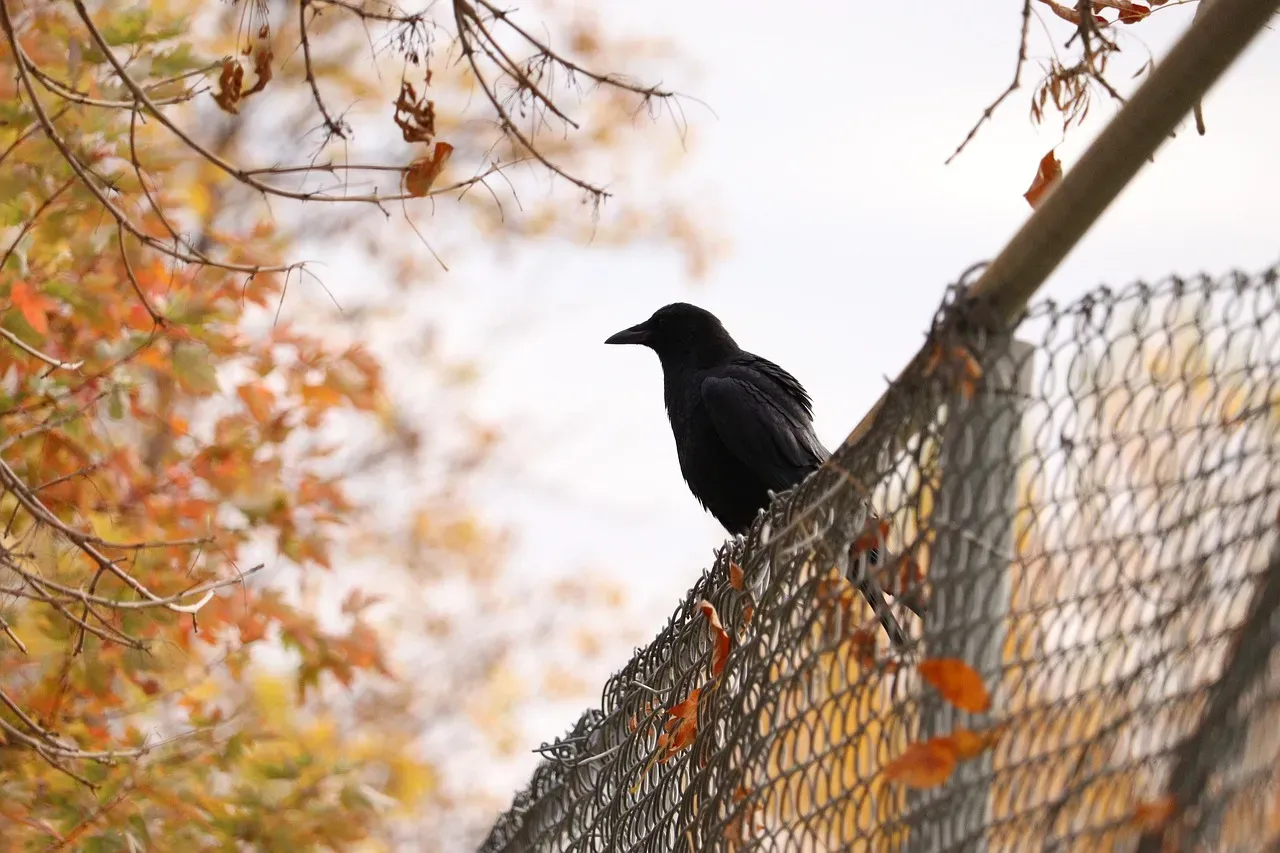
Research has revealed that can hold grudges for up to 17 years. This discovery showcases the profound capacity of the ‘ memories. The landmark study, conducted at the University of Washington, involved researchers wearing distinctive masks while trapping and releasing . Years later, those same masked faces triggered aggressive responses from birds that had never even been involved in the original encounter.
One of the most remarkable aspects of crow behavior is their ability to teach one another. When a crow learns to associate a specific individual or object with danger, it can relay this information to others in its community, spreading awareness rapidly. Communal learning helps ensure that knowledge of potential threats is preserved and passed down, allowing even young to recognize dangers without firsthand experience. This intricate network of social interactions places among the few non-human animals capable of cultural transmission, passing knowledge from one generation to the next.
6. They Bring Gifts to Humans They Like
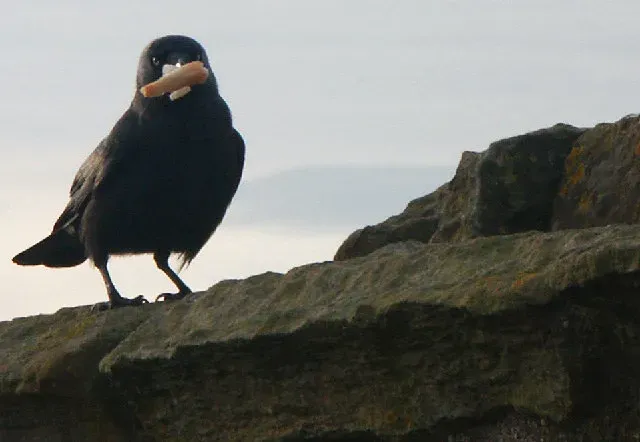
Many cases have been documented of leaving gifts for humans they like. Oftentimes, the recipients of these gifts are humans that have left food out for the , and the gifts can include rocks, bones, and lost objects like earrings and keys. This behavior isn’t random. It reflects a genuine social exchange.
While crow grudges receive significant attention, these birds also form positive associations with human faces. can recognize and remember humans who feed them or otherwise provide beneficial interactions. Researchers and ordinary people who regularly feed often report that the birds appear to recognize them, approach when they appear, and even bring small gifts like shiny objects or trinkets. These positive associations demonstrate that crow facial recognition isn’t merely a threat-detection system, but a sophisticated social memory that tracks the full spectrum of human interactions.
7. Hold Something Resembling Funerals
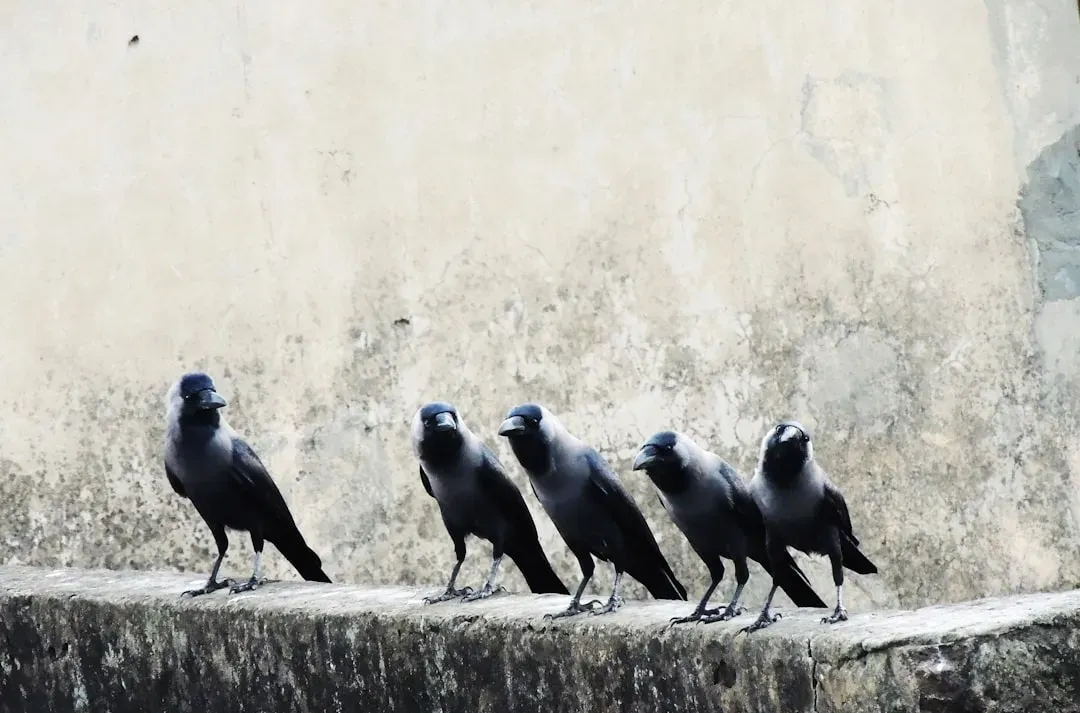
Research has shown that are known to hold “funerals” and “wakes.” When an American Crow finds the dead body of another crow, it will call out to alert others in the area, who will gather and begin to make a ruckus themselves. Researchers think the behavior helps crow communities learn about potential threats so that they know which locations and predators to avoid in the future.
It’s easy to assign human meaning to this behavior, but the underlying mechanism is no less impressive for being practical. When a crow dies, a whole murder of gathers around the dead body while creating loud noises. Unlike humans, these birds aren’t necessarily grieving for the death of a family member. According to researcher Kaeli Swift, do this to study the danger in that area. They find reasoning about how the crow died and find a way to stay away from that possible danger and survive.
8. Their Brains Are Wired for Complex Thought
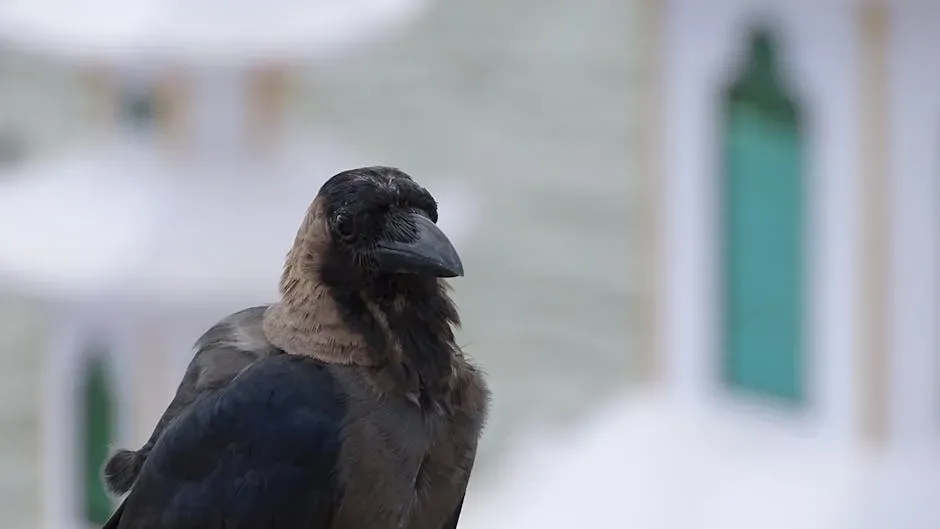
tend to have larger brains compared to their body size. The nidopallium caudolateral is the part of the crow’s brain responsible for its intelligence. In a study published in the Proceedings of the National Academy of Sciences, neurons in the nidopallium caudolateral seem to change every time the are presented with a task.
Because bird brains appear to be less developed than primate brains, scientists long believed birds were incapable of high-level functions like problem-solving, decision making, and working memory. What research now suggests is that, in the roughly 320 million years since birds and primates split, each has developed different brain structures, but those differently composed brains have developed similar cognitive capabilities. Intelligent thought, it turns out, can be built more than one way.
9. Are Deeply Social and Fiercely Family-Oriented
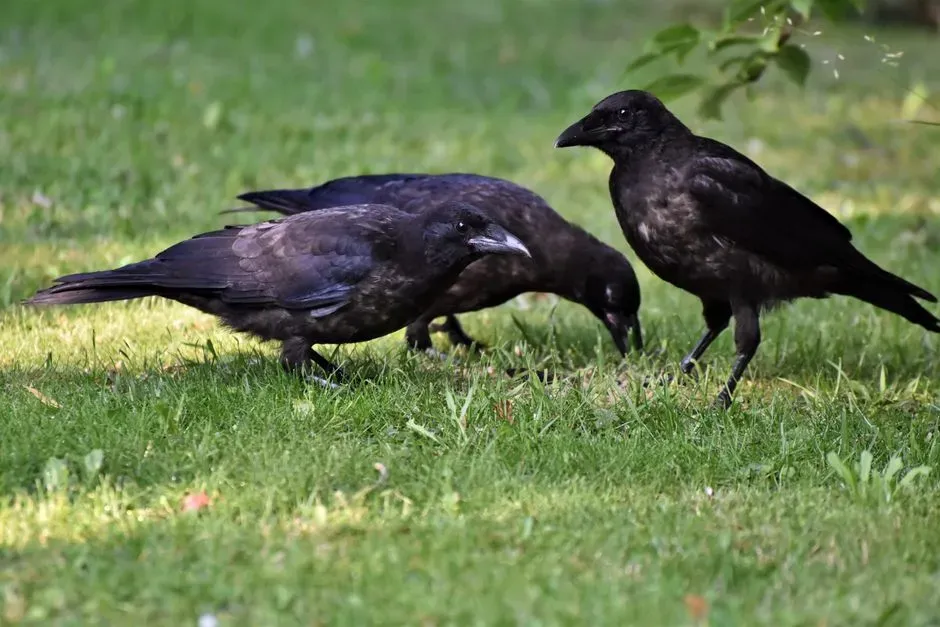
Communal learning is possible because are particularly social and family-oriented birds. American will form large flocks to forage at garbage dumps and farms during the day, and they roost in numbers ranging from hundreds to two million in the winter. They also form close family units of up to five generations. Yearlings and two-year-olds will even give their parents a hand with chick-rearing, helping to build the nest, keep it clean, and feed their mother while she’s sitting on the nest.
In some areas, have used the same winter roosting spots for more than 100 years, with new generations of roosting in the same spot as from many generations before. That kind of generational continuity is rare in the animal world, and it speaks to just how tight and enduring their social bonds really are.
10. They Are Found Almost Everywhere on Earth – and Thrive in Cities

Different crow species live on every continent except South America and Antarctica. That’s a remarkable geographic spread for a single genus, and it reflects just how adaptable these birds are. From dense boreal forests to sprawling urban centers, find a way to make almost any environment work.
Urban thrive due to cognitive flexibility, as shown in ongoing experimental research, which highlights their strategic foraging, memory, and ability to learn and adapt in human-dominated environments. In urban environments, where often thrive, their problem-solving skills, including utilizing waste as building materials for their nests, using structures for hiding food, and exploiting human food sources, serve as indicators of how wildlife adapts cognitively to human-driven change.
Conclusion: The Bird Worth a Second Look
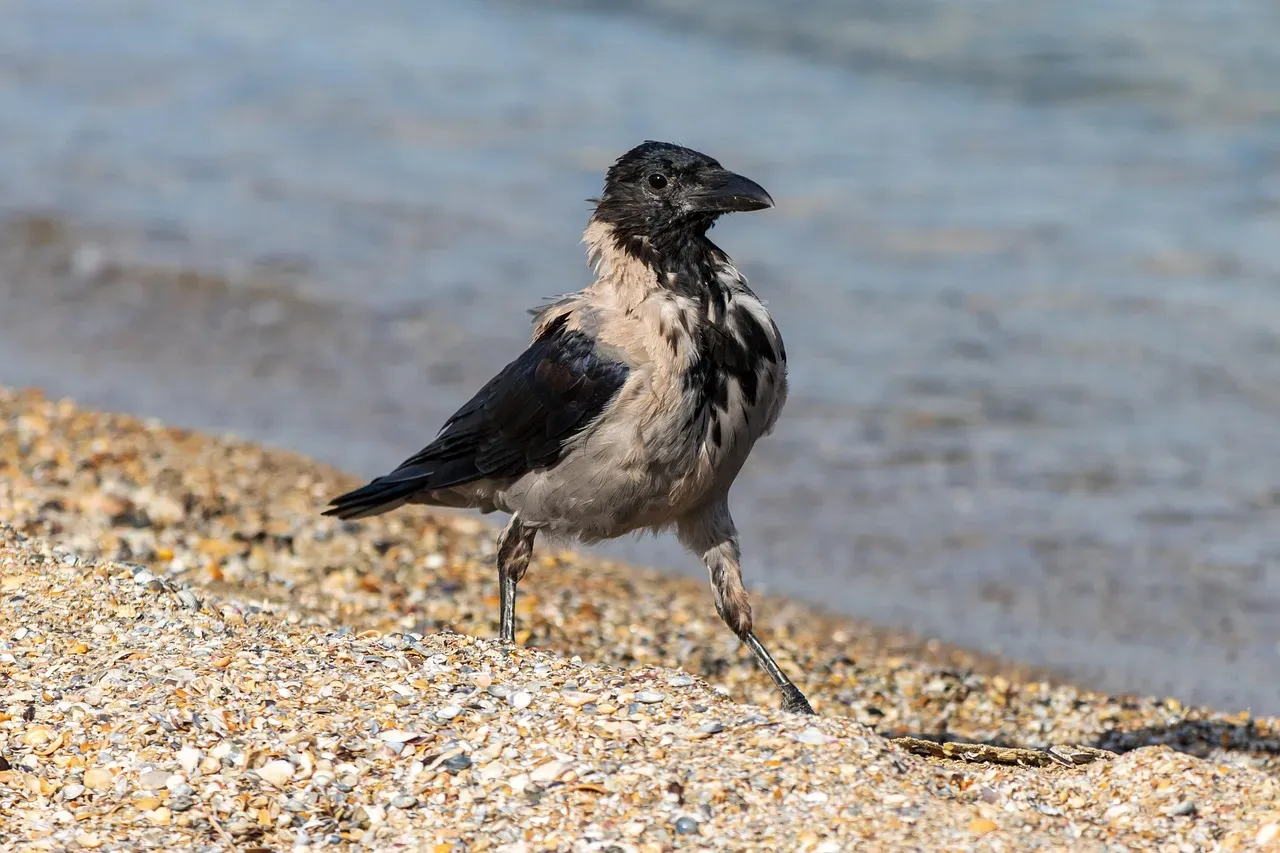
have spent centuries carrying a reputation built on folklore and misunderstanding. The science tells a different story. These are animals with working memories comparable to monkeys, the capacity to manufacture tools, the ability to count, and a social intelligence sophisticated enough to share grudges across generations.
What’s perhaps most striking is that none of this required the same brain structure that primates use. arrived at complex thought by a completely different evolutionary route, which says something important: intelligence is not a single invention. It’s a solution that life finds again and again when the conditions demand it.
The next time a crow watches you from a rooftop, there’s a reasonable chance it already knows your face. Whether that’s reassuring or unsettling probably depends on how you’ve treated it.

- 16 Things a Dog Only Ever Does Around the One Human It Has Truly Chosen for Life - July 31, 2026
- 19 Dog Breeds Disappearing From Family Homes Faster Than Almost Anyone Has Realised - July 31, 2026
- What Hummingbirds Do in a Storm Will Surprise You: 14 Behaviours Researchers Rarely Get to Film - July 31, 2026