
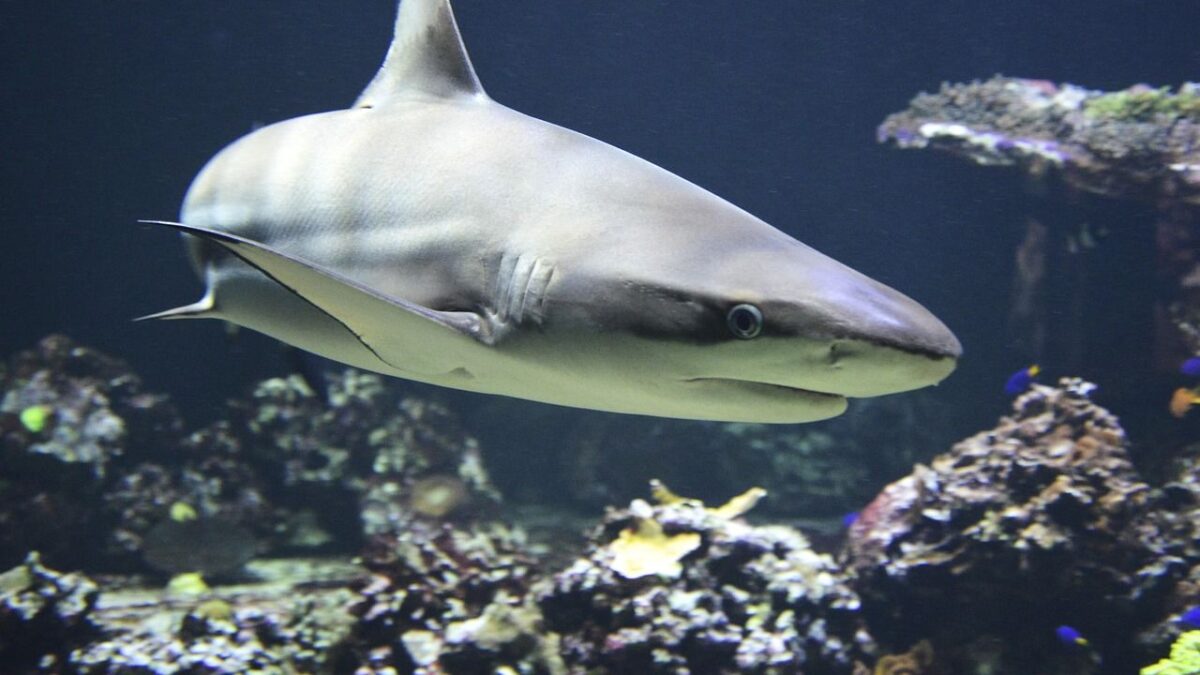
Few creatures on the planet carry the same weight of myth, fear, and fascination as . Ever since a certain 1975 blockbuster planted it firmly in the cultural imagination, the world has both feared and misunderstood this animal in almost equal measure. The truth, as it turns out, is far more remarkable than anything Hollywood ever dreamed up.
These are not simple killing machines lurking in the shallows. Great white sharks are ancient, complex, finely engineered creatures whose biology and behavior continue to surprise scientists. The more researchers learn, the more extraordinary the picture becomes.
They Are Shockingly Fast in the Water
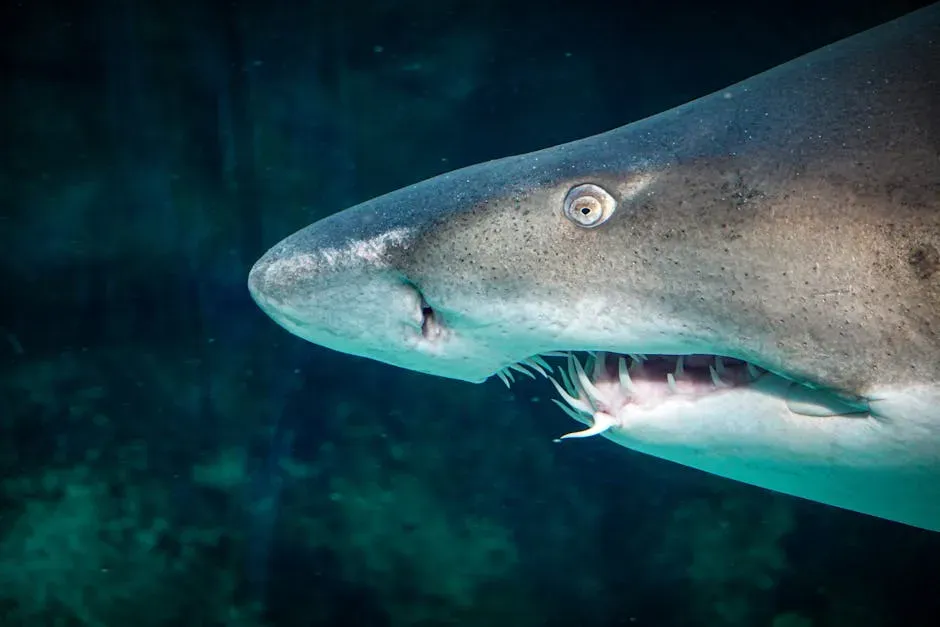
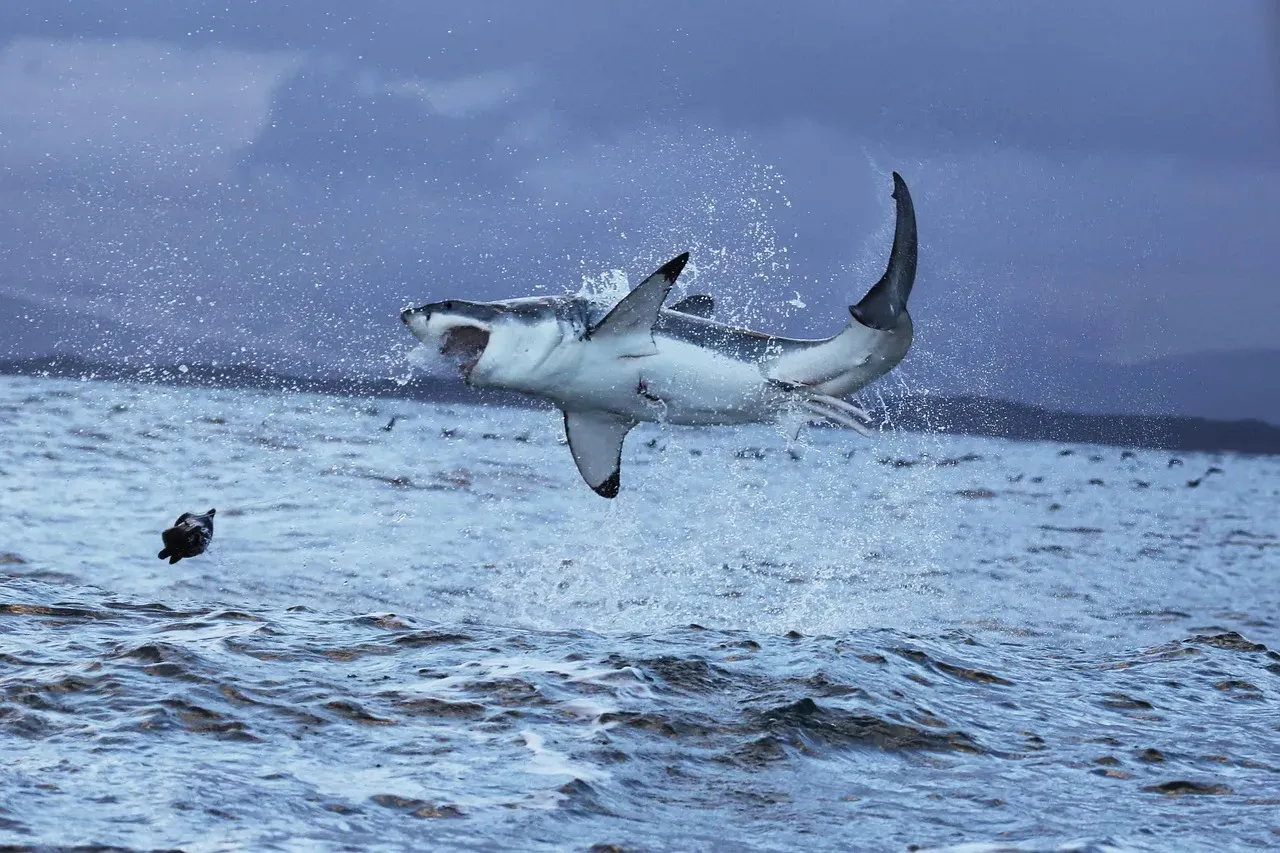
The torpedo shape of the great white is built for speed, reaching up to 35 miles per hour (50 kilometers per hour). That is not a cruising pace, it is a burst capability used during ambush hunting, where every fraction of a second counts.
Over 95% of the shark’s musculature is composed of white, fast-twitch muscles, which allows it to move in quick sprints, particularly when ambushing prey. The remaining dark, slow-twitch muscles carry oxygen to power the shark while at cruising speed. It’s a dual-engine design that is remarkably efficient.
When hunting, great white sharks are stealthy and position themselves underneath their prey before swimming at high speeds towards it. If a shark is close to the surface, it may breach to grab the prey in its mouth. That explosive launch from below is one of the most dramatic hunting sequences in the natural world.
Their Sense of Smell Is Almost Beyond Comprehension
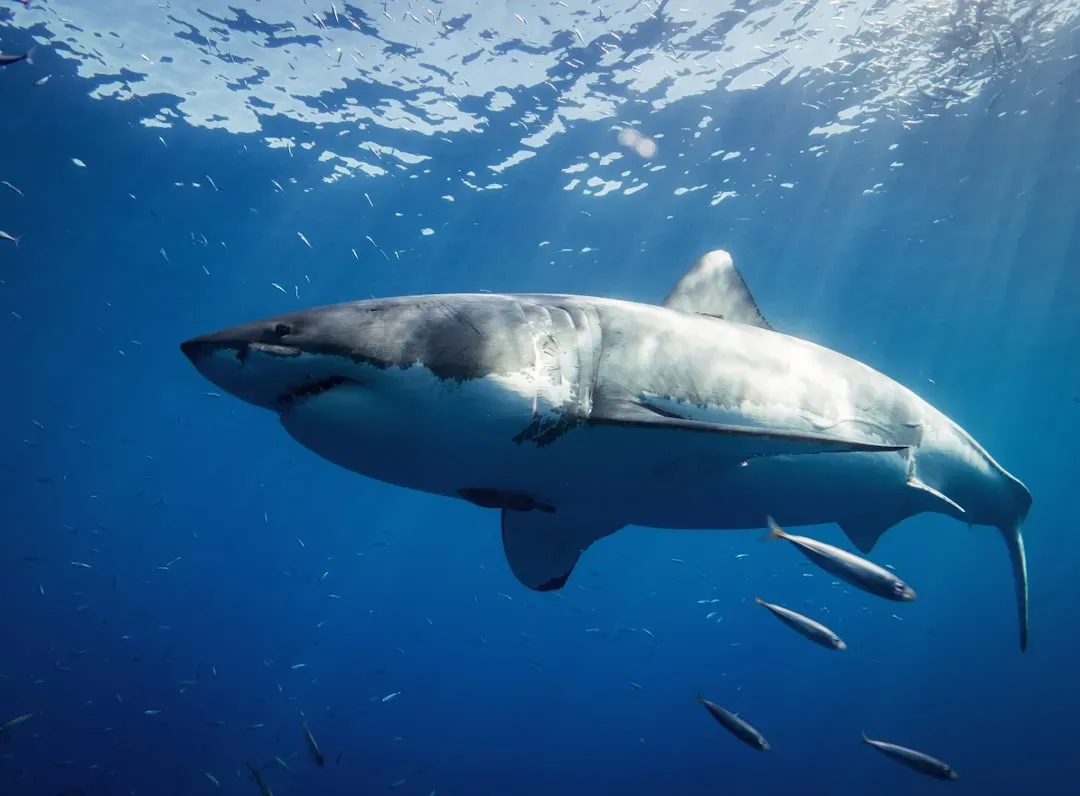
Their sense of smell is so unbelievably acute that they have the ability to smell a single drop of blood in 25 gallons of water. Great white sharks can also sense blood in the water up to 3 miles away. That is not a figure of speech. It is a biological reality.
Great white sharks’ most acute sense is smell. If there were just a single drop of blood floating in 10 billion drops of water, they could smell it. Their nostrils are on the underside of the snout and lead to an organ called the olfactory bulb. The great white’s olfactory bulb is reported to be the largest of any shark.
This olfactory power is not just useful for finding prey. It also allows them to navigate, identify other individuals, and likely gather environmental information we can only begin to guess at.
They Possess a Sixth Sense Humans Simply Don’t Have
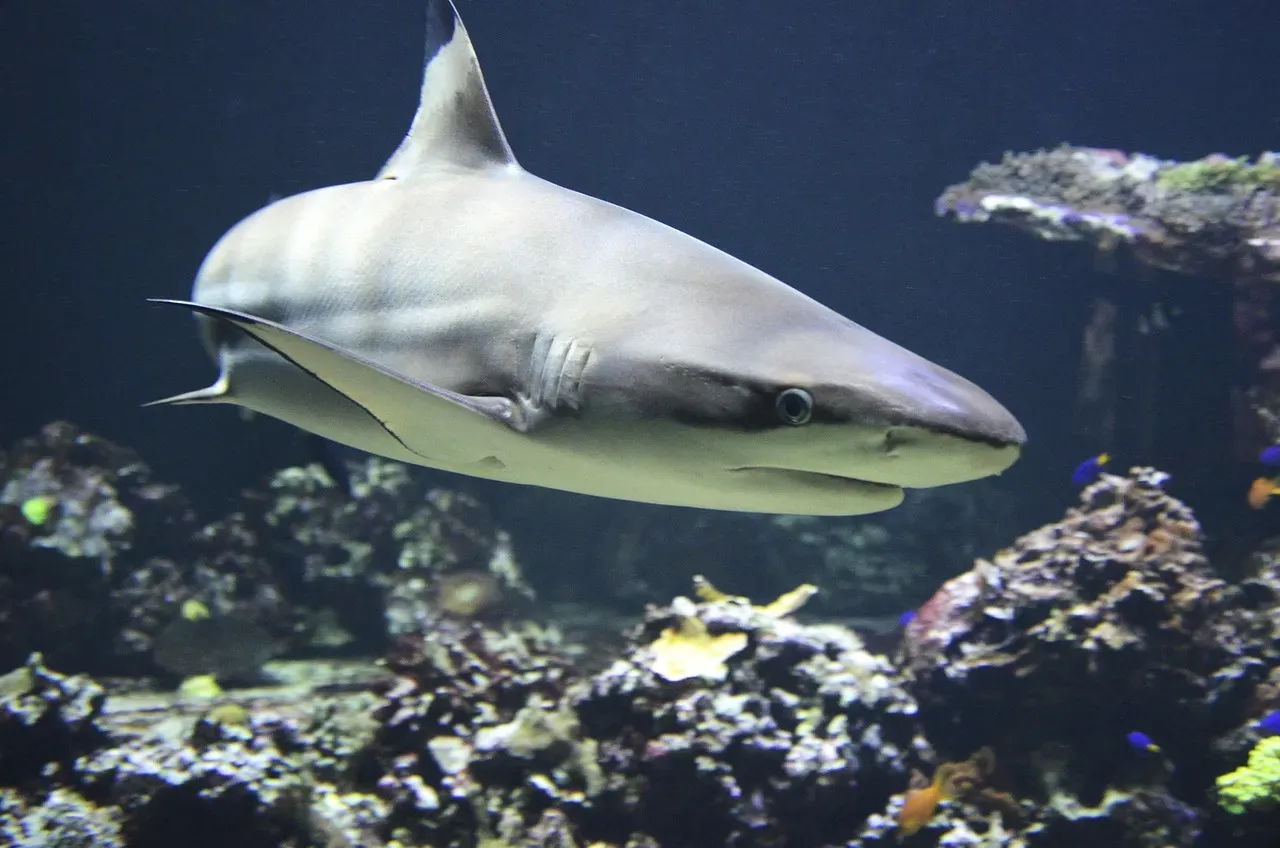
Sharks have a sense that humans can only be in awe of: they can sense an electrical field. A series of pores on the shark’s snout are filled with cells called the Ampullae of Lorenzini that can feel the power and direction of electrical currents.
They use electromagnetic fields to feel vibrations in the water from potential prey. In close range, they can even sense the heartbeat of immobile prey. Sitting completely still in the ocean is not the protection people might assume it to be.
Scientists have discovered that sharks can use this sense to navigate through the open ocean by following an electrical ‘map’ of the magnetic fields that crisscross the Earth’s crust. They are, in effect, carrying a living compass inside their faces.
They Live Far Longer Than Anyone Once Believed
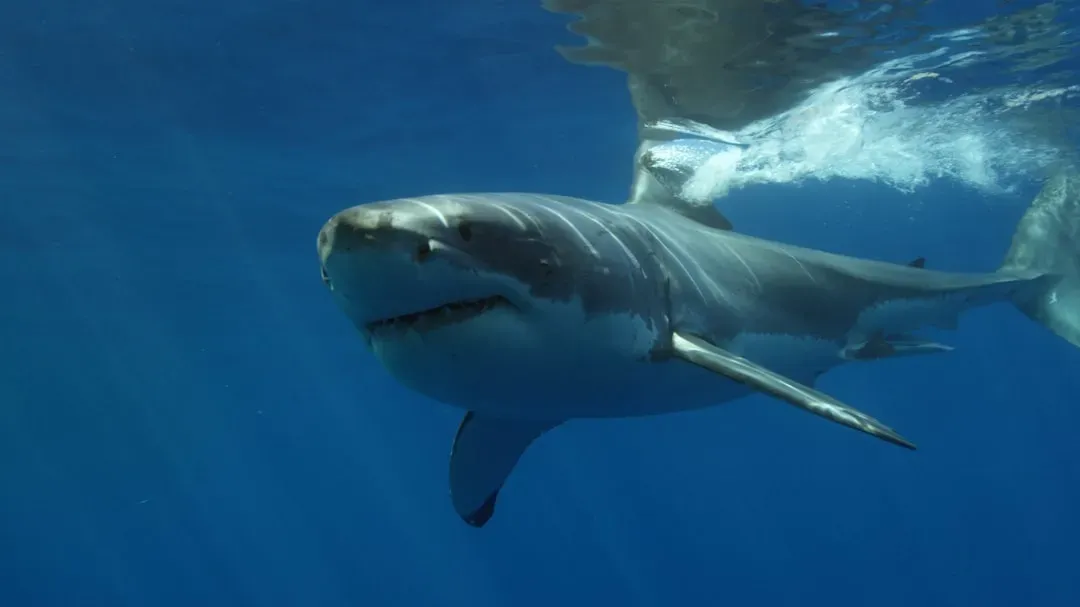
Great white sharks were thought to only live around 20 or 30 years, but recent studies have shown that they can live as long as humans, with a lifespan of 70 years or more. That is a significant revision, and it changes how we think about their vulnerability as a species.
Great white sharks are a slow-growing species with a lifespan of approximately 70 years, though some individuals may live even longer. They mature slowly, which makes them vulnerable to overfishing since they reproduce at a late age.
Not a lot is known ‘s average lifespan, but scientists have identified individuals that lived into their 70s. As far as we can determine, great whites reach sexual maturity after 10 years for males and 12 to 18 years for females. A slow reproductive cycle on top of a long life makes every individual loss to human activity deeply consequential.
Their Teeth Are a Revolving Biological Arsenal
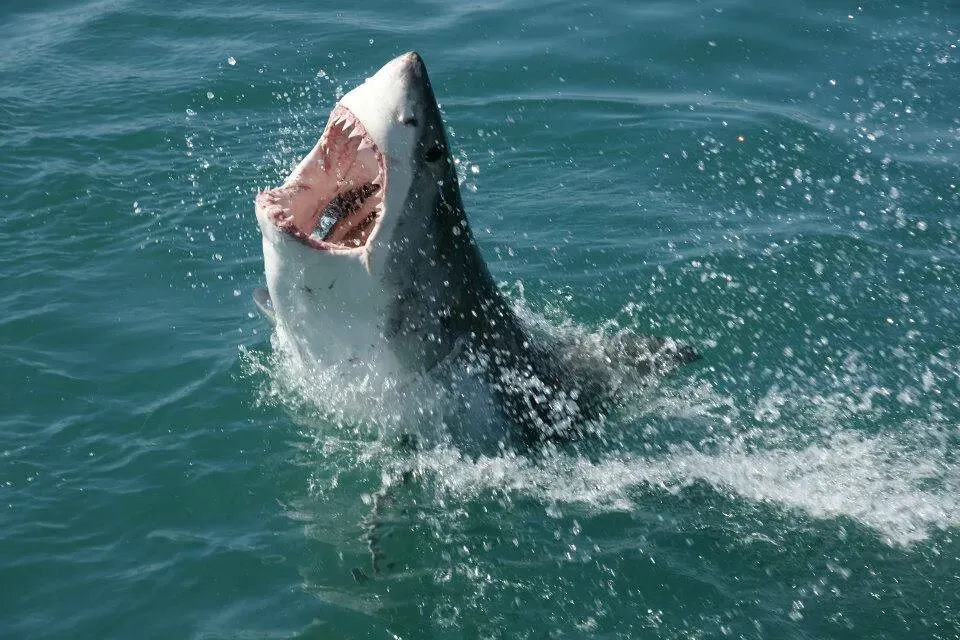
Great white sharks have 300 total teeth, arranged in up to seven rows. Not all of these rows are in active use at once, but the system is continuously rotating, ensuring that a lost or worn tooth is quickly replaced.
These sharks have several rows that can hold up to approximately 300 serrated teeth in their mouths at one time. Great whites can lose up to 1,000 teeth over a lifetime. Rather than a liability, this tooth turnover is precisely the adaptation that keeps them lethal throughout their long lives.
A great white shark has a bite force of 4,000 psi, which is ten times the bite force of a lion. Pair that with row upon row of serrated, self-replacing teeth, and you begin to understand how effective this animal truly is as a predator.
They Are Warm-Blooded in a Way Most Fish Are Not
Great white sharks are not cold-blooded. Instead, they are endothermic, meaning they have a special regulatory system that keeps their body temperature slightly higher than the water around them. This allows them to live in different oceans with different climates.
The species is partially warm-blooded, an adaptation that allows it to remain active in colder waters. This is a relatively rare trait among fish, and it gives the great white a major competitive edge over prey that becomes sluggish in cold conditions.
Essentially, their muscles and brain stay warmer than their surroundings, keeping reaction times sharp even in frigid water. It’s a physiological trait that blurs the line between fish and mammal in a fascinating way.
Their Liver Is an Engineering Marvel
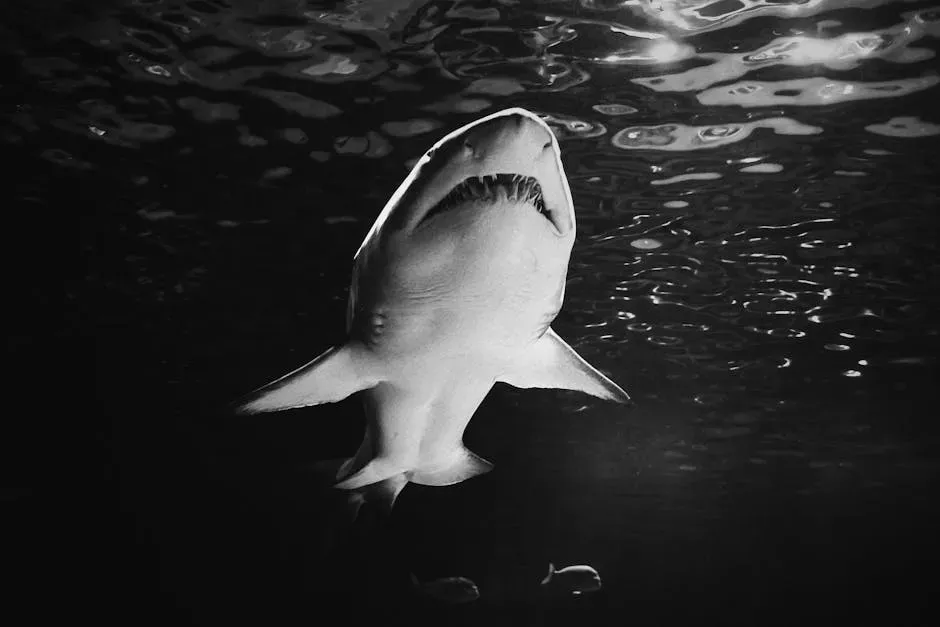
The white shark has a large, double-lobed liver that can be almost 30% of its body weight and stores lipids, fatty acids, and oils. The liver helps keep the shark from sinking, as the oil is six times more buoyant than the surrounding water. The lipids and fatty acids provide the shark with energy for travel and are important for reproduction and growth.
One study concluded that a white shark liver is more energy-rich than whale blubber. That is a remarkable finding. The liver essentially functions as a buoyancy device, an energy reserve, and a reproductive resource all at once.
When orcas target great white sharks, they often go directly for the liver. In some cases, orcas have been observed flipping great whites upside down to immobilize them before consuming their liver, which is rich in nutrients. It seems even other predators know exactly where the prize is.
They Are Surprisingly Social and Hierarchical
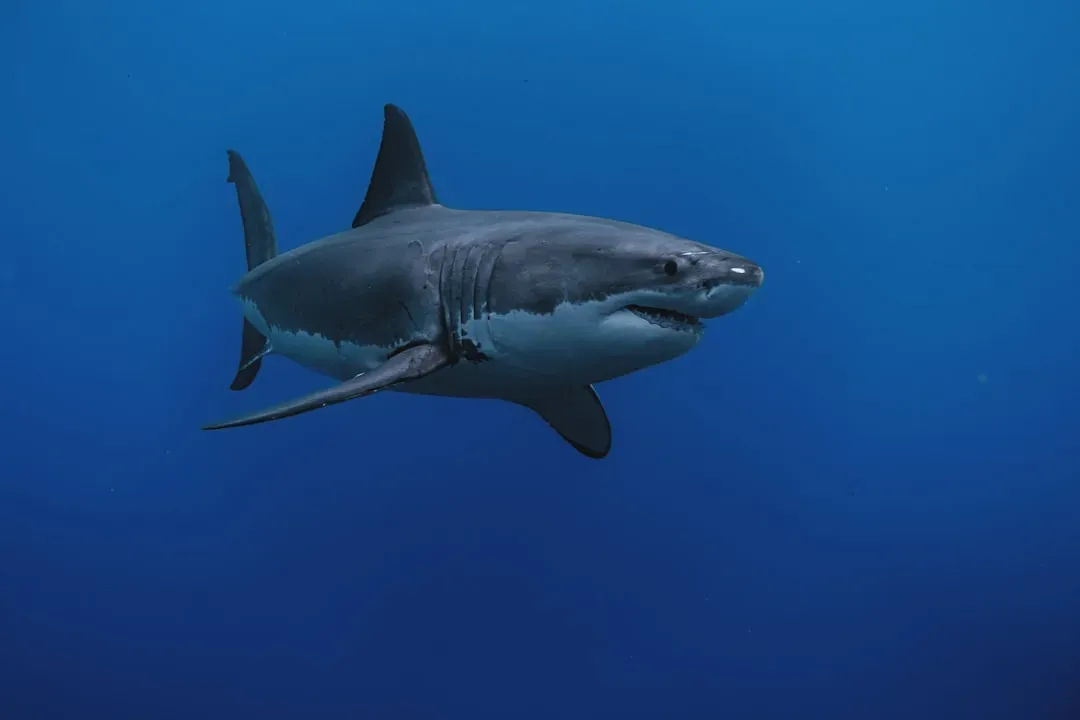
Despite their reputation as lone hunters, great whites will cooperate with one another, hunting in groups and sharing the spoils. This contradicts the popular image of a solitary, indifferent predator.
Occasionally, one shark will openly show off its body in a lateral display to another. It is hypothesized that the main purpose of these interactions is to establish social rank by size, in order to avoid competition. Conflict is costly, and great whites seem to understand that.
With dominance established, the smaller shark then acts submissively towards the larger shark by yielding during subsequent encounters or simply avoiding confrontation. For an animal often described as purely instinct-driven, this kind of social negotiation is genuinely striking.
Shark Attacks on Humans Are Deeply Misunderstood
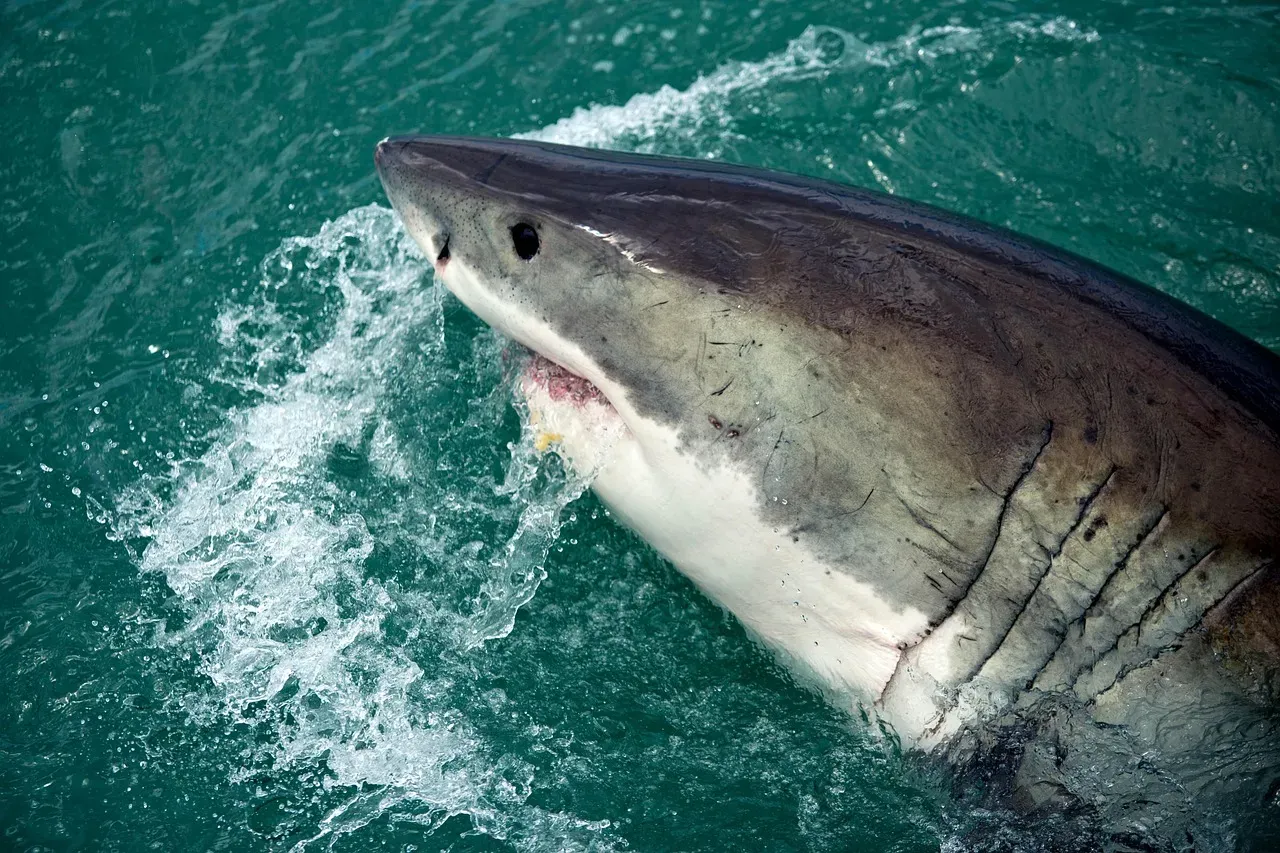
Shark attacks are very rare. In fact, more people die from lightning strikes each year than from great white sharks. The cultural fear is vastly disproportionate to the actual statistical risk.
Some researchers propose that most encounters are “exploratory bites.” A 2023 paper criticized the “mistaken identity” hypothesis for overemphasizing vision while neglecting other senses. The science here is genuinely evolving, and the picture is more nuanced than either “they mistake us for seals” or “they are hunting us.”
A 2025 drone study of white shark “hotspots” found no documented aggression towards humans during encounters. That finding alone says quite a lot about how overstated the threat narrative has become over the decades.
They Are Rarer Than Most People Realize, and Increasingly Vulnerable
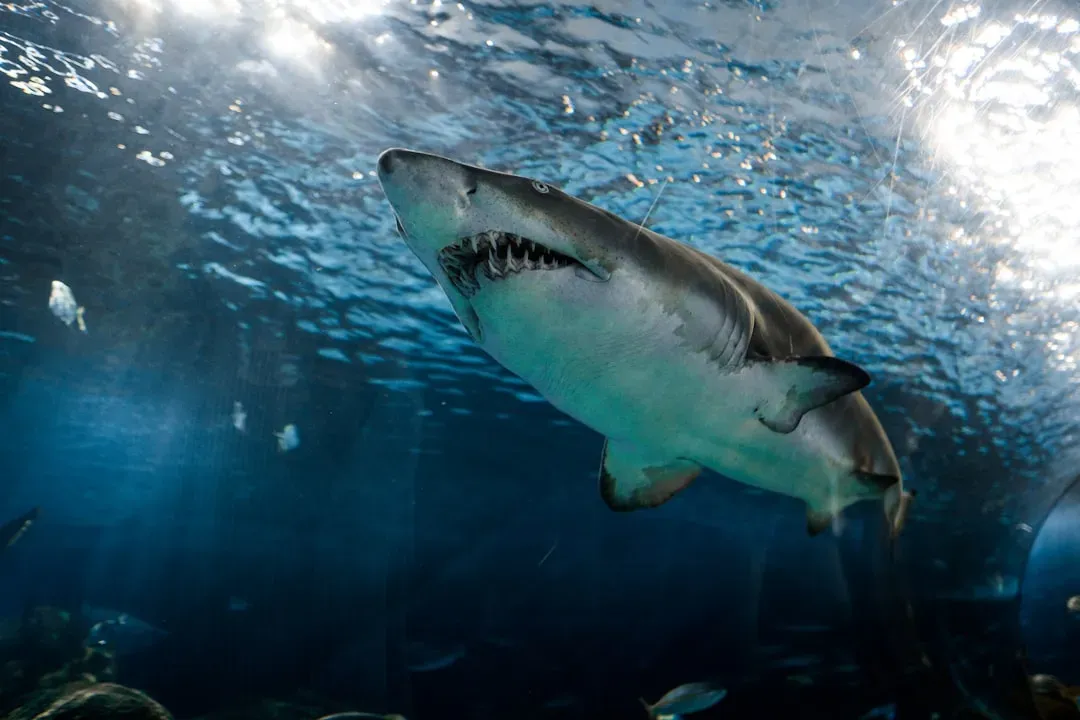
A 2025 study estimated the global population at roughly 5,800 individuals, though some researchers suggest the actual figure may be closer to 20,000. Either number is startlingly small for a species of this ecological significance.
In 2018, the International Union for Conservation of Nature assessed the white shark as vulnerable worldwide, citing a significant population decline since approximately 1859. The species was further described as “moderately depleted” in 2021.
The biggest threats to white sharks are accidental catching in fishing nets and the use of shark control measures, such as nets and traps, near beaches in Australia and South Africa. The irony is considerable: the animal most feared by beachgoers is itself in serious trouble, largely because of us.
A Final Thought Worth Sitting With
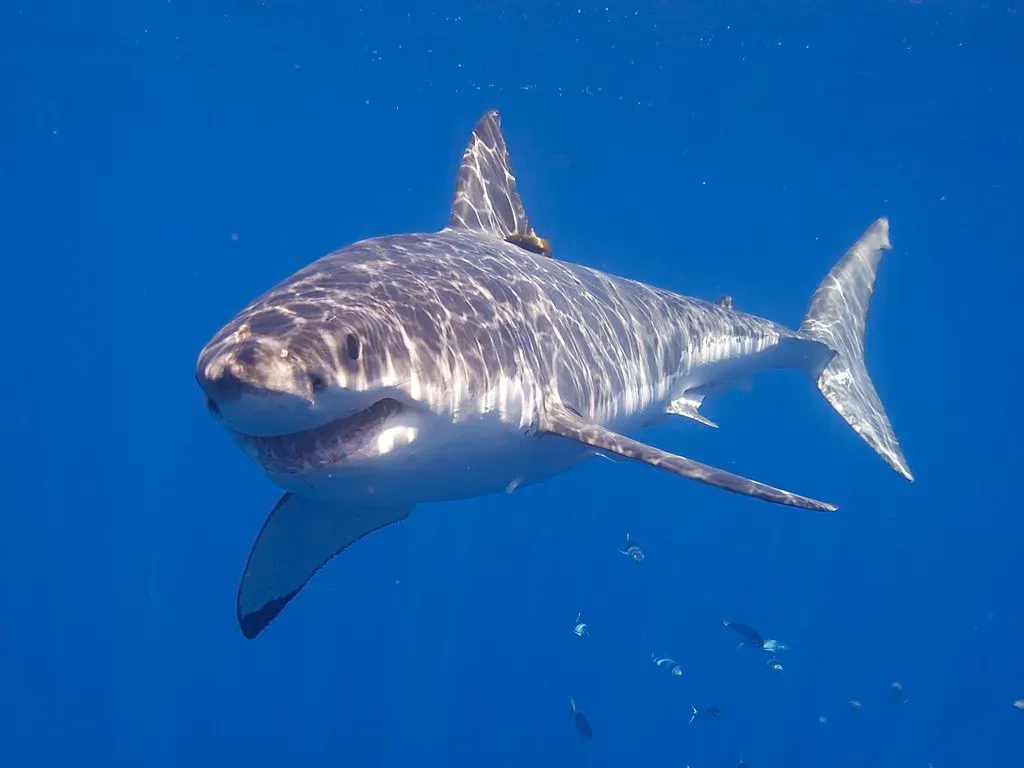
Great white sharks have existed, in various forms, for hundreds of millions of years. They survived mass extinctions, continental drift, and ice ages. They outlasted the dinosaurs. What they may not survive is a few decades of persistent human pressure, habitat loss, and the weight of a reputation they never quite deserved.
The facts above paint a picture of an animal that is intelligent, physiologically extraordinary, socially nuanced, and quietly essential to ocean health. As an apex predator, the white shark is at the top of the food chain and plays an important ecological role in the oceans. Losing it would send ripples through every marine ecosystem on the planet.
Perhaps the most mind-blowing fact of all is not about their speed, their teeth, or their senses. It’s that we have spent so long fearing something so worth protecting.

- The Only Place in North America Where You Can Legally Watch a Wild Jaguar From the Roadside – and Why Almost No One Makes the Trip - July 19, 2026
- Which Deep-Sea Creature You Are According to Your Zodiac Sign – and What It Reveals About How You Process Fear - July 19, 2026
- The Most Venomous Spider in the Continental United States Lives in One Specific Region and Almost No One Who Lives There Knows It - July 19, 2026