
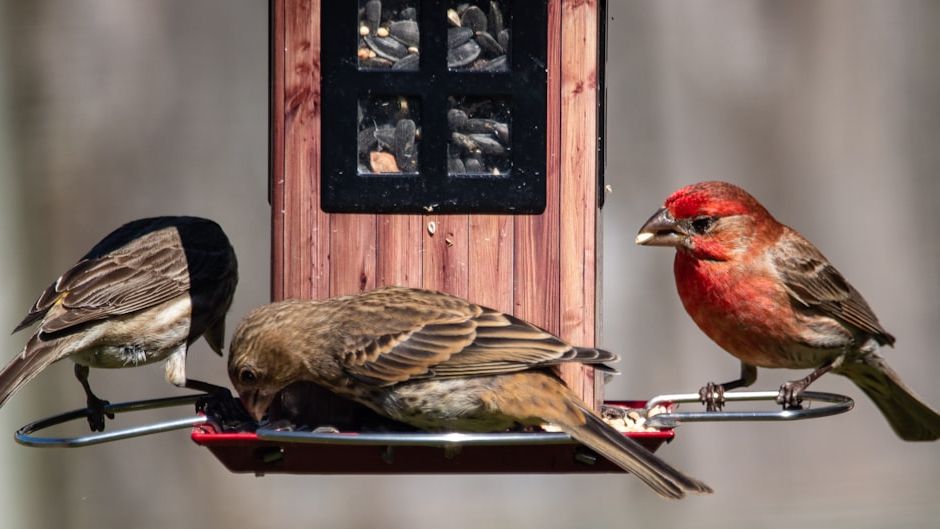
Most people set up a bird feeder with the best intentions. A little seed, a spot in the yard, and suddenly you’re a wildlife enthusiast. It’s one of those simple pleasures that has quietly grown into something much bigger. Americans now spend over five billion dollars a year on bird food and feeders, supporting one of the most popular ways to interact with wildlife in the Western world.
The problem is that good intentions don’t always translate into good outcomes for the birds themselves. Emerging evidence suggests that feeding wild birds poses real risks. Bird feeders can fuel the spread of avian diseases, alter migratory behavior, help invasive species outcompete natives, and give predators easy access to birds. None of that means you should stop feeding birds. It means you should do it smarter. Here are ten mistakes that are worth taking seriously.
Skipping the Cleaning Routine
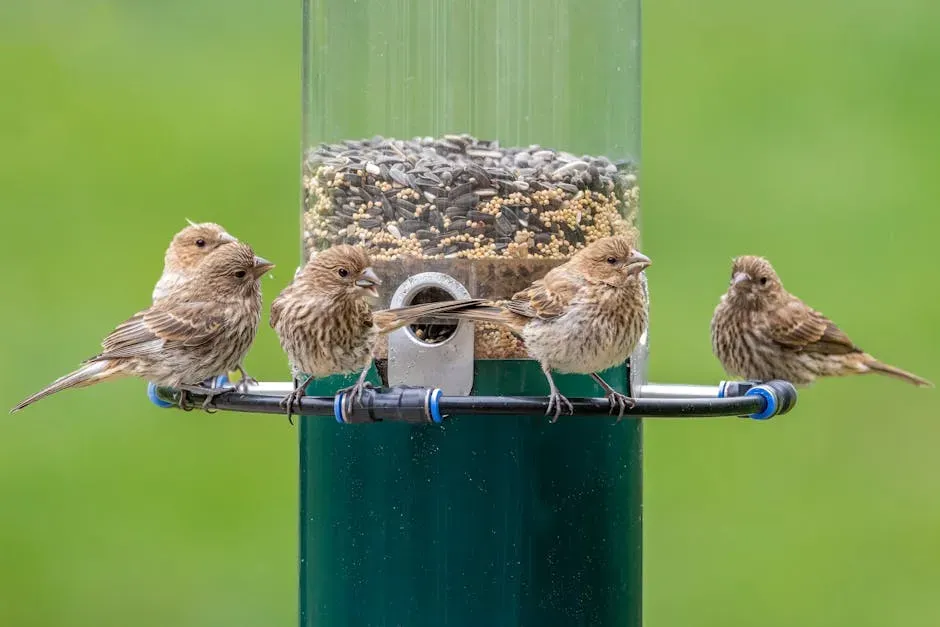
This is probably the most consequential error a backyard birder can make. When multiple birds visit the same feeder daily, they often leave behind droppings, saliva, and food particles that can contaminate the seed. Dirty feeders can grow mold, spread diseases like salmonella, or become clogged with wet, spoiled seed.
Deadly diseases, like mycoplasmal conjunctivitis, which kills house finches after blinding them, are easily spread by bacteria, mold, and parasites found in dirty bird feeders and bird baths. That’s a sobering detail most people don’t know.
To kill disease-causing germs, the Audubon Society recommends cleaning feeders with one part bleach mixed with nine parts water. Remove all parts of the feeder and wipe out any dried-on food or residue, then repeat the process about every two weeks. Hummingbird feeders need attention even more often. Because bacteria grows fast in sugar solutions, clean nectar feeders twice a week or any time the liquid looks cloudy.
Putting the Feeder in the Wrong Spot
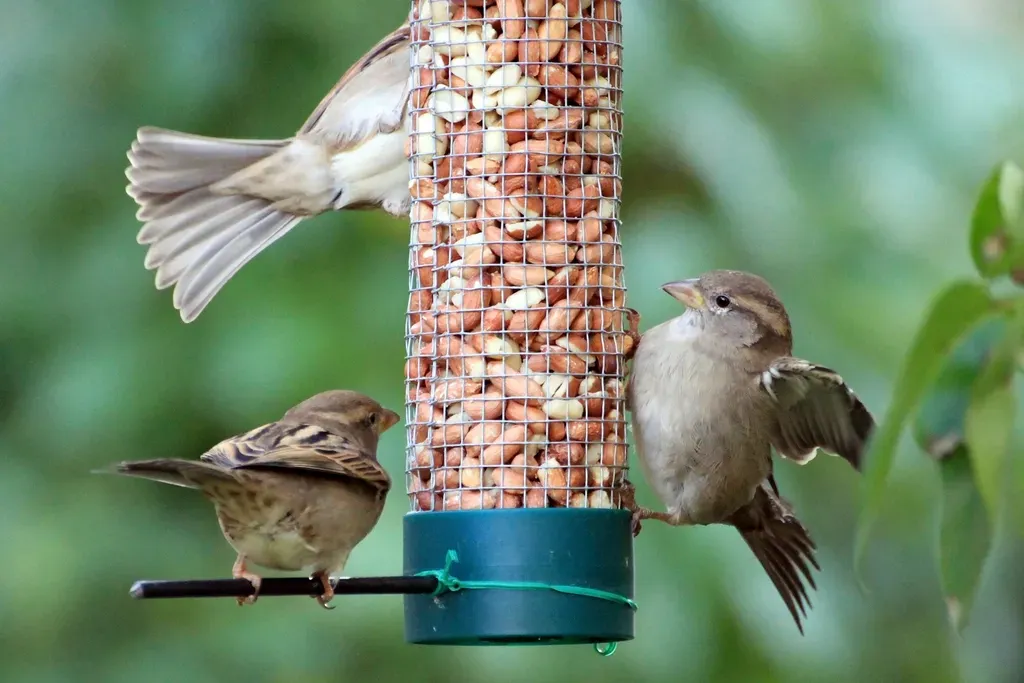
When it comes to bird feeder placement, not just any location will do. Poor placement can result in window collisions, or even put birds at risk of being killed by predators.
Window collisions quietly claim up to a billion birds annually in the U.S., with seasonal migration peaks in spring and fall pushing numbers even higher. Feeders placed between three and thirty feet from glass create the greatest danger. The fix is straightforward: place feeders either within three feet of the glass or beyond thirty feet.
Birds are a lot like us: when looking for a place to rest, they look for somewhere safe and without lots of noise and traffic. If your feeder is hung where it gets a lot of foot or car traffic, or is exposed to the elements and predators, birds will likely pass it by. Think like a bird and place your feeder where there is natural shelter nearby.
Using Low-Quality or Filler-Heavy Seed
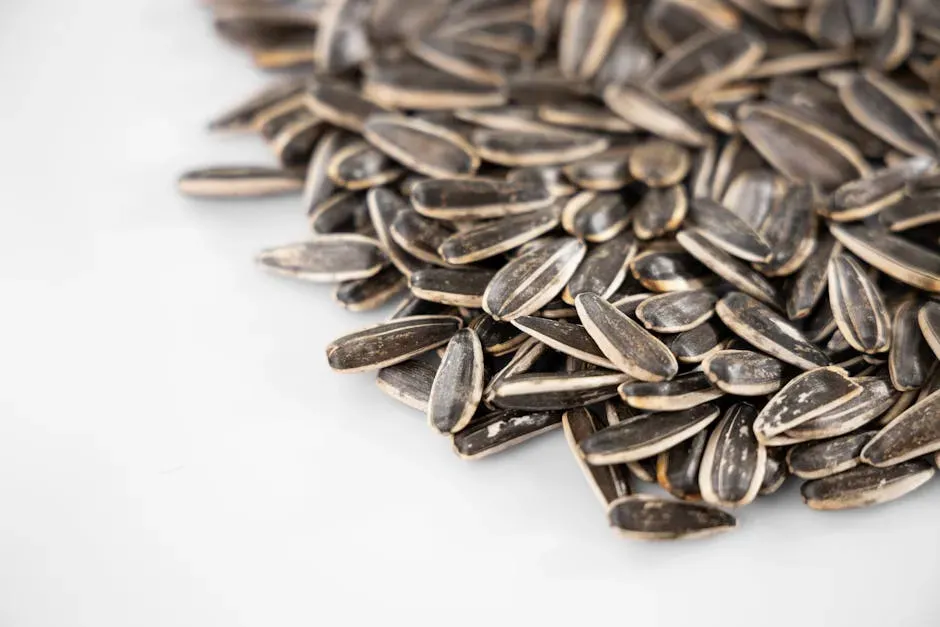
Cheap birdseed often contains a lot of fillers like milo, wheat, oats, or red millet that many backyard birds simply won’t eat. Instead, they’ll kick those fillers to the ground, which creates piles of rotten seeds, unwanted sprouting weeds, and attracts pests.
Low-cost seed is also often improperly stored and more likely to be moldy, infested with insects, or carrying larvae. You’re not saving money by buying it cheaply if half of it rots on the ground.
Black oil sunflower seeds, nyjer (thistle) seeds, and suet are excellent choices. Of all seed varieties, black oil sunflower seeds have the most oil, providing the fat that gives birds the energy they need to thrive. Focusing on nutrient-dense seeds means less waste, less mess, and healthier visitors.
Letting Seed Sit Too Long in the Feeder
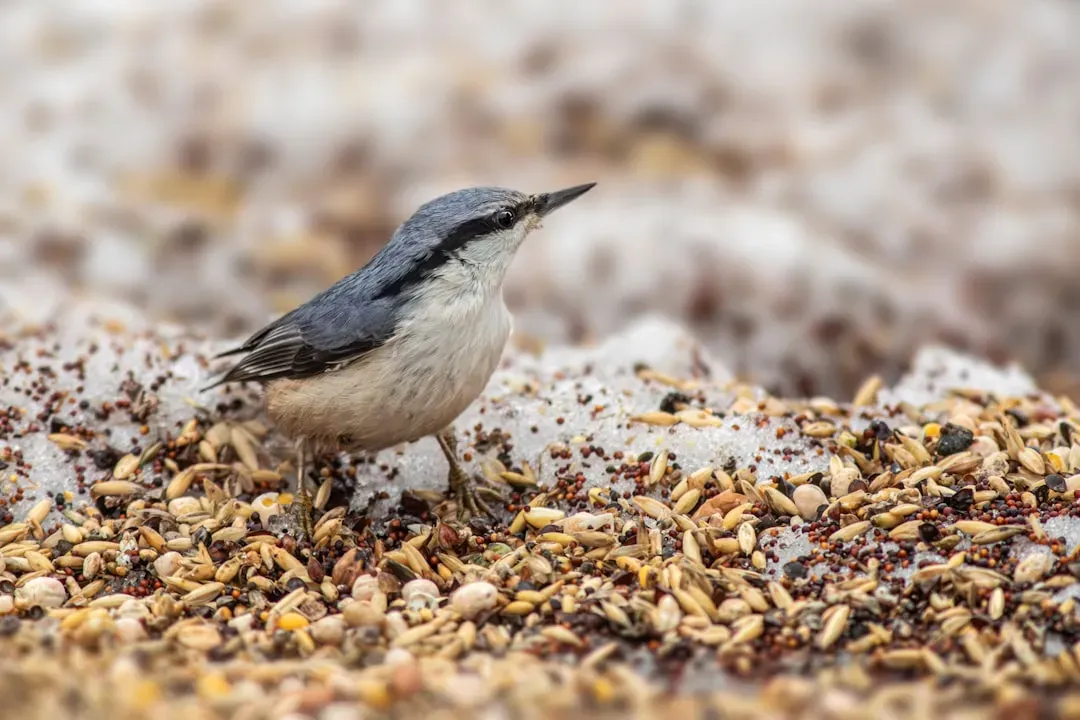
A bird feeder that is too full can impact the quality of the seeds. In addition, seeds can rot, which can cause disease and even death. It sounds extreme, but it’s a real risk that too many people overlook.
When birdseed gets wet, it clumps together, molds, and becomes dangerous for birds to eat. This usually happens when feeders don’t have proper drainage or are placed where they get rained on.
Before you refill feeders, give the food a quick sniff. Spoiled seed smells a little off, and if the scent is unappealing to you, it’s almost guaranteed the birds will look for their next meal elsewhere. Fill feeders in smaller amounts and refresh often, rather than topping them off and forgetting about them.
Storing Birdseed Carelessly
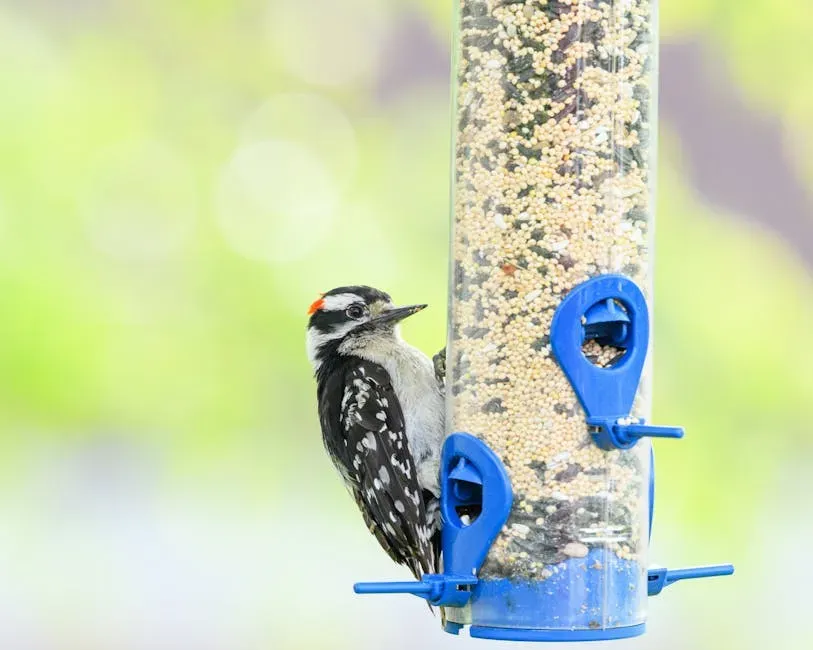
The problem often starts before the seed even reaches the feeder. Like any food, birdseed can spoil or grow moldy if it’s not stored correctly. Spoiled birdseed not only contributes to the spread of bird disease, but it exposes you and your family to harmful organisms.
One of the most significant threats to the freshness of birdseed is moisture, which leads to mold growth. Storing the birdseed in a cool, dry location is crucial to preventing moisture and the resulting mold growth.
You’ll also need a system for storing your birdseed, as rats and mice can chew through plastic bags of seed stored in places like your garage. You always want to make sure that you put any birdseed in an airtight, sealed container, ideally metal. Regular inspection of stored birdseed is essential to catch any signs of mold or spoilage early on, since moldy seeds can harm birds and cause illness or death if eaten.
Ignoring the Threat from Cats and Other Predators
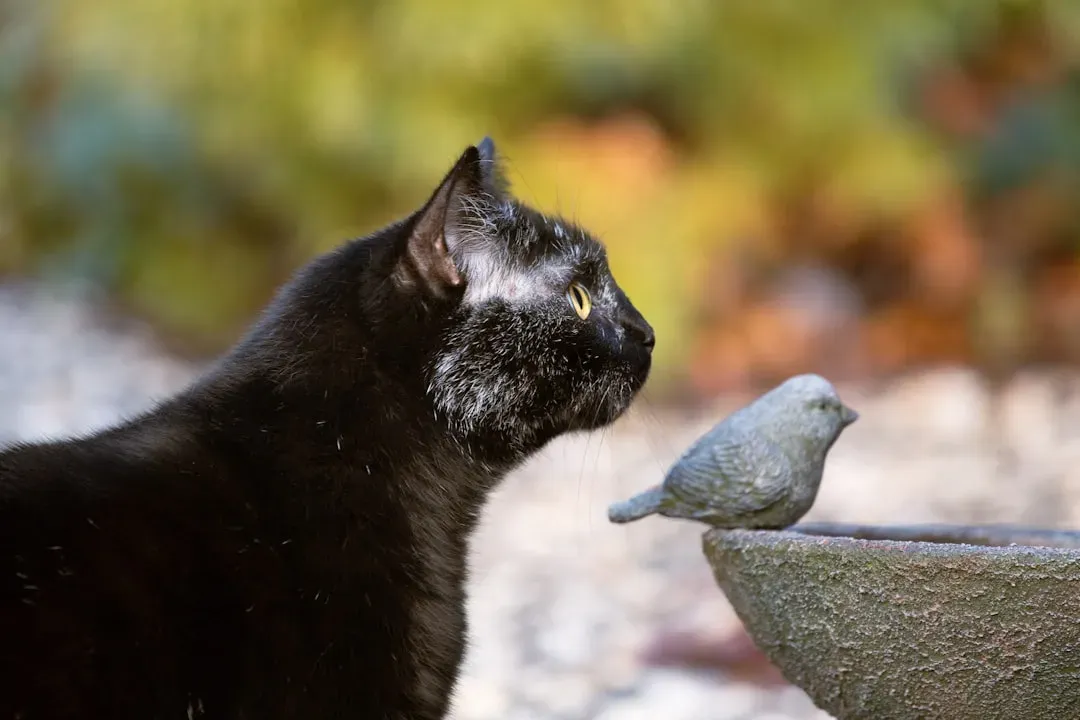
A bird feeder that draws birds in also draws in the things that hunt them. Cats’ curiosity often extends to their natural instinct as predators, which poses a significant threat to backyard birds, particularly around bird feeders. Bird feeders attract a variety of wild birds by providing a reliable source of food, but they can also unintentionally become hunting grounds for domestic cats.
Birds by nature drop food on the ground as they eat, which attracts ground-feeding birds such as Northern Cardinals or Dark-eyed Juncos. On the ground, they are highly vulnerable to cat attacks. Baby birds often hop around on the ground and they too are highly vulnerable.
Birds and small wildlife need cover and hiding places from cats, and at the same time they also need some open space around feeders to be able to spot cats before they get close enough to pounce. Place feeders and birdbaths at least ten to twelve feet away from any potential hiding places for cats.
Using Only One Type of Feeder
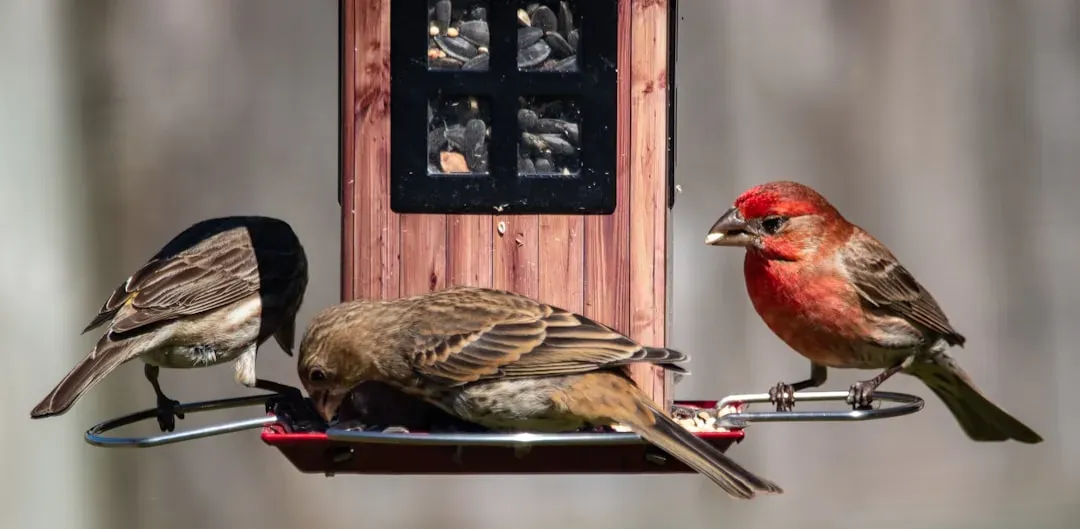
Different birds have different feeding habits. Offering only one style of feeder is one of the most common oversights in backyard bird feeding, and it quietly limits the variety of species that will ever show up.
Finches love tube feeders. Woodpeckers prefer suet cages. Cardinals like platform feeders where they can perch comfortably. A single feeder type essentially sends a message to most species that there’s nothing here for them.
Smaller birds like sparrows and chickadees are more likely to feed at tube feeders filled with seed, whereas finches prefer nyjer feeders. Suet feeders attract suet lovers like woodpeckers, nuthatches, and wrens. Diversifying your feeder setup is one of the simplest ways to increase both the variety and the number of birds visiting your yard.
Neglecting the Ground Beneath the Feeder
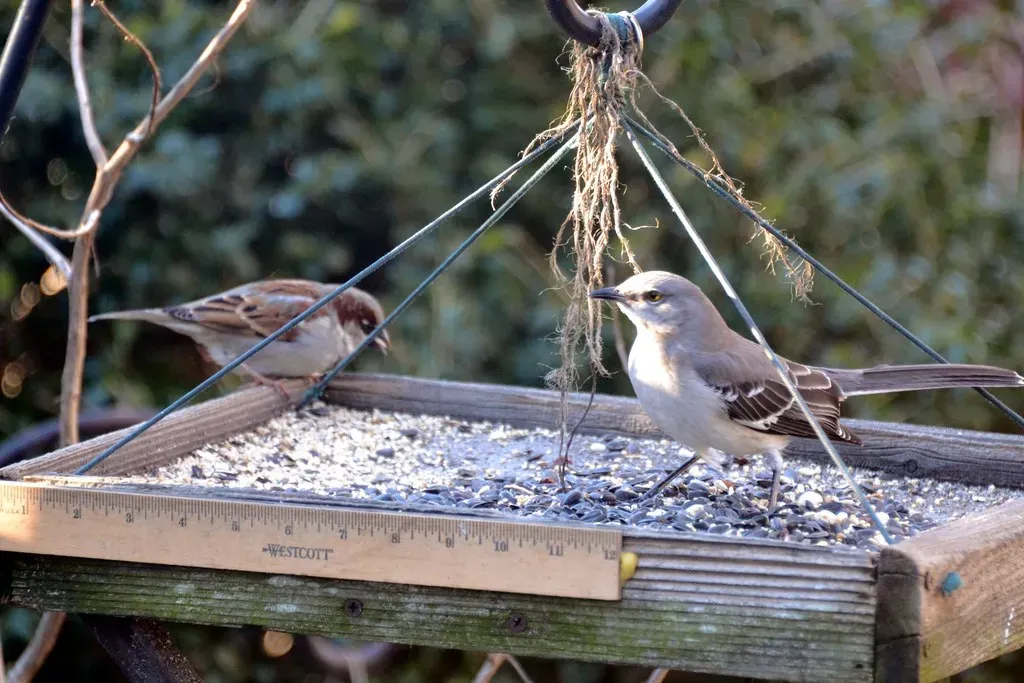
What falls below the feeder matters as much as what goes into it. While spilled bird seed can create a mess, to prevent a large pile-up of seed that may harbor disease or attract rodents, it’s best to clean up underneath the feeders at the end of each day.
Be sure to clean under your feeders too. Hulls and dropped seed are a haven for bacteria, fungus, and mold. Rake it up and dispose of it in a tightly closed bag.
Do not reuse any spilled bird seed, as it may be moldy or rotted and can make your backyard birds sick. It’s also worth noting that rodents can carry and spread some bird diseases without being affected themselves, so a tidy ground beneath the feeder helps on more than one front.
Failing to Provide Fresh Water
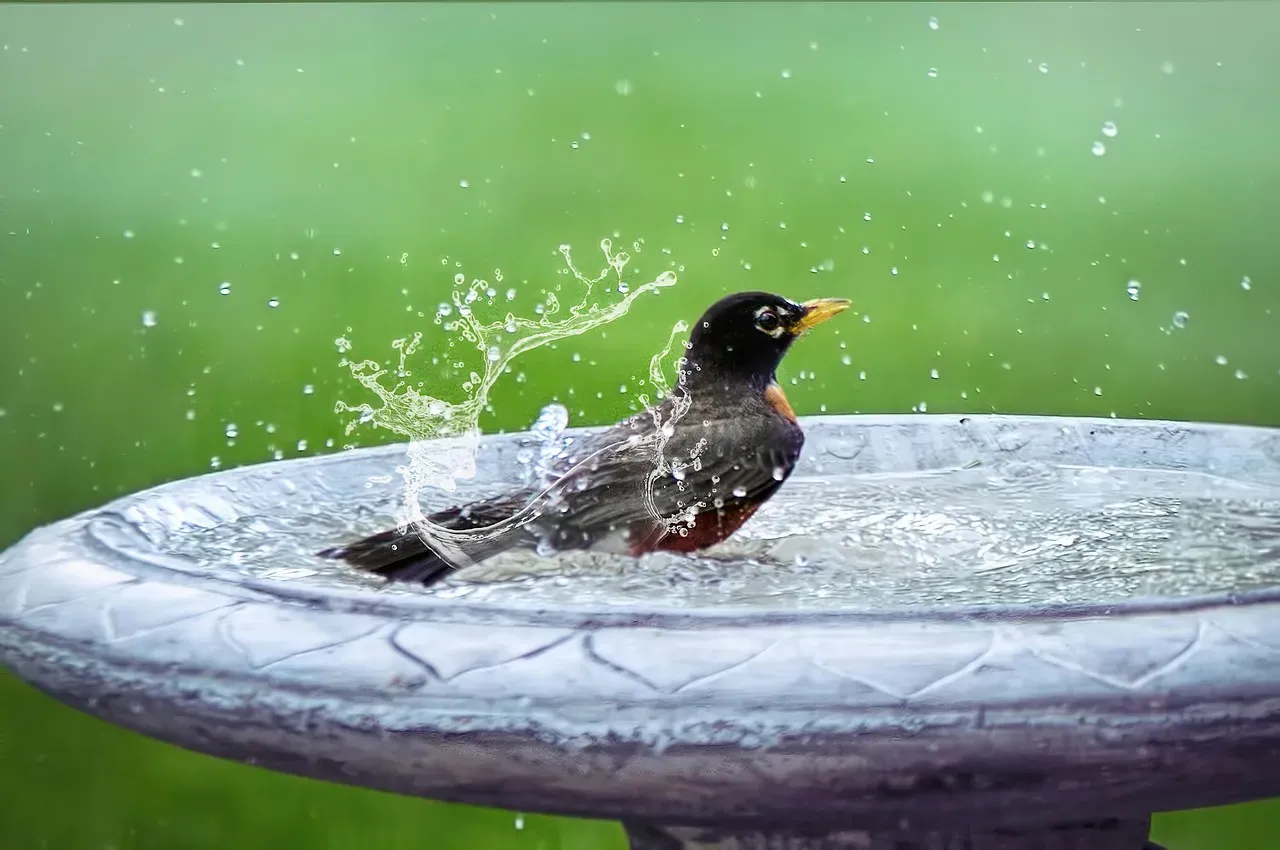
Water is often the forgotten half of a good backyard setup. Birds need water not just for drinking but also for bathing. Even if your yard is full of feeders, you might still see fewer birds if there’s no water source nearby. For birds, it’s non-negotiable.
Birds need clean water for drinking and bathing, especially during hot or freezing weather when natural water sources are scarce. Water acts as a natural attractant, particularly the sound of running or trickling water.
Watering stations and bird baths should receive fresh water daily and be cleaned and disinfected weekly. In colder months, consider a heated birdbath to keep the water from freezing. It’s a small effort with a disproportionately large payoff in bird activity.
Ignoring Sick Birds at the Feeder
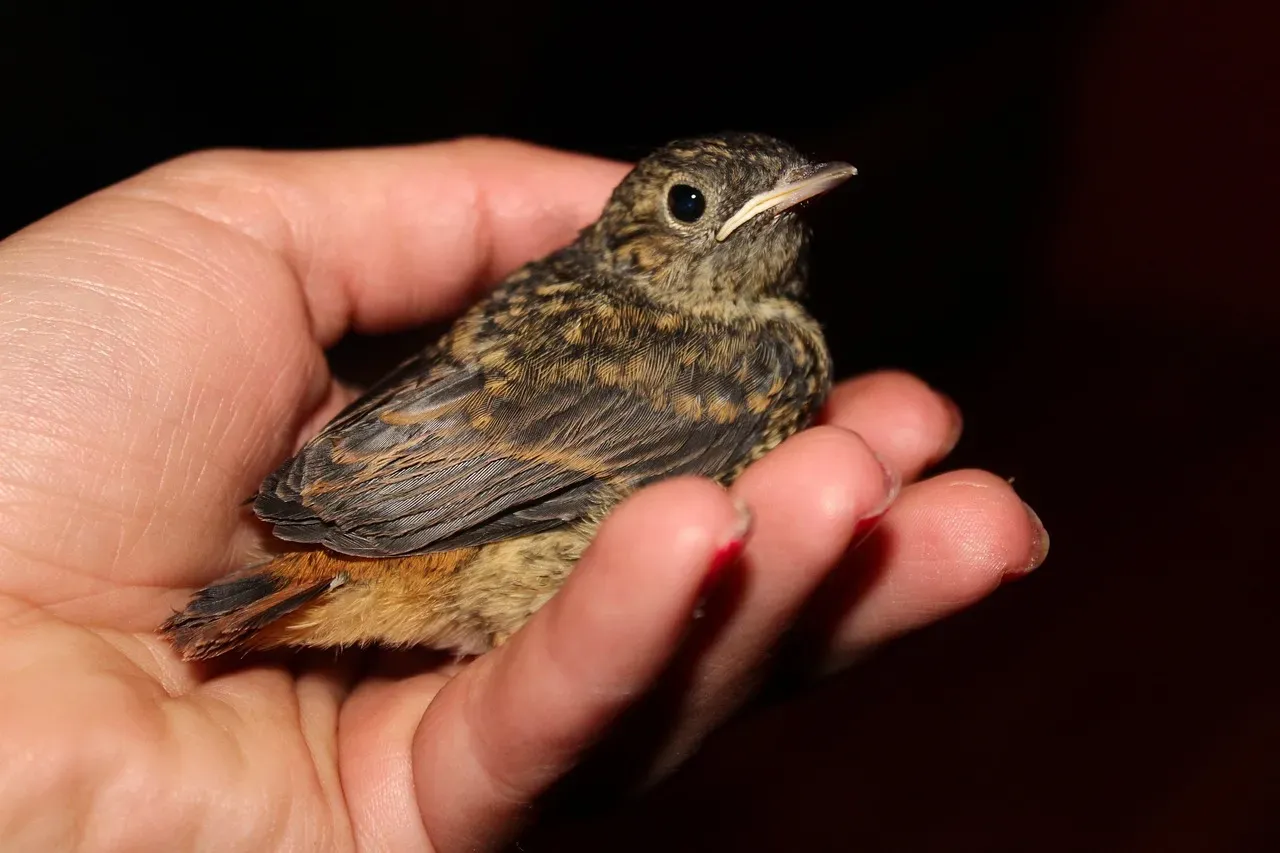
Most backyard birders don’t have a plan for what to do when a sick bird shows up. They should. Feeding birds in backyards can trigger disease epidemics by attracting high densities of birds, including species that rarely interact in the wild.
Salmonellosis is a common cause of mortality in feeder birds, but the symptoms are not always obvious. Sick birds may appear thin or fluffed up and may have swollen eyelids. They are often lethargic and easy to approach.
Whenever a sick bird comes to your feeder, remove the feeders for a couple of weeks to ensure that disease is not being spread and to give birds a chance to disperse. While the feeders are down, clean your feeder area thoroughly. Remember that prevention is the key to avoiding the spread of disease.
A Final Thought
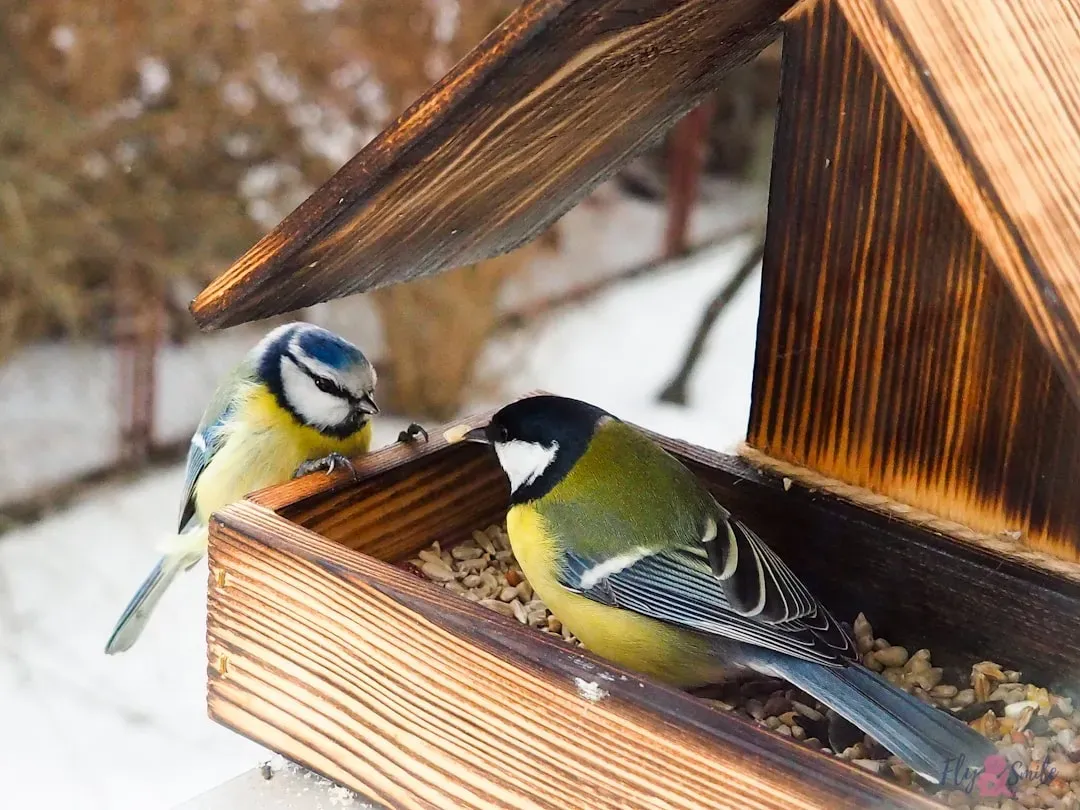
Bird feeding is genuinely worthwhile. It connects people to nature, supports local species, and offers the kind of quiet, everyday observation that’s hard to replicate. Just because bird feeding is not problem-free does not mean that it is bad or should be stopped. It does mean you have an ethical obligation not to jeopardize wild birds.
Most of the mistakes covered here share something in common: they’re easy to make and equally easy to fix. A cleaner feeder, a smarter location, better seed, and a little attention to what’s happening at ground level can shift the whole dynamic.
The birds showing up in your yard are doing so because they trust the food source you’ve provided. That trust is worth honoring with a bit of consistent care.

- 14 Signs a Dog Near the Rainbow Bridge Is at Peace With Its Person - July 21, 2026
- 15 Ways a Shelter Animal Tells You It Was Always Meant to Be Yours - July 21, 2026
- 14 Ways a Dog Shows You Are the Center of Its Whole World - July 21, 2026