

There’s a quiet construction project happening across rivers, streams, and valleys throughout North America and Europe. No permits, no contractors, no machinery. Just a flat-tailed rodent, some branches, and an instinct refined over millions of years. Beavers have been shaping freshwater landscapes long before humans had the concept of water management, and what they build turns out to be remarkably sophisticated.
The more researchers look at beaver activity, the more they find it doing exactly what costly engineering projects try to replicate. Wetland restoration, flood buffering, groundwater recharge – it’s all happening organically, wherever beavers are allowed to work. That’s a striking finding, and it’s pushing conservationists and land managers to reconsider what “natural infrastructure” really means.
Nature’s Most Productive Engineers
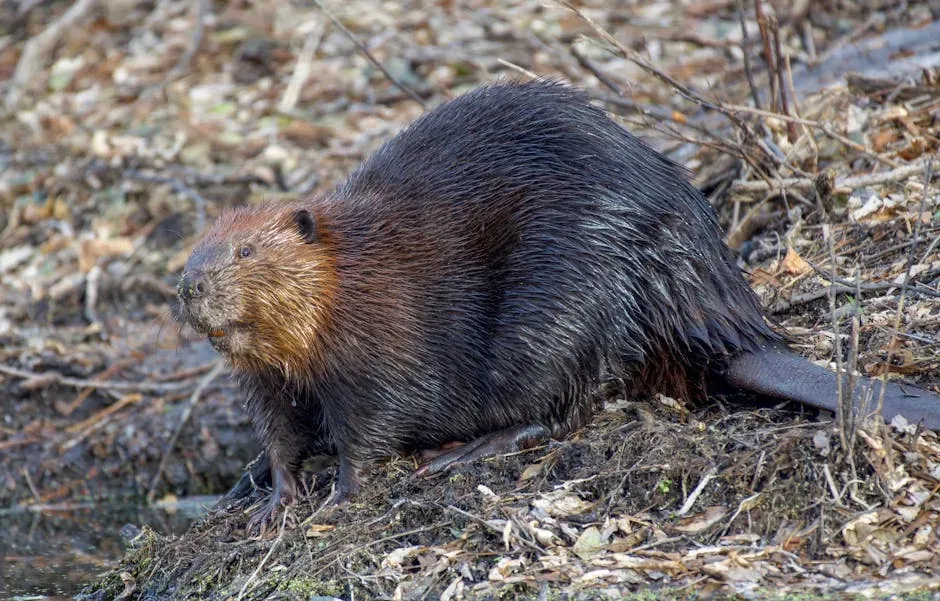
Beavers are widely recognized as natural ecosystem engineers. By building dams, digging channels, and reshaping riverbanks, they create wetlands, slow water flow, reduce erosion, improve groundwater recharge, and help landscapes become more resilient to both drought and flooding.
Beaver dams create cool ponds that foster biodiversity, improve water quality, and even limit the spread of wildfires. They frequently construct multiple dams within an area, creating a wetland network of surface water and vegetation known as “beaver wetland complexes.”
Their work creates a rich mosaic of ponds, wet meadows, and alluvial habitats that benefit amphibians, insects, birds, fish, and countless other species. In many places, beavers provide restoration services free of charge that would otherwise require expensive technical intervention.
Beaver populations in North America have fallen from an estimated 60 to 400 million before European colonization to roughly 10 to 15 million today because of extensive hunting, habitat degradation, and trapping. The scale of that loss is hard to picture. What it means in practice is that entire river systems have been operating without their most capable water manager for centuries.
How Beaver Dams Actually Control Flooding
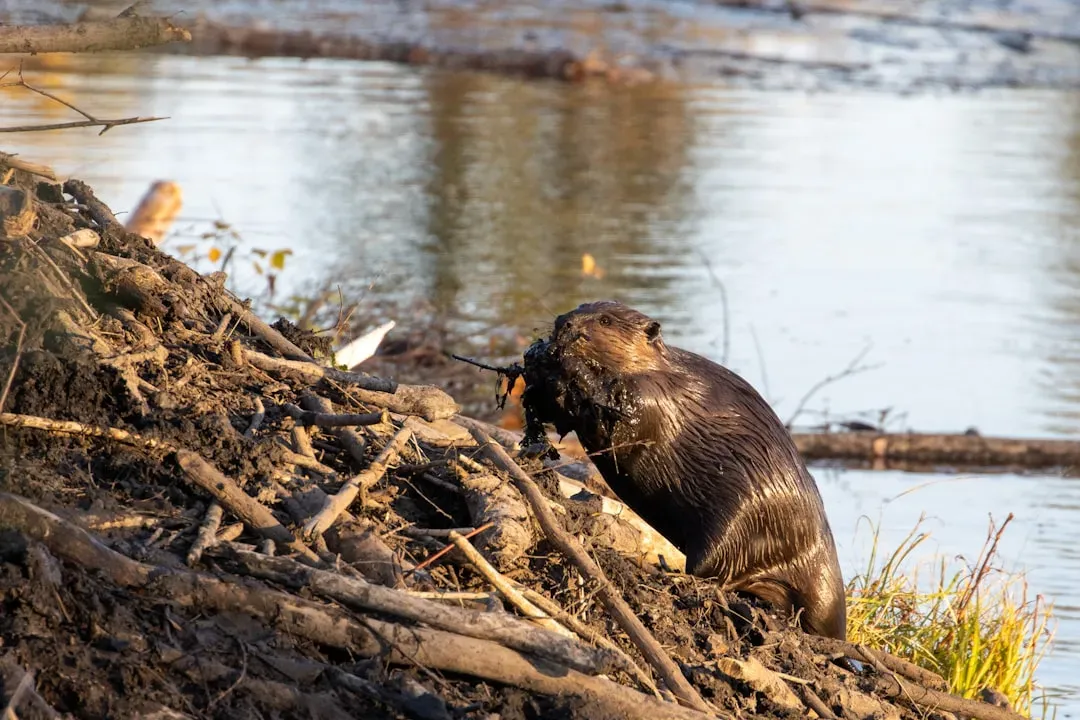
Beaver dams mitigate flooding by storing excess water during heavy rainfall to reduce peak discharge, while ensuring steady downstream flow that benefits plants, animals, and human communities. This isn’t a minor effect. It changes the fundamental timing and intensity of water movement through a catchment.
The beaver dams and ponds greatly enhance the depth, extent, and duration of inundation associated with floods. Additionally, investigators found that beaver dams elevate the water table during both high and low river flows and slow the decline of the water table during dry months.
Dams can delay downstream transmission of floodwaters by slowing surface runoff and attenuating peak discharges, resulting in smaller floods. The effects that beaver dams have on hydrology hold the potential to create a negative feedback loop in response to some hydrological changes resulting from the changing climate.
A Dorset study from early 2026 captured this dynamic clearly. By slowing the flow of a stream, beavers were helping prevent a nearby road from flooding in heavy rain, and by slowing water flow and creating wetlands, they help retain water during both floods and droughts, benefiting nature and local communities.
Groundwater, Water Quality, and the Hidden Benefits Below Ground
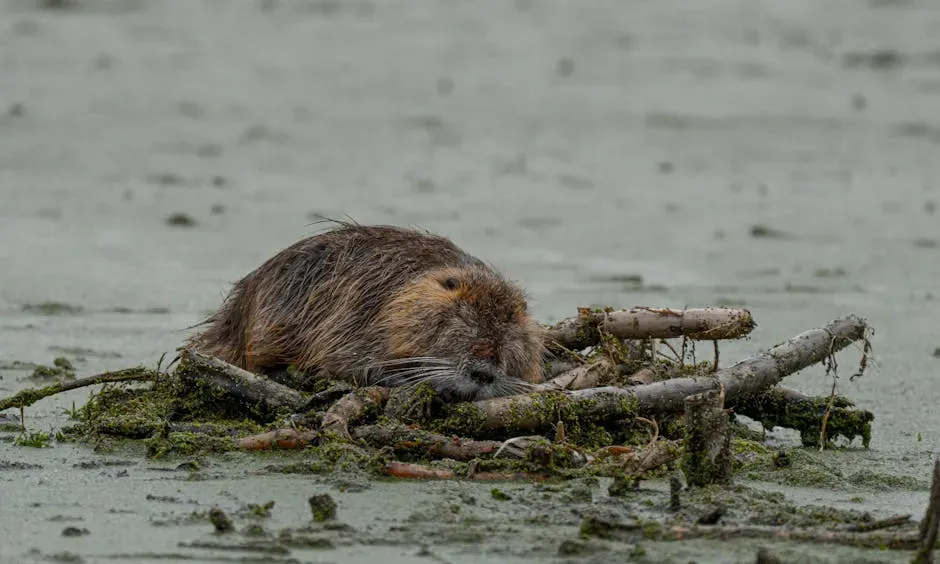
Researchers found that ponds created by beaver dams raised downstream groundwater levels in the Colorado River valley, keeping soil water levels high and providing moisture to plants in the otherwise dry valley bottom. Water diverted by beaver dams is forced out of the natural stream channel and spreads across and down the valley for hundreds of meters. In addition, dams changed the direction of groundwater flow in the valley.
Beaver dams create surface water storage and boost groundwater storage in peripheral floodplains. As the flow of water is slowed, it is able to spread across and seep into the landscape. This increase in moisture mitigates the effects of drought and helps boost vegetation establishment and health throughout the riparian zone.
Beaver dams act as natural filters, trapping sediment and diffusing pollutants like nitrogen and phosphorus to improve water quality. This natural filtration system is becoming more essential as the climate continues to warm, since higher water temperatures exacerbate water pollution.
In a mountainous watershed in Colorado, researchers found that the increase in riparian hydraulic gradients imposed by a beaver dam is more than ten times greater than seasonal hydrologic extremes. Beaver dams increase water flow gradients and nitrate removal far more than seasonal climate extremes. That’s a striking measure of just how much influence a single structure can have.
Reintroduction Programs and the Beaver’s Comeback
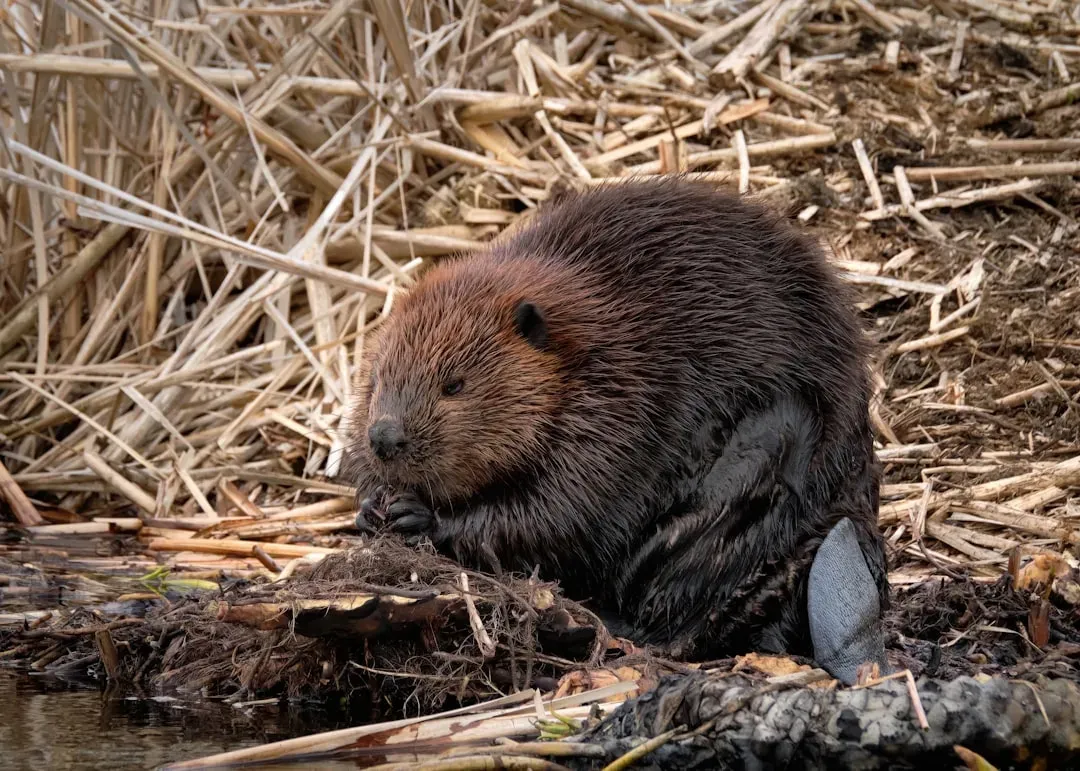
Beavers are one of two pairs the National Trust released into Little Sea lake in Studland in Dorset, England, in March 2025 under the first licence of its kind granted by Natural England. The results came quickly. Within a year, the site had transformed from dense woodland into a functioning wetland, with visible increases in wildlife across the area.
Montana Fish, Wildlife and Parks is considering a Beaver Transplant Program that would create a framework for state wildlife managers and partners to relocate beavers from areas of conflict to places within their historical range where their natural behavior can help restore degraded watersheds.
Beaver translocation programs are already underway in Idaho and Wyoming, where relocated beavers are successfully rebuilding stream systems and improving water storage and quality. These programs treat conflict beavers not as a nuisance to be removed, but as a resource to be redirected.
In early 2023, the British Columbia Wildlife Federation launched a beaver-based restoration project called 10,000 Wetlands, designed to nudge ecosystems toward recovery and resilience by listening to and mimicking natural processes. Its mode of action is using Beaver Dam Analogs and, in some cases, beaver reintroduction to reduce climate change-driven fire, drought, and flood risk.
Real Complexity: Where Beavers Create Tension

The enthusiasm around beavers is well-founded, though it’s worth being clear-eyed about the challenges. Despite the potential for wetland resilience and restoration, beaver activity can create problems for nearby communities. New dams can temporarily reduce water flows, putting stress on downstream water users already struggling to find sufficient surface water supplies during drought conditions. Unmanaged beaver populations can pose a flooding threat to homes, crops, and infrastructure.
Despite positive outcomes, projects have also produced complications. In some areas, water levels rose higher than expected, affecting nearby land use. Beaver activity occasionally exceeded projected boundaries, requiring ongoing monitoring and adjustment.
Conservation efforts now focus on living alongside beavers. Special flow devices help control flooding while letting beavers stay in their habitats. This approach acknowledges that beavers don’t always build where it’s convenient, and that good management means working with their behavior, not simply against it.
Some research suggests that beaver landscapes may sequester up to 470,000 tons of carbon annually, and it has been estimated that the ecosystem services beavers provide in the US are worth hundreds of millions of dollars. One study estimates that beavers save the US around $133 million in habitat and biodiversity protection and approximately $75 million in greenhouse gas sequestration. Even accounting for the conflicts, the math tends to favor coexistence.
Conclusion
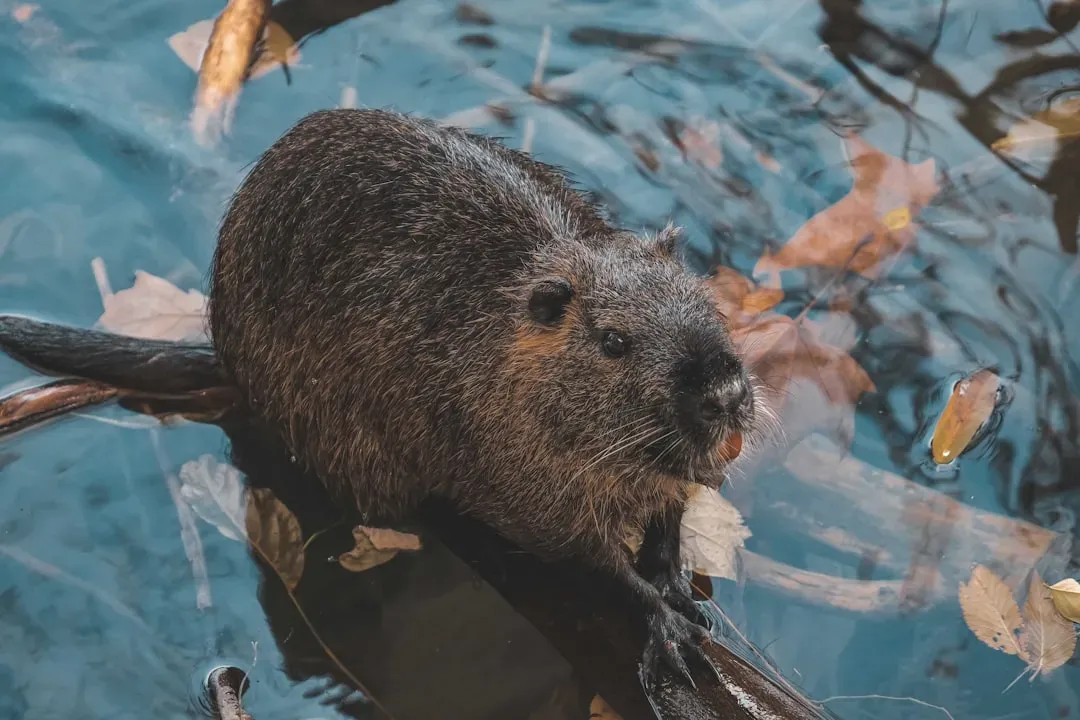
What makes the beaver story so compelling isn’t just the ecological data, though that data is genuinely impressive. It’s the simplicity of the mechanism. A single species, acting on instinct, builds structures that regulate water flow, recharge aquifers, filter pollutants, create habitat, and buffer against flood and drought simultaneously.
These benefits continue even after a beaver has moved away from an area. Like wildfire scars on the landscape, old beaver wetlands leave a physical mark and an ecological legacy. The land remembers what was built there.
At a time when governments are spending billions on flood defenses and wetland restoration, the most cost-effective solution may already know exactly what it’s doing. The challenge for humans isn’t to build better. It’s to make enough room for the builders that were already here.
