
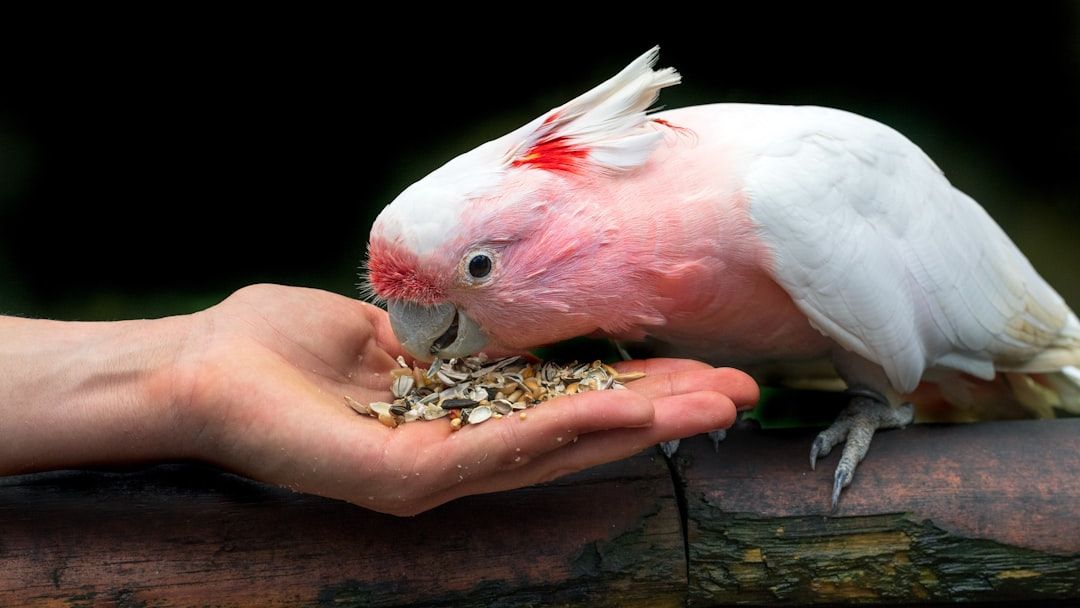
Most people enjoy birds for the obvious reasons: the color, the sound, the quiet sense of life they bring to an outdoor space. But there’s a lot more going on beneath those bright feathers. Birds are quietly working in ways that benefit your garden, your health, your home’s ecosystem, and even the neighborhood around you.
The relationship between birds and a healthy backyard turns out to be remarkably practical. From chemical-free pest control to improved soil quality, the perks stack up quickly once you start paying attention. Here are ten genuinely surprising reasons to welcome more feathered visitors to your yard.
1. They Are Nature’s Best Pest Controllers
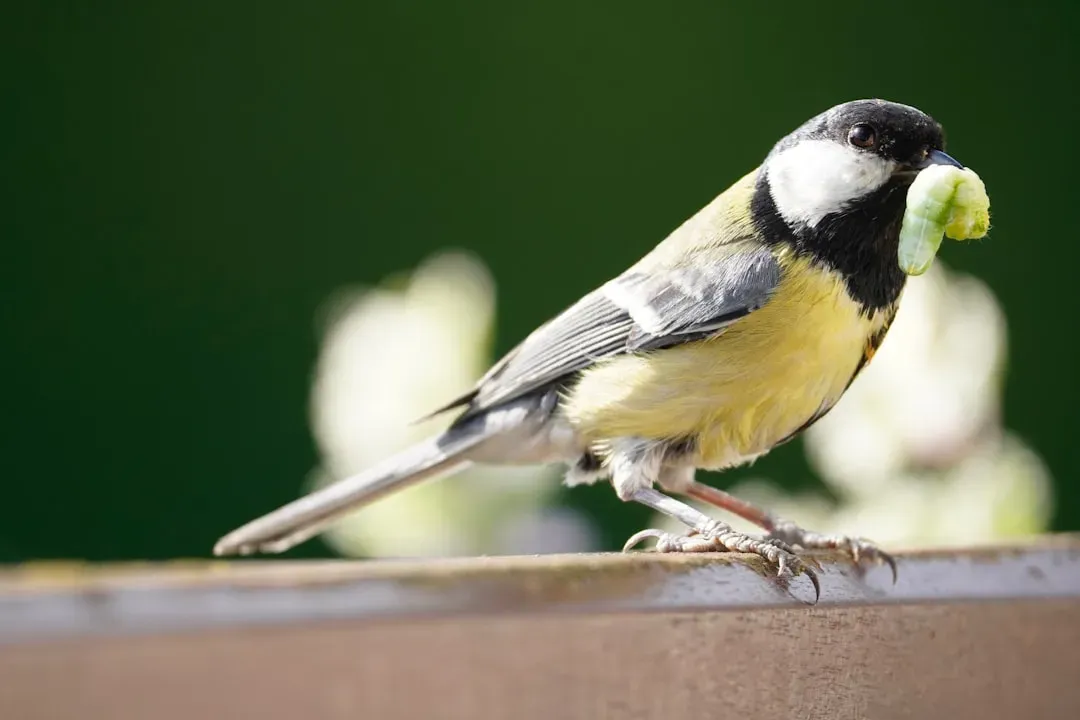
In addition to seeds and nuts, birds eat a wide variety of insects that may not be welcome in a yard or garden, including aphids, mosquitoes, spiders, earwigs, beetles, and moths. This isn’t a minor contribution. The scale of it is actually impressive.
Birds are efficient insect eaters and a great source of natural pest control, and one nest of baby chickadees alone will consume between 6,000 and 9,000 caterpillars in a single season. That kind of output is hard to replicate with any spray-on solution.
Warblers, swallows, chickadees, and robins feast on common pests like aphids, mites, beetles, caterpillars, and mosquitoes, reducing infestations and protecting both flowers and produce without the need for harmful pesticides.
2. They Pollinate Your Garden in Ways You Might Not Expect
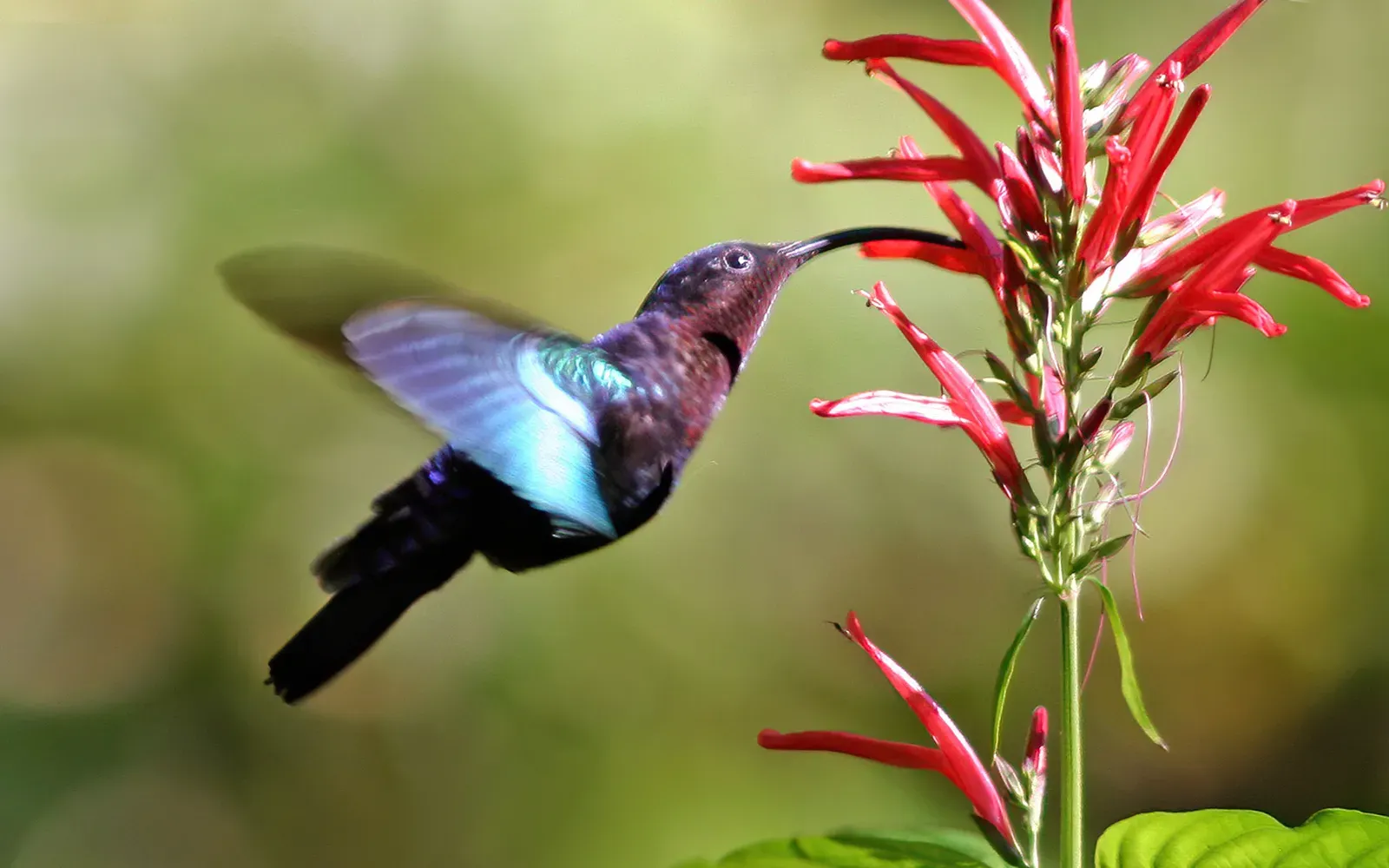
Bees aren’t the only pollinators. When birds pollinate, it is called ornithophily, and some birds like hummingbirds help pollinate plants with their fast-flapping wings. It’s a process that quietly supports everything from your flower beds to your vegetable patch.
Hummingbirds visit thousands of flowers every day in their constant search for nectar, and pollen sticks to their beaks as they drink, carrying those grains from one flower to another. Every trip they make is an unintentional act of garden maintenance.
While bees and butterflies are the most popular pollinators, many birds also spread pollen and aid garden productivity, with hummingbirds, orioles, sunbirds, bulbuls, and white-eyes all serving as excellent pollinators. A more diverse bird population in your yard often means a more productive garden.
3. They Keep Weeds Under Control
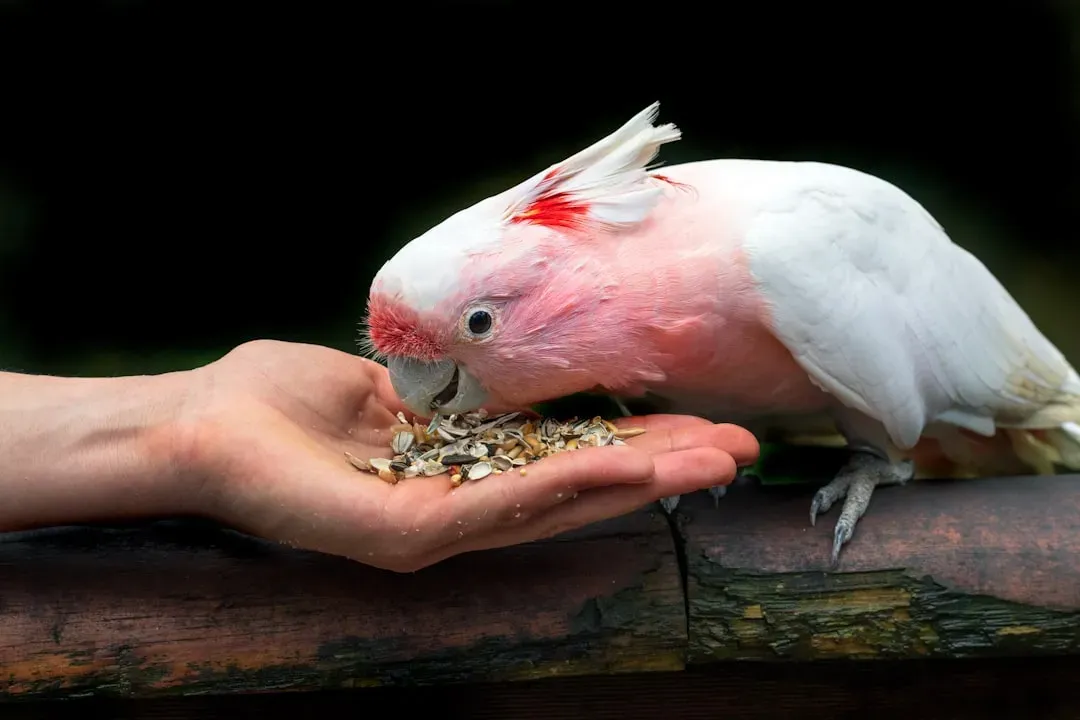
Finches, towhees, and sparrows love to eat weed seeds, making them effective landscaping assistants that help control unwanted plants. That’s a lot of weeding you’re not doing yourself.
Seed-eating birds can keep weeds at bay with their voracious appetites. Finches, quail, towhees, sparrows, and doves all eat a wide range of seeds and will help keep weed growth minimized, not only munching on fallen seeds but also picking seeds right off the plants.
The more of these species you attract, the less time you spend on your hands and knees in the flower beds. It’s one of those natural partnerships that simply works.
4. They Help Aerate Your Soil
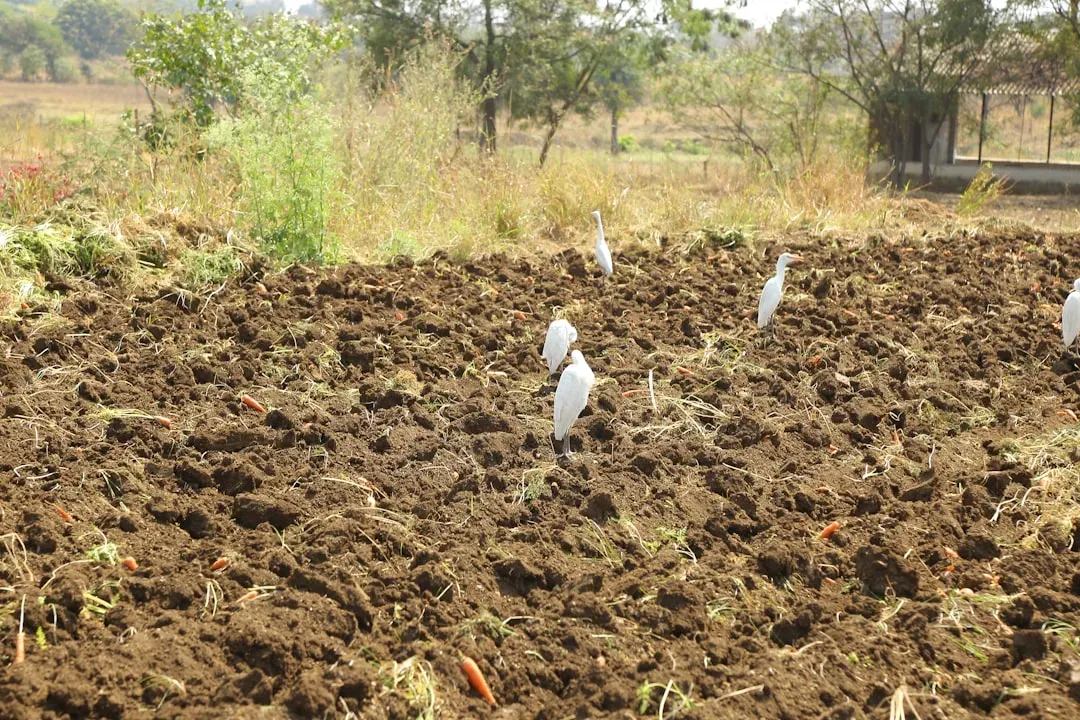
Birds digging for insects or scratching at the soil for seeds has an important side effect: soil aeration. Soil aeration is the process of loosening compact soil, which improves air and water flow to plant roots, and is critical for root development and the overall health of vegetation.
Robins, sparrows, and starlings actively aid in soil aeration because their foraging habits naturally turn the soil, scratching and pecking at the upper layers, which prevents compaction, fosters moisture penetration, and breaks up soil clumps. It’s a kind of free, organic tilling that happens without any effort on your part.
Aerated soil gives plant roots better access to air and water, lowers soil compaction, and fosters more vigorous root growth, which supports stronger, larger, and healthier plants.
5. They Provide Free, Natural Fertilizer
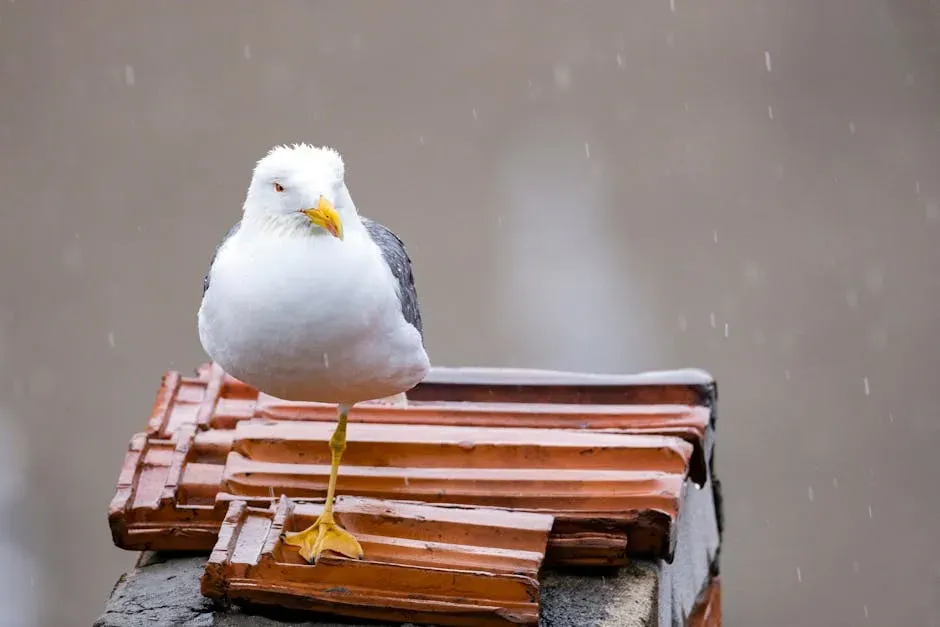
Fertilizing the garden adds essential nutrients to the soil, and birds provide natural fertilization through their droppings. Bird waste is rich in nitrogen and phosphorus, which are key nutrients for healthy plants. It’s not glamorous, but it works.
While a few songbirds will not provide enough fertilization for an entire garden, every bit of droppings they leave behind will be put to excellent use by hungry plants. Over time, a consistently bird-friendly yard sees real cumulative benefits to its soil health.
6. They Manage Rodents Without Chemicals
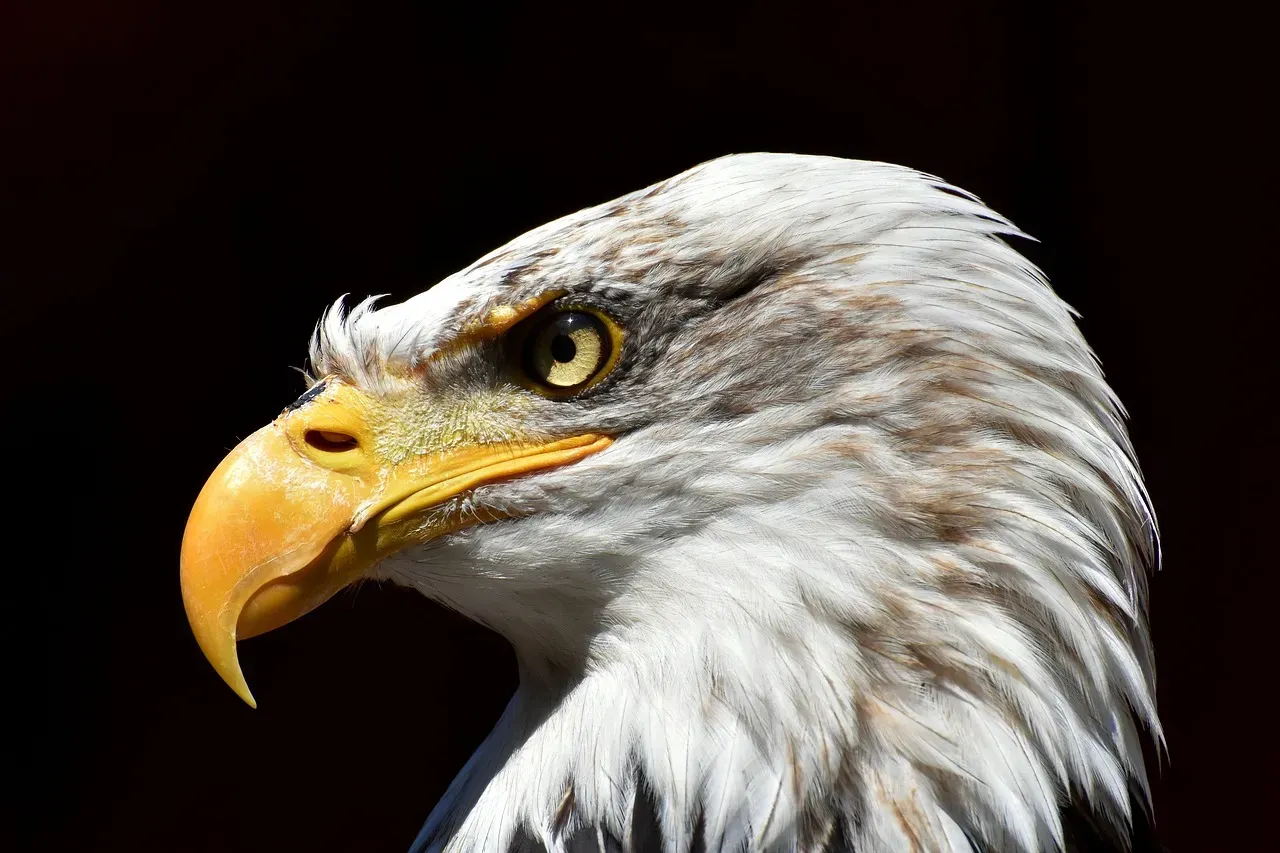
Backyard raptors will gladly hunt small animals as prey, and owls, kestrels, and hawks are all adept hunters who will help control unwanted small mammals so there is no need for rodenticides or messy traps. This is one of the most underrated advantages of a bird-welcoming yard.
Larger birds, including kestrels, owls, and hawks, provide excellent rodent control by hunting mice, voles, rats, squirrels, snakes, and other less-welcome critters in the neighborhood. Attracting these species takes some planning, but the payoff is significant.
Large birds like hawks and owls can help keep rodents from getting into your house, and also help keep squirrel, vole, and other small critter populations under control. A well-placed nesting box can make a genuine difference.
7. They Spread Seeds and Support Plant Diversity
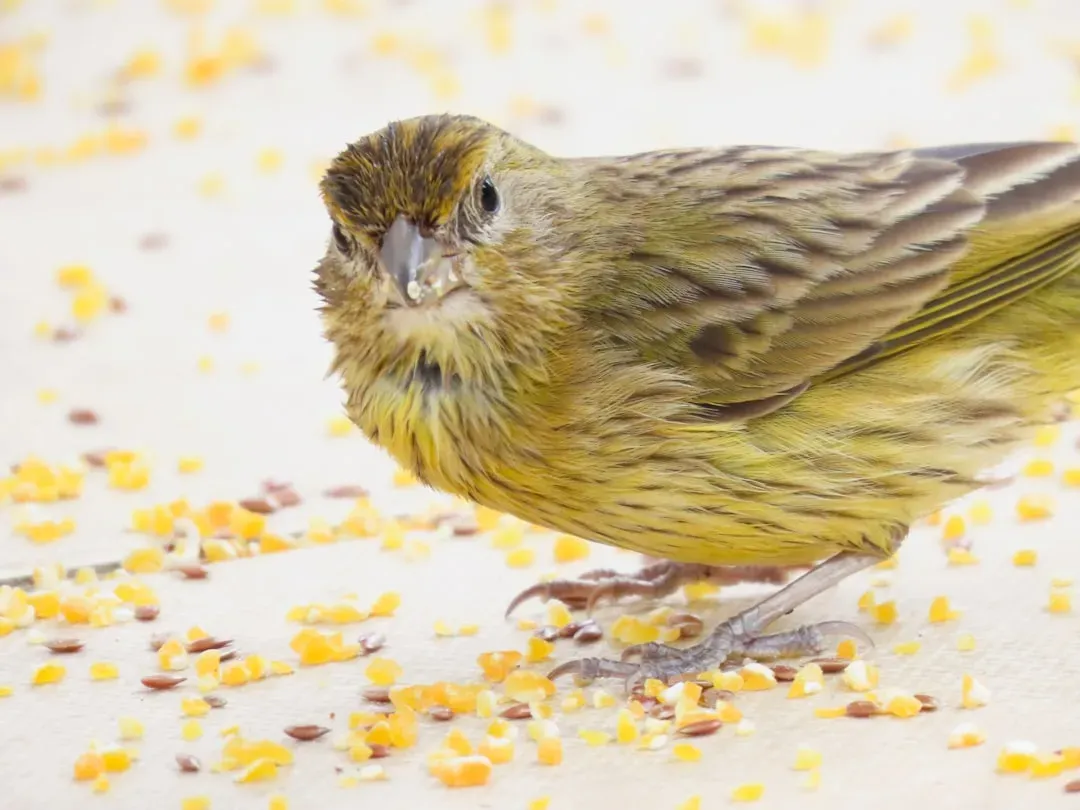
Birds are nature’s efficient gardeners, spreading seeds far and wide and contributing to plant diversity. As they feast on fruits and berries, seeds are ingested and later deposited in new locations, which helps maintain plant populations and introduces new species to the garden.
Seed dispersal by birds ensures genetic diversity, strengthening plants’ resilience to diseases and environmental changes, and the resulting variety of plant life invites more wildlife to the garden, creating a balanced, thriving habitat.
This works well beyond your property lines, too. Birds moving through a neighborhood carry plant material from yard to yard, quietly rebuilding biodiversity in urban and suburban spaces over time.
8. They Reduce Stress and Support Mental Well-Being

Watching birds, interacting with them, listening to their songs, and taking time to work outdoors improving their habitat can help relieve stress and promote well-being. Time outdoors also helps boost vitamin D levels and encourages fresh air intake.
Watching birds helps to restore focus, slow heart rates, and therefore reduce levels of stress hormones. The effect is measurable and doesn’t require anything elaborate. A feeder by the kitchen window does a surprising amount of work.
Sitting by your window or in the garden as you observe nature can really bring you in touch with yourself again and restore a sense of calm. That kind of quiet reset is harder to find in a world that rarely slows down.
9. They Offer Educational Value for Children and Adults Alike
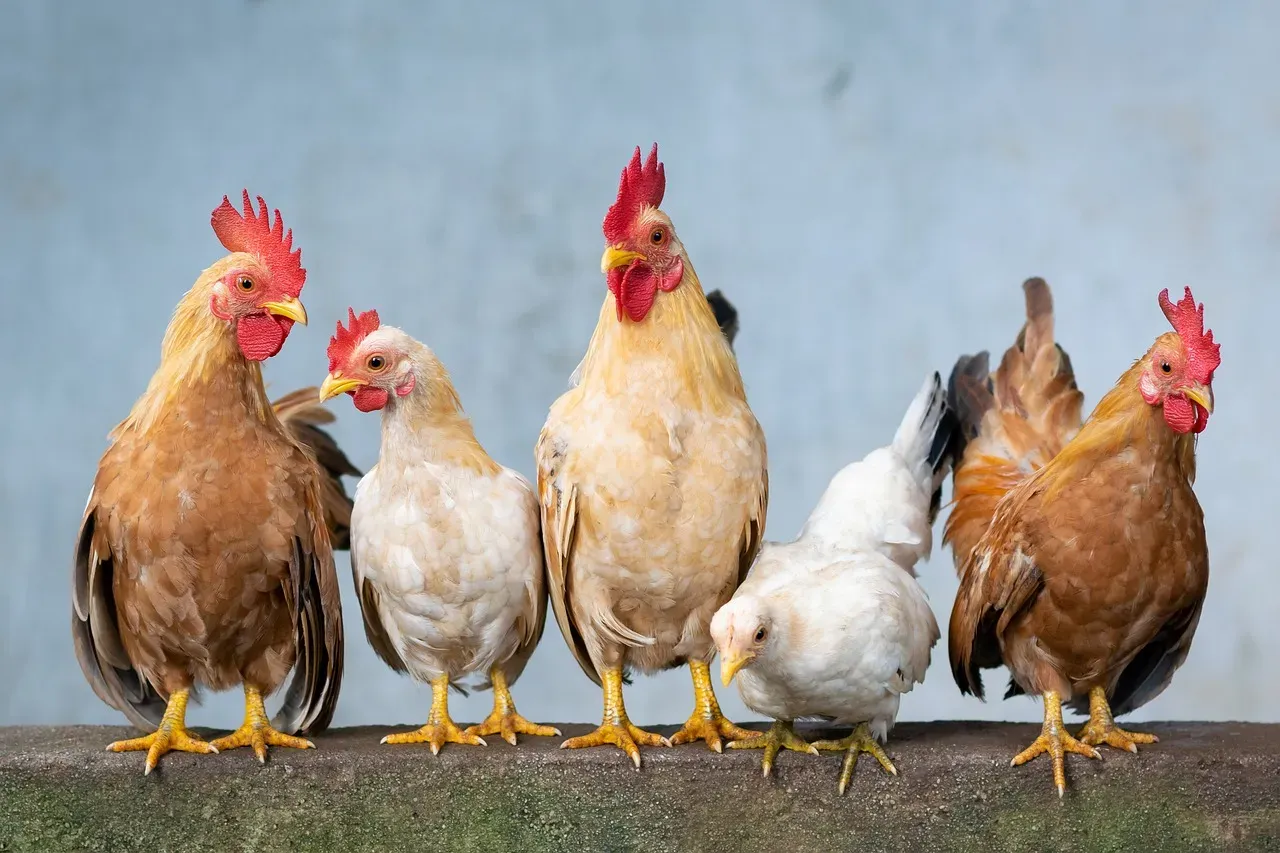
Observing backyard birds is a unique opportunity to study local wildlife, and attracting birds all year round gives backyard birders the chance to see seasonal plumage changes, migration, courtship behavior, and nesting. It is also a great way to introduce children to wildlife enjoyment and appreciation, spreading birding across generations.
Caring for birds by providing food and habitats encourages children to spend time outside and teaches them the importance of nurturing the natural world. It’s a hands-on science lesson that costs almost nothing to set up.
Learning about birds is a fun and challenging aspect of birding, and many experienced backyard birders can identify birds by their songs or flight patterns. That skill develops naturally over time, and it tends to become quietly addictive.
10. They Support Wildlife Conservation Right in Your Neighborhood
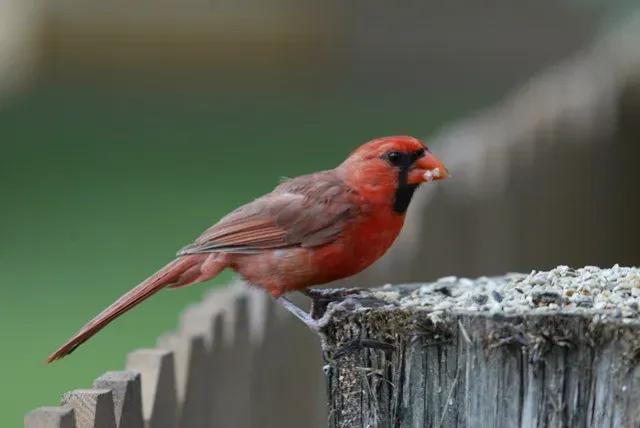
As more habitats become threatened through development, attracting backyard birds provides a critical oasis for bird and wildlife conservation, both for local species and migrating birds. This helps preserve birds both in the yard and in the larger local environment.
While the average backyard may not seem to matter that much, it is an integral part of the neighborhood ecosystem. That perspective shifts things. A single yard might feel insignificant, but collectively, bird-friendly backyards form corridors that migratory species genuinely depend on.
A home that is well-maintained with appropriate native landscaping that attracts birds has better curb appeal and good value for homeowners, and this helps keep neighborhood values rising as a great investment for home sales or rental markets. Conservation and property value rarely show up in the same sentence, but here they do.
Conclusion
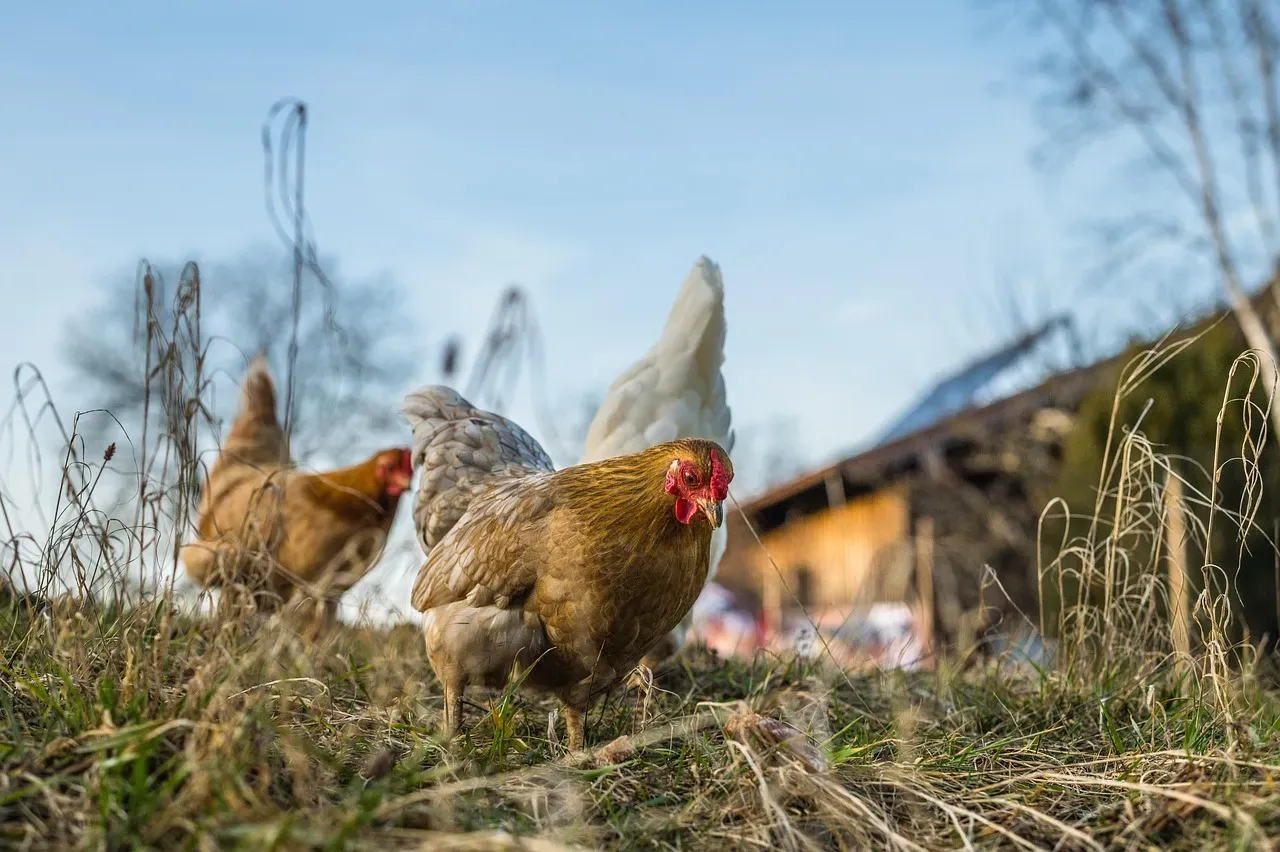
It’s easy to think of backyard birds as a pleasant but passive feature of outdoor life. A flash of color, a bit of morning song. The reality is far more layered. Birds are working ecologists, quietly aerating your soil, managing your pests, pollinating your plants, and pulling weed seeds out of your lawn without being asked.
The investment required to attract them is genuinely modest. A feeder, a birdbath, a few native plants, and perhaps a nesting box or two. The returns, measured across a full growing season, are hard to overstate.
Perhaps the most enduring value is something harder to quantify: the way a yard full of birds pulls you outside, slows you down, and reconnects you to a natural rhythm that most daily routines have long since crowded out. That alone might be worth the sunflower seeds.
