

There’s a quiet assumption most cat owners carry around without ever examining it: that a cat left to age will somehow struggle, grow needy, or fall into visible decline the moment life gets quieter around them. It’s the kind of worry that sneaks up on you when a house empties out, routines slow down, or you simply wonder whether your companion is doing okay while you’re gone. What vets and feline behaviorists have found, though, tells a very different story.
Certain breeds don’t just cope with a calmer, slower pace of life. They genuinely flourish in it. The right feline companion can make everyday life calmer, happier, and a lot more entertaining, and the breeds best suited to this tend to be relaxed, people-oriented, and content with a cozy lap and a quiet home. These eleven breeds are the ones vets keep recommending, not because they’re the most glamorous or the most famous, but because their temperament, health profile, and adaptability allow them to age with a kind of quiet grace that regularly catches owners by surprise.
#1. Ragdoll
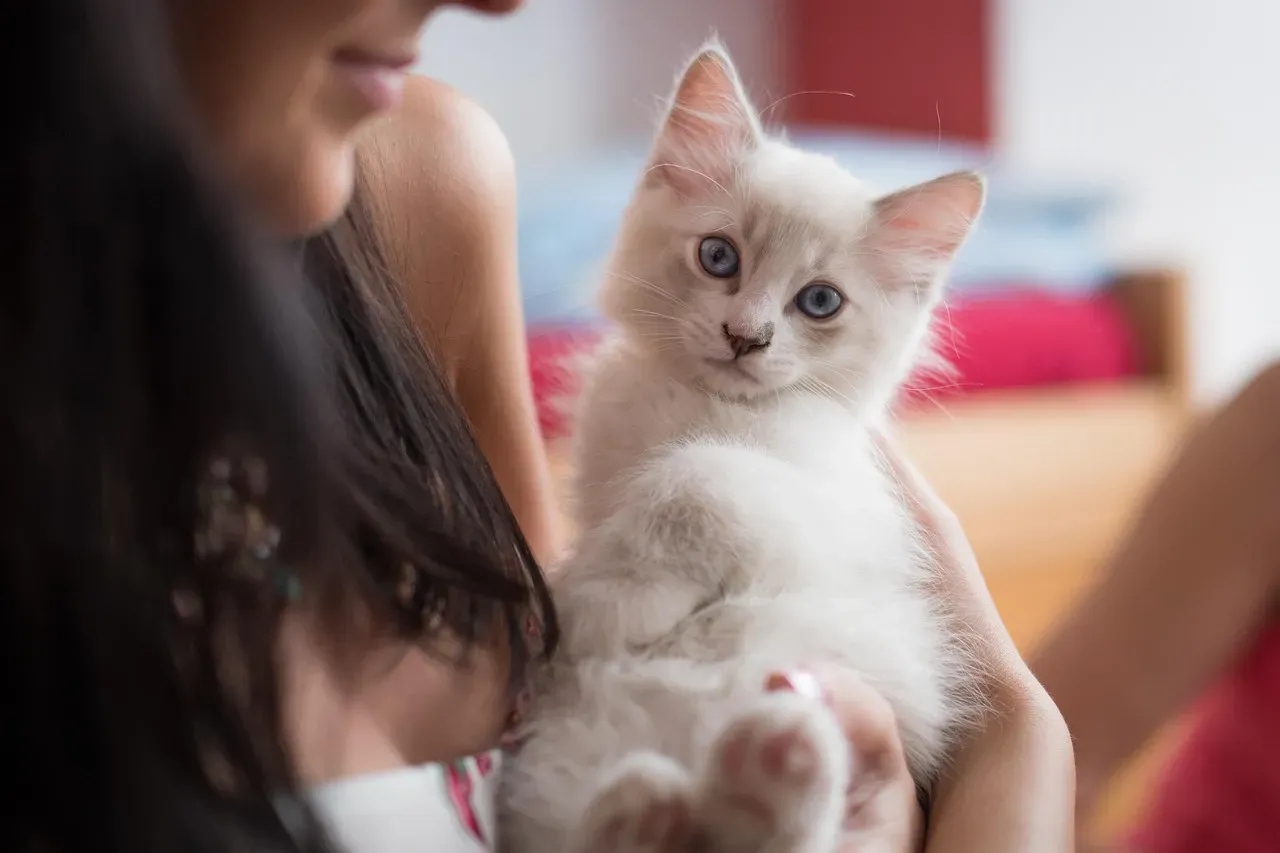
The Ragdoll gets its name from the way it relaxes completely when picked up, often going soft in your arms. This large, blue-eyed cat has a silky, medium-length coat and a calm, people-focused temperament. Affectionate and social, many Ragdolls enjoy being carried, petted, and sitting close to their favorite person as a devoted lap cat. That trusting, pliant quality doesn’t fade with age. If anything, it deepens.
Ragdolls are often described as easygoing and patient in daily life. They usually respond calmly to changes in routine and enjoy peaceful environments. This predictable behavior can help create a steady and reassuring bond between cat and owner that feels more like a long friendship than a care responsibility. Their relaxed temperament and low activity level match well with quieter households, a simple grooming routine is manageable, and they offer affection without demanding constant attention.
#2. British Shorthair
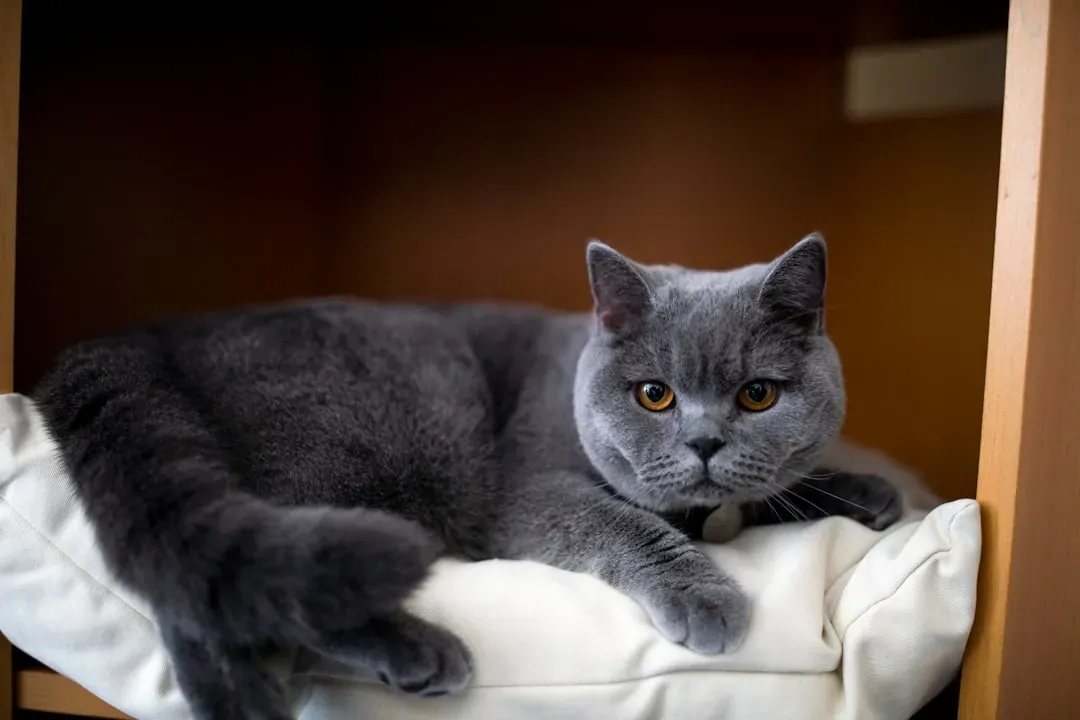
The British Shorthair is a sturdy, medium to large cat with a broad chest, strong legs, and a famously plush coat. Often blue in color but found in many shades and patterns, this breed looks a bit like a living teddy bear. They tend to enjoy affection without constantly asking for it, and many prefer sitting beside their person rather than being carried. That’s not aloofness. It’s a settled, contented independence that vets consistently flag as a hallmark of the breed.
As they grow older, British Shorthairs usually become more relaxed and sedentary, with males generally more playful than the calmer females. They get along well with gentle children and cat-friendly dogs, and are adaptable enough to be content on their own for parts of the day. The breed is exceptionally friendly and can be left alone for longer periods without issue, and is also known for being particularly healthy, so owners don’t have to worry about investing in costly medical treatments or medicines.
#3. Russian Blue
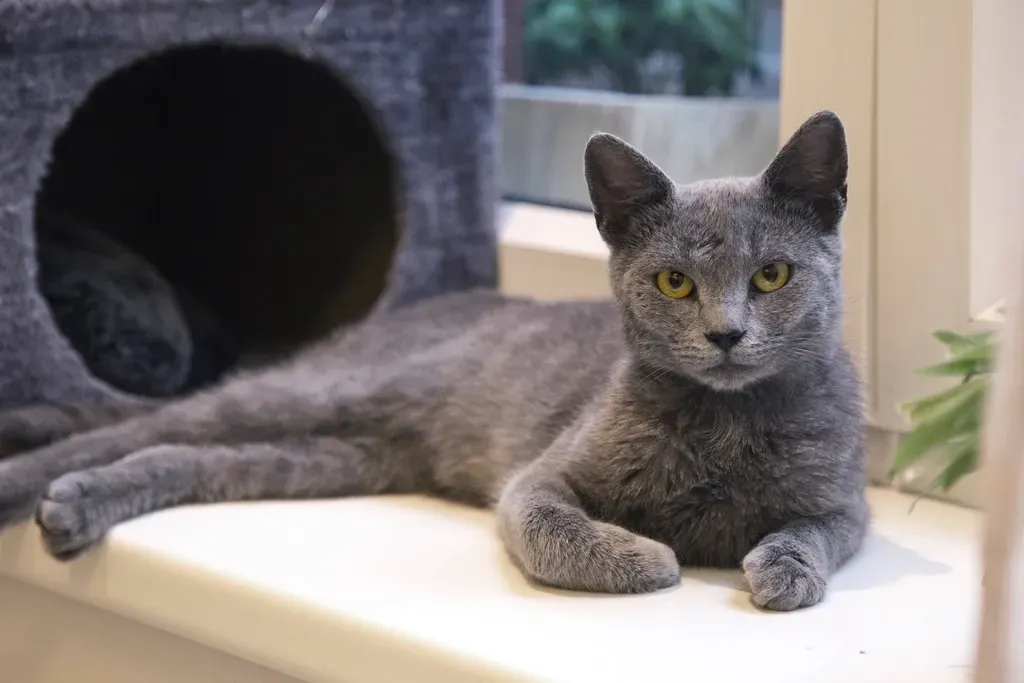
The Russian Blue is a quiet but loving kitty worth considering. These cats aren’t clingy or demanding but they still like to be close to their owner. They thrive in calm homes with low activity and enjoy a slow pace of life. That low-drama quality is genuinely rare in a cat that’s also deeply affectionate, and it’s exactly why vets so frequently recommend this breed.
The loyal Russian Blue is known for being friendly and affectionate, enjoying being close to its family. They thrive in a peaceful environment and are easy to care for due to their short coat. Russian Blue cats are known for their quiet and reserved nature and have a life expectancy of 15 to 20 years. That longevity is significant. Russian Blues are easygoing and don’t require much grooming, and their short coat makes them low-maintenance, which is perfect for owners who may not have the energy for extensive grooming sessions.
#4. Birman
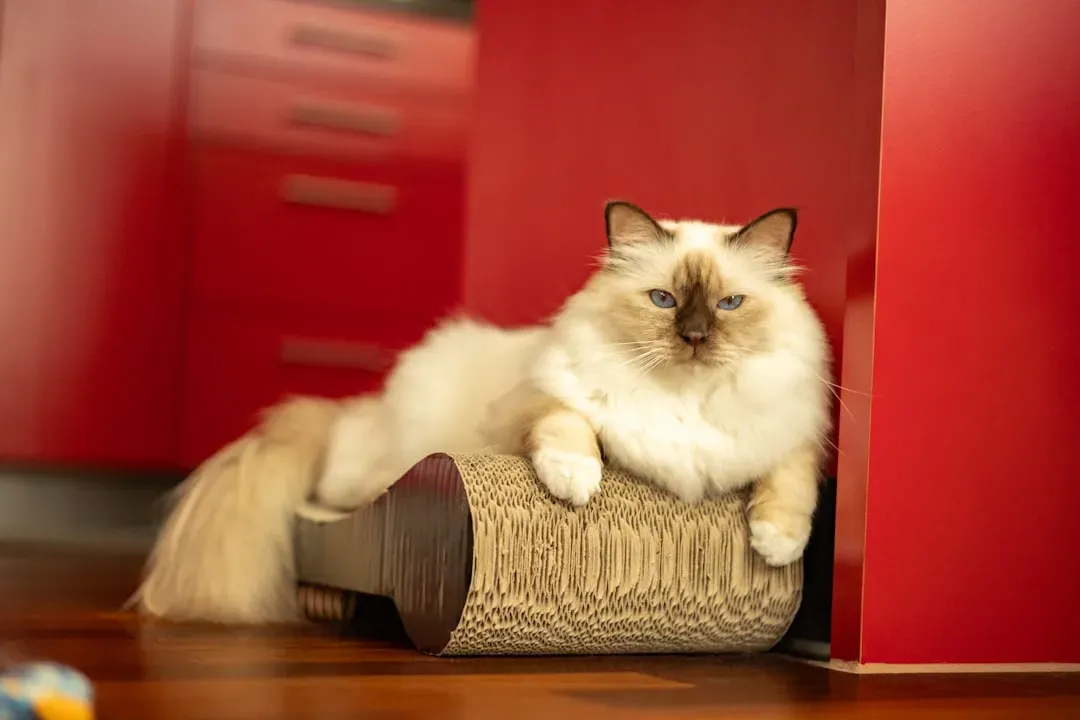
The Birman is known for its gentle, people-focused personality and calm approach to daily life. This breed often enjoys quiet companionship and prefers staying close to familiar people rather than seeking constant stimulation. Its balanced temperament allows it to blend smoothly into relaxed households. Vets often point to this emotional consistency as one of the Birman’s most underrated strengths.
Birmans have a silky, medium-length coat that lacks a heavy undercoat, which helps keep grooming predictable and manageable. Regular brushing supports coat comfort and can become part of a soothing routine. Many Birmans tolerate handling well and respond calmly during care. Birman cats are considered ideal for seniors by TICA, as they are low-maintenance and love companionship, and Life Care Services, the retirement home provider, recommends these cats for elderly owners.
#5. Scottish Fold
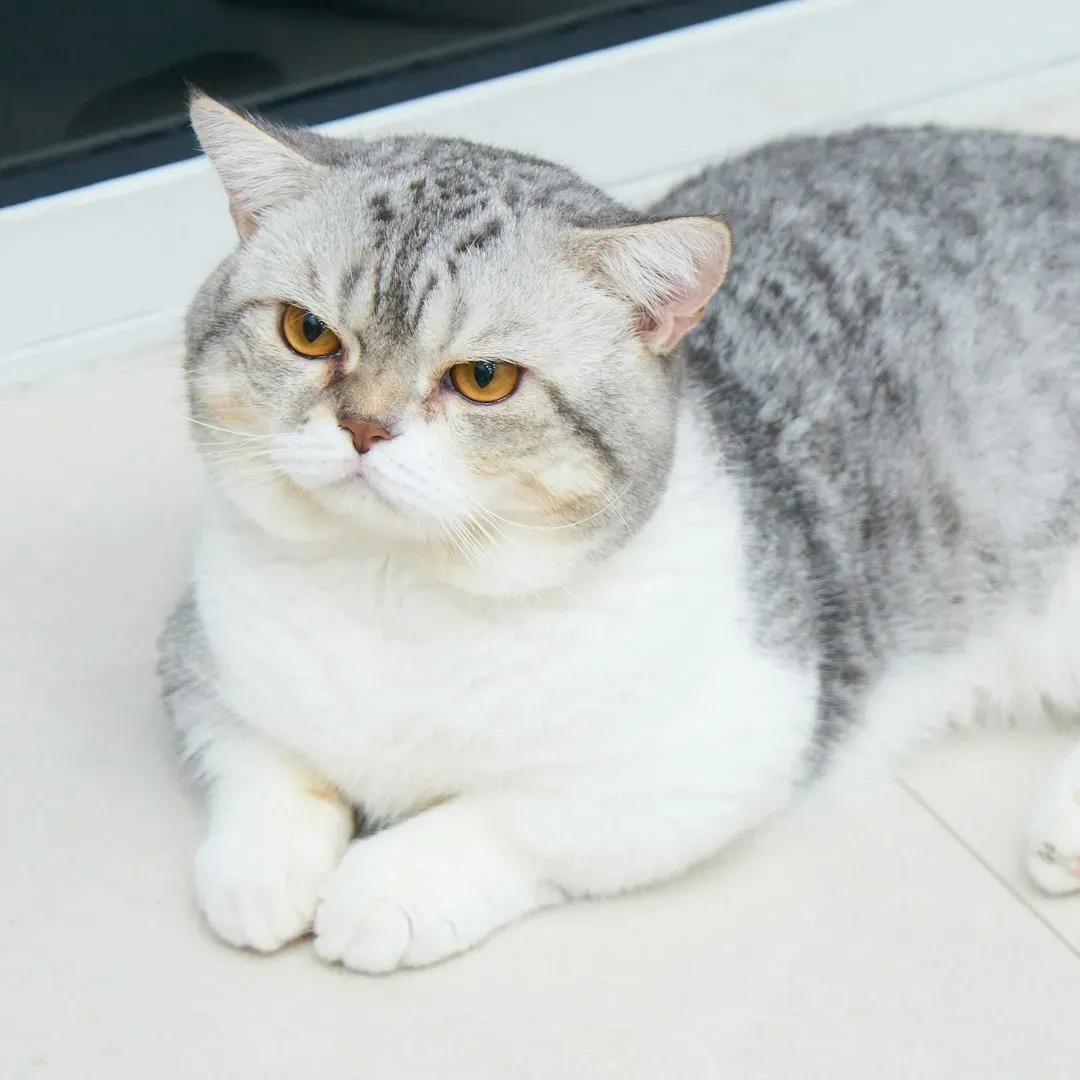
The Scottish Fold is a medium-sized cat with a rounded head, large, round eyes, and the distinctive folded ears that give the breed its name. Their coat can be short or long, but is generally straight and not difficult to care for, needing regular brushing mainly to remove loose hair. Many Folds have a calm, gentle personality that makes them easy to live with. These cats are often described as sweet and charming, comfortable with all members of the family, and usually polite with other pets.
Scottish Fold cats are a great option for older adults because they are loyal and loving to their owners but are also independent. If you’re not looking for a cat to follow you all day, this cat is a great option. They’re known to be friendly but remain most loyal to their owner, and they’re intelligent and adapt to their surroundings very well. One note worth mentioning: Scottish Folds are generally easy to care for but may have some genetic health issues related to their folded ears, so regular vet check-ups are essential to ensure their well-being.
#6. Exotic Shorthair
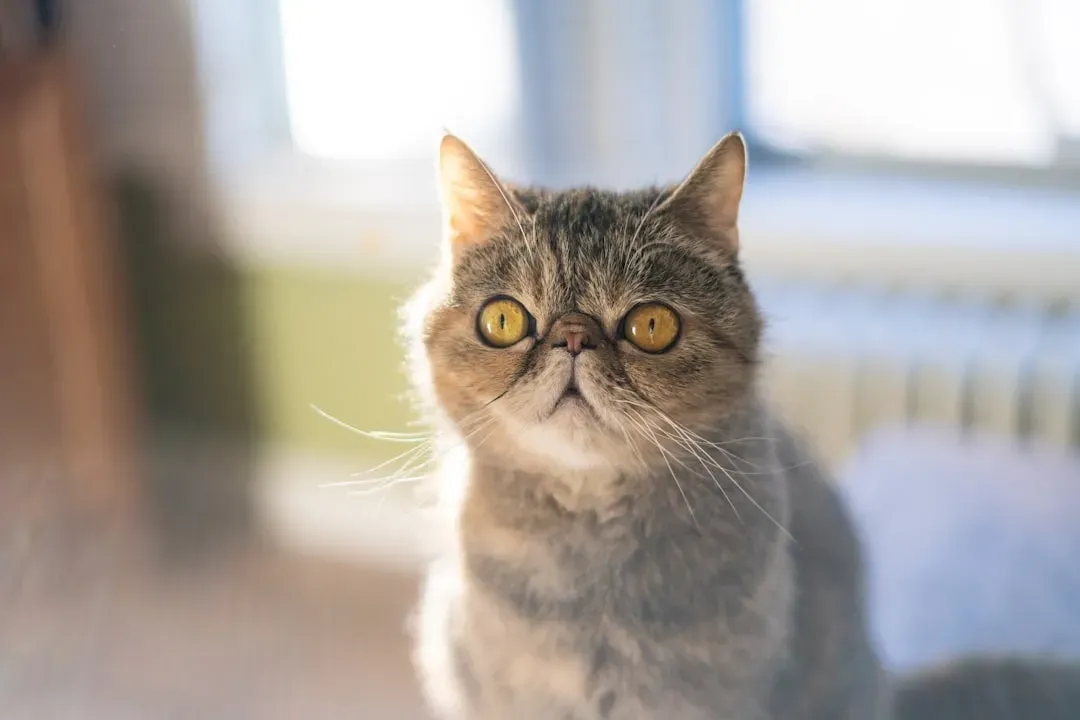
Exotic Shorthairs are remarkably easygoing and adapt well to the quieter lifestyle many prefer. They’re affectionate without being clingy, often choosing to sit near you rather than on you, though they certainly don’t object to lap time when offered. That emotional balance, present without being pushy, is something owners often describe as surprisingly refreshing once they’ve experienced it.
Exotic Shorthairs often enjoy short play sessions followed by rest. They adapt well to stable daily habits and indoor living. This easygoing rhythm can be reassuring for senior owners. The Exotic Shorthair is a delightful mix between the Persian and American Shorthair, and its gentle nature makes it ideal for many types of owners. One of its defining features is its adorable kitten face, which stays kitten-like even as it ages. This breed starts playful as a kitten but mellows out as it grows older, making it perfect for less energetic families and pets.
#7. American Shorthair
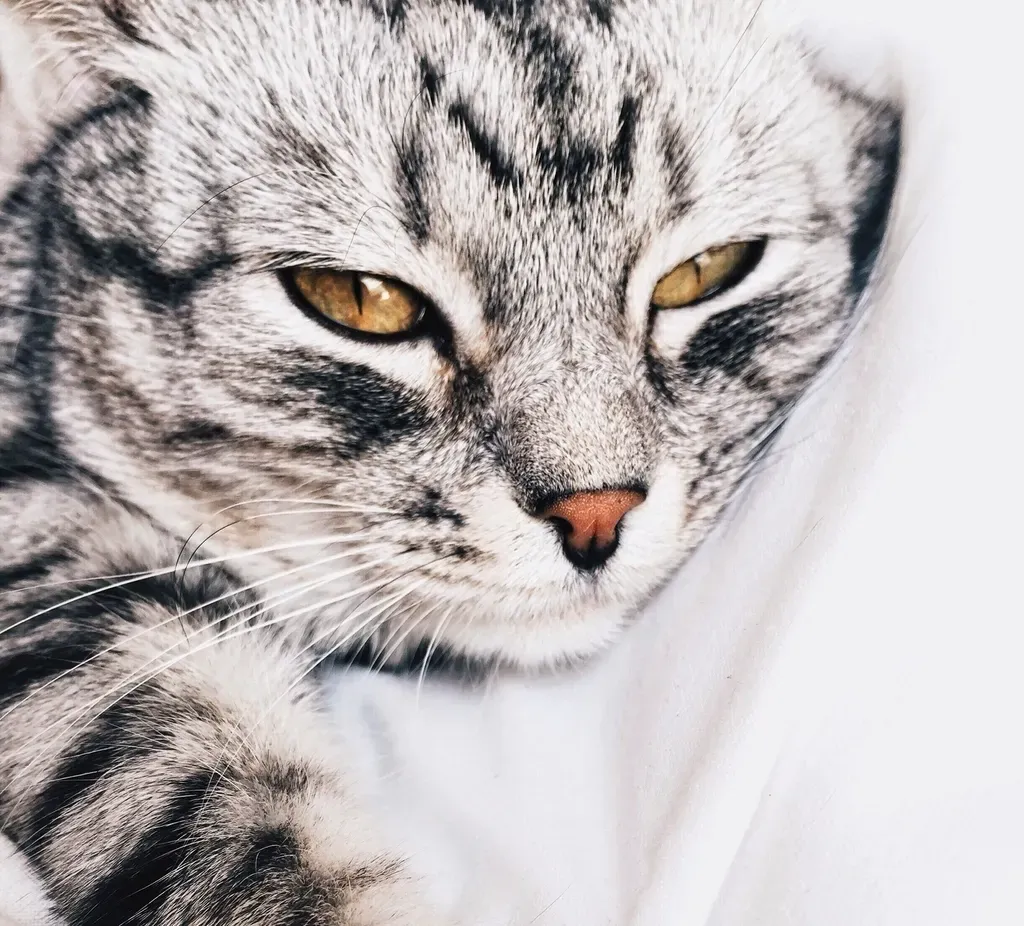
The American Shorthair, sometimes linked to early ship cats brought to North America, is a sturdy and adaptable breed with a short, dense coat and a classic, balanced appearance. This breed offers a comfortable balance between activity and rest, making it well-suited to calm lifestyles. While it enjoys occasional play, it is equally content spending long periods relaxing in a quiet environment.
Low-maintenance in care, its short coat requires minimal grooming, which is ideal for owners seeking an easy routine. Its independent nature also allows it to stay alone for a while without becoming anxious or disruptive. Gentle and even-tempered, it forms steady bonds without being overly demanding. It may enjoy sitting nearby or observing its surroundings, offering companionship without constant attention needs. American Shorthairs are a quintessential low-maintenance choice, known for their longevity and adaptability, and their minimal grooming requirements and calm temperament make them one of the best cat breeds for older adults.
#8. Persian
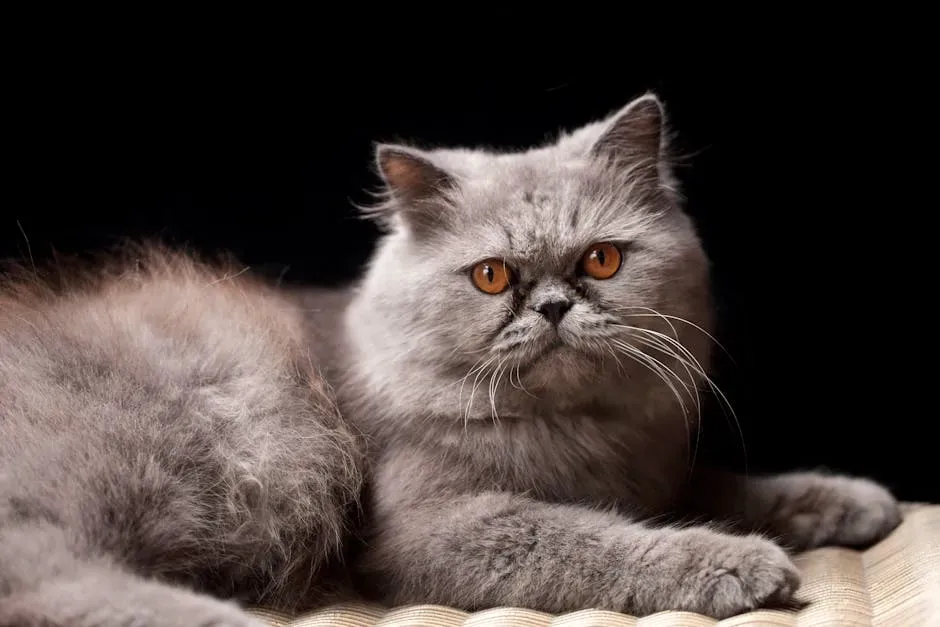
The Persian is an exceptionally quiet and affectionate breed that thrives in a calm, uneventful home. Unlike other breeds, the Persian’s long mane means they require extra attention to stay beautiful, which can be a barrier for some seniors. That’s the honest caveat. Persians are not a zero-effort breed. Their grooming demands are real, and owners need to go in with their eyes open.
Still, the trade-off is a deeply tranquil companionship. Persians tend to be reserved and affectionate in a soft manner. They often enjoy sitting close without demanding attention. This relaxed approach can support a peaceful home atmosphere. With a longevity of 10 to 17 years, the Persian is considered one of the better cat breeds for those seeking a long-term companion. For anyone who genuinely enjoys a grooming ritual and wants a cat that mirrors their own quietness, the Persian is hard to beat.
#9. Maine Coon
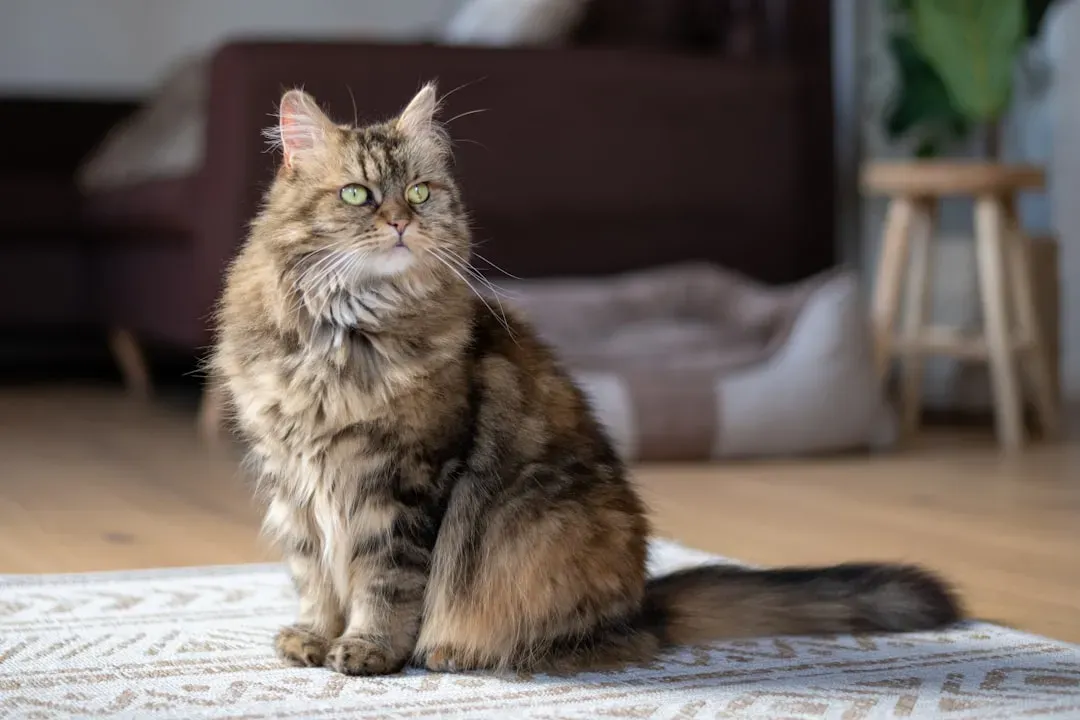
The Maine Coon, often called the “Gentle Giant,” is one of the largest domesticated cat breeds and likely arrived in America with early seafarers. Recognized for its shaggy, semi-water-repellent coat and rugged build, this sociable feline combines striking looks with a warm, family-oriented temperament. Most people assume that a cat this big, this active, and this vocal would be a handful as it ages. Vets say the opposite tends to happen.
The Maine Coon’s temperament is the epitome of a gentle giant. They are sweet, even-tempered felines that enjoy living in busy households. Typically, Maine Coons live between 12 to 15 years, and with attentive care, reaching 18 years or beyond is not uncommon, showcasing the breed’s potential for longevity. As they age and slow down, their sociable, loyal character remains intact, often making them steadier companions in their later years than they were in their boisterous youth.
#10. Chartreux
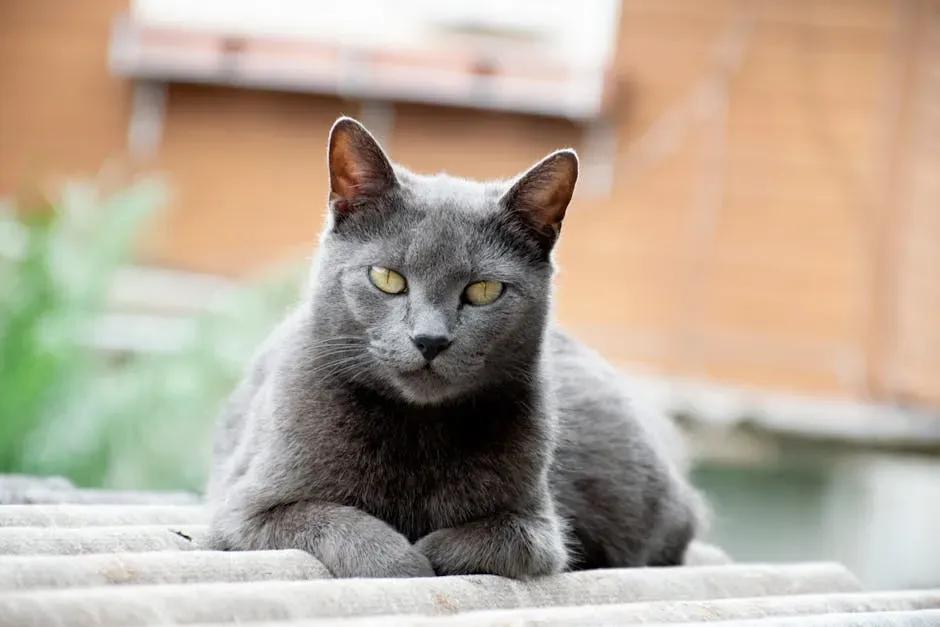
The Chartreux, sometimes called the French Blue, is a historic breed believed to date back to the 13th century. Closely linked to France and possibly cared for by Carthusian monks at the Grande Chartreuse Monastery, this blue-gray cat is admired for its dense coat, copper-to-gold eyes, and serene expression. Though intelligent and curious, the Chartreux is notably even-tempered and non-confrontational. Rather than challenge boundaries, this breed tends to observe quietly and adapt to established household routines with ease.
Chartreux cats bond with their families but tend to prefer one individual over everyone else. They have a tendency to follow their favorite person from room to room, sometimes mewing or chirping softly. If you’re looking for a cat with a reputation for quiet vocalizations, the Chartreux may be ideal; in fact, some Chartreux cats are mute. Independent by nature, the Chartreux can spend time alone without becoming destructive or resentful. When introduced to household routines consistently, they are more likely to respect them, often choosing to watch from a comfortable distance instead of pushing limits. While playful in short bursts, they balance activity with long, restful naps.
#11. Burmese
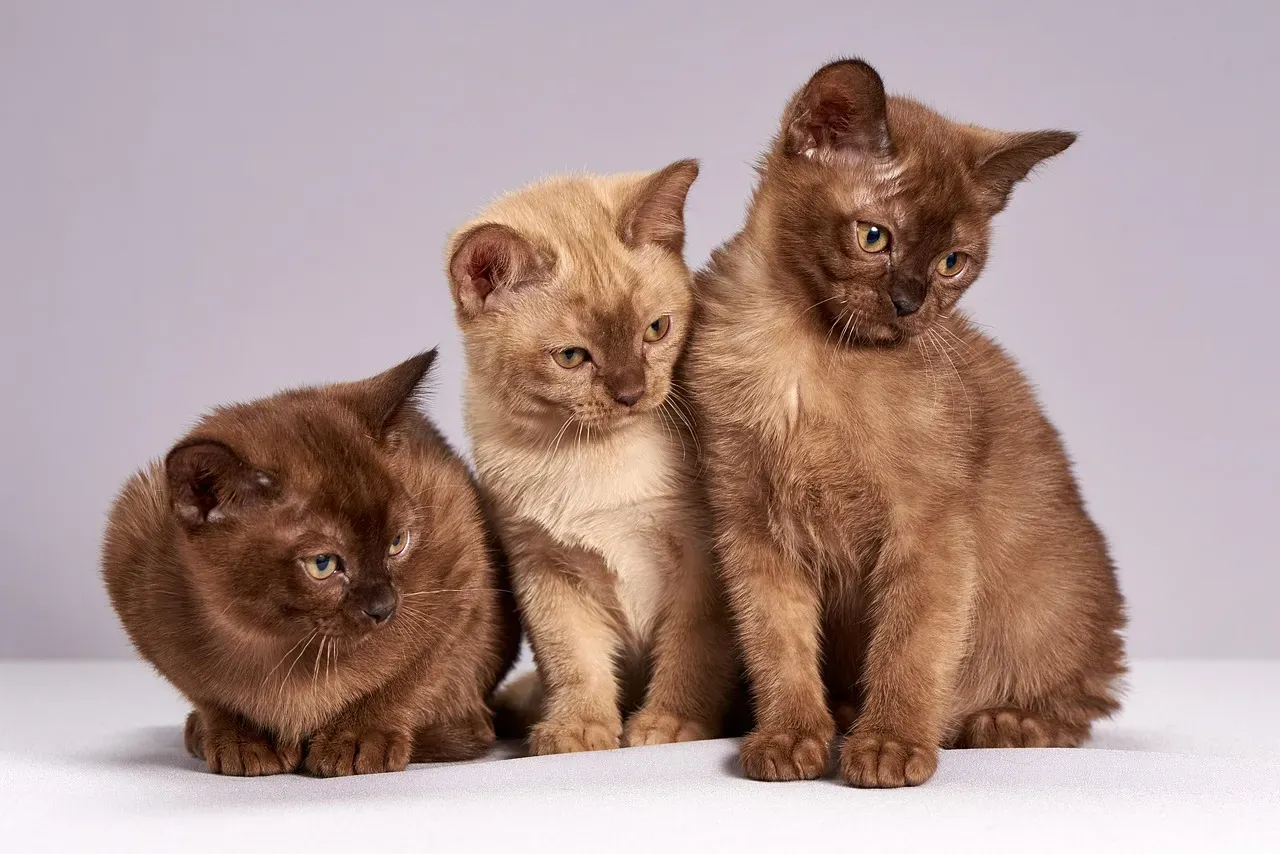
The Burmese brings a perfect balance of affection and playfulness to quieter households. These medium-sized cats are surprisingly heavy for their compact size due to their muscular build, but their gentle nature makes them easy to handle despite their solid weight. Burmese cats are exceptionally people-oriented and thrive on human interaction, making them ideal for anyone who wants an engaged companion. They’re known for remaining playful well into their senior years, though their activity level is moderate rather than hyperactive.
Their short, satiny coats require minimal grooming – a weekly rubdown with a soft cloth or grooming mitt is typically sufficient. That near-zero grooming burden, combined with a temperament that stays warm and engaged across their whole lifespan, is exactly what vets mean when they say a breed ages gracefully. Cats are one of the most popular animals to keep as pets and can make a great companion, and many cats don’t require as much exercise or supervision as their canine equivalents. Cats are fairly independent, so you won’t have to worry about constantly looking after them, which is particularly reassuring for anyone managing other responsibilities. The Burmese takes all of those naturally cat-like strengths and turns the dial up a notch.
The Bottom Line: What Vets Actually Know That Most Owners Don’t
Here’s the opinion worth stating plainly: most owners underestimate their cats. They project human anxieties about aging onto animals that have spent thousands of years evolving to be quietly resilient, emotionally tuned, and remarkably self-contained. The breeds on this list aren’t special because they’re fragile and need rescuing from old age. They’re special because, given a stable environment and a little attentiveness, they consistently prove more capable of navigating life’s quieter chapters than people ever anticipate.
Seniors and owners navigating slower life phases can benefit both mentally and physically from a cat companion. Cats provide loving companionship that can help relieve stress, lower blood pressure, and help keep the mind sharp. Cat ownership can also help manage loneliness and isolation by providing a quiet, independent furry friend to interact with whenever you choose. The bond isn’t one-sided, either. These breeds ask for very little and give back something genuinely hard to replace.
Choosing the right breed matters, but perhaps what matters just as much is letting go of the assumption that aging, for a cat or for yourself, has to look like decline. The Ragdoll still curls up. The Russian Blue still watches you from the corner of the room. The Chartreux still follows you from room to room without making a sound. They just keep being themselves, steady and present, which turns out to be exactly enough.
