

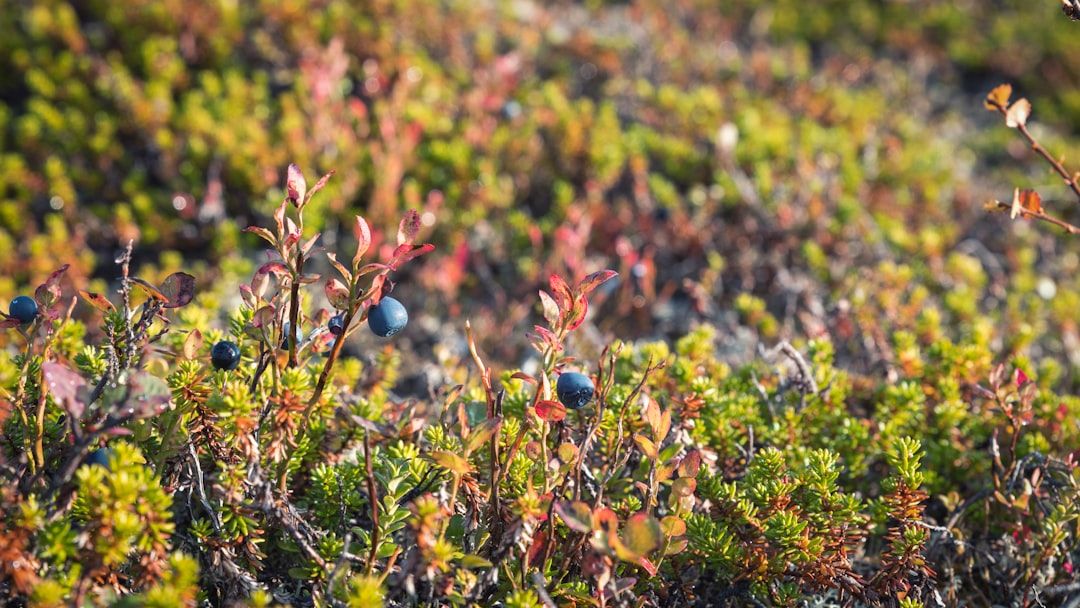
Last summer, the wild blueberry fields at Crystal Spring Farm turned red too soon. The early color change marked a clear departure from the usual cycle for a crop long celebrated alongside lobster rolls as a symbol of Maine. Small farms across the state now face shorter growing windows and thinner harvests as heat and drought take hold.
Iconic Status Meets New Pressures
Wild blueberries hold a distinct place in Maine’s identity and economy. They grow naturally on lowbush plants that thrive in the state’s cool, acidic soils. For generations, the berries have supported family operations that harvest them by hand or with mechanical rakes during a narrow late-summer window.
That window has begun to shift. Warmer temperatures arrive earlier and linger longer, while rainfall patterns turn less reliable. The result is plants that color and drop fruit before the berries reach full size and flavor. Farmers report the change appears most sharply in fields without extra protection.
Yield Losses and Added Expenses
Reduced output hits small growers first. Fewer berries mean less income from sales to processors, local markets, and direct customers. At the same time, many operators must spend more on mulch to shield roots from heat and on irrigation equipment to offset dry spells.
These added costs arrive when revenue is already down. Some farms have scaled back acreage or delayed equipment upgrades. Others explore modest changes in field management, though results vary from one site to the next. The pattern leaves many wondering how long current practices can continue without further adaptation.
What Remains Uncertain
Researchers continue to track how rising temperatures and shifting rainfall affect the plants’ dormancy and fruit set. Early observations show clear stress, yet the full extent of long-term change is still under study. Not every field responds the same way, and some years still produce average crops when conditions align.
Questions persist about which protective steps will prove most effective across different soil types and elevations. Growers watch forecasts closely each season, aware that one unusually cool or wet summer could mask the underlying trend. The situation calls for steady monitoring rather than quick fixes.
Key points for growers and observers:
- Early coloring signals shorter ripening periods.
- Mulch and irrigation now represent larger budget items.
- Yield variability remains high from year to year.
- Continued observation will clarify the best responses.
The challenges facing Maine’s wild blueberry farms reflect wider shifts in seasonal weather. How the industry adjusts will shape both the landscape and the livelihoods tied to this distinctive crop for years ahead.
