

The port of Manaus recorded its lowest river level in more than a century during 2024, dropping to 12.68 meters and leaving boats stranded along the Amazon’s main waterway. That same stretch of river had already suffered lethal heat the year before, when temperatures in Lake Tefé killed dozens of river dolphins. Residents and scientists alike now wonder how long the basin can absorb these back-to-back extremes before daily life and ecosystems change permanently.
Why Historical Records Matter More Than Ever
Long-term weather stations remain scarce across the vast Amazon Basin, leaving researchers with few direct measurements of how rainfall has behaved over recent decades. Without that baseline, it is difficult to judge whether the current droughts represent a temporary spike or a lasting shift in the region’s water cycle. Teams from British universities and Brazil’s National Institute for Amazonian Research therefore turned to a natural archive already standing in the forest: the annual growth rings inside living trees.
How Tree Rings Capture Past Climate
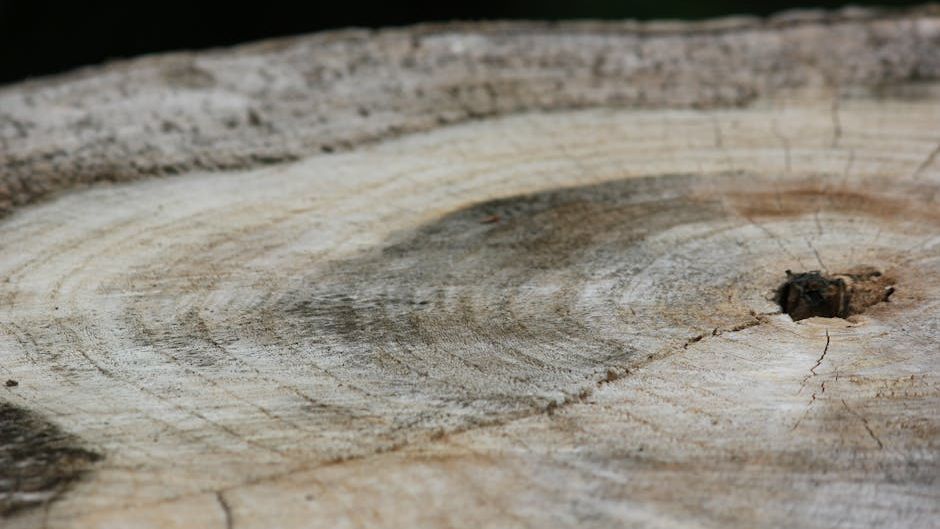
Each year a tree adds a new layer of wood whose thickness and density reflect the amount of water available during the growing season. By measuring hundreds of these rings from carefully selected species, scientists can reconstruct rainfall patterns stretching back decades. The method, known as dendrochronology, requires no new instruments or long-running weather stations; it simply reads the story already written inside the trunks.
Four Decades of Sharper Wet and Dry Seasons
The rings revealed that wet seasons have grown noticeably wetter while dry seasons have become markedly drier over the past forty years. This widening gap between extremes has disrupted the usual rhythm of flooding and low water that both people and wildlife have long relied upon. The pattern appears across multiple sites in the southern and central Amazon, suggesting the change is not limited to a single river or forest patch.
What Still Remains Unknown
Researchers cannot yet say whether the entire basin is gradually drying or whether the swings will continue to intensify. Stronger El Niño and La Niña cycles, combined with ongoing forest loss, are widely suspected as drivers, yet the exact contribution of each factor is still under study. Continued sampling and longer ring records will be needed before scientists can forecast how often Manaus-style droughts or Tefé-style heat waves will strike in the years ahead.
- Communities along major rivers may face more frequent navigation and water-supply problems.
- Wildlife adapted to steady seasonal floods could encounter longer periods of stress.
- Regional agriculture and fisheries will need to adapt to less predictable water availability.
The rings have already shown that the Amazon’s water cycle is no longer behaving as it did even a generation ago. How societies and ecosystems respond to that new reality will shape the basin for decades to come.
