
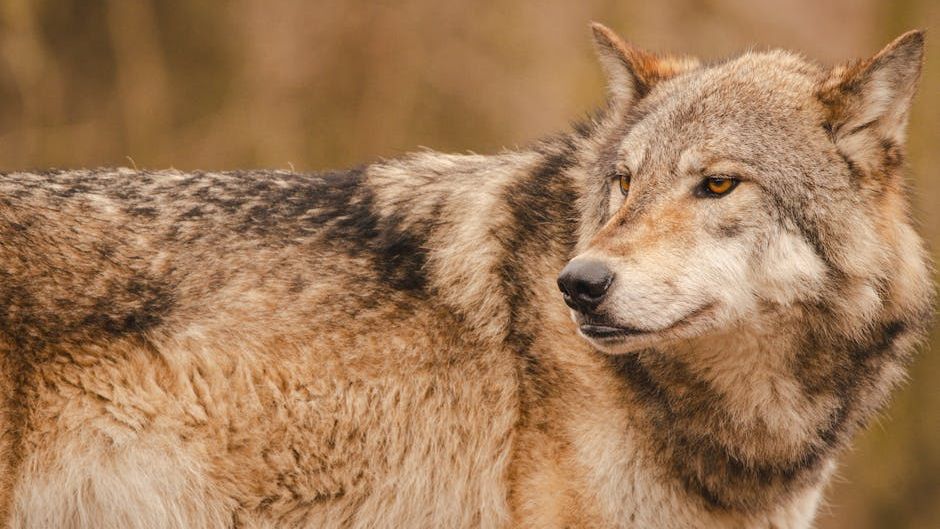
There’s something almost primal about the way humans respond to wolves. Fear, reverence, fascination – sometimes all three at once. For millennia, wolves have stalked the edges of our campfires, our folklore, and our imaginations. They’ve been cast as the villain in children’s stories and the symbol of wild freedom in the same breath. The problem is that both versions are built more on projection than on reality.
What’s genuinely surprising is how deeply wrong the most common beliefs about wolves turn out to be. Not just a little off – flatly contradicted by decades of field research, long-term wildlife studies, and the kind of patient observation that only comes from scientists spending years inside wolf territory. The real wolf is neither a fairy-tale monster nor a cinematic hero. It’s something more grounded, more complex, and frankly more interesting than any mythology managed to capture.
#1: Wolves Are the Alpha Rulers of a Brutal Hierarchy
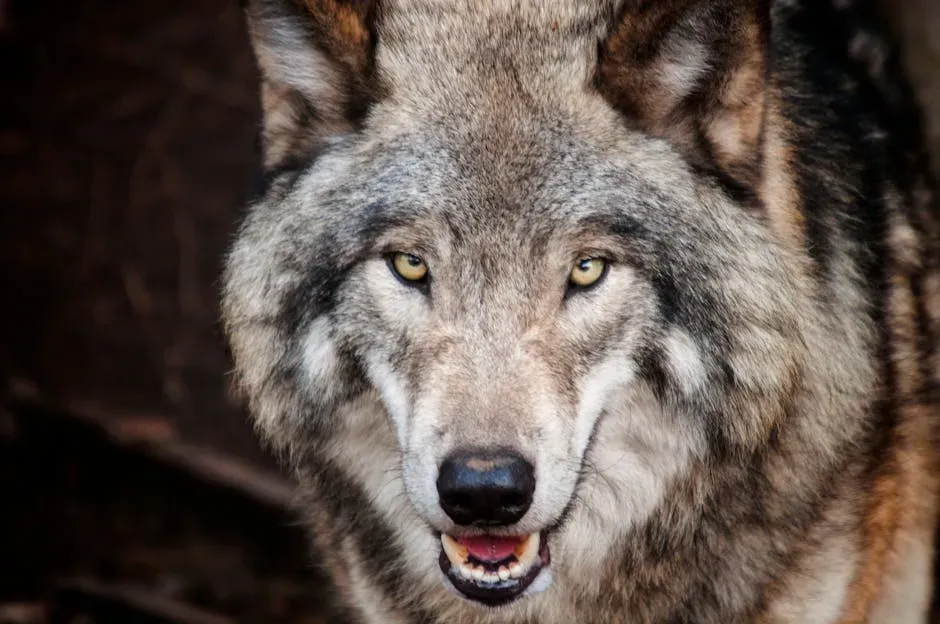
This is probably the most durable wolf myth in circulation, and it has caused remarkable damage. The idea of a fierce, dominant alpha wolf fighting its way to the top of a hierarchy has worked its way so deeply into popular culture that it’s become a metaphor for human ambition. The problem? It was built on deeply flawed research from the start.
The term came from a 1947 study on captive wolves, and the problem was that those wolves weren’t actually a natural pack. The alpha concept was started by the German behaviorist Rudolf Schenkel, who wanted to study wolves. At the time he could only do that with animals in captivity, so he got wolves from different zoos and put them together, thinking that was a real pack. In short, researchers observed the behavior of animals under extreme artificial stress and assumed that’s how wolves naturally live.
Researchers later learned that a wolf pack in nature is really a family, but Schenkel didn’t know this. Even the scientist whose 1970 book popularized the alpha concept later tried to walk it back. In 1999, to correct this view, biologist L. David Mech published an article arguing that the term “alpha wolf” does not apply to wolves in the wild, as they do not dispute leadership – they just form families.
We now know that packs in the wild function more like a family, generally led by a male and female breeding pair who share the responsibilities of looking after the younger wolves and pups. The “ruthless dictator” model reflects unrelated captive wolves pushed together under stress, not the actual dynamics of a wild family raising pups through a mountain winter.
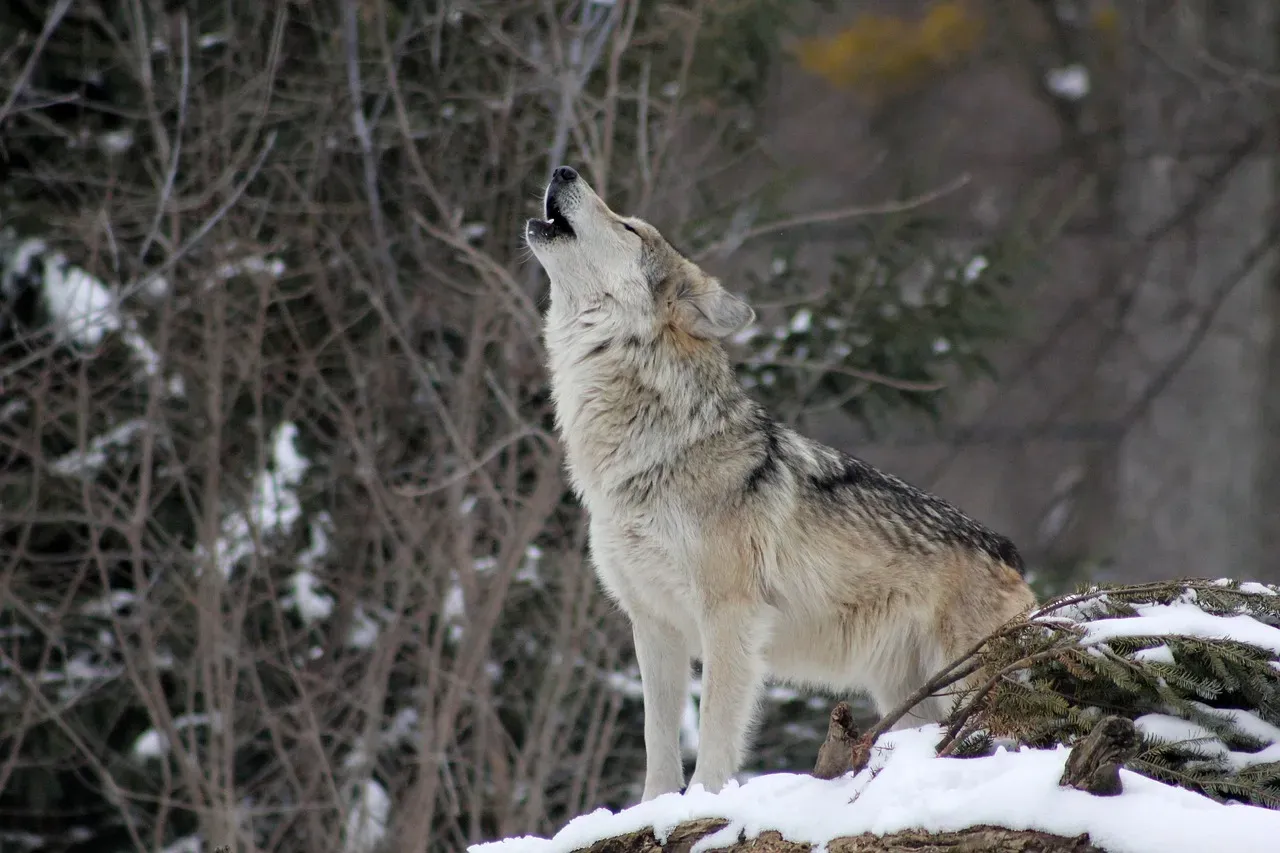
#2: Wolves Howl at the Moon
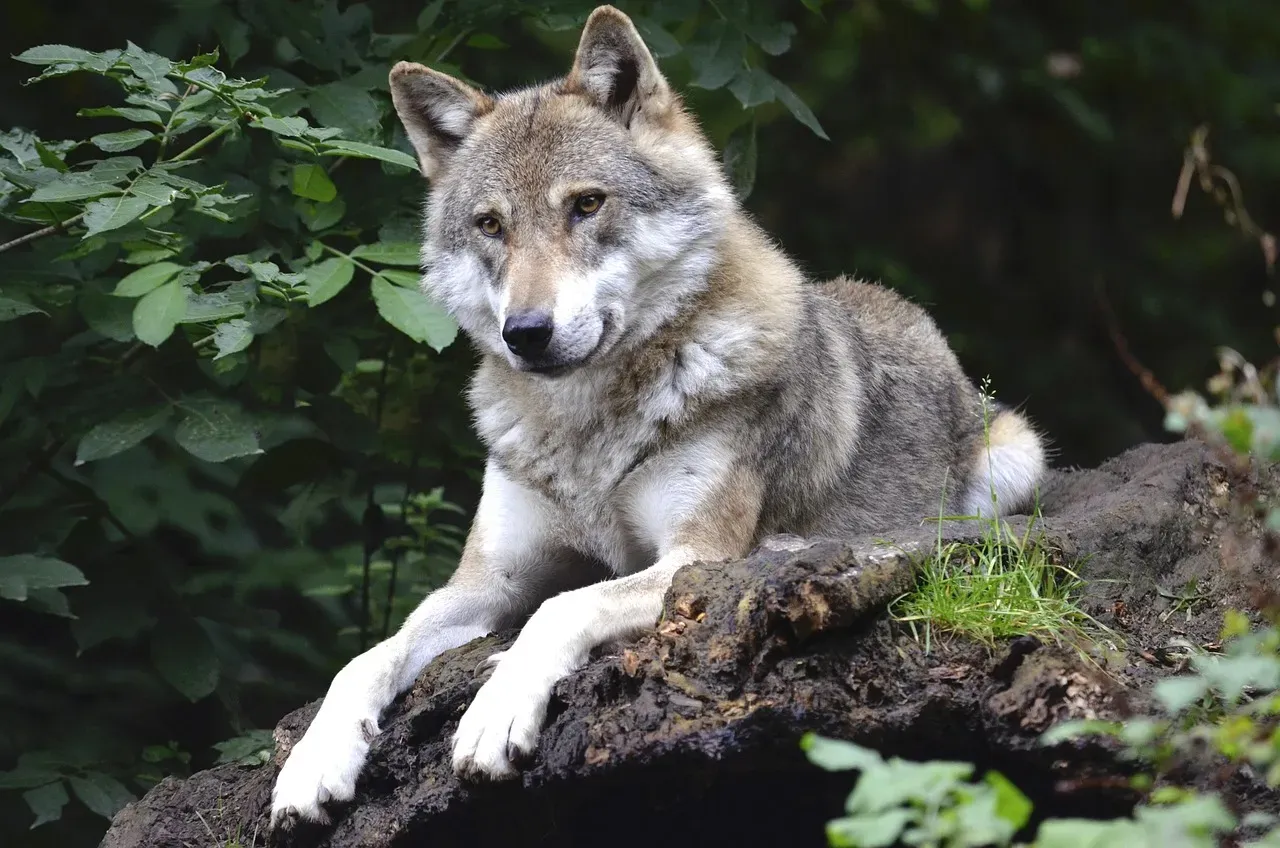
Few images are more iconic: a lone wolf silhouetted against a full moon, head tilted skyward, releasing a long haunting cry. It’s one of the most iconic images in nature – and it’s completely fictional. It is a myth that wolves howl at the moon. Howling may be heard at night, but it is not a behavior directed at the moon. Instead, it is used as a social rally call, a hail to hunt, or as a territorial expression.
Canine experts have found no connection between the phases of the moon and wolf howling. Wolves pipe up more often during the night because they’re nocturnal. The moon simply happens to be visible when wolves are most active, and centuries of human storytelling did the rest of the work.
In reality, wolves howl at any time of the day or night, and they use their distinct howls in order to communicate with other wolves, sometimes over long distances, so as to mark their territories and warn rivals to stay away. They will also howl in order to rally the pack and prepare its members for a hunt, as well as for social purposes, such as maintaining relationships within the pack. And there’s something even more fascinating going on acoustically.
The reason wolves tilt their heads back when howling is purely acoustic. Projecting their calls upward allows the sound to carry farther. On open terrain, the sounds of wolf howls can carry as far as 6 miles in the forest and even 10 miles across the treeless tundra. That’s a sophisticated communication system, not a lunar ritual.
#3: Wolves Kill for Sport
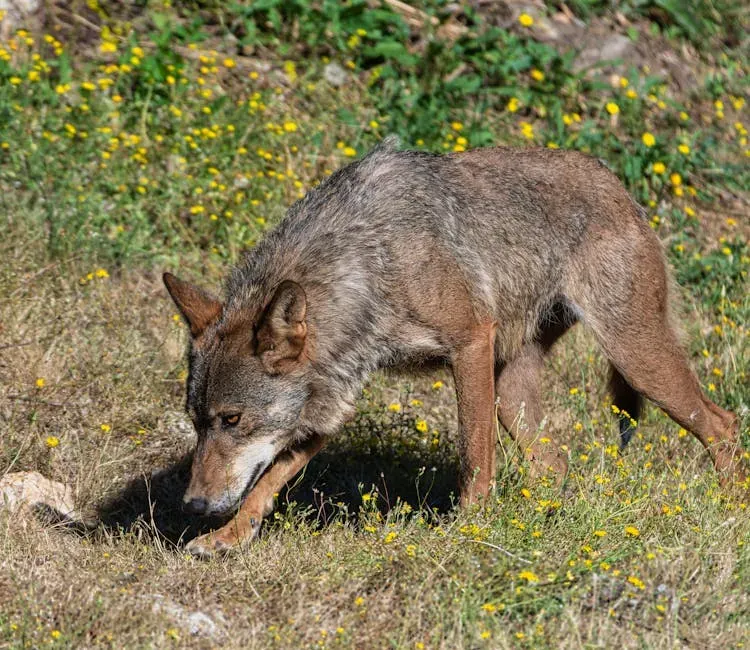
The idea that wolves are thrill killers, slaughtering prey for the fun of it, is one of the oldest and most damaging myths attached to the species. While no wolf researcher claims to understand the feelings of an individual wild animal, the idea that wolves kill for fun – often referred to as surplus killing – isn’t based on reality. The truth is almost the opposite.
Wolves live on the fringe of nutritional deficiency, not starving, but also not layering on fat. They have to cover a lot of ground to find vulnerable prey and then catch it with their mouths, pull it down, and kill it. That is not easy. Hunting is an exhausting, dangerous enterprise for wolves – not a recreational one.
Hunting is far harder and more dangerous for wolves than most people realize. The success rate for wolf chases that result in kills is only 14%, with 86% of the chases ending with no food. These predators can’t afford to waste energy chasing and killing for reasons other than getting food. When occasional surplus kills do occur, the explanation is practical, not sadistic.
Given the challenging nature of the hunt, surplus kills are not a sport but rather a smart move. Scientists and wolf experts have learned that wolves never waste food. They will always return to the kill to finish eating if humans or scavenger animals haven’t gotten there first. The carcass that looks abandoned was very likely going to be revisited – wolves are efficient, not wasteful.
#4: Wolves Are Dangerous to Humans
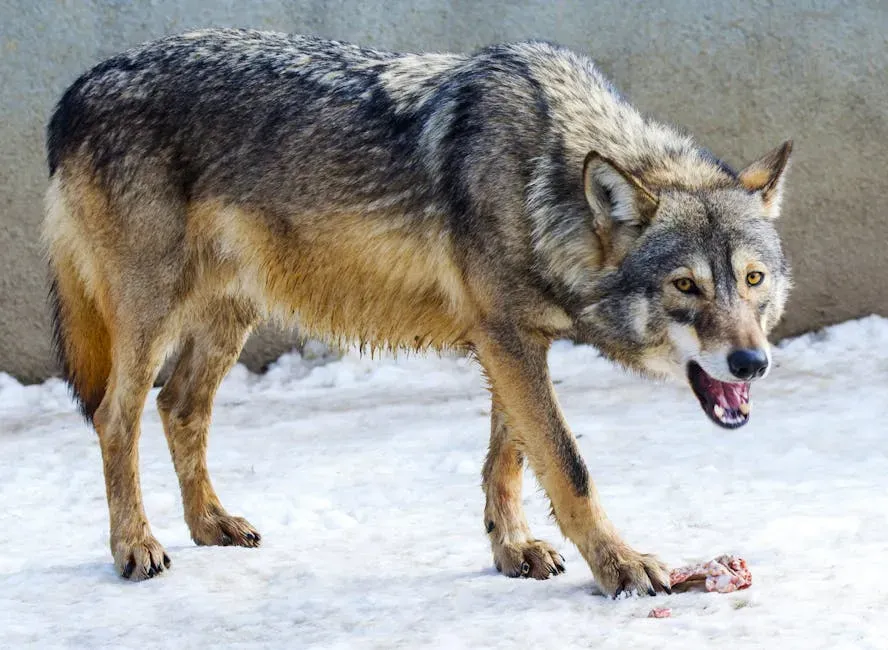
Culturally, the idea of wolves as a threat to human life runs deep. From Little Red Riding Hood to campfire stories, we’ve been absorbing that message since childhood. The science, however, tells a far quieter story. The risk to human safety from wolves is generally low, and wolves typically avoid people. Low risk doesn’t mean “never” – documented attacks exist worldwide, and a big share of severe incidents in the records are associated with specific contexts, like rabies, habituation, food conditioning, or unusual circumstances.
Incidents involving wolves are exceedingly rare. Over the past 100 years in North America, there have been only two cases in which wild wolves reportedly killed a human being. For context, bears have killed at least 55 people since 2000, and, since 1990, cougars have killed 12. Yet nobody tells campfire stories about the Big Bad Bear quite the way they do about wolves.
Many people believe that wolves are inherently dangerous to humans, but attacks are extremely rare. Wolves tend to avoid human contact and are more likely to flee than fight. In fact, wolves are shy and elusive creatures, preferring to hunt wild prey rather than livestock or people. The monster in the story simply doesn’t match the animal in the field.
#5: Wolves Are Becoming Bolder and Less Afraid of Humans
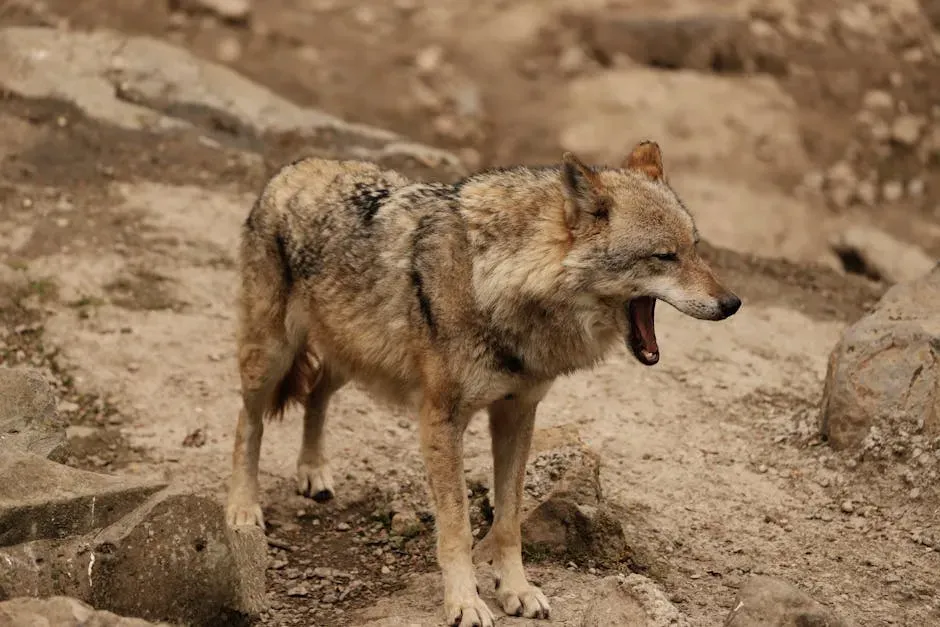
A persistent modern fear is that wolf populations are growing comfortable around people – edging closer to towns, losing their natural wariness. Recent research dismantles this narrative directly. A 2024 study using camera traps in six European countries found that wolves were more active at night in all places with human presence. Wolves aren’t getting bolder around us. They’re actively reorganizing their behavior to stay out of our way.
A 2024 study using camera traps in six European countries found that wolves were more active at night in all places with human presence. Only in locations like the Chernobyl nuclear exclusion zone in Ukraine, completely abandoned by humans, were wolves more active during the day. That’s a remarkable finding. Where humans disappear entirely, wolves relax their schedule. Where we’re present, they withdraw into the dark.
A Poland study experimentally demonstrates that wolves are nocturnal in human-dominated landscapes because they, too, fear people. Far from becoming emboldened, wolves are adapting their entire daily rhythm to minimize contact with what researchers now describe as the human “super predator.” The boldness narrative, it turns out, is mostly projection.
#6: Wolves Devastate Livestock and Ruin Ranches
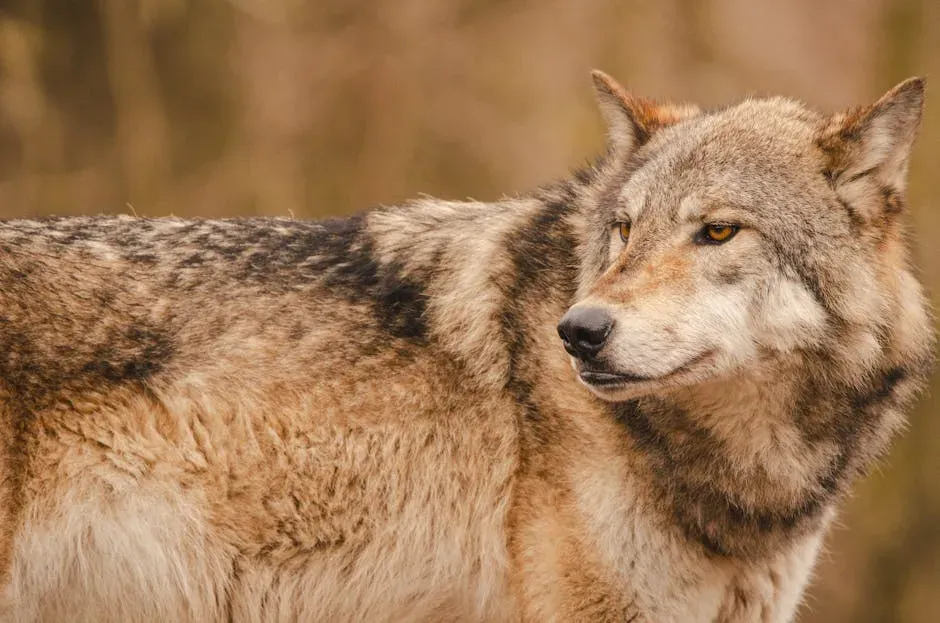
This is one of the myths that carries real political weight, influencing policy decisions that affect wolf populations across entire states and countries. The economic threat that wolves supposedly pose to ranchers is routinely cited as justification for culls and hunting quotas. The actual data, though, tells a more nuanced story. Wolves are responsible for less than two tenths of a percent of cattle depredations.
One of the most common misperceptions surrounding wolves is that they will decimate livestock herds and cause economic devastation for ranchers. However, experts have learned that wolves only turn to livestock as a food source if their other food sources are not available, or if the wolf in question is weak or old. In states where wolves are the most common – Montana, Idaho, and Wyoming – wolf attacks account for less than 1% of cattle deaths caused by predators.
Even dogs, which are listed as cattle predators, killed almost three times as many cows as wolves did. That single statistic tends to surprise people who’ve absorbed years of ranching-community rhetoric about wolves. It doesn’t mean livestock losses don’t happen – they do, and they can hit individual small operations hard. With proper management, conflicts can be minimized. Non-lethal deterrents, such as fencing and guard animals, have proven effective in protecting livestock while preserving wolf populations.
#7: The “Lone Wolf” Lives a Romantic, Independent Life
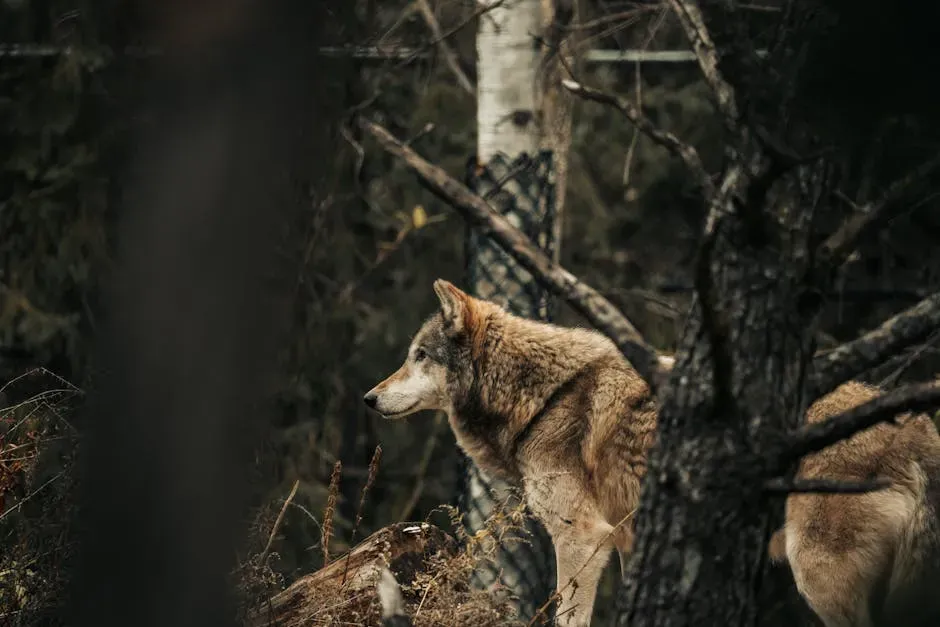
Popular culture has thoroughly romanticized the lone wolf. It’s become a personality type, a brand, a lifestyle philosophy – the idea of the rugged individual who needs no one. In biological reality, lone wolves aren’t living a chosen life of proud solitude. They’re in trouble. Just like a family, the wolf pack is a social unit, and it’s that lack of social belonging and structure which the lone wolf endures, that means its solitary life does not hold the charm often ascribed to it. It is a difficult, lonely existence, and a constant fight for survival.
These singular outside wolves, often referred to as lone wolves, are vulnerable to food scarcity and territorial attacks and generally comprise less than 15% of the total wolf population. Lone wolves usually result from sexually mature offspring leaving their parental pack, though they may also occur if harassed subordinates chose to disperse. It’s a transitional state, not a permanent identity.
Wolves need companionship because of their social requirements and the need of other members of their species to hunt larger game, and therefore, the lone wolf would much prefer to be in a pack. However, wolves leaving their families helps to prevent inbreeding and increase the genetic diversity of the species. Furthermore, it is crucial for lone wolves to find a pack of their own to increase their likelihood of survival. The lone wolf isn’t thriving. It’s searching.
#8: Wolf Packs Are Built on Aggression and Domination
Even people who’ve absorbed the news that alpha wolves aren’t real often still assume wolf packs are tense, aggression-driven groups barely held together by fear. The research tells a different story entirely. A wolf pack is an exceedingly complex social unit – an extended family of parents, offspring, siblings, aunts, uncles, and sometimes dispersers from other packs. There are old wolves that need to be cared for, pups that need to be educated.
Living in a pack not only facilitates the raising and feeding of pups, coordinated and collaborative hunting, and the defense of territory, it also allows for the formation of many unique emotional bonds between pack members, the foundation for cooperative living. Wolves care for each other as individuals. They form friendships and nurture their own sick and injured. That’s not a domination machine. That’s a family.
Wolves can make peace after aggression, console victims of a conflict, and calm down the aggressors. This set of behaviors, also called post-conflict strategies, requires a social attentiveness towards others’ emotional state and the ability to coordinate appropriate reactions. The sophistication there is genuinely remarkable. Wolves play together into old age, they raise their young as a group, and they care for injured companions. When they lose a pack mate, there is evidence that they suffer and mourn that loss.
#9: Wolves Destroy Ecosystems and Wipe Out Game Populations
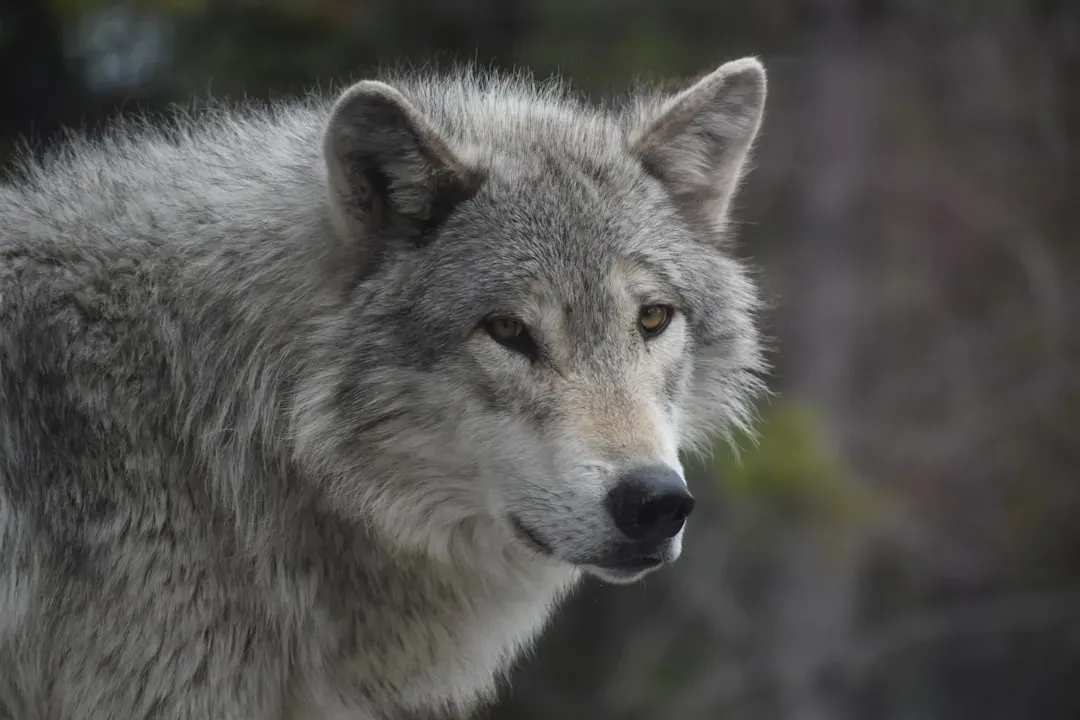
One of the most politically charged wolf myths is the claim that wolves devastate local wildlife, particularly deer and elk, making them enemies of hunters and a burden on the land. Yellowstone’s reintroduction story has been studied more intensively than almost any comparable wildlife case in history and offers a striking counter-narrative. When wolves were absent, the elk population exploded, which decimated plant populations and in turn threatened beavers, among other impacts. This is known as a trophic cascade, where the removal of one species causes ripples throughout the food web.
When the gray wolf was reintroduced into the Greater Yellowstone Ecosystem in 1995, there was only one beaver colony in the park. Today, the park is home to nine beaver colonies, with the promise of more to come, as the reintroduction of wolves continues to astonish biologists with a ripple of direct and indirect consequences throughout the ecosystem. The wolf’s return didn’t just change where elk grazed. It changed the physical shape of rivers.
Synthesis results generally indicate that the reintroduction of wolves restored a trophic cascade with woody browse species growing taller and canopy cover increasing in some, but not all, places. After wolf reintroduction, elk populations decreased, but both beaver and bison numbers increased, possibly due to the increase in available woody plants and herbaceous forage resulting from less competition with elk.
To be fair, the science here is genuinely complex. The debate about Yellowstone wolves and the impact of their reintroduction goes beyond any single study. While scientists widely agree that there is a trophic cascade in Yellowstone, its strength – and which predators are most responsible for it – form the center of the disagreement. The honest answer is that wolves are ecologically important, and the full picture is still being worked out by researchers in real time.
#10: Gray Wolves Are Thriving and No Longer Need Protection
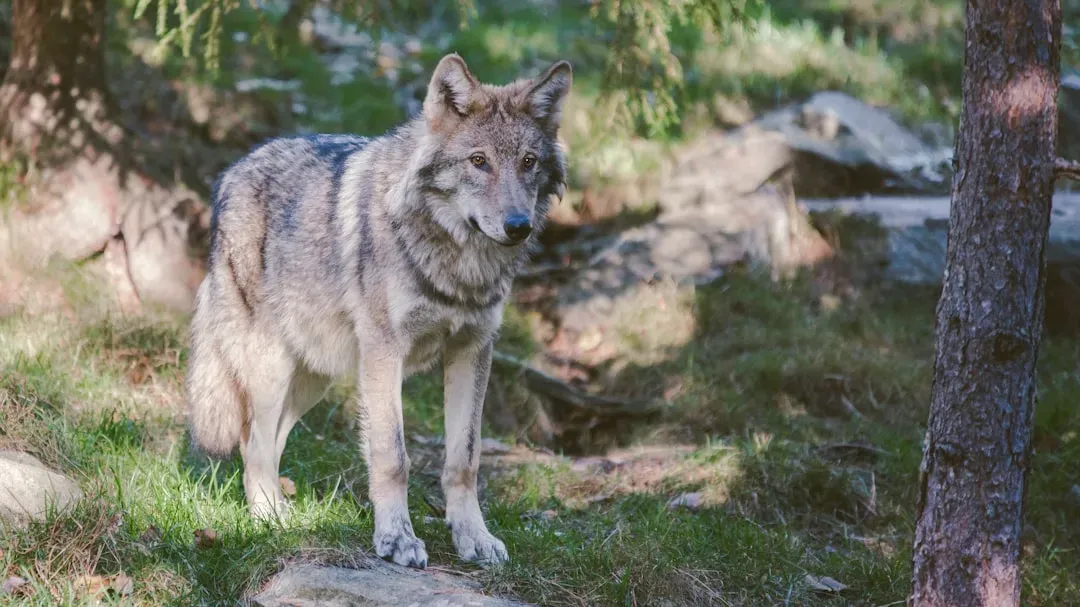
Perhaps the most consequential myth of all is the comfortable assumption that wolf recovery is complete – that the species has bounced back and political protections are no longer necessary. This belief has real policy consequences. There are likely fewer than 7,000 gray wolves left in the entire lower 48 states. The gray wolf’s long-term survival is at stake.
The gray wolf’s long-term survival is at stake. It has barely begun to recover from being endangered, and is still absent from significant portions of its former range, where substantial suitable habitat remains. That’s a sobering gap between myth and reality – a species described as recovered that still occupies only a fraction of its historical territory.
A growing body of scientific literature shows that top predators, like the wolf, play critical roles in maintaining a diversity of other wildlife species. The political argument that wolf populations are robust enough to withstand aggressive hunting seasons deserves more scrutiny than it typically receives. Wolves are highly politicized animals, and because of this much misinformation follows them wherever they go. Common misconceptions about wolves can unfortunately cause real harm, as they promote irrational fears and can spark unnecessary retaliation or misguided policy that is not in the best interest of wolves or people.
The Bottom Line: What We Owe Wolves Is Accuracy
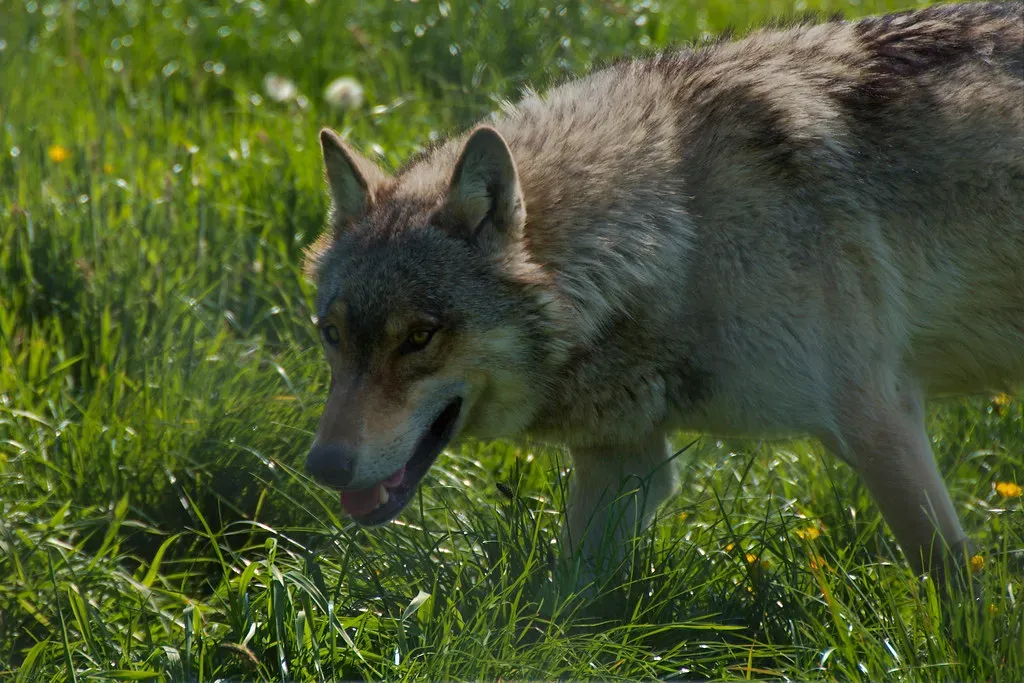
What strikes you, when you work through these myths one by one, is how almost all of them share the same flaw: they treat wolves as projections of human anxieties rather than as animals living specific lives shaped by specific pressures. The brutal alpha, the bloodthirsty killer, the lone rebel, the menace to livestock and children – these are characters we invented. The actual wolf is a deeply social, family-oriented predator with a measurable role in ecosystem health, a genuine fear of humans, and a conservation status that is far more precarious than casual headlines suggest.
The myths aren’t just harmless folklore anymore. They shape hunting policies, land management decisions, and public tolerance for predator reintroduction in places where wolves could genuinely help restore ecological balance. Getting the facts right isn’t just an academic exercise – it has real stakes for real landscapes. The wolf that exists in the scientific literature deserves as much cultural space as the one that haunts our fairy tales. Arguably, it’s far more interesting.
