
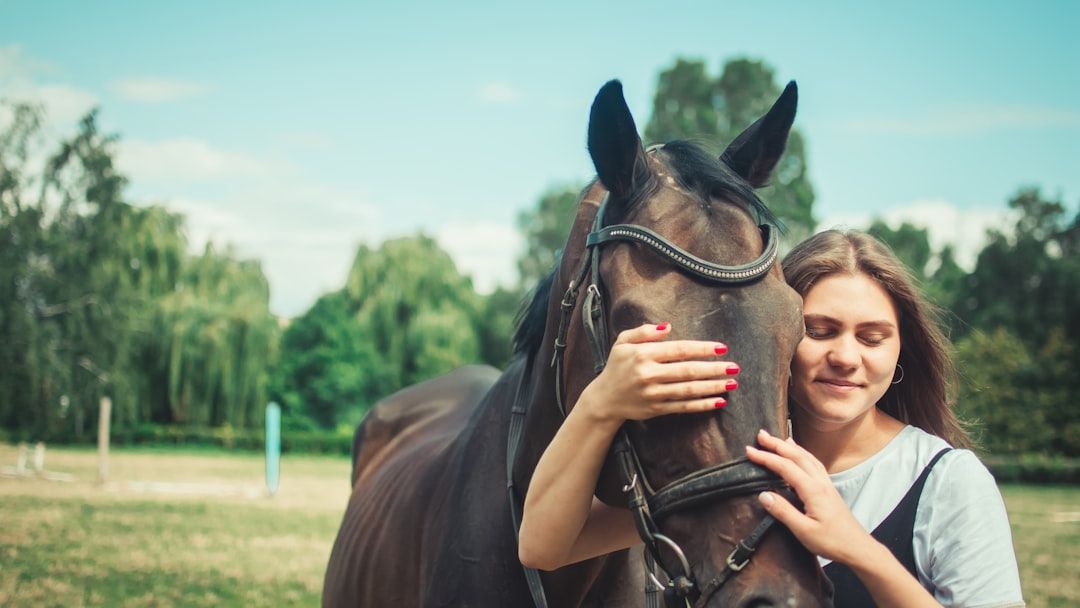
There’s a moment every rider and horse owner quietly hopes for. You walk into the pasture, and without a treat in hand or a lead rope in sight, your horse lifts its head and moves toward you. Not because it has to. Because it wants to.
Trust between a horse and a human isn’t something you can train on a schedule or manufacture with enough repetition. Horses are remarkably perceptive animals with cognitive abilities that allow them to recognize and remember individual humans. That perceptiveness cuts both ways. They read you just as carefully as you read them, and they decide, on their own terms, whether you’ve earned a place in their circle.
The signs of that trust are real, specific, and often subtle enough to miss if you’re not paying close attention. Some of them will surprise you.
#1: Your Horse Approaches You Willingly Without Being Called
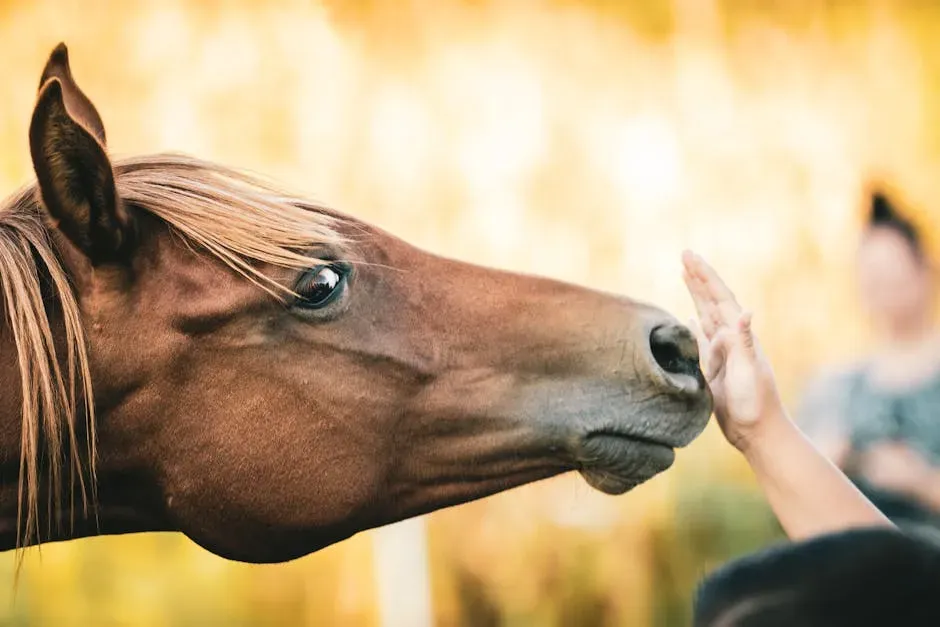
When a horse trusts you, they will respond to your call and approach you willingly, demonstrating that they associate your presence with safety and positive experiences. This sounds simple, but it carries enormous weight when you understand what it means for a prey animal to move toward something rather than away from it.
A trusting horse will approach you without hesitation, showing they feel secure and comfortable in your presence. This can be particularly telling in a pasture or large paddock, where a horse has the option to maintain distance but chooses to come closer to you instead. That voluntary choice is everything.
#2: They Stay Relaxed and Calm in Your Presence
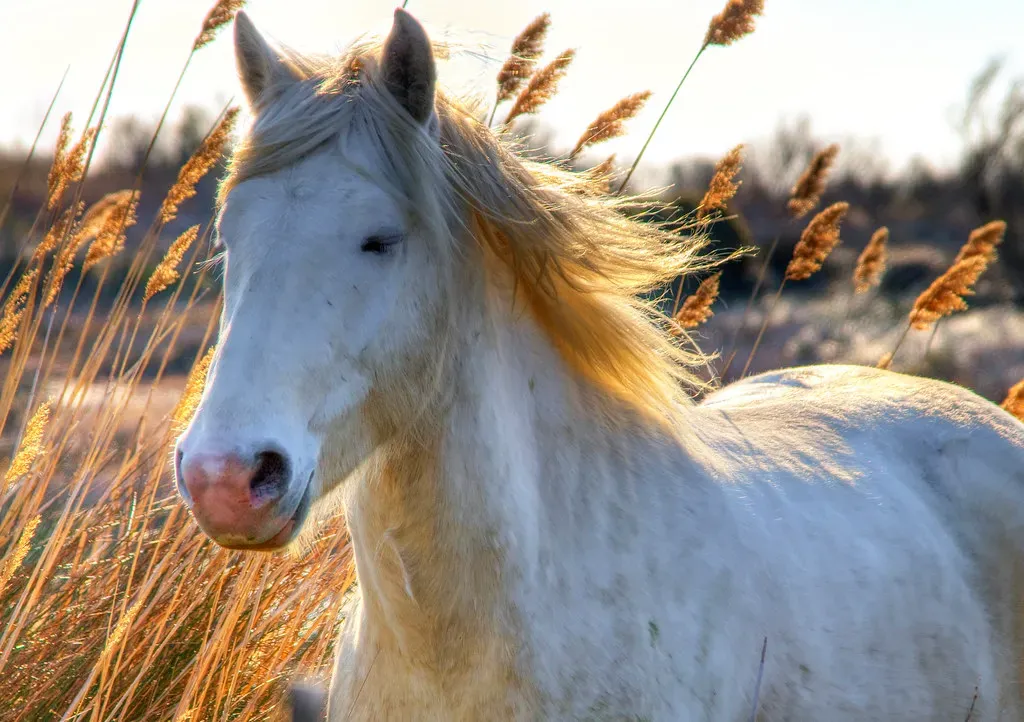
Horses become very relaxed when they are in the company of someone they respect and trust. You’ll notice it in the way the tension drains from their body when you step into their space. Muscles soften. Breathing slows. The whole frame of the animal settles.
If a horse trusts you, it will feel more comfortable being completely relaxed in your presence. A horse’s body language can tell you a lot about how relaxed they are, and when your horse trusts you, they should show signs of being relaxed when you are around, with an overall calm demeanor. That quiet stillness is one of the most honest things a horse can offer.
#3: They Lower Their Head Around You
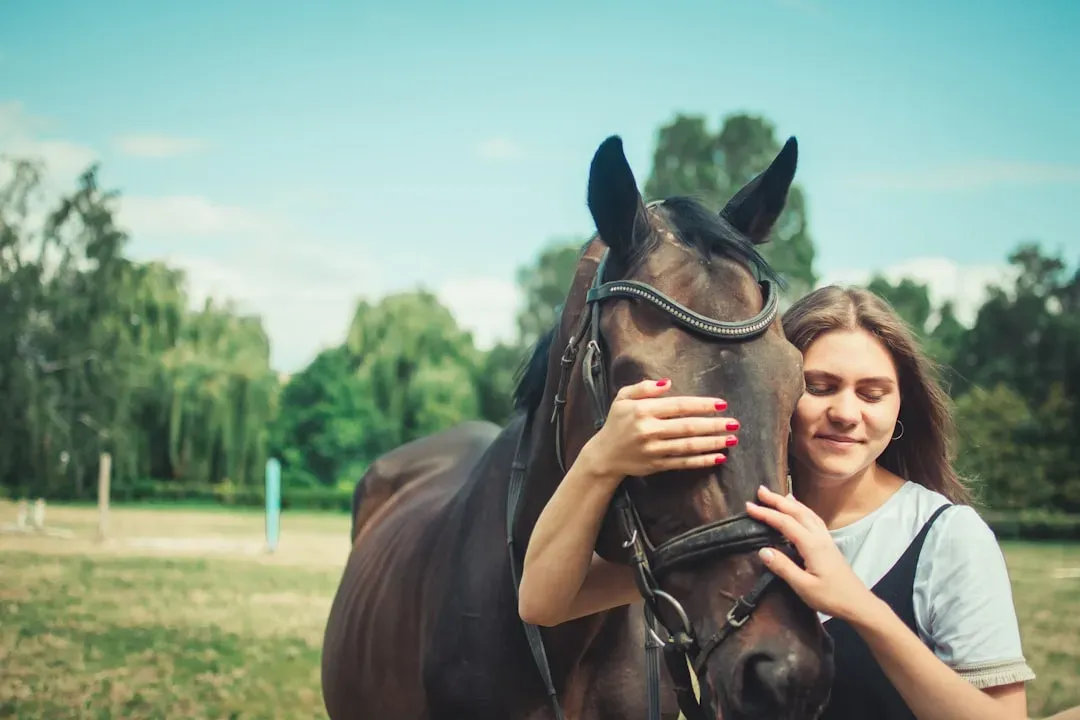
When a horse gently nudges or lowers its head around you, it’s showing signs of trust and affection. Head-lowering, in particular, is a calming signal that indicates the horse feels safe and relaxed, and this behavior is common among horses when they’re comfortable with someone, showing they don’t perceive any threat.
A relaxed and safe horse will lower their head, relax their ears, lick their lips, chew, drop their tail, and take a deep sigh. Any change in elevation of the horse’s head downward indicates the horse is relaxing, while any upward movement indicates tension. When that head drops low in your company, you’re witnessing something genuinely earned.
#4: Your Horse Lets You Touch Sensitive Areas Without Flinching
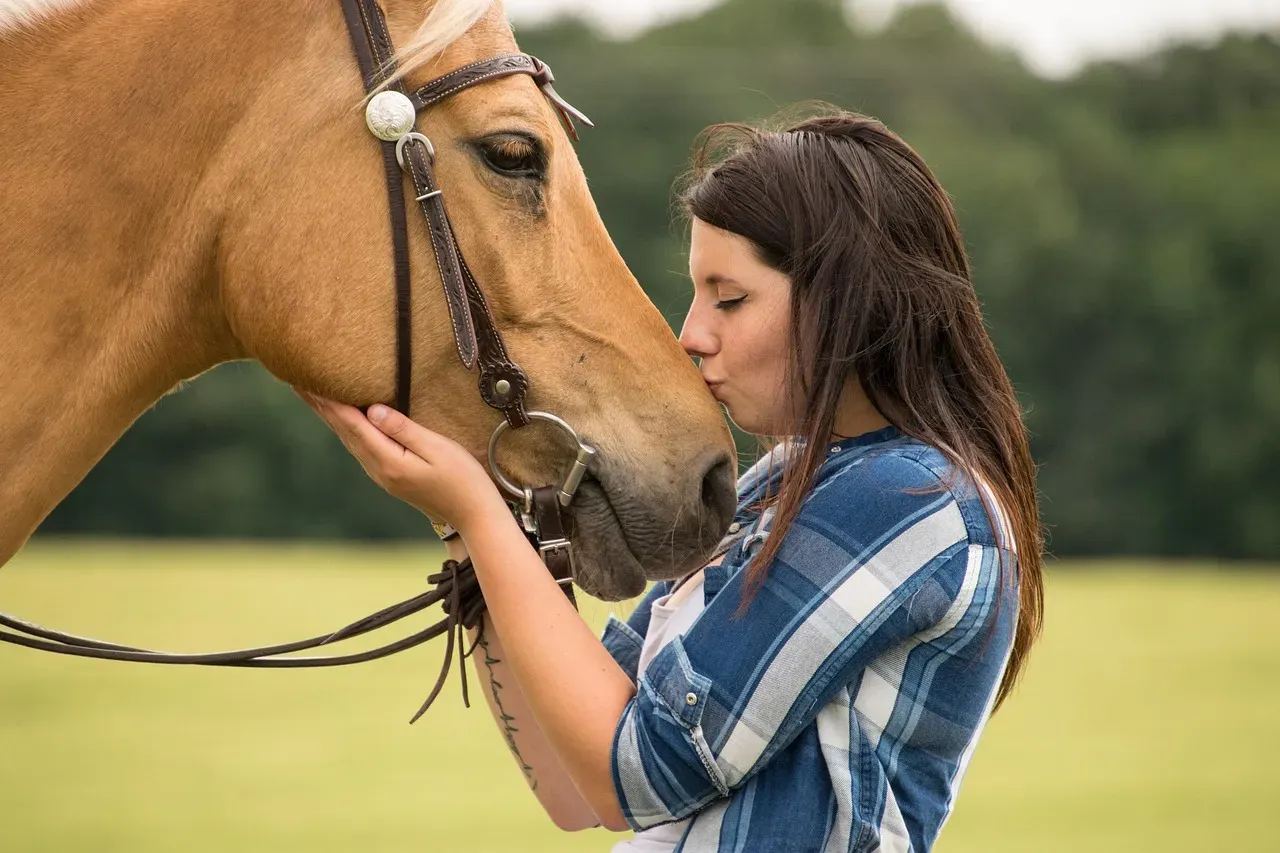
Horses will let those they trust enter their personal space and may even nuzzle or lean into you. If they allow you to touch sensitive areas like their ears, muzzle, or hooves, it’s a good sign that they feel safe with you. These zones are deeply personal to a horse. Allowing access to them is a conscious act of surrender.
When your horse allows you to touch, examine, or work with these sensitive areas without tension or resistance, they’re demonstrating significant trust in your intentions and actions. It’s the kind of trust that takes time and consistency to build, and there’s no shortcut to it. A horse that flinches at every ear rub simply isn’t there yet.
#5: They Remain Calm During Frightening or Unfamiliar Situations
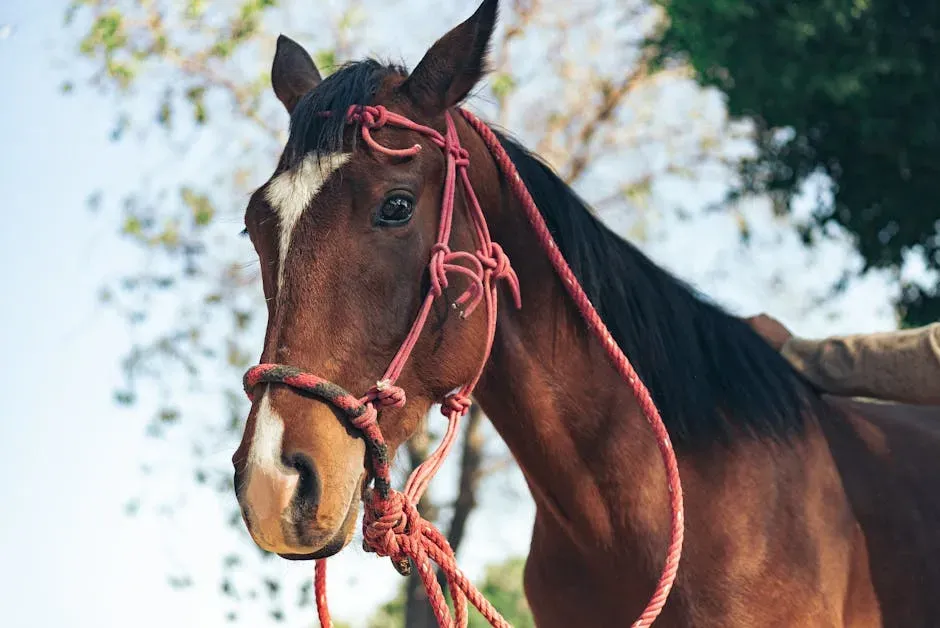
Horses are prey animals with strong self-preservation instincts, and a horse that remains calm with you during potentially frightening situations, like veterinary procedures, loud noises, or unfamiliar environments, is displaying remarkable trust. This is one of the deepest forms of trust a horse can show, because it goes against their instinct entirely.
Some of the most common things we ask of horses, such as trailer loading or being tied to objects, are pretty scary for them. As prey animals, being confined feels like a dangerous situation. If a horse is restricted, they are easy prey for other animals in the wild, and a horse needs to trust you to follow instructions like getting into a trailer or being tied to a fence. When they do it calmly for you, they’re betting on your judgment with their life.
#6: They Engage Their Ears and Eyes Toward You
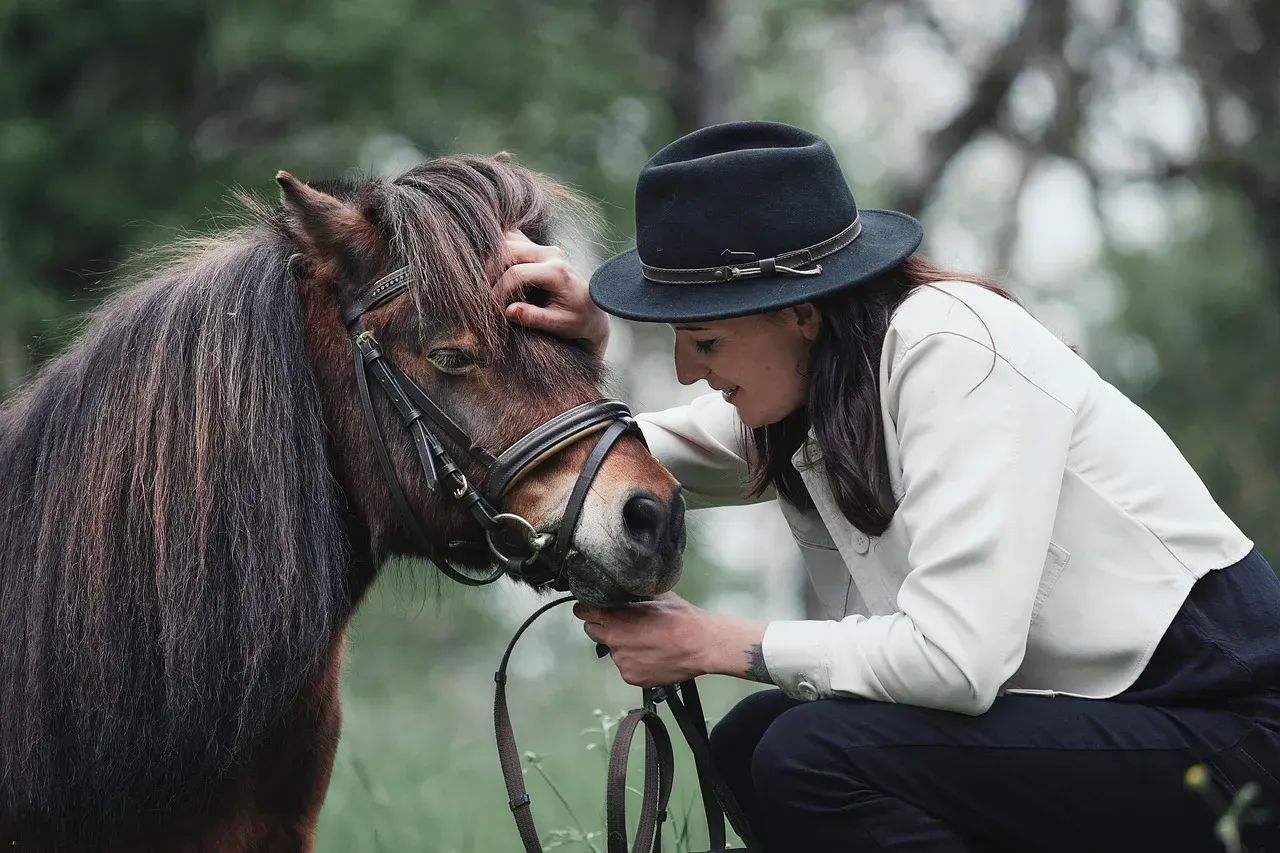
If your horse is looking at you, tips their ears toward you, or moves their head in your direction, they are trying to see what you are doing and learn about the situation. This is a distinct form of engagement that you’ll start to notice as you build trust. It’s your horse choosing to tune into you above everything else in their environment.
A horse with soft eyes and ears gently pointing in your direction, rather than pinned back or overly alert, is showing signs of comfort, and this relaxed state indicates trust and ease. A relaxed, soft gaze with half-closed eyelids indicates contentment and relaxation. Those soft, quiet eyes directed at you are one of the most beautiful things you’ll see from a horse.
#7: Your Horse Grooms You Back
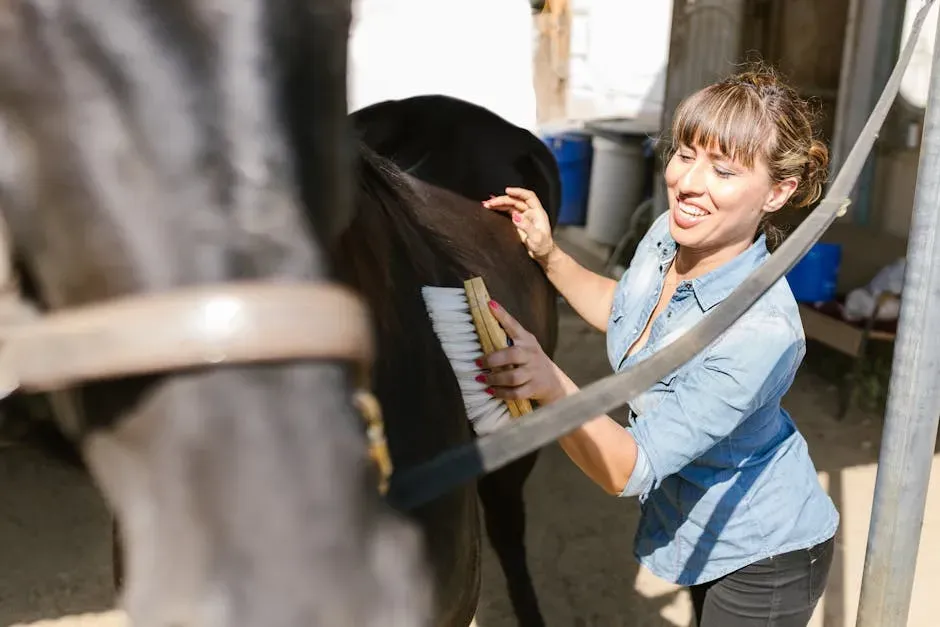
Another sure sign that a horse truly loves and trusts you is if it grooms you back. Most equestrian owners thoroughly enjoy the bonding that occurs while grooming their horses, and if your horse nibbles on your head or shoulder, it is exhibiting the same behavior it would show a friend in the wild. If your horse likes you enough to groom you, then it trusts you.
Research in Applied Animal Behaviour Science confirms that mutual grooming is a vital social bonding activity for horses. When your horse does this with you, it’s a clear sign of trust and connection. Mutual grooming is a behavior horses often do with other herd members, and when a horse nudges or gently grooms you, it’s a gesture of closeness and trust, mirroring their social bonding habits.
#8: They Follow You Without Being Led
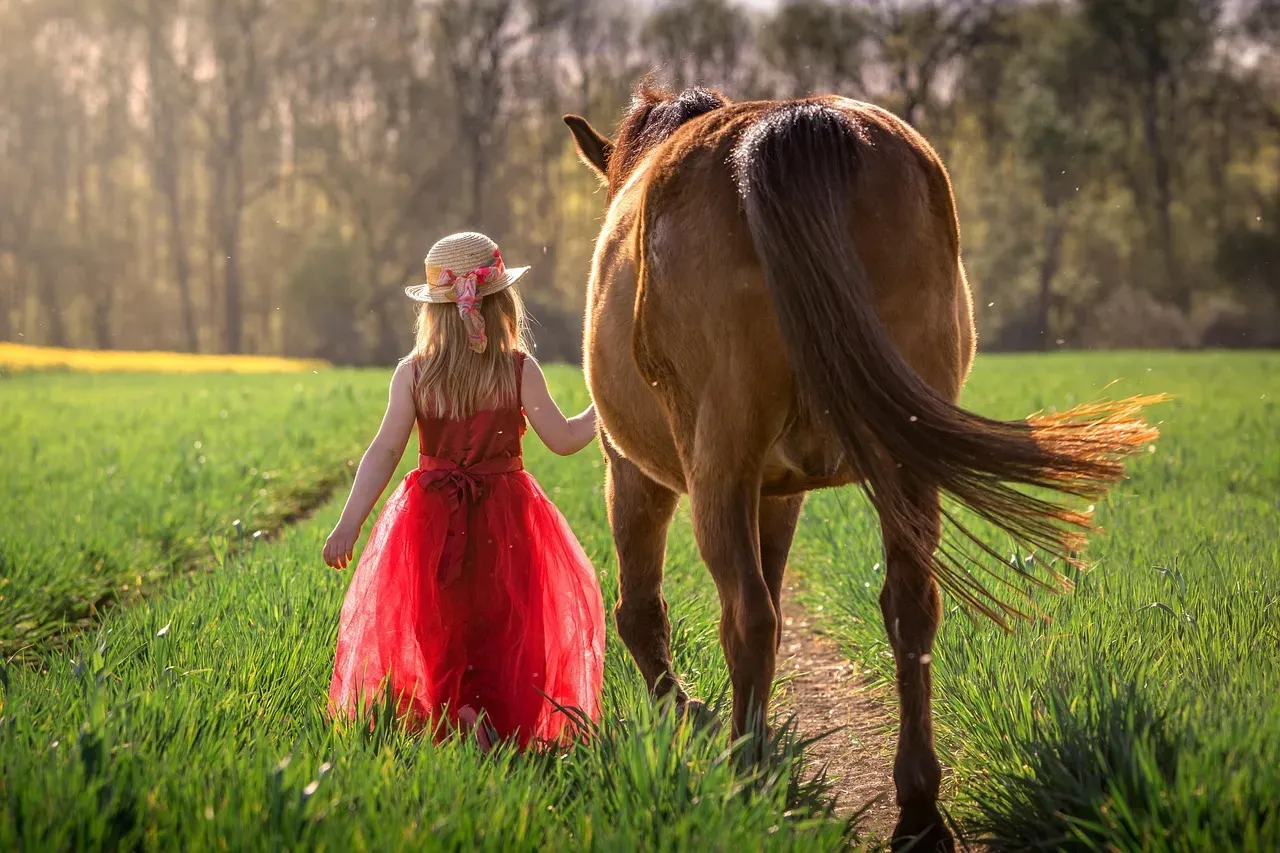
A horse that willingly follows you without lead rope tension or pressure cues demonstrates profound trust. When your horse chooses to stay with you despite having freedom to leave, they’re displaying one of the purest forms of trust. No rope, no pressure, no food bribe. Just a genuine preference for your company.
A horse that chooses to stay close without being led is demonstrating trust. This at-liberty following is something trainers and natural horsemanship practitioners work toward for years. A trusting horse will look to their leader for cues and feel confident responding to them. When your horse walks at your shoulder through an open field, you’ve become their chosen direction.
#9: They Stay Lying Down When You Approach
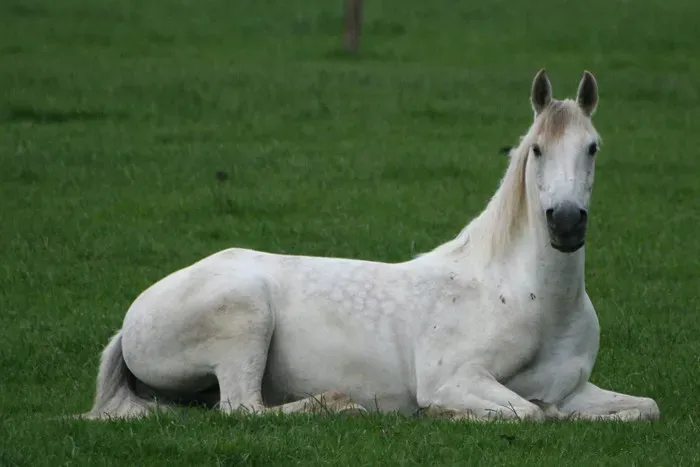
A tell-tale sign that a horse is truly comfortable is if they remain lying down when you begin to approach them. Horses feel most vulnerable when lying down, so if they do not move upon your approach, they truly trust and love you. Few moments feel as intimate as this one. You’re witnessing an animal override its deepest survival programming.
The most profound trust indicators are vulnerability behaviors. These behaviors would never occur if your horse perceived any threat, as they represent complete comfort and trust. A horse at rest, unbothered by your footsteps, has placed its safety entirely in your hands. That’s not something given lightly by a prey animal.
#10: They Mirror Your Movements
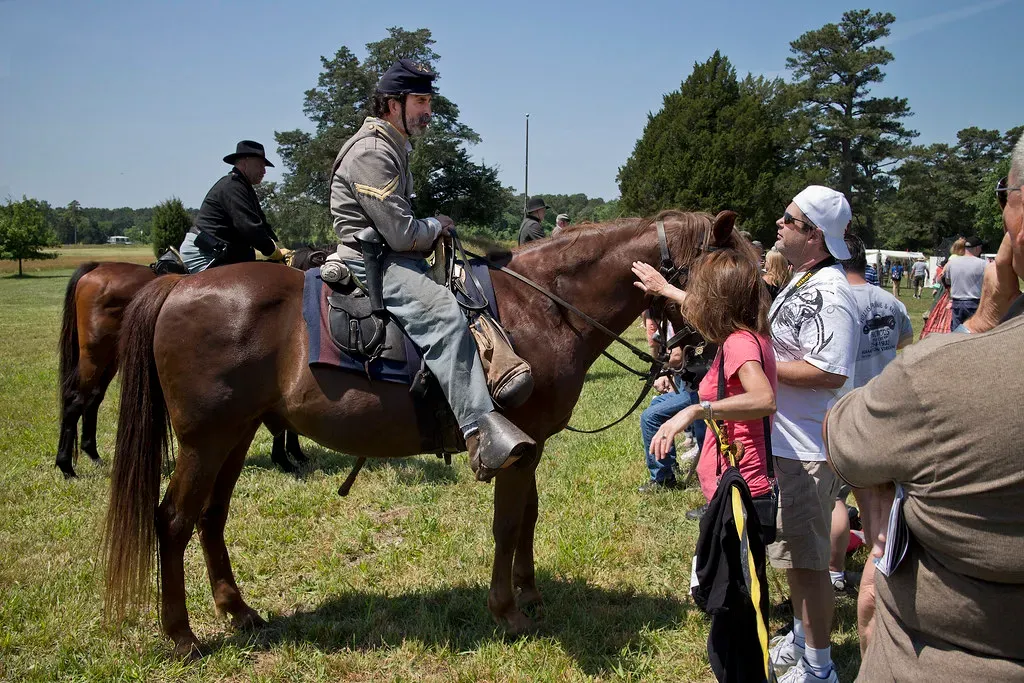
When a horse mirrors your movements, turning its head or moving in sync with your steps, it often signals trust and connection. Studies suggest that horses mimic those they feel relaxed and secure around, reinforcing mutual understanding and companionship. It’s subtle, but once you see it, you can’t unsee it.
This mirroring goes beyond simple imitation. Horses are masters of nonverbal communication, and as prey animals, their survival depends on the ability to convey messages quickly and clearly. While humans rely heavily on verbal language, horses express their emotions, intentions, and reactions through subtle physical signals. When your horse begins to synchronize with you, it’s choosing to share its frequency.
#11: They Accept You as a Calm, Consistent Leader
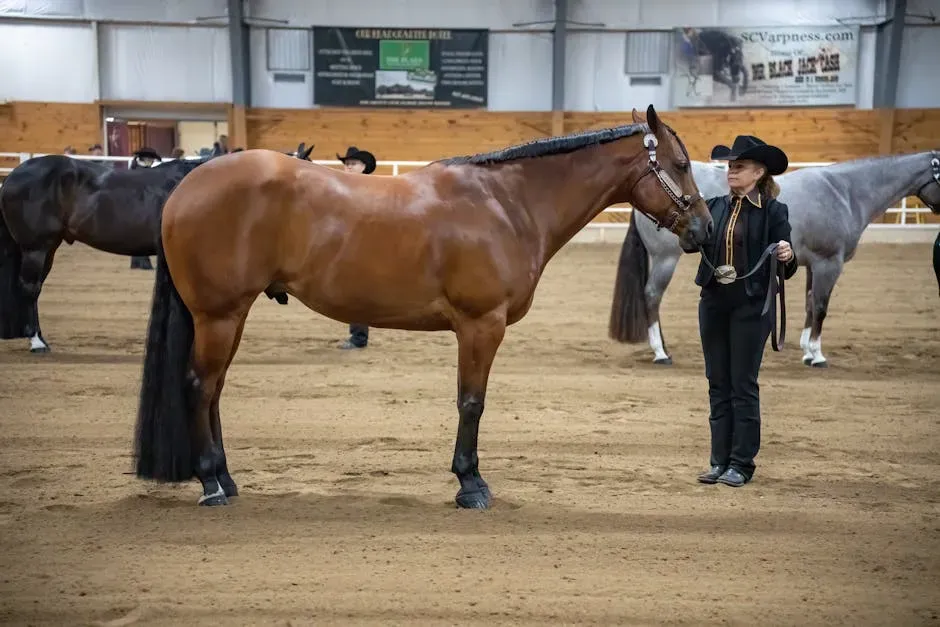
When a horse shows you respect, that also indicates that they like you, and they will accept you as their leader and do what they are asked. Fair, just, and consistent leadership forms the three foundations of trust in your relationship with a horse. A horse that willingly defers to you without resentment or avoidance has made a considered choice.
If you’re talking to your horse all the time but not listening, pulling them around, or letting them walk all over you, they might find you confusing or irrelevant. Horses respond best to clarity, consistency, and fairness. Maintaining a regular schedule for feeding, turnout, exercise, grooming, and training helps horses feel secure and builds trust. Predictability, as simple as it sounds, is one of the most powerful trust-building tools you have.
#12: They Lean Into You or Rest Their Head on You
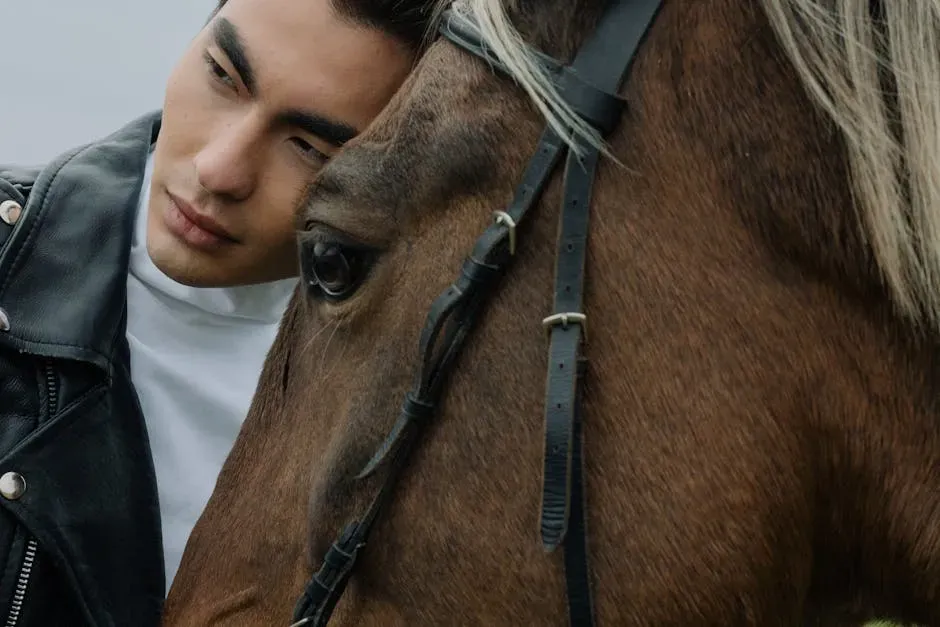
When a horse rests its head on you or leans in, it’s a strong display of trust and comfort, much like bonding behaviors seen in other social animals. This gesture reflects the deep connection between horse and human, where the horse feels secure enough to seek physical closeness. It’s an act of vulnerability dressed up as affection.
Horses, being herd animals, use physical contact to express trust within their group, and when they share this behavior with humans, it shows they see you as part of their circle. When humans interact with horses in a positive and nurturing way, oxytocin is released in both species, and this strengthens the bond between horses and humans while promoting feelings of trust and connection. That leaning head isn’t just sweet. It’s biological confirmation that you belong together.
What It All Really Means
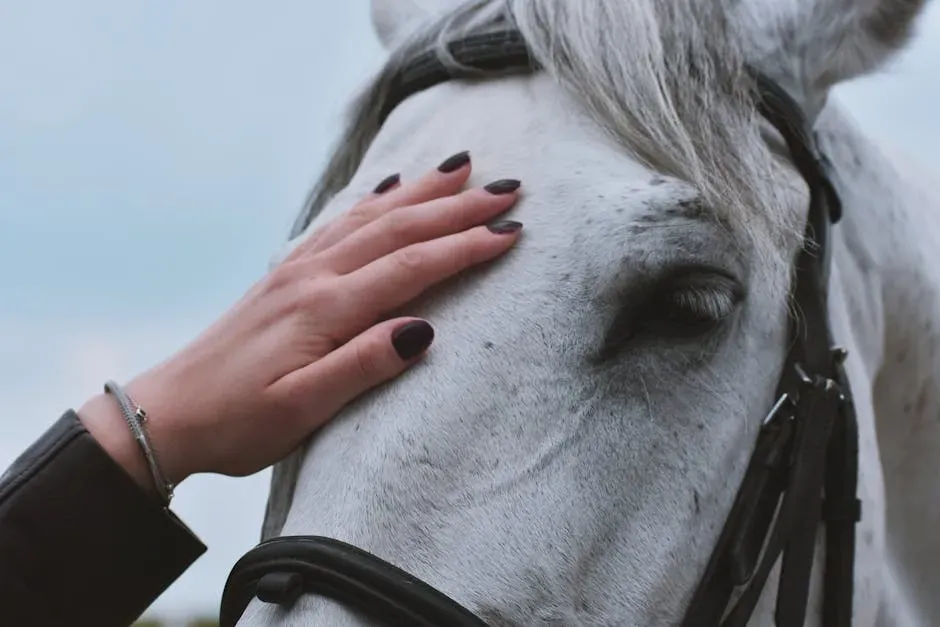
Horse trust is not a destination. It’s a living thing that needs attention, consistency, and genuine respect to survive. Establishing a trusting relationship with your horse takes quality time, hard work, and patience, and this is a foundational piece of natural horsemanship methodology. If you take the time to lay the proper groundwork to become your horse’s trusted leader, you’ll be amazed at what you can accomplish together.
Building trust takes time, patience, and consistency. Horses respond to gentle, positive interactions, so the more you invest in understanding and respecting their body language, the stronger the trust will grow, leading to a positive, rewarding partnership. In my view, that partnership is among the most honest relationships a person can have. Horses don’t flatter you or perform affection for social convenience.
When a horse chooses you, quietly and on its own terms, it means you’ve done something right. The twelve signs above aren’t just a checklist. They’re a window into how a 500-kilogram prey animal decides, against every instinct, that you’re worth believing in. That’s worth more than any ribbon or record. Protect it accordingly.
