
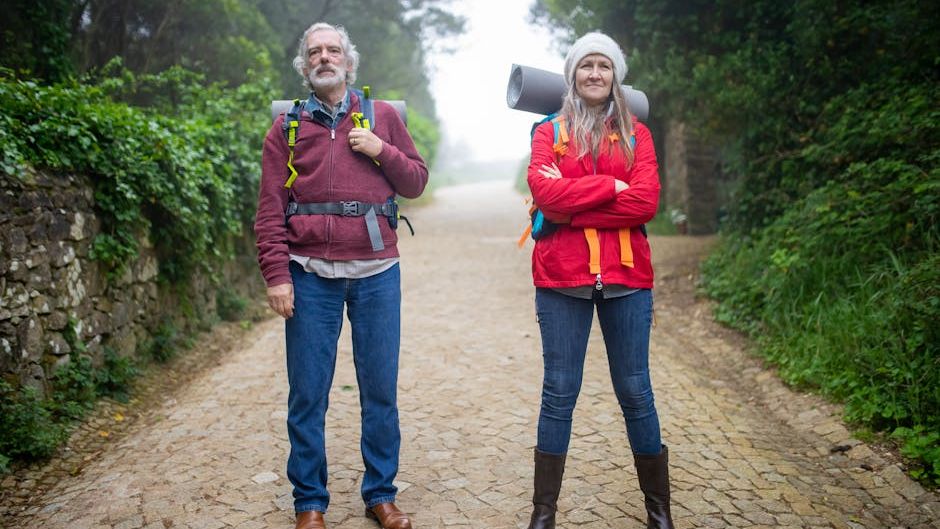
There’s something that happens on the first big trip after retirement that nobody quite prepares you for. You’ve imagined it for years. Maybe decades. You’ve got the itinerary printed, the bags packed, and the bucket list ready. Then you arrive, and the real education begins. Not the kind from guidebooks or travel blogs, but the kind that only comes from hauling an overstuffed suitcase up a cobblestone street at midnight, or realizing your Medicare card is completely useless in a foreign country.
In retirement, individuals and couples have more time for “slow travel,” hold more financial freedom, and are no longer responsible for child-rearing duties. Many retirees take their first chance to travel extensively once they retire, making the most of their newfound freedom. The first big trip is rarely perfect. It’s wonderfully messy, eye-opening, and full of the kind of small disasters that later become the best dinner-party stories. More importantly, it teaches you things you carry on every trip after that. Here are the ten habits seasoned retired travelers quietly adopt after that pivotal first journey.
#1: They Pack Less. Every Single Time.
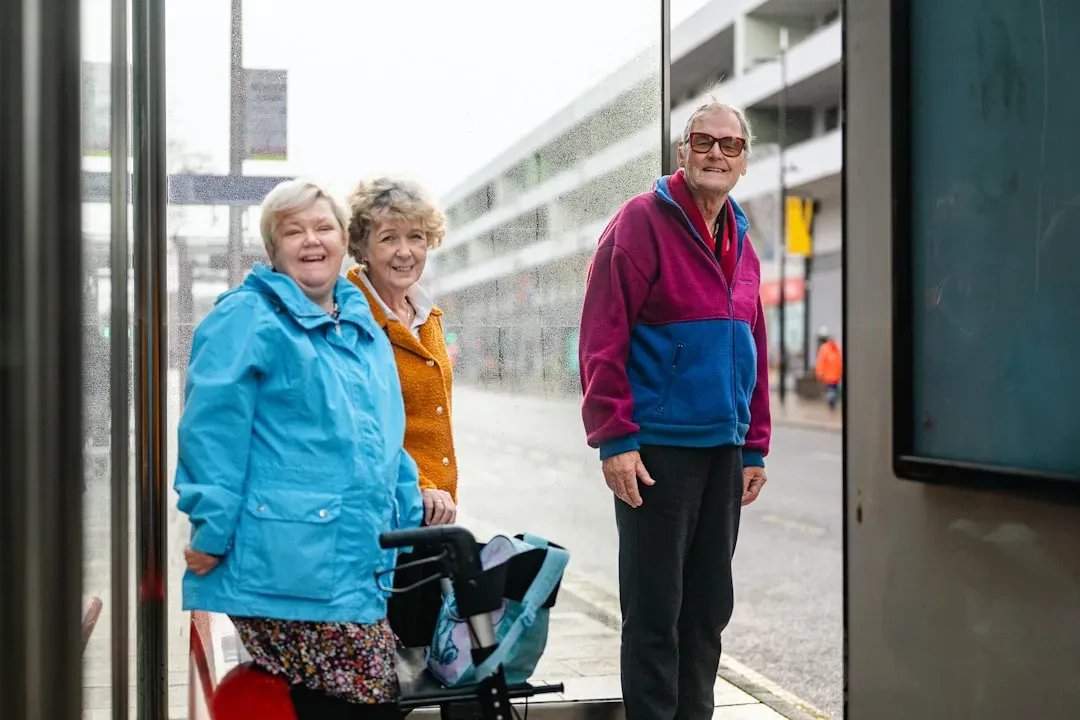
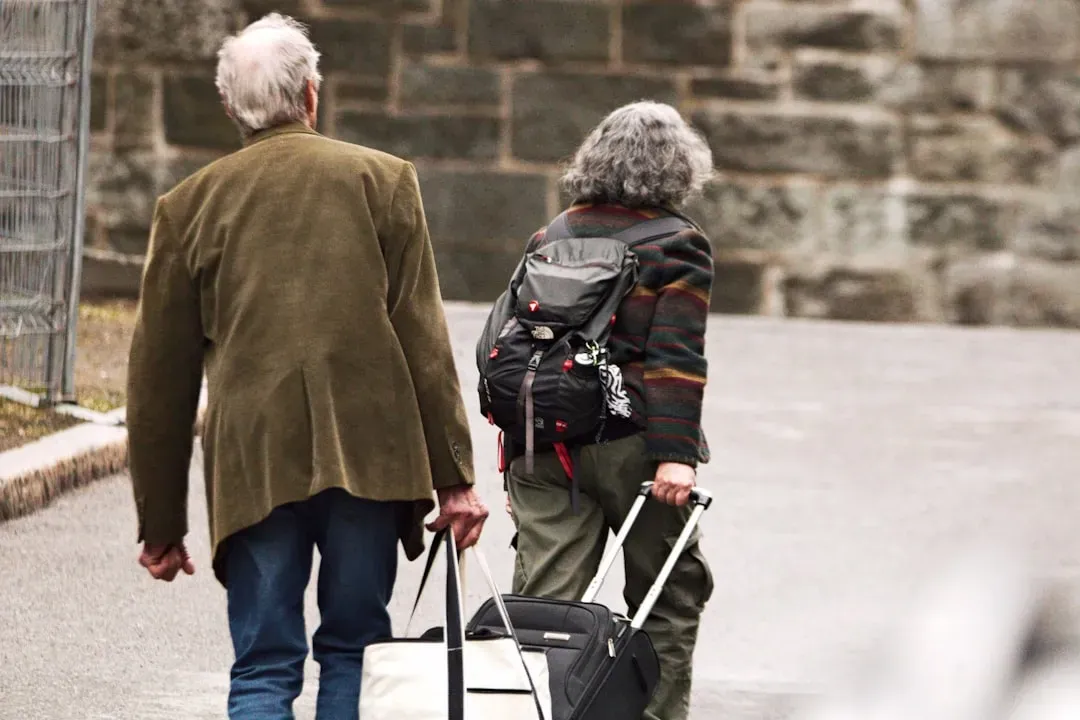
Ask almost any retiree who’s completed a major international trip, and the overpacking confession comes up without fail. On a first international retirement trip to Europe, one couple traveled with a carry-on bag, a purse, a backpack, and two checked bags – one of which was a 28-inch giant. After toting that excess through airports, train stations, cabs, and up stairs over cobblestone streets, the realization hit: it was simply too much.
Nobody wants to drag heavy bags around – but traveling light is especially important if you have mobility issues or any physical limitations. The habit that sticks after that first trip is ruthless editing. Veteran retiree travelers learn to lay out everything they plan to bring, then remove at least a third of it.
Overpacking makes travel cumbersome. Focusing on versatile clothing, comfortable shoes, and essential medications works far better. A lightweight travel bag with wheels makes navigating airports and train stations dramatically easier. Once you’ve dragged a 28-inch suitcase up a narrow staircase in Florence, you never do it again.
#2: They Buy Travel Insurance Before Anything Else
This one often gets skipped on the first trip. It feels like an unnecessary extra cost, right up until something actually goes wrong. Seniors traveling internationally are strongly advised to purchase travel medical insurance, and the timing of that purchase truly matters. Many travel insurance policies require purchase almost immediately after making the first reservation, or the insurance will substantially limit its coverage and likely won’t cover pre-existing conditions.
Medicare doesn’t cover seniors traveling internationally. If you have supplemental medical insurance, it may or may not cover you to any extent, so you need to determine what it covers and how much coverage it will provide, including whether it provides international coverage.
Unexpected situations can arise while traveling, and having comprehensive travel insurance provides invaluable peace of mind. After one close call or a costly trip cancellation, buying insurance becomes the very first step – not an afterthought – on every future trip.
#3: They Stop Over-Scheduling Their Days
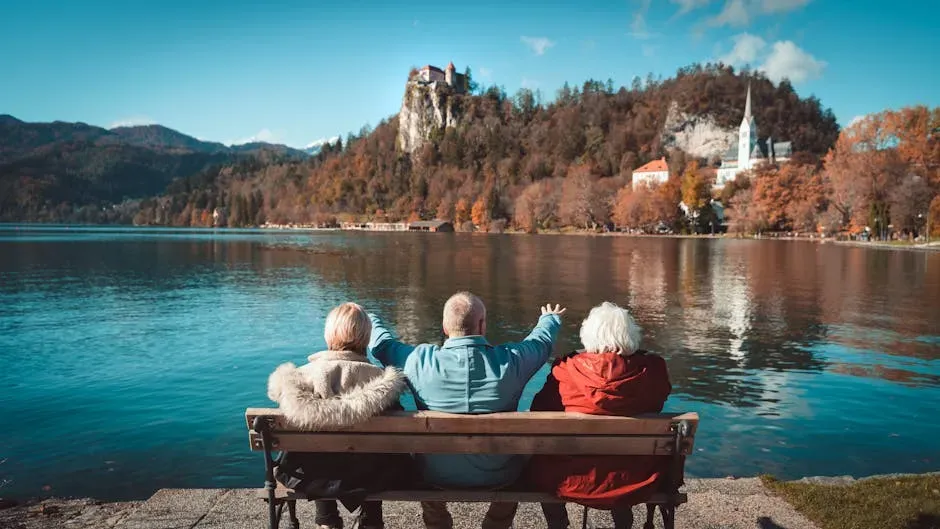
The impulse on a first big trip is to see everything. Every museum, every monument, every walking tour on the list. Many travelers spend their first vacations abroad sprinting from one major attraction to the next – which is fun, but exhausting. For retirees especially, this approach tends to backfire fast.
Cramming too much into a single trip is a common mistake. Retirees often find that slower-paced itineraries allow them to truly savor the experience. The habit that forms after that first hectic trip is building deliberate breathing room. A free afternoon. A slow morning. A café where you just sit and watch the street move.
While travel is exciting, it can also be exhausting. Building rest days into an itinerary to recharge makes a real difference. Whether it’s a leisurely morning at a cozy café or an afternoon spent reading at the hotel, taking time to reflect and relax helps you truly savor the journey. The seasoned retiree traveler knows that the moments between the sights are often the ones worth remembering most.
#4: They Travel Off-Peak Without Hesitation

One of the clearest advantages of retirement is freedom from the school calendar and the summer rush. One of the perks of retirement is the freedom to travel whenever you want. Off-peak seasons often mean fewer crowds, lower costs, and a more relaxed pace. Traveling in the “shoulder season” can significantly enhance the overall experience.
Most retirees don’t fully exploit this advantage on the first trip – they still think in terms of summer travel the way they did during their working years. The best way to see a destination is during its off-peak season, avoiding local school breaks and religious celebrations, which are prime times that attract crowds and raise prices.
Off-season travel means cheaper flights, hotels, and ultimately more out of the trip. Once retirees experience the difference between a crowd-free European city in October versus peak-season July, the off-peak habit becomes deeply ingrained. Fewer tourists, better photos, and noticeably more money left in the budget.
#5: They Use ATMs Instead of Airport Currency Exchanges

Currency exchange is a quiet but real money drain on first international trips. Airport currency exchange counters survive on travelers who don’t know better. The markup is typically around 14% above mid-market rates, with some airport counters exceeding 17%. On a $500 exchange, that’s roughly $70 gone before you even leave the terminal.
The lesson tends to sink in fast once you see the actual numbers. Relying exclusively on credit cards in a foreign country can lead to unexpected issues such as high foreign transaction fees or limited use in remote areas, making it smart to carry a mix of cash and credit cards. Experienced retiree travelers also learn to notify their banks before departure, avoiding the frustrating freeze that hits when a foreign transaction gets flagged as suspicious.
The habit that stays is simple: use a local ATM on arrival, choose the local currency when paying by card abroad, and keep a modest amount of cash on hand for small vendors and markets. Small adjustments that, across a two-week trip, can save a meaningful sum.
#6: They Embrace Slow Travel
Speed is overrated when you’re no longer racing against a two-week vacation window. In retirement, individuals and couples now have more time for enjoying locations through “slow travel,” and are no longer bound by the old constraints of working life. The first big trip often includes too many destinations, too many overnight moves, and too many half-explored cities rushed through like checkboxes.
What smart retirees discover is that spending five days in one city is infinitely richer than spending five days crossing five cities. You find the neighborhood bakery. You get to know the corner where the light is perfect in the late afternoon. Making the most of a trip means immersing yourself in a destination’s culture – eating local food, touring historical sites, maybe taking a class to learn something distinctly of that place.
Avoiding an overpacked schedule and focusing on a few meaningful activities each day not only reduces stress but also allows time to relax and enjoy the destination. It also creates space for unexpected moments, which often turn out to be the most memorable parts of the trip. Slow travel isn’t laziness. It’s wisdom.
#7: They Always Keep Medications in Their Carry-On

This is one of those habits that feels obvious in retrospect and catastrophic when ignored. Checked luggage gets lost, delayed, or sent to the wrong city. TSA representatives consistently say that packing medication in carry-on bags instead of checked items is one of the top three things they wish every senior traveler did.
For retirement travelers, it’s essential to pack any necessary medications and consult a physician before the trip to assess mobility and what’s safe on the adventures ahead. Beyond medications, carrying a small supply of familiar over-the-counter remedies matters too. Many experienced travelers learn quickly to bring their own medicines, because even if medications are available abroad, they’re likely named something different and language barriers make explaining a condition difficult.
After even one incident of lost luggage – and checked bags being lost twice during a single transit, forcing travelers to scramble for necessities and wait at the hotel – this habit locks in permanently. The carry-on becomes a travel pharmacy, and no one apologizes for it.
#8: They Learn a Few Words of the Local Language

You don’t need to be fluent. Not even close. Having a few keywords and phrases can help navigate common situations. Fluency isn’t required – just the basics of another language go a long way. The first big trip often includes the humbling realization that the world doesn’t always speak English, and that a little effort toward local language goes a surprisingly long distance in terms of warmth and connection.
Immersing yourself in a destination’s culture delivers a richer travel experience, particularly when traveling internationally. Researching basic customs, language phrases, and tipping etiquette before departure not only enhances the trip but helps connect with locals and avoid accidental faux pas.
Sticking to what’s familiar may feel easier, but embracing the local way of life enriches the experience and fosters meaningful connections. Even a genuine attempt at “please,” “thank you,” and “do you speak English?” in the local language tends to transform the temperature of an interaction instantly. Retirees who pick this up don’t let it go.
#9: They Discover the Power of Senior Discounts (And Actually Use Them)

This one surprises a lot of first-time retiree travelers. The discounts are real, they’re widespread, and many people simply don’t ask. Many retirees know about senior discounts, but the real savings often hide in unexpected places. Amtrak offers 10% off for travelers over 65, and rail discounts exist across Europe. Even airlines like Southwest and United occasionally offer reduced fares for seniors, but you have to ask. Outside of transportation, discounts appear at museums, national parks, cell phone plans, and hotel chains.
The list of organizations offering travel discounts is long, including AAA, military and veterans’ groups, retired teachers, and first responders, to name a few. Warehouse clubs like Costco also have travel departments that can offer genuine savings on packages and bookings.
As a retiree, there’s access to a variety of travel discounts that make exploring more affordable. Airlines, hotels, national parks, and RV rental companies offer special pricing for senior travelers, helping stretch the travel budget further. After the first trip, the habit becomes simply asking. Every time. At every counter. The yes-to-no ratio is far more favorable than most people expect.
#10: They Build Flexibility Into Every Booking

Rigid, non-refundable travel plans look attractive upfront because they’re cheap. Then a health situation arises, a connection gets missed, or the plan simply changes. A month into a long journey, fatigue sets in, the budget isn’t stretching as expected, and it’s simply not as fun as imagined. The option to change plans matters enormously. Experienced retiree travelers learn to pay a little more for the cancelable hotel room and the refundable ticket.
In retirement, flexibility is the biggest financial advantage – the ability to travel when and how you want, which alone saves money. That flexibility should be baked into the bookings themselves, not just the schedule. When working, travel gets squeezed into available vacation slots. After retirement, there’s far more freedom to take advantage of last-minute deals and opportunities. Using that freedom wisely means never locking yourself into arrangements you can’t adjust.
The most important thing experienced senior travelers learn is to neither overestimate nor underestimate their travel abilities. Physically, things change over the years – but that doesn’t prevent getting around, enjoying new destinations and cultures, and learning about them firsthand. Flexible bookings are the structural expression of that honest self-awareness. They’re not pessimism. They’re just good planning.
The Real Lesson Behind All Ten Habits
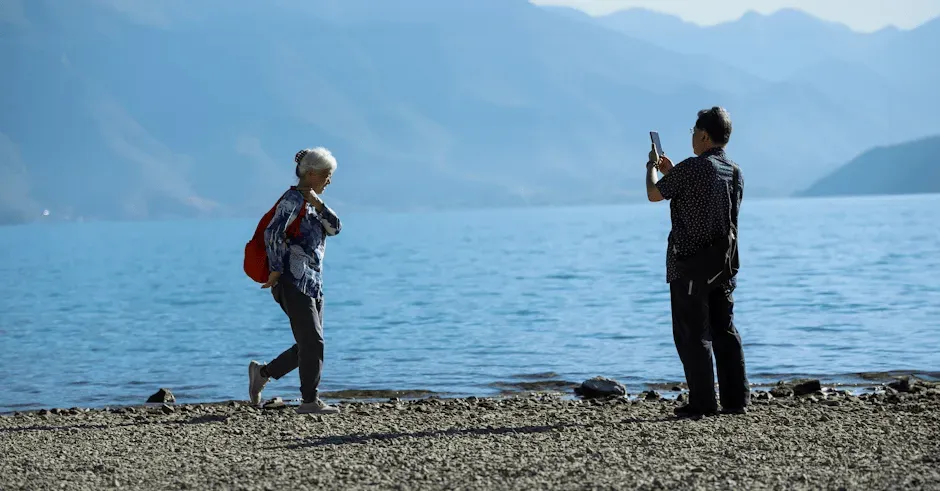
There’s a pattern running through every habit on this list. None of them are about doing less or pulling back. The joy of travel is not the sights and not necessarily doing it right – it’s having fun with the process, being wonderstruck by a wider world, laughing through the mistakes and learning from them. Every habit listed above exists to protect that joy, not to complicate the trip.
People often regret the trips they didn’t take more than the money they spent on the ones they did. While material goods lose value over time, the value of meaningful experiences grows, making travel one of the most rewarding ways to spend both time and money. The habits retirees pick up after that first big trip are ultimately about getting out of their own way so the experience can actually land.
The first big trip is a teacher you didn’t know you needed. It shows you what matters, what doesn’t, and what you’re actually capable of. The retirees who travel best aren’t the ones with the most money or the most elaborate plans. They’re the ones who came home from that first trip a little wiser, a little lighter, and hungry to go again – this time knowing exactly what they’re doing. That, honestly, is the whole point.
