
Göbekli Tepe: The Temple That Rewrote the Timeline
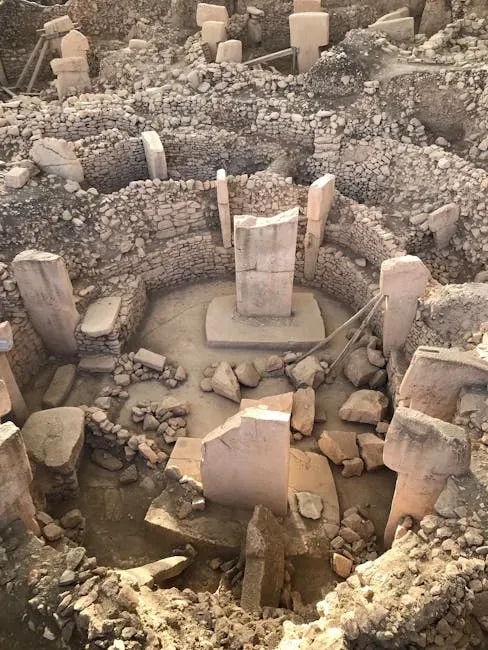
Known as Göbekli Tepe, this sprawling complex of megalithic stone circles in southeastern Turkey dates back to at least 9600 BCE, thousands of years before Stonehenge or the Egyptian pyramids. That date alone is enough to make most people pause. Because remains at the site indicate that Göbekli Tepe was constructed by hunter-gatherers, the site has prompted some to reconsider the relationship between settlement and sociocultural development.
The Neolithic site, which is twice as old as Stonehenge, contains elaborate circular enclosures constructed of massive T-shaped limestone columns, many featuring intricate carvings of abstract symbols and wild animals, including lions, foxes, gazelles, and birds. Although it has long been presumed that settlement was a prerequisite for the construction of temples and complex social systems, the work needed to construct Göbekli Tepe would have required that a large number of builders be housed and fed in one place, meaning the coordinated effort may have necessitated settlement, not followed it. The implications are staggering. A group of people who supposedly had no cities, no writing, and no formal religion somehow organized the most sophisticated construction project the ancient world had yet seen.
The Antikythera Mechanism: A Computer Out of Time
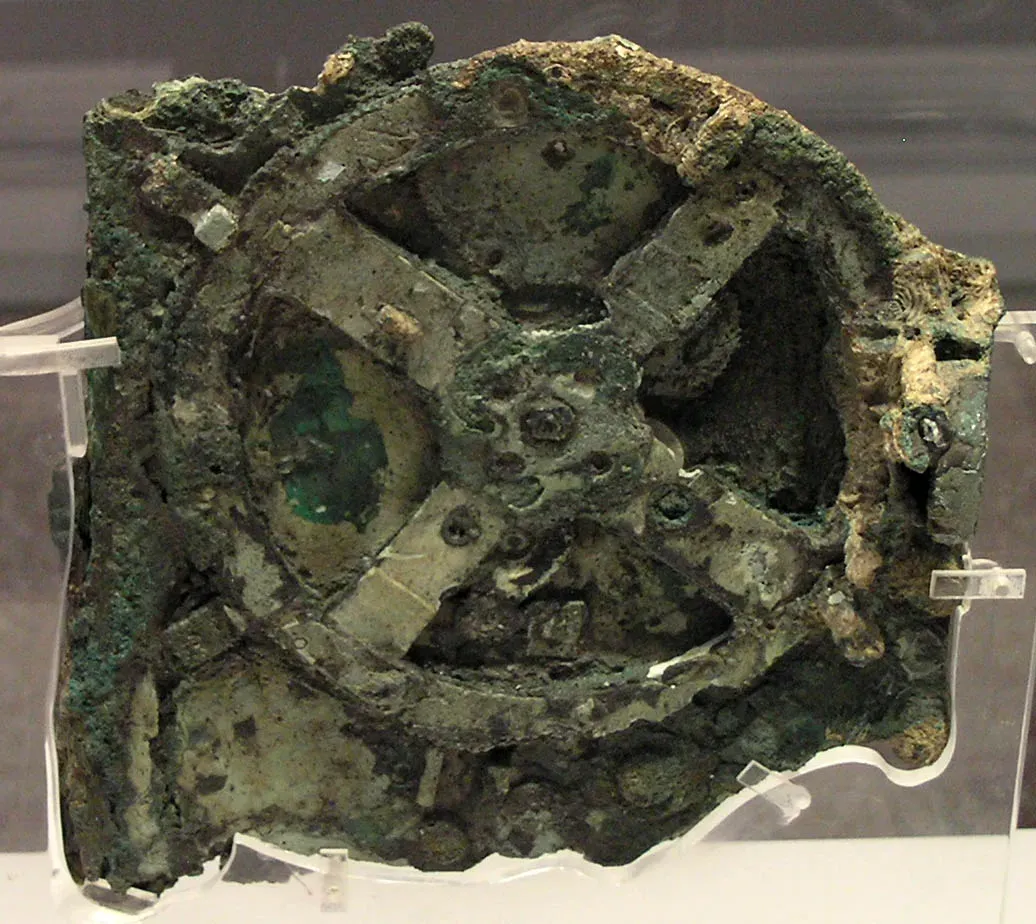
Discovered in 1901 from a shipwreck off the coast of the Greek island of Antikythera, this ancient device consisted of interlocking gears and dials, resembling a sophisticated analog computer. Its purpose was to calculate astronomical positions and predict celestial events, showcasing a level of technological advancement not commonly associated with ancient Greece. Most historians assumed mechanical gearing of this complexity only emerged in the Renaissance.
A 2006 study published in Nature used X-ray imaging to analyze the device, confirming its intricate design and function. Researchers determined that it likely modelled the motions of the Sun, Moon, and possibly the planets. Scholars long assumed that mechanical gearing of this complexity only emerged in the Renaissance, more than 1,400 years later. The presence of the Antikythera Mechanism in antiquity forces historians to reconsider the technological development in the ancient world. The question this device raises isn’t just historical. It’s philosophical: what else did ancient civilizations develop that we’ve simply never found?
The Nazca Lines: Signals to Whom, Exactly?
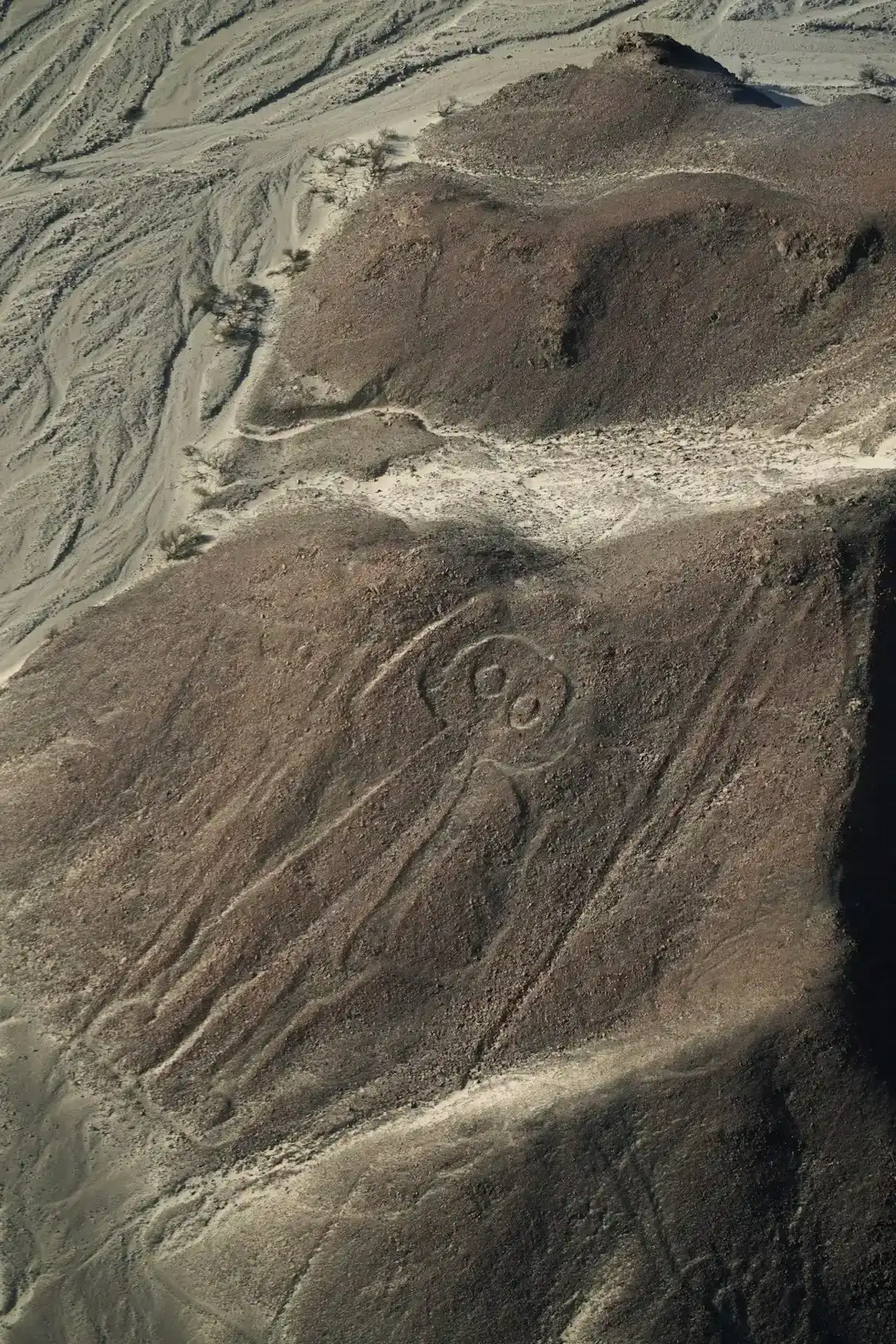
The Nazca Lines, etched into the arid plains of southern Peru, form a series of large geoglyphs. These intricate designs, visible only from the air, feature animals, plants, and geometric shapes. Their purpose remains a mystery, with theories ranging from astronomical calendars to religious ceremonies. The sheer scale of the figures, some stretching hundreds of meters across, is what keeps the debate alive.
Theories abound, from astronomical calendars to communication with deities, or even ancient aliens. Their true purpose remains hotly debated, leaving the Nazca Lines as one of the world’s greatest unsolved mysteries. Mainstream archaeologists generally favor ritual or ceremonial explanations and note that early hot-air balloon constructions using available materials could theoretically have allowed oversight of the designs. Still, no single explanation has been universally accepted. The lines were made with remarkable consistency and purpose, which only deepens the intrigue.
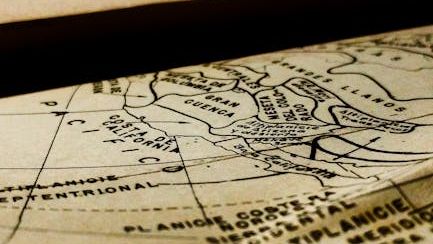
The Piri Reis Map: Antarctica Before Antarctica Was Known
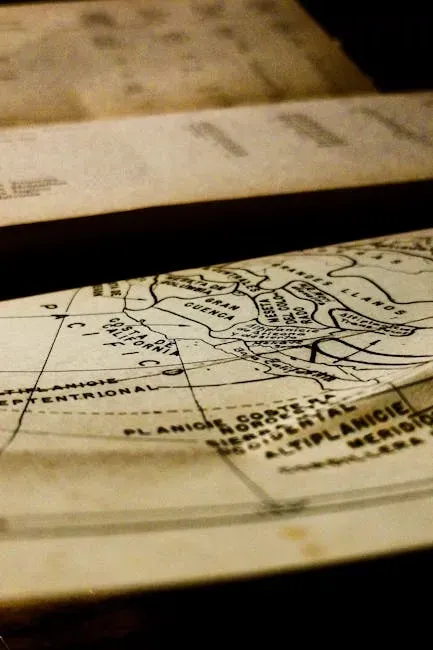
The most famous example of a potentially anachronistic ancient map is the Piri Reis map, created in 1513 by an Ottoman admiral using much older source materials. This map appears to show the coastline of Antarctica beneath the ice. Mainstream cartographers suggest it’s a coincidence or a misinterpretation. But even conservative scholars admit the map’s accuracy is startling for its time.
Piri Reis himself stated that he compiled the map from earlier sources, including maps from ancient Greece and lost charts from Christopher Columbus. Some theorists, such as Charles Hapgood, argue that the map preserves knowledge from an advanced civilization that existed thousands of years ago. Mainstream scholars counter this claim, suggesting that what appears to be Antarctica may instead be a misinterpretation of South America. The honest position is that both sides make reasonable arguments. That ambiguity is precisely what keeps this map on the radar of historians and conspiracy theorists alike, often for very different reasons.
The Cocaine Mummies: A Trade Route That Shouldn’t Exist
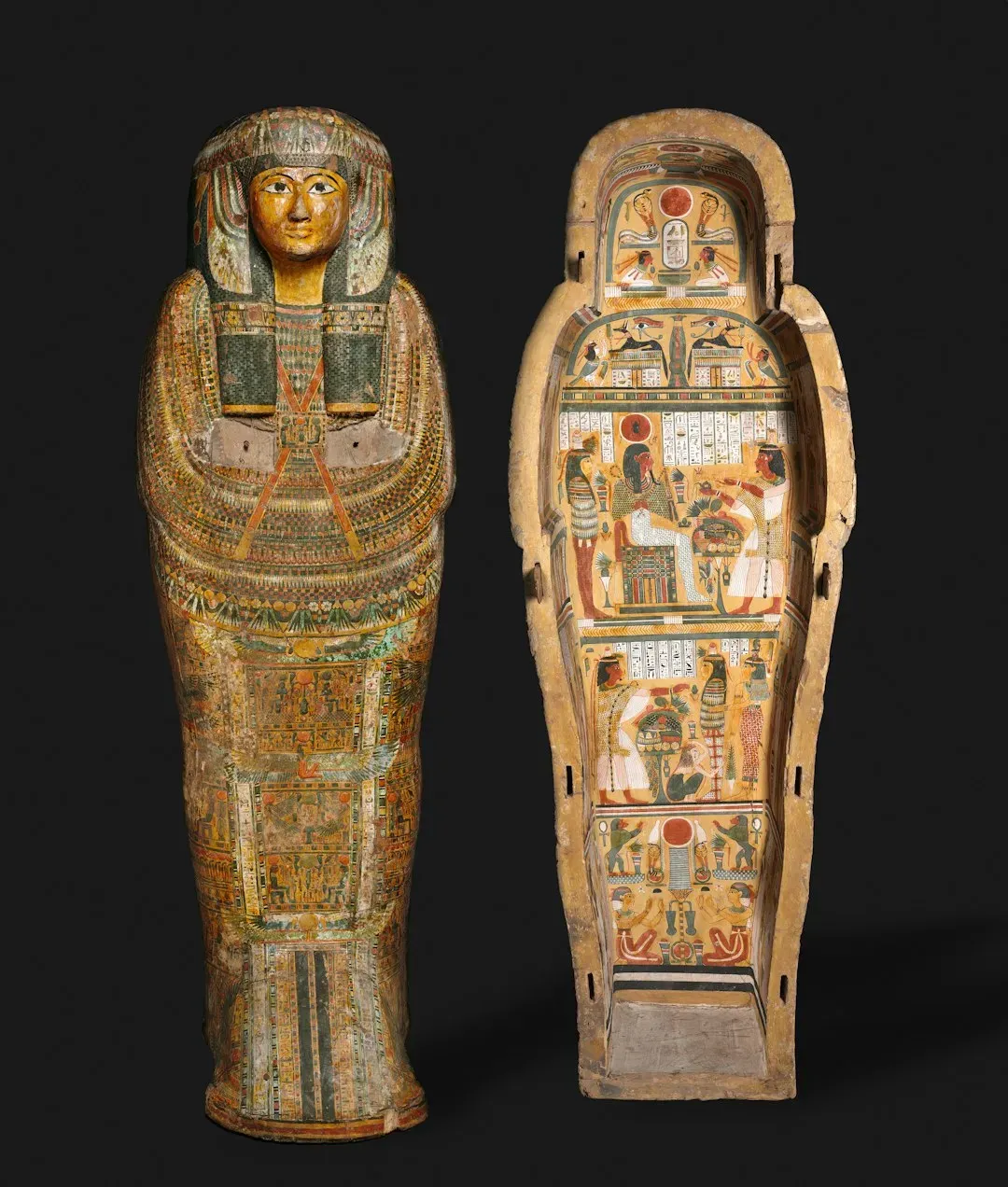
The discovery of traces of nicotine and cocaine within 3,000-year-old human remains, which came to be known as Egypt’s cocaine mummies, raised curious questions amongst historians. Challenging existing historical narratives and prompting inquiries about potential transoceanic contact in antiquity, these controversial findings disrupted conventional narratives and prompted scholars to reconsider the scope of cultural exchanges in antiquity.
In 1992, German toxicologist Svetlana Balabanova discovered traces of cocaine, hashish, and nicotine on the hair of the mummy Henut Taui as well as on other mummies, which is significant in that the only source for cocaine and nicotine had at that time been considered to be the coca and tobacco plants native to the Americas, not thought to have been present in Africa until after Columbus voyaged to the Americas. The findings are controversial because while other researchers have also detected the presence of cocaine and nicotine in Egyptian mummies, two successive analyses on other groups of Egyptian mummies and human remains failed to fully reproduce Balabanova’s results. The contamination argument is scientifically reasonable. Yet the findings haven’t disappeared, and researchers continue to debate what the data actually means.
The Voynich Manuscript: Still Unsolved After a Century
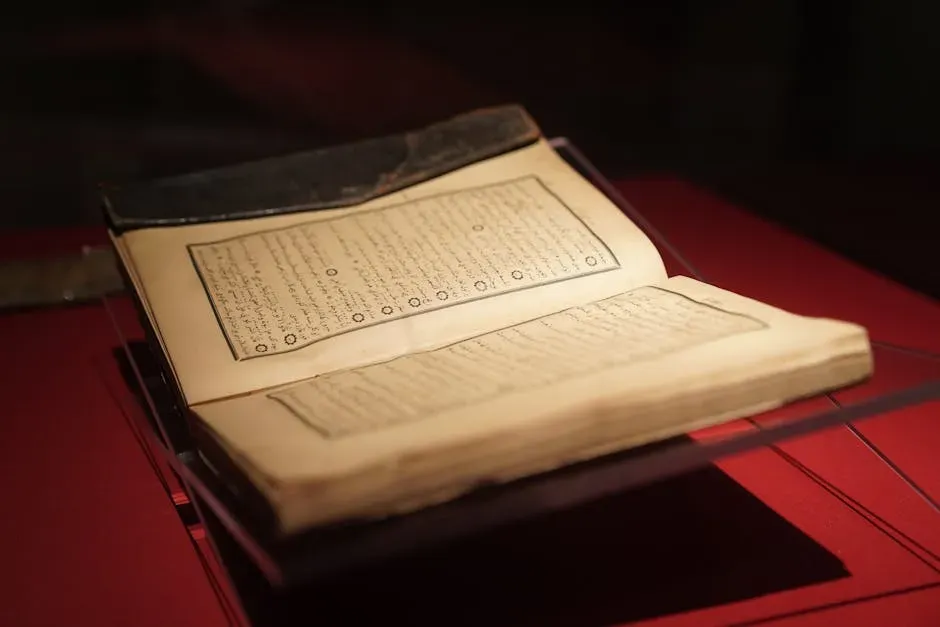
Discovered in 1912 by antiquarian book dealer Wilfrid Voynich, the Voynich Manuscript is a 240-page book filled with bizarre illustrations and written in an unknown script. Estimated to date back to the early 15th century, the manuscript remains one of the biggest linguistic mysteries in history. It is written in a completely unknown language that has resisted all decryption attempts.
Carbon-dated to the early 15th century, the manuscript contains detailed drawings of plants, celestial bodies, and human figures. The script has eluded decipherment, and the origin and purpose of the manuscript remain enigmatic. Some researchers consider it a hoax, while others propose that it contains valuable hidden knowledge. What makes the Voynich Manuscript especially maddening is that it doesn’t look random. The text has consistent patterns, word frequencies, and structure that resemble a real language. Cryptographers, linguists, and computer scientists have all tried and failed to crack it. As of 2026, no verified translation exists.
The Shroud of Turin: Science Versus Belief
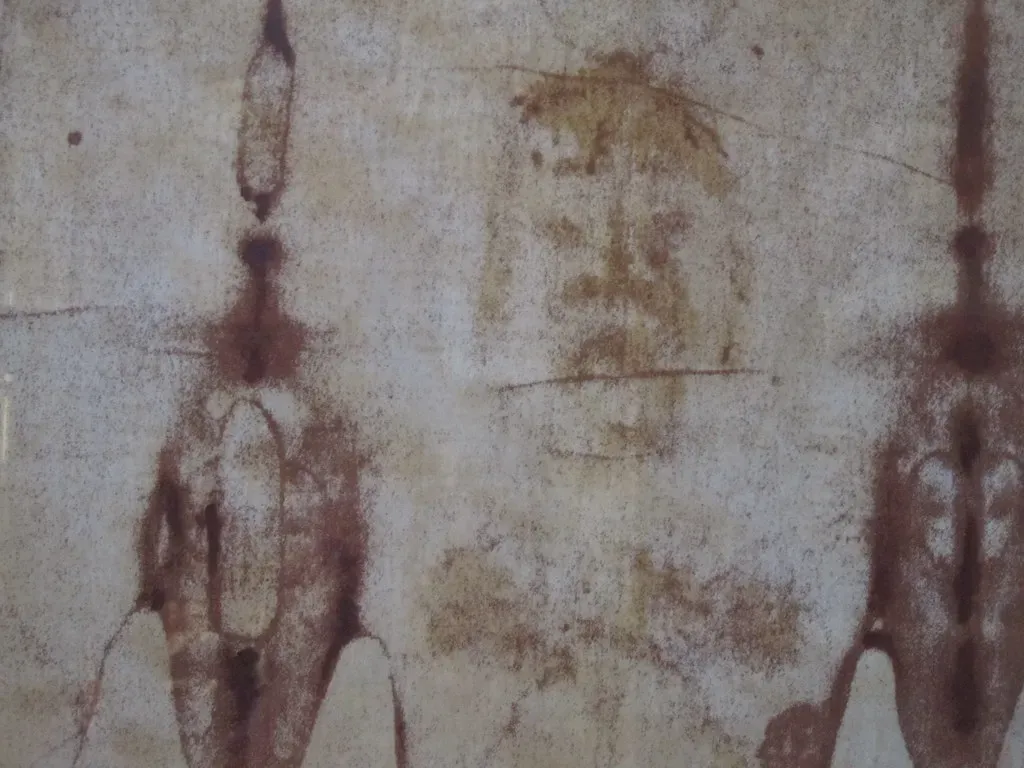
The Shroud of Turin is a cloth traditionally identified as the burial shroud in which Jesus of Nazareth was wrapped after crucifixion. The shroud contains an image that resembles a sepia photographic negative, established by radiocarbon dating to have been produced between the years 1260 and 1390. Mention of the shroud first appeared in historical records in 1357.
The fact that the image on the shroud is much clearer when it is converted to a positive image was not discovered until Secondo Pia photographed it in 1898. The actual method that resulted in this image has not yet been conclusively identified; hypotheses about a medieval proto-photographic process, a rubbing technique, natural chemical processes, or some kind of radiation have not convinced many researchers. The radiocarbon dating places it firmly in the medieval period, which most scientists accept. The lingering puzzle, though, is the image itself. No laboratory has convincingly replicated its formation process, which means the debate continues on purely technical grounds, entirely separate from religious belief.
Troy: From Myth to Battlefield Evidence

Fresh excavations at the legendary city of Troy in northwestern Turkey have uncovered what may be the most compelling evidence yet that Homer’s Iliad describes real events. Turkish archaeologists discovered thousands of 3,500-year-old sling stones concentrated in a small area outside the palace walls, along with arrowheads, charred buildings, and hastily buried human remains.
The sling stones, smoothed to aerodynamic perfection, were among the Bronze Age’s most lethal weapons. Their concentration in such a small area suggests intense fighting, either a desperate defense or a full-scale assault. The destruction layer dates to around 1200 BC, precisely matching the period Greek historians assigned to the Trojan War. For centuries, Troy was dismissed as pure myth. Then Heinrich Schliemann found the city in the 1870s. Now researchers are finding battle damage that aligns with the timeline of the war Homer described. History and legend are not always as separate as textbooks suggest.
The Odysseus Sanctuary on Ithaca: Legend Becomes Archaeology
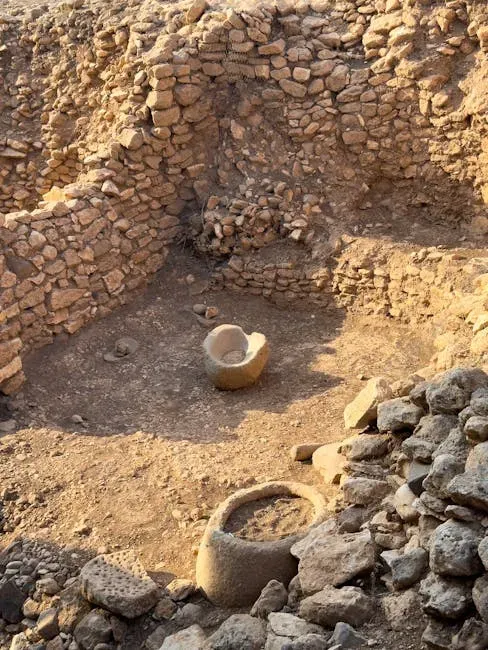
On the Greek island of Ithaca, archaeologists identified a site believed to be a sanctuary dedicated to the legendary hero Odysseus. Located at an archaeological complex previously known as the School of Homer, the site had long been debated by scholars of ancient literature and history. Excavations provided concrete evidence of a cult center where inhabitants and travelers once offered prayers and gifts to the protagonist of the Odyssey.
The identification is supported by the discovery of multiple votive offerings, including small bronze statues and ceramic vessels. Most notably, a tile fragment bearing a Greek inscription explicitly mentions the name Odysseus. This find links the mythological figure to a physical place of worship, suggesting that he was venerated as a real historical figure or local deity during the Hellenistic period. This doesn’t prove that a man named Odysseus fought at Troy and sailed the Mediterranean for a decade. What it does confirm is that real people, in a real place, believed he was worth worshipping. Where exactly myth ends and history begins remains genuinely unresolved.
Hidden Chambers in the Great Pyramid: The Anomaly That Won’t Close
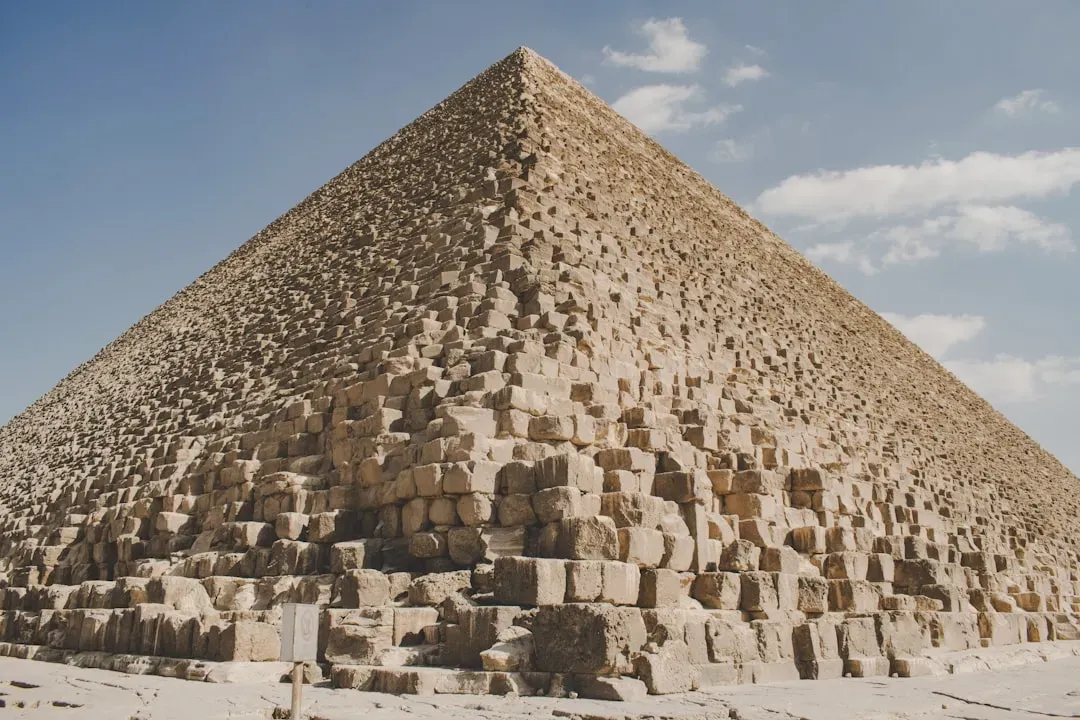
Beneath the shadow of Khufu’s Great Pyramid, cutting-edge scanning technology has unveiled a perplexing architectural anomaly in a previously unexplored section of the royal necropolis. The mysterious L-shaped structure, stretching 33 feet in length and buried about 6.5 feet beneath the surface, connects to an even deeper chamber of unknown purpose. Every few years, a new scan reveals something that wasn’t supposed to be there.
What makes this discovery particularly intriguing is its location in a section of the 4,500-year-old cemetery that lacks the typical surface markers, the mastabas, that characterize traditional Egyptian noble burials. The pyramid’s sheer scale, its precise astronomical alignments, and the ongoing discovery of hidden spaces continue to fuel speculation about what still lies within its walls. Despite extensive research, the Great Pyramid of Giza remains shrouded in mystery. The pyramid’s internal chamber and passageway alignments continue to be a subject of debate among scholars. The Egyptians left behind thousands of texts documenting their lives, beliefs, and construction methods. Yet the pyramid keeps producing questions those texts haven’t fully answered.
Where Evidence Ends and Imagination Begins
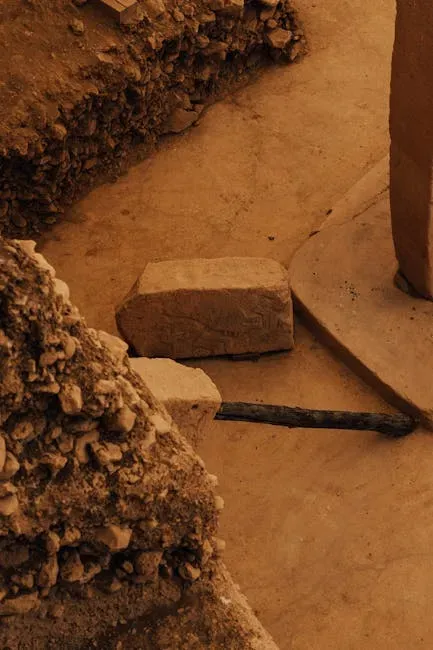
These ten discoveries share something important: they’re all real, verifiable, and genuinely puzzling. None of them require ancient aliens or secret societies to be remarkable. They’re remarkable simply because they resist easy answers. Each discovery challenges our assumptions, sparking new questions and fueling ongoing exploration. Unanswered mysteries keep history vibrant, inviting both experts and the curious to imagine, investigate, and debate.
The honest tension here is not between science and conspiracy. It’s between what we know, what we think we know, and what the ground keeps suggesting we’ve missed. These discoveries hint at how much human history still lies hidden, in deep waters, dense jungles, and desert sands, waiting to be found. Conspiracy thrives in the gaps. The wiser response is to sit with the uncertainty and keep digging, both literally and intellectually.
The line between history and conspiracy is not fixed. It shifts every time a shovel hits something no one expected. That’s not a reason for alarm. It’s actually the most interesting thing about being alive in 2026, when the past keeps refusing to stay settled.
